Cosmopolitan Civil Societies: An Interdisciplinary Journal
Vol. 17, No. 3
2025
ARTICLE (REFEREED)
Local Wisdom Satu Tungku Tiga Batu for Stunting Reduction through Multisector Collaboration
Septi Wulandari1,*, Heti Marini2, Esa Septian3
1 Universitas Bojonegoro, Indonesia
2 Department of Education, Youth and Sports, Fakfak Regency, West Papua, Indonesia, hetimarini2@gmail.com
3 Universitas Bojonegoro, Indonesia, esaseptian28@gmail.com
Corresponding author: Septi Wulandari, Universitas Bojonegoro, Jl. Lettu Suyitno No.2, Glendeng, Kalirejo, Kec. Bojonegoro, Kabupaten Bojonegoro, East Java 62119, Indonesia, septiwuland09@gmail.com
DOI: https://doi.org/10.5130/ccs.v17.i3.9588
Article History: Received 31/01/2025; Revised 10/10/2025; Accepted 04/12/2025; Published 19/02/2026
Citation: Wulandari, S., Marini, H., Septian, E. 2025. Local Wisdom Satu Tungku Tiga Batu for Stunting Reduction through Multisector Collaboration. Cosmopolitan Civil Societies: An Interdisciplinary Journal, 17:3, 117–137. https://doi.org/10.5130/ccs.v17.i3.9588
Abstract
This study analyzes the collaborative practice of Satu Tungku Tiga Batu in stunting prevention in Fakfak Regency, Indonesia, as a local wisdom-based governance model. Using a qualitative phenomenological approach, data were collected through in-depth interviews, focus group discussions, observations, and document analysis involving 17 key informants from government, traditional, and religious leaders. Data analysis employed the interactive model of Miles, Huberman, and Saldaña, supported by triangulation of methods, sources, and theories grounded in collaborative governance and Country Collaboration Theory. The findings indicate that Satu Tungku Tiga Batu strengthens social trust, role equality, and collaborative commitment through the Wewowo forum as a co-determination space. The collaboration achieved a ‘small victory’ by initiating revisions to Regent Regulation No. 62 of 2022 to formally involve traditional and religious leaders. This study concludes that integrating local cultural values fosters inclusive, participatory, and sustainable collaborative governance in stunting management.
Keywords
Collaborative Governance; Country Collaboration; Local Wisdom; Satu Tungku Tiga Batu; Stunting; Indonesia
Introduction
Stunting is a chronic malnutrition problem caused by a lack of nutritional intake for a long period of time, resulting in growth disorders in children, namely the child’s height is lower or shorter than the standard age (Firdaus et al. 2024; Firna & Setiarini 2023; Yunus et al. 2023). Stunting is indicated in a condition of height or weight lower than more than minus two standard deviations of the WHO average child growth standard (Arsad et al. 2024; Kahssay et al. 2020). Stunting can have a direct or long-term impact on children who experience it, such as morbidity, malnutrition, and death (Ezeh et al. 2021; Shekar et al. 2017). As for the country, stunting is an obstacle to economic development (Laksono et al. 2022).
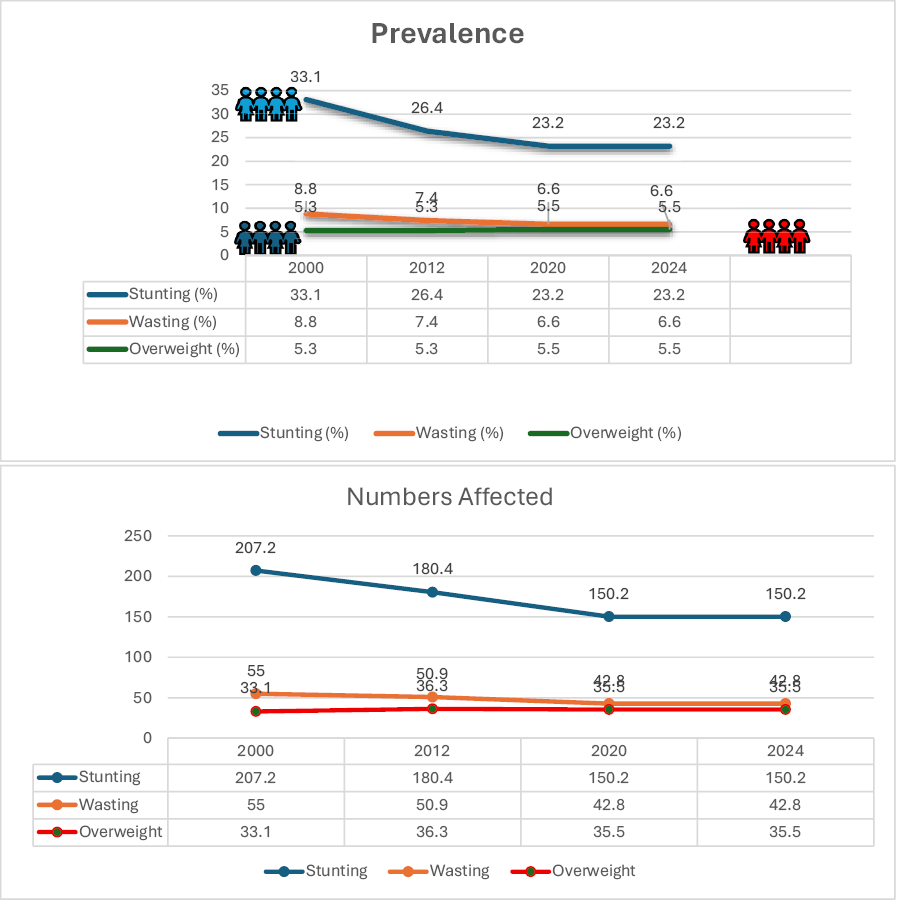
Figure 1. Child Malnutrition Estimates in Global
Source: UNICEF/WHO/World Bank Group 2025
UNICEF/WHO/World Bank Joint Child Malnutrition Estimates (2025 edition) data (Figure 1) show that the prevalence of stunting decreased significantly from 33.1% in 2000 to 23.2% in 2024, representing a decrease in the number of cases from 207.2 million to 150.2 million children. But the data also indicate that despite global efforts to reduce stunting and wasting, there has been no change since 2020; stunting is still a special concern at the global level to be addressed (UNICEF/WHO/World Bank Group 2025).
The phenomenon of stunting is influenced by various factors, including cultural practices, local customs, and socioeconomic conditions (Diana et al. 2022; Aramico et al. 2024). For example, in West Nusa Tenggara, early marriage and low levels of education contribute to high stunting rates (Jaya et al. 2025). The Indonesian government through the National Team for the Acceleration of Poverty Alleviation (TNP2K) has set 100 districts/cities as priority areas for stunting prevention (Ramdani & Abdullah 2021). Priority areas or areas that are the main loci of stunting intervention are areas that have a high stunting prevalence rate compared to other regions (Eryando 2022; Ramdani & Abdullah 2021).

Figure 2. Stunting Prevalence Rate
Source: (Secondary data 2025)
Based on figure 2, the data above shows that the stunting prevalence rate in districts in West Papua almost all have a high (20%-30%) and very high (>30%) stunting prevalence rate. Only Sorong City has a moderate stunting prevalence rate below the national standard of 24.4%, which is 19.9%. Fakfak Regency, Fakfak Regency has a stunting rate of 26%. This figure is slightly lower than the stunting prevalence in West Papua as a whole (26.2%), but still higher than the national stunting rate (24.4%). This makes Fakfak Regency a strategic area for stunting prevention. The cause of stunting is the low awareness of mothers or mothers-to-be of the opportunity to do self-check-ups at the health unit (Marni et al. 2023; Pasaribu et al. 2025). In addition to low awareness, other factors cause mothers not to check themselves or their children at health institutions, such as early marriage (Li et al. 2021; Marni et al. 2023; Pasaribu et al. 2025).
In Fakfak Regency, the local wisdom of Satu Tungku Tiga Batu is being explored as a potential strategy to reduce stunting through a collaborative approach involving the government, traditional leaders, and religion. The collaboration of Satu Tungku Tiga Batu can be the right basis for collaboration between the government and non-government in Fakfak Regency, especially in reducing stunting. Satu Tungku Tiga Batu is a symbol of harmony in Fakfak Regency, West Papua Province (Rusyaid et al. 2022). The concept of Satu Tungku Tiga Batu is a cultural value that is first closely related to the tribal kinship system. At the same time, the concept of Satu Tungku Tiga Batu is also associated with the existence of people’s lives as a whole (Pandie 2018). This extension in meaning is applied in cooperation between the government, customs, and religion (Resubun et al. 2021) which is implemented by building cooperation between the three parties consisting of the government, customary, and religious leaders to regulate the social and cultural life of the community.
The gap that this study will fill lies in the lack of awareness and coordination where many local government agencies and public health workers are not familiar with stunting reduction programs, which affects stakeholder acceptance and program effectiveness (Lestari et al. 2024). In some areas, stunting reduction programs are not implemented optimally due to a lack of knowledge and parenting practices among mothers and health cadres (Ashar et al. 2025). In addition, cultural beliefs and gender roles can hinder the implementation of effective stunting reduction activities, where stunting activities are considered a domestic problem that is better handled by women (Rahmawati et al. 2022).
The urgency to address stunting is underlined by its long-term impact on children’s health and development. Examples of programs to address it include the following: in Temanggung Regency, collaboration with religious leaders has become part of stunting management strategies, although there are still challenges in aligning perceptions and goals (Nandini et al. 2024). In addition, integrating local wisdom and cultural practices into stunting prevention programs can increase their acceptance and effectiveness (Ghaffar et al. 2022; Aramico et al. 2024; Nata et al. 2025). By addressing this gap and leveraging local wisdom, Fakfak Regency can make significant strides in reducing stunting and improving the health and development of its children.
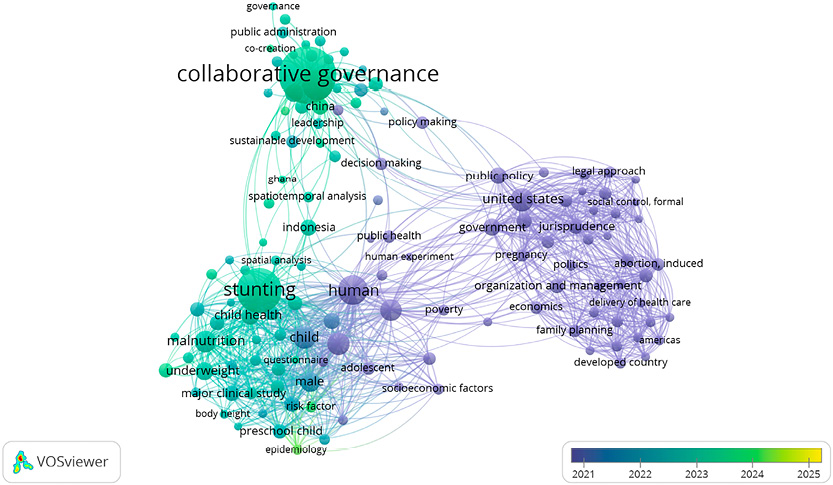
Figure 3. Overlay Visualization Network
Source: Processed using VOSviewer from the Scopus database 2025
The results of bibliometric mapping (Figure 3) using VOSviewer with the keywords ‘collaborative governance’, ‘stunting’, and ‘Satu Tungku Tiga Batu’ show that research linking the issue of collaborative governance with the problem of stunting is still relatively limited. Furthermore, from the mapping results, it can be seen that there is no node that connects the concept of Satu Tungku Tiga Batu, a local wisdom typical of Fakfak, West Papua with international discourse on collaborative governance and stunting reduction. This confirms that the integration of local wisdom and collaborative governance in efforts to reduce stunting is a research gap (Guleria & Kaur 2021; Verma et al. 2021; Wulandari et al. 2025). Thus, this study offers novelty through efforts to link Satu Tungku Tiga Batu as an institutional design based on local wisdom with the framework of Collaborative Governance (Ansell & Gash 2008) and Country Collaboration Theory (White & Robinson 1998) to analyze the collaborative practices of the government, traditional leaders, and religious leaders in reducing stunting in Fakfak Regency. With this position, the novelty of this research lies in its contribution in expanding the literature on collaborative governance from just formal stakeholder relations to the integration of traditional and religious actors through local wisdom, which until now has not been widely found in reputable international publications. Based on the problem phenomena and evidence of the novelty of the research, this study aims to analyze how the Satu Tungku Tiga Batu, (One Stove Three Stones) collaboration is implemented in efforts to prevent stunting in Fakfak Regency.
Literature Review
Collaborative Governance
The concept of collaborative governance has received widespread attention in the public governance literature since a seminal article by Ansell and Gash (2008), which defines collaboration as ‘arrangements where one or more public agencies directly engage non-state stakeholders in a collective decision-making process that is formal, consensus-oriented, and deliberative.’ This model emphasizes seven important dimensions: starting conditions, face-to-face discussions, building trust, commitment to the process, mutual understanding, and Intermediate outcome, facilitative leadership. These 7 indicators are tools that will be used to analyze the collaborative process of satu tungku tiga batu in preventing stunting.
In the context of public policy, collaborative governance has proven to be relevant in various sectors, ranging from environmental management (Denfanapapol et al. 2024; Siddiki & Ambrose 2023) and public health (Emerson 2018; Robert et al. 2022), to sustainable development (Robert et al. 2022) and digital transformation (Hedelin et al. 2023; Septian et al. 2024). In Indonesia, the concept of collaborative governance is increasingly relevant in the context of solving complex social problems, including public health (Arianny & Adisasmito 2024; Khafian 2023).
Country Collaboration Theory
The Country Collaboration Theory developed by White and Robinson (1998) was originally born from the study of rural development and cooperation between countries in development. The theory emphasizes four main principles as the foundation of effective collaboration: mutuality (commonality of interests between actors), reciprocity, complementarity, and sustainability. Although formulated in a macro context, this theory has been adapted to analyze cooperation between domestic actors, including local governments, community organizations, and indigenous groups (Morgan et al. 2025; Zheng et al. 2025).
Further studies show that the principles in Country Collaboration Theory can be used to assess the quality of collaboration in development governance in developing countries, especially in contexts where beliefs and social norms play an important role (Arai et al. 2021; Tando et al. 2019). For example, the success of development collaborations in Ghana and Tanzania was found to be highly influenced by the reciprocity and complementarity of roles between governments and traditional institutions (Azunu 2019; Ward et al. 2017).
Local Wisdom of Satu Tungku Tiga Batu
The philosophy of Satu Tungku Tiga Batu is a very important cultural symbol for the people of Fakfak, West Papua. Literally, this term refers to a stove or cooking pot placed on three stones. This metaphor describes balance, dependence, and equality among the three main pillars of society, namely the government, traditional leaders, and religious leaders. If one of the stones is not present, the cooking pot becomes unstable, so this philosophy teaches the importance of collaboration and togetherness between actors (Aghsari et al. 2018; Pandie 2018).
The philosophy of Satu Tungku Tiga Batu comes from the way of life and identity of the Mbaham Matta (WUH) tribe, which depict the three pillars of the stove as a symbol of life and brotherhood. The three equally large and sturdy stones symbolize ‘KO, ON, KNO, Mi Mbi Du Qpona’ or ‘you, me, and him,’ representing equality and unity across differences in religion, ethnicity, and social status. For the Fakfak people, this philosophy is a breath of harmony and familiarity, teaching that differences actually strengthen togetherness in a forum for living together (Abialtar 2021).
Method
Type of Research and Data Collection
This study uses a qualitative method with a phenomenological approach to deeply understand the process of collaboration between the government, traditional leaders, and religious leaders (drawn from Islam (MUI), Protestant churches (GKI and GPI) and the Catholic Church (TPW) within the framework of the local wisdom of Satu Tungku Tiga Batu in efforts to overcome stunting in Fakfak Regency. The phenomenological approach was chosen because it is able to explore the experiences, perceptions, and meanings built by social actors related to the practice of collaboration (Creswell 2018).
The data collection was based on purposive sampling, namely choosing based on the three criteria of customary, religious, and government figures (Chun Tie et al. 2019). In particular, these research informants were selected based on their resources, knowledge, or social capital related to stunting and local wisdom of Satu Tungku Tiga Batu. The profile of each research informant is shown in the following table.
| Group | Definition | Stakeholders |
|---|---|---|
| Government | Parties registered as part of government institutions, having knowledge in the fields of health, religion, or custom, and being in the domain of stunting reduction policy makers or technical implementers. | 1. Vice Regent/Leader of the Stunting Reduction Acceleration Team (TPPS) 2. Head of the Family Health and Community Nutrition Section at the Fakfak District Health Office (DHO) 3. Head of Government and Human Development at the Regional Development Planning, Research and Development Agency (Bappeda) of Fakfak District 4. Head of the Islamic Guidance Section of the Ministry of Religious Affairs (Kemenag) of Fakfak District 5. Representative of the Village Community Empowerment Office (DPMK) of Fakfak District 6. Head of Population Control and Family Planning Division at DP3AP2KB Fakfak Regency 7. West Fakfak District Head 8. Head of the Food Consumption Section at the Fakfak District Agriculture Office |
| Traditional Figure | Community leaders who have in-depth knowledge of Fakfak customs and culture and are close to the Fakfak community. | 9. Chairman of the Mbaham Matta Traditional Council 10. Secretary of Indigenous Peoples Organization 11. Raja Sekar Pegpeg1 12. Chairperson of the Papuan Women’s Customary Organization (LAPEPA) |
| Religious Figure | Public figures who have a depth of religious knowledge and are close to the community. | 13. Chairman of the Religious Harmony Forum (FKUB)/NU 14. Chairman of GKI Fakfak 15. Chairman of GPI Fakfak 16. Chairman of the Indonesian Ulema Council (MUI) Fakfak District 17. Chairman of TPW Fakfak |
Source: (Empirical data processed by researchers 2025)
Based on the table above, the number of people who became informants in this study is 17, namely 8 representatives from the government, 4 from traditional leaders, and 5 from religious leaders. Data collection techniques include semi-structured in-depth interviews, focus group discussions (FGDs), participatory observations, and documentation studies (Creswell 2018).
Data Analysis and Validity
The data analysis in this study uses an interactive model that includes the stages of condensation, presentation, conclusion, withdrawal, and verification. The condensation process is carried out through the selection, focusing, abstraction, and transformation of data from interviews, FGDs, observations, and documentation, which is then presented in the form of narratives and tables to facilitate interpretation before being verified repeatedly (Miles et al. 2014). To maintain the validity and credibility of the data, triangulation of methods, sources, and theories is applied by combining various data collection techniques, comparing the views of government, customs, and religion, and referring to collaborative governance and Country Collaboration Theory as the basis of analysis (Fusch et al. 2018).
Results and Discussion
Satu Tungku Tiga Batu Collaboration in Stunting Prevention
Initial Conditions
The philosophy of Satu Tungku Tiga Batu is very close to the life of the people of Fakfak Regency. ‘Satu tungku’ means one land and one container of living together, while ‘Tiga Batu’ represents three large groups that have the roles and responsibilities of government, traditional leaders, and religious leaders. Based on a religious point of view, this philosophy reflects the three religious pillars in Fakfak: Islam, Catholicism, and Protestantism. The Chairman of MUI Fakfak said:
This means that giving mutual aid is not limited to, for example, religion, ethnicity, race, class, and so on, but this applies in general. We help each other, please help for the progress of our region, the Fakfak area. It’s part of our philosophical values (Chairman of MUI Fakfak, Religious Leader).
From the government’s side, the Deputy Regent of Fakfak said:
The historical relationship is very positive. Positive because blood relations bind us. So even though the religions are different, they are blood ties that unite us (Deputy Regent of Fakfak, Government).
This confirms that the history of cooperation between the three pillars has been positively established because of the blood bond as one big Fakfak family. The Head of Population Control and Family Planning also added:
Very good, positive. Because for example we have a joint prayer activity, I will definitely contact the pastor, or the priest to give a short lecture (Head of Population Control and Family Planning at DP3AP2KB Fakfak Regency, Government Figure).
From the customary side, the Chairman of the Customary Council Mbaham Matta said:
For several years it has been quite good. In recent years, this partnership has been built. It just needs to continue to be built, maintained, maintained (Chairman of the Mbaham Matta Customary Council, Traditional Leader).
Meanwhile, in terms of religion, the Chairman of the GPI Group (Indonesian Protestant Church) added:
The government sees that we religious leaders respect us, they accept that we have business, we have needs. But there are experiences as well as bureaucratic provisions, so maybe what we expect [to be] fast [is] slow. What we expect can’t be 100% (Chairman of the GPI Class, Religious Leader).
These statements show that cooperation between the government, customs, and religion in Fakfak is positively established, although it is still constrained by bureaucracy that slows down coordination.
However, the results of the interviews also show that there is an asymmetry of power and resources between the three parties. The Head of the Food Consumption Section of the Agriculture Office said:
Even though there is already a rule from the PERMENDES (Peraturan Menteri Desa or Minister of Village Regulation), about 20% or 10%, 15% is allocated for stunting in the field of food security. That’s the village fund, which means that at least, yes, the honorariums for this traditional team can enter them. In the village, indeed, as far as we know, there may not be a percentage for stunting treatment that they allocated. In terms of communication and information, there is no problem (Head of the Food Consumption Section at the Fakfak Regency Agriculture Office, Government).
Meanwhile, from the customary side, the Secretary of the Customary Institution said:
The government is stronger in the sense because the government is a regulator, they are also budget managers. From the state, the program is entirely formal from the government (Willy Hegemur, Secretary of the Customary Institution, Customary Figure).
The statement shows that the government remains the dominant actor because it has control over regulations and budgets, while traditional and religious leaders have not received adequate material support. Thus, even though the Satu Tungku Tiga Batu collaboration has been based on positive social relations and open communication, there are still asymmetries of power that need to be overcome so that this collaboration can run equally and sustainably in combating stunting in Fakfak Regency. Based on these findings, the researcher mapped the initial conditions of the Satu Tungku Tiga Batu collaboration in Table 2.
| No. | Dimension | Government | Traditional Leaders | Religious Figures |
|---|---|---|---|---|
| 1. | History of Cooperation | Strong relationships due to kinship ties and cross-sectoral activities. | Partnerships based on trust and shared identity need to be maintained. | The parties to the relationship respect each other, even though it is constrained by bureaucracy. |
| 2. | Asymmetry of Power and Access to Resources | Dominant as a regulator and budget manager. | Symbolic role without access to formal funding. | Depends on the government because of the lack of financial support. |
| 3. | Communication Patterns | Open and routine, and involving customs and religion. | Based on Wewowo2 cultural norms that emphasize equality. | Spiritual communication is good, but it has not been integrated into formal decisions. |
| 4. | Collaboration | The commitment to collaboration exists, but it is still top-down. | Ready to play an active role and be more structurally involved. | Willing to collaborate more intensely if bureaucratic barriers are reduced. |
Source: (Analysis of results 2025)
The dynamics of collaborative relations between the government, traditional leaders, and religious leaders in Fakfak Regency show that there is a strong social foundation based on kinship and local cultural values that support the formation of collaboration to combat stunting within the framework of collaborative governance. The government is open in establishing cross-sectoral relations, while traditional and religious leaders emphasize the importance of trust and respect for norms and traditions, so as to create positive social capital as a basis for collaboration. However, the government’s dominance in budgetary and regulatory authority leads to role inequality, where traditional and religious leaders tend to contribute symbolically without direct access to resources. Although Wewowo’s culture-based communication pattern shows the potential for integration through equal dialogue and deliberation, the collaboration that occurs still tends to be top-down. The main challenge ahead is to build a participatory mechanism that provides greater space for indigenous and religious leaders to be involved in policy formulation, so that collaboration develops from mere administrative coordination to substantive collaboration rooted in local values.
Face-to-Face Discussion to open up Co-Determination Communication Space
Face-to-face discussions are the most effective form of communication in collaboration (Schwartz 2016). This is because face-to-face discussions are the most important part of collaboration (Pritzlaff-Scheele & Nullmeier 2018). Face-to-face discussions can break down stereotypes and communication barriers, and explore mutual gains (Ansell & Gash 2008). Based on this, face-to-face discussions are the main strategy of the collaboration process; they create openness, which ultimately fosters trust. The face-to-face discussion in this collaboration was carried out with a Wewowo cultural approach. Wewowo is a face-to-face discussion that involves many people at once for decision-making. Wewowo is one of the original cultures of the Fakfak people.
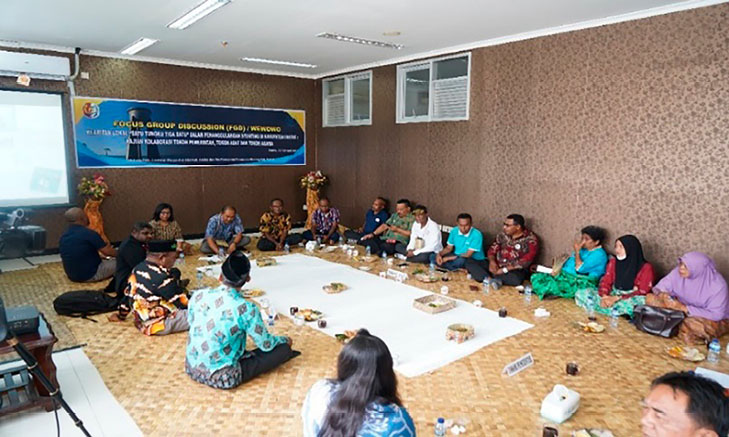
Figure 4. Wewowo Implementation with Matboard, White Cloth, Nahahara, and Sitting in a Circle
Source: (Empirical data 2025)
Wewowo is carried out by sitting together on the floor on a mat, reflecting a hereditary tradition that fosters social closeness, brotherhood, and intimacy. This practice is in line with the theory of collaborative governance (Ansell & Gash 2008), which emphasizes the importance of face-to-face dialogue to strengthen social relationships. It is also in line with Country Collaboration Theory (White & Robinson 1998) through the principle of co-determination, where each participant has an equal opportunity to express their opinion. Symbolic elements such as the white cloth in the middle of the participants symbolize openness and honesty, while Nahahara (a hospitable dish) and the offering of a toast strengthen the sense of family and create a relaxed atmosphere that eliminates social distancing. Thus, Wewowo is not only a medium of communication and joint decision-making, but also a means of building trust and solidarity between actors in collaboration to combat stunting in Fakfak Regency.
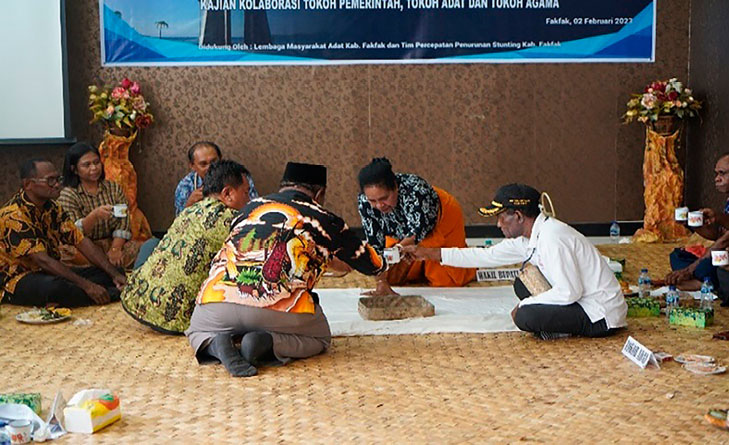
Figure 5. Offering a Toast as a Sign of Approval
Source: (Documentation by researcher, 2025)
Wewowo is a tradition of discussion among the Fakfak community which is carried out by sitting in a circle while sharing betel leaves, areca nuts, and tobacco as a symbol of togetherness and equality. This tradition reflects the value of Satu Tungku Tiga Batu which fosters a sense of brotherhood and provides equal space for all parties to express their opinions. As a form of face-to-face dialogue and co-determination practice (White & Robinson 1998), Wewowo functions as a means of communication, analysis, and joint decision-making that removes communication barriers and reduces power asymmetry. Through Wewowo, the government, traditional leaders, and religious leaders can interact openly, build trust, and strengthen collaborative commitments in combating stunting in Fakfak Regency.
Furthermore, the interaction develops into a policy negotiation process, when traditional leaders and religious leaders propose to improve local regulations by including their roles in Regent Regulation Number 62 of 2022 concerning the Acceleration of Integrated Stunting Reduction (Perbup Number 62 of 2022). The government responded by asking for clarification regarding the form of participation and commitment of the two actors. This dynamic shows the existence of power asymmetry, where the government remains dominant as a decision-maker, while non-government actors seek to expand the space for participation through deliberative processes. This is illustrated in the statement of a traditional leader:
… In short, we recommend the first Perbup should be be revised. Then the function of customs and religion, involve us. So we have to be structurally involved, because the consequences will be to budgeting as well (Secretary of the Indigenous Peoples Institution).
This proposal emphasizes the need for structural and legal involvement of indigenous and religious leaders so that their role in combating stunting has institutional legitimacy and adequate funding support. Repeated interactions between the three actors indicate that there is trust building that is built through consistent dialogue based on mutual respect. Face-to-face discussions are an effective means to foster social trust and reduce prejudice between actors (Schwartz 2016; Pritzlaff-Scheele & Nullmeier 2018). In the final stage, this collaboration resulted in a joint commitment to revise Perbup Number 62 of 2022, so that it is more inclusive of the role of traditional and religious leaders. The process reflects the transformation from dialogue to commitment and institutional integration, an important feature in the implementation of the collaborative governance framework.
Building Trust
Building trust is one of the stages in the collaboration process that needs to be met for effective collaboration (Ansell & Gash 2008). Trust is an important part of managing the vulnerability of a group and its limitations (Gara & La Porte2020). Trust formed between the government, traditional leaders, and religious leaders can encourage effective collaboration processes and build sustainable collaboration. The trust that emerged from the history of this cooperation was explained by the Chairman of MUI:
The trust between these three components has indeed been nurtured from the beginning of the journey until now. What the government does, from a religious perspective, then the customs believe that it is very good for the community and the people in Fakfak Regency (Chairman of MUI Fakfak Regency, Religious Leader).
Based on the results of the interview above, there is a strong level of trust between the three main components of the government, traditional leaders, and religious leaders that has been built for a long time in Fakfak Regency. Traditional and religious leaders believe that government policies and actions are carried out for the good of the community and the people, in line with the values of Satu Tungku Tiga Batu which emphasize peace, harmony, and brotherhood in one big family of the Fakfak community. This history of good cooperation reinforces the willingness of each party to be actively involved in discussion forums such as Wewowo, where previously one-way communication from the government has now turned into an open dialogue that allows all parties to participate equally.
Commitment to Process and Co-Financing
In collaboration to combat stunting between government, customary, and religious leaders, co-financing or joint ownership can include sharing the costs, resources, risks, and benefits of stunting control programs. The resources in question are not only material, but also non-material such as the influence of these figures on society. Governments are considered service providers because they are responsible for providing quality public services and meeting the needs of the community. Traditional and religious figures, on the other hand, are considered an extension of the government to the community because they have direct access and influence on society. Indigenous and religious leaders can assist the government in conveying information and providing quality services to the community, as well as helping to facilitate community participation in the decision-making process. The Chairman of the Customary Council, said in the interview process that:
Government products are public services. Combining customs with religion is a product of ethics and norms. Our role is to encourage values, norms that exist in customs, so that they can be used in public services (Dominikus Tuturop, Chairman of the Mbaham Matta Customary Council, Traditional Leader).
Based on the statement above, each stakeholder has a role. The government plays a role in the form of public services. Religious figures play a role in the form of ethics and norms. Meanwhile, traditional leaders play a role in the form of customary values and norms. This shows that the government, traditional leaders, and religious leaders all have roles to serve the public in different and complementary ways.
| Stakeholders | Co-financing |
|---|---|
| Government | Provide health data and information |
| Traditional Figures | As an extension of the government and health facilities; As a partner of the government and the social control of the government |
| Religious Figures | Pulpit for public education |
Source: Primary data processed by researchers 2025
The building of trust among and between actors in collaboration to combat stunting encourages the emergence of a commitment to a joint process, because each party believes that the decisions taken will produce collective benefits. This trust creates an open and honest communication space, allowing stakeholders to explore innovative solutions and reinforcing a sense of shared responsibility for program goals. In the context of Fakfak, shared benefits are realized through a clear division of authority and responsibility between the government, traditional leaders, and religious leaders, including legal recognition and budget allocation for the role of customs and religion in stunting prevention education. With this recognition and balanced role, the three parties can complement each other in carrying out their duties, building synergy that strengthens the effectiveness of collaboration towards the common goal, namely sustainable stunting control.
Shared Understanding
The commitment to the process and integration of the socio-cultural values of Satu Tungku Tiga Batu encourages the emergence of a common understanding among the government, traditional leaders, and religious leaders that stunting prevention is a strategic program that must be prioritized in the development of Fakfak Regency (Ansell & Gash 2008). Collective awareness of the dangers of stunting for children’s health, economic growth, and the quality of human resources is the main motivation for collaboration to achieve common goals. Through face-to-face discussions in the Wewowo forum, stakeholders shared views and inputs that strengthened awareness that stunting prevention is a shared responsibility, so that a common vision, mission, and collaborative goals were formed in an effort to improve the welfare of the Fakfak community. In overcoming the problem of stunting, we need to work together, support each other, and remind each other. The Chairman of the MUI of Fakfak Regency conveyed this during the implementation of the FGD:
Because the values in local wisdom coexist, helping each other, including reminding each other when there is one of the stakeholders, one of the elements, or one of the elements that is usually apathetic, and then does not pay attention to development problems, including stunting. We have to remind each other that this is our common concern, not just one stakeholder (Chairman of the MUI of Fakfak Regency, Religious Leader).
The statement of the Chairman of MUI Fakfak, which is in line with Regent Regulation Number 62 of 2022, emphasizes that the value of Satu Tungku Tiga Batu is based on the principles of living together, helping each other, and reminding each other as a form of collective concern in development, including stunting prevention. This value fosters a sense of humanity, brotherhood, and high tolerance among the government, traditional leaders, and religious leaders, so that each party seeks to understand the others’ needs and views. This philosophy encourages open communication and mutual respect, creating effective coordination between actors in the Satu Tungku Tiga Batu collaboration to achieve the common goal of improving the welfare of the Fakfak community.
Co-Production
Co-production in collaboration to combat stunting is carried out to gather different and complementary strengths between the government, traditional leaders, and religious leaders. Although co-production has previously been practiced in the form of knowledge co-production where the government collects information from the community to determine public policies in combating stunting (Sorrentino et al. 2018), the problems faced are more complex and require more resources that can reach and be accepted by the community. Based on this, traditional leaders and religious leaders are parties who can fill the difficult part for the government to achieve, namely as partners and extensions to educate and socialize public policies in stunting control, as well as to provide input based on what they receive from the community directly. Traditional leaders and religious leaders as respected and listened-to parties can convey in ‘language’ that is easy to understand and accepted by the community. This also facilitates effective communication to invite people to change their mindsets and habits that are putting their children at risk of stunting. The results of the researcher’s analysis are shown in the following table:
| Dimension | Government | Traditional Leaders | Religious Figures | Collaborative Outcome |
|---|---|---|---|---|
| Role Orientation | Provide formal legitimacy, resources, and policies. | Mobilizing communities through cultural values and solidarity. | Instilling collective moral and ethical values. | A balance between formal power, social legitimacy, and moral beliefs. |
| Interaction Mechanism | Establish a secretariat and online communication. | Initiating the Wewowo forum and the work of the indigenous team. | Conducting cross-pillar deliberations with a religious ethics approach. | Two-way dialogue and continuous communication are formed. |
| Collaboration Instruments | Cross-sector decrees and evaluation data. | Work agreements and participatory SOPs3. | Moral and spiritual recommendations in policy. | Revision of Perbup No. 62/2022 which affirms the role of customs and religion. |
| Characteristics of Co-Production | Top-down enabling (provision of systems and resources). | Community-driven continuation. | Value-based legitimacy. | Hybrid bureaucratic-cultural-spiritual governance model. |
| Core Values | Accountability and transparency. | Mutual cooperation and social harmony. | Sincerity & moral concern. | Collaboration between the pillars of Satu Tungku Tiga Batu. |
Source: Primary data processed by researchers 2025
To realize effective Satu Tungku Tiga Batu collaboration in combating stunting in Fakfak Regency, a regulatory basis is needed that formally involves all parties. Although there is already Regent Regulation Number 62 of 2022, the regulation does not yet cover the roles of traditional and religious leaders. Through the Wewowo forum, the government represented by the Deputy Regent of Fakfak is committed to revising regulations so that both elements are involved. In the framework of co-production, collaboration between the government, traditional leaders, and religious leaders is realized through active participation in decision-making, monitoring, and program evaluation, by utilizing the expertise and wisdom of each party (Khine et al. 2021). The government acts as policy director, traditional leaders maintain local cultural values, and religious leaders strengthen public education and awareness. With a clear division of roles and synergy built, this collaboration has the potential to produce a more effective, inclusive, and sustainable stunting control program.
Intermediate Outcome
The intermediate outcome in Satu Tungku Tiga Batu collaboration is characterized by the emergence of ‘small victories’, i.e. early milestones that strengthen commitment and pave the way to greater success (Ansell & Gash 2008). In the context of stunting control in Fakfak Regency, this small victory is reflected in the integration of power between the government, traditional leaders, and religious leaders through a written agreement that states the government’s willingness to include traditional and religious leaders in the Regent Regulation Number 62 of 2022, accompanied by a clearer division of roles and responsibilities between collaborative actors.
Through this step, traditional and religious leaders gain a formal space to actively participate in communication and program implementation, so that stunting prevention becomes a more structured, systematic, and inclusive joint effort. The revision of the Perbup is a tangible manifestation of a small victory in the collaboration process, even though its implementation has not been fully integrated into the regional government’s strategic plan. If followed up, this policy has the potential to strengthen the effectiveness of collaborative governance and have a significant impact on the sustainability of stunting reduction efforts in Fakfak Regency.
Facilitative Leadership
Facilitative leadership in collaboration is an important role in facilitating and promoting cooperation among team or group members in achieving a common goal. In the context of stunting control, interviews with government, customary, and religious leaders show that the government is seen as a party that has the ability to be a leader in collaboration, because they have the power and resources needed to combat stunting. In this case, the election was held to appoint the chairman of the Stunting Reduction Acceleration Team (TPPS), who is also the Deputy Regent of Fakfak Regency, as a leader in the collaboration. The researcher conducted an analysis to determine the acceptance of facilitative leadership by all parties, including government, customary, and religious figures. Based on the results of the interviews conducted, facilitative leadership selected is shown in the following table.
| Stakeholders | Selected Facilitative Leadership | Leadership Character |
|---|---|---|
| Government | The government embraces and facilitates stunting control activities | Coordinate across sectors and provide resources. |
| Traditional Leaders | Traditional and religious leaders move under the protection of the government | The link between formal policies and the socio-cultural reality of the community. |
| Religious Figures | The government is above the three stakeholders who have the budget, facilities, and resources as well as the legitimacy to make improvements | Mobilizing the ethical and spiritual awareness of the community. |
| Chairman of TPPS | Established through the Wewowo forum as a collaborative leader; committed to involving traditional and religious leaders in the TPPS structure. | Combining bureaucratic values and local culture. |
Source: Primary data processed by researchers 2025
The model above shows that facilitative leadership in the Satu Tungku Tiga Batu collaboration has an integrative dimension that combines structural authority (government), cultural legitimacy (traditional leaders), and moral trust (religious leaders) under the sole leadership of the Chairman of TPPS. This synergy emphasizes the importance of facilitative leadership as a catalyst in collaborative governance, which is able to unite diverse actors through open communication, equal role-sharing, and internalization of local cultural values as the foundation of collaborative ethics. Facilitative leadership in the collaboration to combat stunting by the TPPS chair is essential in promoting collaboration among team members and ensuring that each team member has a clear and complementary role. In addition, the TPPS chair should help team members overcome any issues or obstacles in achieving a common goal and motivate them to continue participating in the collaboration. In this case, facilitative leadership by the chairman of TPPS will help ensure that all parties involved in the collaboration can work together and maximize their potential to achieve the common goal, namely stunting control.
Support and Obstacles in the Collaboration Process
The involvement of traditional and religious leaders in stunting prevention in Fakfak Regency is the key to the formation of cross-sector synergy between the government and the community, making the issue of stunting a collective responsibility. Through the Satu Tungku Tiga Batu collaboration, the three main actors of government, customary leaders and religions leaders combine formal resources, cultural legitimacy, and moral authority to achieve the common goal of improving public health based on local wisdom. The collaboration process that began through the Wewowo forum shows deliberative dynamics with co-determination, co-financing, and co-production mechanisms that build mutual trust and commitment. The initial success in the form of a small victory was marked by the agreement to revise Perbup Number 62 of 2022 to be more inclusive of the role of customs and religion, although it was still faced with the challenges of government domination, limited human resources, and weak institutional design. The success of this collaboration confirms that the effectiveness of Satu Tungku Tiga Batu does not only depend on formal regulations, but also on social processes that foster mutual trust, face-to-face communication, and shared commitment within the framework of collaborative governance. The results of the mapping of the findings of the Satu Tungku Tiga Batu collaboration process are shown in Figure 6.
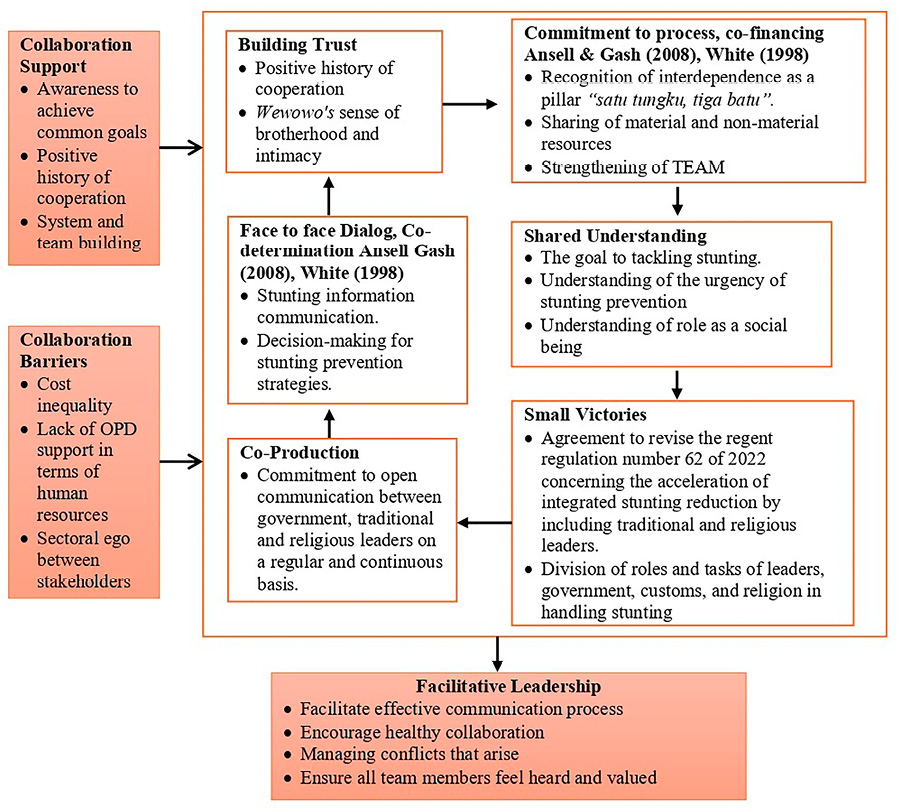
Figure 6. Satu Tungku Tiga Batu Cooperation Process
Source: Data processed by researchers 2025
Conclusion
This study concludes that the collaboration of Satu Tungku Tiga Batu in Fakfak Regency has proven to be effective in bringing together the interests, views, and needs of the three main pillars of the government, traditional leaders, and religious leaders in combating stunting. In accordance with the theory of collaborative governance (Ansell & Gash 2008) and Country Collaboration Theory (White & Robinson 1998), we have observed that the collaboration process runs through the stages of initial conditions, face-to-face dialogue (Wewowo), trust building, commitment to the process, co-financing, and co-production. The results of the study show that social trust, equal roles, and local cultural values are the main strengtheners of cross-sectoral synergy and create a collective understanding that stunting prevention is a shared responsibility. The integration of the values of Satu Tungku Tiga Batu into collaborative governance is an important theoretical contribution because it expands the concept of collaboration from formal relations to the integration of traditional and religious actors as a source of social and moral legitimacy of public policy.
Practically, this study emphasizes that a collaboration model based on local wisdom can strengthen social capital, build trust between actors, and increase the effectiveness of public policies in the health sector. Local governments are advised to formally recognize the role of customs and religion in the governance structure, make the Wewowo forum a permanent deliberative forum, and strengthen cross-OPD (Regional Government Body) coordination through Bappeda (the regional development planning agency) support and collaborative funding schemes. However, this study is still limited to the context of Fakfak Regency with a limited number of informants and has not measured the quantitative impact of collaboration on stunting reduction. Future research needs to use mixed methods and longitudinal study approaches to assess the effectiveness of policies empirically, compare cross-regions with different local wisdom, and explore the role of gender, digital innovation, and the involvement of the younger generation to strengthen the sustainability of the local wisdom collaborative governance model in Indonesia.
Acknowledgements
The authors would like to thank Bojonegoro University for the support of research and publication funding, as well as the parties who played a role in the preparation of this article.
References
Abialtar, A. 2021, ‘Kepercayaan Kepada Debata Tiga Batu Tungku Sebagai Pola Kepercayaan Untuk Lebih Memahami Ajaran Allah Tritunggal Yang Kontekstual Di Mamasa’, BIA’: Jurnal Teologi dan Pendidikan Kristen Kontekstual, vol. 4, no. 1, pp. 52–70. https://doi.org/10.34307/b.v4i1.185
Aghsari, D., Wekke, I. S. & Abbas, N. 2018, ‘Harmony of coastal community regarding its ethnic religion and cultural diversity’, International Conference on Frontier of Science and Society (ICFSS-2017): Maritime Perspectives to Public Discourse 3–5 November 2017, Makassar, Indonesia. IOP Conference Series: Earth and Environmental Science, vol. 156,article number 012034. https://doi.org/10.1088/1755-1315/156/1/012034
Ansell, C. & Gash, A. 2008, ‘Collaborative governance in theory and practice’, Journal of Public Administration Research and Theory, vol. 18, no. 4, pp. 543–571. https://doi.org/10.1093/jopart/mum032
Arai, Y., Oktoriana, S., Suharyani, A. & Inoue, M. 2021, ‘How can we mitigate power imbalances in collaborative environmental governance ? Examining the role of the village facilitation team approach observed in West Kalimantan, Indonesia’, Sustainability, vol. 13, no. 7, article no. 3972. https://doi.org/10.3390/su13073972
Aramico, B. Huriyati, E., Susetyowati & Dewi, F. S. T. 2024, ‘Cultural perception and myths of maternal and infant health related to stunting in Aceh Tengah Regency, Indonesia and the opportunity for intervention’, Malaysian Journal of Public Health Medicine, vol. 24, no. 2, pp. 284–292. https://mjphm.org/index.php/mjphm/article/view/2574
Arianny, M. P. & Adisasmito, W. 2024, ‘Collaborative governance in public health policy implementation: A literature review in the Southeast Asian region including Indonesia’,Devotion : Journal of Research and Community Service, vol. 5, no. 7, pp. 803–810. https://doi.org/10.59188/devotion.v5i7.760
Arsad, A., Tahir, M., Hidayah, A. & Fadli, F. 2024, ‘Analysis of relationship between caries index and stunting in preschool children in Indonesia’, Multidisciplinary Science Journal, vol. 6, no. 8, pp. 2020–2023. https://doi.org/10.31893/multiscience.2024148
Ashar, H., Rahfiludin, Z. M. Achadi, S., … & Latifah, L. 2025, ‘A qualitative study in Magelang Central Java Indonesia: Mothers’ knowledge, parenting styles and national priority programs managing of stunting in toddlers. Social Sciences & Humanities Open, vol. 12(April), article no. 101874. https://doi.org/10.1016/j.ssaho.2025.101874
Azunu, R. 2019, ‘Local economic development and poverty reduction in developing societies: The experience of the ILO decent work project in Ghana’, Local Economy, vol. 34, no. 5, pp. 405–420. https://doi.org/10.1177/0269094219859234
Chun Tie, Y., Birks, M. & Francis, K. 2019, ‘Grounded theory research: A design framework for novice researchers’, SAGE Open Medicine, vol. 7, article no. 205031211882292. https://doi.org/10.1177/2050312118822927
Creswell, J. W. & Creswell, J. D. 2018, Research Design: Qualitative, Quantitative, and Mixed Methods Approaches, (5th ed.), SAGE Publications, Chicago.
Denfanapapol, S., Setthasuravich, P., Rattanakul, S. & Pukdeewut, A. 2024, The digital divide, wealth, and inequality: An examination of socio-economic determinants of collaborative environmental governance in Thailand through provincial-level panel data analysis’, Sustainability, vol. 16, no.11, article no. 4658. https://doi.org/10.3390/su16114658
Diana, R., Rachmayanti, R. D., Khomsan, A. & Riyadi, H. 2022, ‘Influence of eating concept on eating behavior and stunting in Indonesian Madurese ethnic group’, Journal of Ethnic Foods, vol. 9, no. 1, article no. 48. https://doi.org/10.1186/s42779-022-00162-3
Emerson, K. 2018, ‘Collaborative governance of public health in low- and middle-income countries : Lessons from research in public administration’, BMJ Global Health, vol. 3, article no. 000381. https://doi.org/10.1136/bmjgh-2017-000381
Eryando, T. 2022, ‘Spatial analysis for enhancing the use of health data availability from different sources to help the decision-making process’, Kesmas, vol. 17, no. 3, pp. 165–168. https://doi.org/10.21109/kesmas.v17i3.6196
Ezeh, O. K., Abir, T., Zainol, N. R., Mamun, A. Al, Milton, A. H., Haque, M. R. & Agho, K. E. 2021, ‘Trends of stunting prevalence and its associated factors among Nigerian children aged 0–59 months residing in the northern Nigeria, 2008–2018’, Nutrients, vol. 13, no. 12, article no. 4312. https://doi.org/10.3390/nu13124312
Firdaus, N. A., Mulyana, R. R., Munthalib, M. A. M., Winarni, S. & Tantular, B. 2024, ‘Negative binomial regression analysis of stunting determinants in toddlers: Achieving optimal nutrition in West Java, Indonesia’, Communications in Mathematical Biology and Neuroscience, 2024, article 136. https://doi.org/10.28919/cmbn/8929
Firna, E. & Setiarini, A. 2023, ‘Stunting risk factor in children under five years: Literature review | Faktor Risiko Kejadian Stunting pada Anak Balita: Literature Review’, Media Publikasi Promosi Kesehatan Indonesia, vol. 6, no. 5, pp. 814–824. https://doi.org/10.56338/mppki.v6i5.3292
Fusch, P., Fusch, G. E. & Ness, L. R. 2018, ‘Denzin’s Paradigm Shift: Revisiting Triangulation in Qualitative Research’, Journal of Social Change, vol. 10, no. 1, pp. 19–32.https://doi.org/10.5590/JOSC.2018.10.1.02
Gara, G. L. & La Porte, J. M. 2020, ‘Processes of building trust in organizations: internal communication, management, and recruiting’, Church, Communication and Culture, vol. 5, no. 3, pp. 298–319. https://doi.org/10.1080/23753234.2020.1824581
Ghaffar, M. L. A., Riyanto, E. D., Nadhiroh, S. R., Fatah, M. Z. & Nurmala, I. 2022, ‘Kearifan Lokal Dalam Pawon Urip Untuk Pencegahan Stunting Di Kabupaten Lumajang Jawa Timur’, Media Gizi Indonesia, vol. 17, no. 1SP, pp. 257–263.https://doi.org/10.20473/mgi.v17i1SP.257-263
Guleria, D. & Kaur, G. 2021, ‘Bibliometric analysis of ecopreneurship using VOSviewer and RStudio Bibliometrix, 1989–2019’, Library Hi Tech, vol. 39, no. 4, pp. 1001–1024. https://doi.org/10.1108/LHT-09-2020-0218
Hedelin, B., Alkan-Olsson, J., & Greenberg, L. 2023, ‘Collaboration adrift: Factors for anchoring into governance systems, distilled from a study of three regulated rivers’, Sustainability, vol. 15, no. 6, article no. 4980. https://doi.org/10.3390/su15064980
Humas dan Protokol Kankemenag Kabupaten Fakfak (Public Relations and Protocol of the Ministry of Religion of Fakfak Regency) 2021, Satu Tungku Tiga Batu, Cermin Toleransi Umat di Fakfak, Kemenag.go.id.
Jaya, P. H. I., Izudin, A., Aditya, R. & Saptoni, S. 2025, ‘Exploring local experiences in reducing childhood stunting in Indonesia: towards an agenda of welfare provision’, Asia Pacific Journal of Social Work and Development, pp. 1-24. https://doi.org/10.1080/29949769.2025.2485912
Kahssay, M., Woldu, E., Gebre, A. & Reddy, S. 2020 ‘Determinants of stunting among children aged 6 to 59 months in pastoral community, Afar region, North East Ethiopia: Unmatched case control study’, BMC Nutrition, vol. 6, article no. 9. https://doi.org/10.1186/s40795-020-00332-z
Khafian, N. 2023, ‘The role of collaborative governance in Indonesian disaster management’, Journal of Governance and Administrative Reform, vol. 4, no. 2, pp. 158–175. https://doi.org/10.20473/jgar.v4i2.53367
Khine, P. K., Mi, J. & Shahid, R. 2021, ‘A comparative analysis of co-production in public services’, Sustainability, vol. 13, no. 12, article no. 6730. https://doi.org/10.3390/su13126730
Laksono, A. D., Wulandari, R. D., Amaliah, N. & Wisnuwardani, R. W. 2022, ‘Stunting among children under two years in Indonesia: Does maternal education matter?’ PLoS ONE, vol. 17, no. 7, article no. 0271509. https://doi.org/10.1371/journal.pone.0271509
Lestari, L. A., Helmyati, S., Tirta, M., Lintang, P. & Rachmawati, Y. N. 2024, ‘The impact of the family quality village program on accelerating stunting reduction efforts in Sleman Regency’, (Kajian Dampak Program Kampung Keluarga Berkualitas terhadap Percepatan Penurunan Stunting di Kabupaten Sleman), Amerta Nutrition, vol. 8, no. 3, pp. 389–397. https://doi.org/10.20473/amnt.v8i3.2024.389-397
Li, C., Cheng, W. & Shi, H. 2021, ‘Early marriage and maternal health care utilisation: Evidence from sub-Saharan Africa’, Economics and Human Biology, vol. 43, article no. 101054. https://doi.org/10.1016/j.ehb.2021.101054
Marni, M., Zulkifli, A., Thaha, R. M., Hidayanty, H., Stang, S., Syafar, M., Razak, A., Liliweri, A., Sudarmin, R. R. & Picauly, I. 2023, ‘Awareness, motivation, and intentions in preventing stunting in the dry land area of Kupang Regency, East Nusa Tenggara Province’, International Journal of Sustainable Development and Planning, vol. 18, no. 1, pp. 201–207. https://doi.org/10.18280/ijsdp.180121
Miles, M. B., Huberman, A. M. & Saldana, J. 2014, Qualitative Data Analysis, A Methods Sourcebook, 3rd ed., SAGE Publications, Thousand Oaks, CA.
Morgan, M. J., Rowbotham, S., Stratford, E. & Harpur, S. 2025, ‘How can local government be better supported to collaborate for community health and wellbeing ?’ Australian Journal of Public Administration, vol. 84, no. 1, pp. 26–47. https://doi.org/10.1111/1467-8500.12643
Nandini, N., Kusariana, N., Astorina, N., Dewanti, Y. & Murni, M. 2024, ‘Stakeholder collaboration to accelerate stunting prevention in the village’, BIO Web of Conferences, vol. 133, article no. 00036. https://doi.org/10.1051/bioconf/202413300036
Nata, L., Barlian, E., & Syah, N. 2025, ‘How Randai become a medium for information and education to prevent stunting ? A case study in West Sumatera Province’, Journal of Ecohumanism, vol. 4, no. 1, pp. 1683–1694. https://doi.org/10.62754/joe.v4i1.5989
Pandie, D. A. 2018, ‘Konsep “Satu Tungku Tiga Batu” Sosio-Kultutal Fakfak sebagai Model Interaksi dalam Kehidupan Antarumat Beragama’, Societas Dei: Jurnal Agama Dan Masyarakat, vol. 5, no. 1, pp. 49–69. https://doi.org/10.33550/sd.v5i1.78
Pasaribu, R. D., Nasution, E. & Angkat, A. C. 2025, ‘Empowering mothers in utilizing local food based on mixed fish to prevent stunting: A reflection study in participatory action research’, Amerta Nutrition, vol. 9, no. 3, pp. 514–523. https://doi.org/10.20473/amnt.v9i3.2025.514-523
Pritzlaff-Scheele, T. & Nullmeier, F. 2018, ‘Relating face to face. communicative practices and political decision-making in a changing media environment’, in Hepp, A., Breiter, A. & Hasebrink, U. (eds.), Communicative Figurations. Transforming Communications – Studies in Cross-Media Research, Palgrave Macmillan, Cham, pp. 287–311. https://doi.org/10.1007/978-3-319-65584-0_12
Rahmawati, A., Baroya, N., Ratnawati, L. Y., Nurika, G. & Permatasari, E. 2022, ‘Potret Persepti Nilai Gender Dalam Program Percepatan Penurunan Stunting Di Desa Sukojember, Kecamatan Jelbuk, Kabupaten Jember’, Media Gizi Indonesia, vol. 17, no. ISP, pp. 31–38. https://doi.org/10.20473/mgi.v17i1SP.31-38
Ramdani, M. A. & Abdullah, S. 2021, ‘Application of partitioning around medoids cluster for analysis of stunting in 100 priority regencies in Indonesia’, Journal of Physics: Conference Series, vol. 1722, article no. 012097. https://doi.org/10.1088/1742-6596/1722/1/012097
Resubun, T. F., Amiruddin, R., Palutturi, S., Syafar, M., Riono, P., Hijjang, P. & Mochtar Thaha, R. 2021, ‘Model of collaboration Satu Tungku Tiga Batu in the HIV AIDS Prevention Program in Jayapura City, Papua Province’, Turkish Journal of Computer and Mathematics Education, vol. 12, no. 13, pp. 6587–6593. https://doi.org/10.17762/turcomat.v12i13.10023
Robert, E., Zongo, S., Rajan, D. & Ridde, V. 2022, ‘Contributing to collaborative health governance in Africa: a realist evaluation of the Universal Health Coverage Partnership’. BMC Health Services Research, vol. 22, article no. 733. https://doi.org/10.1186/s12913-022-08120-0
Rusyaid, R., Hermanto, H. & Nasir, S. H. 2022, ‘Satu Tungku Tiga Batu : the model of religious moderation in Fakfak Regency, West Papua’, In Proceedings of the 9th Asbam International Conference (Archeology, History, & Culture In The Nature of Malay) (ASBAM 2021), pp. 675–679. https://doi.org/10.2991/assehr.k.220408.094
Schwartz, J. 2016, ‘Disconnect to Connect. In Emotions, Technology, and Behaviors (bll 107–122). Elsevier. ‘Disconnect to connect: Emotional responses to loss of technology during Hurricane Sandy’, in Tettegah, S. & Espelage, D. (eds.), Emotions, Technology and Behaviors, Academic Press, London, pp. 107-122. https://doi.org/10.1016/B978-0-12-801873-6.00006-6
Septian, E., Wulandari, S., Suharto, D. G. & Pratama, O. 2024, ‘Challenges in long-term public-private partnership: Impacts on public resource utilisation’, African Journal of Hospitality, Tourism and Leisure, vol. 13, no. 3, pp. 726–734. https://doi.org/10.46222/ajhtl.19770720.558
Shekar, M., Kakietek, J., D’Alimonte, M. R., Rogers, H. E., Eberwein, J. D., Akuoku, J. K., Pereira, A., Soe-Lin, S., & Hecht, R. 2017, Reaching the global target to reduce stunting: An investment framework. Health Policy and Planning, vol. 32, no. 5, pp. 657–668. https://doi.org/10.1093/heapol/czw184
Siddiki, S. & Ambrose, G. 2023, ‘Evaluating change in representation and coordination in collaborative governance over time: A study of environmental justice councils’, Environmental Management, vol. 71, no. 3, pp. 620–640. https://doi.org/10.1007/s00267-022-01688-7
Sorrentino, M., Sicilia, M. & Howlett, M. 2018, ‘Understanding co-production as a new public governance tool’, Policy and Society, vol. 37, no. 3, pp. 277–293. https://doi.org/10.1080/14494035.2018.1521676
Tando, C. E., Haryanti, R. H., Nesbitt, H. K. & Hamilton, M. 2019, ‘3rd World Development Model in Indonesia: How to deal with the issues of decreasing public finance and overcoming the demands for public participation in Industrial Revolution 4.0 era? IOP Conference Series: Earth and Environmental Science. vol. 328, article no. 012069. https://doi.org/10.1088/1755-1315/328/1/012069
UNICEF-WHO-The World Bank: Joint Child Malnutrition Estimates (JME) — Levels and Trends (2025), 2025 edition. https://data.unicef.org/resources/jme/
Verma, R., Lobos-Ossandón, V., Merigó, J. M., Cancino, C. & Sienz, J. 2021, ‘Forty years of applied mathematical modelling: A bibliometric study’, Applied Mathematical Modelling, vol. 89, pp. 1177–1197. https://doi.org/10.1016/j.apm.2020.07.004
Ward, C. L., Shaw, D., Osman, E. A., Tanner, M., & Elger, B. 2018, ‘Defining health research for development: The perspective of stakeholders from an international health research partnership in Ghana and Tanzania’, Developing World Bioeth, vol. 18, pp. 331–340. https://doi.org/10.1111/dewb.12144
White, G. & Robinson, M. 1998, Towards synergy in social provision: Civic organisations and the state’, in Minogue, M., Polidano, C. & Hulme, D. (eds.), Beyond the New Public Management: Changing Ideas and Practice in Governance, Edward Elgar, Cheltenham, pp. 94–116. https://doi.org/10.4337/9781035303816.00015
Wulandari, S., Suharto, D. G., Nurhaeni, I. D. A., Ximenes, M. & Septian, E. 2025, ‘Gender issues in budgeting function decisions in local parliaments: a comprehensive analysis of gender-aware policy mapping’, WSEAS Transactions on Environment and Development, vol. 21, article no. 85, pp. 1021–1039. https://doi.org/10.37394/232015.2025.21.85
Yunus, M., Biddinika, M. K. & Fadlil, A. 2023, ‘Classification of Stunting in Children Using the C4.5 algorithm’, Jurnal Online Informatika, vol. 8, no. 1, pp. 99–106. https://doi.org/10.15575/join.v8i1.1062
Zheng, G., Yi, H., Berry, F. & Tang, T. 2025, ‘Interlocal collaborative processes and network position: the combined effects on environmental performance’, Public Management Review, vol. 27, no. 6, pp. 1631–1651. https://doi.org/10.1080/14719037.2024.2309624
1 This is an informal term of address for the leader of the Sekar kingdom.
2 Wewowo is the tradition of customary deliberation and togetherness of the Fakfak community, West Papua, which is a symbol of collaboration, friendship, and communal decision-making, often involves discussions to resolve problems or support social and religious activities with a spirit of mutual cooperation and sharing love) cultural norms that emphasize equality.
3 SOP refers to procedures or technical guidelines related to collaboration processes between stakeholders, work agreements, and participation between institutions.