Cosmopolitan Civil Societies: An Interdisciplinary Journal
Vol. 18, No. 1
2026
ARTICLE (REFEREED)
Determinants of Community Participation in Community Policing Endeavors in Addis Ababa City Administration
Derese Alehegn, Karunakaran Ramasamy*, Bantyergu Engida Bati
Hawassa University, Ethiopia
Corresponding author: Karunakaran Ramasamy, Hawassa University, 3F2W+CQH, Hawassa, Ethiopia, karunak@hu.edu.et
DOI: https://doi.org/10.5130/ccs.v18.i1.9499
Article History: Received 17/12/2024; Revised 06/05/2025; Accepted 08/05/2025; Published 10/03/2026
Citation: Alehegn, D., Ramasamy, K., Bati, B. E. 2026. Determinants of Community Participation in Community Policing Endeavors in Addis Ababa City Administration. Cosmopolitan Civil Societies: An Interdisciplinary Journal, 18:1, 1–16. https://doi.org/10.5130/ccs.v18.i1.9499
Abstract
This research explores factors influencing residents’ engagement in community policing in Addis Ababa City, employing a cross-sectional descriptive and interpretive approach. Data was collected from 328 respondents through a semi-structured survey, utilizing both qualitative and quantitative methods. The analysis revealed that about two-thirds of community members were unaware of the benefits of community policing, although some engagement occurred, particularly through door-to-door outreach. Binary logistic regression identified key predictors of participation, including awareness of community policing, knowledge of police services, community integration, support, community leadership, and police contact. These factors significantly impacted community involvement in policing initiatives. The study offers valuable insights for criminology, public safety, urban studies, and sociology while providing actionable recommendations for policymakers, law enforcement, and community organizations. By emphasizing the importance of awareness and participation, the findings aim to enhance collaborative policing frameworks, promoting safer and more inclusive urban environments.
Keywords
Community Policing; Community Participation; Determinants; Knowledge; Ethiopia
Introduction
In modern societies, a crucial relationship exists between law enforcement agencies and the communities they serve, characterized by mutual dependence. The public seeks police support during crises and to maintain order, while law enforcement relies on community information regarding safety and development. This dynamic has fostered a shift towards community policing (CP), emphasizing collaborative partnerships (Sulaiman et al. 2014). Ethiopia adopted community policing as a national strategy in 2012, aimed at enhancing peace and security within communities (Abrha 2019). The Addis Ababa Police Department focuses on crime prevention and human rights protection, guided by various legal frameworks, including FDRE Law and specific ordinances (Addis Ababa Police Commission 2024).
Despite its potential benefits, the implementation of community policing faces significant challenges. Resistance from both law enforcement and the public is evident, with some officers viewing community-based policing as insufficient for addressing serious crimes. Even with investments in training (Jun & Eckardt 2023), a critical shift towards community-focused orientations is necessary to reshape police operations. Unfortunately, a disconnect between law enforcement and the public remains, leading to alienation in police duties, as officers often prioritize law enforcement over community service (Kappeler et al. 2020).
Setu and Tekle’s 2017 study identified multiple barriers to effective community policing, including a lack of understanding and public trust, poor police-community relations, limited community involvement, and insufficient resources. Gurmu (2018) further noted community dissatisfaction with policing due to perceived inadequacies in the justice system, security shortcomings, and poor community police performance. These challenges highlight the need for a more engaged and responsive approach to community policing.
Fitsum et al. (2016) reported positive outcomes from community policing initiatives, highlighting the collaboration among police, residents of a Kebele (a Kebele is the lowest-level administrative unit in Ethiopia), government agencies, NGOs, and other stakeholders. Their findings indicate that community policing effectively reduces crime rates and enhances police-community relations. Similarly, Mathewos (2021) found that community policing not only minimizes crime but also alleviates anxiety about crime in the region, reinforcing its significance in fostering stronger police-community ties. Additionally, Samwel (2022) emphasized the crucial role of community policing programs in improving the public’s perception of police while empowering communities to actively participate in public safety efforts. This collaborative approach fosters a shared responsibility in shaping police behavior and enhances community capacity. Collectively, these studies underscore the necessity for Tanzania to embrace community participation and cooperation in the prevention and control of crime, including terrorism, ultimately strengthening the social fabric and safety within communities.
Community policing is a collaborative approach to law enforcement that emphasizes proactive problem-solving and partnerships between the police and the community. It seeks to build trust and cooperation with community members to address the root causes of crime and social disorder rather than solely reacting to incidents. In this approach, the police act as facilitators and partners, working closely with residents, local organizations, and stakeholders to enhance public safety and improve quality of life (Zikhali 2019).
Community policing is a philosophy that promotes organizational strategies which support the systematic use of partnerships and problem-solving techniques to proactively address the immediate conditions that give rise to public safety issues such as crime, social disorder, and fear of crime. (U.S. Department of Justice 2014)
Community participation refers to the active engagement of individuals, groups, and organizations from the community in decision-making processes, planning, implementation, and evaluation of programs or policies that affect their lives. In the context of community policing, it involves citizens contributing their knowledge, concerns, and efforts to support public safety initiatives and to hold law enforcement accountable.
Community participation is the process by which individuals and groups engage in decision-making and take collective action in matters that affect their wellbeing and development. (World Health Organization 2002).
In the Ethiopian context, community policing is an initiative led by the Ethiopian Federal Police since 2012, aiming to foster collaboration between law enforcement and the public in preventing crime and promoting peace at the grassroots level. Community participation in this context involves residents working with kebele administrations and police officers to identify problems, share information, and co-create local safety solutions.
Citizen involvement in community decision-making dates back to Plato’s Republic, which emphasized free speech and equal representation (Sanoff 2005). Addressing this issue within policing practices is crucial for strengthening these relationships (Modise 2023). Recent calls for reform highlight the importance of engaging citizens in crime prevention efforts (Choi & Lee 2016). Further, Civil society theory highlights the role of non-governmental organizations, community groups, and individuals in shaping social policies and governance. It highlights the importance of civic engagement, collective action, and participatory democracy in addressing societal challenges (Coyne& Nyborg 2020). This theory is supported by advocating active citizen involvement in policing efforts (Cai 2018). Civil society theory emphasizes the significance of inclusive participation in governance and decision-making thereby promoting empowerment, conflict resolution, and policy advocacy (Mouhanna 2014).
Addis Ababa City Administration, located in the Central Oromia Regional State, Ethiopia, is renowned as one of the most populous and rapidly expanding industrial and commercial cities in Sub-Saharan Africa. Owing to macroeconomic issues like inflation, unemployment, and poverty the City residents had to deal with criminal activities and social disorders. As a result, fears of property theft, burglary, attack, and assassination are some of the crime types that negatively contribute to the community’s quality of life (Alehegn 2024).
Previous studies have consistently highlighted the significant impact of community policing on community development, particularly in terms of crime prevention, peace maintenance, and overall safety and security. Despite these positive outcomes, researchers have identified numerous challenges in the implementation of community policing in Ethiopia. While some studies (Abrha et.al. 2024; Alehegn 2024; Legesse et.al. 2016). have explored strategies to strengthen police-community partnerships for crime reduction and social order, there remains a gap in understanding the extent of community involvement and the factors influencing participation in community policing initiatives. In light of the observations made above, this study aims to evaluate community participation in community policing efforts and identify the key determinants of community participation in such endeavors.
Research Hypotheses
The following were the hypotheses developed corresponding to the objective of the study
H0: Residents’ perceptions of individual, community, organizational, and government factors are not determinants of participation.
Ha: Residents’ perceptions of individual, community, organizational, and government factors are determinants of participation.
Methods and Materials
Ethics approval
This study was approved by the research ethics committee of the second author’s affiliation (Ref-No-CBE-RTT-81/2024 on 20 October 2024). The participants provided written informed consent and were aware that participation was voluntary and could be withdrawn at any time. The ethical clearance certificate applies to the present study. The first author received support from Hawassa University.
Description of the study area
Addis Ababa is a vibrant and multicultural city administered by the Addis Ababa City Government, which oversees 11 sub-cities: Addis Ketema, Akaki Kaliti, Arada, Bole, Gulele, Kirkos, Lideta, Nifas Silk-Lafto, Yeka, and Lemi Kura. As the capital of Ethiopia and its primary political, economic, and cultural center, Addis Ababa attracts people from all regions of the country, creating a rich mosaic of ethnicities, languages, and traditions (Addis Ababa Police Commission 2024).
The socio-economic profile of the city’s residents is equally diverse. While certain neighborhoods are characterized by modern infrastructure, stable housing, and middle- to high-income earners, many other areas grapple with poverty, high population density, limited public services, and inadequate housing. Informal employment is common in economically disadvantaged communities, where residents often rely on small-scale trading and daily labor to sustain their livelihoods. In contrast, wealthier districts have better access to quality education, healthcare, and formal job opportunities. These disparities contribute to varying levels of civic engagement, public trust, and access to services across the city, shaping both the social fabric and governance landscape of Addis Ababa (Addis Ababa City Administration 2023).
Education levels and access to public services vary significantly across communities, directly impacting civic engagement and opportunities for social mobility. Issues of crime and safety are pressing in certain areas, with trust in law enforcement often influencing residents’ willingness to engage in community policing efforts. These disparities shape patterns of social interaction and participation in public life. The city continues to navigate the challenges of rapid urbanization, socio-economic inequality, and the ongoing effort to build inclusive and participatory governance structures.
Community policing in Ethiopia formally emerged as a national strategy in 2012 when the Federal Police Commission introduced it as a means to enhance public safety, reduce crime, and strengthen relationships between law enforcement and communities. The approach was adapted from international models but contextualized to address Ethiopia’s unique socio-political environment, particularly the need for grassroots involvement in maintaining peace and security. Its introduction marked a strategic shift from reactive policing to a more participatory and preventive model, emphasizing dialogue, trust-building, and shared responsibility between police officers and community members.
Initially piloted in major urban areas such as Addis Ababa and Dire Dawa, community policing was gradually expanded nationwide through the creation of Community Policing Officers (CPOs), neighborhood safety committees, and kebele-level policing structures (Alehegn et.al. 2024). The goals included encouraging community members to report crimes, participate in local peace committees, and assist in conflict resolution. However, the political transformations following the change of regime in 2018, which brought about leadership reform under Prime Minister Abiy Ahmed, have had both positive and challenging implications for the implementation of community policing. On one hand, the government’s broader emphasis on democratization, accountability, and citizen engagement has provided a conducive environment for reviving community-based security models (Samwel 2022; Kedida 2021). On the other hand, ongoing political instability, ethnic tensions, and public distrust of state institutions exacerbated by conflicts in regions such as Tigray and parts of Oromia have undermined the consistency and credibility of community policing efforts in some areas (Abrha et al. 2024). In particular, the perception of community policing as a surveillance tool under previous authoritarian administrations has contributed to skepticism among some community members. This legacy, combined with resource limitations and a lack of standardized training for officers, continues to affect the program’s effectiveness and acceptance in both urban and rural settings.
Research design and approach
This study employed a mixed-method research design, utilizing both cross-sectional descriptive and explanatory frameworks to investigate community participation in policing initiatives. The descriptive design outlined the extent of participation, while the explanatory aspect analyzed factors influencing participation. Data were gathered through a combination of quantitative and qualitative methods, including interactions with residents in selected sub-cities of Addis Ababa City Administration. Primary data were collected directly from community members, while secondary data were sourced from reports by the Federal Police Commission, Sub-City Police Commission Office, as well as relevant newspapers, books, and websites.
Sampling procedure and techniques
A multi-stage sampling procedure was adopted for the selection of the study area, sub-cities, and selection of sample households. In Stage 1, Addis Ababa City Administration was selected purposively as the study area as the city is beset with high degree of crime rates as compared with other cities in Ethiopia. In Stage 2, sub-cities were selected. Addis Ababa City Administration has 11 sub-cities in its operational jurisdiction. Out of 11 sub-cities, three sub-cities, namely Arada, Addis Ketema, and Kiskos, were selected purposively based on the crime rates. In Stage 3, one District from each sub-city was selected purposively by adhering to the justification given for the selection of City and Sub cities. Accordingly, District 04 from the Arada sub-city, District 01 from the Addis Ketema sub-city, and District 01 from the Kirkos sub-city were selected for the study purpose. Stage 4 comprised the determination and selection of community residents. The sample size of community residents representing three Districts was determined by adopting the probability proportionate to size method and community residents were selected based on simple random sampling. The sample size for the study was calculated using Slovin’s (1960) formula, 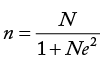 . The sample size determination took into account a margin of error of 0.05, a confidence level of 95%, and a population proportion of 50%. The total population from six wards is 3198. n=3198/1+3198 (0.5)2. The sample size determined using the formula is 344. Nonetheless, out of 344 questionnaires distributed among the residents, only 328 filled-in questionnaires were considered due to their completeness. The researchers were able to achieve the response rate through persistent follow-up and building trust among the residents.
Source: Addis Ababa City Administration Police Commission Office 2024
Tools and methods of data collection
A semi-structured questionnaire to be administered among the community residents was prepared, pretested, and finalized for data collection. The questionnaire was prepared first in English and later translated into Amharic for ease of understanding of the households. The field survey method was adopted for data collection. Key informant interview was held with three sub-cities police officials while a focus group discussion (FGD) was conducted with the community residents in each sub city, numbering 6 individuals including community elders (2), youths (2), and women (2). These participants were identified and selected based on their experience and involvement in community policing initiatives from three sub-cities. By selecting these participants, the focus group facilitates meaningful discussions that integrate historical, contemporary, and socially inclusive views on community policing. Their collective insights help in shaping practical and community-driven safety strategies that reflect the needs and concerns of all demographic groups.
Method of data analysis
Descriptive statistical methods, including frequency analysis, mean calculation, standard deviation computation, and independent sample tests, were employed to evaluate the extent of community involvement in community policing initiatives. Significance testing was utilized to assess gender differences in mean scores among respondents. Furthermore, a binary logistic regression model was utilized to investigate the factors determining community participation in community policing efforts. In this analysis, the degree of community participation was treated as the dependent variable, categorized as active (Value 1) or passive participation (Value 0). Independent variables considered in the study encompassed personal attributes, community-related aspects, organizational factors, and governmental influences. Certain statements on each factor were presented to participants for response on a five-point Likert scaling technique as Strongly Agree -5; Agree -4; Neutral -3; Disagree -2 and Strongly Disagree -1.
Results and Discussion
This section deals with the results and discussion according to the study objectives. Section one deals with describing the knowledge of residents on community policing. Section two deals with assessing the level of community participation in community policing endeavors and section three presents the determinants of community participation in community policing endeavors.
Knowledge of community policing
This section briefly examines community members’ knowledge of police work in their communities. The responses demonstrated that all the respondents know that community policing is functioning in their locality. This indicates that all of them have acknowledged the function of community policing and recognized the partnership between the community and the police. Nonetheless, the responses from community participants in the FGD from Kirkos Sub City reveal that the concept of community policing differs from traditional policing in terms of how the community is perceived and the broader goals it encompasses. While community policing involves crime control and prevention, some individuals lack knowledge about this function.
The survey results showed that 318 (97 percent) of the respondents knew that community policing aims to uphold laws and regulations within communities while minimizing the need for a continual police presence. Although the respondents acknowledge the purpose of community policing, the results of the FGD including participants from Arada Sub City show that police officials do not want the community to be involved in enforcement of laws and regulations. Rather, the community is supposed to extend its support in identifying crime trends and patterns, especially in robberies and theft, and the reason people commit crimes in their locality.
Source: Field survey 2024
A substantial number of respondents (Table 2) expressed skepticism about community policing, with nearly two-thirds (64%) disagreeing with the assertion that it cultivates trust between the police and the community, while 36% were in agreement with the statement. This discrepancy suggests a significant gap in trust between law enforcement and residents. Conversely, interviews with officials from the Addis Keteme Sub City Police indicate that they view community policing as vital for fostering trust. According to these officials, building trust is crucial for successful law enforcement efforts. They emphasized that positive police interactions can enhance community relationships, encourage open communication, and foster a collective commitment to managing crime and disorder.
Survey results indicate a significant skepticism towards community policing, with 65% of respondents disagreeing that ‘community police help reduce crime and conflict’. Only 35% agreed with this statement. A Sub City Community Policing Officer, from Arada emphasized that building public trust is crucial for effective crime prevention, asserting that community engagement and feedback are essential strategies. However, focus group discussions revealed a troubling trend: rising crime rates are largely attributed to strained relationships between the police and community members. Additionally, 65.9% of respondents disagreed that ‘community policing assists law enforcement agencies in addressing specific community needs’, while only 34.1% were in agreement. A Community Policing Officer of Kirkos Sub City, during an interview, reiterated the primary role of law enforcement to protect the community, hold individuals accountable, and uphold justice. This detachment between community perception and police efforts highlights the challenges of fostering effective community-policing relationships.
Level of community participation in community policing endeavors
The extent of participation was measured by using sure statements to be replied to on a five-point Likert scale. The rankings were Very Low -1, Low -2; Neutral -3; High-4; and Very High -5. The score given was calculated using the score range 1-1.80 as Very Low; 1.81-2.60 as Low; 2.61-3.40 as Neutral; 3.41-4.20 as High and 4.21-5.00 as Very high.
| Statements | Gender | N | Mean | Std. Deviation | Std. Error Mean |
|---|---|---|---|---|---|
| Community participation in planning activities | Male | 258 | 2.3837 | 1.35952 | .08464 |
| Female | 70 | 2.1000 | 1.22947 | .14695 | |
| Community participation in the implementation of CP endeavors | Male | 258 | 2.3837 | 1.40733 | .08762 |
| Female | 70 | 2.4143 | 1.48902 | .17797 | |
| Community Participation in Neighborhood Watch programs | Male | 258 | 2.818 | 1.4230 | .0886 |
| Female | 70 | 2.457 | 1.3693 | .1637 | |
| Community participation by use of door-to-door contacts | Male | 258 | 2.8295 | 1.41764 | .08826 |
| Female | 70 | 2.5429 | 1.45149 | .17349 | |
| Community participation in forums to discuss crime-related issues | Male | 258 | 2.4767 | 1.43112 | .08910 |
| Female | 70 | 2.3143 | 1.34642 | .16093 | |
| Community participation in solving crime problems | Male | 258 | 2.7907 | 1.49017 | .09277 |
| Female | 70 | 2.3571 | 1.29699 | .15502 | |
| Community participation by reporting crime through hotlines | Male | 258 | 2.5310 | 1.39517 | .08686 |
| Female | 70 | 2.7000 | 1.39720 | .16700 | |
| Community participation in evaluating the success of the responses | Male | 258 | 2.5853 | 1.37886 | .08584 |
| Female | 70 | 2.6286 | 1.42617 | .17046 | |
| Community participation as volunteers within the police agency | Male | 258 | 2.7132 | 1.42896 | .08896 |
| Female | 70 | 2.4429 | 1.37931 | .16486 | |
| Community participation in court watch program | Male | 258 | 2.0581 | 1.29068 | .08035 |
| Female | 70 | 2.4286 | 1.39950 | .16727 | |
| Community participation in developing policing policies | Male | 258 | 2.6434 | 1.48297 | .09233 |
| Female | 70 | 2.4143 | 1.42943 | .17085 |
Source: Field survey 2024, computed from SPSS
Table 3 presents the means, standard deviations, and standard errors of community participation activities, segmented by gender (Male and Female). It shows that men have a higher participation rate in most activities: in planning activities, Neighborhood Watch, use of door-to-door contacts, forums to discuss crime-related issues, participating as volunteers within the police agency, and developing policing policies. Women have a higher participation rate in the implementation of CP endeavors, evaluating the success of the responses, reporting crime through hotlines, and in Court Watch programs. However, in some cases, the differences are very small and within the margin of error. However, men’s participation is clearly higher in planning, Neighborhood Watch, solving crimes, volunteering, door to door contacts and developing policing policies.
While the descriptive statistics reveal gendered patterns in community policing participation across various domains, these figures gain deeper meaning when interpreted through the lens of civil society theory. In particular, the differential levels of male and female engagement reflect underlying socio-cultural structures that shape public participation and civic voice in Addis Ababa.
In general, males displayed higher levels of participation in several activities related to community policing, while females showed notably higher participation in reporting crime through hotlines and court watch programs. The standard deviations indicate variability in responses within each gender group, suggesting differences in individual experiences of community engagement. However, overall, there are identifiable trends in gender differences in community participation concerning policing activities.
From Habermas’ concept of the public sphere (Calhoun 1993), where rational discourse among citizens contributes to democratic governance, the data suggests that male citizens are more prominently positioned within this sphere—actively engaging in forums, neighborhood watch programs, and policy discussions. This visibility may stem from long-standing gender norms that afford men more mobility and authority in public decision-making arenas.
Conversely, women’s higher involvement in reporting crimes via hotlines and participation in Court Watch programs represents a more nuanced form of civic engagement, one that aligns with feminist theories of public participation which emphasize the value of private, relational, and care-oriented modes of civic action. These modes are often overlooked in traditional conceptions of civil society, yet they are essential in shaping a responsive and inclusive community policing framework (UNDP 2022).
The statistical variations within gender groups, highlighted by the standard deviations, further point to the intersectionality of gender with other socio-economic factors such as class, education, and access to information. These disparities reflect a civil society in which participation is uneven, and where trust in institutions and perceived efficacy of engagement can vary widely (Zhao 2024).
Therefore, these findings are not only empirical measures of gendered participation but also indicators of how inclusion, empowerment, and cosmopolitan ideals of shared security responsibility are (or are not) realized in practice. Addressing these imbalances requires not just better representation but also a structural transformation that broadens the definition of civic participation to include diverse voices, experiences, and forms of contribution to public safety.
As noted above, the differences in response levels by males and females were small. To identify whether the differences were statistically different, Levene’s Test was used. It demonstrated that on the statement on Community participation in planning activities, the difference was significant, with aa result of F = 5.864 and Sig. = .016. For Community participation in court watch program, the result of F = 3.762 and Sig. = 0.053, did not meet the conventional threshold of Sig, = 0.05, but it suggests a tendency toward unequal variances, which may warrant further investigation.
All other variables (participation in the implementation of CP endeavors, neighborhood watch programs, door-to-door contacts, etc.) show non-significant results, indicating that their variances can be assumed equal based on the results of Levene’s Test. Since Levene’s Test produced non-significant results for these variables, it suggests that their variances are not substantially different across groups, meeting the assumption of homogeneity required for certain statistical analyses. This allows for the application of parametric tests, ensuring that comparisons among groups remain valid without the need for variance-adjustment techniques.
Key Determinants of Community Participation in community policing endeavors
This section aims to analyze the factors determining community participation in community policing initiatives. The dependent variable, level of community participation, was dichotomized as low level and high level. The scores of low and very low were grouped into low levels of participation and the high and very high were grouped into high levels of participation. A binary logistic regression model was employed for this analysis, and the findings are elaborated upon in the subsequent discussion. Table 5 shows the independent variables in the regression model.
Source: Field survey 2024 computed from SPSS
Note: ** denotes 5% significance level and * denotes 10% significance level
Source: Field survey 2024 computed from SPSS
Note: *** Significant at 0.01% level; ** Significant at 0.05% level; * Significant at 0.10% level
The findings of the binary logistic regression model (Table 5) indicate that among the 17 independent variables examined, only seven variables exhibit a statistically significant positive influence on the level of residents’ participation in community policing activities. Conversely, one variable demonstrates a statistically significant negative influence on community participation in such activities.
The study indicated that the perception of community policing, considered as an independent variable, positively influenced community participation in policing initiatives, with a p-value of 0.0001. The findings revealed that every unit increase on the community perception scale corresponded to a 6.975-fold rise in the variance of community participation. A positive change in how people perceive community policing does not necessarily mean everyone will participate more at the same rate. Instead, it seems to increase the difference in participation levels among community members. Some people become much more engaged, while others’ engagement might not change as much, leading to a greater spread in participation levels. Research in the field of community policing highlights the significant role of positive emotions in facilitating the success of community projects (Sulaiman, S. et al. 2012; Bahaman et al. 2009; Sims et al. 2002). Approval of community policing initiatives encompasses several factors, including reliability, trustworthiness, effectiveness, cooperation, ethics, empathy, and admiration.
Knowledge of community policing was found to have a statistically significant positive influence on the level of community participation in community policing at the corresponding p-value <0.0001. The result implies that for a unit increase in knowledge on the community policing scale, the odds of the level of community participation are 2.842 times greater. This finding suggests that as people’s knowledge about community policing increases, they are significantly more likely to participate in community activities. Specifically, for every step up in their understanding of community policing, the chances of them participating at a higher level are nearly three times greater. Sulaiman, S. et al., (2012) found that knowledge affects participation and upsurges the program efficacy.
Community cohesion was found to have a statistically significant positive influence on the level of community participation in community policing at the corresponding p-value <0.0001. The result implies that for a unit increase in community cohesion, the odds of the level of community participation are 1.881 times greater. Rop et.al. (2023) indicated that despite community cohesion showing a negative correlation with community participation, the connection to community participation was still significant, leading to the conclusion that it plays a crucial role in facilitating successful community participation in community-based tourism.
Community organizational support was found to have a statistically significant positive influence on the level of community participation in community policing at the corresponding p-value <0.0001. The result implies that for a unit increase in community organizational support, the odds of the level of community participation are 2.369 times greater. According to Skogan (1994), a notable correlation exists between community organizational support and the efficacy of community policing initiatives.
Perception towards police service was found to have a statistically significant positive influence on the level of community participation in community policing at the corresponding p-value <0.0001 shows. The result implies that for a unit increase in perception towards police service, the odds of the level of community participation are 2.038 times greater.
Community leadership was found to have a statistically significant positive influence on the level of community participation in community policing at the corresponding p-value <0.10. The result implies that for a unit increase in community leadership, the odds of the level of community participation are 1.424 times greater. According to Sulaiman A. H. et al. (2014), referencing Goeppinger (2002), community leadership is defined as the proactive involvement of individuals who make unique and significant contributions to community initiatives.
The quality of police contact was found to have a statistically significant positive influence on the level of community participation in community policing at the corresponding p-value <0.10. The result implies that for a unit increase in the quality of police contact, the odds of the level of community participation are 1.386 times greater. According to Sulaiman A. H. et al. (2014), citing Skogan (2005), a high standard of interaction is thought to cultivate deeper relationships between police officers and residents, leading to greater resident engagement and participation.
Interagency collaboration was found to have a statistically significant negative influence on the level of community participation in community policing as the corresponding p-value <0.0001. The result implies that for a unit decrease in interagency collaboration, the odds of the level of community participation are 0.156 times less. This discovery highlights a deficiency in collaboration between government agencies, non-governmental organizations, and the overarching goal of community policing.
Policy Implications and Conclusion
The study reveals concerning trends in community awareness and involvement in community policing initiatives. A significant two-thirds of residents are unaware of the benefits of community policing, indicating a communication gap between law enforcement and the community. Additionally, participation in planning and implementing community policing efforts is low, pointing to opportunities for improved community engagement. However, certain programs, like Neighborhood Watch and door-to-door outreach, demonstrate moderate community involvement. Residents are also engaged in crime-solving efforts and volunteer activities with the police, suggesting a foundation for stronger community-police partnerships. Enhancing awareness of community policing benefits and increasing community involvement in planning and implementation can further these partnerships. The binary logistic regression analysis identifies several factors positively influencing community participation, including knowledge and perception of community policing, community cohesion, organizational support, and perceptions of police services, leadership, and the quality of police contact. Conversely, interagency collaboration has a negative influence on participation.
In conclusion, the study underscores the complexity of factors affecting community participation in policing. Strategies to improve community awareness, build positive police-resident relationships, enhance community cohesion and support, and promote effective leadership are vital for strengthening engagement in community policing initiatives. By addressing these identified factors, policymakers can create a more inclusive and participatory environment in policing initiatives, leading to enhanced community safety and trust. The successful implementation of these policies will require ongoing assessment and adaptation to meet the evolving needs of the community.
Acknowledgments
The first author acknowledges the support of Hawassa University, Ethiopian Police University, the NORADA project at Hawassa University and Addis Ababa Police Commission. He is grateful for the permission to use police data in this research. He is also grateful to Dr.R. Karunakaran (Major Advisor) and Dr. Bantyergu Engida Bati (Co-Advisor) for their invaluable guidance and advice in completing the manuscript.
References
Abrha, A. H., Keno, G. I., Makahamadze, T. & Keneni, R. D. 2024, ‘The challenges of community policing in maintaining community security: the case of Harar City, Ethiopia’, Policing and Society, vol. 34, no. 7, pp. 722-744. https://doi.org/10.1080/10439463.2024.2317960
Abrha, H. A. 2019, ‘Examining the implementation of community policing program in maintaining peace and security in the case of Maychew town, Southern Tigray, Ethiopia’, Journal of Culture, Society and Development, vol. 49, no. 1, pp. 1-7. https://doi/org/10.7176/JCSD/49-01
Addis Ababa City Police Commission Office 2024, Report of the Addis Ababa City Police Commission – 2023, Addis Ababa.
Addis Ababa City Administration Office of the Mayor 2023, Children: The Future Hope of Addis Ababa, Early Childhood Development Program, Road Map (2023-2025), Strategic Programs Management Office, Addis Ababa. https://bloombergcities.jhu.edu/sites/default/files/bch-media/Addis%20Ababa%20City%20Administration%20Road%20Map%20(1)%20(3)-4.pdf
Alehegn, D. 2024, ‘The effect of community police on community development in Addis Ababa City Administration’, Preprints, 2024011275. https://www.preprints.org/manuscript/202401.1275/v1. https://doi.org/10.20944/preprints202401.1275.v1
Alehegn, D., Karunakaran, R. and Engida, B. 2024, Community advancement in community policing within the Addis Ababa city organization. Available at SSRN 4866440. https://doi.org/10.2139/ssrn.4866440
Amare, A. 2019, ‘Corporate environmental responsibility in Ethiopia: a case study of the Akaki River Basin’, Ecosystem Health and Sustainability, vol. 5, no. 1, pp. 57-66. https://doi.org/10.1080/20964129.2019.1573107
Atte, T. K. 2011, Assessing factors that affect the implementation of community policing in Awassa, Federal Democratic Republic of Ethiopia. (Doctoral dissertation, University of South Africa). https://ir.unisa.ac.za/handle/10500/4039
Bahaman, A. S., Jamilah, O., Nurani, K., Hanina, H. H., & Rezal, M. H. 2009, Consultation report: Study on the effectiveness of voluntary patrolling scheme and community participation. Institute for Social Science Studies, Universiti Putra Malaysia Press, Malaysia.
Cai, Y. Q. 2018, ‘Social networks and citizen participation in the collaborative community policing—A Case Study of S Community in Beijing’, Journalism and Mass Communication, vol. 8, no. 2, pp. 88-100. https://doi.org/10.17265/2160-6579/2018.02.004
Calhoun, C. (ed.). 1993, Habermas and the Public Sphere, MIT Press, Cambridge, MA.
Choi, K. & Lee, J. 2016, ‘Citizen participation in community safety: A comparative study of community policing in south Korea and the UK’, Policing and Society, vol. 26, no. 2, pp. 165–184. https://doi.org/10.1080/10439463.2014.922087
Coyne, A. H. & Nyborg, I. 2020, ‘Pushing on a string? An argument for civil society-driven community policing as alternative to ministry-centric approach in conflict-affected states’, Journal of Human Security, vol. 16, no. 2, pp. 31-43. https://doi.org/10.12924/johs2020.16020031
Gurmu, G. 2018, ‘The status of community policing and its challenges in Adama City, Oromia Regional State, Ethiopia’, Journal of Emerging Technologies and Innovative Research (JETIR), vol. 5, no. 8, pp. 721-727.https://www.jetir.org/papers/JETIR1808585.pdf
Jun, M. & Eckardt, R. 2023, ‘Training and employee turnover: A social exchange perspective’ BRQ Business Research Quarterly, vol. 28, no. 1, pp. 304-323. https://doi.org/10.1177/23409444231184482
Kappeler, V. E., Gaines, L. K. & Schaefer, B. P. 2020, Community Policing: A Contemporary Perspective, Routledge. https://doi.org/10.4324/9780429398056
Kedida, D. K. 2021, ‘The practices and challenges of community policing in reducing crime: The case of Adama City Administration’, In Terefe Gemechu, D. et al. (Eds.), Public Administration in Ethiopia: Case Studies and Lessons for Sustainable Development, Leuven University Press, pp. 661-687. https://doi.org/10.1353/book.81991
Legesse, F. M., Mekonen, K. D., & Genetu, Y. P. 2016 ‘The implementation of community policing in slum neighborhoods of Addis Ababa, Ethiopia’, International Journal of Current Research, vol. 8, no. 7, pp. 35358-35366. https://www.journalcra.com/sites/default/files/issue-pdf/16237.pdf
Mathewos, T. 2021, The Role of Community Policing in Crime Prevention: The Case of Addis Ketema Sub-City, Addis Ababa, Ethiopia. M.A. Thesis in Sociology, Addis Ababa University. http://etd.aau.edu.et/handle/12345678/29283
Modise, J. M. 2023, ‘Community engagement in policing: A path to more meaningful, knowledgeable, and successful public consultation’, International Journal of Innovative Science and Research Technology, vol. 8, no. 6, 3892-3906. https://doi.org/10.5281/zenodo.10060950
Mouhanna, C. 2014, ‘Theories on policing and communities’, In Bruinsma, G. & Weisburd, D. (eds.) Encyclopedia of Criminology and Criminal Justice, Springer, New York, NY, pp. 5192-5201. https://doi.org/10.1007/978-1-4614-5690-2_192
Rop, J., Manono, G. & Kiptanui, R. 2023, ‘Building community cohesion for effective community participation in community-based tourism’ International Journal of Tourism & Hospitality Reviews, vol.10, no. 7, pp. 1-7. https://doi.org/10.18510/ijthr.2023.1011
Samwel, M. 2022, ‘The roles of community policing programmes in reducing crime in Morogoro Municipality’, International Journal of Science and Research, vol. 11, no. 7, pp. 1880-1883. https://doi.org/10.21275/SR22722135039
Sanoff, H. 2000, Community Participation Methods in Design and Planning, Wiley, Hoboken, NJ.
Setu, G. & Tekle, A. 2017, ‘Challenges to the implementation of community policing in Mekelle City Administration’, Journal of Culture, Society and Development, vol. 37, pp. 9-14. https://iiste.org/Journals/index.php/JCSD/article/view/40217
Sims, B., Hooper, M. & Peterson, S. A. 2002, ‘Determinants of citizens’ attitudes toward police: Results of the Harrisburg citizen survey–1999’, Policing: An International Journal of Police Strategies & Management, vol. 25, no. 3, pp. 457-71. https://doi.org/10.1108/13639510210436998
Skogan, W. G. 1994, ‘The impact of community policing on neighborhood residents: A cross-site analysis’, In Rosenbaum, D. (ed.), The Challenge of Community Policing: Testing the Hypotheses, Sage Publications, Thousand Oaks, CA, pp. 167-181. https://doi.org/10.4135/9781483327006.n9
Slovin, E. 1960, Slovin’s Formula for Sampling Technique. https://sciencing.com/slovins-formula-sampling-techniques-5475547.html
Sulaiman, A. H., Hamsan, H. H., Yero, A. & D’Silva, J. L. 2021, ‘Police Officer’s commitment towards community policing in Malaysia: Instruments development and validation’, International Journal of Academic Research in Business and Social Sciences, vol. 11, no. 15, pp. 245-61. https://doi.org/10.6007/IJARBSS/v11-i15/10650
Sulaiman, A. H., Othman, J., Samah, B. A., Yero, A., D’Silva, J. L. & Ortega, A. 2014, ‘Determinants of community participation in community policing program in Malaysia’, Journal of Applied Sciences, vol. 14, no. 20, pp. 2439-49. https://doi.org/10.3923/jas.2014.2439.2449
Sulaiman, S. Othman, J., D’Silva, J. L. & Sulaiman, A. H. 2012, ‘The influence of perception and knowledge factors among youth towards the effectiveness of the Rakan Cop program in Kuala Lumpur’, Science Series Data Report, vol. 4, no. 7, pp. 68-85. http://psasir.upm.edu.my/id/eprint/53669/
UNDP 2022, Women’s Meaningful Participation in Transitional Justice, Advancing Gender Equality and Building Sustainable Peace, UN Women, UNDP, New York. https://www.undp.org/publications/womens-meaningful-participation-transitional-justice-advancing-gender-equality-and-building-sustainable-peace
U.S. Department of Justice, Office of Community Oriented Policing Services (n.d.). What is community policing? https://portal.cops.usdoj.gov/resourcecenter/content.ashx/cops-p157-pub.pdf
World Health Organization 2002, The World Health Report 2002: Reducing Risks, Promoting Healthy Life. World Health Organization, Geneva. https://www.who.int/publications/i/item/9241562072
Zhao, R. 2024, ‘An intersectional view of gender and socioeconomic status inequalities of science education in China’, International Journal of Education and Research, vol. 12, no. 10, pp. 69-82. https://www.ijern.com/journal/2024/October-2024/06.pdf
Zikhali, W. 2019, ‘Community policing and crime prevention: Evaluating the role of traditional leaders under Chief Madliwa in Nkayi District, Zimbabwe’, International Journal for Crime, Justice and Social Democracy, vol. 8, no. 4, pp. 109-122. https://doi.org/10.5204/ijcjsd.v8i4.1179