Cosmopolitan Civil Societies: An Interdisciplinary Journal
Vol. 18, No. 1
2026
ARTICLE (REFEREED)
Innovating Contemporary Thai Musical Drama for Enhancing Quality of Life in the Ageing Society
Anukoon Rotjanasuksomboon1,*, Sittipong Wattananonsakul2, ShawHong Ser1, Tidamas Ponlamai1
1 Chulalongkorn University, Bangkok, Thailand
2 Srinakharinwirot University, Bangkok,Thailand
Corresponding author: Anukoon Rotjanasuksomboon, Chulalongkorn University, 254 Phaya Thai Rd, Wang Mai, Pathum Wan, Bangkok 10330, Thailand, anukoon.r@chula.ac.th
DOI: https://doi.org/10.5130/ccs.v18.i1.9441
Article History: Received 07/11/2024; Revised 05/10/2025; Accepted 23/10/2025; Published 10/03/2026
Citation: Rotjanasuksomboon, A., Wattananonsakul, S., Ser, S., Ponlamai, T. 2026. Innovating Contemporary Thai Musical Drama for Enhancing Quality of Life in the Ageing Society. Cosmopolitan Civil Societies: An Interdisciplinary Journal, 18:1, 60–76. https://doi.org/10.5130/ccs.v18.i1.9441
Abstract
This study presents the development of an innovative contemporary Thai musical drama designed to educate the public about preparing for an ageing society. Traditional Thai musical drama—featuring vocal performance with percussion accompaniment—has declined due to a shortage of skilled performers, prompting the need for revitalization. The project aimed to transform this art form into a modern learning medium that raises awareness about aging-related issues. The production process separated core elements—vocal training, band recording, drama filming, costume and technical preparation—and later integrated them through studio technology, producing a complete performance shared on social media. A sample group from the Champak Phaeo community in Kaeng Khoi District, Saraburi Province, evaluated its impact. While 14 participants completed the pre-test and 30 the post-test, results showed a clear increase in understanding after viewing. Findings confirm that contemporary Thai musical drama can effectively convey social knowledge, demonstrating its value as an accessible educational tool that connects cultural heritage with modern societal needs.
Keywords
Musical Drama; Quality of Life Development; Elderly; Innovation; Thailand
Introduction
Musical drama is a performance in which the actors sing traditional Thai songs, with a chorus singing in response, accompanied by a piphat ensemble, a traditional Thai musical ensemble primarily used in classical Thai music. This ensemble is known for its vibrant, percussive sounds and is commonly played during ceremonies, religious events, and classical dance or drama performances. The Piphat ensemble typically includes wind, percussion, and melodic instruments, with the pi (a type of oboe) as the lead wind instrument and the ranat (a xylophone-like instrument) as the primary melodic instrument. Percussive instruments, such as khong wong (gong circle), taphon (two-headed drum), and ching (small cymbals), provide rhythm and texture. The story in musical drama shows a way of life, love, disappointment, and various emotions. For this musical drama performance, it requires the actors to have a beautiful, resonant voice and sing in time with the melody, which has a specific form that has been passed down. Currently, the opportunity to perform musical drama is quite rare because the actors must have skills in singing and acting, important factors to convey the original performance. The drama plot provides knowledge to the audience. It is a tool to reflect the content or to teach the audience, to give ideas, and to develop a positive attitude in a good way. One important issue of society today that scholars are interested in is the wellbeing of the elderly.
Historically, Thai musical drama (lakhon phleng) flourished during the reign of King Rama VI (1910–1925), blending emotional storytelling, moral lessons, and music to portray themes of love, devotion, loss, and moral virtue. Performing this art form requires exceptional vocal ability, rhythmic precision, and expressive acting—skills passed through generations of traditional apprenticeship systems. However, as Western and modern entertainment forms have grown dominant, opportunities to perform Thai musical drama have become rare, leading to a gradual decline in practitioner expertise and audience familiarity (Rotjanasuksomboon 2018)
Beyond entertainment, drama functions as an educational and reflective medium, offering audiences moral and social insights (Shahriari & Miller 2017). In this present study, Thai musical drama is reimagined as a vehicle for social learning about the realities of an aging population. As Thailand and other Southeast Asian nations experience rapid demographic shifts—characterized by rising elderly populations and declining birth rates—the need for public understanding of aging, health maintenance, and social adaptation has become urgent (United Nations 2019).
The current situation in society shows that the elderly population is increasing and the population of children is decreasing. Therefore, it is a major issue regarding the adjustment and understanding of the elderly. The elderly and those around them need to learn and understand that it is important to look after the body and the mind, as well as to have social interactions with family, friends and the wider community (National Institute on Aging [NIA] 2021; Goyal et al. 2014; Lusardi & Mitchell 2014; Tanner et al. 2015).
By incorporating these themes into the script, music, and narrative of Thai musical drama, the study seeks to bridge the gap between traditional cultural performance and modern educational objectives. Such integration exemplifies the capacity of cultural heritage to contribute to lifelong learning, empathy, and community cohesion.
However, for readers to appreciate the full significance of this work, they must first be familiar with the performance history of Thai musical drama, its literary and musical content, and the contemporary decline in knowledge surrounding this tradition. Without this context, it becomes difficult to understand the study’s problem, context, research objectives, statistical results, and conclusions. Establishing this narrative line allows the reader to trace the art form’s evolution from royal court performances to a community-based educational medium, revealing how traditional aesthetics can serve contemporary social development. This perspective not only illuminates the creative process but also deepens understanding of one of today’s most pressing cultural and societal concerns, the role of art in preparing for an ageing society (Ruddit 2022).
Research Gap
While Thai musical drama has a rich cultural heritage, particularly in its depiction of human emotions and moral teachings through traditional Thai music, its role in contemporary education—especially in raising awareness about social issues such as ageing—remains underexplored. Although studies have focused on the aesthetic and historical aspects of Thai musical drama, there is limited research on adapting this traditional art form to address modern societal needs, like preparing communities for an ageing population.
The few attempts to revive Thai musical drama for contemporary issues have primarily centered on preserving its art form, with little emphasis on its potential as a tool for social learning and public health education. Specifically, there is a gap in research regarding the development of musical drama performances as a medium to convey practical knowledge about health, social adaptation, financial planning, and living arrangements for the elderly. Additionally, little is known about the educational effectiveness of such performances in promoting understanding about and positive attitudes toward the elderly among younger generations.
Furthermore, the skills required for actors in traditional Thai musical drama—namely singing, acting, and synchronized performance—pose challenges in finding adequately trained performers, limiting the art form’s accessibility and reach. Research has yet to explore innovative approaches to overcome these barriers, such as the integration of digital technologies, studio recording techniques, and online dissemination, to make Thai musical drama more accessible and appealing to a wider audience.
Thus, there is a critical need for studies that investigate how Thai musical drama can be innovatively adapted to serve as a culturally relevant educational platform, specifically aimed at bridging generational gaps and preparing society for an ageing demographic. Addressing these gaps could enrich Thai cultural heritage while providing valuable insights for social and educational development.
Objectives
1. To develop an innovative contemporary Thai musical drama that addresses issues related to preparing for a high-quality elderly society, including health, social adaptation, financial planning, and safe living arrangements for the elderly.
2. To raise public awareness and improve understanding of ageing-related topics through the medium of Thai musical drama, thereby fostering empathy and preparedness for an ageing population.
3. To adapt traditional Thai musical drama for modern educational purposes by incorporating technological methods—such as studio recording and online dissemination—to reach a broader and more diverse audience.
4. To evaluate the effectiveness of Thai musical drama as an educational tool in conveying knowledge of care of the elderly and promoting positive attitudes towards the elderly among the general public, particularly younger generations.
5. To preserve and revitalize the traditional art form of Thai musical drama by integrating it with contemporary issues, thus ensuring its relevance and accessibility in today’s society.
Literature Review
Thai Musical Drama and Cultural Continuity
Thai musical drama (Likay, Khon, and Lakhon) has historically served as both artistic entertainment and a moral-educational tool. During the reign of King Rama VI, drama was strategically used as a vehicle for national education and social discipline, promoting loyalty, civility, and moral responsibility (Dhaninivat 1974). Traditional Thai drama combines Piphat music, narrative poetry, and stylized movement, forming a synesthetic expression of Thai values and social order. Miller and Williams (2008) argue that these performative forms transmit the essence of Thainess—a synthesis of Buddhism, monarchy, and community harmony—rendering them potent instruments for shaping collective identity. Scholars have also emphasized the social pedagogical role of Thai performing arts. According to Chutintaranond (2019), musical and dance drama in Thailand historically functioned as informal education systems, where morality and social norms were embedded in aesthetic representation. The expressive symbolism of body movement and musical tone, particularly through Piphat ensembles and Khon performance, conveyed ethical narratives understandable across social classes. Thus, Thai musical drama is both a reflection of social hierarchies and an educational medium that cultivates emotional literacy and empathy within community life. In recent years, Thai scholars such as Rotjanasuksomboon (2018) have revisited the role of Likay and Lakhon in reflecting contemporary social change, arguing that hybrid adaptations—combining traditional storytelling with modern issues—can help reconnect younger generations to cultural roots. Such modernization aligns with UNESCO’s (2003) framework for safeguarding intangible cultural heritage, which encourages creative reinterpretation as a form of cultural sustainability.
Performing Arts as Pedagogical and Social Tools
Globally, performing arts have been recognized for their capacity to engage audiences cognitively and emotionally. Agarwal and Verma (2023) demonstrated that integrating theater and music into education enhances participatory learning and empathy formation. Similarly, Kerr (2009) noted that theatrical performance can bridge knowledge and emotion, allowing audiences to internalize complex social issues such as inequality, health, and aging more effectively than through didactic instruction. In Thailand, performing arts have been incorporated into moral and civic education curricula at both primary and tertiary levels, emphasizing creativity, collaboration, and emotional engagement Karavekphan et al. (2019). Community-based theater projects have also been deployed in northern and northeastern Thailand to address issues of rural migration, women’s empowerment, and environmental awareness. These initiatives highlight that drama-based interventions can transcend entertainment, while serving as vehicles for behavioral and attitudinal change. The connection between performing arts and emotional well-being is also well-documented. In elderly contexts, artistic participation promotes cognitive stimulation and intergenerational dialogue (Noice, Noice & Kramer 2014). Thus, Thai musical drama could similarly serve as a dynamic pedagogical tool for raising awareness about ageing and promoting social inclusion through emotionally resonant narratives.
Cultural Adaptation in Health and Social Education
Cultural adaptation theory posits that communication strategies grounded in local traditions and symbols are more likely to achieve behavioral change (Resnicow et al. 1999). In Asia, where cultural identity is closely tied to communal values and spirituality, traditional arts often provide a culturally congruent framework for public health education Thamkulangkool (2025). Tan et al. (2017) applied this principle in Singapore, showing that integrating cultural narratives and performing arts into health campaigns enhanced audience identification and message retention. In Thailand, where family and filial piety are foundational social norms, dramatized storytelling drawing on these values has been used in public awareness programs on topics such as mental health (Mezirow 1991), and care of the elderly (Fongtanakit 2017). These initiatives demonstrate that art-based communication aligns effectively with Thai collectivist values, emphasizing empathy and shared responsibility rather than individualistic action. Moreover, health theater, a participatory form of drama used to communicate public health messages, has been successfully implemented in rural Southeast Asia (Nguon et al. 2018). By embedding messages within culturally familiar performance styles, such initiatives achieve not only knowledge transmission but also emotional engagement, encouraging audiences to reflect and act. Applying this model to Thai musical drama provides an innovative approach to eldercare awareness and intergenerational understanding.
Ageing, Intergenerational Relations, and Social Awareness
Thailand is transitioning into an aged society, with over 20% of its population aged 60 and above (National Statistical Office of Thailand 2023). Studies indicate increasing social isolation and a decline in intergenerational empathy (Knodel et al. 2015). Recent research shows that although bun khun remains a key cultural expectation shaping intergenerational support in Thailand, modernization and migration have weakened traditional family caregiving structures (Teerawichitchainan et al. 2019). As reliance on informal family care becomes less sustainable, public awareness and community-based approaches are increasingly necessary. Thai musical drama can serve this role by delivering aging-related messages through a culturally familiar medium that strengthens societal readiness. However, globalization and urbanization have gradually eroded traditional family structures, making public awareness of aging issues a social necessity (Panuwityo 2025).
Integrating Thai musical drama into eldercare communication could thus serve dual purposes: preserving cultural heritage and fostering empathy toward the elderly. International literature supports this approach: Cohen (2014) found that community-based arts programs improve social inclusion for older adults, while Ermer et. al. (2021) argued that performing arts stimulate memory and emotional connection across generations. This reinforces the argument that using musical drama to depict narratives of aging, care, and wisdom can reframe how society perceives its older members, not as dependents, but as repositories of cultural knowledge.
Challenges and Innovations in Reviving Traditional Performing Arts
Revitalizing traditional performing arts entails addressing both artistic and sociocultural challenges that performance traditions must evolve through “restored behavior”, balancing preservation with creative adaptation. In the Thai context, traditional performance faces declining audiences, funding shortages, and limited passing on of artistic skills (Phonron 2025). Younger generations often find the language and tempo of Lakhon or Likay distant from their aesthetic preferences, leading to disconnection (Katkaew et al. 2024). Recent research highlights promising pathways for renewal. Digital mediation, such as integrating multimedia, projection mapping, or hybrid digital-theater formats, has been used to engage youth audiences while retaining traditional aesthetics (Katkaew et. al. 2024) Cross-disciplinary collaborations between artists, educators, and technologists also support sustainable revitalization of heritage-based performance (UNESCO Bangkok 2020).
Research Methodology
This study employed a research and development (R&D) approach to create and evaluate an innovative contemporary Thai musical drama designed to enhance public awareness of elderly care and preparedness for an ageing society. We began by conducting an extensive review of literature on Thai musical drama, performing arts education, and ageing-related issues, alongside a needs assessment through consultations with experts in geriatrics, social work, and Thai cultural arts. This process enabled us to identify knowledge gaps concerning health, social adjustment, financial planning, and housing among the elderly population in Thai society.
Drawing from the findings, we developed a creative concept and script that integrated culturally resonant narrative elements with accurate educational content on elderly care. Collaboration with psychologists, geriatric specialists, and scriptwriters ensured that the messages were both factually grounded and emotionally engaging. Performers were then selected based on their skills in traditional Thai singing, acting, and movement, and were provided with additional training to internalize ageing-related themes prior to structured rehearsals.
Musicians and composers worked with the research team to arrange traditional Thai musical components, particularly piphat ensemble elements, to enhance the emotional tone of the production. Simultaneously, costume, stage design, and lighting plans were developed to reflect Thai aesthetics while supporting the drama’s thematic focus (Karavekphan et al. 2019). We utilized studio technologies to record music, vocals, and dramatic performance separately, and applied video editing and sound mixing techniques to produce a cohesive, high-quality performance.
The completed musical drama was disseminated online through social media platforms and video-sharing channels to reach diverse audiences, including younger generations and rural communities. To evaluate its educational impact, we administered pre- and post-viewing questionnaires and facilitated discussions with elderly participants from Champak Phaeo Subdistrict, Kaeng Khoi District, Saraburi Province. The questionnaire, originally developed by Associate Professor Dr. Sitthiphong Wattananonsakul (Developmental Psychology, Faculty of Humanities, Srinakharinwirot University) and certified by Chulalongkorn University’s research ethics committee, served as the primary tool for data collection.
Quantitative and qualitative data were then analyzed to assess changes in participants’ awareness, knowledge, and attitudes regarding elderly care. The overall effectiveness of the musical drama as an educational tool was evaluated by identifying its strengths, limitations, and areas for improvement. Finally, findings were compiled into a comprehensive report and disseminated through academic and community channels, forming the basis for a continuous feedback loop to refine future productions and support the sustainable integration of Thai performing arts into social and health education initiatives.
Conceptual Framework for Plot Design
The conceptual framework guiding the design of this contemporary Thai musical drama integrates cultural performance theory, educational communication, and gerontological knowledge. It connects traditional Thai narrative structures with contemporary social learning principles so that the performance remains both culturally authentic and pedagogically meaningful. Grounded in Schechner’s (2002) view of performance as restored behavior, Kolb’s (1984) experiential learning cycle, and international frameworks on healthy ageing, the drama transforms artistic expression into a medium for public education.
The plot of Baan Sai Kong centers on Mom Phan Rai, an elderly woman approaching her 60th birthday. Her birthday preparation becomes the central narrative device through which issues of ageing, health behavior, and emotional well-being are explored. Mom Phan Rai’s reluctance to care for her own health—combined with her demanding and irritable personality—creates ongoing tension within the household. These conflicts mirror common realities experienced by older adults and their families, offering audiences both emotional resonance and opportunities for reflective learning.
To guide the educational dimension of the plot, the character Pojaman functions as an interpreter of ageing knowledge. Through dialogue, song, and interaction, Pojaman communicates practical insights on healthy eating, exercise, financial planning, and emotional preparedness for later life. Her guidance contrasts with Mom Phan Rai’s resistance, allowing viewers to see both the challenges and the solutions associated with preparing for a healthy old age. This interplay helps translate gerontological principles into relatable lived experience.
The dramatic conflict begins when chaos erupts in the household during preparations for the birthday celebration. The commotion leads to the dismissal of Saiwai, the long-time housekeeper, whose sudden absence disrupts the family’s routines and emotional stability. In an attempt to restore order, Chai Klang—the middle son—purchases a robot maid to assist Mom Phan Rai. However, the robot, though efficient, lacks the emotional sensitivity and cultural understanding needed to manage the elderly matriarch’s shifting moods and personal needs. This narrative element symbolizes the limitations of technology in providing holistic elder care.
Recognizing the shortcomings of this approach, Pojaman intervenes and encourages Saiwai to return. Meanwhile, Montree, Saiwai’s son, begins to see his own mother as an ageing individual who also deserves care, respect, and understanding. His realization mirrors the drama’s broader message—that ageing affects all families and requires empathy across generations. In response, Pojaman promises to improve working conditions, provide welfare support, and modify the home environment to better suit the needs of elderly residents. These assurances ultimately convince Montree to support Saiwai’s reinstatement, restoring harmony to Baan Sai Kong.
Through this narrative, Baan Sai Kong illustrates the emotional, social, and practical dimensions of ageing. By blending traditional Thai musical drama with modern educational content, the story encourages audiences to appreciate the value of preparation, empathy, and intergenerational responsibility. The drama therefore functions as both cultural revitalization and a community-facing tool for promoting healthy ageing.
The Characters
AI.101 robot is the female robot servant.
Mom Phanrai is a 60-year-old rich woman who thinks that money can buy everything and does not realize that she depends on others for her life.
Montree is Sai’s son. His father used to be a gardener at Sai Thong’s house, but was fired and separated from his mother. Montree lived with his grandmother until he was a young man, working to support himself while studying mechanics. On holidays, he would visit Sai Thong’s mother at Sai Thong’s house. He is straightforward and looks tough, but has a gentle heart. However, he does not dare to tell his lover how he feels.
Pojaman, a daughter-in-law who is determined, dares to object to wrongdoings, and dares to make decisions.
Sai, the old head housekeeper, is honest and loyal to her boss, even though she is constantly being criticized for her professional work when she is 50 years old.
The maids are the employees of the cleaning contracting company.
Wanna, the daughter of Sai’s colleague, who takes care of Sai and secretly loves Montree. She is hardworking, concerned about other people’s suffering, and always keeps her own suffering to herself.
Composition
In composing the musical drama “Baan Sai Kong”, the researcher focused on Thai musical drama, which is the singing of traditional Thai songs. This time, the composition was done in collaboration with Professor Pradit Prasartthong, a Silpathorn artist, and Assoc. Prof. Dr. Sitthiphong Wattananonsakul, Department of Developmental Psychology, Faculty of Humanities, Srinakharinwirot University, who provided cooperation in adjusting and editing the script, which was revised twice. The composition was composed to provide knowledge to the elderly. The drama will include knowledge and courtship. In the musical drama, there will be one scene of courtship between the male and female leads, which is which is typical of musical drama performances and becomes the highlight of them. The emotion of love is conveyed by composition and melody.
Musical songs were used for the performance. The original drama has 10 songs, including: 1. Violet Song; 2. Khmer Beggar Song; 3. Wan Hoo Song; 4. Fast Song; 5. Chan Lom Song; 6. Lom Chuay Song; 7. Lancia; 8. Buhreng Song; 9. Single Guest Song; 10. Violet Performed by the Si Chetawan Piphat Band (Percussion Band)
Selecting the Cast
Once the characters were determined, the researcher and Professor Pradit Prasartthong, a Silpathorn artist, selected the actors according to the specified criteria. Professional actors with a background in acting and singing were selected, along with students from the Department of Dramatic Arts, Faculty of Fine and Applied Arts, Chulalongkorn University, to perform together. The researcher selected the student actors.
When the researcher contacted and selected the actors, a rehearsal appointment was made. However, due to the limited time and the COVID-19 outbreak, the researcher coordinated and made an appointment for the rehearsal via an online system. The details of the script and melody were provided, and Professor Pradit Prasartthong sang a sample song and let the actors practice as homework. After the appointment, they had a meeting via Zoom on 22 and 23 November 2021.
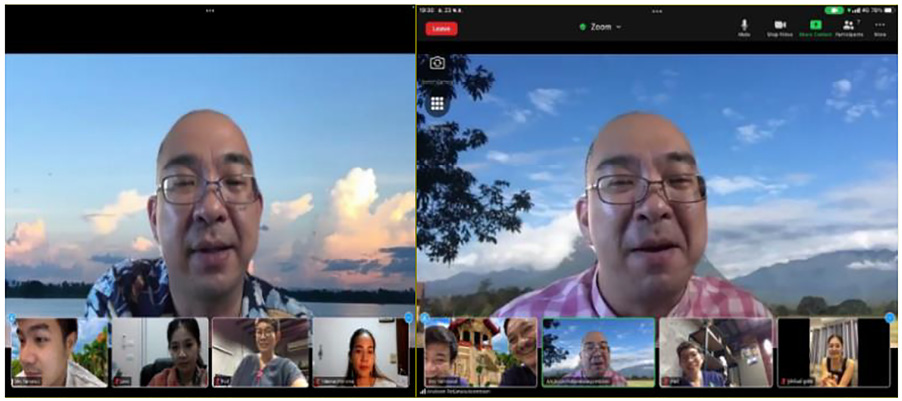
Figure 1. Meeting for rehearsal via Zoom on 22-23 November, 2021
Source: Researcher
Costumes were designed by Dr. Sakkawin Siriwattanakul. The criteria for selecting clothes were appropriate for the fashion of the 50s and 60s, and in keeping with the character’s role.
For the design of props, scenes, lighting, colors, and sounds in the musical drama “Baan Sai Kong”, the researcher assigned Mr. Sarayut Phetsamrit, who has experience in designing props, scenes, lighting, colors, and sounds for stage plays. He also had a team that worked efficiently. The musical drama “Baan Sai Kong” is divided into 3 scenes:
Source: Researcher
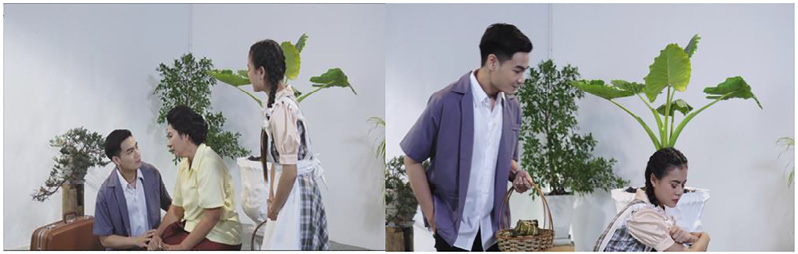
Source: Researcher
Scene of Mom Phanrai’s reading room
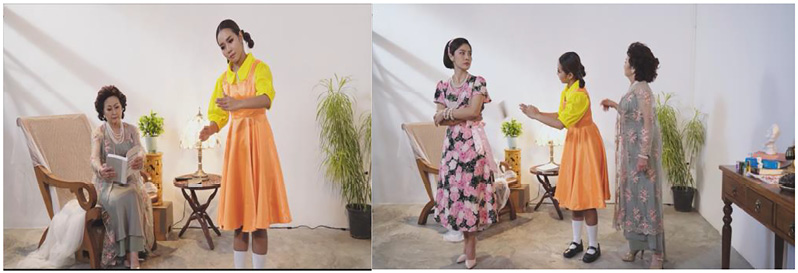
Figure 4. Scene of Mom Phanrai’s reading room
Source: Researcher
The evaluation design for data collection, which is a measure of how much viewers understand the content presented, was provided by Assoc. Prof. Dr. Sitthiphong Wattananonsakul, Department of Developmental Psychology, Faculty of Humanities, Srinakharinwirot University, who designed the form for the to be used for evaluation and measurement with the target group in the general public, both before and after the performance.
Results
There were 31 audience members (14 males; 17 females). Ten people were 20–29, seven were 30–39, six were 40–49, four were 50–59, and four were ≥60. This profile supports an intergenerational analysis by distinguishing younger cohorts (≤29 or ≤39, depending on analytic framing) from mid-life (40–59) and older adults (≥60).
| Knowledge Expectation of musical drama performance Baan Sai Kong | Before the show | After the show | ||
|---|---|---|---|---|
| Number | Percent | Number | Percent | |
| Score 8-10 High level of knowledge | 14 | 45.2 | 30 | 96.8 |
| Score 5-7 Medium level of knowledge | 8 | 25.8 | 1 | 3.2 |
| Score 1-4 Low level of knowledge | 9 | 29.0 | - | - |
| Total | 31 | 100.0 | 31 | 100.0 |
This study sought to evaluate the effectiveness of a contemporary Thai musical drama performance as a tool for educating the public about preparing for a society where the elderly can live well. The performance, which incorporated traditional Thai musical elements, such as a piphat ensemble, was shared with a target audience, and their understanding and attitudes toward topics on care of the elderly were assessed before and after watching. This section presents the results of the data collection, including the audience’s initial knowledge, comprehension changes, and overall responses to the performance.
Pre-Performance Knowledge Assessment
Before watching the performance, a pre-test was conducted to measure the audience’s existing knowledge and awareness of ageing-related issues, including health practices, social adjustments, financial planning, and safe housing arrangements. The initial scores revealed that 14 out of 31 participants had a moderate understanding of the care of the elderly topics presented. Most participants demonstrated limited knowledge, with an average pre-test score of 5.73 out of 10, indicating a need for greater awareness in this area.
Post-Performance Knowledge Assessment
After the performance, a post-test was administered to the same group of participants to gauge their understanding and the impact of the musical drama on their knowledge of care of the elderly. Results showed a significant increase in comprehension. Following the performance, 30 out of the 31 participants scored in the highest band on the post-test, with the average score rising to 8.78 out of 10. This improvement suggests that the musical drama effectively conveyed important information about care of the elderly and preparedness, enhancing the audience’s awareness and knowledge of the subject. The median post-test score was 9 out of 10, with scores ranging from 6 to 10. This increase in scores highlights the drama’s impact on educating the audience.
Audience Feedback and Engagement
Qualitative feedback from the audience indicated a high level of engagement and enjoyment in the presentation style. Many participants expressed that the traditional Thai music, particularly through a piphat ensemble, combined with relatable storytelling, made the information accessible and memorable and ten mentioned that traditional Thai songs helped them connect culturally with the content, creating a more meaningful experience. The drama’s portrayal of common life situations, emotions, and challenges faced by the elderly was well-received and sparked reflection among the audience. Younger participants, in particular, stated that the performance helped to bridge their understanding of older generations and the needs of the elderly, suggesting the musical drama’s effectiveness in addressing generational gaps in perceptions of aging.
Online Viewership and Social Media Reach
The performance was disseminated online, reaching over a thousand viewers, indicating broad interest in the content. The online comments and shares reflected strong positive feedback, with viewers expressing appreciation for the cultural revival of Thai musical drama in a modern context. The online medium also enabled intergenerational audiences, including younger users less familiar with Thai musical drama, to engage with the content. Many viewers commented on the value of presenting educational themes through traditional music, noting that it provided both cultural insight and practical knowledge.
Challenges and Observations
Some participants noted challenges in fully understanding the lyrics and the traditional language used, especially among younger or less culturally familiar viewers. While the storyline effectively communicated the main themes, some viewers suggested adding subtitles or supplementary explanations for clearer understanding.
Additionally, the need for skilled performers who could sing traditional Thai songs and act convincingly was identified as a challenge. The limited availability of such performers may hinder future productions, suggesting that additional training or collaboration with cultural institutions might be beneficial.
The results indicate that the contemporary Thai musical drama was effective in increasing knowledge and awareness about care of the elderly among the audience. The significant improvement in post-test scores and positive feedback demonstrate that traditional musical drama can serve as a valuable educational medium for complex societal issues, such as preparing for an ageing population. Moreover, the engagement from a diverse audience, both in-person and online, suggests that such performances have the potential to bridge generational gaps and foster empathy and understanding regarding elderly issues. This study supports the continued use and adaptation of Thai musical drama for educational purposes and highlights the importance of culturally resonant mediums in public education.
Discussion
The findings of this study suggest that using Thai musical drama as a medium for social education, specifically in raising awareness about care of the elderly, can be an effective approach. The increased knowledge among participants post-performance and their engagement with the themes of aging and care illustrate the potential of traditional performing arts to communicate complex social issues. The discussion below contextualizes these findings by comparing them with previous studies from both international and Thai research on the role of cultural performance in education and public health communication.
Performing Arts as a Tool for Health Education
Studies of the use of drama and music in health education across different cultures have found that that performing arts enable audiences to process information on an emotional level, leading to higher retention and impact (Singhal et al. 2003). This aligns with our findings, as the Thai musical drama format engaged the audience deeply, helping them connect emotionally to the subject of care of the elderly. Similar to findings in the book edited by Singhal et al., the use of music and relatable narratives in this study enhanced comprehension and awareness, suggesting that cultural arts offer an accessible and relatable means to communicate essential information.
Theatre for Social Change
Kerr (2009) investigated the effectiveness of theater in raising awareness about social issues among communities in Africa, noting that drama can foster empathy and social reflection. Kerr’s study showed that audiences who watched dramas addressing topics like HIV/AIDS prevention demonstrated greater empathy and understanding of the issues than those who received information through conventional methods. This mirrors the results of our study, where Thai musical drama not only conveyed information but also bridged the generational gap in understanding care of the elderly. Just as Kerr’s work demonstrated the potential of drama in shifting social perceptions, our study supports that traditional Thai musical drama could serve a similar role in educating the Thai public about aging-related topics.
Cultural Narratives in Health Communication
Tan et al. (2017) researched the use of culturally relevant narratives in health education campaigns in Singapore, finding that cultural familiarity enhances message retention. They noted that people are more likely to absorb information when presented within a familiar cultural context, as it resonates with their identity and values. Our study supports this conclusion, as the piphat ensemble and traditional Thai songs used in the musical drama created a familiar, culturally resonant setting that facilitated audience connection to the topic. This cultural alignment probably contributed to the audience’s increased understanding and appreciation of care of the elderly.
Traditional Thai Arts in Social Learning
Baljay et. al. (2019) explored how traditional Thai arts, including musical dramas, contribute to social learning and community bonding. Baljay et. al. (2019) emphasized that Thai drama historically has been a means of educating communities on moral and ethical values. Similarly, our study shows that Thai musical drama, adapted for a modern audience, retains this educative quality, making it a suitable medium for addressing societal issues. The successful engagement and knowledge gain demonstrated by our participants indicate that traditional Thai arts remain relevant and effective for social learning in contemporary Thai society.
Awareness of Care of the Elderly in Thailand
Lorthanavanich (2021) writing on awareness of care of the elderly in Thailand, noted a general lack of preparedness among Thai citizens for ageing-related issues. She concluded that public education on care of the elderly was needed to support the transition toward a society where the elderly lived healthy and productive lives. Our study aligns with these findings, showing that Thai musical drama could effectively raise awareness and knowledge about care of the elderly. By integrating essential information on health, social adjustment, and financial planning within the drama, our study addressed this knowledge gap, confirming the utility of Thai musical drama as an educational medium for public health issues.
Implications and Limitations
The results of this study support the integration of traditional arts into public education programs, as these mediums foster emotional connections and increase knowledge retention. Thai musical drama, in particular, offers a culturally meaningful method for discussing social issues and bridging generational gaps. However, there are challenges, including the difficulty of finding skilled actors with traditional singing and acting abilities. Future initiatives could address these challenges by collaborating with cultural institutions to train new performers and maintain the integrity of Thai musical drama as an art form.
Additionally, while the study successfully reached a wide audience through online dissemination, the comprehension of traditional language and music was a challenge for some younger viewers. Adding subtitles or complementary educational materials could help make these performances more accessible, especially for audiences with limited familiarity with traditional Thai drama.
Conclusion
This study adds to a growing body of evidence supporting the educational value of performing arts in public health and social issues, particularly when adapted to culturally relevant narratives. Aligning with both foreign and Thai research, our findings demonstrate that Thai musical drama effectively raises awareness and understanding of issues in the care of the elderly, bridging generational divides, and fostering empathy. This approach holds promise for other areas of public health and social education in Thailand, potentially revitalizing traditional arts and adapting them to serve contemporary societal needs.
QR Code of the contemporary Thai drama performance to prepare knowledge for a society where the elderly can live well, ‘Baan Sai Kong’ and the number of views published on YouTube (1,160 views) on August 10, 2021.
Source: Researcher

Poster of a contemporary Thai drama to prepare knowledge for a society where the elderly can live well: ‘Baan Sai Kong’
Source: Researcher
References
Agarwal, M. & Verma, A. 2023, ‘Integration of performing arts in education: A joyful, retentive and transformative learning’, Research Journal of Humanities and Social Sciences, vol. 14, no. 2, pp. 61-68. https://doi.org/10.52711/2321-5828.2023.00013
Baljay, Y., Nawamarat, S., Sughondhabirom, P., Sinudompol, S. & Daranison, S. 2019, ‘The effectiveness of art therapy program on quality of life among older adults with chronic illness in urban areas: An older adult club’, Vajira Medical Journal: Journal of Urban Medicine, vol. 63, no. 6, pp. 443–454.
Chutintaranond, T. 2019, Educational theatre in Western and Thai societies. University of the Thai Chamber of Commerce Journal of Humanities and Social Sciences, vol. 37, no. 4, pp. 195–207. https://so06.tci-thaijo.org/index.php/utccjournalhs/article/view/178807
Cohen, G. D. 2014, The Creative Age: Awakening Human Potential in the Second Half of Life. HarperCollins, London.
Dhaninivat, M. R. 1974, Traditional Thai Drama and its Role in National Education. Fine Arts Department, Thailand. https://www.finearts.go.th/storage/contents/2020/07/file/KWvBJWArmGhMADFCl1TwVimYp37dVoaRqKObSVYR.pdf
Ermer, A. E., York, K. & Mauro, K. 2021, ‘Addressing ageism using intergenerational performing arts interventions’, Gerontology and Geriatrics Education, vol. 42, no. 3, pp. 308–315. https://doi.org/10.1080/02701960.2020.1737046
Fongtanakit, R. 2017, ‘Community Elderly Care Model’, International Journal of Management and Applied Science (IJMAS), vol. 3, no. 1, pp. 16-20. https://ijmas.iraj.in/paper_detail.php?paper_id=6846&name=Community_Elderly_Care_Model
Goyal, M., Singh, S., Sibinga, E. M. S., Gould, N. F., Rowland-Seymour, A., Sharma, R., … Haythornthwaite, J. A. 2014, ‘Meditation programs for psychological stress and well-being: A systematic review and meta-analysis’, JAMA Internal Medicine, vol. 174, no. 3, pp. 357–368. https://doi.org/10.1001/jamainternmed.2013.13018
Karavekphan, B., Wattana, P., & Tanavarit, T. 2019, ‘Research paper on the perception of Thai contemporary arts and how it can strengthen the society: Thai youths’ perception on Thai contemporary arts vis-à-vis foreign contemporary arts 2017’, Rajapark Journal, vol. 13, no. 28, pp. 83–95. https://so05.tci-thaijo.org/index.php/RJPJ/article/view/185373
Katkaew, K., Pholprasert, A. & Boonyananta, S. 2024, ‘Guideline for promoting self-adaptation among older adults with stage 1 dementia through process art activities (PCRS Model)’, Social Sciences Research and Academic Journal, vol. 19, no. 1, pp. 1–16. https://so05.tci-thaijo.org/index.php/JSSRA/article/view/266601
Kerr, D. 2009, ‘Theatre for social change: The role of drama in health and social education’, African Theatre, vol. 14, no. 2, pp. 98–112.
Knodel, J., Teerawichitchainan, B., Prachuabmoh, V. & Pothisiri, W. 2015, The situation of Thailand’s older population: An update based on the 2014 Survey of Older Persons in Thailand, HelpAge International, Chiang Mai. https://www.helpage.org/silo/files/the-situation-of-thailands-older-population-an-update-based-on-the-2014-survey-of-older-persons-in-thailand.pdf
Kolb, D. A. 1984, Experiential Learning: Experience as the Source of Learning and Development. Prentice Hall, Englewood Cliffs, NJ.
Lorthanavanich, D. 2021, ‘Self-care, health promotion, and independent life’, in Lorthanavanich, D. & Komozawa, O. Population Ageing in Thailand, v.2, pp. 18-26. ERIA Research Project Report FY2021 No. 06b, Economic Research Institute for ASEAN and East Asia and Ageing Business & Care Development Centre (ABCD Centre) of Thammasat Business School of Thammasat University. https://www.eria.org/uploads/Vol-2_00-Long-term-Care-Model_Review-of-Population-Ageing-Practices-and-Policies.pdf
Lusardi, A., & Mitchell, O. S. 2014, ‘The economic importance of financial literacy: Theory and evidence’, Journal of Economic Literature, vol. 52, no. 1, pp. 5–44. https://doi.org/10.1257/jel.52.1.5
Mezirow, J. 1991, Transformative Dimensions of Adult Learning, Jossey-Bass, San Francisco.
Miller, T., & Williams, S. 2008. The Garland Handbook of Southeast Asian Music, Routledge, New York.
National Institute on Aging. 2021. Exercise and physical activity: Your everyday guide from the National Institute on Aging. https://www.nia.nih.gov/health
National Statistical Office, Ministry of Digital Economy and Society. (2023). Statistical yearbook Thailand 2023. National Statistical Office. https://www.nso.go.th/public/e-book/Statistical-Yearbook/SYB-2023/
Nguon, C., Dysoley, L., Davoeung, C., Sovann, Y., Sanann, N., Sareth, M., … Cheah, P. Y. 2018, ‘Art and theatre for health in rural Cambodia’, Global Bioethics, vol. 29, np. 1, pp. 16–21. https://doi.org/10.1080/11287462.2017.1411762
Noice, T, Noice, H. & Kramer, A. 2014, ‘Participatory arts for older adults: A review of benefits and challenges’, The Gerontologist, vol. 54, no. 5, pp. 741–753. https://doi.org/10.1093/geront/gnt138
Panuwityo, P. P. 2025, ‘The transformation of Thai families in the context of globalization’, Asian Journal of Humanities and Social Innovation, vol. 2, no. 3, pp. 47-654. https://so14.tci-<thaijo.org/index.php/AJHSI/article/view/1950
Phonron, A. 2025, Making music in Thai music theatre: The interaction between music, narrative and dance in Lakhon Phanthang (Doctoral dissertation, Goldsmiths, University of London). https://research.gold.ac.uk/id/eprint/40079/1/MUS_thesis_PhonronA_2025.pdf
Resnicow, K., Baranowski, T., Ahluwalia, J. S., & Braithwaite, R. L. 1999, ‘Cultural sensitivity in public health: Defined and demystified’, Ethnicity & Disease, vol. 10, no. 1, pp.10-21.
Rotjanasuksomboon, A. 2018, ‘Likay in Thailand’, Mekong-Salween Civilization Studies Journal, vol. 9, no. 1, pp. 14–36. https://so04.tci-thaijo.org/index.php/jnuks/article/view/83371
Ruddit, K. 2022, Revitalizing Traditional Performing Arts in Contemporary Thai Society. Silpakorn University Press.
Schechner, R. 2002, Performance Studies: An Introduction, Routledge, New York.
Shahriari, A. & Miller, T. 2017, World Music: A Global Journey, (4th ed.), Routledge, London.
Singhal, A., Cody, M.J., Rogers, E.M., & Sabido, M. (Eds.). 2003, Entertainment-Education and Social Change: History, Research, and Practice (1st ed.). Routledge. https://doi.org/10.4324/9781410609595
Tan, M.K.B. 2017, ‘Feeling Alive!: Participatory visual art programme and vitality in a nursing home – A Singapore case study’, in Saavedra, J., Español, A., Arias-Sánchez, S. & Calderón-García, M. Creative Practices for Improving Health and Social Inclusion, University of Seville, Spain, pp. 245-254. https://idus.us.es/items/571d5b55-5404-4bb1-b381-caa5a245e749
Tanner, B., Tilse, C. & de Jonge, D. 2015, ‘Restoring and sustaining home: The impact of home modifications on the meaning of home for older people’, Journal of Housing for the Elderly, vol. 22, no. 3, pp. 195-215. https://doi.org/10.1080/02763890802232048
Teerawichitchainan, B., Pothisiri, W., Knodel, J. & Prachuabmoh, V. 2019, Thailand’s Older Persons and Their Well-being: An Update based on the 2017 Survey of Older Persons in Thailand, HelpAge International, Chiang Mai. https://doi.org/10.13140/RG.2.2.25499.28962
Thamkulangkool, P. (2025). Thai contemporary performing arts and audiences: Contrasting stakeholders and the gaze towards Thainess (Doctoral dissertation, Goldsmiths, University of London). https://research.gold.ac.uk/id/eprint/39397/1/ICCE_thesis_ThamkulangkoolP_2025.pdf
UNESCO Bangkok 2020, Reshaping policies for creativity: Addressing culture as a public good. UNESCO Asia-Pacific Regional Office. https://www.unesco.org/en/articles/reshaping-policies-creativity-addressing-culture-global-public-good
UNESCO 2003 Safeguarding of the Intangible Cultural Heritage. https://ich.unesco.org/en/convention
United Nations 2019, World population ageing 2019: Highlights. United Nations Department of Economic and Social Affairs. https://www.un.org/en/development/desa/population/publications/pdf/ageing/WPA2019_Highlights.pdf
Interview
Pradit Prasartthong. Silpathorn Artist of the Year 2004 in Performing Arts. Interview, 10 September 2021.
Sitthipong Wattananonsakul. Associate Professor, Ph.D. (Developmental Psychology), Faculty of Humanities, Srinakharinwirot University. Interview, 15 August 2021.