Cosmopolitan Civil Societies: An Interdisciplinary Journal
Vol. 16, No.1
2024
ARTICLE (REFEREED)
Traditional Birth Attendants as Guardians of Tradition Amidst Modernization in Javanese Culture
Mochammad Najmul Afad1,*, Agus Indiyanto2, Maghfur Ahmad1, Nur Fajariyah1, Mukh Imron Ali Mahmudi3
1 Universitas Islam Negeri K.H. Abdurrahman Wahid Pekalongan, Central Java, Indonesia
2 Universitas Gadjah Mada, Sleman, Special Region of Yogyakarta 55281, Indonesia
3 Universitas Indonesia, Depok, Indonesia
Corresponding author: Mochammad Najmul Afad, Universitas Islam Negeri K.H. Abdurrahman Wahid Pekalongan, Pahlawan St., km 5, Pekalongan, Central Java 51161, Indonesia, m.najmul.afad@uingusdur.ac.id
DOI: https://doi.org/10.5130/ccs.v16.i1.8761
Article History: Received 09/08/2023; Revised 13/02/2024; Accepted 20/02/2024; Published 09/05/2024
Citation: Afad, M. N., Indiyanto, A., Ahmad, M., Fajariyah, N., Mahmudi, M. I. A. 2024. Traditional Birth Attendants as Guardians of Tradition Amidst Modernization in Javanese Culture. Cosmopolitan Civil Societies: An Interdisciplinary Journal, 16:1, –90. https://doi.org/10.5130/ccs.v16.i1.8761
Abstract
This study examines the enduring presence of traditional birth attendants (TBAs) in Batang Regency, Indonesia, and involves various stakeholders, including users of TBA services, healthcare professionals, and the general public. The research utilizes participant observation and in-depth interviews to collect data. The participants involved in the study include one TBA aged 70, three TBA aged 30-40, one midwife, nine women who have utilized TBA services, and seven community members, totaling 21 individuals. The findings highlight three key aspects. Firstly, childbirth assistance by TBAs continues to exist even in the modern world. Secondly, various factors such as belief or faith, emotional bonds, economic considerations, ease of access, and non-procedural approaches contribute to the persistence of traditional birth customs alongside other evolving practices. Lastly, the resilience of traditional practices performed by TBAs indicates their adaptability to health sciences and their positive impact on maternal and child health.
Keywords
Traditional Birth Attendant; Javanese Culture; Traditional Practices; Modernization; Indonesia
Introduction
The cultural institution of traditional birth attendants (TBAs) is preserved, modernization has not entirely transformed the social structure. The community still upholds and values this cultural institution. Regarding childbirth, it is essential to contemplate the high maternal and infant mortality rates. The Indonesian Central Statistics Agency reported that the maternal mortality rate from the long-form census of the population in 2020 was 189 per 100,000 births (Indonesian Central Statistics Agency 2023). Some other countries with maternal mortality rates almost similar to Indonesia are Myanmar and Yemen, at 179 and 183 per 100,000 live births, respectively (UNICEF 2023). Meanwhile, the United Nations (UN) target, supported by its program through the World Health Organization (WHO) known as Sustainable Development Goals (SDGs), countries have united behind the target to accelerate the decline of maternal mortality by 2030, specifically reducing the global maternal mortality ratio to less than 70 per 100,000 births, with no country having a maternal mortality rate of more than twice the global average (WHO 2023). This indicates that Indonesia, based on the data from 2023, needs to reduce the maternal mortality rate by 11.00% annually.
Some of the causes of the high maternal mortality rate in Indonesia, as reported by Bangun (2019), include pregnancy spacing, antenatal care, and asphyxia. Some other causes found by Muhdar, Rosmiati and Tulak (2020) include reproductive status, mothers who get pregnant too early (at the age of 13 and 15 years), primigravida mothers, maternal nutritional status, mothers with anemia, and mothers with hyperemesis. Additionally, delays in healthcare utilization and mothers without health insurance cards were identified as causes.
Wilson et al. (2011) states that the role of TBAs significantly reduces perinatal and neonatal deaths through strategies that include training and support for TBAs. Additionally, the training and integration of TBAs into an enhanced healthcare system proved to be both feasible and effective in reducing perinatal mortality, particularly in developing countries (Jokhio, Winter, & Cheng 2005). In resource-constrained countries, especially in rural areas with limited healthcare accessibility, TBAs play a crucial role in providing obstetric care. For instance, in Central Maluku, Indonesia, the geographic location, economic circumstances, shortage of healthcare professionals, particularly midwives, insufficient public health awareness, restricted community involvement, and the absence of coordination between healthcare initiatives and local communities underscore the vital importance of TBAs throughout the childbirth journey, from prenatal to postnatal stages.
So far, the study of TBAs has focused on two primary issues. The conflict between traditional and contemporary practices comes first. In contemporary society, the practice of TBAs is viewed as regressive. The marginalization of traditional therapeutic practices is the second factor. Modern society tends to rely on medical professionals rather than traditional healthcare methods. Both of these tendencies disregard the potential of traditional practices as alternative medical methods, which the community is increasingly accepting. Several studies have discussed the function and responsibilities of TBAs (e.g. Agus, Horiuchi, & Iida 2018; Belton, Myers, & Ngana 2014; Lori et al. 2013; Syam, Abdul-Mumin, & Iskandar 2021; Tabong, Kyilleh, & Amoah 2021). Meanwhile, this present study emphasizes the survival of TBAs in the modern era, which should be viewed as a form of resistance to modernity.
The continued use of traditional practices by TBAs has had three significant consequences. First, it impedes contemporary practices. The practices of TBAs differ from those of modern midwives. Second, the incorporation of healthcare principles by TBAs. As a response to modernity, the assimilation of practices between TBAs and professional midwives emerges. Lastly, traditional birth customs benefit the health of mothers and children, contributing to maternal and child health resilience.
In the study conducted by Shimpuku et al. (2021), TBAs were found to have the potential to complement the work of skilled birth attendants by utilizing their local knowledge. Their expertise enables them to better cater to women’s cultural preferences, which, when combined with skilled birth attendants’ provision of compassionate care, fosters greater trust in skilled birth attendants and leads to more positive birth experiences for mothers. Adatara, Strumpher, & Ricks (2020) revealed the reasons why women in rural and deprived areas opt for TBAs. These reasons include a lack of access to skilled birth care due to the unavailability of healthcare facilities, the absence of skilled birth attendants during nights and weekends, and geographical barriers such as poor road networks, long distances to health facilities, and a lack of means of transport (Tabong, Kyilleh, & Amoah 2021).
This study seeks to address the shortcomings of previous research that neglected to address the survival of TBAs in the modern era. In particular, this paper emphasizes the survival of TBAs as guardians of tradition in the face of modernization and analyzes the ramifications of the persistence of traditional practices. This study’s findings provide valuable information for anticipating increased maternal and neonatal mortality rates. In addition, the findings of this study inform policy recommendations regarding the function of TBAs in the healthcare field.
Method
The research methodology employed in this study is ethnography. Ethnography is both an empirical and theoretical approach designed to gather detailed descriptions and analyses of culture through intensive field research. Its objective is to offer a comprehensive understanding of the research subject by focusing on capturing the day-to-day experiences of individuals through observation and interviews with them and associated individuals. Ethnography involves interpretation and includes a selection of data, made more or less explicitly within a theoretical framework (Jacobson 1991). This ethnographic study employs participant observation and in-depth interviews as data collection techniques. The researchers conducted interviews with 21 individuals, comprising one TBA aged 70, three TBAs between the ages of 30-40, one midwife, nine women who have utilized traditional birth practices, and seven community members in Batang Regency, Indonesia.
Interviews were conducted, and the data was transcribed by the researchers. Additionally, the researchers observed TBAs providing care to pregnant and postpartum mothers. This included monitoring the activities of bathing the infant, massaging, praying for the infant, and other postpartum care-related activities. The analysis of data was conducted by categorizing the data according to themes. These themes included the survival of TBAs, the factors contributing to their persistence and coexistence with other practices, and the implications of traditional birth practices. The data analysis used in this research is an interactive analysis model consisting of three concurrent stages, namely data collection, data reduction, data presentation, and drawing conclusions/verification (Miles & Huberman 1994). The information was then presented as interview excerpts.
Results and Discussion
Traditional Birthing Practices
Based on observations and data collection, this research suggests that there are two reasons TBAs are still necessary in contemporary society: their status and their essential functions in the community. TBAs serve the community during and after childbirth in a technical capacity, according to cultural customs. This profession is culturally transmitted within the families of TBA. Informant A1 (38 years old) stated that she is a descendant of TBA, having followed in her grandmother’s footsteps. One night, she had a hallucination in which her grandmother pleaded with her to continue working as a TBA. She sees approximately 15 expectant patients per month.
TBAs are no longer solely responsible for childbirth. They provide traditional services to expectant women beginning when they are pregnant and continuing until the child’s birth. TBAs also provide care for the newborn following traditional practices, which include cleansing, preparing traditional remedies, and offering prayers for the placenta. The placenta is either buried or hung on the left side of the house. In addition, they bathe the infant, massage both the infant and the mother, give the mother herbal beverages after childbirth, apply special herbal remedies to the mother’s and infant’s foreheads, and shave the infant’s head. These services are provided up to 40 days after the infant’s birth. Additionally, TBAs offer parental advice to the patient’s family. In addition to caring for the mother and child, TBAs play a role in parenthood by advising new mothers on how to live their lives.
‘I once attended to a woman who had just given birth. While massaging her back, I noticed she had a tattoo. She told me about her smoking habit. I remained calm and tried to advise her to quit smoking for the sake of her baby. I also gently told her to let bygones be bygones and focus on improving in the future.’ (Informant A1)
TBAs often care for conditions that cannot be medically treated, such as digestive disorders, sprains, and convulsions. In fact, TBAs are frequently relied upon to cleanse the bodies of deceased infants. This crucial role makes them indispensable in society as they are considered consistently successful in-patient care. The following is the outcome of an interview with a respondent who is the husband of a patient of a TBA.
‘If a baby’s body feels hot and cries incessantly even after being examined, the cause must be identified. We go to the TBA. Sometimes, the baby may experience seizures or some kind of interference or sprain.’ (Informant B1)
During childbirth, the TBA should not perform the delivery alone but should accompany a midwife who assists with the delivery. This is due to the Indonesian Ministry of Health Regulation No. 97 of 2014 concerning Health Services Before Pregnancy, During Pregnancy, Childbirth, and Postpartum Period, Family Planning Services, and Sexual Health Services, Article 14, Paragraph (1), which states that childbirth must be carried out in health service facilities. However, this regulation does not necessarily prohibit midwives from conducting childbirth outside of health facilities. Midwives can perform childbirth outside of health facilities if those facilities are difficult to access by the community.
The regulation, which has been in effect since 2014, directly prohibits TBAs from conducting childbirth processes. Through Article 49 of this regulation, partnerships between midwives and TBAs are established as a means to enhance the coverage of delivery assistance by healthcare providers in healthcare facilities. This partnership between midwives and TBAs is only implemented in specific regions, taking into account socio-cultural constraints. Furthermore, the partnership between midwives and TBAs must be documented in a written agreement between the two parties and must be known at least by the local village head.
In the prenatal process, TBAs provide support and guidance to pregnant women, encouraging them to attend antenatal check-ups with midwives and assisting those who may be hesitant to do so. They also educate mothers about postpartum family planning methods. Additionally, TBAs may recommend childbirth with midwives as the due date approaches (Sofyan, Khoiri, & Witcahyo 2015). Furthermore, they perform traditional rituals during the prenatal period to ensure the well-being of both the mother and the unborn child (Fauziah, Al Liina, & Nurmiyati 2017).
At four months of pregnancy, the Ngapati ritual (in Javanese culture) is then performed, usually in the form of a thanksgiving ceremony or communal prayer involving the invitation of the community. In the Batang community, it is customary to recite the Kitab Maulid al Barzanji (a popular written verse praising the Islamic Prophet Muhammad). It is hoped that the baby will grow up with morals akin to those of Prophet Muhammad. In the evening, Surahs Yusuf, Maryam, Yasin, Muhammad, Al-Fath, Ibrahim, and Luqman from the Quran are also recited. Thanksgiving ceremonies and communal prayers are common rituals within Javanese society. These ceremonies are performed in each cycle of human life to ensure safety. Market snacks, red and white porridge, yellow coconut (known as cengkir gading in Javanese), carved with the figures of Arjuna and Srikandi from the Mahabharata, and rujak (a traditional fruit salad) are served. It is hoped that male babies will be born resembling Arjuna and female babies resembling Srikandi.
After that, massage therapy is performed at seven months of pregnancy. This massage process is called pijat digereg and is done to position the baby for birth. In this month, a ritual called Mitoni is also performed. The ritual process is similar to Ngapati, with the only difference being the timing, which is at seven months. The TBA advises pregnant women to eat using lemper (plates made of clay). A traditional belief states that those who use lemper for their placenta will have a thick placenta. In addition, lemper made of clay symbolizes that humans always remember that they are created from the earth.
‘My sister, when she was pregnant, used to eat with regular plates, refusing to use lemper. Whether this is coincidental or not, her placenta turned out to be thin, making it difficult for the baby to be born. So, I followed the TBA’s instructions. Alhamdulillah (praise be to God), my placenta was thick.’ (Informant B2)
During the natal process, TBAs accompany mothers during childbirth, providing physical and emotional support. They assist in the delivery process and help mothers with early breastfeeding initiation. Additionally, TBAs may perform traditional rituals during labor to ensure a safe and smooth delivery. The role of TBAs in accompanying the childbirth process involves readiness and vigilance in facing childbirth, as well as obstetric and neonatal emergencies. After the baby is born, with the process assisted by a midwife, the father of the baby is asked by the midwife to bury the placenta. The placenta, still blood-stained, must be washed by the father. Then, it is cleaned again by the TBA while reciting Surah Al-Qadr. The placenta is then placed into a clay pitcher previously filled with traditional herbs by the TBA. Prayers for the placenta are recited by the TBA and the father. The TBA asks the father to pray in Javanese for the placenta.
‘Pray and advise so that it will become a pious, healthy, intelligent, and beneficial child. Everything from the earth will return to the earth, including the pitcher, which is where the placenta comes from.’ (Informant A2)
In general, the role of TBAs is to accompany the process before, during, and after childbirth based on cultural customs. For instance, after the birthing process, the baby is gently jolted (startled) by the TBA on the bed. According to their belief, a newly born baby must be jolted three times and have the Surah al-Fatihah recited over them so that they do not become mischievous when they grow up. Once the mother and baby’s affairs are completed, the TBA takes care of the placenta that is expelled after childbirth. As depicted in Figure 1, which the author photographed at the residence of a physician, the TBA treats the baby’s placenta by burying it and covering it with a chicken coop with a light on top. On the day of birth, a thanksgiving ceremony is held, consisting of nasi golong seven or twelve, which is rice shaped into seven or twelve balls, prepared by the family and blessed by the TBA with prayers for worldly and eternal blessings as a dish. The rice is distributed to family and neighbors.
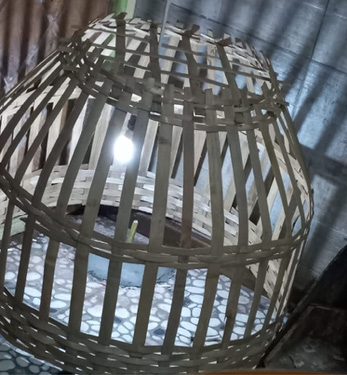
Figure 1. Baby’s placenta buried in the ground.
Factors Contributing to the Survival and Coexistence of TBAs with Evolving Practices
The research delves into various factors that impact the survival and coexistence of TBAs. Firstly, there is the factor of faith or confidence. Secondly, emotional bonds play a significant role. Thirdly, economic incentives, ease of access, and minimal procedural demands also contribute to their persistence. TBAs are viewed as aiding expectant women and infants during the prenatal and postnatal stages. Mr. Amin (54 years old), a community member, stated that the community strongly believes in TBAs caring for expectant women and infants. People believe that TBAs possess knowledge of the origins of diseases and the ability to treat both the mother and the infant. Furthermore, it is believed that TBAs can communicate with supernatural beings that frequently disturb infants. The community has always held this firm belief regarding TBAs.
‘TBAs are different from midwives who only handle women during childbirth. However, we also need to be taught how to bathe the baby. Not everyone understands how to bathe a baby, especially families who have just had a child.’ (Informant B3)
TBAs are referred to as Mbah (in Javanese means grandmother) as a form of familial address. TBAs are viewed as familiar persons with close relationships with families and foster a sense of kinship, as the following statement from an interviewee shows. As though caring for their grandchildren, they render services. The idea that TBAs are always present for each birth in a household is further supported by this argument..
‘I chose a TBA because we are still relatives. My parents advised me to engage the TBA, when I have children.’ (Informant B4)
The community selects TBAs based on economic factors, accessibility, and minimal procedural requirements. TBAs do not specifically set the amount they will charge for their services. A patient of a TBA, Informant B5, conveyed this information. TBAs are distinct from certified midwives, who must be contacted through a public health center and be located within the geographical area of the inhabitant.
‘Mbah Mun does not set a fixed rate for her services; it is up to the discretion of the person giving it. My neighbor, Mrs. Yul, also told me to choose Mbah Mun because she is affordable.’ (Informant B5)
‘If it is a certified midwife, we must coordinate with the public health center first. Then, the health center will direct us to a suitable midwife for our residential area. We need to adjust our schedule according to the midwife’s practice time when calling them to our home, and transportation costs are also involved. For example, if the health center is busy, we must adjust the day.’ (Informant B5)
Even though times have changed, the community still requires cultural institutions in every aspect of life. There is an ongoing, incomplete process of the transformation to modernization . People embrace modern concepts while continuing to practice traditional customs, often accompanied by ambivalence toward accepting change. TBAs are essential, as no other profession can fulfill its function. According to Tabong, Kyilleh, and Amoah (2021), the attention and quality of care given to expectant women during childbirth are the primary reasons communities continue to rely on TBA. This includes the comfort and freedom to communicate personal emotions and challenges between the mother and TBA, as well as the care and herbal remedies provided after childbirth for both mother and child. The presence of TBAs compensates for the inadequacies of the modern delivery system in meeting the community’s requirements.
TBAs are a profoundly ingrained cultural institution. The relationship established is not solely based on labor and money but also represents a lasting social bond that is continually strengthened. The extinction of TBAs also signifies the dissolution of familial ties. When roles that are typically occupied are vacant, their functions are not optimized. Childbirth care incorporates sociocultural and spiritual dimensions that TBAs can only meet. Modernization is characterized in terms of health by advancements in systems and technology, as well as shifts in the attitudes and mentalities of society in response to the demands of contemporary living (Panasyuk et al. 2013). A characteristic of health-related modernization is the transformation of society, which no longer prioritizes traditional customs and instead prioritizes rational thought in comprehending and achieving health in their daily lives. The presence of healthcare facilities does not guarantee an intimate relationship between the community and healthcare professionals. Transitioning from rural to urban areas with modern and adequate healthcare facilities does not eliminate the community’s trust in TBAs. This is a form of indigenous resistance to modernity.
This study emphasizes that traditional practices are not eradicated due to their sociocultural value in the face of modernization. This study highlights a shift in the community’s perception of TBAs. The community is now moving away from certain practices that involve TBAs, primarily due to the perceived high risks associated with childbirth when attended by TBAs in modern society. This shift in perception is influenced by concerns over maternal and infant mortality rates (Chi & Urdal 2018). In Western culture, the literal translation of the term TBA is a wise woman who understands birth and mortality and plays a vital role in the leadership of traditional community traditions (Chamberlain et al. 2016; Dorwie & Pacquiao 2014; van Teijlingen 2012). Chi and Urdal (2018) present several cases in which TBAs play a crucial role as leaders who provide access to childbirth in Uganda during times of conflict. During times of conflict, TBAs are revered and known as the ‘only hope’ for assisting women in childbirth.
Impact of Traditional Practices
The continuation of traditional practices has ramifications in three areas: it strengthens the cultural significance of TBAs within the community, integrates TBAs into health sciences, and influences infant health. TBAs remain resilient and robust as a cultural institution in the community. Even though the government has implemented policies regarding village midwives stationed in each village, this institution is irreplaceable. Community members require TBAs to satisfy their needs and preserve society’s cultural heritage.
Traditional birth customs, which still rely on traditional methods, impede progress or modernization. The presence of TBAs in the community generates controversy among healthcare professionals. TBAs frequently engage in actions that can contribute to infant and maternal mortality rates for midwives and other healthcare professionals. Informant A3, a 70-year-old TBA, explains that postpartum mothers require a massage (called bergudug or sengko in the local language) to aid in the removal of blood clots and lochia, as well as to alleviate body stiffness. Midwives, on the other hand, have a distinct perspective regarding the services provided by TBAs, which can compromise the postpartum health of mothers. The TBAs’ reliance on traditional treatment methods contributes to the stagnation of modern practices in the field of healthcare. This is further influenced by the increasing prevalence and complexity of diseases. This reinforces the dualistic nature of healthcare. Following are the responses of Informant C1, a 45-year-old midwife, regarding massaging on a postpartum mother.
‘There was a patient who had been massaged, but it resulted in excessive bleeding. Therefore, we prohibit massaging postpartum mothers.’ (Informant C1)
Due to their outmoded methods, TBAs are now receiving healthcare training from the Department of Health through public health centers. Informant C1 stated that once a month, every Thursday on the Javanese calendar’s Wage day, she gathers TBAs to advise mothers and infants on the process of childbirth. This training is also intended to reduce neonatal and maternal mortality rates. Additionally, TBAs participate in seminars or training sessions regarding infant healthcare services. TBAs make some modifications to suit the needs of the community.
‘I often attend seminars in Semarang to learn about baby massage and updated baby care.’ (Informant A1)
The TBAs training program involves midwives from the health center, village midwives, and TBAs from various regions. The health center midwives and village midwives take turns serving as mentors for the TBAs. The training materials focus on three crucial periods: pregnancy, childbirth, and the postpartum period. Methods employed include lectures, Q&A sessions, reviews, and discussions. The training’s focus is no longer on managing childbirth but rather on providing care for mothers and babies during the postpartum period. The training program for TBAs holds significant potential to contribute to the reduction of maternal mortality rates. Through this program, TBAs gain improved knowledge and skills in pregnancy, childbirth, and postpartum care, enabling them to identify complications early and refer mothers to healthcare facilities promptly. Moreover, the involvement of midwives from health centers and villages strengthens referral systems, ensuring that mothers receive timely medical intervention when needed.
Traditional birth practice contributes to the resilience of maternal and infant health. Traditional herbal remedies (jamu in Javanese) are consumed by postpartum mothers to improve their overall health. The mother’s body becomes less tense, and her breast milk circulates more freely. This has implications for the health of neonates who are breastfed optimally. In addition, using natural constituents in jamu, as opposed to chemical substances found in conventional medications, protects the mother’s body from chemically-induced diseases. TBAs frequently recommend that postpartum women refrain from using baby powder daily to ensure the infant’s health and prevent respiratory problems.
‘Mbah Mun advised me not to use powder on the baby to avoid any breathing issues. Even though my parents and neighbors always insisted that I should still apply powder on my child, I refused.’ (Informant B5)
This study provides the government with recommendations to continue collaborating with TBAs as cultural agents in addressing neonatal and maternal mortality. The community’s devotion to TBAs is deeply rooted due to its continued adherence to traditional values. They feel more confident when their descendants are directly cared for by TBAs whose credibility has been established for generations. Healthcare professionals must also learn from TBAs how to address issues using a cultural lens. The community prefers treatments created from natural ingredients derived from natural over chemically processed medications. It is anticipated that the government will not disregard natural and environmentally friendly traditional treatments, thereby ensuring that they will not have fatal consequences for the future health of mothers and children.
Conclusions
TBAs play significant and positive roles within the community, evident in their integration into healthcare practices and cultural importance. While Indonesian regulations require TBAs to work alongside midwives during childbirth, their involvement in prenatal and postnatal care is crucial for offering support and guidance based on cultural traditions. Various factors contribute to the continued acceptance of TBAs, including faith, emotional bonds, economic incentives, and accessibility. Community members trust TBAs for their knowledge and caregiving abilities, seeing them as essential for addressing both physical and spiritual needs during pregnancy and infancy. Traditional practices not only uphold the cultural significance of TBAs but also align them with modern health sciences and promote infant health. Despite government efforts to promote village midwives, TBAs remain indispensable due to their unique cultural roles and deep community trust. Their presence is vital for meeting community needs and preserving cultural heritage.
The scope of this study is limited by the participation of a specific group of individuals, namely Javanese TBAs, birthing mothers, community members, and midwives, while other stakeholders such as government officials and representatives from the health ministry are not included. Additional research is warranted across diverse ethnic groups like Arabs, Chinese, and others who engage TBAs’ services. This broader approach aims to accumulate more varied data elucidating the grounds for placing trust in TBAs. The researcher, who took part as a cultural participant in this study, brings dual perspectives. While possessing direct insights from personal experience, daily routines may be perceived as commonplace actions, possibly leading to an incomplete representation of the data.
References
Adatara, P., Strumpher, J., & Ricks, E. 2020, ‘Exploring the reasons why women prefer to give birth at home in rural northern Ghana: A qualitative study’, BMC Pregnancy and Childbirth, vol. 20, no. 1, p. 500-509. https://doi.org/10.1186/s12884-020-03198-y
Agus, Y., Horiuchi, S., & Iida, M. 2018, ‘Women’s choice of maternal healthcare in Parung, West Java, Indonesia: Midwife versus traditional birth attendant’, Women and Birth, vol. 31, no. 6, pp. 513–519. https://doi.org/10.1016/j.wombi.2018.01.007
Bangun, I. F. 2019, ‘Faktor Risiko Kematian Neonatal di Kabupaten Kepulauan Mentawai’, Jurnal Endurance, vol. 4, no. 1, pp. 26–33. https://ejournal.lldikti10.id/index.php/endurance/article/view/3641/0. https://doi.org/10.22216/jen.v4i1.3641
Belton, S., Myers, B., & Ngana, F. R. 2014, ‘Maternal deaths in eastern Indonesia: 20 years and still walking: An ethnographic study’, BMC Pregnancy and Childbirth, vol. 14, no. 1, pp. 39-48. https://doi.org/10.1186/1471-2393-14-39
Chamberlain, C., Fergie, D., Sinclair, A., & Asmar, C. 2016, ‘Traditional midwifery or “wise women” models of leadership: Learning from Indigenous cultures’, Leadership, vol. 12, no. 3, pp. 346–363. https://doi.org/10.1177/1742715015608426
Chi, P. C. & Urdal, H. 2018, ‘The evolving role of traditional birth attendants in maternal health in post-conflict Africa: A qualitative study of Burundi and northern Uganda’, SAGE Open Medicine, vol. 6, pp. 1-9. https://doi.org/10.1177/2050312117753631
Dorwie, F. M. & Pacquiao, D. F. 2014, ‘Practices of Traditional Birth Attendants in Sierra Leone and Perceptions by Mothers and Health Professionals Familiar with Their Care’, Journal of Transcultural Nursing, vol. 25, no. 1, pp. 33–41. https://doi.org/10.1177/1043659613503874
Fauziah, H. A., Al Liina, A. S., & Nurmiyati, N. 2017, ‘Studi etnobotani tumbuhan upacara ritual adat kelahiran di Desa Banmati, Kecamatan Tawangsari, Kabupaten Sukoharjo’, BIOSFER: Jurnal Biologi dan Pendidikan Biologi, vol. 2, no. 2, pp. 24–28. https://doi.org/10.23969/biosfer.v2i2.657
Indonesian Central Statistics Agency 2023, ‘Angka Kematian Ibu/AKI (Maternal Mortality Rate/MMR) Hasil Long Form SP2020 Menurut Provinsi, 2020’, BPS, 18 July 2023, Retrieved 2023-12-25, https://www.bps.go.id/id/statistics-table/1/MjIxOSMx/angka-kematian-ibu-aki--maternal-mortality-rate-mmr---hasil-long-form-sp2020-menurut-provinsi--2020.html
Jacobson, D. 1991, Reading Ethnography, SUNY Press, Albany, NY.
Jokhio, A. H., Winter, H. R., & Cheng, K. K. 2005, ‘An Intervention Involving Traditional Birth Attendants and Perinatal and Maternal Mortality in Pakistan’, New England Journal of Medicine, vol. 352, no. 20, pp. 2091–2099. https://doi.org/10.1056/NEJMsa042830
Lori, J. R., Munro, M. L., Rominski, S., Williams, G., Dahn, B. T., Boyd, C. J., Moore, J. E., & Gwenegale, W. 2013, ‘Maternity waiting homes and traditional midwives in rural Liberia’, International Journal of Gynecology & Obstetrics, vol. 123, no. 2, pp. 114–118. https://doi.org/10.1016/j.ijgo.2013.05.024
Miles, M. B. & Huberman, A. M. 1994, Qualitative Data Analysis: An Expanded Sourcebook, 2nd edn, SAGE, Thousand Oaks, CA.
Muhdar, M., Rosmiati, R., & Tulak, G. T. 2020, ‘Determinan Antara Terhadap Kematian Ibu Bersalin’, Jurnal Kesehatan Andalas, vol. 9, no. 3, pp. 351–359. https://doi.org/10.25077/jka.v9i3.1458
Panasyuk, M. V, Dzasaeva, R. D., Shaidullin, R. N., & Anopcnenko, T. 2013, ‘Problems of modernization of the health economics in the Russian regions’, World Applied Sciences Journal, vol. 27, no. 13, pp. 154–158. https://www.researchgate.net/profile/Mv-Panasyuk/publication/286377807_Problems_of_modernization_of_the_health_economics_in_the_russian_regions/
Shimpuku, Y., Madeni, F. E., Shimoda, K., Miura, S., & Mwilike, B. 2021, ‘Perceived differences on the role of traditional birth attendants in rural Tanzania: A qualitative study’, BMC Pregnancy and Childbirth, vol. 21, article 137. https://doi.org/10.1186/s12884-021-03611-0
Sofyan, D. A. S., Khoiri, A., & Witcahyo, E. 2015, ‘Peran Dukun dalam Implementasi Kemitraan Bidan dan Dukun di Wilayah Kerja Puskesmas Bangsalsari Kabupaten Jember’, Pustaka Kesehatan, vol. 3, no. 2, pp. 334–340. https://jurnal.unej.ac.id/index.php/JPK/article/view/3223
Syam, A., Abdul-Mumin, K. H., & Iskandar, I. 2021, ‘What Mother, Midwives, and Traditional Birth Helper Said About Early Initiation of Breastfeeding in Buginese-Bajo Culture’, SAGE Open Nursing, vol. 7. https://doi.org/10.1177/23779608211040287
Tabong, P. T.-N., Kyilleh, J. M., & Amoah, W. W. 2021, ‘Reasons for the utilization of the services of traditional birth attendants during childbirth: A qualitative study in Northern Ghana’, Women’s Health, vol. 17. https://doi.org/10.1177/17455065211002483
van Teijlingen, E. 2012, ‘Book Review: Where There is No Midwife: Birth and Loss in Rural India (Fertility, Reproduction and Sexuality)’, Sociological Research Online, vol. 17, no. 4, pp. 169–170. https://doi.org/10.1177/136078041201700404
UNICEF 2023, Maternal mortality, February, Retrieved 2023-12-25. https://data.unicef.org/topic/maternal-health/maternal-mortality/
WHO 2023, Maternal mortality, 22 February, Retrieved 2023-12-25. https://www.who.int/news-room/fact-sheets/detail/maternal-mortality
Wilson, A., Gallos, I. D., Plana, N., Lissauer, D., Khan, K. S., Zamora, J., MacArthur, C., & Coomarasamy, A. 2011, ‘Effectiveness of strategies incorporating training and support of traditional birth attendants on perinatal and maternal mortality: Meta-analysis’, BMJ, vol. 343. https://doi.org/10.1136/bmj.d7102