Cosmopolitan Civil Societies: An Interdisciplinary Journal
Vol. 16, No.1
2024
ARTICLE (REFEREED)
Modelling the Governance of Reconstruction after a Mining Disaster in Brumadinho, Brazil
Alex Almeida*, Carolina Mateus de Melo, Patrícia Daniela Souza dos Anjos,
Armindo dos Santos de Sousa Teodósio
Pontifical Catholic University of Minas Gerais, Belo Horizonte, Brazil
Corresponding author: Alex Almeida, Av: Dom José Gaspar, 500 Coração Eucarístico - Belo Horizonte, 30535901, Brazil, alexjosebio@gmail.com
DOI: https://doi.org/10.5130/ccs.v16.i1.8305
Article History: Received 04/08/2022; Revised 20/12/2023; Accepted 21/12/2023; Published 09/05/2024
Citation: Almeida, A. J., Melo, C. M., Anjos, P. D. S., Teodósio, A. S. S. 2024. Modelling the Governance of Reconstruction after a Mining Disaster in Brumadinho, Brazil. Cosmopolitan Civil Societies: An Interdisciplinary Journal, 16:1, 1–22. https://doi.org/10.5130/ccs.v16.i1.8305
Abstract
The present study aims to analyze the relationships between actors from civil society, the State and the private sector, in the dynamics of reconstruction of the territory after the environmental disaster caused by the rupture of the tailings dam of the mining company Vale S.A in the Córrego do Feijão mine, in Brumadinho, Minas Gerais, Brazil, on January 25, 2019. This study is characterized by being an empirical, quantitative research, which aimed to evaluate a theoretical model for the reconstruction of the territory of Brumadinho in the post-environmental disaster scenario. The tested hypotheses show that if the actors responsible for the reconstruction were dedicated to taking more just actions and aimed at meeting the real needs of the territories, in order to improve the pessimistic scenario identified, better results could be found in the final analysis. This reflects the current image of mining, demonstrating that the actions currently carried out are not aligned with the principles of sustainability.
Keywords
Extractive Industry; Reconstruction of Mining Territories; Environmental Disaster; Governance; Brazil
Introduction
The present study seeks to analyze the relationships between actors from civil society, the State and the private sector, in the dynamics of governance of territories affected by mining in the city of Brumadinho, Minas Gerais (MG), Brazil. The case analyzed is regarding the reconstruction of the territory after the environmental crime caused by the mining company Vale SA in the Córrego do Feijão mine, on January 25, 2019 (G1 2019). The current literature approaches this event with the concept of ‘tragedy-crime’ (Gomes et al. 2019a), which will be used here, denoting the company’s responsibility in the face of what happened, as well as in the reconstruction of the territory.
It is important and necessary to analyze the condition of populations affected by environmental crime and their rights representation movements in the governance of reconstruction, in order to better understand what are and how the interactions between civil society, the State and actors of the private sector in the context of the reconstruction of the city of Brumadinho after the tragedy-crime. The analysis of Brumadinho’s experience can serve not only to generate new fronts for debate and academic discussion of the reconstruction of territories affected by mining and the guarantee of rights for populations in situations of socio-environmental vulnerability, but also provide more subsidies for the important debates and clashes. among the social actors involved in the configuration of this dynamic of governance of territories marked by socio-environmental conflicts.
Regarding the analysis of the scenario after the Brumadinho tragedy-crime, Milanez, Ali and Oliveira (2021) comment that in the aftermath of a major socio-environmental disaster, there is no time for a ‘rational design’ of proposed recovery measures, and decisions are developed, tested, and adapted simultaneously. They argue that in this context, it is necessary to assess how the actions implemented within the governance of reparations are being observed by the various actors connected to the territory, checking if the proposed models align with the theoretical foundations adopted in this study. Given this scenario, it is assumed that there may be flaws in the governance of reparations, and certain results found may not be fully aligned with the expectations of civil society.
Milanez, Ali and Oliveira (2021) also discuss the existing challenges in the governance of socio-environmental disasters that occurred in Minas Gerais in the last decade (those in Mariana and Brumadinho), and identified some specific aspects to explain gaps in participatory processes for the reparation of territories: power relations, the role of the public sector, the timing of the process, and access to information and representation. In the events studied, these authors argue that there is a danger of these recovery processes ‘getting lost in participation’ and delivering suboptimal results. Thus, the participation of various stakeholders, including perspectives obtained from civil society, will be sought in this study, verifying the effective involvement of these actors in reparation actions and their perception of the results obtained.
Among the knowledge gaps in the literature, there is a need for new studies including integrative perspectives, as learning from disasters can provide broader discussions on how to avoid future events or, at least, reduce the suffering caused by them (Milanez, Ali, & Oliveira 2021). At the time of writing (2023), the work of Pimenta et al. (2021) is the only recent discussion regarding social management in the mining industry using structural equation modeling, with the present study continuing efforts to use this technique in social management for this industry.
The present study is an empirical, quantitative research, which aimed to evaluate a theoretical model of the reconstruction of the territory of Brumadinho in the post-tragedy-crime scenario. We used Structural Equation Modeling based on Hair et al. (2014) and Ringle, Silva, and Bido (2014), generated from data collected on a Likert scale, with the objective of testing hypotheses about: (i) The con-figuration of the territory before the tragedy-crime; (ii) The current portrait of the territory after the tragedy-crime, as well as the different forces that act in the reconstruction of the territory, namely: (a) The action of the private sector (private initiative); (b) The capacity of action of the public power (The term ‘public power’ refers to the actions undertaken by municipal, state, or federal governments and their representative agencies), and; (c) The action of civil society. There are few studies that use structural equation modeling for the analysis and proposition of structural models, among which is recent work by Pimenta et al. (2021), which presents a model for analyzing factors that influence the context of SLO in mining territories in the Brazilian Amazon.
Sustainability: the scenario of criminal tragedies
Initially, it can be considered that the present study is in the field of sustainability, seeking as a final objective to understand if the relationships observed in the reconstruction of the territory of Brumadinho are guided towards a notion of sustainable development. Sustainability refers to a common term in the field of business and in the area of environmental management. It denotes several concepts that transcend this dyad: business and environment. These dimensions include social management approaches whose core is the concern for people’s lives and environmental resources. Sustainability is known as the ability of people, the environment or even a set of them to adapt to human or natural pressures in a given period of time, usually in the long term (Dovers & Handmer 1992).
As argued by Ayres (2008), sustainability can also be evaluated as a set of legal or natural norms about how human beings should act in relation to nature and how these actions can define the future and the generations that may come. Undoubtedly, in the context of the growing anthropization that we have been dealing with nowadays, such concepts are relevant for the management of companies and for the knowledge of citizen responsibility, since it is directed to the quality of life of human beings, quality that permeates the relationships of living conditions. These must occur in harmony with the planet and its natural resources to meet the present and the future. Therefore, the term sustainability can be used to describe the ability of companies to adapt to business pressures in the medium and long term.
From Layrargues (1998), we have the perspective of the so-called endogenous development, which tries to break with the perspective of a single path for societies towards higher economic and civilizational levels, constitutive of the assumptions of the conventional view of development. In this context, local and national realities, with their values, culture and lifestyles, are now considered essential aspects for the creation of qualitatively different development perspectives that are more adapted to the specificities of each context. With this, the idea of evolutionary linearity of conventional development is broken and we move towards the consideration of multiple and heterogeneous responses that arise in the face of environmental, social and political problems of nations and localities. The perspective of endogenous development seeks to elucidate the mechanisms of dependence between affluent societies and the rest of the countries, regions and localities, pointing out the internalization and mimicry of exogenous values to certain cultures and peoples as central problems to be overcome. At this point, one should focus on civil society, although many consider that it can assume several roles previously restricted to the State in the provision of policies, including environmental ones, and that, therefore, it would be an alternative to the operational incapacity of governments in promoting sustainable development (Morales 1999; Pereira & Grau 1999).
In a more critical perspective of the theory of sustainability, some authors indicate a trivialization of the use of the term sustainability, often due to its excessive use with a low understanding of the concepts or an incomplete perception of the real meanings about the theme. Sartori, Latrônico and Campos (2011) concluded that discussions about sustainability are still emerging, with recent evolution. The universe around sustainable development has specialized and developed continuously in recent years with the popularization of the use of the term, which still needs adjustments (Silva & Quelhas 2006). Sartori, Latrônico and Campos (2011) observed a wide variety of subjects that relate the term, in different areas and with different frameworks. However, authors such as Gomes et al. (2019b) also indicate the need for applied research that can bring practical results for the use of sustainability and not just theoretical analyses. In this sense, the approaches discussed in this study stand out.
Morioka and Carvalho (2017) demonstrated the difficulties inherent in addressing sustainability in its social justice form in the current organizational context, because of the significant effort involved in understanding the range of themes associated with sustainability. Above all, the consideration of sustainability from a social justice perspective in the organization context demands a change in the organizational culture that until that point was focused only on obtaining greater operational results through the optimization of resources. Today’s companies must be challenged to reorganize their businesses and realize how sustainable development can be a key path to the success of their business, not only enhancing their operating results, but also in terms of obtaining a better positioning of the company in front of its public and society in general, both in the local and global context. This context creates a management paradigm for large companies, providing a critique of the socio-environmental management currently applied in the corporate environment and one that should be sought to strengthen fairer relationships with communities and environmental issues that may be impacted by its operations.
In the same logic of discussion of concepts and ideas that can be used to analyze the field of sustainability, now considering a more critical and profound view of time, we can refer to elements of the concepts of environmental justice and environmental racism. According to Zhouri (2008), the discussion of sustainability in a diverse and unequal society, such as exists here in Brazil, should be related to the existing cultural diversity, with the possibility of broad access to natural resources and distributing the risks of industrial production. In clearer language, the premise consists of the recognition of the unequal incidence of environmental damage and disasters from industrial activities, predominantly on populations discriminated against on ethnic-racial grounds, on low-income individuals, workers and marginalized portions of society, which can be considered a principle of environmental justice (Martinez-Alier 2001).
According to Conde (2017), some resistance movements against the mining industry, which is the focus of this study, have alternative cultural visions and projects that seek to destabilize a dominant neoliberal order, aligning themselves with this paradigm of environmental justice. This discourse has been increasingly used in resistance movements, implying that certain communities or groups in society are disproportionately more exposed to impacts and risks than other groups (Conde 2017). Thus, since its inception, during the 1980s, environmental justice has been placed as a key issue in the struggle for civil rights (Acselrad 2002). Such movements share a common conviction that environmental problems are political issues that cannot be resolved separate from social problems and economic justice and that these require a transformative approach and the restructuring of dominant social relations and institutional arrangements (Figueroa 2010). Martinez-Alier (2003), argues that the affected groups are not ‘minorities’, but poor people of various colors on all continents.
Even so, it is essential to analyze the dynamics of interaction that are established between the different actors that make up these spheres of life (State, private sector and civil society) as well as their implications for environmental protection and social justice, seeking to understand how and why that can favor sustainability and in what way, where and why they do not (Gonçalves-Dias, Guimarães, & Santos 2012; Riul & Santos 2010).
Governance in Territories with Mining
Mining has several economic benefits for the states where the mining companies are located, but the problems arising from the management of these companies and their relationship with the environment increase the environmental, social and economic vulnerability of the territory, a context that can be framed within the aforementioned sustainability. Studies on territories with strong mining activity throughout history highlight the distorted notion of economic and social development present in discourses about the development of mining territories (Rasul & Sharma 2016).
In the national and international scenario, mining is considered a ‘fundamental activity for economic and social development, given that minerals are essential for modern life’ [Centro de Gestão e Estudos Estratégicos (CGEE) 2002]. Mining, especially in small municipalities and rural areas, directly impacts social, political and economic dynamics, in addition to environmental degradation and increasing economic inequality, creating a dilemma between development and increasing ‘ore-dependence’ (Coelho 2012; Coelho 2017). From that, the question arises here how the government, companies and the community relate to the opportunities provided by the mining activity and in the search for resolutions to the resulting conflicts. ‘Ore-dependence’ is not just about dependence on the mining activity in the economic view, it also deals with the power of seduction, socio-emotional, affective and cultural development to the detriment of a future of modernization, however, not yet experienced by the territories (Coelho 2012; Coelho 2017).
Territorial governance emerges as a way of analyzing these relationships and the social, political, economic and institutional dynamics, in which actors join forces to solve local and regional issues, not restricted to the governmental level (Oliveira 2016). The characteristics of the territory and its development processes shape different forms of governance, that is, the governance of a territory is influenced by the relationship of social actors and institutions, impacting the development process and generating pacts or conflicts (Gentil et al. 2019). There are several concepts and approaches to governance, the main concept is the act of governing, which can be associated with decision-making and relationship with various social actors.
According to Gomes and Merchán (2017), governance has six definitions in the literature, which are (i) minimal state, in which governance defined the degree and form of state intervention; (ii) corporate governance, which refers to the organization’s control and management system; (iii) New Public Administration, which refers to the methods of regulation and control of private actors in the delivery of public services; (iv) Good Governance that is associated with power in the management of economic and social resources; (v) Socio-Cybernetic System which can be seen as a structure of the socio-political system; (vi) self-organizing networks which are network management, with services provided between government and private and voluntary sectors.
Governance does not depend only on the field of study, but on the environment in which it is inserted. It can also be associated with the epistemic perspective and classified as rational, dealing with transactions and organizations; governance defined by population control and regulation, through loosely coupled technologies and programs; and institutionalist who is concerned with norms and regulatory mechanisms (Gomes & Merchán 2017).
Governance is linked to the organization’s relationship with the environment in an orderly and continuous way, taking the form that best suits the territory to exercise regulation and, if necessary, state legislation (Bartley 2015). In mining territories, it enhances the relationship between public and private actors and highlights that the processes are immersed in multilevel relationships, focused on the decentralization of State action and its relationship with civil society for the promotion of public policies (Gomes & Merchán 2017).
On the other hand, mining is composed of benefits and harms, which generates several conflicts for local communities. Despite the practice of governance and social responsibility, such conflicts are recurrent, mainly due to the lack of understanding and mechanisms that solve such problems, in addition to the constant violation of human rights in the mining territory.
The relationship between company and community can be understood by the theory of stakeholders, which should be part of a company’s strategies, as they are responsible for survival and success and the more dissatisfied stakeholders, the more conflicts are generated.
Theoretical Model
As presented, several actors are involved in the process of reconstruction of the territory, with an important role for the State, including here the municipal, state and federal powers, with their policies and directions regarding the management of the governance of reconstruction. In this context, the role of the Public Prosecutor’s Office, an agency under the State’s domain, is also included. The private sector, led here by the company Vale, also acts directly in the context of reconstruction, executing actions defined in agreements, in its own initiatives and/or even making payments associated with the tragedy-crime, the latter, either through judicial or even in formal agreements and information (Teixeira et al. 2020). At the same time, a scenario is expected in which the company seeks to improve its brand, trying to achieve higher levels of Corporate Social Responsibility (CSR) and legitimize its operations in the territory, even when involved in a conflict scenario, as is critically discussed in Banerjee (2017), in a broader view of the extractive industry. At the same time, civil society is also organized to accompany and fight in resistance movements against mining activity, represented by Non-Governmental Organizations (NGOs), community leaders and individual initiatives, and can be considered a player in the governance process of Brumadinho/MG.
In this complex web of relationships, the present work proposes a theoretical model of analysis in which it seeks to understand, in the light of the perception of actors linked to the territory, as will be detailed in the following section, the web of interrelationships created in the reconstruction of the territory of Brumadinho/MG, by civil society, the private sector and the private sector.
In this context, the performance of these actors can be evaluated in two different temporal moments, before and after the tragedy-crime of the rupture of the tailings dam of the Vale company. Also, according to the model presented in the present study, which will be later analyzed using Structural Equation Modeling to evaluate hypotheses created precisely by the relationship between the actors, this complex network of relationships creates the so-called image of current mining in the territory of Brumadinho/MG. This can be analyzed in empirical terms, with the result of the complex network of interrelationships and actions in the governance of the reconstruction of the territory.
The theoretical model for analyzing the reconstruction of the studied territory is shown in Figure 1 . The territory before the tragedy-crime is called in the present study as the first construct (c1), the second construct is represented by the territory after the tragedy-crime (c2). Subsequently, the action in the territory of different actors in the reconstruction is classified as the next actors, being: (c3) the private sector’s ability to act (private initiative), (c4) the ability of the public power to act, and (c5) the capacity of civil society to act. The interaction of all these theoretical constructs of analysis forms what is called here: (c6) The image of mining in Brumadinho/MG after the tragedy-crime.
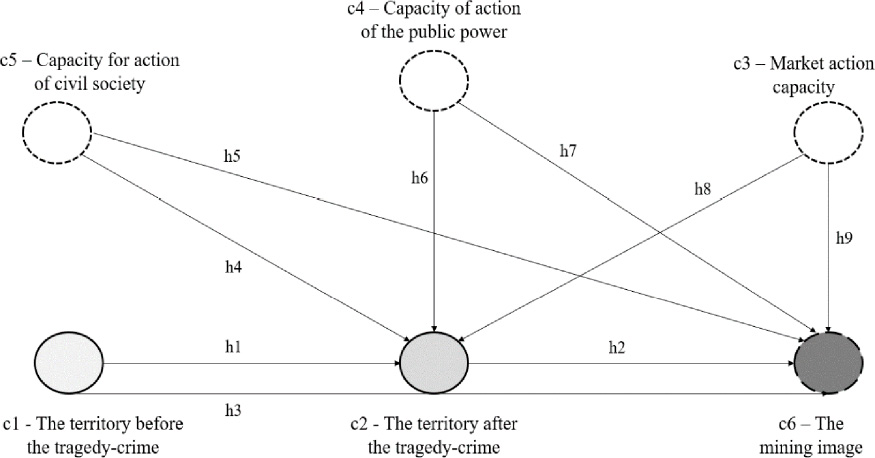
Figure 1. Theoretical model of analysis. Legend: clear circle = c1 (The territory before tragedy-crime); middle circle = c2 (The territory after tragedy-crime); dark circle = c6 (The mining image); dashed circles = c3, c4, c5 (external actions).
Additionally, for the purposes of Structural Equation Modeling and to test the theories raised in the present study, the different interrelationships between the actors involved in the reconstruction of the territory constitute the hypotheses to be quantitatively tested in the present study, as follows:
— Hypothesis 1 (h1) = The respondents’ perception of the territory before the tragedy-crime does not influence the perception in the scenario after the event studied.
— Hypothesis 2 (h2) = The respondents’ perception of the territory after the tragedy-crime does not influence the image of mining in the territory.
— Hypothesis 3 (h3) = The respondents’ perception of the territory before the tragedy-crime does not influence the image of mining.
— Hypothesis 4 (h4) = The capacity for action of civil society does not influence the perception of the territory in the scenario after the event studied.
— Hypothesis 5 (h5) = The capacity of civil society to act does not influence the image of mining in the territory.
— Hypothesis 6 (h6) = The capacity of action of the public power does not influence the perception in the scenario after the event studied.
— Hypothesis 7 (h7) = The public power’s ability to act does not influence the image of mining in the territory.
— Hypothesis 8 (h8) = The private sector’s ability to act does not influence the perception of the territory in the scenario after the event studied.
— Hypothesis 9 (h9) = The private sector’s ability to act does not influence the image of mining in the territory.
Methods
The crime-tragedy of the tailings dam failure in Brumadinho/MG
The rupture of Vale’s tailings dam in Brumadinho/MG, in the Córrego do Feijão region, occurred on January 25, 2019, and was considered the biggest disaster in the workplace in the history of Brazil, being also one of the biggest environmental disasters of mining of our country, second only to the rupture of the Samarco Mineração S/A dam, in Mariana/MG, in 2015 (G1 2019).
According to the technical parameters, the ruptured dam was classified as ‘low risk’ by the company, which had the objective of accumulating tailings from an iron mine. The mining company’s negligence caused the death of 270 people. Although firefighters continue the search, there are still 6 people missing. It is tireless work that has been admired by civil society (Mansur 2023).
This disaster will be marked in the company’s history because of the social impact, since part of the city of Brumadinho depends on the company to generate jobs, taxes, services, and so on; because of the environmental impact, since tons of mining tailings were thrown into the stream of beans and the river Paraopeba; and because of the economic impact, leading to the closing of trade, financial losses for the company and outsourced suppliers , among others (Teixeira et al. 2020).
From the social aspect, many families find themselves helpless; depression, anxiety and grief are the main sequelae. It is as if the city lost its history, joy and landscape and at all times the population is faced with wreckage of the tragedy. From the economic aspect, with the emergency aid paid by Vale S/A, trade has heated up, the offer of jobs remains positive with the various repair works, but the capital received is largely spent on trifles and the cost of living has increased. significantly, in general, there is great uncertainty regarding the long-term economy of the municipality (Linhares 2019).
In relation to the environment, it suffered several negative impacts with the tailings from the dam. According to the Instituto Estadual de Florestas (2019), about 147.38 hectares of vegetation were impacted. The development of vegetation and soil fertility were also harmed, since the tailings from the dam contain iron and silica that alter the original composition of the soil. In addition, the dam failure affected the Paraopeba River and, as a consequence, aquatic animals and plants died; and the water became unfit for consumption. The countryside, once surrounded by green areas and agriculture, now features several construction sites.
Preparation and validation of the data collection questionnaire
This section is dedicated to the initial procedures for preparing the methods used in the present study. The type of research conducted will be presented, regarding the elaboration of the research questionnaire, from its development stage to its validation, as well as the procedures applied to define the size of the sampled population.
The present study can be characterized by its quantitative nature, seeking to test objective theories within the studied model, measuring the relationship between variables, and the data were prepared in order to perform statistical analyses (Malhotra 2012). The causal nature of the present study can also be considered, which sought to quantitatively test the previously presented constructs, through Structural Equation Modeling (SEM). Finally, for the collection of quantifiable data, a Likert scale questionnaire with 5 (five) points was used (Calais 2007). The response options were: 1) I totally disagree; 2) disagree; 3) indifferent (or neutral); 4) agree; 5) I totally agree.
Based on the authors’ knowledge of the literature on the governance of the reconstruction of the territory of Brumadinho/MG, a questionnaire was prepared containing 5 (five) statements for each analyzed construct. The questionnaire was designed in such a way that alternative ‘1’ always represented a negative view of the territory or the governance of the recovery and the answer ‘5’ always indicated a positive view of the question presented. In this case, higher responses (alternatives 4 and 5) would always indicate a positive view of the elements, while responses with lower values (alternatives 1 and 2) would indicate the opposite. Alternative ‘3’ would indicate a neutral view regarding the studied constructs.
Upon completion of its first version, the questionnaire was sent for analysis to 3 (three) specialists/researchers who study mining and its challenges, and to 3 (three) people from the Brumadinho community, leaders and representatives of the territory. After this step, individual feedback was received on the questionnaire prepared, which was analyzed by the researchers and then the second version of the questionnaire was drawn up.
As a later step, the questionnaire was validated with the community of Brumadinho, which was transcribed in the Google Forms tool and sent to 15 people from the territory of Brumadinho, who answered the questions presented and also contributed with feedback on the questionnaire. At that moment, after a new round of evaluation by the researchers, the third and final version of the questionnaire used in this research was obtained. The final questionnaire is presented in Table 1 .
The definition of the minimum sample size was based on statistical power. In this case, the G*Power software was used to calculate the minimum sample, as recommended in the study by Ringle, Silva and Bido (2014). As parameters, used as effect size (f2) = 0.15; α error probability = 0.05; test power (Power =1 - β err prob) = 0.85 and number of predecessors = 6 (the latter, the number of analyzed constructs), the sample size calculation pointed to a recommended sample of at least 109 cases. The literature indicates that a power value of 0.80 is considered a good level to achieve (Hair et al., 2014). Finally, a brief literature review indicated a research base of samples between 100 and 200 participants (Lacey et al., 2017; Moffat & Zhang 2014; Que, Awuah-Offei, & Samaranayake 2015).
Sample population and profile
As discussed in the previous sections, the Brumadinho/MG region was chosen for field data collection, especially as the public has a relationship with the territory, the places that suffered and still suffer the greatest impacts of the rupture of mining tailings dam in 2019, as well as where most of the recovery actions are being developed or should be applied.
The final data collection took place between 07/02/2021 and 08/11/2021, online, through the use of forms tool on the Google Forms platform. The survey was released and the questionnaire sent on messaging apps in groups that count on the participation of people connected to the territory. The research did not intend to address only individuals connected to mining; however, it sought to connect with people who are linked to the Brumadinho territory and, in this case, are subject to the effects related to the mining industry. In addition, key people, representatives and residents of Brumadinho/MG, were asked to send the questionnaire to other people who are also related to the territory. By ‘people connected to the territory’ or ‘who are related to the territory’, we refer to those who, in some way, have a close relationship with Brumadinho/MG, in the sense that they currently frequent the municipality, either because they live there or even because they work there. People who do not reside in the municipality and even have no family there, but frequent the region, were also considered as potential respondents. In this case, specific questions about the type of relationship with Brumadinho/MG were included for a better understanding of the respondent public. In all, 121 people accessed and answered the final questionnaire in full.
Table 2 presents the profile of the sample, presenting data by sex, age, marital status, if they have children, place of residence, time of relationship with Brumadinho/MG and sector of work or activity.
| Demography | Item | Answers | |
|---|---|---|---|
| Frequency | percentage | ||
| Sex | Female | 74 | 61.16% |
| Male | 45 | 37.19% | |
| No answer | 2 | 1.65% | |
| Age | From 21 to 30 years old | 14 | 11.57% |
| From 31 to 40 years old | 12 | 9.92% | |
| From 41 to 50 years old | 30 | 24.79% | |
| From 51 to 60 years old | 40 | 33.06% | |
| more than 60 years | 25 | 20.66% | |
| Marital status | Married | 75 | 61.98% |
| Single | 28 | 23.14% | |
| Divorced | 14 | 11.57% | |
| Widower | 3 | 2.48% | |
| No answer | 1 | 0.83% | |
| Do you have children? | I don’t have children | 39 | 32.23% |
| only 1 child | 23 | 19.01% | |
| 2 children | 38 | 31.40% | |
| more than 2 children | 21 | 17.36% | |
| Where do you live? | Brumadinho | 74 | 61.16% |
| I don’t live in Brumadinho | 46 | 38.02% | |
| No answer | 1 | 0.83% | |
| How long have you been attending or living in Brumadinho? | 1 - Less than 1 year | 1 | 0.83% |
| 2 - From 1 to 5 years | 8 | 6.61% | |
| 3 - 6 to 10 years | 9 | 7.44% | |
| 4 - 11 to 20 years | 6 | 4.96% | |
| 5 - More than 20 years | 81 | 66.94% | |
| No answer | 16 | 13.22% | |
| In which sector do you work or operate? | 1 - Private Company | 34 | 28.10% |
| 2 - State Government | 9 | 7.40% | |
| 3 - Federal Government | 5 | 4.10% | |
| 4 - Municipal Government | 15 | 12.40% | |
| 5 - NGO / Church / Community Association | 13 | 10.70% | |
| Others / No Response / Unemployed | 45 | 37.20% | |
| Total | - | 121 | 100.00% |
Procedures
For the analysis of the theoretical research model, the SmartPLS3 software was used, which is considered adequate in exploratory research studies of this type (Hair et al. 2014). The steps and criteria used for the analyzes are those summarized in the work by Ringle, Silva, and Bido (2014), with adjustments and adaptations, since in the cited literature, procedures were proposed to be developed using the previous version of the software, SmartPLS2, and in the present study, we chose to use the most current version, which presents results outputs in a more consolidated way.
Results
Initially, the descriptive results of the applied questionnaire show that, in general, the respondents indicated lower values on the perception regarding the territory and the performance of the various actors on the territory, indicating pessimistic results regarding the governance of the reconstruction of the territory.
In structural equation modeling, although the main objective is to analyze the correction between the constructs, created from the studied variables (questions), initially, the defined model must be measured, in order to verify its strength and if it meets the minimum requirements necessary for the next steps (Ringle, Silva, & Bido 2014). Subsequently, linear regressions between the studied constructs are performed. The first stage is called ‘Evaluation of measurement models’ and the second stage is called ‘Evaluation of the structural model’.
In the evaluation of the measurement model, the initial model proposed in Figure 1 did not meet the minimum requirements to proceed with the subsequent stage of analysis. In this case, at this stage, adjustments were made to the model initially proposed, by removing less reliable variables (questions), that is, those with lower value factor loadings (correlations) (Ringle, Silva, & Bido 2014). In this case, variables were removed from all constructs, being in construct 1 (withdrawal of variables P1, P2 and P3), construct 2 (withdrawal of variable P3), construct 3 (withdrawal of variables P4 and P5), construct 4 (withdrawal of variable P5), construct 5 (all variables removed) and construct 6 (variables P1 and P3 removed). The adjusted model, which results from the exclusion of variables with lower factor loadings, is shown in Figure 2. In this case, with the withdrawal of Construct 5, which assesses the capacity of civil society, for not meeting the minimum parameters of structural equation modeling, hypotheses h4 and h5 could not be evaluated.
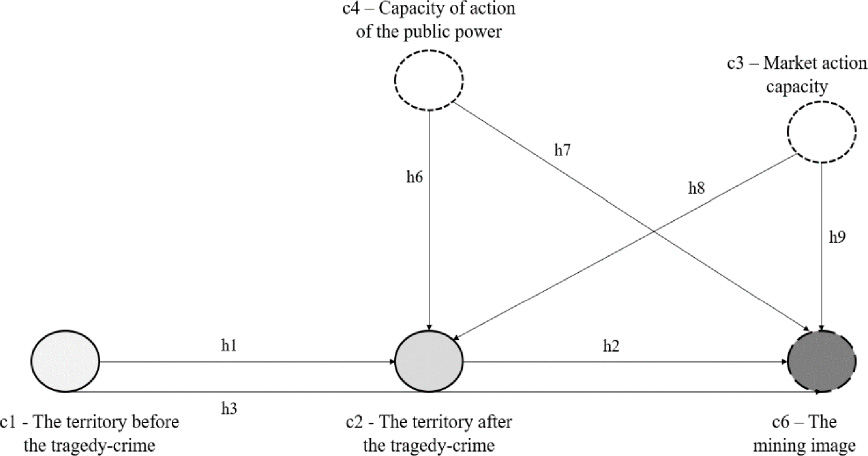
Figure 2. Theoretical model of adjusted analysis. Legend: clear circle = c1 (The territory before tragedy-crime); middle circle = c2 (The territory after tragedy-crime); dark circle = c6 (The mining image); dashed circles = c3, c4 (external actions)
For the adjusted model, the results of the factor loadings, seen in Table 3, and the average variances extracted (Average Variance Extracted – AVE), seen in Table 4, show that the model has convergent validity, since factor loadings > 0.70 and AVE’s > 0.50 are considered adequate (Hair et al. 2014; Ringle, Silva, & Bido 2014). Table 4 also verifies the internal consistency of the model, since the values of α > 0.60 (Cronbach’s Alpha – AC) and Composite Reliability (CC) > 0.70 and < 0.95 (Ringle, Silva, & Bido 2014; Hair et al. 2014) were indicated.
Table 3. Results of factor loadings (Cross Loading Criterion)
| Constructs and Questions | Territory before the tragedy-crime (C1) | The territory after the tragedy-crime (C2) | Private Sector Action Capacity (after) (C3) | Public Power’s Action Capacity (after) (C4) | The mining image (after) (C6) |
|---|---|---|---|---|---|
| c1p4 | 0.888 | 0.518 | 0.441 | 0.416 | 0.484 |
| c1p5 | 0.906 | 0.585 | 0.532 | 0.361 | 0.504 |
| c2p1 | 0.405 | 0.780 | 0.546 | 0.445 | 0.583 |
| c2p2 | 0.623 | 0.792 | 0.604 | 0.436 | 0.589 |
| c2p4 | 0.442 | 0.716 | 0.532 | 0.561 | 0.598 |
| c2p5 | 0.392 | 0.747 | 0.620 | 0.596 | 0.589 |
| c3p1 | 0.475 | 0.693 | 0.871 | 0.651 | 0.676 |
| c3p2 | 0.447 | 0.630 | 0.848 | 0.658 | 0.667 |
| c3p3 | 0.440 | 0.570 | 0.780 | 0.562 | 0.569 |
| c4p1 | 0.442 | 0.631 | 0.658 | 0.830 | 0.617 |
| c4p2 | 0.370 | 0.526 | 0.572 | 0.867 | 0.536 |
| c4p3 | 0.308 | 0.499 | 0.641 | 0.841 | 0.564 |
| c4p4 | 0.317 | 0.576 | 0.632 | 0.811 | 0.642 |
| c6p2 | 0.398 | 0.681 | 0.686 | 0.691 | 0.834 |
| c6p4 | 0.490 | 0.576 | 0.538 | 0.450 | 0.802 |
| c6p5 | 0.460 | 0.619 | 0.621 | 0.554 | 0.789 |
Finally, a discriminant validity analysis was performed, which analyzes whether the latent variables are independent of each other (Hair et al. 2014). The analysis of Fornell and Larcker’s (1981) criterion and of the Attenuated Correlation are presented in Table 5 and in Table 6 , respectively, and show that there is no problem of discriminant validity (Ringle, Silva, & Bido 2014). In this case, for the criterion of Fornell and Larcker (1981), it was verified that the correlation of the construct with itself has to be greater than all the others and for the Attenuated Correlation, values below 1 indicate that there is a correlation. It should be noted that the analysis of the Attenuated Correlation is not presented in SmartPLS3, and for the present work, it was calculated manually.
| Constructs | The mining image (after) (C6) | Private sector Action Capacity (after) (C3) | Public Power’s Action Capacity (after) (C4) | The territory after the tragedy-crime (C2) | Territory before the tragedy-crime (C1) |
|---|---|---|---|---|---|
| The mining image (after) (C6) | 0.809 | ||||
| Private Sector Capacity (after) (C3) | 0.767 | 0.834 | |||
| Public Power’s Action Capacity (after) (C4) | 0.709 | 0.750 | 0.837 | ||
| The territory after the tragedy-crime (C2) | 0.777 | 0.759 | 0.672 | 0.759 | |
| Territory before the tragedy-crime (C1) | 0.551 | 0.544 | 0.432 | 0.616 | 0.897 |
At that moment, the analysis of the structural model for the adjusted model begins, which met the requirements considered here. In the first analysis, it evaluates the Pearson determination coefficient (R²). According to the work of Cohen (1988), a value above 26% can be considered a great effect, and in the present work, the result was considered satisfactory, since the R² for Constructs 2 and 6 were, respectively, 65.60 % and 69.90%. Predictive Validity (Q²), which assesses the accuracy of the fitted model, and Effect Size (F²), which assesses whether each construct is useful for fitting the model, were also analyzed (Ringle, Silva, & Bido 2014). As evaluation criteria for Q², values greater than zero must be obtained, and a perfect model would have Q² = 1. 0 = small; 0.25 = average; and 0.50 = large (results found of 0.359 for construct 2 and 0.42 for construct 6). For F², values above 0.02, 0.15 and 0.35 are considered as small, medium and large, respectively (results found were 0.368 for construct 1; 0.296 for construct 2; 0.386 for construct 3; 0.490 for construct 4; and 0.311 for construct 6). The results of the R², Q² and F² analyzes are shown in Table 7.
At this point, the study proposed to evaluate the absolute fit of the model, which serves to analyze how well the specified model reproduces the observed data and how well the researcher’s theory fits the sample data (Hair et al. 2014). The Standardized Root Mean Square Residuals - SRMR, evaluates whether the model is able to predict, with the data sample, what happens to the population. Values below 0.05 are considered optimal and values below 0.10 are acceptable. The Table 8 shows that a result of 0.08 is acceptable.
| SRMR | saturated model | estimated model |
|---|---|---|
| Value | 0.081 | 0.081 |
Finally, Table 9 presents the hypotheses evaluated in the adjusted model, the relationship between the constructs, the path coefficients (ranging from -1 to +1, being positive or negative and 0 being a weak relationship), sample mean, standard deviation, test for the significance of relationships in the structural model. In this case, the results found prove that there are no null hypotheses and that the hypothesized relationships between the constructs reflect positive, statistically significant results (except for hypothesis h3). There is significance in all relationships in the model structure, confirming all the hypotheses presented in the present study, except when analyzing the influence of the respondents’ perception in construct 1, which dealt with the territory before the crime tragedy to construct 6, which evaluated the image of the mining.
In Figure 3, the model is presented with the final results found.
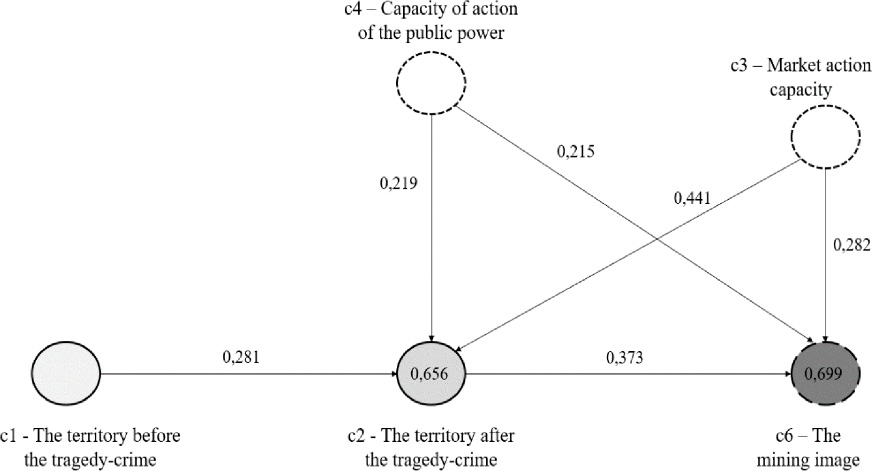
Figure 3. Final model – Analysis of path coefficients
In the research carried out to evaluate the governance of the reconstruction of the territory of Brumadinho/MG, the image of the territory before the tragedy-crime was a precursor of the image of the territory after the tragedy-crime. In this case, both the capacity of action of the public power and the private sector, represented here by private companies, were also decisive in the image of the configuration of the territory in the scenario after the event studied, as well as in the result of the current image of mining. In all analyzed constructs, respondents indicated a pessimistic view of the territory.
In short, the results of the model path coefficients shown in Figure 3 and in Table 9 broadly confirm the hypotheses raised in the study, although one should consider the exclusion of construct 5 from the analysis (Civil Society’s capacity for action) and, consequently, of hypotheses h5 and h4, as they do not meet the minimum criteria for analysis. Further, hypothesis h3 should be mentioned; although it has been tested, its result was not statistically significant, and the null hypothesis cannot be rejected.
Discussion / Conclusions
The present work makes a contribution to the governance of the reconstruction of the territory of Brumadinho/MG, discussing sustainability in the post-crime-tragedy context of the rupture of the tailings dam of the company Vale, which took place in January 2019.
As presented by the literature in the review of governance concepts in Gomes and Merchán (2017), the reconstruction of the territory of Brumadinho/MG is immersed in relationships between different sectors. The collected data confirmed the decentralization of the state, with negative perceptions about the performance of the private sector and the autonomy of civil society, although these other sectors also participate in the process.
Regarding the definition of the governance model used for the reconstruction of the territory in the light of the definitions presented by Gomes and Merchán (2017), the task of associating the reconstruction of the territory affected by the tragedy-crime of Brumadinho/MG with a definition can be considered difficult. New research can be elaborated with a focus on approaching existing concepts with the type of governance currently existing in the territory. The present work focused on obtaining the respondents’ perception of the existing governance model, rather than on the search for the definition of which model applies to the management of the territory.
In general, the results presented showed a pessimistic image of the respondents on all the constructs. The only question that had the majority of respondents indicating a positive view of the mining image was the one that asked whether Brumadinho/MG developed because of mining, in which 51% of the data indicated they agree or totally agree with this statement. On the other hand, for the constructs that presented questions about the performance of public power, civil society and the private sector’s ability to act, all questions presented predominantly negative views. Furthermore, the constructs related to the territory, as well as the one that summarized the current image of mining, also showed negative perceptions by the respondents. This scenario demonstrates a low perception by those involved in the territory in the context of sustainability. This is important because the questionnaire developed, in general, sought to evaluate the three dimensions that make up the sustainability tripod: social, environmental and economic (Elkington 1994). In this context, although some studies have shown that the income capacity of a territory can influence the perception of communities (Rosyida & Sasaoka 2018), people with lower incomes may be less critical in relation to environmental and social impacts in place in the territory. To avoid this unpredictable situation, in the present study, we sought to widely disseminate the questionnaires applied, in order to encompass respondents operating in different sectors, as well as with different relationships to the territory studied. A new research agenda can be developed to evaluate this likely effect.
In turn, the final governance model, validated by Structural Equation Modeling, statistically indicated that the pessimistic image that already existed about the territory before the tragedy-crime helps to explain the respondents’ perception of the territory also after the tragedy-crime. The model presents opportunities to improve the conditions currently observed, since, in general, the vision of the territory does not reflect perceptions that should be aligned with the principles of sustainability.
It was demonstrated in the study that the capacity of action of the public power (Again, the term ‘public power’ refers to the actions undertaken by municipal, state, or federal governments and their representative agencies), as well as of private companies, also contribute to the perception of the current territory. In this case, the tested hypotheses show that respondents have negative views on mining governance. These views include pessimistic observations about the territory and the action of important agents in the reconstruction process. However, if the parties involved in the repair process were dedicated to taking fairer actions aimed at meeting the needs of interested parties, better results could be found in the final analysis construct, reflecting a more positive image of mining in Brumadinho/MG. The work of Banerjee (2017) indicates that although some extractive companies today have high levels of sustainability and are fully engaged in modern Corporate Social Responsibility (CSR) policies, these actions are often strategies only to facilitate multinational companies to exercise power in the global political and economic context. In a way, this scenario can be visualized here, since it is known that the company Vale, recognized as a member of the Extractive Industries Transparency Initiative Standard, a signatory of the United Nations Global Compact and a signatory of the Voluntary Principles on Security and Human Rights (Banerjee 2017), even in a research scenario after a high-profile crime tragedy, is not able to guarantee the sustainability of the territory. Additionally, the result found here must also be attributed to the State, which is one of those responsible for carrying out the repair process, managing and distributing the large monetary amounts paid by the company, in actions that are currently criticized by various sectors of society.
In discussing the limitations of our study, it is important to address the challenge of incorporating the role of civil society into our analytical model. Despite its significance, this aspect did not meet the minimum criteria for inclusion due to various constraints. As a result, the influence of civil society action on our findings could only be examined descriptively. Moving forward, future research efforts could focus on refining the questionnaire used to evaluate this dimension, allowing for a more comprehensive understanding of civil society’s impact.
In addition, as future perspectives, other cases can be studied, such as the rupture of the tailings dam of the company Samarco Mineração SA, which occurred in Mariana/MG in November 2015, promoting a comparative analysis of the results found, as well as the proposal of new models. In this case, although the model of reconstruction of that territory is different from the one studied here, at a minimum, the methodology applied here can be replicated in other territories and in other case studies.
Acknowledgements
The authors are grateful to the Coordenação de Aperfeiçoamento de Pessoal de Nível Superior (CAPES), the Fundação de Amparo à Pesquisa do Estado de Minas Gerais (FAPEMIG), and Pontifícia Universidade Católica de Minas Gerais (PUC Minas) (PIBIC/PIBIT) for the financial support provided for the research development.
References
Acselrad, H. 2002, ‘Environmentalism and environmental conflicts in Brazil’, In: Conference Social Movements in the South, John F. Kennedy School of Government, Harvard University, Cambridge, MA.
Ayres, R. U. 2008, ‘Sustainability economics: Where do we stand?’, Ecological Economics, vol. 67, no. 2, pp. 281-310. https://doi.org/10.1016/j.ecolecon.2007.12.009
Banerjee, S. B. 2017, ‘Transnational power and translocal governance: The politics of corporate responsibility’, Human Relations, vol. 71, no. 6, pp. 796-821. https://doi.org/10.1177/0018726717726586
Bartley, T. 2015, ‘Governing global production: An editor’s introduction’, Regulation and Governance, vol. 9, no. 3, pp. 203-204. https://doi.org/10.1111/rego.12099
Bullard, R. 2005, ‘Ética e Racismo Ambiental’, Revista Eco 21, no. 98. https://ambientes.ambientebrasil.com.br/educacao/textos_educativos/etica_e_racismo_ambiental.html Accessed 2011-06-14.
Calais, S. L. 2007, ‘Delineamento de Levantamento ou Survey’, In: Baptista, M. N. & Campos, D. C. (eds.), Metodologias de pesquisa em ciências: Análises quantitativa e qualitativa, Livros Tecnicos e Cientificos Editora, Rio de Janeiro.
Centro de Gestão e Estudos Estratégicos 2002, Report prepared for Project BRA/0045 Contract 2002/001604, CGEE, Brasília. www.cgee.org.br/arquivos/estudo011_02.pdf Accessed 2021-04-02.
Coelho, T. P. 2012, ‘Mineração e dependência no quadrilátero ferrífero’, Revista Intratextos, vol. 3, no. 1, pp. 128-146. https://doi.org/10.12957/intratextos.2012.3140
Coelho, T. P. 2017, ‘Minério-dependência e alternativas em economias locais’, Versos – Textos para Discussão PoEMAS, vol. 1, no. 3, pp. 1-8. https://www.ufjf.br/poemas/files/2017/04/Coelho-2017-Min%c3%a9rio-depend%c3%aancia-e-alternativas-em-economias-locais-Versos.pdf
Cohen, J. 1988, Statistical Power Analysis for the Behavioral Sciences, 2nd edn, Psychology Press, New York, NY. https://doi.org/10.4324/9780203771587
Conde, M. 2017, ‘Resistance to mining: A review’, Ecological Economics, vol. 132, pp. 80–90. https://doi.org/10.1016/j.ecolecon.2016.08.025
Dovers, S. R. & Handmer, J. W. 1992, ‘Uncertainty, sustainability and change’, Global Environmental Change, vol. 2, no. 4, pp. 262-276. https://doi.org/10.1016/0959-3780(92)90044-8
Elkington, J. 1994, ‘Towards the sustainable corporation: Win-win-win business strategies for sustainable development’, California Management Review, vol. 36, no. 2, pp. 90-100. https://doi.org/10.2307/41165746
Figueroa, M. G. 2010, ‘Distributed intensities: Whiteness, mestizaje and the logics of Mexican racism’, Ethnicities, vol. 10, no. 3, pp. 387–401. https://doi.org/10.1177/1468796810372305
Fornell, C. & Larcker, D. F. 1981, ‘Evaluating structural equation models with unobservable variables and measurement error’, Journal of Marketing Research, vol. 18, no. 1, pp. 39-50. https://doi.org/10.1177/002224378101800104
G1 2019, Barragem da Vale se rompe em Brumadinho, MG, https://g1.globo.com/mg/minas-gerais/noticia/2019/01/25/bombeiros-e-defesa-civil-sao-mobilizados-para-chamada-de-rompimento-de-barragem-em-brumadinho-na-grande-bh.ghtml Accessed 2023-02-07.
Gentil, P. P. C., Guimarães, L. O., Pereira, D. C., Diniz, A. M. A., & Ckagnazarof, I. B. 2019, ‘Territorial governance and social innovation in regional development processes in mining territories: A theoretical model under construction’, Cadernos EBAPE.BR, vol. 17, no. 3, pp. 509-522. https://doi.org/10.1590/1679-395173778x
Gomes, L. C., Chippari-Gomes, A. R., Miranda, T. O., Pereira, T. M., Merçon, J., Davel, V. C., Barbosa, B. V., Pereira, A. C. H., Frossard, A., & Ramos, J. P. L. 2019a, ‘Genotoxicity effects on Geophagus brasiliensis fish exposed to Doce River water after the environmental disaster in the city of Mariana, MG, Brazil’, Brazilian Journal of Biology, vol. 79, no. 4, pp. 659-664. https://doi.org/10.1590/1519-6984.188086
Gomes, M. V. P. & Merchán, C. R. 2017, ‘Transnational governance: Definitions, approaches and research agenda’, Revista de Administração Contemporânea, vol. 21, no. 1, pp. 84-106. https://doi.org/10.1590/1982-7849rac2017150332
Gomes, M. V. P, Teososio, A. S. S., Naves, F., & Fontoura, Y. 2019b, ‘From Mud to Chaos: Reflections on the environmental crisis and the state-company-society relationship’, Farol - Journal of Organizational Studies and Society, vol. 6. no. 15, pp. 17-41. https://revistas.face.ufmg.br/index.php/farol/article/view/5440
Gonçalves-Dias, S. L. F., Guimarães, L. F., & Santos, M. C. L. 2012, ‘Inovação no desenvolvimento de produtos “verdes”: Integrando competências ao longo da cadeia produtiva, Revista de Administração e Inovaçã, vol. 9, no. 3, pp. 129-153. https://doi.org/10.5773/rai.v9i3.782
Hair, J. F., Jr., Sarstedt, M., Hopkins, L. G., & Kuppelwieser, V. 2014, ‘Partial least squares structural equation modeling (PLS-SEM) an emerging tool in business research’, European Business Review, vol. 26, no. 2, pp. 106–121. https://doi.org/10.1108/EBR-10-2013-0128
Lacey, J., Carr-Cornish, S., Zhang, A., Eglinton, K., & Moffat, K. 2017, ‘The art and science of community relations: Procedural fairness at Newmont’s Waihi Gold operations, New Zealand’, Resources Policy, vol. 52, pp. 245–254. https://doi.org/10.1016/j.resourpol.2017.03.001
Layrargues, P. P. 1998, A Cortina de Fumaça: O Discurso Empresarial Verde e a Ideologia da Racionalidade Econômica, Annablume, Sao Paulo.
Linhares, C. 2019, ‘Brumadinho vive abalo emocional e bolha de crescimento econômico um ano após tragédia’, Folha de São Paulo, 24 January. https://www1.folha.uol.com.br/cotidiano/2020/01/brumadinho-vive-abalo-emocional-e-bolha-de-crescimento-economico-um-ano-apos-tragedia.shtml Accessed 2021-04-03.
Malhotra, N. K. 2012, Marketing Research: An Applied Orientation, 6th edn, Bookman, Porto Alegre.
Martinez-Alier, J. 2001, ‘Justicia ambiental, sustentabilidad y valoración’, Ecologia Política: Cadernos de Debate Internacional, no. 21, pp. 103-134. https://dialnet.unirioja.es/servlet/articulo?codigo=153462
Martínez-Alier J. 2003, The Environmentalism of the Poor: A Study of Ecological Conflicts and Valuation, Edward Elgar Publishing, Cheltenham. https://doi.org/10.4337/9781843765486
Milanez, B., Ali, S. H., & Oliveira, J. A. P. 2021, ‘Mapping industrial disaster recovery: Lessons from mining dam failures in Brazil’, Extractive Industries and Society, vol. 8, no. 2, article 100900. https://doi.org/10.1016/j.exis.2021.100900
Mansur, R. 2023, ‘Quatro anos da tragédia em Brumadinho: 270 mortes, três desaparecidos e nenhuma punição’, G1, https://g1.globo.com/mg/minas-gerais/noticia/2023/01/25/quatro-anos-da-tragedia-em-brumadinho-270-mortes-tres-desaparecidos-e-nenhuma-punicao.ghtml Accessed 2023-02-07.
Moffat, K. & Zhang, A., 2014. ‘The paths to social license to operate: an integrative model explaining community acceptance of mining’, Resources Policy, vol. 39, pp. 61–70. https://doi.org/10.1016/j.resourpol.2013.11.003
Morales, C. A. 1999, ‘Provision of social services through public non-state organizations: General aspects’, In: Pereira, L. C. B. & Grau, N. C. (eds.), The Non-State Public in State Reform, Fundação Getúlio Vargas Publishing, Rio de Janeiro, pp. 51-86.
Morioka, S. N. & Carvalho, M. M. 2017, ‘Discutindo sustentabilidade no contexto de negócios e em relatórios de desempenho: Análise de estudos de caso brasileiros’, Gestão & Produção, vol. 24, no. 3, pp. 514-525. https://doi.org/10.1590/0104-530x2665-16
Oliveira, E. 2016, ‘Territorial governance across Europe: Pathways, practices and prospects’, Regional Studies, vol. 50, no. 11, pp. 1943-1944. https://doi.org/10.1080/00343404.2016.1187522
Pereira, L. C. B. & Grau, N. C. 1999, ‘Between the state and the market: the non-state public’, In: Pereira, L. C. B. & Grau, N. C. (eds.), The Non-State Public in State Reform, Editoria Fundação Getúlio Vargas, Rio de Janeiro, pp. 15-48.
Pimenta, A. A. F., Demajorovic, J., Souza, M. T. S., Pedro, S. C., & Pisano, V. 2021, ‘Social licence to operate model: Critical factors of social acceptance of mining in the Brazilian Amazon’, Resources Policy, vol. 74, article 102237. https://doi.org/10.1016/j.resourpol.2021.102237
Que, S., Awuah-Offei, K., & Samaranayake, V. A. 2015, ‘Classifying critical factors that influence community acceptance of mining projects for discrete choice experiments in the United States’, Journal of Cleaner Production, vol. 87, pp. 489–500. https://doi.org/10.1016/j.jclepro.2014.09.084
Rasul, G. & Sharma, B. 2016, ‘The nexus approach to water–energy–food security: An option for adaptation to climate change’, Climate Policy, vol. 16, no. 6, pp. 682–702. https://doi.org/10.1080/14693062.2015.1029865
Ringle, C. M., Silva, D., & Bido, D. D. S. 2014, ‘Modelagem de equações estruturais com utilização do SmartPLS’ [‘Structural equation modeling using SmartPLS’], Revista Brasileira de Marketing, vol. 13, no. 2, pp. 56–73. https://papers.ssrn.com/sol3/papers.cfm?abstract_id=2676422. https://doi.org/10.5585/remark.v13i2.2717
Riul, M. & Santos, M. C. L. 2010, ‘Design e responsabilidade social - Ilkka Suppanen’, Revista do Programa de Pós-Graduação em Arquitetura e Urbanismo da FAUUSP, vol. 19, no. 32, pp. 230-238. https://doi.org/10.11606/issn.2317-2762.v19i32p230-237
Rosyida, I. & Sasaoka, M. 2018, ‘Local political dynamics of coastal and marine resource governance: A case study of tin-mining at a coastal community in Indonesia’, Environmental Development, vol. 26, pp. 12–22. https://doi.org/10.1016/j.envdev.2018.03.003
Sartori, S., Latrônico, F., & Campos, L. M. S. 2014, ‘Sustentabilidade e desenvolvimento sustentável: Uma taxonomia no campo da literatura’ [‘Sustainability and sustainable development: A taxonomy in the field of literature’], Ambiente & Sociedade, vol. 17, no. 1, pp. 1-22. https://www.redalyc.org/articulo.oa?id=31730630002. https://doi.org/10.1590/1809-44220003490
Silva, L. S. A. & Quelhas, O. L. G. 2006, ‘Sustentabilidade empresarial e o impacto no custo de capital próprio das empresas de capital aberto’, Gestão & Produção, vol. 13, no. 3, pp. 385-395. https://doi.org/10.1590/S0104-530X2006000300003
Teixeira, M. B. M., Rodrigues, T. M., Resende, I. M. P., Silva, A. J. B., & Teodósio, A. S. S. 2020, ‘Crime & Castigo: Narrativas sobre o rompimento da barragem da Vale em Brumadinho’, Revista Brasileira de Estudos Organizacionais, vol. 7, no. 3, pp. 374- 405. https://rbeo.emnuvens.com.br/rbeo/article/view/334
Zhang, A. & Moffat, K. 2015, ‘The balancing act: the role of benefits, impacts and confidence in governance in predicting acceptance of mining in Australia’, Resources Policy, vol. 44, pp. 25–34. https://doi.org/10.1016/j.resourpol.2015.01.001
Zhouri, A. 2008, ‘Justiça ambiental, diversidade cultural e accountability: Desafios para a governança ambiental’, Revista Brasileira de Ciências Sociais, vol. 23, no. 68, pp. 97-107. https://doi.org/10.1590/S0102-69092008000300007