Cosmopolitan Civil Societies: An Interdisciplinary Journal
Vol. 18, No. 3
2026
ARTICLE (REFEREED)
Human Rights Violations Against Female Civil Society Workers in Bangladesh: Unpacking the Untold Narratives
Faraha Nawaz*, Dabjani Saha
University of Rajshahi, Rajshahi, Bangladesh
Corresponding author: Faraha Nawaz, University of Rajshahi, Rajshahi-6205, Bangladesh, faraha.nawaz@ru.ac.bd
DOI: https://doi.org/10.5130/ccs.v18.i3.10435
Article History: Received 16/04/2026; Revised 24/07/2026; Accepted 24/07/2026; Published 16/11/2026
Citation: Nawaz, F., Saha, D. 2026. Human Rights Violations Against Female Civil Society Workers in Bangladesh: Unpacking the Untold Narratives. Cosmopolitan Civil Societies: An Interdisciplinary Journal, 18:3, 67–82. https://doi.org/10.5130/ccs.v18.i3.10435
Abstract
Bangladesh is often referred to as the ‘home of NGOs and Civil Society Organizations’, with women making up more than half of the workforce. Despite the centrality of human rights in Civil Society Organizations’ mandates, existing research points to a contradicting reality in their organizational employment practices, reporting adverse working experiences and gender-specific harassment. This study investigates female Civil Society workers’ perceptions, experiences, agency, and well-being. A qualitative case study approach has been adopted, and findings reveal that female workers perceive their human rights as routinely violated in the workplace. Key issues include job insecurity, excessive workload and inadequate pay, discriminatory parental leave policies, weak safeguarding mechanisms, and lack of gender-responsive facilities. These institutional weaknesses constrain women’s agency and negatively affect their well-being. The study calls for reforms to worker rights, including strengthening gender-responsive policies, expanding social protection, and placing rights-based principles at the centre of Civil Society Organizations’ employment practices.
Keywords
Human Rights; Rights at Work; Civil Society Organisations; Women; Bangladesh
Introduction
In democratic space, the role of civil societies is crucial in articulating citizens’ rights and voice. Though abundant numbers of different types of civil society organizations are operating in Bangladesh, international recognition of civil society has been brought with their contribution in social development initiatives and poverty alleviation programs (Tasnim, 2021). Initially focused on relief and rehabilitation in a war-torn nation, civil society organizations gradually expanded their operations from charity-based activities to providing services in livelihood, health, education, reproductive rights, microfinance, empowerment, and democratization. By the 1990s, influenced by the rise of pluralistic development paradigms, civil society organizations emerged as key development partners alongside the government in Bangladesh (Stiles 2002; Lewis & Kanji 2009; Rahman & Tasnim 2023).
The integration of the Rights-Based Approach (RBA) into development practice accelerated in the early 2000s. Following the Vienna Conference, human rights civil society organizations and development civil society organizations increasingly converged around shared goals of advocacy, awareness building, service delivery, and protection against rights violations. RBA principles subsequently became embedded in development programs, where civil society organizations becoming significant policy actors in both formation and implementation of a rights-based approach in the development process in Bangladesh (Cornwall & Nyamu-Musembi 2004).
Bangladesh has one of the world’s largest civil society populations. The NGO Affairs Bureau (2026) lists 2,727 registered NGOs, while other estimates suggest between 22,000 and 45,000 organizations, many of which are small, community-based, or informal. The number of registered civil society organizations (CSOs) in Bangladesh in the 2019–20 has been 293,313 (NGO Affairs Bureau, 2026; Nawaz 2020; Kabeer et al. 2012; Iftekharuzzaman et al. 2018; Tasnim 2021). Civil societies in Bangladesh collectively serve millions, particularly through microcredit programs, and employ nearly one million workers, representing about 1.3 percent of the national labour force. Work environment and job satisfaction are widely researched across sectors, with a large and growing body of evidence. A bibliometric review showed 2,228 publications on this topic between 1975 and 2023, and Scopus records 852 studies focused specifically on civil society organizations’ work environments between 2007 and 2024 (Palomino-Flores 2024; Rubio et al. 2025).
Yet, the civil society organizations’ work environment exhibits distinct features within varying types of CSOs, such as volunteering, workers’ unions, donor dependence, project-based funding cycles, and degrees of fluctuation in job security (Pascucci 2019). In Bangladesh, internationally recognized CSOs are gradually formalizing their personnel management and administration. Yet in medium and grassroot-level CSOs, human resource management and workplace governance are still uneven and underdeveloped. This results in heightened stress, uncertainty, and constrained opportunities for long-term professional growth.
Studies on the humanitarian and CSO sectors reveal more acute burnout and stressors among humanitarian workers, evidently higher levels of secondary trauma and mental fatigue among them (Maslach & Leiter 2016; Arefin et al. 2022). In Bangladesh, particularly those workers engaged in field work are exposed to extensive psychological strain, arising out of working condition, environment and workload (Foo et al., 2023). Again, the struggle of workers is exacerbated by negotiating improved working conditions due to power imbalances within donor ecosystems (Hossain 2024).
More than half of these workers are women, suggesting a gender-inclusive workforce at face value (Iftekharuzzaman et al. 2018). This contrasts with national labour force statistics, where female participation remains below one-fourth (ILO 2026). Gendered workplace challenges are widespread across sectors but take unique forms within civil society organizations. In Bangladesh, despite significant participation, women’s workforce participation has not translated into an equitable working environment for women. Female workers have encountered persistent harassment, insufficient safeguarding mechanisms, and limited representation in leadership and decision-making roles (Nahar 2024; Kabeer & Huq 2022). This juxtaposition of high participation and inadequate protection exposes a paradox specific to the sector.
Despite these challenges, some studies highlight positive workplace experiences. Larger institutionalized organizations, such as BRAC, training programs and inclusive workplace practices support employment development and engagement. Mission-driven work, participatory organizational cultures, autonomy, and flexible development opportunities are found to enhance job satisfaction in nonprofit settings (Wang & Seifert 2021; Nawaz & Ahmed 2009; Uddin et al. 2019).
Human rights at work are not organizational niceties, but rather minimum standards upholding dignity, equality, and safety. Yet, implementation remains inconsistent in many developing contexts (Cornwall & Nyamu-Musembi 2004; Kabeer & Huq 2022). Although a considerable body of research has examined job satisfaction, organizational commitment, workplace stress, and gender discrimination within NGOs and civil society organizations (CSOs), much less attention has been paid to workplace human rights from the perspective of the employees. In Bangladesh, existing studies have largely focused on organizational performance, employee motivation, or general working conditions, while little is known about how female civil society workers perceive the protection of their rights at work and how these experiences shape their agency and well-being. Further, while the workplace environment of internationally recognized CSOs and NGOs in Bangladesh often presents a positive image, social media and performance self-reporting expose the existence of human rights issues. Grassroot-level CSOs are not adequately examined.
This gap is particularly important because Bangladeshi CSOs are widely recognized for promoting rights-based development and social justice. Yet, limited empirical evidence has explored whether these organizations uphold the same human rights principles within their own workplaces. Examining this disconnect between external advocacy and internal employment practices provides an important opportunity to better understand workplace human rights in the Civil Society sector. To address this gap, this study explores the lived experiences of female civil society workers in Bangladesh by examining their perceptions of workplace human rights.
This study examines the following questions: How do female civil society workers perceive the state of workplace human rights within CSOs in Bangladesh? What are the gender-specific workplace challenges that shape female civil society workers’ perceptions of workplace human rights? How do workplace human rights influence the agency and overall well-being of female civil society workers?
Analytical Framework
The study has developed an analytical framework based on Attribution Theory on individual perception, and Social Cognitive Career Theory. Attribution theory explains the influence of both internal and external factors in forming perception of individuals. Hence, as shown in Figure 1, this study assumes that internal factors, in this case the practice human rights standards in civil society organizations, shape female workers’ perceptions of rights at work. Following Social Cognitive Career Theory, the framework suggests that gender identity and contextual factors are influential factors in shaping self-perception on a woman worker’s capability to achieve expected goals from her job. We have adopted Sen’s (1999) and Kabeer’s (1999) framework as the building blocks of our concepts. According to Kabeer (1999), human resources serve as a pre-condition to increase the ability of pursuing goals that a person values or has reason to value. Human resources can be relationships in an institutional domain which makes up a society.
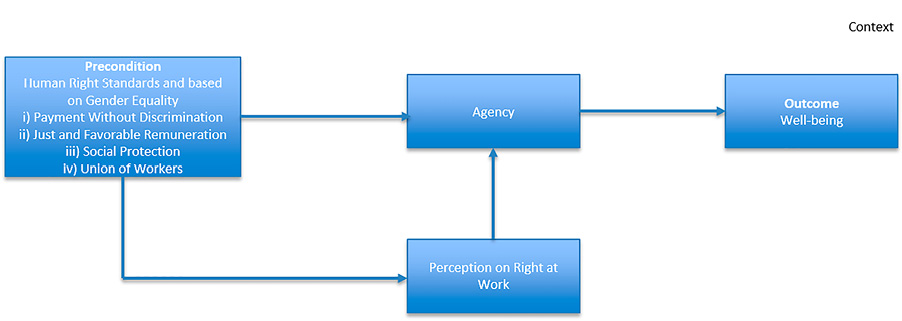
Figure 1. Analytical Framework of the Study
Source: The Authors
Therefore, considering human right standards as the minimum to realize their potential, well-being and social justice, this framework has taken human right standards declared by human rights conventions as the pre-condition to increase the ability to do what one values. Following the Universal Declaration of Human Rights of 1948 (United Nations General Assembly, 1948) and the Convention on the Elimination of All forms of Discrimination against Women, 1979; human right standards or rights at work are based on equality between both men and women. These principles are:
i) Payment without Discrimination
ii) Just and Favorable Remuneration
iii) Social Protection
iv) Union of Workers
This framework shows that principles of human right standards are preconditions for the ability to pursue what women workers value or have reason to value at work. And ultimately, the outcome is the well-being of women workers. Exercising human rights at work shapes women workers’ perceptions of ‘Rights at Work’, which in turn contributes to their ability to pursue what they value. Well-being is about the actual achievement of what women workers value. Sen (1999), Kabeer (1999), and Alsop et al. (2006) defined agency as being about choice, negotiation, empowerment and as making meaningful decisions on what a person values. Rowlands (1997), Malhotra et al. (2002) and Müller (2005) described negotiation as the core component of women’s empowerment, where they use their voices for negotiating decisions that affect their lives. In the workplace, negotiation is vital, especially when policies are weaker. Grzywacz & Marks (2000) argued that in the domain of work-life balance, agency plays a crucial role in choosing when and how to fulfill both sides of demand. Mahmood (2005) and Cornwall & Rivas (2015) asserted that agency emerges within a power structure rather than in isolation, when women find creative ways to resist stereotypes and cultural norms. Therefore, agency for working women is a multidimensional concept. Table 1 shows the multidimensional nature of agency for this study. Agency positively contributes to the mental, physical, career, and social well-being of women.
Source: The Authors, 2025
Research Methods
To find answers to these research questions, a case-oriented qualitative research strategy was the most suitable method for several reasons. Firstly, in the collection and analysis of data, qualitative research strategy usually focusses more on textual descriptions and not on numerical data. Qualitative research strategy is an appropriate method to pick when a study wishes to examine the ‘human side’ of an issue, which includes intangible elements like gender, socio-economic status, norms and values, ethnicity, and religion. Thus, this research used a case-study approach. Another reason for selecting case study design is that case-oriented studies are effective in studies that ask ‘how’ and ‘why’ questions and when the subject of the study relates to real life (Yin 1993, pp.4-6, cited in Chowdhury 2019).
Both primary and secondary sources of data were explored for this study. Whereas this study used qualitative research methods, quantitative data were used (where necessary) to support the qualitative findings. Primary data of the study were collected through field visits to organizations from the selected study area. To collect primary data, in-depth interviews, focus group discussions (FGD), key informant interviews (KII), and observation techniques were used. For secondary data, document review as a data collection tool was used. For collecting secondary data, various research publications, books, articles, journals, research reports, news reports, government surveys and reports, and statistical data published by well-known organizations and relevant websites were explored. Furthermore, the key informants of the study were interviewed individually. Structured questionnaires were used to increase the reliability and validity of the empirical data. Collected data were analysed thematically using a manual coding technique. Table 2 reveals the data sources of the study.
Source: The Authors, 2025
The area of study is purposively selected because of accessibility to the researchers and the location of the area. Forty women civil society workers were chosen from field level of three CSOs in Rajshahi. CSO 1 works on advocacy for marginalized people and is medium sized (Number of Workers>50), CSO 2 is community based, more engaged on field level operation and is small sized, and grassroot-level (Number of Workers <50), CSO 3 is a regional level NGO, having grassroot-level branches (Number of Worker >50) and working on gender and human rights. The personal network of the researchers was very helpful during the field visit and data collection. The researchers could easily interact with the civil society organizations that helped them to conduct KIIs smoothly. A total of 58 respondents participated in the study, comprising 40 female civil society workers, four policymakers, two senior administrative officials, two officials from the National Human Rights Commission, and ten scholars and professionals. Female civil society workers were the principal participants, while the key informants provided broader institutional and policy perspectives that helped contextualize and verify the findings.
The list of respondents is given below in Table 2.
Results and Discussion
Job Insecurity and Maternity Leave
Although public sector employees do not experience layoff for availing themselves of parental leave, the scenario is entirely the opposite for civil society sector workers, as reported by the respondents of this study. The civil society workers interviewed in this study have reported having job insecurity. Studies by Iftekharuzzaman et al. (2018), Tasnim (2021) and Hossain (2024) substantiate the findings of the current study as the CSOs of Bangladesh have weaker HR and personnel management systems, including arbitrary dismissal, lack of formal employment and accountability toward employment security in Bangladesh. However, the current study has found that the situation worsened during pregnancy and the post-natal period because some of the respondents reported that they or their female colleague(s) got laid off while they were on maternity leave. Sometimes it was without any warning and without the opportunity to return to work after the maternity period.
Some respondents have reported that they were not notified about their dismissal until they came back to the office after their maternity leave. One of the respondents described her situation as follows:
I was working as a field-level worker in a CSO when I was pregnant with my first child. But as soon as my supervisor found out, he cut me off from the job stating that I won’t be able to work during and after pregnancy which will harm their performance. … I joined a new civil society when my baby was 3 months old. (In-depth interview with NWB-10 on May 22, 2025).
Another one has asserted that:
I had taken a two-month leave from my civil society [organization] during my childbirth. But when I returned to the office, they had asked me to leave because they had already hired someone else at my place. They didn’t even give me any salary for the last month. (In-depth interview with NWL-7 on April 14, 2025)
Through the acknowledgment and provision of support for employees’ familial requirements, organizations can cultivate a work environment characterized by positivity, elevated levels of job satisfaction, and the fostering of loyalty and engagement within their workforce. The field investigation has revealed that the absence of employee-friendly parental leave policy of the organization has a negative impact on the work-life balance of the female employees, and thus, the employees’ commitment and productivity in the organization. The underlying reason for this, as reported by our study respondents, is the informal nature of the job and the lack of any formal employment agreement with the civil society organization. This situation allows the management of the organization to cut off any employee whenever they want and spare them from any legal obligation. Laying off during maternity leave is found to be more frequent for lower-level employees and women employed in senior positions have been reported to have been less impacted by maternity lay-offs.
One of the respondents of the study has asserted:
My civil society allows three months of paid maternity leave but it is only for those who are employed in a senior position. Field workers like us are easily cut off on any occasion but those who are working in a senior or management position are less likely to be treated as a lower-level employee in terms of accessing paid maternity leave. (In-depth interview with NWP-9 on May 22, 2023).
Table 3 presents job insecurity nature of civil societies with remarks of respondents as found during the field work.
Source: Field Data, 2025
A progressive parental leave policy serves as a catalyst for the attainment of work-life balance, thereby bolstering an employee’s commitment and allegiance toward the organization. Since the parental leave policy and maternity benefits significantly vary in the selected civil society and public sector organizations, the employees of both organizations have different attitudes toward their respective employers. While the public sector employees have expressed their satisfaction and loyalty towards their organizations, the civil society employees have expressed their desire to resign and join organizations that can offer them better parental benefits as well as a better work-life balance.
One respondent of the study (employed in the government sector) has stated:
I have no complaints about the parental leave and benefits of my organization. I have got all the benefits I am entitled to according to the government regulations on maternity leave. I am very happy with my job and do not want to change my job. (In-depth interview with PWM-2 on April 14, 2025)
Another respondent from a selected civil society organization noted:
I used to work in a different civil society which had laid me off due to my pregnancy. I am currently working with TMSS. I am unsure about my job security here as well. Currently, as I am planning for a second child, I am trying to get into a big civil society like BRAC because they offer better maternity benefits, unlike my previous and current employers. (In-depth interview with NWL-7 on April 14, 2025).
Table 4 presents parental leave satisfaction as found during the field work.
Source: Field Data, 2025
Absence of proper mechanisms to uphold the rights of female workers to get maternity leave and benefits leads to lower job satisfaction compared to other sectors. Arbitrary dismissal affects the job security of women badly where gender stereotypes already exist in our society. These CSOs are supposed to promote equal right of women in every sphere of society. Such an antagonistic workplace state has a negative impact on the mental, physical and career well-being of women. It also causes to spread the wrong message in society, and this affects the social well-being of women.
The findings suggest that repeated experiences of arbitrary dismissal and inadequate maternity protection shape how female workers perceive their rights at work. Rather than viewing their organizations as institutions that safeguard dignity and equality, many participants experience occupational uncertainty, particularly during pregnancy and motherhood. From the perspective of Attribution Theory, these repeated workplace experiences influence employees’ perceptions of organizational commitment to gender equality and workers’ rights. Similarly, Social Cognitive Career Theory suggests that persistent job insecurity weakens women’s confidence in achieving positive career outcomes and discourages long-term commitment to the sector. Within Sen’s and Kabeer’s capability framework, secure employment and maternity protection can be understood as institutional conditions that enable women to exercise agency. When these protections are absent, women’s ability to make independent career decisions and pursue valued life goals becomes constrained, with important implications for their psychological, economic, and career well-being.
Workload and Payment Issue
The respondents of this study have reported having a poor work-life balance. The study suggests that female employees have lower job satisfaction than their male counterparts of CSOs. This is because public sector employment is secured with lifelong tenure and the organizations are accountable to employees. Gender responsiveness, flexibility, and fixed working office hours are favourable to women; this is significant where women in a patriarchal social structure have to a carry double burden. New mothers who are working in the civil society sector are required to return to work four months after their children were born. In addition to this, they have to leave their children at home and often have to work extra hours.
One of our study respondents reported that:
The limited maternity leave policy places an unfair burden on me and other working mothers. We are expected to return to our duties hastily, trying to juggle both work and childcare responsibilities without adequate support. The pressure to perform at work while also meeting the demands of parenting can be overwhelming. Although the civil society policy allows us to have certain benefits, in reality, we do not get any of these. (In-depth interview with NWH-8 on May 22, 2023).
Another respondent stated:
I joined my work three months after the delivery of my second child. But as I was granted a three-month leave, my civil society [organization] asked me to perform a lot of the work that was pending due to my absence. I hardly recovered from my childbirth, but my civil society [organization] left me with no choice. The parental leave policy is not employee friendly at all. Because of this post-maternity extra work burden, I couldn’t find any time for myself or my newborn child. (In-depth interview with NWP-9 on May 22, 2023).
Absence of work-life balance, extra burden, and a lack of organizational support create mental stress amid psychological stress for women and new mothers. Again, physical burnout has a larger impact for recovery for new mothers.
The findings also demonstrate that agency is influenced not only by the accessibility to employment but also by the working conditions. Participants frequently described excessive workloads, inadequate remuneration, and limited opportunities to balance professional and personal responsibilities. These workplace conditions reduced their ability to make meaningful choices in both their work and personal lives. Consistent with Sen’s and Kabeer’s capability perspective, women’s agency depends on having the freedom and institutional support to pursue the lives they value. In this study, the absence of such support limited the participants’ work-life balances, increased their stress, and negatively affected their overall well-being.
Lack of Available Toilet Facilities
A critical issue identified through the field investigation is the absence of separate toilet facilities for female employees across all surveyed civil society organizations. Respondents consistently reported that no dedicated washroom facilities were available for female staff, requiring them to use shared toilets with male colleagues. This situation raises concerns regarding privacy, dignity, and accessibility. In addition, the number of available toilets was reported to be insufficient, creating further inconvenience during working hours. As a result, several respondents indicated that they avoided using toilet facilities during office hours, even when necessary.
One participant described her experience as follows:
The situation causes considerable embarrassment and discomfort, particularly when I need to use the restroom… I try to avoid it and even limit my water intake during office hours (In-depth interview, T-9, January 24, 2025).
Another respondent emphasized the challenges associated with shared facilities:
The lack of privacy and poor sanitary conditions make it difficult, especially during my menstrual period when hygiene is very important. (In-depth interview, T-6, January 23, 2025)
These findings indicate that the absence of gender-sensitive sanitation facilities creates significant challenges for female employees, affecting their comfort and ability to manage basic needs during working hours.
Lack of Available Childcare
The unavailability of reliable childcare has been identified by female civil society workers as a significant barrier to their effective participation in the workplace. Overall, childcare arrangements in Bangladesh remain inadequate, with limited provisions offered by government agencies, private organizations, or employers. Although a small number of privately operated childcare centres have emerged in recent years, these are predominantly concentrated in Dhaka, the capital city. In contrast, the selected study area in northern Bangladesh lacks any trusted or formally recognized childcare institutions. Field investigations conducted for this study indicate that none of the local-level CSOs provide childcare facilities for their employees. Consequently, female CSO workers with children aged 0–5 are compelled either to bring their children to the workplace—an arrangement that is generally inappropriate and disruptive—or to leave them in the care of domestic helpers, a situation that often generates anxiety, stress, and reduced concentration at work. Notably, even unmarried respondents acknowledged the critical need for workplace childcare facilities, recognizing the substantial challenges faced by their colleagues who are mothers of young children. In the language of one of the study respondents: ‘It has been extremely difficult to find any form of childcare, let alone arrangements that are trustworthy and affordable’.
Unavailability of childcare facilities is a critical concern for working women with young children, and empirical evidence consistently shows that women express a stronger need for childcare support than their male counterparts. Such a challenge has an impact on the productivity of women employees and subsequently social and personal well-being of female employees.
Sexual Harassment
Though top management of CSOs always promote the principle of protection and oppose gender-based harassment, incidents of sexual harassment actually exist in CSOs, as found in the study. Respondents highlighted that, despite working on gender discrimination, incidents of sexual harassment are kept out of the public eye and stay unaddressed in CSOs, especially when operating at small scale at the local level with limited funding. Female CSO workers have to face both internal and external harassments; from colleagues and seniors as well as from common people. The patriarchal societal structure and social stigma perpetuate such abusive practice in society, sexualizing their image as has been pointed out by the female employees. One of them stated:
In town, suburb and village, people carry a sexual image female workers of civil societies, especially for the field level female workers. People have a general notion that these women are not virtuous and respectable in traditional senses and not responsible enough about their family. Field visiting seems against the societal and religious norms of society (In-depth interview with T-10, January 23, 2025).
Again, the study has found a myth, and somewhere a truth, that using bodily integrity is significant in promotion and getting what they deserve in the civil society sector. Respondents agreed that some of their female colleagues are compelled to open up with seniors so that their hard work is acknowledged with pay increments, better communication, and promotion. Some male officials and colleagues do not maintain proper courtesy and behaviours toward female workers, approaches that seem as though they are interfering in their personal lives. When they go for field visit, they do not get protection as a woman. In many cases, gender-based safety depends on the male colleagues’ generosity. There is no universal rule which is strictly practiced in civil society organizations for the safety of women. Respondents also added that they fear to whistle blow against such malpractices as they do not want demotion nor to ‘be kicked out of work’. Harassment in CSOs as a workplace is an open secret in Bangladeshi society. In the patriarchal social structure, CSOs’ female employees are considered ‘bad women’ or ‘without good character’. This directly impacts the social and personal well-being in society.
Table 5 postulates employees’ perception of human rights in the workplace.
| Standards of Human Rights | Perception of Female Employees |
|---|---|
| Just Payment, Benefit, and Promotion | Absent |
| Favorable Working Environment | Absent |
| Social Protection | Absent |
| Union of Workers | Absent |
Source: The Authors, 2025
Experiences of sexual harassment and weak safeguarding mechanisms further illustrate how unequal gender relations shape women’s experiences within CSOs. Although many organizations publicly advocate for gender equality, participants described workplace environments in which discrimination and harassment often remain unreported or inadequately addressed. These experiences undermine women’s confidence in raising concerns, negotiating for their rights, or participating fully in organizational life. From the perspective of Sen’s and Kabeer’s framework, such conditions constrain women’s agency by limiting their ability to exercise voice, make meaningful choices, and challenge discriminatory practices. As a result, violations of workplace rights extend beyond individual incidents of harassment and have broader consequences for women’s empowerment and well-being.
Administrative Faults and Managerial Challenges
Female civil society workers frequently reported systemic administrative shortcomings that negatively impact their perception of workplace rights. These include poor communication channels between management and staff, inconsistent application of organizational policies, and lack of transparency in promotion and task assignments. Supervisors often operate without formal training on human rights or gender sensitivity, leading to arbitrary decision-making and discriminatory practices. During field work, the researchers examined formal documents on the list of training sessions that supervisors have undertaken. They found several training programs on women’s empowerment and awareness campaigning on rights of women, social ills against women aimed at different organizations. But there was no evidence of gender sensitive training for operating with CSOs’ own female workers. Furthermore, the absence of effective grievance redressing mechanisms discourages many women from reporting violations due to fear of retaliation or scepticism about confidentiality as found in the study.
Accountability Deficits and Donor-Driven Constraints
The study revealed significant gaps in accountability within CSOs’ organizational structures. The female workers of the CSOs revealed during the field work that terms and conditions between donors and CSOs do not hold the organization accountable for their employees’ professional well-being but only place emphasis on the output of the project.
Thus, the reliance on short-term donor funding creates a project-based work environment that prioritizes meeting donor deliverables over employee welfare. This funding model contributes to job insecurity, irregular salary disbursement, and high workload burdens. During an interview, a senior administrative official highlighted the fact that short term project and funding uncertainty created obstacles to initiating long term welfare plans for the organization’s employees. The productivity of employees drives decisions on employee recruitment, benefits and contract renewal rather than a humanistic rights-based approach. Moreover, frequent changes in donor priorities often leave workers uncertain about contract renewals, thereby diminishing organizational accountability toward staff rights and well-being.
Limited Awareness and Education on Workplace Rights
While many female workers recognize the basic principles of fair treatment and safety, detailed understanding of their specific rights under national labour laws and international human rights conventions remains limited. The study has found that the respondents are not aware of what and how they should claim from the organization for their well-being as female workers. This lack of awareness is linked to inadequate training and communication from management, especially at grassroots levels. Consequently, many women do not fully claim or advocate for their rights, perpetuating cycles of exploitation and marginalization.
Inadequate Social Protection and Gender-Specific Benefits
A significant finding concerns the lack of comprehensive social protection measures tailored to female CSO workers’ needs. Maternity leave policies, where available, are often inadequately implemented or shorter than national legal requirements, leaving many women vulnerable during pregnancy and postpartum periods. The absence of on-site childcare or daycare facilities forces working mothers to balance demanding workloads with caregiving responsibilities, exacerbating stress and reducing job satisfaction. Moreover, health benefits and access to medical care remain limited or inconsistent across CSOs, undermining female workers’ physical and mental well-being. This lack of gender-sensitive support structures contributes to feelings of neglect and diminishes women’s ability to fully participate and progress in their careers.
Absence of Union and Legal Safeguards
The study has found a state of dilemma in the universal policy for rights of workers employed in CSOs. This dilemma has originated from the fact that there is no universally accepted policy or law ensuring the rights of civil society organization workers either from donors or the government of the country. Donors have their respective employment policies and sets of strategies for those being funded. Similarly, CSOs have their respective set of policies for workers among which are also policies related to employees’ welfare, remuneration and benefits.
The respondents reported these policies to be merely tokenism as CSOs have to depend on donor for funding. Again, promotion, marketing and brand value play vital role in attracting donors’ fund. As one of the respondents stated:
Such gender sensitive policies of civil societies are only a formality to retain their fund, in some case eye-wash or catching the donor’s eye. They haven’t taken these practices into core rule of the organization, this scenario is more acute in small civil societies (In-depth interview with T-11, January 23, 2025).
Again, on the part of government, there are mainly two laws; the Foreign Donations (Voluntary Activities) Regulation Act, 2016 (Bangladesh, Jatiya Sangsad 2016) and the Societies Registration Act, 1860 (Begum 2003) that regulate the registration of CSOs. These laws regulate governance, fund disbursement, monitoring and reporting, but they do not specify any clause on employees’ rights and gender responsive employment. Despite being the workplace of a million people, the government enacted laws that recognize these as voluntary organizations. Hence, there is currently no particular and acknowledged policy on rights at work for the CSO worker. Furthermore, multiple stakeholder involvement makes it hard to find out who is actually responsible for ensuring the human rights of employees. This makes it almost impossible for employees to find out to whom they should address a complaint.
The research has also found that CSO workers, like workers in other sectors, do not have a trade union to protest against those discriminatory practices, or negotiate on their behalf or demand anything for them. Table 6 below shows the state of agency and state of well-being that have been pointed out in this thematic analysis:
Source: The Authors
Usefulness of the Analytical Framework
The analytical framework adopted in this study provides a comprehensive way of understanding human rights in the workplace among women employed in civil society organizations. Rather than examining workplace problems as isolated issues of human resource management or gender discrimination, the framework explains how organizational practices shape women’s perceptions of their rights, influence their career aspirations, and affect their agency and well-being. This perspective is particularly useful for the NGO sector, including CSOs, where project-based employment, donor dependency, and gendered social norms interact to shape women’s workplace experiences.
Attribution Theory helps explain how female workers develop perceptions of workplace human rights through their everyday experiences. Incidents such as arbitrary dismissal, unequal maternity protection, excessive workloads, and weak safeguarding mechanisms lead women to evaluate whether their organizations genuinely uphold dignity, equality, and fairness. The theory therefore moves beyond identifying rights violations to explaining how organizational practices influence employees’ trust and perceptions of justice.
Social Cognitive Career Theory complements this perspective by showing how these experiences shape women’s career confidence and future expectations. The findings indicate that insecure employment, inadequate organizational support, and uncertainty surrounding maternity protection discourage many women from pursuing long-term careers within the civil society sector. Instead, they seek employment in organizations where workplace rights and employment conditions are perceived to be better protected.
The Capability and Empowerment Framework further demonstrates that workplace human rights are more than legal or organizational provisions; they are enabling conditions that expand women’s agency. Access to secure employment, maternity protection, fair remuneration, childcare support, and safe working environments enable women to make meaningful career decisions, balance work and family responsibilities, and pursue the lives they value. When these conditions are absent, women’s opportunities for choice, negotiation, and empowerment become constrained.
The main value of this framework lies in bringing these perspectives together. Attribution Theory explains how organizational practices shape women’s perceptions, Social Cognitive Career Theory shows how those perceptions influence career aspirations, and the Capability Framework demonstrates how these processes ultimately affect agency and well-being. Together, they reveal that workplace human rights are not simply employment standards but institutional conditions that shape women’s empowerment. This integrated perspective offers a richer understanding of women’s workplace experiences than approaches that focus only on job satisfaction, organizational commitment, or gender discrimination.
Conclusion
In developing countries, CSOs, which initially operated following the welfare approach, have gradually, with shifting ideals, adopted the empowerment approach. Over time, their scope of work has expanded from charity, humanitarian response, and disaster management to advocacy and human rights (Lewis & Kanji 2009). But when the question was about the workplace rights of their workers, the research has found some contradictory and alarming results which oppose CSOs’ principles of a rights-based approach. Human rights at the workplace has been considered as a minimum, but this study has encountered a situation where CSOs are failing to attain a minimum standard of rights at work. In other words, a state of violation of human rights exists in CSOs, according to the perceptions of female workers. The study has assumed a minimum standard of human rights as a precondition which increases the agency and, in turn, the well-being of the employees. While CSOs are not meeting the pre-conditions of agency, the agency of female workers is being constrained. The results section of this paper has demonstrated how this state of limitation of agency negatively impacting the well-being of the female workers.
To conclude, without attaining minimum human rights for their employees, it will be impossible for CSOs to become an advocate of human rights and to promote rights in their society. In their work, they may encourage community members to dream of becoming empowered, and of being a stakeholder in an inclusive society, but the extent to which they enact these dreams within the organization itself is questionable. Gender sensitivity and alignment with basic human rights can make it possible to create the desired environment. Future reforms should be adopted to keep employees’ rights, agency and well-being at the core. If employees are empowered by themselves, they can truly work towards building an empowered society.
Disclosure of AI Use
We acknowledge that AI tools were used for checking grammar, summarizing sources, wordchoice, and correcting references, thereby improving readability and clarity of meaning in the English language.
References
Alsop, R., Bertelsen, M. & Holland, J. 2006, Empowerment in practice: From analysis to implementation, World Bank, Washington, DC. https://doi.org/10.1596/978-0-8213-6450-5
Bangladesh, Jatiya Sangsad, 2016, বৈদেশিক অনুদান (স্বেচ্ছাসেবামূলক কার্যক্রম) রেগুলেশন আইন, ২০১৬ [Boideshik anudan (Swechasebamulok karjokrom) regulation ain, dui016], লেজিসলেটিভ ও সংসদ বিষয়ক বিভাগ গণপ্রজাতন্ত্রী বাংলাদেশ সরকার [Legislative o Sansad Bishoyok Bivag Gonprojatantri Bangladesh Sarkar], Dhaka. https://bdlaws.minlaw.gov.bd/act-1197.html
Begum, A. 2003, Government-NGO Interface in Development Management; experiences of selected collaboration models in Bangladesh, A.H. Development Publishing House, Dhaka, Bangladesh.
Cornwall, A. & Nyamu-Musembi, C. 2004, ‘Putting the ‘rights‐based approach’ to development into perspective’, Third World Quarterly, vol. 25, no. 8, pp. 1415-1437. https://doi.org/10.1080/0143659042000308447
Cornwall, A. & Rivas, A.-M. 2015, ‘From ‘gender equality’ and ‘women’s empowerment’ to global justice: Reclaiming a transformative agenda for gender and development’, Third World Quarterly, vol. 36, no. 2, pp. 396-415. https://doi.org/10.1080/01436597.2015.1013341
Chowdhury, S. 2019, Case-oriented qualitative research strategy to understand policy impact, SAGE Research Methods Cases, SAGE Publications, Thousand Oaks. https://doi.org/10.4135/9781526493392
Foo, C. Y. S., Tay, A. K., Yang, Y. & Verdeli, H. 2023, ‘Psychosocial model of burnout among humanitarian aid workers in Bangladesh: Role of workplace stressors and emotion coping’, Conflict and Health, vol. 17, Article 17. https://doi.org/10.1186/s13031-023-00512-1
Grzywacz, J. G. & Marks, N. F. 2000, ‘Family, work, work-family spillover, and problem-solving effectiveness’, Journal of Marriage and Family, vol. 62, no. 2, pp. 336-348. https://doi.org/10.1111/j.1741-3737.2000.00336.x
Hossain, M. J. 2024, ‘NGOs’ efforts to implement good governance at the local level in Bangladesh; A comparison of two partnership models’, In: Dhal, S., Singh, N. & Nasrullah, A. M. (eds.), Mapping governance innovations: Perspectives from South Asia, Routledge India, London, chapter 6. https://doi.org/10.4324/9781003506720
Iftekharuzzaman, Khair, S., Hassan, M. K., Miah, A. S. M. J., Roy, N. R., Kamal, M. M., Mina, M. H. 2018, বৈদেশিক অর্থায়নে পরিচালিত এনজিও খাতে: সুশাসনের চ্যালেঞ্জ এবং করণীয় [Boideshik arthayone porichalito NGO khate: Sushasoner challenge ebong koroniyo], (NGOs of Bangladesh funded by foreign donations: Governance challenges and way forward), Transparency International Bangladesh (TIB), Dhaka. https://www.ti-bangladesh.org/en/articles/research/5653
International Labour Organization (ILO). (2026). Labour force participation rate by sex and age – 19th ICLS (%) - Annual. ILOstat Data Explorer. https://rshiny.ilo.org/dataexplorer71/?lang=en&segment=indicator&id=EAP_5WAP_SEX_AGE_RT_A&ref_area=BGD
Kabeer, N. 1999, ‘Resources, agency, achievements: Reflections on the measurement of women’s empowerment’, Development and Change, vol. 30, no. 3, pp. 435-464. https://doi.org/10.1111/1467-7660.00125
Kabeer, N. & Huq, L. 2022, Livelihood transitions and coping with shocks: Women in the ready-made garment (RMG) sector coping with COVID-19, BRAC University, Dhaka. https://dspace.bracu.ac.bd/server/api/core/bitstreams/b88855f2-ad14-40af-b91f-f662fcdc4c47/content
Kabeer, N., Mahmud, S. & Castro, J. G. I. 2012, ‘NGOs and the political empowerment of poor people in rural Bangladesh: Cultivating the habits of democracy?’, World Development, vol. 40, no. 10, pp. 2044-2062. https://doi.org/10.1016/j.worlddev.2012.05.011
Lewis, D. & Kanji, N. 2009, Non-governmental organizations and development, Routledge, London. https://doi.org/10.4324/9780203877074
Malhotra, A., Schuler, S. R. & Boender, C. 2002, Measuring women’s empowerment as a variable in international development: Measuring empowerment: Cross disciplinary perspective, Background paper prepared for the World Bank Workshop on Poverty and Gender: New Perspectives, Washington DC, World Bank.
Maslach, C. & Leiter, M. P. 2016, ‘Understanding the burnout experience: Recent research and its implications for psychiatry’, World Psychiatry, vol. 15, no. 2, pp. 103-111. https://doi.org/10.1002/wps.20311
Mahmood, S. 2005, Politics of piety: The Islamic revival and the feminist subject, Princeton University Press, Princeton.
Müller, C. 2005, ‘Synthesis and conclusion’, In: Premchander, S. & Müller, C. (eds.), Gender and sustainable development: Case studies from NCCR North-South, NCCR North-South, Bern.
Nahar, H. L. 2024, Addressing the silence: A study on the underreporting of sexual violence among female garment workers in Bangladesh, Global Labour University, Kassel. https://hdl.handle.net/10419/302304
Nawaz, F. 2020, ‘The impact of non-government organizations on women’s mobility in public life: An empirical study in rural Bangladesh’, Journal of International Women’s Studies, vol. 21, no. 2, pp. 94-113. https://vc.bridgew.edu/jiws/vol21/iss2/9
Nawaz, F. & Ahmed, S. 2009, ‘The effectiveness of adolescent development program of Bangladesh Rural Advancement Committee in strengthening awareness among rural adolescent girls in Bangladesh: An empirical study’, Journal of Home and Community Science, vol. 3, no. 1, pp. 7-11. https://doi.org/10.1080/09737189.2009.11885269
NGO Affairs Bureau, 2026, এনজিও লিস্ট-সকল [NGO list-sakal], এনজিও বিষয়ক ব্যুরো প্রধানমন্ত্রীর কার্যালয় [NGO Bishoyok Bureau Prodhanmontrir Karjalay], , Retrieved YYYY-MM-DD. https://ngoab.gov.bd/pages/static-pages/6922e0d3933eb65569e28beb
Palomino-Flores, J. V. 2024, ‘Engagement, satisfacción y flow en las ONGs: un análisis bibliométrico de la literatura académica’, Revista InveCom, vol. 5, no. 2. https://doi.org/10.5281/zenodo.12738446
Pascucci, E. 2019, ‘The local labour building the international community: Precarious work within humanitarian spaces’, Environment and Planning A: Economy and Space, vol. 51, no. 3, pp. 743-760. https://doi.org/10.1177/0308518X18803366
Rahman, S. & Tasmin, F. 2023, ‘The role of NGOs in ensuring local governance in Bangladesh: From the perception of other actors of governance’, Asia-Pacific Journal of Regional Science, vol. 7, pp. 1007-1034. https://doi.org/10.1007/s41685-023-00283-w
Rubio, R., Araya-Castillo, L., Moraga-Flores, H. & Frei, M. F. O. 2025, ‘Trends, collaborations and perspectives in the study of organizational climate and job satisfaction: A bibliometric and scientometric analysis’, Administrative Sciences, vol. 15, no. 10, Article 389. https://doi.org/10.3390/admsci15100389
Rowlands, J. 1997, Questioning empowerment: Working with women in Honduras, Oxfam, Oxford. https://doi.org/10.3362/9780855988364
Sen, A. 1999, Development as freedom, Oxford University Press, New York.
Stiles, K. 2002, Civil society by design: Donors, NGOs, and the intermestic development circle in Bangladesh, Praeger, Westport. https://doi.org/10.5040/9798400626777
Tasnim, F. 2021, Civil Society in Bangladesh: Vibrant but not vigilant (New Frontiers in Regional Science: Asian Perspectives, Vol. 46), Springer Nature Singapore, Singapore. https://doi.org/10.1007/978-981-33-4404-4
Uddin, M. M., Uddin, M. Z., Paul, R., Khan, T. & Ali, S. 2019, ‘Exploring the Factors Affecting Employee’s Satisfaction in Non-Government Organizations (NGOs) of Bangladesh: An Experience from Bangladesh Rural Advancement Committee (BRAC)’, Open Journal of Social Sciences, vol. 7, no. 8. https://doi.org/10.4236/jss.2019.78001
United Nations General Assembly, 1948, Universal declaration of human rights, United Nations, Geneva. https://www.un.org/en/about-us/universal-declaration-of-human-rights
Wang, W. & Seifert, R. 2021, ‘Job stress and employee outcomes: employment practices in a charity’, Employee Relations: The International Journal, vol. 43, no. 5, pp. 1178-1193. https://doi.org/10.1108/ER-05-2020-0242