Cosmopolitan Civil Societies: An Interdisciplinary Journal
Vol. 18, No. 3
2026
ARTICLE (REFEREED)
From Statelessness to Citizenship: Exploring the Socio-Economic Lives of Women in Bangladesh’s Former Enclaves
Md. Basirulla*, Muhammad Mahmudur Rahman
1 Varendra University, Rajshahi, Bangladesh
2 University of Rajshahi, Rajshahi, Bangladesh
Corresponding author: Md. Basirulla, Varendra University, Rajshahi-6204, Bangladesh, bosirullah213@gmail.com
DOI: https://doi.org/10.5130/ccs.v18.i3.10121
Article History: Received 11/10/2025; Revised 18/06/2026; Accepted 20/07/2026; Published 16/11/2026
Citation: Basirulla, M., Rahman, M. M. 2026. From Statelessness to Citizenship: Exploring the Socio-Economic Lives of Women in Bangladesh’s Former Enclaves. Cosmopolitan Civil Societies: An Interdisciplinary Journal, 18:3, 83–102. https://doi.org/10.5130/ccs.v18.i3.10121
Abstract
This paper discusses the socio-economic and cultural changes among women in the former enclaves of northern part of Bangladesh after the ‘Land Boundary Agreement’ was signed between Bangladesh and India in 2015. This study focuses on women living in the former enclaves of Debiganj upazila in Panchagarh district, a historically marginalized region. Primary data were gathered through exploratory and descriptive techniques, using surveys and interviews of 100 respondents and secondary data were collected from books, articles, journals, newspapers and reports. The study examines the access of women to education and healthcare, economic activity, individual and political agency and changing identity. The findings show significant improvement in mobility, social inclusion and access to public services. However, women continue to face challenges related to poverty, patriarchal norms, limited educational opportunities and lack of institutional support.
Keywords
Former Enclaves; Women’s Empowerment; Socio Economic Transformation; Citizenship and Inclusion; Bangladesh-India Land Boundary Agreement (2015)
Introduction
Bangladesh is a South Asian country that has a long and glorious history. It is not a big country in terms of land size, nor is it a developed nation, but it has an astonishing identity in the world. A significant case is the Language Movement of 1952 which was internationally recognized by UNESCO declaring 21 February as International Mother Language Day (Hossain 2025). The country has a long border with India and is virtually entirely surrounded by its bigger neighbor (Banerjee & Chaudhury 2017). Enclaves are those areas that are ruled by one government but entirely surrounded by the territory of another. In Bangladesh and India, the local enclaves are known as Chhitmohol in Bengali. The word Chhit means ‘fragment’ and the term Mohol means ‘land’ therefore Chhitmohol refers to ‘fragmented land’ from which one can collect revenue (Haider 2016). India and Pakistan became independent countries as a result of the partitioning of the Indian subcontinent in 1947. Pakistan was separated into two wings. East and West Pakistan are separated by over a thousand miles of Indian Territory. One of the many reasons that caused Indo-Pakistani conflicts was the enclaves. All of these enclaves were close to the East Pakistan and India border. Bangladesh was liberated and then it became an independent state. This made Bangladesh assume all the responsibilities of the enclaves in Pakistan. The inhabitants of these enclaves lacked access to basic services, neither of the two countries formally recognized them as citizens, they had no voting rights, no National ID card, no public institution, no infrastructure or investment, no law, and no social exclusion. To address the decades-long border disputes, India and Bangladesh signed the ‘Land Boundary Agreement’, which was also called the “Agreement on the Demarcation of the Land Boundary between Bangladesh and India”, on 16 May 1974 (Banerjee & Chaudhury 2017). The treaty was ratified in Bangladesh by the parliament in the same year and the government was prompt to implement its mandates. However, India did not ratify until 2015, 41 years later when both houses of the Indian parliament finally passed the required constitutional amendment. On August 1 (midnight of 31 July), 2015, the historic exchange of enclaves between Bangladesh and India ended an era of statelessness of thousands of people.
This paper aims to look at the current socio-economic status of women in the former enclave regions. It examines the way women view their lives as being positive or negative and it looks at their experiences, challenges, and dreams. The main question is how women are adjusting to their new realities and what type of opportunities or limitations they have experienced since the historic 2015 exchange of enclaves between Bangladesh and India (Bhattacharya 2017; Bhattacharya 2018). In this way, the study points out how the lives of women have been transformed during the post-enclave period regarding their social inclusion, resource accessibility, livelihood prospects, and overall well-being (Roy 2023; UNDP 2021). Despite the fact that previous literature has been seeking to explore the implications of the ‘Land Boundary Agreement’ and the wider circumstances of enclave residents (Banerjee & Chaudhury 2017; Bhattacharya 2018), the experiences of women in these regions in particular have received minimal coverage. There was a “double marginality” of women of the enclaves from decades of being stateless, as well as from the patriarchal systems that further curtailed their mobility, access to resources, and rights (Roy 2023). The current study focuses on the multi-aspectual nature of women’s post-reintegration experiences, such as education, healthcare, mobility, employment, political participation, access to public services, social integration and citizenship rights, whereas Roy (2023) focuses on women, marriage, and migration in the enclave-borderland context. This study examines the effects of the ‘Land Boundary Agreement’ and citizenship acquisition in women’s lives, a decade after its inception, offering fresh empirical data on the long-term impacts of reintegration and citizenship. It covers a critical gap in enclave literature by paying attention to women and this helps in extending the debate on gender, citizenship and borderland identities (Kabeer 1999; Sen 1999). Conceptually, the paper has been informed by the theory of social inclusion/exclusion and empowerment of women. The framework of citizenship rights by Marshall (1950) has been used to analyze the shift to formal citizenship and statelessness, and the concept of empowerment by Kabeer (1999) and the capability approach to human development by Sen (1999) have been utilized to understand the freedom of choice and opportunity of women in the post-enclave period.
Although there are a number of publications on the gendered issues of women within the enclaves of India and Bangladesh, little work has been done focusing on the gendered experiences of women after reintegration with the host community in the former enclaves. Existing work has mostly tackled citizenship, border administration and socio-economic change, and the particular challenges and opportunities of women have not been extensively studied. Thus, the primary objective of this study is to analyze the changes in the lives of women in the ex-enclaves of Bangladesh since the signing of the ‘Land Boundary Agreement’, 2015. In particular, it examines transformations within the fields of education and health care, mobility, economic activity, social integration, political engagement, access to public services and legal citizenship. The study holds relevance due to its empirical evidence on the long-term effects of reintegration on the lives of women and its contributions to the broader discussions on citizenship, gender, empowerment and social inclusion in post-stateless communities.
The 2015 ‘Land Boundary Agreement’ resolved the problem of the enclaves, formally brought them under the umbrella of Bangladesh and granted citizenship to the residents of the enclaves, but there is limited information available on the impact of this change on the daily lives of women. The literature has so far concentrated on issues of border governance, citizenship and enclave politics, and the gendered consequences of the impact of reintegration has not been sufficiently addressed.
Thus, the study aims to address the following research question:
How has the transition from statelessness to citizenship influenced the socio-economic lives of women in Bangladesh’s former enclaves?
To answer the question, the objectives below are adopted:
• To evaluate the impact of reintegration on women’s access to education, health care and public services.
• To explore the post-enclave period experience for women in terms of mobility, employment and economic participation.
• To explore issues of social integration, gender-based violence and political participation of former enclave women.
• To measure the effect of legal identity and citizenship rights on women’s empowerment and social inclusion.
• To uncover the ongoing issues women continue to encounter despite their formal citizenship and state recognition.
Methodology
This study adopted a mixed methods research design to discuss the experiences of women in the former enclaves of Bangladesh after the enforcement of the 2015 ‘Land Boundary Agreement’. The study combined quantitative and qualitative methods to offer a holistic picture of the social, economic, political and personal changes that women have undergone following reintegration.
The study was carried out in selected ex-enclave areas of Panchagar district, Bangladesh. The target population comprised women aged 18 years and older who have direct experience of living in the enclaves both prior to and after reintegration. Participants were selected using purposive sampling method such that 100 respondents were sampled to make sure the most affected people of the enclave exchange and integration into the state of Bangladesh.
The data collection techniques employed were structured questionnaire surveys, semi-structured interview and Focus Group Discussions (FGD). The information provided in the questionnaire survey was quantitative and related to indicators such as educational level and status, health, mobility, employment, social integration, political participation, access to public services, citizenship rights, and so on. In order to capture qualitative insights into the lived experiences, challenges, perceptions and aspirations of women during the post-enclave period, semi-structured interviews and FGDs were conducted.
Secondary data was also gathered from peer reviewed journal articles, books, government reports, policy documents, NGO publications, papers from conferences, and other scholarly works relevant to enclaves, statelessness, citizenship, borderland studies, gender and women’s empowerment. The sources were judged based on their relevance, credibility and value for understanding the historical and contemporary realities of the former residents of enclaves. The secondary materials were analyzed qualitatively using content analysis, and were utilized to contextualize, support and interpret the results obtained from the primary materials.
Descriptive statistical techniques such as frequency distributions and percentages were used to analyze the quantitative data obtained. The qualitative data that were gathered from interviews and FGDs, and the documentary sources, were analyzed using thematic analysis, which aimed at identifying the common patterns, themes and narratives on women empowerment, social inclusion and citizenship transformation.
Great care was taken to adhere to ethical principles during the process of conducting the studies. Pre-data collection informed consent was taken. All participants were informed of anonymity and confidentiality and participation was completely voluntary. Participants were also made aware that they could opt out of this study at any time without any negative ramifications.
Findings
Reintegration of the old enclaves into Bangladesh in 2015 shifted the realities of the daily lives of women who had long been denied formal citizenship and state services in a radical way. This paper shows that women have experienced tremendous changes, albeit unevenly, based on fieldwork in the Panchagarh district, which consists of survey data of 100 participants, focus group discussions, and interviews. The analysis will be organized under the nine key dimensions. They include health, mobility and physical autonomy, employment and economic participation, gender-based violence and safety, social integration and discrimination, political awareness and participation, access to public services and government support, legal identity and citizenship rights, and education. These themes are not just indicative of some gains in material conditions, but also of deep-seated problems that result from historical marginalization, socio-economic victimization and ingrained gender norms.
The statistics show significant improvement in a number of areas. To take one example, 78% respondents said that there has been better access to healthcare, 70% have mentioned that there has been increased freedom of movement and 100% said that at least one new school or college has been set up in their community. Likewise, 82% and 45% of women highlighted that obtaining National Identity (NID) cards increased their dignity and accessibility to services and income generating opportunities respectively. Meanwhile, there are still some critical obstacles: 32% of women continue to be deprived of maternal healthcare choices, 23% of them have experienced gender-based violence, and a significant percentage of them have encountered social discrimination when often labeled as chitmahaler manush (people of the enclaves). These results indicate that although the enclave exchange has provided new opportunities of empowerment, legacies of statelessness and poverty remain the determinants of the daily struggles facing women. This development can be traced by the current literature on borderland and stateless people, which suggests that formal belonging to the state does not necessarily eliminate marginality, but rather reforms it in complicated ways (Cons 2016; Samaddar 1999; van Schendel 2002). In addition, the experiences of women in the ex-enclaves reflect the general trends of rural Bangladeshi women’s empowerment where both structural listings and daily practices of resiliency and bargaining co-exist (Kabeer 2011). The subsections below are a breakdown of each of these dimensions which can be used to describe how statelessness has transformed into citizenship and how this transition has changed the lives of women in the last ten years.
Education
Women’s education in Bangladesh has seen a great transformation in the last several decades. In the past, the level of female literacy and school attendance was significantly lower than that of men because of socio-cultural norms, early marriages, and a lack of access to schools, especially in villages (Kabeer 2011). The efforts by the government since the 1990s, such as mandatory primary education, female stipends, and gender-specific education programs, have led to a gradual rise in the number of females enrolling in the primary and secondary school (Bangladesh Bureau of Educational Information and Statistics (BANBEIS 2022).
Although female literacy and school attendance have been improved, there are disparities. In rural and marginalized areas, the barriers impeding the access of girls to education frequently include household poverty, distance to school and social norms that favor the education of boys. Many girls are still being interrupted in their educational achievement by early marriage and child labor (Islam et al. 2019). However, it is well known that education is a significant aspect of female empowerment, which leads to increased autonomy, involvement in decision-making, and better health and economic results (Kabeer 2011; Akter et al. 2018).
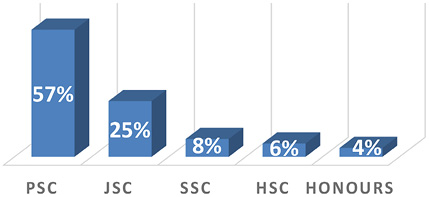
Most people (57%) in this research have only completed the Primary School Certificate (PSC). Moreover, 8% have taken the Secondary School Certificate (SSC) examination, which is similar to class ten, and 25% have finished their schooling with the Junior School Certificate (JSC) level, which is similar to class eight. Surprisingly, none of the respondents had managed to get a master’s degree. Very little of the population, has undergone further learning and completed their Honors level studies (Figure-1).
When we asked through questionnaires and focus group discussions about educational improvements after 2015, 90% of those who participated replied that they had more access to formal education, particularly at the primary and secondary levels. This favorable change is indicative of the larger trends in the country, in which Bangladesh has gone a long way towards increasing access to education specifically among women. Nevertheless, 10% of the participants. A significant, did not see any improvement in their education. Such people are usually oblivious to changes and this points to the persistent problem of information dissemination and access. These inequalities highlight the importance of specific interventions to help guarantee that every former resident of the enclaves gains access to education reforms fairly (Figure-2).
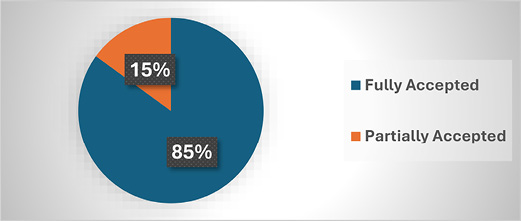
Figure 2. Has there been any significant improvement in female education?
Based on the results, 95% of the respondents stated that the educational opportunities in their families are now much better, with the other 5% saying they are slightly better. Significantly, none of the respondents said that the situation was either the same or deteriorated (Figure-3).
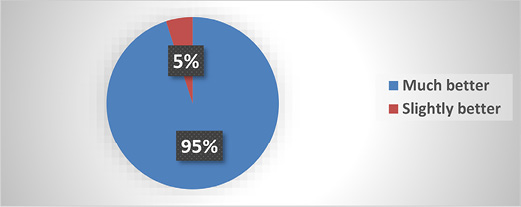
Figure 3. How is the educational opportunity for your family now?
This strongly positive answer indicates a radical shift in the educational opportunities following the 2015 change of enclaves. For many decades, the residents of the enclave did not obtain formal schooling because of being stateless, having no infrastructure, and no governmental support (Van Schendel 2004; Cons 2016). The results of the survey indicate that 100% of the people interviewed indicated that their locality had a new school or college constructed after reintegration in 2015 (Field Survey, 2025). The great unanimity of opinion accentuates the degree of change in the former enclaves. With no government schools, children were left to attend informal learning centers managed by private tutors or in other cases, Indian schools that failed to qualify them. Before the ‘Land Boundary Agreement’, the residents of the enclaves lived in a stateless limbo (van Schendel 2002; Cons 2016).
After the reintegration, the state of Bangladesh deliberately tried to incorporate enclave territories in its education system. In 2016-2017, the Annual Development Programme (ADP) allocated a specific budget to construct and develop schools, madrasas and colleges in borderland and enclave areas (Government of Bangladesh 2017). Also, NGOs like BRAC opened non-formal primary schools, which meant that children could start studying while new buildings were still being constructed (BRAC 2018). Thus, the fact that all respondents recognized the new schools or colleges does not only indicate infrastructure itself but it also represents a visible state presence and acknowledgment of the enclave residents as the full citizens. Education was the initial practical demonstration of their reintegration which allowed families deprived for a long time to have a chance to gain social mobility, literacy and formal certification.
Health
With the reintegration of the former enclaves in 2015, there was a major change in the access of women to healthcare. Our survey data indicates that since people resumed employment, 92% of the individuals reported improved access to healthcare services (Figure-4). Before the ‘Land Boundary Agreement’ (LBA), the residents of the enclaves were virtually isolated by the lack of access to public health facilities and, in particular, women were vulnerable to the effects of pregnancy, childbirth, and disease (Van Schendel 2002; Cons 2016). The lack of state status made health workers unwilling to work in enclave territories, and women tended to use untrained midwives or traditional healers, which led to high maternal and infant mortality.
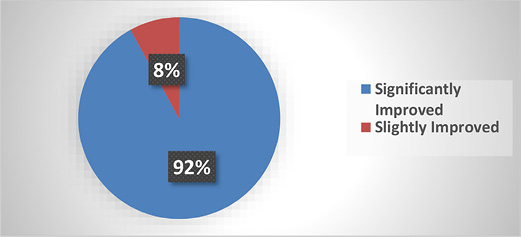
Figure 4. How has your access to healthcare improved after reintegration?
After reintegration, the respondents pointed out physical gains including accessibility of community clinics, vaccination opportunities and government funded maternal care. Rural health infrastructure was included in the resources allocated under the Annual Development Programme of 2016-2017 and was also provided in enclave areas (Government of Bangladesh 2017). Furthermore, NGOs such as BRAC also launched mobile health services, as well as women-centered campaigns on nutrition and reproductive health (BRAC 2018). These initiatives have begun to deal with historical inequalities in health outcomes.
Nonetheless, even with advancements, there are still problems. About 8% said access to healthcare had not improved, with complaints of constant challenges which include a lack of proper transport to distant health centers, a lack of female doctors and the financial strain of accessing a private clinic. Previous literature had found similar results, in which ex-enclave women still faced a so-called “double marginality “first, as former stateless individuals and second, as women within patriarchal health systems (Roy 2023; Bhattacharya 2018).
Another essential aspect of healthcare is that of clean water and sanitation. We notice significant changes in the access of safe drinking water, which was previously scarce within the enclaves. Clean water and sanitation have been identified as the basis of women’s health and lowering the disease burden of illnesses such as diarrhea and urinary infections (UNDP 2021). Most female residents of these areas confirmed that they can now drink clean water (74%) although some (24%) reported that they still do not have access to clean drinking water (Figure-5). However, there are few household-based sanitation facilities, which continues to expose women to health and dignity problems on a daily basis.
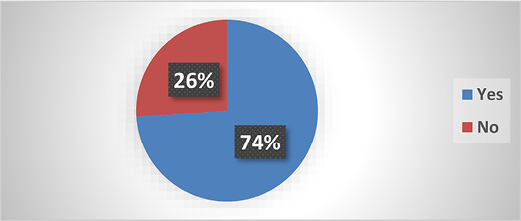
Figure 5. Do you have access to clean drinking water?
Last but not least, one should mention the dimension of psychological and social well-being. Years of statelessness have ensured that the women in the enclaves had strong concerns regarding mobility and belonging (Cons 2016). Through reintegration, they have gained more security and confidence in seeking health and social services, although awareness campaigns are also essential in overcoming mistrust and making sure that all women use the available resources (Kabeer 1999; Sen 1999). On the whole, despite the fact that the post-enclave period has been characterized by significant advancements in the health conditions of women, continued investment in gender-sensitive healthcare, maternal health, and health infrastructure in the rural areas will be necessary to cement these achievements.
Mobility and Physical Autonomy
The mobility and autonomy of citizenship is closely linked to women’s experiences in the former enclaves. The residents of these enclaves were in a stateless situation prior to the 2015 ‘Land Boundary Agreement’ (Van Schendel 2002). In this case, women were especially restricted by their lack of legal status as well as by social conventions that did not allow them to move freely. According to one respondent during the focus group discussions, they could not cross the border without fear, even to seek healthcare or purchase essential goods from local markets. This finding is in line with previous studies, in which enclave women were defined as living a bare life, without rights and under control at the border crossings (Shewly 2013; Cons 2016).
According to our survey, 85% of women said that they are freer to move after reintegration. The rights to Citizenship gave them documents of official identification and access to education, markets and health facilities outside the boundaries of the enclave (Figure-6). This amelioration is what is called the civil aspect of citizenship by Marshall (1950) in which the legal condition of belonging allows freedom of movement and being under the law.
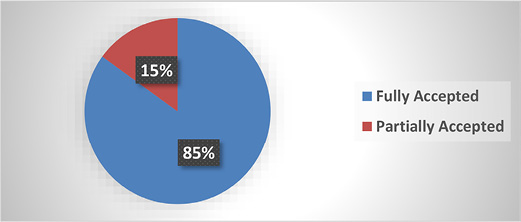
Figure 6. What is the current level of social acceptance for your family members?
Women also reported improved physical independence in making decisions pertaining to education and livelihood. Mobility was once a matter of close bargaining based on male guardianship but the assimilation of the enclaves into Bangladesh reduced their reliance on informal border networks or unlawful entry. Research has revealed that education and employment access is highly related to female mobility (Kabeer 1999; Haider 2016). As an example, younger women are currently enrolled in schools in local towns and adult women participate in market activities like the sale of handicraft or agricultural products (UNDP 2021).
However, 15% of respondents still complained of their restricted mobility, primarily because of inadequate transport systems and lingering cultural restraints (Figure-6). Roy (2023) highlights that women in the borderland communities are frequently subject to patriarchal control in matters of marriage, migration decision, and mobility, even following state recognition. In a somewhat comparable vein, Ferdoush (2014) claims that the identity of enclave women is still that of hybridity and contentedness that, in some cases, can be manifested in the form of low levels of trust or limitations in inter-community relationships.
In general, reintegration has made it possible to move towards conditional mobility in lieu of confinement. Citizenship was a guarantee of legal freedom as well as an assurance of increased confidence of women to maneuver in the social realm. Nevertheless, social norms, poverty and infrastructural gaps still prevent the complete implementation of female autonomy. This will require additional investment in rural connectivity, women-based development projects and community awareness campaigns that are sensitive to gender in order to maintain this development.
Employment and Economic Participation
Economic participation is an important aspect of women’s economic empowerment and social inclusion, especially for women from formerly stateless communities. Prior to 2015, there were limited opportunities for women in the enclaves to engage in formal jobs. They could not have access to public employment schemes, vocational training or bank credit because they were legally invisible. Most of the work done by women was subsistence farming and household duties and informal handicrafts, and there was very little to no access to markets. The survey found that 95% of female residents had no involvement in government employment (Field Survey, 2025). The lack of legal citizenship meant that the residents of the enclaves were barred from entry into the livelihood opportunities provided by the state and this created a self-perpetuating poverty and dependency cycle (Ferdoush, 2014). According to our survey, 64% of women indicated having had some kind of economic involvement after reintegration, with some engaging in small scale farming and livestock rearing and others in rural labor programs. Some women joined the garment and service industry by obtaining mobility and documentation. Nevertheless, 36% were unemployed or engaged in unpaid household duties indicating continuous obstacles like a lack of skills, family duties and patriarchal limitations (Field Survey 2025).
The ‘Land Boundary Agreement’ created opportunities for economic inclusion by giving citizenship rights and accessibility to social protection programs (Banerjee & Chaudhury 2017). Microcredit, self-help groups, and female vocational training were introduced to the former enclave regions through NGOs, such as BRAC, and state-led programs, such as the Annual Development Programme (BRAC 2018; Government of Bangladesh 2017). To give an example, the project of the UNDP to popularize Basak-based weaving among women living in the enclave has given them a means of living that combines both the traditional and new market connections (UNDP 2021).
However, economic participation is not even and is gender-based. The salaries of women are very low compared to the salaries of men and most of the respondents reported having limited bargaining power in the family budget. This aligns with a framework by Kabeer (1999) where resources (capital, skills) interact with agency (decision-making power) to determine the success of women. In enclave situations, resources have increased but the agency of women is limited by cultural precepts. Research also indicates that the pattern of marriage and migration affects the economic status of women. Roy (2023) argues that women on the borders of marriages tend to lose their independence, and migration determines whether they work economically or stay in isolation. Equally important, Basirulla et al. (2024) note that structural transgressions in the labor markets including oppressive conditions of work in garment labor reflect the precarious status of enclave woman when entering the formal labor workforce.
Infrastructure and market access are also obstacles. A lack of transport can deny women the right to sell their products in urban markets and many women have to rely on middlemen who get most of the profits. This finding echoes the study of Rahman et al. (2023), which demonstrates that the issue of poverty and the struggle of livelihood also do not go away even once ex-enclave populations are reintegrated.
On the whole, despite the fact that reintegration has opened up new opportunities to women in the sphere of employment and economic participation, these opportunities are weak and uneven. In order to cement these gains, specific measures like women-oriented vocational training, entrepreneurial services, childcare services and market access are critical. These would not only improve the generation of income but would also boost the agency of women in decision-making, which would help with their general social empowerment (Sen 1999).
Gender-Based Violence and Safety
Gender-based violence (GBV) was one of the most topical issues that women in the former enclaves had. The enclave territories were commonly characterized as lawless zones (Shewly 2013) before 2015, in which no one, be it Indian or Bangladeshi authorities, had a consistent jurisdiction. This legal loophole left women vulnerable to harassment, sexual violence and trafficking. Some of the respondents remembered how they were in constant fear of going beyond the limits or even going outside their houses because they had neither the law nor the community to support them. As noted by Cons (2016) and Van Schendel (2004), the spaces of the enclaves were sensitive spaces where there was no government that would help to lessen the vulnerability of women.
We have found that 72% of the respondents reported feeling safer after having been reintegrated, indicating the availability of local police, availability of legal redress, and a decrease in harassment related to borders (Field Survey 2025). The concept of citizenship has played an important role in reinstating the right of women to be under the protection, which in accordance with the principle by Marshall (1950) established that civil rights were the core of the security and safety. Specifically, women have come forward to say that they can travel to markets and schools without fear of being randomly arrested or raped.
Nevertheless, 28% of the respondents reported still experiencing gendered violence especially in the form of domestic violence, dowry-related violence, and street harassment (Field Survey 2025). These results resonate with Roy (2023), who states that even though reintegration minimized threats posed by the border, women still do not have full control over their bodies as patriarchal values in households and communities restrict them. On the same note, Basirulla et al. (2024) reported the presence of structural violence and workplace harassment of female garment industry workers in Bangladesh, highlighting how enclave women accessing the labor market will continue to be exploited.
These persistent challenges have been tackled by international organizations and NGOs. BRAC (2018) initiated community awareness activities on GBV and legal assistance services in the rural areas. UNDP (2021) stated that livelihood programs could help decrease the exposure of women to violence because they would become more financially independent. But, as stressed by Kabeer (1999), empowerment does not simply mean having access to resources, but also the agency and capacity to counter and struggle against structural inequalities.
The other aspect is associated with cross-border insecurity and trafficking. Young women were also prone to trafficking along the informal border crossings during the stateless period (Ferdoush 2014). Although such risks were mitigated through reintegration, there are still groups of women, especially widows and divorced women who are more susceptible due to a lack of monitoring and strict law enforcement in remote areas.
In conclusion, although reintegration of the enclaves has greatly enhanced the safety of women, GBV has remained a major problem that is influenced by patriarchal systems, economic vulnerability, and a lack of effective law enforcement systems and mechanisms. The sustainable change is a complex affair that needs holistic interventions such as community-based sensitization and awareness, stricter implementation of the law, economic empowerment, and female participation in local government and safety groups.
Social Integration and Discrimination
Reintegration of the enclaves in 2015 was not merely a political and a territorial process but a social change as well. For the women, social integration entailed granted citizenship, access to institutions and negotiating their roles in the enclave and host societies. Before the ‘Land Boundary Agreement’, the enclave women were seen as outsiders by the surrounding communities, as they had no legal status and would often face stigma when seeking schools, markets, and marriages beyond the enclaves (Van Schendel 2002; Ferdoush 2014).
According to our survey, 78% of people interviewed felt more socially accepted upon reintegration, as they now had the ability to attend community events, to have their children enrolled in mainstream schools, and to marry outside the enclaves without shame (Field Survey 2025). This is in line with the findings of Bhattacharya (2017, 2018) that the Land Boundary Agreement enhanced the dignity of belonging among the former residents of the enclave.
However, 22% of participants reported that they continued to face discrimination, especially in economic opportunities, marriage negotiations, and subtle forms of community stigmatization (Field Survey 2025). Others said that they were called chhitmahaler manush (people of the enclaves), which is pejoratively applied in some places. To assess the social isolation of residents during the enclave period, we looked at their answers to questions about social interaction and mobility. The results showed that 61% of female residents reported that they were isolated, and 20% said that they were partially isolated. The results show that there was a significant number of women in the enclave period who were socially isolated. Many were not able to freely come and go from their homes or express their wishes to communicate with friends, family, and neighbors (Figure-7). This shows that the social hierarchies that have been deep-rooted have not necessarily been removed through legal citizenship (Cons 2016; Roy 2023). But the situation has drastically evolved since reintegration. In response to the question of their level of social acceptance, the respondents said that 85% of them and their families are now accepted fully by the society and 15% partially accepted. These results suggest that reintegration has contributed to a significant improvement in their social integration. The respondents also indicated that they are now allowed to walk around freely in their communities and their surrounding areas without being restricted as in the enclave period (Figure-8). Respondents’ social relationships also demonstrate the benefits of reintegration. They were previously only able to interact with each other in a limited way, but 96% of the respondents said that their relationship with others in society had improved greatly and 4% said it was slightly improved. These findings indicate that reintegration efforts have helped to build social networks and foster a sense of cohesion within the community among previous enclave dwellers (Field Survey, 2025).
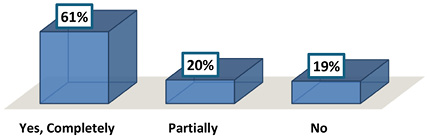
Figure 7. Were you socially isolated during the enclave period?
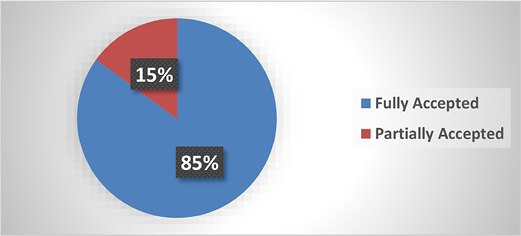
Figure 8. What is the current level of social acceptance for your family members?
In addition, there was a high level of nationalism among the respondents. 95% of the reintegrated strongly agreed and 5% agreed that they feel closer to the rest of the country after reintegration. The consensus is so strong that reintegration has not only been beneficial to social relationships, but has also strengthened a sense of belonging to a nation and of being a citizen of Bangladesh (Figure-9).
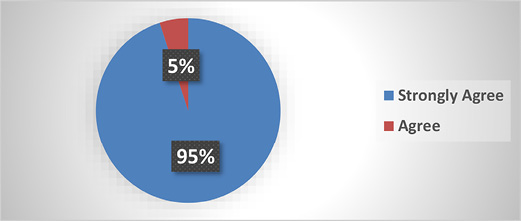
Figure 9. Do you feel more connected to the rest of the country now?
There is also gender overlap with discrimination. Women noted that men were absorbed well into wage labor and politics but they still were subjected to examination in terms of mobility, marriageability, and purity. As Roy (2023) points out, women of enclave origin were even less desirable as marriage partners and this added limitations to their choices even after reintegration. On the same note, Rahman et al. (2023) reported the escalation of feelings of social inferiority in enclave households due to poverty and livelihood struggle, but women bore the worst effects.
On the bright side, NGOs like BRAC and UNDP encouraged community-based activities like women’s organizations, vocational studies, and cultural exchange that led to communication between enclave and host societies (BRAC 2018; UNDP 2021). These projects formed new areas where enclave women could exercise agency and fight the stigma they face. The empowerment framework suggested by Kabeer (1999) could be used to explain these changes: due to the resources provided by reintegration (for example citizenship, NGO support), women gained agency, yet the gains in social inclusion are unequal.
One can conclude that social exclusion has to some extent been broken by reintegration which grants women more visibility and acceptance. However, discrimination still exists in the form of subtle interactions, but the effect of statelessness and marginality is long-term. In order to enhance social integration, policies must be aimed at inclusive community development, anti-discrimination awareness and the role of women in local governance.
Political Awareness and Participation
The involvement of the women of the former enclave in politics and the awareness of it mark the transformation of citizenship into social and political identities. Prior to 2015, the population of enclaves was politically marginalized in that residents could not participate in the political processes that included voting, representation, and access to the state institutions (Van Schendel 2002; Cons 2016). Women were twice marginalized: firstly, they were stateless, and secondly, they were restricted by patriarchy in their participation in decision-making.
Field data of our study reveals that 81% of women said that they became more politically aware after reintegration. The survey revealed that 10% of the women have been able to exercise their right to vote and there is no political movement among the other 90%. It suggests high political marginalization among the enclave populations. The results indicate that prior to reintegration, most women did not have the opportunities to exercise their political rights, nor did they have the chance to engage in decision-making (Figure-10). The 2015 ‘Land Boundary Agreement’ was their first interaction with the law, and getting National ID cards became a new beginning in the relationship with the state for many respondents. The women are now involved in local elections, community meetings and, in some instances, they are now involved in the female development groups funded by NGOs. This is indicative of the model of political citizenship proposed by Marshall (1950), according to which the rights to participation and representation are granted in the wake of civil and social rights.
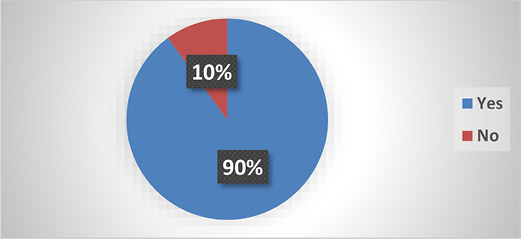
Figure 10. Could you participate in voting or politics during the enclave period?
However, the level of involvement is superficial. Although the majority of women said that they had participated in the 2018 national elections, only 24% of women were actively involved in decision-making processes in their community or in union councils (Field Survey 2025). Women are limited by patriarchal norms, illiteracy and absence of political networks in their movement between awareness and active leadership. Roy (2023) also reports that enclave women are usually treated with distrust when they take political control, even after reintegration, gendered stereotypes about them remain.
Civic education programs, such as voter awareness and women’s group training, were introduced through NGOs, including BRAC (BRAC 2018), and programs within the Annual Development Program (Government of Bangladesh 2017). Such interventions have worked to give women more confidence about their participation in politics. The UNDP (2021) also emphasizes the role of livelihood groups of women in the development of collective voices, empowering the enclave women to demand local facilities like roads, schools, and health facilities.
However, structural inequalities continue to determine political participation. Women are restricted in their visibility by poverty, household duties, and male dominated political parties. Kabeer (1999) points out that empowerment is a process, not an event; citizenship is a precondition for the empowerment of enclave women, but the transformation of their political agency cannot be achieved without long-term social change.
In summary, reintegration has led to greater formal recognition and political awareness, but the pathway to being a political decision-maker is not fully realized. The enclave women can be fully represented in the political arena by policies that encourage women to become leaders, mentor females, and quotas of women in the local governance set ups.
Access to Public Services and Government Support
Making the statelessness a form of citizenship redefined women’s access to the services and support of the state. In the enclave period, the residents were not eligible for common public services like healthcare, education, legal protection, and the development of infrastructure because both India and Bangladesh officially did not extend them to these areas (Van Schendel 2002; Cons 2016). This gap in the provision of services worked against women especially since they had to provide health care, water and schooling to their families but lacked institutional avenues to fall back on.
According to our survey, 85% of the respondents have indicated that they have better access to the services provided by the government such as education, health facilities, access to clean drinking water and electricity after reintegrating (Figure-11). To most women, the creation of community clinics, schools and the paving of roads meant real inclusion in the state. This can be compared to the results of Bhattacharya (2017 & 2018) who pointed out that the ‘Land Boundary Agreement’ has reinstated not only political citizenship but also the material advantages of statehood.
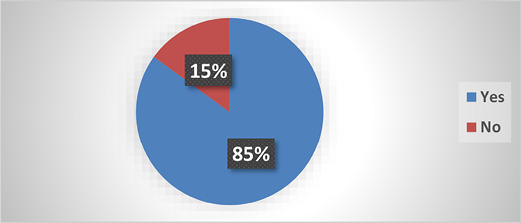
Figure 11. Have you received any assistance from the government or NGOs?
The government plans, such as the Annual Development Programme (2016-2017) provided finances to rural infrastructural development and service provision in areas that were previously not taken into account (Government of Bangladesh 2017). Women reported that electricity connections and rural transport improved and thus enabled them to work at home and that they were also able to engage in markets. NGOs, in particular, BRAC and UNDP, complemented the state services with microcredit, vocational training and health-related, sanitation-related and rights related awareness programs (BRAC 2018; UNDP 2021).
Yet, gaps remain. About 15% of the respondents said that there was minimal or no improvement, attributing this to inconsistent delivery of services, a lack of staffing at local clinics, and rampant corruption in the distribution of social safety nets (Figure-11). Women also reported difficulties in accessing formal government programs – widow allowances, maternity benefits and microcredit – because of a lack of political connections and non-transparent bureaucracy. These results resonate with Rahman et al. (2023), who state that the residents of enclaves experience a second-tier citizenship given the lack of balanced service provision and economic insecurity.
In regards to gender, the inclusion of women in the public services is not an end in itself in terms of infrastructure but in terms of agency and dignity as well. Kabeer (1999) informs us that resources need to be converted into decision making power in order to have meaning. In the case of the enclave women, access to clinics or schools has decreased their reliance on informal networks, although full empowerment of these women can only be achieved through transparent and gender sensitive governance systems that do not show any disparities when offering these services.
In short, reintegration has significantly improved the access of enclave women to public services and government assistance; yet issues of equity, quality, and bureaucratic marginalization remain. The above will necessitate further investment by the state, decentralization of services and accountability measures to ensure that the enclave women are not left behind in the developmental path of Bangladesh.
Legal Identity and Citizenship Rights
The acquisition of legal status and formal citizenship rights for the people residing in the enclaves was one of the deepest changes after the ‘Land Boundary Agreement’ in 2015. The enclosure of women in the enclave was an existence of statelessness, that is, they were neither Indian nor Bangladeshi (Van Schendel 2002; Cons 2016). They could not seek any education, medical services, legal redresses, or work without birth registration, voter ID, or national documentation. This deprivation of legal identity not only limited the freedom of women but also solidified their reliance on their family members and non-formal institutions, which caused them to be exploited.
According to our survey data, 99% of the surveyed people received National ID (NID) cards and birth registrations after reintegrating. To the women it was not only a bureaucratic shift, but also a statement that they were citizens with rights. Identity documents helped them to open bank accounts, get children into schools, receive government subsidies, and participate in elections. The issue of receiving NID cards was widely referred to by the respondents as a dignifying and an inclusion experience: ‘Now we are not foreign; we are citizens of Bangladesh’.
This change can be explained in terms of the theory of citizenship proposed by Marshall (1950) according to which civil, political and social rights are interrelated. Legal identity provided the foundation upon which women could gain other aspects of citizenship such as involvement in politics and legal protection. Bhattacharya (2018) and Banerjee and Chaudhury (2017) confirm that ‘Land Boundary Agreement’ was not merely a territorial settlement, but also a restoration of rights, which transferred the residents from the subjects of neglect to become citizens of a functional state.
However, there are still problems. A few women complained about the problems of obtaining documentation because of bureaucratic wastefulness, information deficiency, or patriarchal control where male guardians denied those documents. The same is reflected by Roy (2023), who observes that women in enclave-borderland marriages can be hindered in proving the citizenship of themselves or their children, especially when moving from their parental household to marital household. Rahman et al. (2023) also note that the recognition of the rights by legal documents may be compromised by poverty and social marginality in the real implementation of the rights. Another dimension that can lead to marginalization is legal literacy. Most women are not aware of their rights as enshrined in state laws, such as inheritance, domestic violence protection and social safety programs. In this case, NGOs like BRAC and UNDP have been highly instrumental in offering legal awareness and advocacy training (BRAC 2018; UNDP 2021). But as Kabeer (1999) suggests, empowerment does not simply depend on access to resources like legal documents, it also depends on the ability to navigate institutions, and assert their rights.
In the field survey, all female respondents reported that they feel secure after gaining citizenship. In summary, re-entry and acquisition of legal identity is the new turning point in the lives of women, meaning they are no longer stateless and invisible, but now they possess the identity of known citizens. Nevertheless, it is important that citizenship consolidation should be accompanied by further action to achieve fair access to documentation, legal literacy initiatives and gender sensitive governance arrangements where women can make maximum use of the rights that are now formally guaranteed to them.
Limitations of the Study
Some limitations of this study should be noted. Firstly, it was based on purposive sampling and included 100 women from selected former enclave areas in Panchagarh district. Though this method allowed for in-depth and situation-specific information to be gathered, the conclusions may not be applicable to all former enclave communities of Bangladesh. Second, data sources were predominantly self-reported experiences and perceptions that could be subject to recall, personal interpretation, and social desirability issues. Thirdly, the study was conducted mainly from the women’s perspective; thus, it does not reflect the views of male household members, local authorities and other stakeholders who could impact post-reintegration experiences. The findings are, however, reliable and credible given the above limitations as it is a mixed-methods approach and involved triangulation of survey, interview, focus group and secondary data sources.
Discussion
The results of this study reveal that the 2015 ‘Land Boundary Agreement’ has had a major impact on the lives of women in the ex-enclaves of Bangladesh, breaking decades of exclusion and statelessness. Women who acquired citizenship had better access to education, health, public services, legal identity and political participation, contributing to improved social inclusion and their overall wellbeing. The results of this study indicate that the reintegration of the former enclaves, through state recognition, has played a significant role in integrating former enclave residents into the process of national development. However, the study also shows that there is a skewed benefit of reintegration. While women are now freer to move and better able to access public institutions, many women still suffer from poverty, lack of economic opportunities and patriarchal constraints which prevent them from fully realizing these changes. This means that the absence of legal inclusion is not enough to rectify the deeply entrenched structural inequalities that have been passed down over the years due to marginalization.
The results can be explained in the light of Marshall’s theory of citizenship (1950), which states that citizenship is not only a legal position but also involves an ability to enjoy civil, political and social rights. Prior to the enclave exchange, women’s rights also were effectively denied to them even if they lived in the enclave. The reintegration process gave them their legal identity and increased their access to state institutions, highlighting the reintegrating power of citizenship with respect to social inclusion. Nonetheless, the enduring socio-economic gap implies that citizenship is a process and not the product of legal citizenship. Although formal citizenship has been the catalyst for positive transformation, substantive equality demands a wider social and economic transformation, going beyond legal incorporation into the state.
The results show that women’s lives have made significant improvements since reintegration, but point to the fact that empowerment is still not complete. The approach that Kabeer (1999) has proposed for understanding empowerment is in terms of increasing resources, agency and achievements, not simply formal rights. The situation from this point of view is that women in the former enclaves have received valuable resources through better access to education, health care, legal identity, and public services; they have also had greater mobility and ability to participate in community and political life, which represents an increase in agency. However, there remain significant challenges for women, such as access to fewer jobs, economic reliance and reduced decision-making authority due to patriarchal social norms. The conclusions that emerge from these findings indicate that reintegration has offered good opportunities to empower women, but it has not succeeded in putting their new rights to work in their socio-economic life due to structural inequalities. The capability approach, as presented by Sen (1999), gives an additional endorsement to this interpretation: development must be seen as the increase in substantive freedoms for people to lead the lives they want. Although citizenship has increased the opportunities and capabilities available to women, the fact that there are still pockets of women who are not able to fully benefit from these opportunities suggests that gender-based disadvantages persist. This is why the results point to the need to not only provide women legal rights, but also to persist in the struggle to dismantle and eradicate the structural barriers which remain in women’s lives.
In addition to highlighting how the situation of women is altered, this study enriches the existing scholarship on borderlands, citizenship and gender by showing how the effects of enclave reintegration do not just stop with legal incorporation into the state. Few studies have focused on the settlement of the territorial disputes and citizenship rights in the former enclaves, and new research has started to examine the women’s situation in those enclaves. The current results contribute to this literature by demonstrating citizenship acquisition is a part of the post-enclave experience. Women’s experiences remain shaped by what can be described as a “double marginality” as while the statelessness issue is formally over, gender inequalities remain to impact women’s access to economic opportunities, decision making and social empowerment. This aspect of the study fits into the broader research that has already been done on the borderland and has shown that the mere absence of territorial exclusion does not necessarily mean the disappearance of entrenched social and cultural barriers. Rather, the concept of reintegration should be viewed as a multi-dimensional and gradual pathway towards legal recognition, institutional integration and equality for women. This study, which builds on existing literature, reviews women’s experiences more than ten years after the enactment of the ‘Land Boundary Agreement’, and offers novel empirical evidence on the longer-term effects of reintegration, while also demonstrating the value of considering citizenship not only in terms of legal status, but as a means of enhancing practical lived realities. Thus, the study supports the view that sustainable development in the former enclave communities relies on the recognition of these historical legacies of exclusion and the ongoing structural inequality that remains to be overcome in order to empower women.
Overall, the results indicate that women’s post-enclave experiences in Bangladesh have been a complex transformation wherein legal inclusion has had a significant impact on women’s lives but has not completely removed structural obstacles to empowerment. Through the lenses of Marshall’s theory of citizenship, Sen’s capability approach and Kabeer’s empowerment approach, the authors show how citizenship is not just a legal accomplishment, but is a social process that involves the ongoing extension of rights, capabilities, and agency. Although the ‘Land Boundary Agreement’ has been successful in providing access to state institutions and allowing women to enjoy several of their citizenship rights, the fact that poverty and gender inequalities exist, and that economic opportunities are still limited, suggests that the mere formality of recognition does not guarantee substantive equality. The experiences of women in the old enclaves thus underscore the importance of recognizing reintegration as a continuous developmental process, not a completed political process. This study advances our understanding of citizenship, gender and historical marginalization by offering empirical evidence ten years since the ‘Land Boundary Agreement’ was put into practice. These findings highlight that social inclusion is not just about legal recognition, but is also dependent on ongoing action to tackle structural inequalities that remain a reality in women’s lives.
Conclusion
The 2015 landmark of the reintegration of the former enclaves into Bangladesh by the ‘Land Boundary Agreement’ was a turning point in history, especially that of women whose lives were traditionally defined by statelessness, marginalization, and vulnerability. This study, based on primary data and secondary sources. Investigated the multi-dimensional transformation in the lives of women who returned after reintegration in terms of health, mobility, employment, safety, social integration, political participation, access to services, and legal identity.
The results show that reintegration has considerably enhanced the wellbeing and opportunities of the women. Healthcare (92%) and education (90%) access have improved, and mobility and public participation remain higher as women have access to legal documents, have exercised their right to vote, and have gained confidence in negotiating the public. There is a diversification of employment where women have been able to practice farming, handicraft, and wage labor even though economic participation is weak and unbalanced. Notably, the granting of legal identity and citizenship rights (94%) gives women dignity, recognition and access to state institutions.
Meanwhile, this research also points to recurring problems. The problem of gender-based violence is still a burning issue, with almost a third of respondents confirming that they were still exposed to domestic or communal-based violence. Social discrimination is also present as the women of the enclave are still sometimes identified as outcasts. The full implementation of women’s rights is hampered by structural inequalities such as poverty, patriarchal culture, inadequate infrastructure and bureaucratic inefficiencies. These results resonate with the empowerment framework presented by Kabeer (1999) that highlights the need to not only have resources, but also to gain agency in order for women to change the outcome of their success.
Other evidence also highlights the transformative endeavor of the state and development actors. Increased access to healthcare, education, microcredit, and awareness were in part enabled by government programs under the Annual Development Program, NGO initiatives by BRAC and UNDP. However, equity and sustainability should receive greater institutional investment.
While the process of reintegration has had positive results, further and consistent policy action is needed to ensure and build on these achievements. To tackle the inequalities highlighted by this study, it is crucial to improve gender-sensitive healthcare services, especially in maternal and reproductive health and invest in health facilities in rural areas. Strengthening educational and vocational training activities, entrepreneurship development projects and market access should boost women’s economic empowerment and combat poverty. Moreover, awareness programs and seminars on gender-based violence, legal rights and social discrimination should be broadened to empower women to exercise their citizenship rights more effectively. Lastly, including more women in local governance and community decision making processes would help to promote inclusive, equitable and sustainable development in former enclave areas.
Acknowledgement
The authors gratefully acknowledge the Department of Political Science, University of Dhaka, Dhaka, Bangladesh, for providing the opportunity to present the paper titled ‘Life on new ground: exploring the lives of women in Bangladesh’s former enclaves’ (revised title: ‘From statelessness to citizenship: exploring the socio-economic lives of women in Bangladesh’s former enclaves’) at the 1st Political Science Conference. The feedback and discussions during the conference greatly contributed to the development of this research. We are also grateful to the female respondents from the enclave areas of Panchagarh district, who generously shared their time and insights, thereby greatly assisting the researchers.
Disclosure of AI Use
No AI tools were used in the development or presentation of this submission.
References
Akter, S., Chanda, S.K., Mamum, A. A. & Razu, S. R. 2018, ‘Role of education in women empowerment: A study from Khulna District of Bangladesh’, International Journal of Innovative Research, vol. 3, no. 1, pp. 19-23. http://www.irsbd.org/papers/4.IJIR_3(1)_18_Razu_.pdf
Banerjee, S. & Chaudhury, A. B. R. 2017, The 2015 India-Bangladesh ‘Land Boundary Agreement’: Identifying constraints and exploring possibilities in Cooch Behar, Observer Research Foundation, New Delhi. https://www.orfonline.org/research/the-2015-india-bangladesh-land-boundary-agreement-identifying-constraints-and-exploring-possibilities-in-cooch-behar/
Bangladesh Bureau of Educational Information and Statistics (BANBEIS), 2022, Bangladesh Education Statistics 2022. https://banbeis.gov.bd/pages/static-pages/691997b4933eb65569dde3d8?
Basirulla, M., Tasnim, F. & Mahmud, M. S. 2024, ‘Female garment workers in Bangladesh facing human rights violation; a search to find the root causes’, Cosmopolitan Civil Societies: An Interdisciplinary Journal, vol. 16, no. 3, pp. 85-103, https://doi.org/10.5130/ccs.v16.i3.9089
Bhattacharya, D. 2017, ‘Comparative impact of execution of ‘Land Boundary Agreement’, 2015 between India and Bangladesh on the status of erstwhile enclaves’ people’, Journal of South Asian Studies, vol. 5, no. 2, pp. 137-148. https://esciencepress.net/journals/JSAS/article/view/2197
Bhattacharya, D. 2018, ‘Study on impact of execution of LBA, 2015 on the erstwhile enclaves’ people of India and Bangladesh’, People: International Journal of Social Sciences, vol. 4, no. 3, pp. 1-19. https://doi.org/10.20319/pijss.2018.42.11661187
BRAC 2018, Annual Report 2017, BRAC https://www.brac.net/sites/default/files/annual-report/2018/Bangladesh-Annual-Report-2018
Cons, J. 2016, Sensitive space: Fragmented territory at the India-Bangladesh border, University of Washington Press, Seattle. https://doi.org/10.1515/9780295806549
Ferdoush, M. A. 2014, ‘Rethinking border crossing narratives: A comparison between Bangladesh-India enclaves’, Journal of South Asian Studies, vol. 2, no. 2, pp. 107-113. https://esciencepress.net/journals/JSAS/article/view/542
Government of Bangladesh 2017, Annual Development Programme 2016–2017. Ministry of Planning, Dhaka. https://plandiv.gov.bd/pages/files/694031e7a31054345f0d2d59
Haider, A. 2016, Transformation of Informal Governance to Formal Governance: Study on Former Enclaves of Bangladesh, North South University, Dhaka. https://www.northsouth.edu/newassets/files/ppg-research/PPG_5th_Batch/13._Haider_Transformation_of___Informal__to_formal_governance.pdf.pdf
Hossain, M. R. 2025, ‘Language Movement of 1952: Background of independent Bangladesh’, Scholars Journal of Arts, Humanities and Social Sciences, vol. 13, no. 4, pp. 62-67. https://doi.org/10.36347/sjahss.2025.v13i04.001
Islam, M. M., Islam, K., Hasan, M. S. & Haque, A. 2016, ‘Marriage Before 16 or 18 years: The Effect of Marital Age on Women’s Educational Attainment in Bangladesh’, Journal of Population and Social Studies, vol. 24, no. 2, pp. 117-132. https://doi.org/10.14456/jpss.2016.9
Kabeer, N. 1999, ‘Resources, agency, achievements: Reflections on the measurement of women’s empowerment’, Development and Change, vol. 30, no. 3, pp. 435-464. https://doi.org/10.1111/1467-7660.00125
Kabeer, N. 2011, ‘Between affiliation and autonomy: Navigating pathways of women’s empowerment and gender justice in rural Bangladesh’, Development and Change, vol. 42, no. 2, pp. 499-528, https://doi.org/10.1111/j.1467-7660.2011.01703.x
Marshall, T. H. 1950, Citizenship and social class, Cambridge: Cambridge University Press, Cambridge.
Mohsin, A. 2003, ‘Language, identity, and the state in Bangladesh’, In: Brown, M. E. & Ganguly, S. (eds.), Fighting Words: Language Policy and Ethnic Relations in Asia MIT Press, Cambridge. https://doi.org/10.7551/mitpress/2988.003.0006
Rahman, M. A., Naime, Z., Roy, A. C. & Kholilullah, M. I. 2023, ‘Poverty and livelihood analysis of Former Enclave (Chitmahal) people in a selected area of Bangladesh’, Archives of Agriculture and Environmental Science, vol. 8, no. 1, pp. 35-43. https://doi.org/10.26832/24566632.2023.080106
Roy, A. 2023, ‘Women, marriage and migration in the Bangladeshi enclaves in the India–Bangladesh borderland’, India Quarterly, vol. 79, no. 1, pp. 82-100. https://doi.org/10.1177/09749284221146753
Samaddar, R. 1999, The marginal nation: Transborder migration from Bangladesh to West Bengal, Sage Publications, New Delhi.
Sen, A. 1999, Development as freedom, Alfred A. Knopf, New York.
Shewly, H. J. 2013, ‘Abandoned spaces and bare life in the enclaves of the India–Bangladesh border’, Political Geography, vol. 32, pp. 23-31. https://doi.org/10.1016/j.polgeo.2012.10.007
United Nations Development Programme (UNDP) 2021 ‘Basak trees changing lives of left-behind enclave women.’ UNDP Bangladesh, 17 August. https://www.undp.org/bangladesh/stories/basak-trees-changing-lives-left-behind-enclave-women
Van Schendel, W. 2002, ‘Stateless in South Asia: The making of the India-Bangladesh enclaves’, Journal of Asian Studies, vol. 61, no. 1, pp. 115-147. https://doi.org/10.2307/2700191
Van Schendel, W. 2004, The Bengal Borderland: Beyond state and nation in South Asia, Anthem Press, London.