Gateways: International Journal of Community Research and Engagement
Vol. 19, No. 1
June 2026
RESEARCH ARTICLE (PEER-REVIEWED)
Partnership-Based Approach to Improving Food Security: An Outreach Learning Intervention in Rural East Java, Indonesia
Rohmatin Agustina1,*, Ummul Firmani1, Suhaili1, Rahmad Jumadi1, Raden Achmad Djazuli1, Muhammad Rizky Ramadhan1, Dimas Tyas Nugroho1, Heri Ardiansyah2
1 Universitas Muhammadiyah Gresik, East Java, Indonesia
2 Universitas Muhammadiyah Lamongan, East Java, Indonesia
Corresponding author: Rohmatin Agustina, rohmatin@umg.ac.id
DOI: https://doi.org/10.5130/zvsab703
Article History: Received 06/05/2025; Revised 16/01/2026; Accepted 11/05/2026; Published 06/2026
Abstract
A university–community partnership in Ujung Pangkah, Gresik Regency, East Java, Indonesia, was established to contribute to household food security and improve family nutrition in a semi-rural setting by optimising home gardens and strengthening women’s capacity through outreach learning and transformative education. Working with 35 members of the Branch Board Aisyiyah (BBA), the program applied participatory methods including focus group discussions, training, mentoring and collaborative practice in sustainable horticulture. Selected crops – cucumbers, yardlong beans, chillies and honey pumpkins – were adapted to local conditions, whilst knowledge co-creation, critical reflection and collaborative experimentation bridged local wisdom with scientific practices. Using a single-group pre–post design, the evaluation results showed a significant increase in participants’ horticultural knowledge (69.9 per cent), high productivity from a 7.2-m2 demonstration plot (up to 33.8 tons/ha equivalent) and economic feasibility, with a benefit–cost ratio of 1.32. Beyond technical gains, qualitative evidence suggests that the program fostered empowerment through increased self-efficacy, strengthened social networks and improved women’s participation in decision-making, as demonstrated by the formation of the ‘Home Garden Pantry of Aisyiyah’. The primary pathway to food security in this intervention was income-mediated (through the sale of produce) rather than direct household consumption. Critical reflexivity emerged as a central mechanism enabling epistemic dialogue and sustaining transformative learning. Whilst the findings are promising, the single-site design without a comparison group limits causal inference; the results should be interpreted as plausible contributions rather than confirmed effects. The model shows potential for replication in similar contexts, pending further evaluation.
Keywords
Community Food Security; University–Community Partnership; Transformative Education; Women’s Empowerment; Participatory Action Research
Introduction
This article presents a community engagement program in the Ujung Pangkah District, Gresik Regency, East Java, Indonesia, implemented through a partnership between the University of Muhammadiyah Gresik and the Branch Board Aisyiyah (BBA), a women’s organisation of Muhammadiyah, one of Indonesia’s largest Islamic organisations. The program targeted the optimisation of residential yard spaces for food production among 35 women members of the BBA, aged 36–65 years, over a 6-month period from February to July 2025.
Food security remains a fundamental global challenge, with approximately 783 million people experiencing chronic hunger in 2023, disproportionately affecting women, who constitute 60 per cent of the food-insecure population (Storhaug & Engelbert 2024). Indonesia reported 18.6 per cent moderate-to-severe food insecurity – substantially higher than the Southeast Asian average of 16.8 per cent (FAO 2026). At the local level, yard land in Ujung Pangkah District amounts to 1.58 km2 (158 hectares), but only around 35 per cent is used for cultivating food crops (National Statistics Office 2023). Initial surveys indicated that only about 20 per cent of BBA members utilised their yards for food production.
Home gardens – land parcels surrounding dwellings cultivated with mixed plants – offer potential for enhancing food availability through three principal pathways: production (increasing household food supply), income (generating revenue through surplus sales) and knowledge (improving nutritional awareness through engagement with food production) (Gwacela et al. 2024; Ritter et al. 2024). The integration of home gardens with community-based programs has shown positive impacts on dietary diversification and women’s empowerment when combined with nutrition education and participatory activities (Shrestha, Maraseni & Apan 2025).
Outreach learning constitutes a systematic educational approach that extends university-based knowledge to communities through non-formal programs (Westfall-Rudd, Vengrin & Elliott-Engel 2022). The facilitation-for-empowerment paradigm, which engages learners as active participants in knowledge construction, has been identified as the most effective for generating sustainable behavioural change (Anderson & Feder 2007). This paradigm integrates with transformative learning theory, which emphasises that effective adult learning requires critical reflection and rational discourse to enable autonomous thinking (Hoggan & Finnegan 2023; McClain 2024).
Despite documented potential, several gaps persist. Partnerships between universities and women’s organisations for food security interventions remain underdeveloped (Ume et al. 2026). Outreach learning methods integrating agricultural student education with community development outcomes have received limited empirical evaluation (Berretta et al. 2023). Furthermore, the transformative learning mechanisms through which rural women transition from passive beneficiaries to active agents of food system change have not been sufficiently examined within agricultural extension scholarship (Agustina 2023; McClain 2024).
This study had two objectives. The first was to evaluate changes in horticultural knowledge, skills and home garden productivity among participants following the outreach learning intervention delivered through a university–women’s organisation partnership. The second was to explore the qualitative dimensions of women’s empowerment and transformative learning processes that emerged through the intervention. Recognising the limitations of the single-group pre–post design without a comparison group, findings are presented as plausible contributions of the intervention rather than causally attributed effects.
Conceptual Framework
To address these identified gaps, this study proposed a conceptual framework that positions women’s empowerment as the central mediating mechanism linking outreach learning interventions to household food security outcomes (Figure 1). The framework is grounded in the theoretical integration of extension education paradigms, transformative learning theory, the six-dimensional food security framework and women’s empowerment in agriculture (Clapp et al. 2022). The independent variable comprises outreach learning intervention operationalised through four interconnected components delivered via university–women farmer group partnerships: knowledge transfer (research-based agricultural and nutrition information), experiential learning (demonstration plots and hands-on practice), critical reflection (assumption examination and dialogue sessions) and participatory action (collaborative planning and farmer-to-farmer exchange). These components align with the facilitation-for-empowerment paradigm, which has been identified as the most effective for sustainable behavioural change.
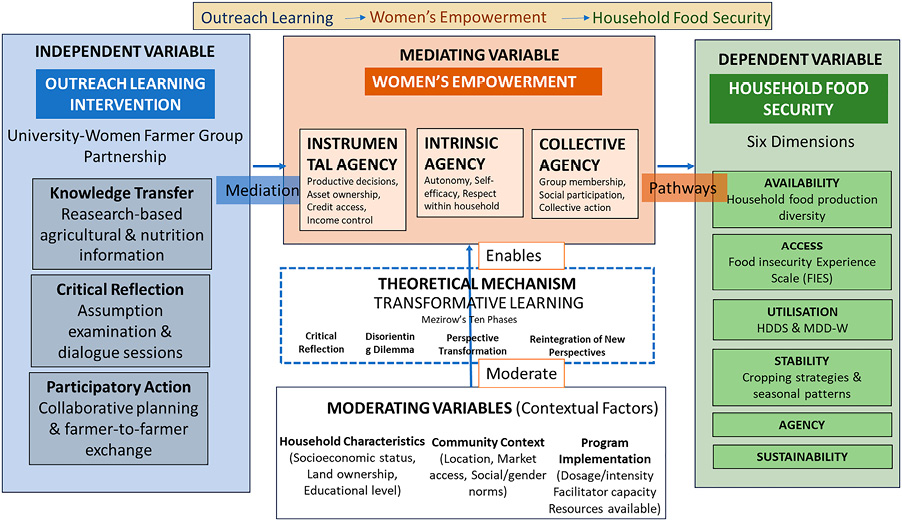
Figure 1. Conceptual framework linking outreach learning to household food security through women’s empowerment as a mediating pathway, moderated by household, community and program implementation factors
Women’s empowerment serves as the mediating variable encompassing three domains: instrumental agency (productive decisions, asset ownership, credit access and income control), intrinsic agency (autonomy, self-efficacy and respect) and collective agency (group membership and social participation). The positioning of empowerment as a mediator reflects the theoretical proposition that transformative learning generates changes in agency through perspective transformation, which, in turn, influences practices and outcomes within household food systems. Transformative learning serves as the theoretical mechanism linking educational inputs to empowerment and food security outcomes, where Mezirow’s ten phases – from disorienting dilemma to reintegration of new perspectives – are applied to optimise home gardens for household food security.
The dependent variable encompasses all six food security dimensions: availability (household food production diversity), access (measured through the Food Insecurity Experience Scale), utilisation (Household Dietary Diversity Score and Minimum Dietary Diversity for Women), stability (coping strategies and seasonal patterns), agency (decision-making autonomy in food-related matters) and sustainability (adoption of sustainable agricultural practices). The framework acknowledges contextual factors as moderating variables, including household characteristics (socioeconomic status, land ownership and education), community context (location, markets and social norms) and program implementation factors (dosage, facilitator capacity and resources).
This conceptual framework advances outreach learning theory by demonstrating how transformative education principles can be operationalised in agricultural extension settings through women’s collective action structures, responding to calls by Hoggan and Finnegan (2023) for research examining collective and societal transformations rather than individual learning alone.
Literature Review: Integrating Outreach Learning With Community Food Security
This study drew upon four interconnected theoretical foundations – outreach learning, transformative learning, food security and women’s empowerment – to examine how university-based educational interventions can contribute to community food security when delivered through women’s organisations. The following review synthesises these foundations, identifies critical gaps in the empirical literature and establishes the rationale for the present intervention.
Educational Outreach Approaches for Transformative Learning
Outreach learning constitutes a systematic educational approach that extends university knowledge and expertise to communities through non-formal programs designed to foster behavioural change across cognitive, attitudinal, practical and skill-based dimensions (Westfall-Rudd, Vengrin & Elliott-Engel 2022). Whilst this approach has roots in the Cooperative Extension System of the United States, its relevance to the Indonesian context is direct: Indonesia’s agricultural extension system, formalised through Presidential Regulation 35/2022 (Regulatory Database 2022). Similarly, it emphasises partnerships between educational institutions and rural communities to promote agricultural development and food security.
Within extension education, Anderson and Feder (2007) identified four principal paradigms arranged along two axes – paternalistic versus participatory, and persuasive versus educative. The technology transfer paradigm focuses on the adoption of specific technologies through top-down communication. The advisory paradigm involves consulting on farmer-identified problems whilst retaining expert-driven solutions. The human resource development paradigm emphasises capacity building through structured pedagogical methods. The facilitation-for-empowerment paradigm, which is the most relevant to this study, employs experiential learning and farmer-to-farmer exchange to promote autonomous decision-making. This last paradigm is considered the most effective for generating sustainable behavioural change because it positions learners as active participants in constructing knowledge rather than as passive recipients of externally determined information (Anderson & Feder 2007).
The facilitation-for-empowerment paradigm connects directly to transformative learning theory, which provides the theoretical mechanism explaining how participatory education can produce lasting change beyond technical skill acquisition. Developed by Mezirow, transformative learning is a process that results in significant and irreversible changes in how a person experiences, conceptualises and interacts with the world (Hoggan & Finnegan 2023). Mezirow identified ten sequential phases in perspective transformation, beginning with a disorienting dilemma that challenges existing assumptions, progressing through critical self-examination and exploration of new roles, and culminating in the reintegration of new perspectives into one’s life (Eschenbacher & Fleming 2020). The theory emphasises that effective adult learning requires critical reflection and participation in rational discourse, enabling individuals to become autonomous thinkers capable of negotiating their own values, meanings and purposes (McClain 2024).
The connection between transformative learning and agricultural extension is significant. Whilst the facilitation paradigm describes the pedagogical approach, transformative learning theory explains the psychological and epistemological mechanisms through which that approach produces durable change. In agricultural contexts, the application of transformative learning principles has demonstrated efficacy in shifting farmers’ perspectives towards sustainable practices through experiential methods and peer exchange (Rizzo et al. 2023). However, as subsequent empirical review will demonstrate, many extension programs achieve knowledge gains without behavioural change precisely because they lack the critical reflection and perspective transformation components that distinguish transformative learning from conventional information transfer.
Food Security as a Multidimensional Outcome
Food security, as defined by the World Food Summit of 1996 and reinforced by the Food and Agriculture Organization (FAO), refers to the condition wherein all people, at all times, have physical, social and economic access to sufficient, safe and nutritious food that meets their dietary needs and food preferences for an active and healthy life (FAO 2026). The traditional framework encompasses four dimensions: availability (adequate food supply through production, distribution and exchange), access (economic and physical capacity to obtain food), utilisation (nutrient intake and dietary quality) and stability (continuity of the preceding dimensions over time) (WHO 2025).
Recent developments propose two additional dimensions: agency (reflecting individuals’ and communities’ capacity to make decisions about their food systems and participate in shaping food policies) and sustainability (emphasising practices that contribute to long-term regeneration of natural, social and economic systems) (HLPE 2020). This six-dimensional framework is particularly relevant to the present study because the agency and sustainability dimensions align with the transformative learning emphasis on autonomous decision-making and the adoption of sustainable practices, suggesting that educational interventions targeting perspective transformation may influence food security through pathways beyond production and income alone.
Home gardens have been recognised as promising interventions for enhancing household food security through three principal impact pathways: the production pathway, which increases the availability of nutritious foods through diversified cultivation; the income pathway, which generates revenue through surplus sales, enabling food purchases; and the knowledge pathway, which improves nutritional awareness and dietary practices through experiential engagement with food production (Gwacela et al. 2024; Ritter et al. 2024). The integration of home gardens with community-based programs has demonstrated positive impacts on dietary diversification and women’s empowerment when combined with nutrition education and participatory activities (Shrestha, Maraseni & Apan 2025).
Women’s empowerment in agriculture is a multidimensional process that enhances agency, self-efficacy and decision-making capacity in both productive and domestic domains (Quisumbing et al. 2023). The conceptualisation and measurement of empowerment have evolved significantly since the development of the Women’s Empowerment in Agriculture Index (WEAI) by the United States Agency for International Development (USAID), the International Food Policy Research Institute (IFPRI) and the Oxford Poverty and Human Development Initiative (OPHI) as the first comprehensive instrument for capturing empowerment levels within the agricultural sector (IFPRI 2026). The more recent project-level WEAI (pro-WEAI) categorises empowerment into three domains: instrumental agency (productive decisions, asset ownership, credit access and income control), intrinsic agency (autonomy and self-efficacy) and collective agency (group membership and social participation) (Quisumbing et al. 2023). Women’s self-help groups have proven effective platforms for promoting empowerment, with evidence demonstrating an 8–13 per cent increase in decision-making roles and improved access to agricultural information (Pradhan et al. 2023).
Synthesis of Empirical Evidence and Identification of Gaps
Despite these theoretical advances, empirical investigations across multiple countries reveal persistent limitations in integrating outreach learning with multidimensional food security outcomes. In India, the Farmer Farm Innovation Resources Science Technology (FIRST) program, implemented across 15 agroecological zones, demonstrated improvements in food availability and dietary diversity through participatory extension. However, evaluation by Venkatesan et al. (2024) found that the program failed to conceptualise how transformative learning processes could produce sustainable behavioural change, leaving long-term sustainability uncertain. Similarly, the Kumar et al. (2024) study of nutrition interventions delivered through self-help groups, which reached 2500 rural women, found no significant impact on body mass index or dietary diversity despite increased consumption of nutritious foods – a finding attributed to low implementation intensity and weak facilitator capacity to apply experiential learning principles. Similar challenges have been observed elsewhere. Agricultural extension programs in Kenya enhanced nutrition knowledge but failed to shift consumption patterns (Keding et al. 2022), and family agriculture initiatives in Brazil raised women’s awareness of their economic contributions without achieving a deeper perspective transformation (Women 2019). Both point to the limits of cognitive interventions in the absence of transformative learning.
In Indonesia, the Sustainable Food Garden Programme (Program Pekarangan Pangan Lestari [P2L]) implemented through women farmer groups (Kelompok Wanita Tani [KWT]) demonstrated effectiveness in enhancing household food availability during the COVID-19 pandemic (Agustina 2023). However, program evaluations have not examined how outreach learning dimensions can be systematically integrated with multidimensional food security outcomes – a significant gap given Indonesia’s policy emphasis on agricultural extension and the strategic role of women’s organisations in community food security.
These studies collectively reveal four critical gaps. The first is a weak theoretical conceptualisation linking extension paradigms with multidimensional food security frameworks, with most studies treating educational interventions as technical inputs rather than transformative processes. Second, minimal utilisation of validated empowerment indicators limits the measurement of the agency dimension of food security. Third, the mechanisms through which educational interventions produce lasting behavioural change remain insufficiently explained. Fourth, evaluative frameworks integrating transformative learning with food security outcomes are notably absent. The present study sought to address these gaps through an intervention that explicitly integrates outreach learning with transformative education principles, delivered through a university–women’s organisation partnership.
Methods
Study Design
This study adopted a convergent mixed-methods evaluation design. Quantitative pre–post outcome assessments were conducted with 35 participants, and qualitative process analysis was derived from focus group discussions, in-depth interviews and reflective journals. Data were collected concurrently and analysed separately before integration during interpretation (Fetters, Curry & Creswell 2013). The single-group pre–post design was selected, given the practical constraints of working within a single community partnership; the absence of a comparison group is acknowledged as a limitation that restricts causal attribution.
Study Context and Participants
The study was conducted in Pangkah Kulon Village, Gresik Regency, East Java, Indonesia (6°54′56.2″ S; 112°32′28.4″ E), a semi-rural coastal area at 7 m above sea level with an average temperature of 27.17°C and air humidity of 83.58 per cent. The site is characterised by small household landholdings and underutilised yard spaces.
There were 35 participants who were all female members of the BBA Ujung Pangkah (Table 1), selected through purposive sampling from approximately 280 registered members. The selection criteria included the following: (1) voluntary interest and commitment to the full program duration; (2) availability of yard space (minimum 5 m2); (3) attendance at initial orientation meetings; and (4) willingness to share yard space for group learning. All participants were married women with children; 80 per cent were housewives, and 20 per cent engaged in small-scale trade. Participants ranged in age from 36 to 65 years and represented diverse economic backgrounds (lower-middle to middle class), with gardening experience ranging from complete beginners to those with basic traditional knowledge. Two undergraduate students from the Agrotechnology Department served as facilitators.
Outreach Learning Intervention
The intervention was delivered over 6 months (February – July 2025) through a university–women farmer group partnership, operationalised via four interconnected components: knowledge transfer (research-based horticultural information), experiential learning (demonstration plots and hands-on practice), critical reflection (assumption examination and dialogue sessions) and participatory action (collaborative planning and farmer-to-farmer exchange). Activities comprised weekly cultivation sessions (≥12) and six biweekly facilitated reflection sessions. A shared 7.2-m2 demonstration plot functioned as a collective learning space, complemented by application in individual home gardens. Four crop types – cucumbers (F1 Harmonie), yardlong beans (Guarda), chillies (F1-Dewata) and honey pumpkins (F1-honey pumpkin) – were selected based on agro-climatic suitability, participant preferences and economic value. Average participant time commitment was approximately 4–6 hours per week across cultivation activities and group sessions.
Data Collection
Quantitative instruments included a 30-item horticultural knowledge pre–post test covering three domains (crop selection, cultivation techniques and post-harvest management), scored on correct/incorrect items and converted to percentage scores. A ten-domain skills observation checklist assessed practical competencies on a 5-point Likert scale (1 = very weak to 5 = robust). Productivity and yield records were collected at each harvest cycle (60–90 days after planting), and an economic analysis worksheet recorded costs and revenues. Qualitative data were generated through two focus group discussions (baseline n = 33; post-intervention n = 30), 15 in-depth interviews and 24 reflective journal entries. Data were collected across four phases: baseline, implementation, immediate post-intervention and a 5-month follow-up.
Data Analysis
Quantitative Analysis
All quantitative analyses were conducted using SPSS version 26. Descriptive statistics (means, standard deviations, frequencies and percentages) were computed for all variables. Paired-samples t-tests compared pre-test and post-test knowledge scores, with effect sizes calculated using Cohen’s d (small = 0.2, medium = 0.5 and large = 0.8). Percentage change was calculated as [(post-test mean – pre-test mean)/pre-test mean] × 100. Cronbach’s alpha was computed for each knowledge subscale to assess internal consistency reliability. Productivity analysis included yield extrapolation from the 7.2-m2 plot to per-hectare equivalents using the following formula: yield (tons/ha) = [harvest weight (kg)/plot area (m2)] × 10 000/1000. Economic analysis included Revenue/Cost (R/C = Total Revenue/Total Costs) and Benefit/Cost (B/C = Net Profit/Total Costs) ratios. Statistical significance was set at p < 0.05.
Qualitative Analysis
Qualitative data from focus group discussions (FGDs), in-depth interviews and reflective journals were analysed using reflexive thematic analysis following Braun and Clarke (2008). Two researchers independently coded transcripts before reaching consensus on themes. Themes were developed inductively from the data and organised around the dimensions of empowerment and transformative learning processes. Quantitative and qualitative findings were integrated during interpretation to provide a comprehensive understanding of intervention processes and outcomes.
Limitations
Several methodological limitations should be noted. First, the single-group pre–post design without a comparison group means that observed changes cannot be causally attributed to the intervention alone; maturation, history and regression to the mean represent plausible alternative explanations. Second, the single-site implementation with 35 purposively selected participants limits generalisability. Third, self-report measures in the knowledge test and qualitative interviews are subject to social desirability bias, particularly given the close relationships developed during the program. Fourth, productivity data derive from a single 7.2-m2 demonstration plot under supervised conditions; extrapolation to per-hectare equivalents and to individual home gardens involves considerable uncertainty. Fifth, the short follow-up horizon (5 months) limits conclusions about long-term sustainability. Sixth, no validated food security instruments (e.g., Household Food Insecurity Access Scale and dietary diversity scores) or empowerment indices (e.g., pro-WEAI) were administered; therefore, claims about food security and empowerment are inferred from proxy measures and qualitative evidence rather than direct measurement. Future studies should employ quasi-experimental or randomised designs with validated instruments to address these limitations.
Program Implementation
Partnership Development and Service-Learning Framework
The program was conducted as an integrated component of the Applied Agricultural Extension course, Faculty of Agriculture, Universitas Muhammadiyah Gresik. Two undergraduate students in their sixth semester served as facilitators, supported by two faculty supervisors. The partnership developed when BBA leadership approached the university in early 2025 seeking technical assistance for food security initiatives. Students underwent 4 weeks of preparatory coursework covering participatory development approaches, crop cultivation technology, agribusiness management and agricultural extension before beginning fieldwork.
Implementation Process
The initial FGD (15 April 2025) achieved 94 per cent attendance (33 of 35 participants). Collaborative planning established activity location, schedule and crop selection. A land-suitability survey assessed environmental conditions and soil quality. Thematic analysis of FGD data identified participants’ priorities: practical cultivation knowledge, preference for crops with high economic value and short harvest cycles, constraints related to soil quality and water availability, and desire to increase food availability and reduce expenses. Implementation comprised collaborative material preparation (joint decision-making on seed varieties), land preparation (1.2 × 6 m plots), shared maintenance responsibilities (twice-weekly sessions) and collaborative harvesting with economic assessment. Detailed implementation procedures are provided in Appendices 1 and 2.
The 2.5-hour FGD was facilitated by two faculty members with two student facilitators as note-takers, conducted in Bahasa Indonesia with occasional use of the local Javanese dialect, audio-recorded with participants’ consent and transcribed verbatim. Transcripts were analysed using reflexive thematic analysis (Braun & Clarke 2008), with two researchers independently coding the data and resolving differences through iterative discussion and member-checking with two participants during a follow-up session. The four priorities identified above warrant further elaboration. Participants’ demand for practical, hands-on knowledge reflected dissatisfaction with previous extension activities perceived as too abstract – as one participant observed, ‘We have attended training before, but when we returned home, we forgot what to do first. We need to learn while practising directly.’ Their preference for short-cycle crops (60–90 days) reflected concerns about uncertain water availability and competing household responsibilities and directly informed the final crop selection. Soil compaction, low fertility and irregular dry-season water supply were identified as the main technical barriers, with several participants reporting previous unsuccessful attempts that had eroded their confidence. Aspirations to increase food availability and reduce expenses were often framed in terms of religious and social responsibility within the Aisyiyah community. These qualitative findings shaped the intervention design in three concrete ways: the curriculum prioritised demonstration-based learning over classroom instruction, crop selection was determined collaboratively rather than prescribed by facilitators, and soil preparation and water management received additional emphasis during the early implementation phase.
Results
Knowledge and Skills Outcomes
Pre- and post-test results showed a significant increase in horticultural knowledge, with an overall increase of 69.9 per cent (p < 0.001). Effect sizes were large across all domains (Table 2). Internal consistency was acceptable for each subscale (Cronbach’s α range: 0.71–0.82).
Note: Cohen’s d is calculated as (M_post − M_pre)/SD_pooled.
Skill evaluation results (Table 3) indicate generally strong competency levels. Mean scores ranged from 2.8 to 3.5, with the majority achieving at least adequate competency (score ≥ 3) in nine of ten domains. The highest performance was in plant maintenance (M = 3.5), land processing (M = 3.4) and watering (M = 3.3). Pest and disease control showed the lowest performance (M = 2.8; 65.7 per cent reaching adequate levels), indicating greater variability and learning challenges in this domain.
Productivity Outcomes
Harvest data from the shared 7.2-m2 demonstration plot are presented in Figure 2. Note that these yields were obtained under supervised conditions on the shared plot; yields from individual home gardens were not systematically recorded. Per-hectare extrapolation was calculated using the following formula based on cumulative harvests across multiple events within the growing cycle (60–90 days after planting, depending on the crop): yield (tons/ha) = [harvest weight (kg)/7.2 m2] × 10 000/1000.
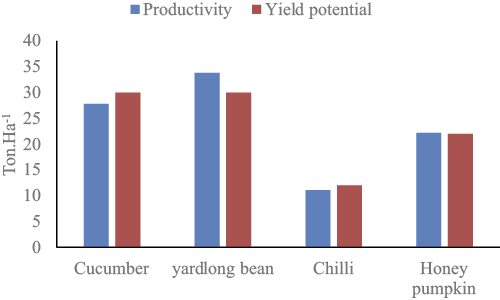
Figure 2. Horticultural crop productivity in home garden land
Cucumbers produced 20 kg (equivalent to 27.8 tons/ha), yardlong beans 24 kg (33.8 tons/ha), chillies 8 kg (11.1 tons/ha) and honey pumpkins 16 kg (22.2 tons/ha). Harvest quality analysis showed that 85 per cent of cucumbers, 90 per cent of yardlong beans, 75 per cent of chillies and 88 per cent of honey pumpkins met Grade A quality standards (defined as meeting commercial standards for size, shape uniformity and freshness without visible defects). These per-hectare extrapolations should be interpreted cautiously, as small-plot yields under intensive management may not scale linearly. No pre-program baseline yields were available for comparison, and comparisons with national averages are approximate due to differences in growing conditions, input levels and measurement methods.
Economic Analysis
Economic analysis (Table 4) shows a total production cost of IDR 1 250 000 (approximately USD 78 at IDR 16 000/USD, March 2025 rate) for the 7.2-m2 plot, yielding total revenue of IDR 2 904 000 (USD 182) and net profit of IDR 1 654 000 (USD 103), resulting in an R/C ratio of 2.32 and a B/C ratio of 1.32, where R/C = Total Revenue/Total Costs and B/C = (Revenue − Costs)/Costs. The initial investment was provided by the university research grant fund. Importantly, produce was sold through the Muhammadiyah charity organisation rather than consumed by participant households, meaning the primary pathway to food security in this intervention was income-mediated (economic access) rather than direct consumption (availability/utilisation). Labour and time costs of participants were not monetised in this analysis, which should be considered when interpreting economic feasibility. Prices reflect local market rates at the time of harvest (March – May 2025).
*Home garden land belongs to partners; land rental not calculated.
Sensitivity analysis suggests that the model remains profitable, with selling price decreases of up to 40 per cent or production cost increases of up to 50 per cent, assuming that yields remain constant. The break-even point occurs at approximately 45 per cent of actual output. These projections assume consistent market conditions and do not account for potential yield variability across seasons or labour opportunity costs.
Sustainability and Social Impact
In-depth interviews and post-intervention FGD (5 months after program completion) identified several themes related to sustainability (Table 5). Notably, 68.6 per cent of participants had begun applying similar cultivation techniques in their own yards, and 48.6 per cent had expanded to crop varieties beyond those introduced in the program. The ‘Home Garden Pantry of Aisyiyah’ was established with 88.6 per cent of participants as members, functioning as a platform for peer learning and seed exchange. Two additional Aisyiyah branches (Sidayu and Dukun districts) independently initiated similar programs with initial assistance from program participants, although it is too early to assess the outcomes of these replications. Seed saving was practised by 37.1 per cent of participants.
Qualitative Evidence of Empowerment Processes
Whilst no validated empowerment instrument (such as pro-WEAI) was administered, qualitative analysis identified dimensions of empowerment across multiple domains. Psychological empowerment was evidenced by participants’ reported increases in self-efficacy and confidence in managing productive resources. As one participant stated:
I thought gardening was complicated and required a large land area. It turns out that with the right techniques, even a small yard can produce enough vegetables for the family (Inayah, 45 years old).
Social empowerment was reflected in the formation and active functioning of the Home Garden Pantry as both a technical forum and a social support system. Evidence of increased participation in household decision-making, particularly regarding resource allocation, was reported. Whilst this evidence draws on self-report, it represents a meaningful indicator of shifting gender dynamics within the household and a promising foundation for future research employing validated empowerment instruments such as pro-WEAI.
Pedagogical Reflection: Student Facilitator Learning
Analysis of student reflective journals revealed patterns of transformative learning relevant to outreach learning pedagogy. Students’ language shifted from ‘teaching’ and ‘knowledge transfer’ to ‘learning together’ and ‘knowledge dialogue’, reflecting epistemological shifts about how knowledge is produced and shared. Students developed cultural competence in navigating gender, religious and socioeconomic dynamics within the BBA context and moved from ‘problem-solving’ to ‘problem-posing’ orientations – questioning assumptions about yard underutilisation as a ‘problem’. The analysis of journal entries suggests that outreach learning models offer reciprocal educational benefits and points to important next steps for future research.
Discussion
The findings suggest that the outreach learning intervention contributed to meaningful improvements in participants’ horticultural knowledge, skills and productivity, with promising indicators of sustainability and empowerment. However, several important qualifications frame the interpretation of these results.
Technical and Economic Outcomes
The 69.9 per cent increase in horticultural knowledge (p < 0.001) with large effect sizes across all domains is consistent with findings from farmer field school evaluations that combine theory and practice (van den Berg & Jiggins 2007; Kilelu, Klerkx & Leeuwis 2014). The B/C ratio of 1.32 indicates economic viability, although this figure should be interpreted with awareness that labour costs were excluded and initial investment was externally funded. Additionally, the productivity extrapolations from a 7.2-m2 supervised plot to per-hectare equivalents involve substantial uncertainty and should not be considered representative of what individual gardeners would achieve under unsupervised conditions.
The Food Security Pathway
A critical finding is that produce from the program was predominantly sold through the Muhammadiyah charity organisation rather than consumed by participant households. This means that the primary pathway to food security was income-mediated – through improved economic access – rather than through direct increases in household food availability or dietary diversity. No consumption or dietary data were collected, so direct improvements in household food security cannot be claimed. The income generated (B/C ratio of 1.32) plausibly contributes to food access, but the pathway from income to improved nutrition is mediated by purchasing decisions and market availability, which were not assessed. Future iterations should incorporate measures of household dietary diversity and track the proportion of produce consumed versus sold to better characterise the food security pathway.
Empowerment as Qualitatively Inferred
The conceptual framework positioned women’s empowerment as a mediating mechanism, drawing on the pro-WEAI framework. However, no pro-WEAI or other validated empowerment instrument was administered. Empowerment dimensions identified through qualitative analysis – increased self-efficacy, strengthened social networks through the Home Garden Pantry and reported increases in household decision-making participation – are therefore inferred rather than measured. These qualitative findings align with systematic reviews indicating that agricultural projects combining skill-building, asset provision and female engagement yield empowerment outcomes (Gartaula et al. 2025), but the absence of validated measures limits the strength of the claims. Future research should explore empowerment dimensions and the proposed mediating pathway through multiple methodological approaches, including validated quantitative instruments such as pro-WEAI, as well as in-depth qualitative methods such as longitudinal interviews, participatory action research and narrative inquiry. Doing so would recognise that the complexity of women’s empowerment processes may be more fully understood through methodological pluralism than through quantification alone.
Transformative Learning and Epistemic Justice
The qualitative evidence suggests that the intervention went beyond conventional technology transfer to foster elements of transformative learning. The epistemological dialogue between scientific recommendations and local practices – exemplified by negotiations over fertiliser applications – represents a form of knowledge co-creation where diverse epistemic traditions interact (Carrera & Levidow 2025). The development of problem-posing orientations among student facilitators and the reported identity shifts among participants from ‘ordinary housewives’ to ‘knowledge producers’ suggest perspective transformation consistent with Paprock’s (1992) framework. However, these observations were drawn from a small sample in a specific cultural and institutional context, and the durability of such transformations requires longer-term investigation.
Sustainability and Replication
The sustainability indicators – particularly the 68.6 per cent continuation rate, the establishment of the Home Garden Pantry and the independent adoption by two additional Aisyiyah branches – are encouraging. The two replicating branches (Sidayu and Dukun) have initiated similar programs with mentoring support from original participants, although no outcome data are yet available from these sites. Context-specific factors – including the institutional capacity of the Aisyiyah network, local agro-climatic conditions, market access and community social dynamics – may moderate replication success in different settings. The role of the existing Aisyiyah organisational infrastructure in facilitating both the original program and its replication warrants emphasis; similar interventions in communities without comparable organisational platforms may require different implementation strategies.
Lessons Learned and What We Would Do Differently
Several lessons emerged. First, incorporating validated food security and empowerment instruments from baseline would have substantially strengthened the evidence base. Second, systematic recording of individual home garden yields alongside the demonstration plot would have provided more robust productivity evidence. Third, the intensive facilitation model, whilst effective, raises questions about its scalability without the level of university support provided. Fourth, the dominance of selling over household consumption suggests that future iterations should explicitly address nutrition education and encourage participants to retain a portion of produce for household consumption to strengthen the direct availability/utilisation pathway to food security.
Conclusion
This study reported on a community engagement program that combined outreach learning, home garden optimisation and partnership with a women’s organisation to contribute to food security in a semi-rural Indonesian context. The intervention was associated with significant improvements in horticultural knowledge (69.9 per cent), productivity from a shared demonstration plot and economic viability (B/C ratio 1.32), with the primary food security pathway being income-mediated rather than consumption-based. Qualitative evidence suggests that the program fostered dimensions of empowerment – including increased self-efficacy, social network formation and participation in household decision-making – although these were inferred from qualitative data rather than validated instruments. Sustainability indicators at 5 months are promising, with the majority of participants continuing, and there was independent model adoption by two additional communities.
Key limitations include the single-group design without a comparison group, single-site implementation, small sample size, the absence of validated food security and empowerment measures, and reliance on demonstration plot data rather than individual garden data. Findings should therefore be interpreted as plausible contributions of the intervention rather than causally established effects. Future research should adopt longitudinal designs across diverse agro-ecological and socio-cultural contexts to assess whether the empowerment trajectories and food security outcomes observed here generalise beyond the Aisyiyah organisational setting.
Acknowledgements
The authors thank the Higher Education Research and Development Council of the Muhammadiyah Central Leadership (Diktilitbang PP Muhammadiyah) for supporting this activity through the RisetMu Batch VIII Research Grant (2024/2025). Thanks are also expressed to Branch Board Aisyiyah (BBA) of Ujung Pangkah and District Board Aisyiyah (DBA) of Gresik for their active participation and to the Research and Community Service Institute (RCSI) of Universitas Muhammadiyah Gresik for facilitating the program.
References
Agustina, R 2023, ‘Optimizing village seedling gardens through refugia plant nursery activities in women farmers groups in Lamongan Regency’, Journal of Innovation and Applied Technology, vol. 9, no. 1, pp. 77–81. https://doi.org/10.21776/ub.jiat.2023.009.01.13
Anderson, JR & Feder, G 2007, ‘Agricultural extension’, Handbook of Agricultural Economics, vol. 3, pp. 2343–78. https://ideas.repec.org/h/eee/hagchp/5-44.html. https://doi.org/10.1016/S1574-0072(06)03044-1
Berg, HV den & Jiggins, J 2007, ‘Investing in farmers—the impacts of farmer field schools in relation to integrated pest management’, World Development, vol. 35, no. 4, pp. 663–86. https://doi.org/10.1016/j.worlddev.2006.05.004
Berretta, M, Kupfer, M, Shisler, S & Lane, C 2023, ‘Rapid evidence assessment on women’s empowerment interventions within the food system: A meta-analysis’, Agriculture & Food Security, vol. 12, no. 13. https://doi.org/10.1186/s40066-023-00405-9
BPK 2022, Presidential regulation (Perpres) no. 35 of 2022 on strengthening agricultural extension functions, https://peraturan.bpk.go.id/Details/201275/perpres-no-35-tahun-2022
BPS 2023, Kecamatan Ujungpangkah dalam angka 2023, https://gresikkab.bps.go.id/id/publication/2023/09/26/ad2499c7283dcfd2017a51c1/kecamatan-ujungpangkah-dalam-angka-2023.html
Braun, V & Clarke, V 2008, ‘Using thematic analysis in psychology’, Qualitative Research in Psychology, vol. 3, no. 2, pp. 77–101. https://doi.org/10.1191/1478088706qp063oa
Carrera, J & Levidow, L 2025, ‘Introduction: Participatory knowledge co-production’, Science as Culture, vol. 34, no. 1, pp. 1–12. https://doi.org/10.1080/09505431.2024.2410718
Clapp, J, Moseley, WG, Burlingame, B & Termine, P 2022, ‘Viewpoint: The case for a six-dimensional food security framework’, Food Policy, vol. 106, pp. 102164. https://doi.org/10.1016/j.foodpol.2021.102164
Eschenbacher, S & Fleming, T 2020, ‘Transformative dimensions of lifelong learning: Mezirow, Rorty and COVID-19’, International Review of Education, vol. 66, nos. 5–6, pp. 657–72. https://doi.org/10.1007/s11159-020-09859-6
FAO 2026, The status of women in agrifood systems, Food and Agriculture Organization of the United Nations, https://www.fao.org/gender/the-status-of-women-in-agrifood-systems
Fetters, MD, Curry, LA & Creswell, JW 2013, ‘Achieving integration in mixed methods designs: Principles and practices’, Health Services Research, vol. 48, no. 6, pp. 2134–56. https://doi.org/10.1111/1475-6773.12117
Gartaula, HN, Atreya, K, Sapkota, A, Mukhopadhyay, P, Chadha, D & Puskur, R 2025, ‘A systematic review of agricultural projects’ contributions to women’s empowerment’, NPJ Sustainable Agriculture, vol. 3, no. 22. https://doi.org/10.1038/s44264-025-00061-5
Gwacela, M, Ngidi, MSC, Hlatshwayo, SI & Ojo, TO 2024, ‘Analysis of the contribution of home gardens to household food security in Limpopo Province, South Africa’, Sustainability, vol. 16, no. 6. https://doi.org/10.3390/su16062525
HLPE 2020, ‘A Report by the High Level Panel of Experts on Food Security and Nutrition of the Committee on World Food Security’, Food Security and Nutrition: Building a Global Narrative towards 2030, vol. 15, Rome.
Hoggan, C & Finnegan, F 2023, ‘Transformative learning theory: Where we are after 45 years’, New Directions for Adult and Continuing Education, no. 177, pp. 5–11. https://doi.org/10.1002/ace.20474
IFPRI 2026, Women’s empowerment in agriculture index (WEAI), International Food Policy Research Institute, https://weai.ifpri.info/
Keding, GB, Gramzow, A, Ochieng, J, Laizer, A, Muchoki, C, Onyango, C, Hanson, P & Yang, RY 2022, ‘Nutrition integrated agricultural extension: A case study in Western Kenya’, Health Promotion International, vol. 37, no. 2. https://doi.org/10.1093/heapro/daab142
Kilelu, CW, Klerkx, L & Leeuwis, C 2014, ‘How dynamics of learning are linked to innovation support services: Insights from a smallholder commercialization project in Kenya’, Journal of Agricultural Education and Extension, vol. 20, no. 2, pp. 213–32. https://doi.org/10.1080/1389224X.2013.823876
Kumar, N, Raghunathan, K, Quisumbing, A, Scott, S, Menon, P, Thai, G, Gupta, S & Nichols, C 2024, ‘Women improving nutrition through self-help groups in India: Does nutrition information help?’, Food Policy, vol. 128, pp. 102716. https://doi.org/10.1016/j.foodpol.2024.102716
McClain, AL 2024, ‘New developments in transformative learning’, New Directions for Adult and Continuing Education, no. 184, pp. 20–29. https://doi.org/10.1002/ace.20540
Paprock, KE 1992, ‘Review of transformative dimensions of adult learning’, Adult Education Quarterly, vol. 42, no. 3, pp. 195–97. https://doi.org/10.1177/074171369204200309
Pradhan, MR, Unisa, S, Rawat, R, Surabhi, S, Saraswat, A, Reshmi, RS & Sethi, V 2023, ‘Women empowerment through involvement in community-based health and nutrition interventions’, PLOS ONE, vol. 18, no. 4, e0284521. https://doi.org/10.1371/journal.pone.0284521
Quisumbing, A, Cole, S, Elias, M, Faas, S, Galiè, A, Malapit, H, Meinzen-Dick, R, Myers, E, Seymour, G & Twyman, J 2023, ‘Measuring women’s empowerment in agriculture: Innovations and evidence’, Global Food Security, vol. 38, pp. 100707. https://doi.org/10.1016/j.gfs.2023.100707
Ritter, T, Mockshell, J, Garrett, J, Ogutu, S & Asante-Addo, C 2024, ‘A process evaluation of a home garden intervention’, Agriculture & Food Security, vol. 13, no. 44. https://doi.org/10.1186/s40066-024-00499-9
Rizzo, G, Migliore, G, Schifani, G & Vecchio, R 2023, ‘Key factors influencing farmers’ adoption of sustainable innovations: A systematic literature review’, Organic Agriculture, vol. 14, no. 1, pp. 57–84. https://doi.org/10.1007/s13165-023-00440-7
Shrestha, S, Maraseni, T & Apan, A 2025, ‘Enhancing food security through home gardening: A case study in Phoukhoud District, Lao PDR’, Agriculture, vol. 15, no. 7. https://doi.org/10.3390/agriculture15070716
Storhaug, I & Engelbert, M 2024, Final update to living food systems E&GM, International Initiative for Impact Evaluation, https://www.3ieimpact.org/blogs/final-update-living-food-systems-egm-new-studies-address-gender-transformative-interventions
Ume, C, Wahlen, S, Nuppenau, EA & Domptail, S 2026, ‘Women smallholders build an agroecology food system: The construction of empowerment and food sovereignty’, Journal of Peasant Studies, vol. 53, no. 1, pp. 140–60. https://doi.org/10.1080/03066150.2025.2462760
UN Women 2019, The simple scheme that’s driving a quiet revolution for Brazil’s family farmers, https://www.unwomen.org/en/news/stories/2019/6/feature-story-of-change-revolution-for-brazil-family-farmers
Venkatesan, P, Sivaramane, N, Rao, CS, Venkattakumar, R, Sivakumar, S, Mooventhan, P, Burman, RR, Kalyani, B & Challa, LN 2024, ‘Confronting food insecurity through agricultural interventions: The Farmer FIRST program in India’, Frontiers in Nutrition, vol. 11, pp. 1423599. https://doi.org/10.3389/fnut.2024.1423599
Westfall-Rudd, D, Vengrin, C and Elliott-Engel, J 2022, Teaching in the University: Learning from Graduate Students and Early Career Faculty, Virginia Tech College of Agriculture and Life Sciences in association with Virginia Tech Publishing.
World Health Organization (WHO) 2025, The state of food security and nutrition in the world 2025, World Health Organization, https://www.who.int/publications/m/item/the-state-of-food-security-and-nutrition-in-the-world-2025
Appendix 1
The detailed procedures of the implementation stages:
a. Preparation of materials and tools for cultivating horticultural plants
The materials used for cultivating horticultural crops were yardlong bean seeds of the ‘Guarda’ variety, chillies of the ‘F1 Dewata’ variety and honey pumpkins of the ‘F1’ variety (all produced by the Red Arrow brand) and cucumbers of the ‘F1 Harmonie’ variety (produced by the Flying Ship brand) (Figure 3). NPK Mutiara Fertiliser 16:16:16 and organic fertiliser were prepared. Biological agents were used for pest and disease control. The equipment used included a pot tray for sowing seeds, a shovel, a hoe, mulch, stakes, a water hose, and a bucket.
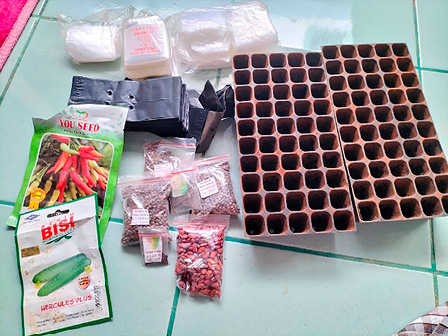
Figure 3. Horticultural plant cultivation materials and tools. Source: Author, 2025.
b. Cultivation of land for horticultural crop production
Home Garden Pantry of Aisyiyah land processing included clearing the land from weeds, tilling the land, and mapping the land (Figure 4). Soil processing involved turning and loosening the soil, followed by mapping, which was carried out to a measurement of 1.2 m × 6 m. The purpose of tillage was to prepare the soil for aeration.
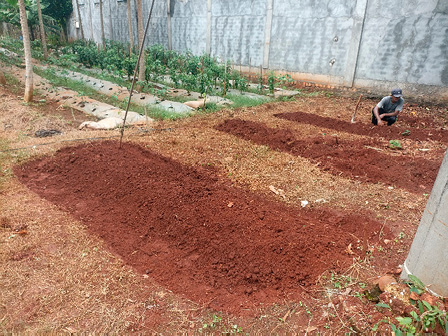
Figure 4. Tilling the land and making mounds. Source: Author, 2025.
c. Installation of mulch
Installing mulch was intended to maintain soil moisture and suppress weed growth (Figure 5). Silver–black plastic mulch was used, with the silver colour on top and the black colour on the inside. Furthermore, planting holes were made according to each plant’s spacing. Holes in the mulch were created using a heated can that produced openings when pressed onto the surface of the mulch.
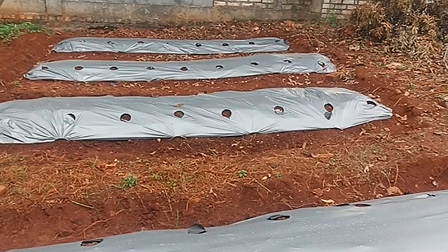
Figure 5. Installation of silver–black plastic mulch. Source: Author, 2025.
d. Seeding for cultivating horticultural crops
Seeding was done to increase the seeds’ growth potential (Figure 6). Comparison was then made of the planting media, following this ratio: 4:1:2 for soil: sand: organic matter. The composite seedling press was placed in a polybag measuring 15 cm × 20 cm (diameter × height). Seed sowing time was 2–3 weeks after sowing.
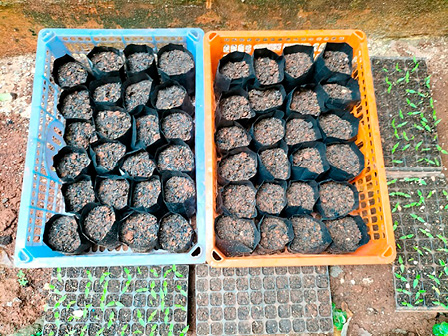
Figure 6. Sowing seeds for yardlong beans, cucumbers, honey pumpkin, and chillies. Source: Author, 2025.
e. Planting horticultural crops
Transplanting was done once the nursery plants had developed 3–4 leaves (Figure 7). Planting was done by opening the polybag and placing the seedling in the hole prepared in the bed. After planting, watering was continued. The distance between each plant was 50 cm × 100 cm for cucumbers; 40 cm × 100 cm for yardlong beans; 60 cm × 50 cm for chillies; and 60 cm × 120 cm for honey pumpkins.
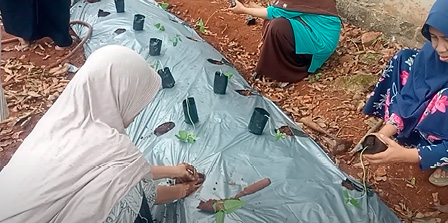
Figure 7. Planting yardlong bean, cucumber, honey pumpkin, and chilli seeds. Source: Author, 2025.
f. Maintenance of horticultural plant cultivation
Plant maintenance encompassed tasks such as installing stakes, watering, fertilising, and controlling pests and diseases. The installation of stakes functioned as a stand for tendril plants (cucumbers, yardlong beans, and honey pumpkins) [Figure 8(a)]. Watering the plants was done at intervals every 2 days. Water was sourced from an artesian well, providing healthy water, and was dispensed using a hose in the living barnyard [Figure 8(b)]. Fertilisation using organic fertiliser at the beginning of planting was done when tilling the soil. The subsequent fertilisation with NPK Mutiara (16:16:16) was carried out at 7 days after planting (dap), 14 dap, when flowers appeared, and when the seeds were filled [Figure 8(c)]. Pest and disease control used biological agents by spraying the soil and plants, with application intervals once every 2 weeks [Figure 8(d)].
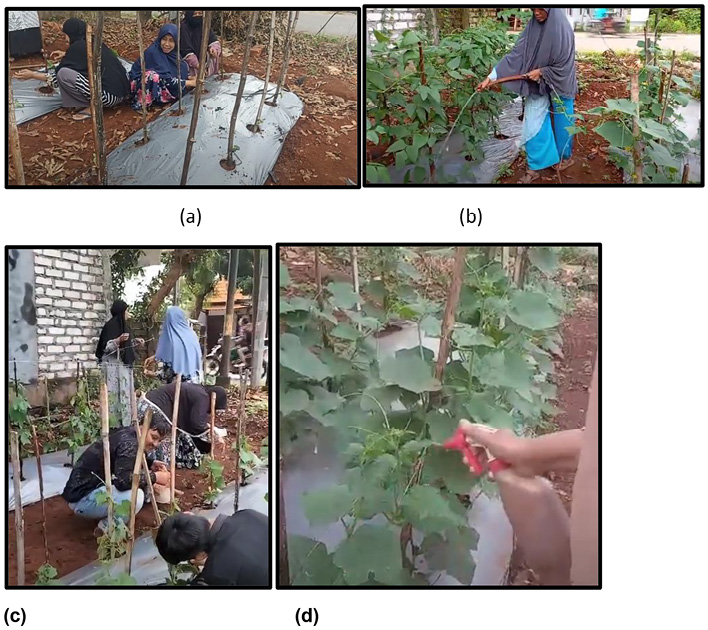
Figure 8. Plant maintenance. (a) installation of stakes; (b) watering; (c) fertilisation; (d) control of pests and plant diseases. Source: Author, 2025.
g. Harvesting of horticultural crop cultivation
Harvesting was carried out when fruits were physiologically ripe (Figure 9). Cucumber, yardlong bean, and honey pumpkin plants were harvested in stages. The average harvest age for cucumbers and yardlong beans is 60 dap, whilst for honey pumpkin, it reaches 80 dap. The harvest age for chillies starts 90 days after planting and is gradual. The following were the harvest results for a bed area of 7.2 m²: 20 kg of cucumbers, equivalent to 27.8 tons.ha-1; 24 kg of yardlong beans, equivalent to 33.8 tons.ha-1; 8 kg chillies, equivalent to 11.1 ton.ha-1; and 16 kg of honey pumpkins, equivalent to 22.2 tons.ha-1.
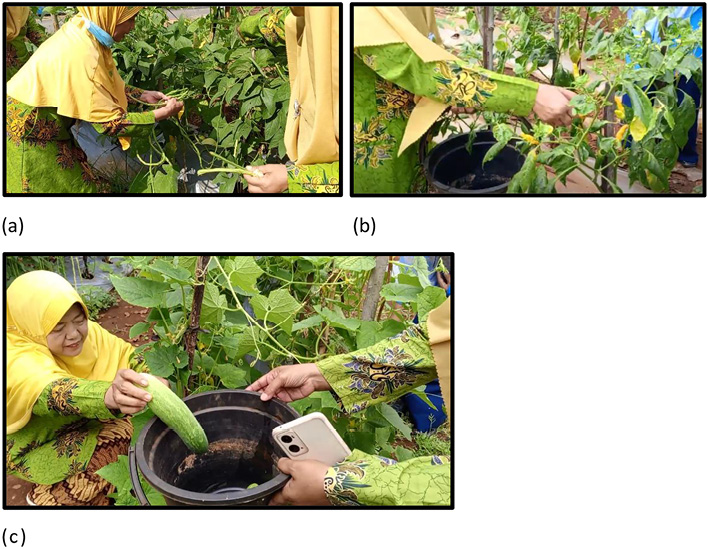
Figure 9. Harvesting: (a) yardlong beans, (b) chillies, and (c) cucumbers. Source: Author, 2025.
Appendix 2
Video YouTube Program Link: