Gateways: International Journal of Community Research and Engagement
Vol. 18, No. 2
July 2025
PRACTICE-BASED ARTICLE
The University-Community Cooperation Framework: Science Hub Case Study
Malgorzata Dziminska*, Aneta Krzewinska
Faculty of Economics and Sociology, University of Łódź, Poland
Corresponding author: Malgorzata Dziminska, malgorzata.dziminska@uni.lodz.pl
DOI: https://doi.org/10.5130/ijcre.v18i2.9481
Article History: Received 06/12/2024; Revised 23/04/2025; Accepted 05/05/2025; Published 07/2025
Abstract
This article presents a university-community cooperation framework developed and tested through the Science Hub UŁ (SH) pilot project, implemented at the University of Łódź in Poland between October 2022 and October 2024. Funded by the Polish Ministry of Science and Higher Education, the initiative aimed to strengthen cross-sectoral collaboration by engaging students, academics and external partners such as businesses, public institutions, and NGOs in tripartite teams tasked with addressing real-world challenges. A total of 41 collaborative projects were carried out across a range of disciplines including the natural, social, and human sciences, with several interdisciplinary and inter-university projects also undertaken.
The article outlines the operational framework, stakeholder engagement strategies, and support mechanisms introduced during the project’s implementation, including call for proposals, tailored training, mentoring and communication efforts. The initiative not only enhanced institutional capacity for cooperation but also fostered the development of enduring partnerships, generated new research and educational outputs and contributed to building the university’s societal impact portfolio.
The SH project also addressed the broader national context in which cooperation with the socioeconomic environment is legally mandated and assessed through education and research evaluation systems. By reflecting on the lessons learnt including challenges related to sustainability, recognition of contributors and the need for strategic alignment this article offers practical recommendations for embedding such initiatives within the structures of higher education institutions. It concludes by positioning the SH as a replicable model that can inform similar efforts both in Poland and internationally, especially in contexts seeking to operationalise meaningful university-community engagement.
Keywords
Higher Education Management; Community Engagement; Cooperation Framework; Science and Society; Science Hub; Poland
Introduction
This article presents the university-community cooperation framework developed through the pilot project titled Science Hub UŁ (SH), conducted at the University of Łódź (UŁ) from 3 October 2022 to 3 October 2024. The SH project aimed to strengthen university-community partnerships and develop a framework for their sustainable operation. This was to be achieved by establishing and supporting collaborative projects within tripartite teams consisting of students, academics and community partners which could include businesses, local communities, public institutions, or non-governmental organisations. The project teams were to address problems identified by the external partner that require a scientific approach to solve. A video explaining the SH concept of trilateral cooperation was produced to raise awareness and promote understanding of the SH model of university-community engagement (https://www.youtube.com/watch?v=zF_8Oapgx2w&t=3s)
As a result of the SH pilot initiative a total of 41 tripartite collaborative projects were carried out, involving 61 students, 40 academic supervisors, and 38 external partners representing business, public institutions and NGOs (Appendix 1). The projects spanned the natural, social and human sciences. For example, the teams tackled challenges such as unwanted crystallisation in lipsticks, the level of participation of Polish female soldiers in missions abroad, and the creation of a glossary of terms related to neurodiversity. In addition, four projects were classified as interdisciplinary and two as inter-university. For example, one interdisciplinary project focused on intellectual property protection in relation to the production of animal tissue extracts and was carried out jointly by biology and law students and supervisors in collaboration with a private company. The inter-university projects were carried out in cooperation between representatives of the University of Łódź and the Medical University of Łódź.
The joint projects were carried out as part of students’ diploma theses, internships, regular university courses or extracurricular activities. They resulted in proposals to address the challenges identified by the external partners as well as in spin-off projects, student placements at partner institutions, conference presentations delivered jointly by partners and academic representatives, press releases, new cooperation agreements or applications for funding, academic articles written by academics (Makowska 2024) as well as articles prepared jointly by teachers and students (Lessman et al. 2024). Three videos have been produced to illustrate the collaborative process and the results achieved in three example projects. (https://www.youtube.com/watch?v=sl5G9Q4UcUs&t=5s
https://www.youtube.com/watch?v=_H4k9pqIOvE
https://www.youtube.com/watch?v=z8ZAx9nSFOU).
By illustrating in detail the implementation of the SH tripartite cooperation initiatives in a higher education setting, this article aims to enrich the repertoire of proven approaches for embedding cross-sectoral cooperation in universities. In this context, the SH project serves as a case study that due to its wide applicability, can inform and inspire other initiatives in national and international contexts.
Contextual information
In the Polish academic context, cooperation with the socioeconomic environment is sanctioned by the Act of 20 July 2018. This legislation mandates two institutions – the Polish Accreditation Committee (PKA) and the Committee for the Evaluation of Research (KEN) – to assess the quality of education and research, respectively. Cooperation with the socioeconomic environment is a criterion used by both institutions in their evaluation procedures. In addition, Chapter 6 of the Act, titled Commercialisation of the results of research, development work and know-how, defines possible frameworks for cooperation with the socioeconomic environment.
The research evaluation is carried out at national level every four years. One of the three criteria applied in the assessment of each scientific discipline is the impact of the research carried out on the functioning of society and the economy (Art. 267, Pkt 1.3). This evaluation is carried out through expert assessments. In describing the impact of an institution on socioeconomic environment, the aim is to establish a cause-and-effect relationship between the research activity undertaken by the evaluated institution and the claimed social impact. This social impact is assessed in two dimensions: the first is outreach, which is defined geographically, and the second is significance, which refers to the extent of social influence. Examples of this influence may include social, economic, environmental or cultural benefits resulting from the scientific activity and experienced by specific social groups (Regulation of 22 February 2019, §23 pkt. 1). Summarising the definitions of cooperation with the socioeconomic environment, it can be understood as: (1) the impact of research activities on the functioning of society and the economy; (2) cooperation with the socioeconomic environment for educational and research purposes; and (3) commercialisation of the results of research, development work and know-how (Piotrowska-Piątek 2015).
However, despite the existence of national legislation that sanctions and obliges universities to collaborate with societal partners, there remains a scarcity of well-structured and tested solutions that effectively translate the concept of collaboration into operational frameworks, proven approaches as well as scalable and replicable initiatives that promote university-community engagement. As a result, there is a dearth of well-documented and described examples of such activities. A notable exception is a series of three publications describing the outcomes of the project Research for practice. The use of implementation-based master’s theses based on action research for the development of organisations (Bogacz-Wojtanowska et al. 2019; Góral et al. 2019; Prawelska-Skrzypek et al. 2019). These publications combine theoretical considerations with practical recommendations and provide examples of tripartite research projects involving external partners from public institutions such as a museum, an association and a philharmonic hall.
The University of Łódź has a long tradition of collaboration with external partners, which can be categorised into areas related to education, research and commercialisation. Despite the widely acknowledged challenges of collaboration between academic and non-academic partners – including limited funding, bureaucratic constraints and cultural differences (such as differing approaches to time management, varying motivations, or a lack of motivation altogether) (Wycisk et al. 2018) – the University of Łódź maintains a dialogue with external partners. This engagement takes the form of a multifaceted set of formal and informal relationships developed by academics, students, university leadership and administrative staff. The SH initiative sought to build on these existing experiences and partnerships.
In the context of Łódź, the city has developed strategic collaborations with higher education institutions through urban development and innovation policies. Still, the SH initiative represents a pioneering effort to embed such cooperation in a systematic and replicable way.
To provide a broader context, it is important to note that the goals and scope of the SH project were aligned with the University of Łódź’s strategy for the period 2021–2030. In addition to its research and teaching missions, the strategy strongly emphasised the university’s commitment to engaging with the wider socioeconomic environment. Its key strategic objectives included the aspirations to be an engaged member of society and to have a tangible, real-world impact. The strategy also underlined the university’s commitment to fostering partnerships with a wide range of social, economic, and cultural actors and to aligning its research with the needs of society. Furthermore, it reaffirmed the institution’s commitment to translating scientific discoveries into practical applications, developing innovative solutions to contemporary challenges, disseminating knowledge, and supporting creative students, postgraduates and staff, all while adhering to the principles of sustainable development (University of Łódź 2021). This alignment between the long-term strategic goals of the University and the objectives of the SH project was instrumental in positioning the SH initiative as a meaningful contribution to the fulfilment of the University’s priorities.
Science Hub UŁ in a nutshell
The SH project team comprised the project leader, the project coordinator, two administrative staff and nine SH Ambassadors – researchers from nine of the university’s thirteen faculties. The SH Ambassadors were well-connected faculty members with knowledge of their faculty’s academic strengths and infrastructure, as well as familiarity with key players in their sector. Each had prior experience working with societal partners. They were tasked with acting as intermediaries and networking facilitators, helping foster cooperation between university representatives (students, academics) and external partners. Additionally, a SH Advisory Board was formed, consisting of the Vice-Rector for External Relations, and the Directors of the Technology Transfer Centre and the External Relations Centre. Their role was to provide consulting and promotional support for the SH initiative. To better understand the scope and scale of the SH project, the table below summarises its key parameters and outcomes.
Table 1. Key Science Hub project parameters and outcomes
| Achieved results | Number |
|---|---|
| Signed tripartite contracts and implemented collaboration projects | 41* |
| disciplinary | 37 |
| interdisciplinary | 4 |
| inter-university | 2 |
| natural sciences (biology, chemistry, mathematics, computer and information sciences) | 21 |
| medical and health sciences | 2 |
| social sciences (education, law, management, sociology, social and economic geography and spatial management) | 14 |
| humanistic sciences (philology, history, archaeology) | 7 |
| Participating students | 61 |
| Participating academics | 40 |
| Partners | 38** |
| Business | 22 |
| Public institutions | 8 |
| NGOs | 8 |
*The number refers to unique projects. Some projects belonged to more than one category (e.g., natural sciences, interdisciplinary, and inter-university).
**The number refers to unique partners. Some partners participated in more than one project.
Each project carried out within SH was promoted on the university website and social media. A dedicated website (www.sciencehub.uni.lodz.pl) was launched, along with a LinkedIn profile (https://www.linkedin.com/company/sciencehubul/) to support networking, sharing progress on implementing projects and facilitating ongoing engagement with stakeholders.
Science Hub operational framework
In the project application submitted to the Ministry of Science and Higher Education, the SH initiative was outlined using generic categories of activities for the operational framework, following a typical project implementation logic. The work plan included activities related to establishing the organisational structure of the SH, recruiting teams to implement trilateral projects addressing real-world challenges, training project participants, supporting the projects’ implementation, dissemination and conducting formative and summative evaluation of the whole initiative.
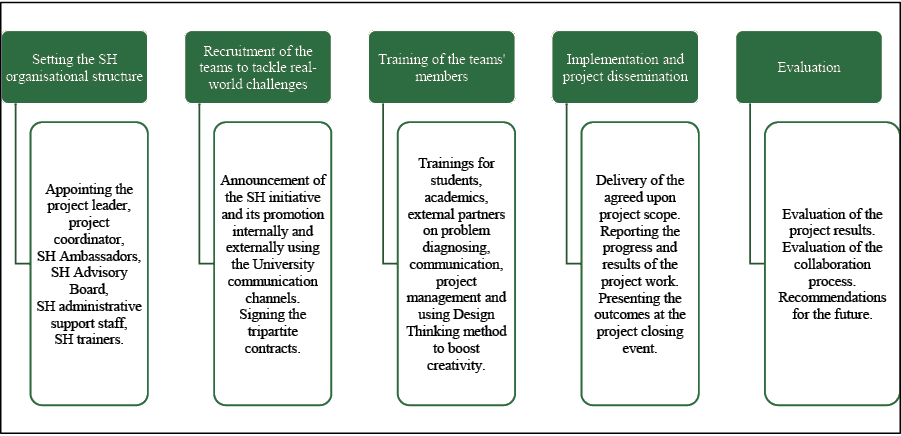
Figure 1. The pre-implementation SH operational framework
The generic work packages (WPs) designed during the pre-implementation phase required further breakdown into specific tasks, along with the development of measures to support their effective execution. As a result, the implementation phase required a reconsideration of the most productive way to achieve the assumed scope.
The WPs related to the recruitment of the tripartite teams assumed to be promoting the concept of collaboration both within the academic community and among societal partners, who were encouraged to present real-world challenges for joint, solution-oriented work with university representatives. However, it quickly became clear that simply providing information about collaboration opportunities was not enough to encourage participation. Therefore, the SH team focused on disseminating tailored information about the opportunity to get involved in university-community cooperation to key target groups. The SH project team developed a list of stakeholder-specific benefits (Appendix 2) and used a variety of channels to communicate them. Students were reached through the university website and social media, posters, in-lecture announcements and direct engagement with student societies. Academics were informed through departmental meetings, email and informal conversations, in addition to online content. External partners were contacted through mailings and direct outreach, with a particular focus on those who had a previous links with the University, as this was seen as a way of maintaining and developing existing relationships.
To further support relationship building, networking opportunities such as trade fairs, industry cluster meetings, site visits, conferences and workshops between academia and the community were organised. Ultimately, most project teams were formed through pre-existing formal and informal relationships. The SH initiative thus provided an effective means of maintaining and strengthening these links.
The call for proposals for tripartite projects was the main trigger for action. It included eligibility criteria, a structured application process and a deadline (see details on the project website www.sciencehub.uni.lodz.pl SH Edition I). The main incentives for each stakeholder were clearly articulated:
1. External partners gained a solution to their challenge, access to university resources, expertise and infrastructure and opportunities to build relationships for future collaboration;
2. Academic supervisors received remuneration (approx. €740), training, project support, and the opportunity to apply their expertise to real-world problems, gaining new practice-based insights for their further research work; and
3. Students gained access to a training package, certification, valuable experience for their CVs and expanded networks of potential employers.
According to the final evaluation, key factors in the decision to respond to the call for proposals were the low barrier to entry as well as the application process that was straightforward and provided a fast track into university-community collaboration with minimal bureaucracy but comprehensive support.
For all approved projects, a standardised process involved the signing of tripartite agreements between academics, students and community partners. Specific training was provided to participants to support effective collaboration, problem solving, project management and applying the design thinking methodologies. The formation of partnerships was further supported by the mentoring of SH Ambassadors assigned to each tripartite team.
During the implementation phase, the focus was on carrying out the collaborative work based on the challenges presented by the societal partners. One of the main barriers was the scarcity of funding to cover the costs of the resources needed to implement the projects. Projects in the social sciences and humanities tended to require less funding and were often co-funded by faculties, while projects in the natural sciences, often in collaboration with companies, used mechanisms developed in earlier commercial partnerships. In most cases of collaboration with business partners, costs were successfully covered through direct negotiation with the external partner. The final event showcasing the results of the project was used to disseminate the results. Formative evaluation was carried out throughout the project and a final summative evaluation assessed both outcomes and processes.
The implementation of the SH project ultimately led to the development of a more robust operational framework for the SH initiative.
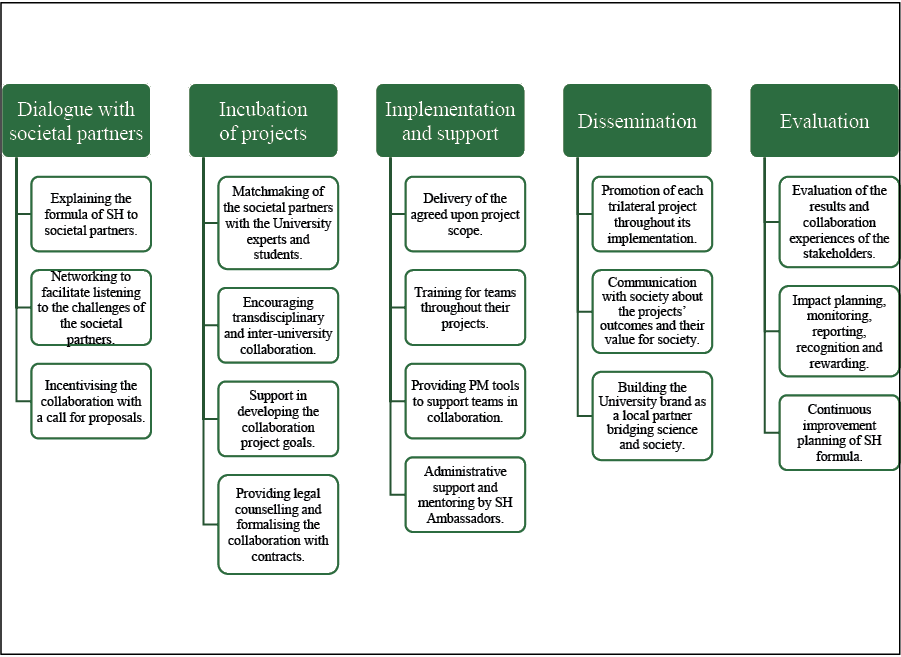
Figure 2. The post-implementation SH operational framework
Lessons learnt
The operational framework tested in the SH project can be implemented across a range of disciplines, including the humanities, natural sciences and social sciences. It has also proved effective in interdisciplinary and inter-university projects, demonstrating its wide applicability. The process of implementing the project led to several key findings which form the basis of a list of recommendations.
Visibility, Recognition and Strategic Positioning
The project highlighted the importance of clearly communicating the multiple benefits of trilateral cooperation to all stakeholders. The list of benefits (Appendix 2) for students, academic supervisors, partners and the university itself goes far beyond symbolic gestures such as certificates or CV entries. Systematic dissemination of this information throughout the university and to potential partners can strengthen the university’s identity as an institution rooted in the city, region and country and committed to applied research.
Moreover, initiatives such as SH project, which are clearly aligned with the university’s strategic goals and meet national research evaluation criteria, should be granted the status of strategic projects. This would justify additional institutional support in the form of promotion, participation incentives and recognition for involved staff and students, for example, additional academic credits for students or formal recognition in staff performance evaluations.
Given the limited financial resources available, it is also essential to develop a more robust system for motivating, recognising and rewarding the team members. The SH experience showed that participants were largely driven by intrinsic motivation, entrepreneurial spirit and a strong sense of mission. A tailored system of recognising their commitment would support long-term participation and motivation. A system that taps into the different motivations of students and academics could attract a greater number of participants.
Processes, Institutional Learning and Breaking Silos
The SH initiative led to a deeper understanding of how to initiate and manage trilateral cooperation between students, academics and external partners. The project also provided several examples of effective mechanisms for monitoring such collaboration and its effects, thus directly contributing to the evidence base presenting the socioeconomic impact. Yet, evaluating the societal impact of the collaborative projects proved challenging for the project teams. Describing and documenting impact, particularly its reach and significance, requires early planning, familiarity with the research evaluation process and specific skills in communicating it. For future iterations of the SH initiative, it is recommended that a structured impact planning and support program be developed. This should include the use of templates to help project teams plan and document impact in a consistent and effective way. It should also include centralised media monitoring to help identify and capture examples of societal impact as they emerge. In addition, coordinated efforts to promote, archive and disseminate project outcomes will be essential to ensure their visibility and long-term accessibility.
The SH initiative also highlighted the varying levels of experience and readiness of academics to engage in external collaboration. The insights gained from the offered support activities shaped a new vision for future training. It was agreed by the SH team that future training should be more aligned with the different stages of team development and project planning. Drawing on good practice examples (Ankrah & Al-Tabbaa 2015) and project management insights (Fernandes & O’Sullivan 2023), a revised training model was developed. The revised model suggests that the introductory phase of collaboration should focus on integrating the team and fostering mutual trust and understanding between its members. This is followed by a phase of joint work planning, during which the team defines the scope of the project, establishes a schedule, identifies key milestones, and conducts a risk analysis, along with the development of appropriate mitigation strategies. It is also essential at this stage to clearly assign roles and responsibilities, with all parties formally confirming their acceptance of these roles. It is equally important to reach a mutual agreement on copyright ownership and terms of use for any solutions developed through the collaboration. Throughout the project, the mentoring provided by the SH Ambassadors plays a crucial role, particularly in supporting teams that are new to this form of cross-sectoral engagement. Additionally, facilitating internal networking and peer learning among project staff could help to bridge these gaps. The establishment of support groups or communities of practice would also encourage the sharing of experiences, intergenerational learning and the exchange of tacit knowledge.
Most importantly, the SH initiative has demonstrated that it is possible to overcome the siloed nature of university structures. The project succeeded in initiating inter-faculty and interdisciplinary projects and in creating valuable links between units. These relationships established between staff from different faculties, departments and institutes have already led to follow-up collaborations such as joint interdisciplinary projects and new teaching initiatives (for example, inviting social science lecturers to teach soft skills to natural science students).
While many of the SH collaboration projects built upon previously established relationships, the initiative introduced a structured, university-wide approach to cooperation with societal partners. Unlike earlier ad hoc engagements, the SH model provided a formal framework, including calls for proposals, clearly defined roles, legal agreements, mentoring, and institutional recognition, which helped to consolidate and scale up cross-sector collaboration across disciplines and faculties.
Conclusion
The SH project was implemented over a two-year period but the knowledge, expertise and experience generated by the SH initiative has provided a valuable foundation for more systemic university-community collaboration efforts. The initiative helped to identify key components of a functional operational framework to support such engagement. These include maintaining a continuous dialogue with societal partners focused on listening to their current needs and pains, effective partner matching and project incubation (for example, through calls for proposals), implementation accompanied by ongoing support (through training and mentoring) as well as continuous dissemination and evaluation.
The key challenge for the future is to ensure the sustainability of the SH initiative, in particular to secure the financial and human resources needed to maintain, develop and scale up the operational framework across the institution. Given the considerable potential of the University, addressing this challenge should be seen as a strategic priority.
Bibliography
Ankrah, S, Al-Tabbaa, O 2015, ‘Universities–industry collaboration: A systematic review’, Scandinavian Journal of Management, vol. 31, no. 3, pp. 387–408. https://doi.org/10.1016/j.scaman.2015.02.003
Bogacz-Wojtanowska E, Jedynak P, Wrona S, Pluszyńska A 2019, Action research w kształtowaniu współpracy uczelni z interesariuszami, Korzyści, szanse i wyzwania, Wydawnictwo Uniwersytetu Jagiellońskiego: Kraków.
Góral A, Jałocha B, Mazurkiewicz G, Zawadzki M 2019, Badania w działaniu. Książka dla kształcących się w naukach społecznych, Wydawnictwo Uniwersytetu Jagiellońskiego: Kraków.
Fernandes, G & O’Sullivan, D 2023, ‘Project management practices in major university-industry R&D collaboration programs – A case study’, Journal of Technology Transfer, vol. 48, pp. 361–391. https://doi.org/10.1007/s10961-021-09915-9
Lessman J, Mroczek-Żulicka A & Stańczak M 2024, ‘Atrakcyjność turystyczna Łodzi w opinii uczestników obchodów jubileuszu 600-lecia nadania miastu praw miejskich’, Studia Periegetica, no. 45, pp. 119–142. https://doi.org/10.58683/sp.1940
Makowska AB 2024, ‘Linguists in the service of external partners. Participatory projects at the Faculty of Philology conducted as part of Science Hub UŁ’, Fachsprachen – Fachkommunikation – Fachdidaktische Diskurse, vol. 7, pp. 233–242. https://doi.org/10.14220/9783737018043
Piotrowska-Piatek A, 2015, ‘Aktywność szkół wyższych na rzecz społeczności loklanych – dyskusja wokół pojęcia trzeciej misji’, Optimum. Studia Ekonomiczne, vol. 6, pp. 99-109. https://doi.org/10.15290/ose.2015.06.78.08
Prawelska-Skrzypek G, Ćwikła M, Barańska K, Kołodziejczyk J 2019, Badania w działaniu jako podejście w realizacji procesu promotorskiego, Wydawnictwo Uniwersytetu Jagiellońskiego: Kraków.
University of Łódź 2021, Strategy of the University of Łódź 2021–2030, University of Łódź, viewed 14 May 2025, https://www.uni.lodz.pl/fileadmin/user_upload/Strategy_of_the_University_of_Lodz_2021_2030.pdf
Wycisk, A, Płaszczyca, M, Gajda, M, Modrzejewska, K 2018, ‘Skuteczna współpraca nauka-biznes w opinii przedsiębiorców’, Raport, Politechnika Warszawska – Centrum Zarządzania Innowacjami i Transferem Technologii Politechniki Warszawskiej.
| Project title | Type of partnering organisation, sector | Fields of science | |
|---|---|---|---|
| 1 | Assessment of the knowledge and patent landscape, respectively, in the area of biological activity and intellectual property protection related to the production of extracts from animal tissues | Private company, dietary supplement industry | Natural and social sciences, biological sciences and law, interdisciplinary project |
| 2 | Assessment of the antibacterial properties of ecological recreational and sports surfaces | Private company, a rubber granules manufacturer | Natural sciences, biological sciences |
| 3 | Application of Hydroidea’s absorption products to increase the efficacy of ecohydrological solutions close to nature | Private company, construction and water management | Natural sciences, biological sciences |
| 4 | Assessment of the antimicrobial activity of ozonated oils produced by Ozonea brand | Private company, a producer and distributor of body care product | Natural sciences, biological sciences |
| 5 | Application of Vitek 2 automated technology for qualitative identification of mesophilic microorganisms isolated from air and rocks of the Bochnia Salt Mine | Private company, a salt mine | Natural sciences, biological sciences |
| 6 | Colchicine encapsulated in nanoparticles for potential use in inhibiting inflammation associated with diseases of various aetiologies | Private company, veterinary centre | Natural sciences, biological sciences |
| 7 | Optimisation of the method of bioproduction of proteins and peptides with a high content of sulphide bridges | Private company, laboratory tools and equipment manufacturer | Natural sciences, biological sciences |
| 8 | Antifungal properties of ecological recreational and sports surfaces - protection against infectious and environmental hazards | Private company, a rubber granules manufacturer | Natural sciences, biological sciences |
| 9 | Influence of Yarrowia lipolytica postbiotic material on monocyte secretory activity | Private company, health and wellness sector | Natural sciences, biological sciences |
| 10 | Understanding the cellular and enzymatic mechanisms that determine the effectiveness of Androdiet in reducing androgenetic alopecia | Private company, food and pharmaceuticals | Natural sciences, biological sciences |
| 11 | Antimicrobial activity of fulvic acid against bacterial and fungal pathogens of livestock and plants - preliminary and literature studies | Private company, supplier of raw materials for the cosmetics, supplements, and animal and plant farming industries | Natural sciences, biological sciences |
| 12 | The microbiological safety evaluation of the manufacturing process of 3D prints for biomedical applications by a multifunctional device for rapid prototyping of bone implants | Private company, industrial engineering sector | Natural sciences, biological sciences |
| 13 | Investigating the antimicrobial activity of raw materials and 3D prints of polycaprolactone and zinc-modified hydroxyapatite for applications in bone tissue regenerative medicine | Private company, industrial engineering sector | Natural sciences, biological sciences, medical and health sciences, interdisciplinary and inter-university project |
| 14 | Undesirable crystallisation in lipsticks | Private company, cosmetics industry | Natural sciences, chemical sciences |
| 15 | Determining the conditions of the technological process of sesame oil extrusion, guaranteeing the optimal correlation between the content of health-promoting sesamol and the organoleptic properties of the oil | Private company, natural oil market | Natural sciences, chemical sciences |
| 16 | Application of agent-based modelling and genetic algorithms to determine the optimal pathway to follow when crossing selected vegetables to produce hybrids with desired phenotypic and biochemical traits | Private company, food industry | Natural sciences, chemical sciences, computer and information sciences, interdisciplinary project |
| 17 | Natural oil-based UV filters - protective, nourishing and regenerative properties | Private company, food industry | Natural sciences, chemical sciences |
| 18 | Optimisation of selected areas of internal logistics at Dradura Polska Sp. z o.o. | Private company, logistics | Social sciences, management (logistics) |
| 19 | Analysis and identification of opportunities and threats for the fashion e-commerce magazine - potential developments | Private company, e-commerce | Social sciences, management (logistics) |
| 20 | Intergenerational conflicts - causes and ways of solving them in the opinion of the inhabitants of the Łódzkie Voivodeship | NGO, a foundation | Social sciences, sociology |
| 21 | Survey of Łódź residents’ and Pinocchio Theatre audiences’ opinions on the form and functionality of the new venue | Public institution, a theatre | Social sciences, sociology |
| 22 | My first steps in Poland | Private company, healthcare sector | Humanistic sciences, philology |
| 23 | Glossary of terms related to neurodiversity | NGO, a foundation | Humanistic sciences, philology |
| 24 | The archives of the Literary Institute as a source for research into Polish post-war literary culture | NGO, a literary association | Humanistic sciences, philology |
| 25 | Active heritage through ethnography. The local community and its memory in community action for the cultural landscape | NGO, a historical and cultural association | Humanistic sciences, archaeology |
| 26 | Research on the participation of Polish women in missions abroad - status and perspectives | NGO, an association of combatants | Humanistic sciences, history |
| 27 | Archaeologisation of the contemporary cultural heritage of Krapkowice. Multidisciplinary analysis of selected objects | NGO, a cultural association | Humanistic sciences, archaeology |
| 28 | Pre-local Lelów. Popularising the results of archaeological research | NGO, a historical and cultural association | Humanistic sciences, archaeology |
| 29 | Acceleration of artificial neural networks in variable selection based on the expression profile of circulating miRNAs of pancreatic cancer patients | Public institution, a higher education institution | Natural sciences, computer and information sciences, medical and health sciences, interdisciplinary and inter-university project |
| 30 | Management and representation system for health clinic resources based on network infrastructure | Private company, a health clinic | Natural sciences, computer and information sciences |
| 31 | Applications of photogrammetry methods in 3D visualisation | Public institution, a library | Natural sciences, mathematics |
| 32 | Photogrammetry methods in the construction of a facial model of school patron Emilia Sczaniecka and mathematician Stefan Banach | Public institution, a high school | Natural sciences, computer and information sciences |
| 33 | Tourist attractiveness of Łódź and visitors’ level of satisfaction with the service at the tourist information point during the celebrations of the 600th anniversary of granting the city rights to Łódź | Public institution, a tourist organisation centre | Social sciences, social and economic geography and spatial management |
| 34 | Small-scale courtyard revitalisation | NGO, Centre for Promotion and Development of Civic Initiatives | Social sciences, education |
| 35 | Parents, you should know your rights | Public institution, Administrative Centre for Foster Care | Social sciences, education |
| 36 | Find strength in mediation. A series of workshops on the practical application of mediation approaches | Public institution, Single Mother’s Home | Social sciences, education |
| 37 | New obligations of an entrepreneur selling through an online shop, introduced through the implementation into the Polish legal order of the Directive of the European Parliament and of the Council (EU) 2019/2161 of 27 November 2019 (the so-called Omnibus Directive) - content and method of implementation | Private company, e-commerce | Social sciences, law |
| 38 | Simple joint stock company - corporate powers of shareholders | Private company, regulatory technology sector | Social sciences, law |
| 39 | Family foundations - constitution and operation | Private company, logistics | Social sciences, law |
| 40 | The public value of the Orientarium in Lodz | Public institution, Orientarium of the Zoological Garden | Social sciences, management |
| 41 | Preventing business failure in the education sector | Private company, education | Social sciences, management |
| Benefits | Students | Academics | External partners | University |
|---|---|---|---|---|
| Acquiring and/or enhancing knowledge and skills in areas such as problem solving, project management, communication and collaboration | X | X | ||
| Gaining practical experience and exploring possible career paths, academic or non-academic | X | |||
| Getting involved in solving problems (local, national and international) | X | X | X | |
| Developing practical and research-based solutions of social relevance to the needs of the economic environment and the local community | X | X | X | |
| Acquiring skills to solve problems arising from the economic, industrial, business and social environment | X | X | X | |
| Establishing business contacts and connections with potential employers for university graduates (networking) | X | X | ||
| Receiving individual tutoring from the supervisor during the project implementation | X | |||
| Receiving certified training in design thinking and project management | X | X | ||
| Gaining proven experience in project implementation and project management | X | X | ||
| Applying and integrating the knowledge gained during studies to solve specific problems | X | |||
| Developing knowledge, skills and processes necessary to undertake student research projects and applied diploma theses in cooperation with external institutions | X | X | X | X |
| Becoming more aware of one’s responsibility to influence the sustainable development of a region/country | X | X | X | |
| Developing the ability to diagnose the needs of the community partners | X | X | X | |
| Improving the perception of the scientific community in society | X | X | ||
| Taking on challenging new scientific challenges, contributing to solving real and current problems/challenges of external partners and developing them into further projects | X | X | ||
| Acquiring or developing teaching, tutoring and innovation management competencies as part of the training offered by the SH | X | X | X | |
| Establishing and/or maintaining contacts with partners from the socioeconomic environment | X | X | ||
| Serving as mediators to foster synergies between external partners, the university and students | X | X | X | X |
| Receiving financial allowance for running a project | X | |||
| Consulting on the possibilities and scope of cooperation with the research centre | X | |||
| Establishing and/or maintaining contacts with academic partners/specialists to enhance prestige, gain access to unique know-how and access research results | X | |||
| Benefiting from the university’s unique infrastructure | X | |||
| Gaining opportunities for the exchange of knowledge and experience | X | X | X | |
| Obtaining potential partners for further cooperation and development of the institution as well as for applications for science and business grants | X | X | X | |
| Finding, meeting and testing young talent and potential employees | X | X | ||
| Strengthening the position of research and science as well as the role of scientists and the importance of study | X | X | X | |
| Providing evidence for evaluation criterion III, that is, materials that demonstrate how researchers interact with the environment and how science impacts on it | X | X | ||
| Creating a bridge for the commercialisation of research | X | X | X | |
| Establishing intra-university networking to facilitate better interdepartmental integration within the university’s internal communication system, enabling the exchange of experiences among staff themselves | X | X | ||
| Disseminating the application projects as a valuable and innovative form of didactic work with students | X | X | X | |
| Promoting and implementing not only engaged science but also open science, where experiments and results are available to interested parties | X | X | X | X |