Gateways: International Journal of Community Research and Engagement
Vol. 17, No. 1
December 2024
SNAPSHOT ARTICLE
Rhythm Interactive Special Enablers (R.I.S.E.) – A Collaborative Community Engagement Program
Wen Fen Beh1,*, Edwin Lawrance Nathaniel2, Swee Chuan Tan3, Kenny S.L. Cheah4, Florence Kuek5, Joanne Pei Sze Yeoh6, Yiing Siing Wong1
1 Faculty of Creative Arts, Universiti Malaya
2 Music Mart PJ, Selangor
3 Pertubuhan Kebajikan Fajar Harapan
4 Faculty of Education, Universiti Malaya
5 Faculty of Arts and Social Sciences, Universiti Malaya
6 Faculty of Human Ecology, Universiti Putra Malaysia
Corresponding author: Wen Fen Beh; beh.wenfen@um.edu.my
DOI: https://doi.org/10.5130/ijcre.v17i1.9348
Article History: Received 17/09/2024; Revised 20/11/2024; Accepted 02/12/2024; Published 12/2024
Abstract
Rhythm Interactive Special Enablers (R.I.S.E.) is a collaborative community engagement program designed to improve motor function, engagement and self-esteem through music-based intervention in children with cerebral palsy (CP). CP is a movement disorder caused by brain damage during development, with spasticity significantly affecting mobility and quality of life.
Utilising drum circles, a form of group drumming, R.I.S.E. aims to stimulate neuroplasticity, enhance motor skills and provide a creative and enjoyable therapeutic experience. The program implemented at the Spastic Children’s Association of Selangor & Federal Territory (SCAS&FT) involved 12 biweekly workshops that combined rhythmic exercises and music with the objectives of improving motor coordination, fostering teamwork and boosting participants’ self-confidence. Through structured drum circles, the participants engaged in rhythmic activities that stimulated both cognitive and physical functions.
The program was assessed on participant retention, engagement and the incorporation of music into rehabilitation exercises. Feedback from participants and caregivers indicated improvements in motor skills, confidence and community connectedness. Additionally, a ‘Train the Trainer’ initiative was implemented to ensure long-term sustainability, enabling SCAS&FT to autonomously run the program. Moving forward, the program aims to expand to other neurological conditions, ensuring wider accessibility through training and resources.
Keywords
Rhythm Interactive Special Enablers (R.I.S.E.); Cerebral Palsy; Drum Circles; Music-Based
Intervention; Community Engagement
Introduction
Cerebral palsy (CP), a static, non-progressive movement and posture disorder, arises from damage to the developing brain. Affecting roughly one to two per 2000 newborns, CP prevalence increases tenfold in premature infants and those with low birth weight (Khoo 2010). Studies conducted in Malaysia estimate a CP prevalence of 2.6 per 1000 live births, compared to a range of 2.3–4.2 per 1000 live births reported in Australia and Europe (Ismail et al. 2022; Sellier et al. 2020). Spasticity, a common CP symptom, can significantly impact a child’s quality of life as a result of limited mobility, coordination and overall physical function (Odding, Roebroeck & Stam 2006; Vameghi et al. 2023). While traditional therapeutic approaches offer benefits, they often fail to address the holistic needs of the patient, highlighting the need for innovative and integrative methods.
The brain’s inherent capacity for neuroplasticity allows it to adapt and restructure itself in response to consistent patterns of behaviour (Cramer et al. 2011). For individuals with CP, music could serve as a catalyst for neuroplasticity by offering a fresh and engaging approach to addressing therapeutic goals (Zaatar et al. 2023). Music-based interventions, such as playing instruments, can be effectively combined with other therapies to promote greater engagement and potentially achieve more successful outcomes (Chatterjee, Hegde & Thaut 2021). Through these interventions, music could activate neuroplasticity, potentially facilitating improvements in motor function for individuals with CP.
Children with CP often face difficulties performing the necessary movements to promote neuroplasticity, as they may lose interest in conventional forms of exercise (Damiano 2006). However, incorporating music into these exercises could capture their attention and maintain their engagement. By leveraging the power of music, children are more likely to stay engaged and perform the necessary repeated movements to improve their motor functions. The greater the level of engagement, the easier it becomes for children to achieve their therapeutic goals and enjoy the benefits of neuroplasticity (Paul & Ramsey 2001).
Recognised for centuries, the therapeutic potential of music manifests in various forms of musical engagement that promote physical, emotional and cognitive wellbeing (Chen 2023; MacDonald 2013; Welch et al. 2020). One significant advantage of music is its universal appeal, as individuals are familiar with music and rhythm regardless of culture and background, allowing it to transcend language barriers and foster a sense of connection and inclusion (Laukka et al. 2013). Moreover, music is inherently engaging, tapping into emotions and cognitive processes, which enhances motivation and participation in rehabilitation programs (Thoma et al. 2013). It also serves as a non-invasive and cost-effective intervention, as it does not require expensive high-tech equipment or extensive training.
Drum circles, a group drumming activity where participants create rhythm collectively, have gained attention for fostering social connection, reducing stress and enhancing motor skills (Ascenso et al. 2018; Ho et al. 2011; Mason, Sonke & Lee 2021). The inherent qualities of rhythm and movement in drum circles offer a promising complementary intervention for children with CP. They offer an engaging, non-verbal medium that can stimulate neuroplasticity, improve motor coordination and foster a sense of accomplishment and joy (Colverson et al. 2024; Pantelyat et al. 2016; Tee & Kuan 2021). Drum circles can take various forms, ranging from Free-form Improvisational Drum Circles to Culturally Specific Drum Circles, with Facilitated Community Drum Circles occupying a middle ground (Hull n.d.). A Free-form Improvisational Drum Circle, characterised by its lack of rules and leadership, allows participants to explore and express their rhythmic spirit spontaneously. In contrast, a Culturally Specific Drum Circle follows strict rules with little room for improvisation, focusing on the disciplined execution of traditional rhythm parts with cultural significance. A Facilitated Community Drum Circle combines elements of both extremes, providing structure through a rhythm event facilitator while allowing freedom of expression and interactive musicality. This balance makes it particularly suitable for therapeutic settings, promoting rhythmical connection and collective creativity (Hull n.d.).
Building on the concept of Facilitated Community Drum Circles, a music-based intervention program, Rhythm Interactive Special Enablers (R.I.S.E.), was formulated for children with CP. This community engagement initiative aimed to showcase social responsibility, encourage research opportunities, foster collaboration, participate in community outreach and advance skill development from academia to community. By participating in this community engagement initiative, Universiti Malaya (UM) made a meaningful contribution to local communities, creating an impact through strategic collaboration with diverse groups.
Our partnership
The R.I.S.E. program was implemented at the Spastic Children’s Association of Selangor & Federal Territory (SCAS&FT) at the heart of Petaling Jaya, a strategic location on the west coast of Malaysia, making it easily accessible to the participants. Established in 1960, SCAS&FT became a vital resource for families seeking support for children with spasticity. SCAS&FT operated a Spastic Centre that provided a comprehensive range of services tailored to these children’s needs, including free transportation, education, physiotherapy, hydrotherapy and more (SCAS&FT n.d.). To expand on these efforts, UM, through its Community Engagement Centre, UMCares, collaborated with SCAS&FT to develop the R.I.S.E. program. By fostering partnerships with community groups and working on initiatives that address specific identified needs to promote inclusivity, this program aligns with UM’s mission to reduce health inequities and enhance quality of life in its targeted communities. Dr Beh Wen Fen, a senior lecturer from the Faculty of Creative Arts, identified the potential for therapeutic interventions using creative arts. With insight from discussions with SCAS&FT’s leadership and community members, she proposed the R.I.S.E. program, and secured funding from UMCares and UNESCO to bring the initiative to life. A multidisciplinary team comprising experts from music, psychology, medical, education, social sciences and industry partners have been assembled for the program.
The R.I.S.E. program built upon SCAS&FT’s existing offerings by introducing a music-based intervention designed to improve various development skills in children with CP. The program leveraged the engaging and stimulating qualities of music to achieve practical, non-musical goals, such as promoting neuroplasticity and enhancing the effectiveness of existing therapeutic interventions.
The project aimed to achieve four main objectives:
1. To cultivate and boost self-esteem, discipline and teamwork in children with CP, fostering a desire for personal growth and achievement.
2. To establish a music-based intervention program accessible at the community level.
3. To enrich the rehabilitation process by introducing and incorporating a music-based intervention program.
4. To empower the community by providing training in musical therapeutic techniques, ensuring sustainability of the program.
The R.I.S.E. program
The project was implemented in four distinct phases: (1) development of the R.I.S.E. program; (2) implementation of the R.I.S.E. program; (3) project sustainability and exit plan; and (4) program impact evaluation. The first phase focused on developing the R.I.S.E. program, which was then implemented (Phase 2) and evaluated at SCAS&FT. The program’s efficacy was closely monitored and assessed during this phase.
This project intended to enrol members of the CP community, specifically children living with CP. The program was monitored based on:
• the number of CP participants enrolled in the program;
• the number of CP participants retained in the program; and
• the number of exercises that are incorporated with music.
In the final stages of the project, the focus shifted towards ensuring the program’s sustainability and evaluating its long-term impact. During Phase 3, the project successfully established a sustainability and exit plan, with the program now being run independently by the facilitator. In Phase 4, the impact of the program was evaluated based on feedback gathered from the CP children participants and their caregivers, specifically regarding the effectiveness of the musical therapeutic module, R.I.S.E.
Phase 1: Development of the R.I.S.E. program for CP children
The development of the R.I.S.E. program drew upon research on Neurologic Music Therapy techniques (Thaut & Hoemberg 2014). Past studies were reviewed to identify effective rehabilitative approaches suitable for the program’s design.
The R.I.S.E. program was built on the concept of Facilitated Community Drum Circles. In these circles, participants play hand drums and percussion instruments while seated in a circle. Unlike traditional music ensembles, drum circles are free-form, meaning the music has no predetermined start or end. Additionally, all players are considered equal and there are no ‘wrong notes’ in a drum circle. Participants actively listen to one another and respond intuitively, joining the rhythmic exploration when they decide to. The emphasis is on collaborative participation rather than individual technical mastery. A facilitator or coordinator may guide the group through various rhythmic patterns during a drum circle. Importantly, prior musical experience is not required for participation. The core objective is to create a positive and enjoyable experience for all participants.
The R.I.S.E. program followed a structured progression designed to promote incremental growth in the participants. There were eight key parts, constructed in increasing complexity in terms of the range of physical movements and coordination, making the learning process more manageable for the participants. The figure below shows the arrangements of the eight parts in order of complexity:
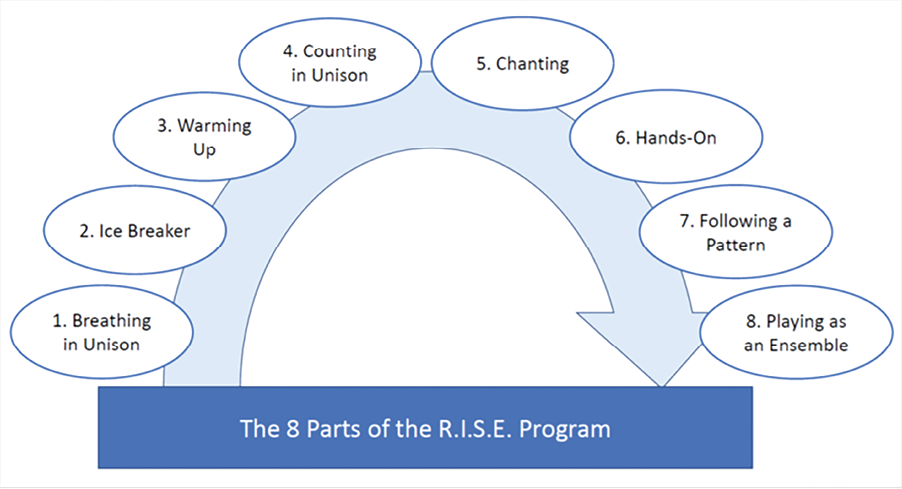
Figure 1. The eight parts of the R.I.S.E. program in order of complexity
The program began with breathing exercises synchronised to simple musical beats, preparing participants for the increased complexity and coordination required in subsequent program sections. This culminated in a collaborative ensemble performance, where participants contributed to music creation as a team. It was crucial to emphasise that the program prioritised therapeutic benefits over the mastery of percussion and musical skills. This philosophy shaped the program’s overall pedagogy, focusing on creating a safe and supportive environment. Games, humour, positivity and encouragement were utilised to maintain a lighthearted, friendly and uplifting environment for participants.
The rhythm-based exercises and activities in the R.I.S.E. program benefitted the participants in the following ways:
• instilled attentiveness and discipline;
• cultivated creative self-expression;
• boosted self-confidence;
• induced relaxation and relieved stress;
• fostered a sense of connectedness, belonging and community;
• encouraged teamwork and cooperation; and
• improved fine and gross motor functions, strength and mobility (especially for participants with CP).
Phase 2: Implementation of the R.I.S.E. program
The R.I.S.E. program was implemented at SCAS&FT. The program targeted members of the SCAS&FT community, specifically children with CP and relevant staff members. The program consisted of 12 one-hour workshops delivered biweekly over a six-month period. To ensure program sustainability, SCAS&FT staff and members were trained during the implementation stage (see Figure 2).
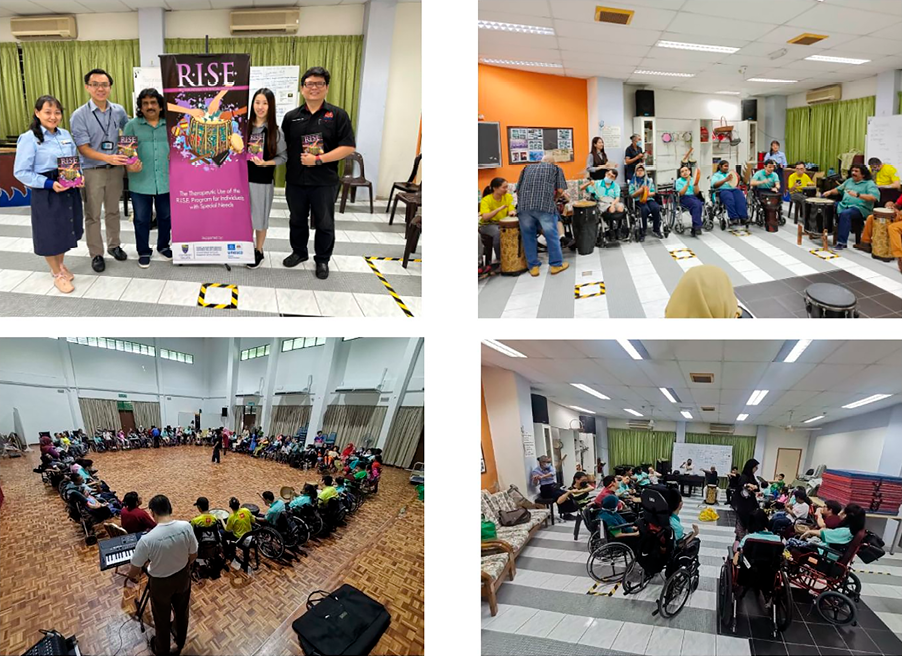
Figure 2. R.I.S.E. program – Train the Trainer
Phase 3: Project sustainability and exit plan
To ensure the long-term viability and impact of the R.I.S.E. program beyond the initial implementation phase, a comprehensive approach to sustainability and capacity building was undertaken. The aim was to create a resilient and self-sustaining model for continuous learning and skill development, facilitating the immediate success of the program whilst guaranteeing its longevity and adaptability within the community; thus, fostering a culture of continuous improvement and empowerment. This involved the following:
1. Structured Train the Trainer program: To ensure the long-term sustainability of the program, a structured training program was developed to equip SCAS&FT staff with the necessary skills and knowledge to deliver the R.I.S.E. program independently.
2. Detailed training modules: A comprehensive training module was formulated to serve as a resource for trainers delivering the R.I.S.E. program, which was shared with the community.
3. High-quality video recordings: Recordings showcasing the R.I.S.E. program were developed for educational and outcomes dissemination purposes.
Phase 4: Program impact evaluation
The R.I.S.E. program was designed to offer holistic support to children with CP and to potentially benefit individuals with other neurological disorders. To assess the program’s effectiveness and sustainability, a multi-phased evaluation plan was implemented. This approach outlined short-term, intermediate and long-term goals. The phases included detailed analyses, feedback collection, practice expansion and eventual integration into broader healthcare settings. This structured plan aimed to create a robust framework for the adoption and growth of musical-based intervention programs in various therapeutic and rehabilitative environments.
| Short-term | Intermediate | Long-term |
|---|---|---|
| Analysis based on findings of the musical therapeutic module intervention assessment. Analysis based on feedback from the CP children participants/caretaker. | Increase practice of music-based intervention program for CP children or those with other neurological disorders. Expansion of music-based intervention program to rehabilitation centre. | Take up of program by industry/NGOs/Gov/at Hospital, Health Clinic Centre, etc. |
In the short-term phase, a comprehensive analysis was conducted to evaluate the program’s initial impact. The primary goal was to examine the suitability of the program’s eight components and determine whether they could be followed and performed effectively by the children, while also gathering caregivers’ feedback on whether they would like their children to continue participating in the program. This included assessing the performance of children with CP (32 participants) using an activity performance assessment form and gathering feedback through structured interviews with a randomly-selected subset of caregivers (five participants). The data was analysed by the project leader, team and community members, with key insights shared among the research team and pilot program stakeholders. This collaborative process informed future research planning and program refinement. By focusing on feasibility, participant engagement and preliminary outcomes, the short-term phase laid the foundation for the program’s intermediate and long-term development. In the intermediate term, the focus will shift to reflecting on lessons learned and planning the next steps for program development and expansion.
Lessons learnt and next steps
With the implementation of the program, several challenges arose, primarily due to the concerns of the parents and SCAS&FT who feared that loud sounds might cause additional stress for children with CP. The team successfully addressed these concerns and Edwin Nathaniel, the key trainer from the music industry who played a significant role in developing the program, noted, ‘There were some who thought that the loud noise would affect their hearing. But the opposite happened, and they loved it.’
Another challenge was public perception of the use of music as a therapeutic tool when the team promoted the program to the community. This highlighted the need to be flexible and to adapt the program based on feedback and the evolving needs of the community to ensure its success and sustainability. As evidenced by many successful models, engaging stakeholders – ranging from information sharing to capacity building for decision-making and participation in determining courses of action – is crucial (Wells, Lehigh, & Vidmar 2023).
Moving forward, the next steps involve expanding the program to be accessible to a wider population, customising it to suit the needs of participants with various learning challenges, including autism spectrum disorder (ASD), attention deficit hyperactivity disorder (ADHD) and Down syndrome (DS). However, the lack of financial resources poses a significant challenge in expanding these programs to rehabilitation centres. To ensure the project’s sustainability, a structured training-of-trainers program, detailed training modules and high-quality video recordings are essential, as they represent the minimum cost for promoting the program effectively.
This program has the potential to significantly impact research and knowledge generation by advancing the understanding of music-based interventions in community settings. The program could offer valuable insights into the therapeutic benefits of rhythmic activities for diverse populations, particularly those with special needs. By fostering collaboration between researchers, practitioners and community members, the program could serve as a model for community-based participatory research (CBPR), highlighting the importance of community involvement in generating relevant and impactful knowledge and practice.
Conclusion
Today, as the caregivers at SCAS&FT would testify, the R.I.S.E. program has given the community unprecedented opportunities for personal growth and development. One of the parents shared their perspective, ‘To be honest, I did not have any expectations initially, but now I am thrilled with how the R.I.S.E. program has made a positive impact on my kid’s motor skills, confidence and happiness, all through the engaging use of rhythm and music.’
Since the inception of the Train the Trainer program, 32 children with CP have consistently participated in the R.I.S.E. program. Notably, some participants on the autism spectrum have been trained to become facilitators themselves, leading music performances and practice sessions at the centre as well as displaying qualities and abilities that would have otherwise remained dormant. The program’s potential is exemplified by SCAS&FT’s fundraising concert held by the participants in August 2024 (see Figure 3). One of the audiences commented, ‘I was moved by the energy and unity of the drum circle.’ Another shared, ‘It was amazing to see how the participants are able to come together regardless of their differences mentally and physically, and I’m reminded again of how incredible music is.’
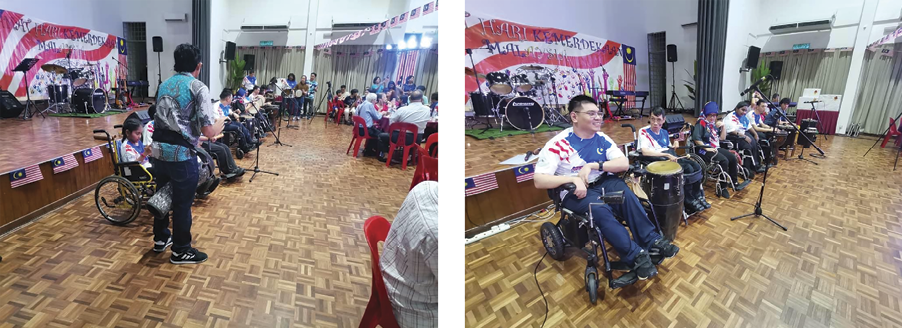
Figure 3. Fundraising concert at SCAS&FT
A key aspect of the R.I.S.E. program is its collaboration between industry, academia and researchers at UM. This partnership aimed to achieve a dual purpose – yielding credible research outcomes and meeting the needs of the CP community. Both goals have been successfully achieved with next steps focused on CBPR planning to use validated instruments for future outcomes dissemination. The needs of the CP community have been consistently met through the weekly R.I.S.E. program, which is now sustained at SCAS&FT and has become one of their regular services. The collaboration has proven to have positive short-term impacts on stakeholders, with the intermediate-term impact of the program expected to expand to a wider population through a structured Train the Trainer program. This will include comprehensive training modules and high-quality video recordings to facilitate advanced skill transfer from academia to the community.
Additionally, this collaboration has enriched the R.I.S.E. program by incorporating academic perspectives, while providing an opportunity for the university to fulfil its social responsibility goals. This comprehensive approach will help R.I.S.E. continue to grow as a transformative model for community-based therapeutic interventions. The program has successfully highlighted UM’s commitment to social responsibility by addressing the needs of children with CP and engaging the broader community through community engagement initiatives. It has improved the quality of life and reduced disparities in the communities it serves.
References
Ascenso, S, Perkins, R, Atkins, L, Fancourt, D & Williamon, A 2018, ‘Promoting well-being through group drumming with mental health service users and their carers’, International Journal of Qualitative Studies on Health and Well-Being, vol. 13, no. 1. https://doi.org/10.1080/17482631.2018.1484219
Chatterjee, D, Hegde, S & Thaut, M 2021, ‘Neural plasticity: The substratum of music-based interventions in neurorehabilitation’, NeuroRehabilitation, vol. 48, no. 2, pp. 155–66. https://doi.org/10.3233/NRE-208011
Chen, L 2023, ‘Influence of music on the hearing and mental health of adolescents and countermeasures’, Frontiers in Neuroscience, vol. 17. https://doi.org/10.3389/fnins.2023.1236638
Colverson, A, Barsoum, S, Cohen, R & Williamson, J 2024, ‘Rhythmic musical activities may strengthen connectivity between brain networks associated with aging-related deficits in timing and executive functions’, Experimental Gerontology, vol. 186. https://doi.org/10.1016/j.exger.2023.112354
Cramer, SC, Sur, M, Dobkin, BH, O’Brien, C, Sanger, TD, Trojanowski, JQ, Rumsey, JM, Hicks, R, Cameron, J, Chen, D, Chen, WG, Cohen, LG, deCharms, C, Duffy, CJ, Eden, GF, Fetz, EE, Filart, R, Freund, M, Grant, SJ, Haber, S, Kalivas, PW, Kolb, B, Kramer, AF, Lynch, M, Mayberg, HS, McQuillen, PS, Nitkin, R, Pascual-Leone, A, Reuter-Lorenz, P, Schiff, N, Sharma, A, Shekim, L, Struker, M, Sullivan, EV & Vinogradov, S 2011, ‘Harnessing neuroplasticity for clinical applications’, Brain, vol. 134, no. 6, pp. 1591–609. https://doi.org/10.1093/brain/awr039
Damiano, DL 2006, ‘Activity, activity, activity: Rethinking our physical therapy approach to cerebral palsy’, Physical Therapy, vol. 86, no. 11, pp. 1534–40. https://doi.org/10.2522/ptj.20050397
Franzen, K & Södergårds, I 2022, The need for a holistic approach in rehabilitation for children with cerebral palsy in Tanzania: An interview study, Bachelor’s Thesis, Umeå University, https://urn.kb.se/resolve?urn=urn:nbn:se:umu:diva-203741.
Ho, P, Tsao, JC, Bloch, L & Zeltzer, LK 2011, ’The impact of group drumming on social-emotional behavior in low-income children’, Evidence-based Complementary and Alternative Medicine, vol. 2011, no. 1. https://doi.org/10.1093/ecam/neq072
Hull, A n.d., Different types of drum circles, Village Music Circles, https://villagemusiccircles.com/different-types-of-drum-circles/.
Ismail, A, Sk Abd Razak, R, Suddin, LS, Mahmud, A, Kamaralzaman, S & Yusri, G 2022, ‘The economic burden and determinant factors of parents/caregivers of children with cerebral palsy in Malaysia: A mixed methods study’, International Journal of Environmental Research and Public Health, vol. 19, no. 1, p. 475. https://doi.org/10.3390/ijerph19010475
Khoo, A 2010, Cerebral palsy, MyHealth Ministry of Health Malaysia, http://myhealth.moh.gov.my/en/cerebral-palsy/.
Laukka, P, Eerola, T, Thingujam, NS, Yamasaki, T & Beller, G 2013, ‘Universal and culture-specific factors in the recognition and performance of musical affect expressions’, Emotion, vol. 13, no. 3, pp. 434–49. https://doi.org/10.1037/a0031388
MacDonald, RAR 2013, ‘Music, health, and well-being: A review’, International Journal of Qualitative Studies on Health and Well-Being, vol. 8, no. 1. https://doi.org/10.3402/qhw.v8i0.20635
Mason, A, Sonke, J & Lee, J 2021, ‘Drum circles and the effect on wellbeing in a community setting’, UF Journal of Undergraduate Research, vol. 23. https://doi.org/10.32473/ufjur.v23i.128335
Odding, E, Roebroeck, ME & Stam, HJ 2006, ‘The epidemiology of cerebral palsy: Incidence, impairments and risk factors’, Disability and Rehabilitation, vol. 28, no. 4, pp. 183–91. https://doi.org/10.1080/09638280500158422
Pantelyat, A, Syres, C, Reichwein, S & Willis, A 2016, ‘DRUM-PD: The use of a drum circle to improve the symptoms and signs of Parkinson’s disease (PD)’, Movement Disorders Clinical Practice, vol. 3, no. 3, pp. 243–9. https://doi.org/10.1002/mdc3.12269
Paul, S & Ramsey, D 2001, ‘Music therapy in physical medicine and rehabilitation’, Australian Occupational Therapy Journal, vol. 47, no. 3, pp. 111–18. https://doi.org/10.1046/j.1440-1630.2000.00215.x
Sellier, E, McIntyre, S, Smithers-Sheedy, H & Platt, MJ 2020, ‘European and Australian cerebral palsy surveillance networks working together for collaborative research’, Neuropediatrics, vol. 51, no. 2, pp. 105–12. https://doi.org/10.1055/s-0039-3402003
Tee, V & Kuan, G 2021, ‘The embodiment of drumming for special needs populations: The applied perspective in Malaysia’, in G Balint, B Antala, C Carty, J-MA Mabieme, I Amar & A Kaplanova (eds), Physical education and sport for children and youth with special needs: Researches – best practices – situation, FIEP publisher, Slovakia, pp. 417–28.
Thaut, MH & Hoemberg, V (eds) 2014, Handbook of neurologic music therapy, Oxford University Press.
Thoma, MV, La Marca, R, Brönnimann, R, Finkel, L, Ehlert, U & Nater, UM 2013, ‘The effect of music on the human stress response’, PLoS ONE, vol. 8, no. 8. https://doi.org/10.1371/journal.pone.0070156
The Spastic Children’s Association of Selangor & Federal Territory (SCAS&FT) n.d., https://www.scasft.org/.
Vameghi, R, Hoseini, SA, Heydarian, S, Azadeh, H & Gharib, M 2023, ‘Walking ability, participation, and quality of life in children with spastic diplegic cerebral palsy: A path analysis study’, Iranian Journal of Child Neurology, vol. 17, no. 2, pp. 75–91. https://doi.org/10.22037/ijcn.v17i1.34924
Welch, GF, Biasutti, M, MacRitchie, J, McPherson, GE & Himonides, E 2020, ‘Editorial: The impact of music on human development and well-being’, Frontiers in Psychology, vol. 11. https://doi.org/10.3389/fpsyg.2020.01246
Wells, EC, Lehigh, GR & Vidmar, AM 2023, ‘Stakeholder engagement for sustainable communities’, in R Brinkmann (ed.), The Palgrave handbook of global sustainability, Palgrave Macmillan.
Zaatar, M, Alhakim, K, Enayeh, M & Tamer, R 2023, ‘The transformative power of music: Insights into neuroplasticity, health, and disease’, Brain, Behavior, & Immunity – Health, vol. 35. https://doi.org/10.1016/j.bbih.2023.100716