Gateways: International Journal of Community Research and Engagement
Vol. 16, No. 1
June 2023
RESEARCH ARTICLE (PEER-REVIEWED)
Voice, Choice and Power: Using Co-production to Develop a Community Engagement Strategy for an Ethnically Diverse Community
Lizzie Caperon1,*, Sara Ahern1, Fiona Saville2, Better Start Bradford Community Reference Group2
1 Bradford Institute for Health Research, Bradford, UK. BD9 6DA
2 Better Start Bradford, Bradford, UK
Corresponding author: Lizzie Caperon, elvcaperon@yahoo.co.uk
DOI: https://doi.org/10.5130/ijcre.v16i1.8085
Article History: Received 02/03/2022; Revised 11/01/2023; Accepted 05/06/2023; Published 06/2023
Abstract
The context of the COVID-19 pandemic has amplified the need to increase co-production activities to empower communities. The pandemic has further highlighted systemic health and socioeconomic inequities, especially for those from ethnic minority communities and in areas of economic deprivation. This research article presents a complex, collaborative process of co-production we undertook as part of the service design of Community Engagement work within the Better Start Bradford Programme; a program of projects for pregnant women and families with children aged 0–4 years living in an ethnically diverse area. Using theory of change as our underpinning theoretical framework, we co-produced a community engagement logic model or ‘strategy’. Our approach involved nine 90-minute workshops with a range of community stakeholders. We used the seven Scottish National Standards for Community Engagement and Communities’ self-identified key concepts of ‘voice’, ‘choice’ and ‘power’ to structure the partnership activity. Workshop discussions were analysed using qualitative framework analysis, and we developed a comprehensive, multi-faceted community engagement logic model with the community.
Discussions with the community highlighted that (1) the COVID-19 pandemic had opened new avenues of community engagement, primarily virtual ones, and a blended offer of face-to-face and online activities; (2) vital support for community readiness to engage, facilitated through culturally sensitive engagement delivered by trusted sources, transparent governance processes and informal consultation, combined with a flexible approach to adapting to the community’s needs; (3) the need for a continuous reflective process of recruitment to key governance roles to include a range of diverse voices to ensure power is given to community voices.
A strong two-way feedback loop is at the core of our community engagement strategy, with both the community and the organisation playing equal roles.
Keywords
Participation; Co-production; Community Engagement; Service Evaluation; Community Health; Social Inclusion
Introduction
The context of the COVID-19 pandemic amplified the need to increase co-production research to empower communities. However, levels of community engagement and involvement have reportedly reduced in some areas despite clear guidance on how to carry out ethical and valuable work in an emergency (Bernheim 2016; Ramsbottom et al. 2018). The pandemic further highlighted systemic health and socioeconomic inequities, especially in Bradford, West Yorkshire, where this study took place (BBC News 2021). Others argue it has created new possibilities for health research that decentralise power and value co-production (Tembo et al. 2021).
This article describes a co-production process conducted with a diverse community in Bradford, UK, during the COVID-19 pandemic. The process was implemented as part of a review of ongoing community-engagement work being undertaken by Better Start Bradford (www.betterstartbradford.org.uk), a National Lottery community funded program that aims to improve outcomes for children in three wards of the district. A series of workshops were conducted with community members and staff from the Better Start Bradford (BSB) team. Community-engagement principles were used to structure discussions and develop a theory of change and a logic model for effective community engagement. These workshops aimed to establish whether co-production could be used to develop a community-engagement strategy for an under-served community. The methods chosen were an attempt to amplify community voices to better understand how the needs of often neglected, under-resourced communities could be met. This article discusses the successes and challenges of this process and presents the key findings from the workshop discussions.
Our Research Methodology
Co-production
Co-production, a key component of community engagement and involvement, is common to health research and offers a range of potential benefits. It is a collaborative and inclusive process that involves those people who use services in their design and delivery. Co-production broadens and deepens public services so that they move from being controlled by professionals or commissioners to being a shared responsibility, building and using a multi-faced network of mutual support (Ryan-Collins & Stephens 2008). Co-production also helps to ensure that health research contributes to building knowledge and generating innovations that benefit users of research (Shaping Our Lives 2020). Involvement of the community in the design of community projects has been shown to improve implementation and render high impact more likely (Crocker et al. 2018; Staley 2015).
There are challenges to co-production research, including problems with relationship building, community disengagement, politics, access and inclusion, and finance and resourcing (Green, Boaz & Stuttaford 2019; Hickey 2018; Tembo et al. 2021). Such short-term interactions with communities, especially if there is no lasting benefit to them or sustainability of the engagement activities, can be counterproductive or exploitative (Clark 2008), leading to community disengagement, especially where researchers do not disseminate their findings (Gbadegesin & Wendler 2006; Huang, Lipman & Mullins 2017). Therefore, it is important to ensure that community engagement involves building trusted relationships over time with a range of stakeholders, using methods that establish responsive mutual communication and build capacity for research by encouraging participatory approaches, such as citizen science (Tembo et al. 2021). A key component of successful co-production research is identifying and communicating with all relevant stakeholders, including vulnerable and marginalised groups (AVAC 2011). This minimises resistance, distrust and unrealistic expectations, and ensures that the research is reflective of the diverse make-up of the community.
Theory of Change and Logic Models
Increasingly used by researchers and funders (Breuer et al. 2016), Theory of Change (ToC) approaches allow for the strengthening of planning, implementation and evaluation of impact strategies and impact-oriented research (Weiss 2011). A ToC outlines the mechanisms of change and describes how a program will bring about long-term outcomes through a logical sequence of shorter term outcomes (Department of International Development UK 2012). Developed in consultation with stakeholders, the ToC involves the collection of evidence of need and context, the agreement of intended and plausible impact, and the establishment of timelines to plan resources. This provides a framework for program development and evaluation, allowing for the investigation of causal pathways (de Silva et al. 2014). ToC approaches have been used successfully in program development and evaluation by UK government funders, as well as private funders, such as Comic Relief and the Gates Foundation (de Silva et al. 2014; James 2011).
When accompanying ToC, Logic Models identify and articulate in more tangible detail the resources and activities needed for success (Alter & Murty 1997; Conrad et al. 1999; Dykeman et al. 2003; McLaughlin & Jordan 1999). By breaking down activities and relevant outputs, Logic Models not only support evaluation of effectiveness, but also promote understanding of what influences successful implementation (Smith, Li & Rafferty 2020). Logic Models have been used to successfully evaluate interventions (Hense, Kriz & Wolfe 2009; Mayne & Johnson 2015 & Torghele et al. 2007) and together with ToC have been found to lead to culturally responsive community-based interventions that create change with communities, not for them (Meyer, Louder & Nicolas 2021).
Logic Models also allow for rapid learning where data collection aligns with outputs as well as outcomes, and help to explain not only whether a program is meeting its goals, but why this is the case. For a program like BSB, being delivered over ten years in a fluctuating local and national context, this is considered an important benefit for the program partnership. In addition to forming a basis for evaluation, Logic Models also offer a clear and concise way of articulating a program and its intended consequences to stakeholders. They summarise often complex interventions in their core components and associated resources, allowing the reader to better understand how each element contributes to the planned outcomes (Kaplan & Garrett 2005). For a community partnership program, such as BSB, this represents an important advantage of using the ToC and Logic Model approach. Finally, a Logic Model provides a living document that can be revisited by stakeholders when learning about a program and its activities. It also supports adaptation and improvement. BSB is a program that involves significant investment and attracts high stakeholder expectation, making it vital that learning can be gathered quickly, but also be applied quickly to optimise opportunity for success.
Method
Setting
Bradford, situated in West Yorkshire in the north of England, is one of the largest metropolitan districts in the UK. The three wards served by the BSB program (Bowling and Barkerend, Bradford Moor and Little Horton) have diverse ethnic populations and are considered amongst the most disadvantaged in England (Dickerson et al. 2016). The majority of residents are of Pakistani heritage, with those of White British and Central and Eastern European backgrounds representing the other largest ethnic groups. All three wards experience lower life expectancy than the district average and have young populations, with nearly a third aged under 16 years.
The BSB program
Funded by the National Lottery Community Fund, the BSB program is a collaborative partnership of key voluntary and public sector organisations and the local community, implemented over ten years (2015–2025). BSB provides pregnant women and families with young children support and services to promote children’s healthy physical and emotional development. The program is being evaluated so as to understand what works best for Better Start Bradford families.
The success of the BSB initiative relies on the community engaging with the program’s key messages and the projects and services it commissions, which in turn relies on those projects and services meeting the needs of the community. Including community voices in the planning and delivery of the program has therefore been a core objective of the partnership.
BSB currently includes community members in a number of roles across the program, including within the governance structures. The program also has a dedicated Family and Community Engagement (FACE) team whose purpose is to develop community partnerships, support parent-led group activities and to recruit volunteers to the BSB program. However, monitoring data suggests that some communities are still underrepresented across the program and more needs to be done to ensure families are reached.
This mid-program review of the BSB program’s community-engagement strategy was an opportunity to reflect on the work done to date and allow for planning for the second half of the BSB program. The context of COVID-19 rendered this review even more critical. It was led by the Better Start Bradford Innovation Hub, the research and evaluation partner of BSB.
Ethics
This review was an exercise in service design and will inform future service evaluation of community engagement in the BSB program and, as such, did not require formal ethical review (HRA decision 60/88/81). No identifying personal information was obtained or recorded for the purposes of research or any other use. All participants provided written consent for output from the workshops to be published.
Participants
Potential participants were identified through discussion with the BSB FACE team. Their existing relationships with a range of community members meant they were well placed to invite individuals to take part in our workshops. Following this consultation process, through purposive sampling, we identified 10 BSB community members (including parents, volunteers, ward officers and social prescribers) who represented a range of ethnicities and genders to take part in our nine workshop sessions. All community members were deemed important voices in the discussion around community engagement efficacy in the BSB area and offered a range of perspectives. Additionally, we included BSB FACE team members to ensure trusted community liaison workers were present and able to offer valuable insights to past and current community engagement activities.
Recruitment and consent
All prospective participants were contacted by the FACE team in person or by telephone and invited to take part in the study. The objectives of the workshops were explained and initial verbal consent to take part was procured. Further verbal consent was sought at the start of each workshop. It was made clear that no direct quotations would be recorded or used in data analysis or write-up, and no data provided would identify participants as it would be anonymised at the point of analysis. Finally, written informed consent was sought from all participants before write-up of the workshop findings.
Workshop framework
In October 2016, initial work identified three core community principles: Voice, Choice and Power. These principles were developed as part of a collaborative activity by community members from a range of backgrounds and two members of the BSB team. The principles were defined by the community as:
• Voice – to contribute knowledge, ideas, experience and influence at every level of BSB’s operation
• Choice – to take part in and shape BSB’s work
• Power – to be part of the decision-making at every level.
This process formed the basis of our community-based participatory research and an inductive qualitative method to develop a community-focused approach (Minkler & Wallerstein 2011; Wallerstein & Duran 2006). The community’s ownership of these principles made them an important foundation for the workshops and discussions which emerged.
As well as incorporating the BSB community’s principles for community engagement, workshops were thematically structured around the seven Scottish Standards for Community Engagement (SSCE), a summary of which can be seen in Figure 1. The SSCE offer good practice principles, designed to inform and support community engagement processes and deliver improved engagement. Originally launched in 2005 and reviewed in 2016, the standards have been used in Scotland in areas such as community planning and health and social care (Voice Scotland 2021). The seven SSCE are inclusion, support, planning, working together, methods, communication and impact, as shown in Figure 1.
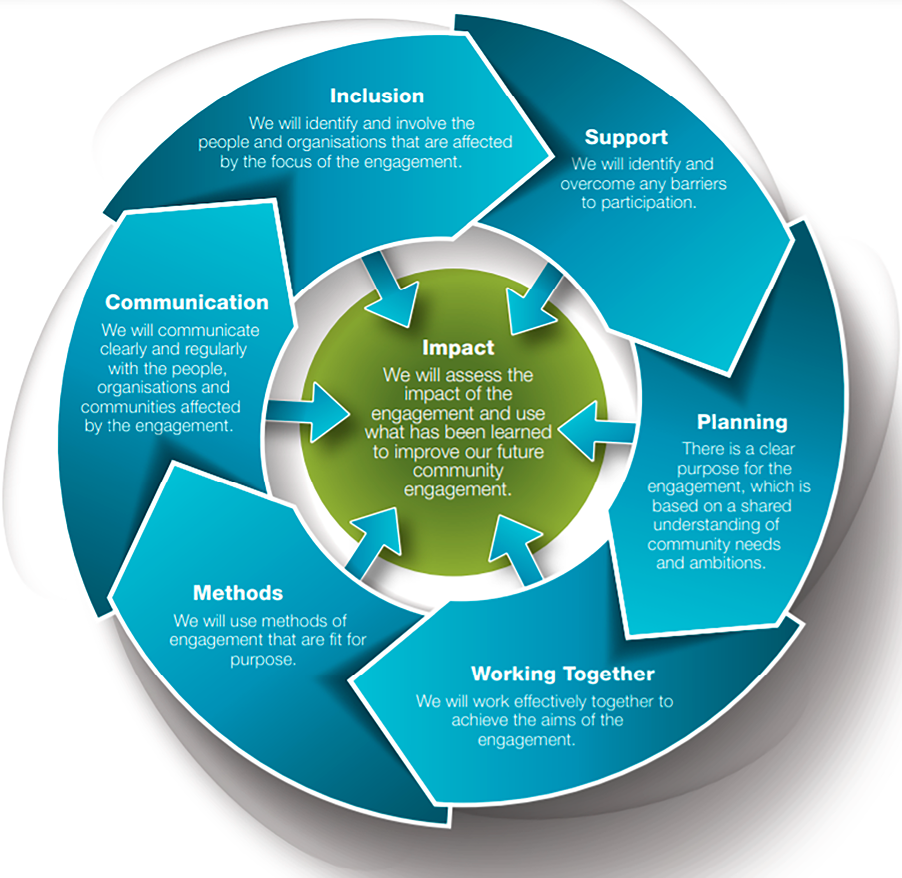
Figure 1. Scottish National Standards for Community Engagement
The SSCE are based on fairness, equality and inclusion, and highlight that community engagement should have clear and agreed purposes. While other principles for community engagement exist, including for implementation research (Blythe et al. 2013; Glandon et al. 2017), these can lack clarity in the form of an implementable interconnected structure, which the SSCE provides. They can also lack focus on the diversity of communities, such as those in our study (Chuong, Walton & Marini 2015). The values and principles of the SSCE are especially important for our diverse, multi-ethnic community and were previously identified by BSB as an approach aligning with their values.
Workshop Process
Nine 90-minute workshops were conducted between November 2020 and March 2021. The first workshop outlined the planned review and introduced relevant terminology. Seven subsequent workshops discussed each of the SSCE in turn. The final workshop provided an opportunity for the research team to feedback findings and sense check with community members. Prior to each workshop, a ‘workshop guide’ with an agenda and key questions was circulated. Questions explored the SSCE standard theme of the workshop according to the principles of Voice, Choice and Power, and were used as prompts to spark discussion. An example workshop guide is included in Appendix 1.
Workshops were conducted online via ZOOM, a videoconferencing platform increasingly used to conduct qualitative research (Archibald et al. 2019). Access to ZOOM calls was password restricted so that discussions could remain secure and confidential. The research team ensured that the planned workshop series was accessible and convenient for all participants. Sessions took place weekly at the same time to offer consistency.
Note-takers recorded discussions, which were then passed to the researchers for analysis. Workshops were not transcribed verbatim and for this reason we do not include direct quotations in this article.
Analysis
Workshop data was transcribed by two members of the research team, and transcripts were compared for accuracy following each session. The research team then met to discuss the data and suggestions were made for how to further democratise the sessions. One of the suggestions was to split the group into two small breakout rooms for some discussions to allow quieter members of the community to speak more freely. This worked well and improved data outputs.
A basic framework analysis was used (Gale et al. 2013) to apply a matrices structured around the three core principles of Voice, Choice and Power. Since the purpose of this study was to produce a Logic Model for community engagement, the three principles were mapped against current and aspirational engagement activities (Appendix 2). A matrix was completed for each of the seven SSCE workshops so that specific activities and related themes (e.g. building relationships, developing community readiness, etc.) could be identified across the series and related back to relevant principles and standards. Data was initially analysed in Microsoft Excel using this framework with the activities and themes. Activities and themes were indexed systematically, a process which entailed comparison within and between each of the workshop matrices. At this stage, we rearranged segments of the data to ensure that entries were placed under the heading of the standard and principle that most appropriately suited them.
Findings were consolidated in a Logic Model format within Microsoft PowerPoint to present to the community at the start of each workshop, to gather further feedback or suggestions on the analysed data. This provided the community with an opportunity to contribute their own analysis of the data, further amplifying the community voices and validating the process.
Results
Following are key highlights from our review, which have been organised according to community defined principles of Voice, Choice and Power.
Voice
Discussion elicited useful insights into how the community does and can contribute their knowledge, ideas, experience and influence at every level of BSB’s operation. The FACE team has worked with the community to develop Community Champion advocacy roles within the organisation. These advocates also work within the community to promote key program messages and projects to families.
It was felt that opportunities were being provided for a range of community voices to be included in the ongoing planning and development of the BSB program. Furthermore, the community was being supported to get involved. Forums included a range of under-represented voices, such as groups aimed at Dads, which allowed them to design activities for themselves.
The importance of inclusion and focusing efforts on groups less well represented within the program was continually highlighted. Examples included grandparents, Eastern European and Roma communities, and the White British population. Connected to this was the suggestion to translate key BSB project materials and publicity into different languages and to increase use of interpreters.
While BSB were praised for much of the existing work taking place, it was acknowledged that there was still room for improvement with regard to communication, specifically the two-way feedback mechanism between BSB and the community, to ensure transparency. Understanding what decisions had been made, but also how and why they had been made, was seen as valuable for maintaining positive relationships with the community.
It was agreed that direct methods of communication were most effective with the BSB community, given so many existing barriers to engagement. Examples were face-to-face door knocking, approaches at existing community centres, such as GP surgeries and Family Hubs, or simple word of mouth between community members. It was acknowledged that the COVID-19 pandemic had reduced opportunities for this type of community engagement and that the program had had to adapt quickly to ensure continued reach. With regard to the initial shift to online working, both in terms of the projects being delivered to the community and the engagement activities of the program, it was highlighted that there was a real risk of people being left behind. The FACE team had worked with community champions and neighbourhood workers embedded within other key community organisations to identify families lacking access to technology and/or the skills to engage online, and tried to provide more face-to-face or telephone support for them. They had also worked collaboratively with other community organisations to provide technology where possible. However, it was felt that more could and should be done to ensure the program remained accessible to the community moving forward.
FACE team members stated that BSB had used a ‘test and learn’ approach to implementing engagement strategies and activities in order to maximise impact. This had allowed them to see what worked and what didn’t, and what to keep or cease based on this approach. Alongside the use of ‘soft intelligence’ from the community and community partners about what was and wasn’t working well led to carefully targeted activities designed to have high impact and effectiveness amongst the community.
Relationship building and maintenance was a key theme throughout all of the workshop discussions and was felt to be particularly important in ensuring community voices were included across the program. The community felt it important that the BSB FACE team and Neighbourhood workers were supported to have the time and capacity to sustain relationships, particularly with those members of the community struggling during COVID-19 and needing extra support.
Choice
The community felt there were many ways they could take part in the program and in shaping BSB’s work and discussed a variety of existing projects, activities and forums. Removing barriers to engagement was seen as vital to ensuring the community had access to the aspects of the program with which they wanted to engage. Some of the ways BSB was already addressing barriers were discussed, including offering care for dependents (e.g. crèche provision), using accessible venues, providing interpreters, covering travel expenses, scheduling appropriately and providing reminders. Continuing to identify and reduce barriers was felt to be an ongoing priority. Providing ‘stepping-stone’ or informal warm-up activities was thought to be an important way of starting to build relationships with new families prior to attempting to engage them with some of the more structured projects and activities on offer. This was seen to support families to feel confident in taking part and reducing anxieties, therefore creating ‘community readiness’. A couple of the examples given were walking groups and coffee mornings. Similarly, BSB’s Parents in the Lead fund offered individuals and small groups the opportunity to apply to manage their own activities. This was aimed at families with young children living in the BSB area. All of this gave the community even more choice in how they engaged with BSB and created gateways into the broader program.
Collaboration with other community organisations was also seen as a success of BSB’s engagement strategy in building community readiness. An important example of where this was working well was the current Neighbourhoods Project, which embedded BSB Neighbourhood workers within other organisations with existing relationships with the community. Neighbourhood workers therefore acted as a first point of BSB engagement with many families and thus could promote key messages, signposts and referrals. It was agreed that external collaboration should include schools, faith organisations, ‘friends of’ groups, community centres, healthcare providers and others so as to bridge barriers to engagement.
The BSB team worked with a range of partners and services in the community, including ward officers, social prescribers, parent champion groups and community champions to develop and deliver a range of options, with which the community could engage. The FACE team described using a blended approach of face-to-face, telephone and online activities, and had discussed using social media channels, local radio and television to promote the program. They agreed that new methods to improve engagement should be considered, such as launching a podcast for parents and a new mobile app, to streamline project information for parents and increase accessibility.
As well as discussing some of the challenges brought about by the COVID-19 pandemic, the group highlighted some of the opportunities it had created. For example, while it was acknowledged that a move to online provision could create barriers for some families, for others it could make engagement more convenient. It allowed people to join in from home and dip in and out of online offerings, such as antenatal courses. Several participants stated that, as a result of COVID-19, they had observed an increase in community mindedness and motivation to volunteer for community projects.
Power
The group agreed that being supported to take part in transparent processes was key to ensuring community engagement in the governance of BSB. Current governance structures were briefly touched upon, but it was acknowledged that the wider community was unlikely to have a real understanding of how they could feed into this. Community board members currently sit on both the Partnership Board and the Commissioning Advisory Group and contribute directly to decision making. However, it was agreed that existing consultation should aim to engage a broader range of community members.
Overall, community members did feel they were involved with developing the BSB work plans. Those within the group who had been involved in program governance felt they had gained valuable skills, which had empowered them. However, it was clear that communication was an area for improvement, with transparency and feedback being a strong theme throughout the discussion. It was agreed that the community could be better consulted on funding decisions. The group called for consistent and transparent funding criteria which they believed would foster more trust from the community. One community member suggested that funding local groups could make the program more sustainable as large organisations with big contracts often disappear when funding ends.
Several community members felt that developing a clear complaints procedure and disseminating an organisational structure to the community would help to increase transparency. It was agreed that an improved clear communication strategy detailing how commissioning decisions were made at BSB would be widely appreciated.
FACE team members stated that the community has the ability to give direct feedback through a range of channels, such as their parenting groups and community champions. This information is then fed into the program via its governance structure. One community member suggested that other methods, such as comment boxes in strategic locations, could be used to encourage feedback. It was also noted that informal feedback forms are used after BSB activities to gather more information on how to plan future activities.
Discussion
Our workshops showed the value of the co-production process in supporting a diverse community to develop a community-engagement strategy. Using a clear framework which brought together the established principles of community engagement (SSCE) and concepts and language chosen by the community (Voice, Choice, Power) promoted rich discussions and supported the community to share experiences and ideas. Thus, using a ToC and Logic Model approach and working with the community, we defined what would practically be needed to deliver a community-engagement strategy, as outlined below.
Provision of an open forum for discussion and opportunities to summarise and provide feedback over several weeks allowed the research team to build trust with the community and ensure that the resulting Logic Model reflected their experiences of, and aspirations for, BSB. As well as providing a community-engagement strategy for the BSB program, the Logic Model might offer valuable insight into how diverse communities could be engaged post-COVID-19. Below are the key themes of our logic model.
1. Take advantage of opportunities created by COVID-19
The context of the COVID-19 pandemic drastically altered the nature of community engagement at the grassroots level and made it necessary for organisations to adapt quickly to support their communities. Our workshops revealed that collaboration across community organisations in Bradford was an essential part of maintaining support for the most vulnerable families. There was also strong evidence that trusted relationships were vital for effective community engagement (Tembo et al. 2021; Wilkins 2018) and our workshops highlighted the value of working collaboratively with smaller organisations that already had strong connections with their local communities and the cultural knowledge and skills necessary to engage them.
COVID-19 produced a necessary shift towards more online engagement activities and those which involved minimal prolonged face-to-face contact, such as door knocking and phone calls. Planning engagement in the future should thus involve maximising the benefits of activities which could be conducted virtually and those which should continue face to face. Our findings suggest some online activities were more convenient, adding to evidence that online community engagement can be effective (London Assembly 2021; Manikam et al. 2021). However, those community members without access to technology or technological skills needed to be catered for also, as digital inequalities were particularly apparent in ethnic minority groups and those from low socio-economic backgrounds (Watts 2020; Webb Hooper, Nápoles & Pérez-Stable 2020).
The use of blended approaches to engagement, such as those described in our Logic Model, are vitally important to engaging poorly reached communities so as to address health inequalities (Burgess et al. 2021; Gilmore et al. 2020; Latinovic 2020). Furthermore, strategies that look to improving access to technology and upskilling the community, as highlighted in our workshops, have the potential to produce benefits beyond engagement with the program.
2. Optimise readiness to engage
As well as increasing accessibility to the BSB program, interventions to improve the community’s confidence with technology are likely to increase community readiness to engage – something which is being increasingly formally measured (Community toolbox 2020; Edwards et al. 2000; Islam et al. 2019). The importance of increasing community readiness for engagement was highlighted throughout our workshops, particularly in relation to some of the groups less well represented in the program. Previous research on the BSB had found low levels of community readiness for intervention (Islam et al. 2019). Our participants felt that the provision of more informal activities that built trust, developed confidence and fostered relationships could act as a bridge to the program for poorly reached groups. Within the BSB program, activities such as walking groups and coffee mornings could function as consultation opportunities, allowing seldom heard voices to feed into planning and decision making, or act as ‘stepping-stones’ for families to some of the more structured projects on offer.
The community was keen to develop further strategies that would improve representation across decision-making structures of the BSB program, particularly by the Eastern and Central European, Roma, refugee and asylum seeker communities. However, it was acknowledged that support, in the form of training, must be offered to those recruited to ensure they were adequately equipped to take up community champion and other governance roles.
3. Empower community voices
Promoting representation of community voices to the planning of the BSB program is itself a form of co-production that equalises power dynamics (Lokot & Wake 2021). This approach is also likely to optimise impact (Crocker et al. 2018; Staley 2015) and make the program more cost-effective because, by ensuring services are better targeted to the community’s needs, the community is likely to stay engaged with services to improve their health outcomes (Garlatti et al. 2020).
Overall, the process and structures we used throughout the workshops strengthened community involvement and amplified community voices. The Voice, Choice and Power concepts complemented the SSCE by drawing out the diverse opinions of the multi-ethnic communities we worked with. For example, standards such as ‘inclusion’ allowed for the full expression of the experiences (voice) and ideas (choice) of our diverse communities, as well as allowing them to express opinions on the inclusive nature of choices and decision-making structures within the organisation (power).
Ensuring a continuous reflective process of recruitment to key community governance roles is therefore vital. This includes providing consistent and transparent information to the community about allocation of funding and other resources, procedures and organisational structures. These mechanisms should be contained in a clear communications strategy, which explains to the community how decisions are made and where power lies in decision-making. Strengthening the two-way feedback loop between the community and the organisation is vital. Co-production activities, such as those employed in our workshops, could allow communities to use existing power structures to lobby for more power and influence (Slutsky et al. 2016), and help BSB ensure power is placed firmly in the hands of community members (Shalowitz et al. 2009; Wallerstein & Duran 2010). This demonstration of working with communities could then create space for greater community control over services designed for them (Beebeejaun et al. 2015; Osborne, Radnor & Strokosch 2016; Williams et al. 2020).
Limitations and reflections
Our workshops were not without limitations. We recruited, via the BSB FACE team, a relatively small number of community members, all of whom had previous involvement with the program. We were aware that this could introduce bias. Some BSB groups were underrepresented and, given the timing and format of the workshops, we were unable to include members of the community who did not have access to, or skills in using technology. We recognise that more voices would have added value to the discussion. Connected to this, variation in skill and confidence may have affected the extent to which some participants could contribute to the workshops. However, reflective practice used by the research team meant that the structure of the workshops was able to be adapted across the series to support participants to contribute.
We have presented the experiences and ideas of the BSB community and developed a strategy specific to that context. We cannot generalise our findings to other geographical locations as different communities may need different community-engagement strategies. Further work would be required to investigate whether the same principles apply to other geographical, ethnic and socio-economic groups.
While conducting workshops online may have restrict access to potential participants, we do not believe that it negatively impacted our co-production process as evidence has shown that virtual co-production can deliver excellent insights (Meijer 2011). Participants expressed that they felt able to participate and have their voices heard. However, as is often the case with research, power dynamics could not be eliminated from our process. Co-production and co-design techniques involve facilitating, managing and co-coordinating a complex set of psychological, social and cultural interactions (Farr 2017). These interactions are particularly important to consider when working with diverse communities, such as those included in our workshops. We made efforts to consider these power dynamics throughout the process, and the female research team, comprising one researcher who lived outside Bradford and three who identified as white British undertook regular reflective practice. A reflexive and reflective approach to co-production is important (Oliver, Kothari & Mays 2019). In future, we would attempt to include a more diverse team, ideally including some community member participants, in the transcription process. Diversifying the research team could potentially identify other areas in which the CE Logic Model could be expanded. We attempted to challenge power relations by ensuring the focus of discussion was community members’ opinions, expressed individually and collectively.
Conclusion
In using methods centred on the community, we found our use of co-production workshops to be invaluable in providing insights into community needs. Our co-production process developed a comprehensive community-engagement Logic Model which provides a blueprint for community engagement in three wards of Bradford. Using a framework developed using terminology defined by the community, we were able to identify strategies for empowering them to contribute to program decision-making processes at all levels.
Whilst we understand that our workshops are not without challenges, we do find that the insights from our structured and theoretically grounded approach, including for the first time the integration of community-defined Voice, Choice, Power concepts, and the use of the SSFCE helped to expand the literature in the area of co-production research. We believe that our approach using SSFCE and VCP, combined with tools such as the Logic Model and ToC, provides an innovative method for structuring and grounding co-production research. Therefore, our workshops demonstrate an important step forward in placing more power in the hands of often overlooked communities to develop effective community-engagement practices.
Our findings also highlight the importance of informal planning and consultation with communities, including assessment of their readiness to engage, combined with a flexible approach to adapting activities to communities’ needs. Opportunities for new ways of working following COVID-19 should be capitalised on to maximise reach, and combine virtual and face-to-face activities. A continuous reflective process of recruitment to key governance roles so as to include a range of diverse voices reflecting the make-up of the community is also important. Finally, a strong two-way feedback loop, whereby the community and the organisation could play an equal role, was at the core of our community-engagement strategy. Our innovative co-produced findings represent an opportunity to explore and test the transferability of our strategy and Logic Model to other communities in the UK and globally. Furthermore, our co-production method, including key principles, such as Voice, Choice and Power, defined by the community themselves, could be transferable to other settings to elicit valuable insights into how community-engagement can be conducted effectively to meet community needs.
Acknowledgements
This study was only possible due to the enthusiasm and commitment of the members of the Community Reference Group. We are grateful to all the participants – the Community Reference Group, the Better Start Bradford partnership and staff, BSB projects, and the health professionals and researchers who helped to make this study possible.
References
Adhikari, B, Pell, C & Cheah, P 2020, ‘Community engagement and ethical global health research’, Global Bioethics, vol. 31, no. 1, pp. 1–12. https://doi.org/10.1080/11287462.2019.1703504
Ahmed, S & Palermo, A, 2010, ‘Community engagement in research: Frameworks for education and peer review’, American Journal of Public Health, vol. 100, no. 8, pp. 1380–87. https://doi.org/10.2105/AJPH.2009.178137
Akinyemi, O, Harris, B & Kawonga, M 2020, ‘Our culture prohibits some things: Qualitative inquiry into how sociocultural context influences the scale-up of community-based injectable contraceptives, in Nigeria’, BMJ Open, vol. 10, no. 7, pp. 35, 311. https://doi.org/10.1136/bmjopen-2019-035311
Alter, C & Murty, S 1997, ‘Logic modeling: A tool for teaching practice evaluation’, Journal of Social Work Education, vol. 33, no. 1, pp. 103–17. https://doi.org/10.1080/10437797.1997.10778856
Archibald, M et al. 2019, ‘Using Zoom Videoconferencing for Qualitative Data Collection: Perceptions and experiences of researchers and participants’, International Journal of Qualitative Methods, vol. 18, p. 160940691987459. https://doi.org/10.1177/1609406919874596
AVAC 2011, UNAIDS: Good participatory practice: Guidelines for biomedical HIV prevention trials, 2nd edn.
BBC News 2021, ‘Covid-19: “Sad milestone” as Bradford marks 1,000 deaths’, BBC News Website, https://www.bbc.co.uk/news/uk-england-leeds-55822566 (Accessed 13 April 2021).
Bedson, J et al. 2019, ‘Community engagement during outbreak response: standards, approaches, and lessons from the 2014–2016 Ebola outbreak in Sierra Leone’, bioRxiv, p. 661959. https://doi.org/10.1101/661959
Beebeejaun, Y et al. 2015, ‘Public harm or public value? Towards coproduction in research with communities’, vol. 33, no. 3, Environment and Planning C: Government and Policy 2015, vol. 33, pp. 552–65. https://doi.org/10.1068/c12116
Bernheim, R 2016, ‘Public engagement in emergency preparedness and response’, in Emergency Ethics, Oxford University Press, pp. 155–85. https://doi.org/10.1093/med/9780190270742.003.0005
Blythe, C et al. 2013, ‘Guiding principles for community engagement: Reflections on a school-based sustainability project’, Journal for Social Action in Counseling & Psychology, vol. 5, no. 3, pp. 44–69. https://doi.org/10.33043/JSACP.5.3.44-69
Brett, J et al. 2014, ‘Mapping the impact of patient and public involvement on health and social care research: A systematic review’, Health Expectations, vol. 17, no. 5, pp. 637–50. https://doi.org/10.1111/j.1369-7625.2012.00795.x
Breuer, E et al. 2016, ‘Using theory of change to design and evaluate public health interventions: A systematic review’, Implementation Science, vol. 11, no. 1, pp. 1–17. https://doi.org/10.1186/s13012-016-0422-6
Burgess, R et al. 2021, ‘The COVID-19 vaccines rush: Participatory Community Engagement matters more than ever’, The Lancet, pp. 8–10. https://doi.org/10.1016/S0140-6736(20)32642-8
Caperon et al. 2019, ‘Developing a socio-ecological model of dietary behaviour for people living with diabetes or high blood glucose levels in urban Nepal: A qualitative investigation’, PLOS ONE, vol. 14, no. 3, p. e0214142. https://doi.org/10.1371/journal.pone.0214142
Chuong, K, Walton, K & Marini, M 2015, Report for the City of Guelph: Community engagement policies in national and international municipalities. https://atrium.lib.uoguelph.ca/xmlui/bitstream/handle/10214/9087/AppendixB.pdf?sequence=3.
City of Bradford Metropolitan District Council 2021, Ward profile Bowling and Barkerend: Understanding Bradford District. https://ubd.bradford.gov.uk/media/1599/bowling-barkerend.pdf
City of Bradford Metropolitan District Council 2021, Ward Profile: Bradford Moor: Understanding Bradford District. https://ubd.bradford.gov.uk/media/1600/bradford-moor.pdf
City of Bradford Metropolitan District Council 2021, Ward profile Little Horton: Understanding Bradford District. https://ubd.bradford.gov.uk/media/1657/little-horton.pdf
Clark, T 2008, ‘We’re over-researched here!’, Sociology, vol. 42, no. 5, pp. 953–70. https://doi.org/10.1177/0038038508094573
Community toolbox 2020, Chapter 2: ‘Other models for promoting community health and development’. https://ctb.ku.edu/en/table-of-contents/overview/models-for-community-health-and-development/community-readiness/main
Conrad, K et al. 1999, ‘Creating and using logic models: Four perspectives’, Alcoholism Treatment Quarterly, vol. 17, nos 1–2, pp. 17–31. https://doi.org/10.1300/J020v17n01_02
Crocker, J et al. 2018, ‘Impact of patient and public involvement on enrolment and retention in clinical trials: Systematic review and meta-analysis’, BMJ (Online), vol. 363, p. 4738. https://doi.org/10.1136/bmj.k4738
Department of International Development UK 2012, Review of the use of ‘Theory of Change’ in international development. https://www.gov.uk/government/news/dfid-research-review-of-the-use-of-theory-of-change-in-international-development
de Silva, M et al. 2014, ‘Theory of change: A theory-driven approach to enhance the Medical Research Council’s framework for complex interventions’, Trials, vol. 15, no. 1, p. 267. https://doi.org/10.1186/1745-6215-15-267
Dickerson, J. et al. 2016, ‘Born in Bradford’s Better Start: An experimental birth cohort study to evaluate the impact of early life interventions’, BMC Public Health, vol. 16, no. 1, p. 711. https://doi.org/10.1186/s12889-016-3318-0
Domecq, J et al. 2014, ‘Patient engagement in research: A systematic review’, BMC Health Services Research, BioMed Central, p. 89. https://doi.org/10.1186/1472-6963-14-89
Dykeman, M et al. 2003, ‘Development of a program logic model to measure the processes and outcomes of a nurse-managed Community Health Clinic’, Journal of Professional Nursing, vol. 19, no. 4, pp. 197–203. https://doi.org/10.1016/S8755-7223(03)00070-X
Edwards, R et al. 2000, ‘Community readiness: Research to practice’, Journal of Community Psychology, vol. 28, no. 3, pp. 291–307. https://doi.org/10.1002/(SICI)1520-6629(200005)28:3<291::AID-JCOP5>3.0.CO;2-9
Falkenburger, E & Ferdorowicz, M 2020, ‘Pivoting Community Engagement during COVID-19’, Medium. https://urban-institute.medium.com/pivoting-community-engagement-during-covid-19-4f45efe7d546
Farr, M 2017, ‘Power dynamics and collaborative mechanisms in co-production and co-design processes’, Critical Social Policy, vol. 38, no. 4, pp. 623–644. https://doi.org/10.1177/0261018317747444
Fedorowicz, M, Arena, O & Burrowes, K 2020, Community Engagement during the COVID-19 pandemic and beyond: A Guide for Community-Based Organizations.
Gale, N et al. 2013, ‘Using the framework method for the analysis of qualitative data in multi-disciplinary health research’, BMC Medical Research Methodology, vol. 13, no. 1, p. 117. https://doi.org/10.1186/1471-2288-13-117
Garlatti, A et al. 2020, ‘Coproduction and cost efficiency: A structured literature review’, Journal of Public Budgeting, Accounting and Financial Management, vol. 32, no. 1, pp. https://doi.org/10.1108/JPBAFM-12-2018-0142
Gbadegesin, S & Wendler, D 2006, ‘Protecting communities in health research from exploitation’, Bioethics, vol. 20, no. 5, pp. 248–53. https://doi.org/10.1111/j.1467-8519.2006.00501.x
Gilmore, B et al. 2020, ‘Community engagement for COVID-19 prevention and control: A rapid evidence synthesis’, BMJ Global Health, vol. 5, no. 10, p. 3188. https://doi.org/10.1136/bmjgh-2020-003188
Glandon, D et al. 2017, ‘10 best resources for community engagement in implementation research’, Health Policy and Planning, vol. 32, no. 10, pp. 1457–65. https://doi.org/10.1093/heapol/czx123
Green, G, Boaz, A & Stuttaford, M 2019, ‘Editorial: Public participation in health care: Exploring the co-production of knowledge’, Frontiers in Sociology, Frontiers Media S.A. https://doi.org/10.3389/fsoc.2019.00073
Hense, J, Kriz, C & Wolfe, J 2009, ‘Putting theory-oriented evaluation into practice: A logic model approach for evaluating SIMGAME’, Simulation and Gaming, vol. 40, no. 1, pp. 110–33. https://doi.org/10.1177/1046878107308078
Hickey, D 2018, ‘The potential for co-production to add value to research’, Health Expectations, vol. 21, no. 4, pp. 693–94. https://doi.org/10.1111/hex.12821
House of Commons Women and Equalities Committee 2020, Unequal impact? Coronavirus and BAME people.
Huang, J, Lipman, P & Daniel Mullins, C 2017, ‘Bridging the divide: Building infrastructure to support community-academic partnerships and improve capacity to conduct patient-centered outcomes research’, Translational Behavioral Medicine, vol. 7, no. 4, pp. 773–82. https://doi.org/10.1007/s13142-017-0487-z
Islam, S et al. 2019, ‘Addressing obesity in Roma communities: A community readiness approach’, International Journal of Human Rights in Healthcare, vol. 12, no. 2, pp. 79–90. https://doi.org/10.1108/IJHRH-06-2018-0038
James, C 2011, Theory of change review: A report comissioned by Comic Relief, Monitoring and Evaluation News. https://mande.co.uk/2012/uncategorized/comic-relief-theory-of-change-review/
Kaplan, S & Garrett, K 2005, ‘The use of logic models by community-based initiatives’, Evaluation and Program Planning, vol. 28, pp. 197–72. https://doi.org/10.1016/j.evalprogplan.2004.09.002
Latinovic, L 2020, ‘COVID-19: How to include marginalized and vulnerable people in risk communication and community engagement, ReliefWeb. https://reliefweb.int/report/world/covid-19-how-include-marginalized-and-vulnerable-people-risk-communication-and-and-community engagement
Lavery, J et al. 2010, ‘Towards a framework for community engagement in global health research’, Trends in Parasitology, vol. 26, no. 6, pp. 279–83. https://doi.org/10.1016/j.pt.2010.02.009
Lignou, S et al. 2019, ‘Co-production: An ethical model for mental health research?’, American Journal of Bioethics, Routledge, pp. 49–51. https://doi.org/10.1080/15265161.2019.1619877
Local Government Improvement and Development 2010, Not another consultation! Making community engagement informal and fun.
Lokot, M & Wake, C 2021, ‘Research as usual in humanitarian settings? Equalising power in academic-NGO research partnerships through co-production’, Conflict and Health, vol. 15, no. 1, pp. 1–12. https://doi.org/10.1186/s13031-021-00399-w
London Assembly 2021, Co-design online: Community engagement during lockdown, London Assembly blog online. https://www.london.gov.uk/about-us/organisations-we-work/old-oak-and-park-royal-development-corporation-opdc/about-us/read-our-blog/co-design-online-community-engagement-during-lockdown
Manikam, L et al. 2021, ‘Online community engagement in response to COVID‐19 pandemic’, Health Expectations, vol. 24, no. 2, p. hex.13194. https://doi.org/10.1111/hex.13194
Mayne, J & Johnson, N 2015, ‘Using theories of change in the CGIAR Research Program on Agriculture for Nutrition and Health’, Evaluation, vol. 21, no. 4, pp. 407–28. https://doi.org/10.1177/1356389015605198
McLaughlin, J & Jordan, G 1999, ‘Logic models: A tool for telling your program’s performance story’, Evaluation and Program Planning, vol. 22, no. 1, pp. 65–72. https://doi.org/10.1016/S0149-7189(98)00042-1
Meijer, A 2011, ‘Networked coproduction of public services in Virtual Communities: From a Government-centric to a community approach to Public Service support’, Public Administration Review, vol. 71, no. 4, pp. 598–607. https://doi.org/10.1111/j.1540-6210.2011.02391.x
Meyer, M, Louder, C & Nicolas, G 2021, ‘Creating with, not for people: Theory of Change and Logic Models for culturally responsive community-based intervention’. https://doi.org/10.1177/10982140211016059
Minkler, M & Wallerstein, N 2011, Community-Based Participatory Research for Health: From Process to Outcomes, John Wiley & Sons, London, UK. https://books.google.co.uk/books?hl=en&lr=&id=1Wry09vE_HUC&oi=fnd&pg=PT45&dq=community+based+participatory+research&ots=tJjXdVRAQD&sig=FvRGlCIjrMJYl-MUznrmfTOO_D4#v=onepage&q=community based participatory research&f=false (accessed 29 June 2022).
Nuamah, A & Spencer, A 2020, When COVID-19 gives you lemons: Pivoting to Virtual Community Engagement, Center for Health Care Strategies blog. https://www.chcs.org/when-covid-19-gives-you-lemons-pivoting-to-virtual-community-engagement (accessed 27 April 2021).
Office of Health Equity Colorado 2020, Inclusive Virtual Community Engagement during COVID-19.
Oliver, K, Kothari, A & Mays, N 2019, ‘The dark side of coproduction: Do the costs outweigh the benefits for health research?’, Health Research Policy and Systems, vol. 17, no. 1, pp. 1–10. https://doi.org/10.1186/s12961-019-0432-3
Osborne, S, Radnor, Z & Strokosch, K 2016, ‘Co-production and the co-creation of value’, in Public Services: A suitable case for treatment?, vol. 18, no. 5, pp. 639–53. https://doi.org/10.1080/14719037.2015.1111927
Ramsbottom, A et al. 2018, ‘Enablers and barriers to community engagement in Public Health emergency preparedness: A Literature Review’, Journal of Community Health, Springer, New York, pp. 412–20. https://doi.org/10.1007/s10900-017-0415-7
Ryan-Collins, J & Stephens, L 2008, Co-production Manifesto. https://neweconomics.org/2008/07/co-production
Salmons, J 2018, Doing Qualitative Research online, SAGE Publications. https://doi.org/10.4135/9781473921955
Shalowitz, M et al. 2009, ‘Community-based participatory research: A review of the literature with strategies for community engagement’, Journal of Developmental and Behavioral Pediatrics, vol. 30, no. 4, pp. 350–61. https://doi.org/10.1097/DBP.0b013e3181b0ef14
Shaping our lives 2020, A national network of service users and disabled people. www.shapingourlives.org.uk/resources/our-resources/all-publications/co-production-what-is-it-guidelines-and-tips
Slutsky, J et al. 2016, ‘Patterns of public participation: Opportunity structures and mobilization from a cross-national perspective’, Journal of Health, Organisation and Management, pp. 751–68. https://doi.org/10.1108/JHOM-03-2016-0037
Smith, J, Li, D & Rafferty, M 2020, ‘The Implementation Research Logic Model: A method for planning, executing, reporting, and synthesizing implementation projects’, Implementation Science, vol. 15, no. 1, pp. 1–12. https://doi.org/10.1186/s13012-020-01041-8
Staley, K 2015, ‘“Is it worth doing?” Measuring the impact of patient and public involvement in research’, Research Involvement and Engagement, BioMed Central Ltd., p. 6. https://doi.org/10.1186/s40900-015-0008-5
Tembo, D et al. 2021, ‘Effective engagement and involvement with community stakeholders in the co-production of global health research’, BMJ Publishing Group. https://doi.org/10.1136/bmj.n178
Torghele, K et al. 2007, ‘Logic model use in developing a survey instrument for program evaluation: Emergency preparedness summits for schools of nursing in Georgia: Special focus: Credentialing: Methods’, Public Health Nursing, vol. 24, no. 5, pp. 472–79. https://doi.org/10.1111/j.1525-1446.2007.00658.x
Voice Scotland 2021, The National Standards for Community Engagement. http://www.voicescotland.org.uk/ (Accessed: 13 April 2021)
Wallerstein, N & Duran, B 2006, ‘Using Community-Based Participatory Research to address health disparities’, Health Promotion Practice, vol. 7, no. 3, pp. 312–23. https://doi.org/10.1177/1524839906289376
Wallerstein, N & Duran, B 2010, ‘Community-based participatory research contributions to intervention research: The intersection of science and practice to improve health equity’, American Journal of Public Health, vol. 100 (suppl. 1). https://doi.org/10.2105/AJPH.2009.184036
Watts, G 2020, ‘COVID-19 and the digital divide in the UK’, The Lancet Digital Health, vol. 2, no. 8, pp. e395–e396. https://doi.org/10.1016/S2589-7500(20)30169-2
Webb Hooper, M, Nápoles, A & Pérez-Stable, E 2020, ‘COVID-19 and racial/ethnic disparities’, JAMA – Journal of the American Medical Association, pp. 2466–67. https://doi.org/10.1001/jama.2020.8598
Weiss, C 2011, ‘Nothing as practical as good theory: Exploring theory-based evaluation for comprehensive community initiatives for children and families’, in New approaches to evaluating community initiatives: Concepts, methods, and contexts, The Aspen Institute, pp. 65–92.
Wilkins, C 2018, ‘Effective engagement requires trust and being trustworthy’, Medical Care, pp. S6–S8. https://doi.org/10.1097/MLR.0000000000000953
Williams, O 2020, ‘Lost in the shadows: Reflections on the dark side of co-production’, Health Research Policy and Systems, vol. 18, no. 1, pp. 1–10. https://doi.org/10.1186/s12961-020-00558-0
Appendices
Appendix 1: Workshop Guide for Support Standard
| Item | Timings |
|---|---|
| 1. Welcome and share Agenda | 5 minutes |
| 2. Present planning activities from last week and ask for further feedback/comments | 10 minutes |
| 3. Review of the Scottish National Standards – Impact | 10 minutes |
| 4. Breakout session 1 Focus of session is Impact – assessing the impact of the engagement and using what we have learnt about the engagement to improve our future community engagement a) Community perspectives 1. Do the decisions BSB takes reflect the views of community members involved in the engagement process? [Power] 2. Have local outcomes or services been improved as a result of the engagement process? If so, how? [Voice] 3. Will participants in the engagement process use improved skills and confidence to take part in community engagement in the future? How? [Choice] | 10 minutes |
| 5. Feedback on breakout group 1 Share with full meeting | 15 minutes |
| 6. Breakout session 2 Impact: Prompts and questions a) Wider learning and partnerships 1. Are partners involved in the monitoring and reviewing of the quality of the engagement process? What has happened as a result? [Power] 2. Is feedback provided to the wider community on how the engagement process has influenced decisions? If so, what has changed as a result? [Power] 3. Has our learning and evaluation helped to shape our future community-engagement process? How? [Voice & Choice] | 20 minutes |
| 7. Feedback on breakout group 2 Share with full meeting | 15 minutes |
| 8. Next steps: To populate and refine Impact data collected today and present at next session / close meeting | 5 minutes |
Appendix 2: Example analysis matrix for the Inclusion Standard
Please note: Italicised text varies according to the standard being analysed
| Voice The voices of all communities and organisations working with families across the Better Start Bradford area are included at every level of the programme | Choice A range of opportunities are provided for communities and organisations to engage at every level of the programme | Power Community voices are heard, valued, and have real influence at every level of the programme | |
|---|---|---|---|
| Activities taking place already | |||
| Activities which could be improved | |||
| New activities which could be introduced to improve community engagement |
Appendix 3: Example Logic Model components for the Inclusion Standard
A summary of the Inclusion workshop structured as a Logic Model. Outcomes and Impacts are structured by Voice, Choice and Power.
| Inputs | Activities | Outputs | Outcomes | Impacts |
|---|---|---|---|---|
| Budgets e.g. Volunteering budget People e.g. 1 x full-time equivalent community engagement coordinator Other resources e.g. BSB website, IT equipment |
FOR INCLUSION STANDARD Examples: Community board members, volunteers and Community Champions are recruited from the different communities and organisations across the BSB area Parents and community led organisations are invited to apply for funding for the Parents in the Lead fund to set up their own activities for the community BSB sets up or contributes to steering groups and forums with a focus on communities less well represented across the program, e.g. the Bradford Dads Matter Steering Group and Dads Engagement Forum Links are made with existing groups hosted by community partners to increase reach and inclusion of target community voices. |
FOR INCLUSION STANDARD Examples: No. of community members reflecting the wider BSB community on steering groups No. of activities involving informal consultation with the community No. of different communities/groups represented by community board members, community champions and volunteers No. of parent/community-led organisations that are invited/ supported to apply for funding for the parents in the lead fund No. of steering groups/forums set upby, or contributed to, by BSB No. of community members represented across the BSB program governance No. of new activities developed with partner organisations and groups No. of outreach activities targeted at groups/areas of low take-up |
FOR INCLUSION STANDARD VOICE – The voices of all communities and organisations working with families across the Better Start Bradford area are included at every level of the program CHOICE – A range of opportunities are provided for communities and organisations to engage at every level of the program POWER – Community voices are heard, valued and have real influence at every level of the program |
VOICE: Decision-making across the program reflects the views of the community CHOICE: The community is involved in monitoring and reviewing the quality and success of the program POWER: The community has improved their skills, confidence and ability to engage in the future, and local outcomes and services are improved as a result of their engagement Informal consultation results in changes to/development of BSB activities Community members provide input into review meetings |