Gateways: International Journal of Community Research and Engagement
Vol. 19, No. 1
May 2026
Practice-based article
Transnational Convergence on Youth, Solidarity and Empowerment: An Experience of Youth Knowledge Mobilisation
Paloma Valdivia Vizarreta1,2, Anna Ciraso-Calí2,3,*, Xavier Úcar1
1 Department of Educational Theories and Social Pedagogy, Universitat Autònoma de Barcelona
2 Serra Húnter Fellow
3 Department of Applied Pedagogy, Universitat Autònoma de Barcelona
Corresponding author: Anna Ciraso-Calí, Anna.Ciraso@uab.cat
DOI: https://doi.org/10.5130/8nt9sz34
Article History: Received 05/10/2025; Revised 09/04/2026; Accepted 30/04/2026; Published 05/2026
Abstract
This document presents a narrative case study that analyses the exchange and mobilisation of knowledge generated in the encounter between a Spanish Research, Development and Innovation (R&D&I) project (HEBE project) and the European Project for Youth Participation (EPYP), where partner organisations from France, Portugal and Spain worked together to strengthen participation for youth with fewer opportunities in the field of international solidarity. The outcome of this encounter is a socio-educational diagnostic tool for youth organisations and educators in diverse educational and community contexts. This diagnostic tool was itself a further development of the HEBE project’s rubric, an analytical tool based on nine dimensions of youth empowerment. The results from the international encounter show that knowledge transfer is not a one-way process but rather a collective construction in which each agent (researchers, educators and young people) contributes their knowledge, contexts and languages. Finally, this project also shows that when young people are empowered through participatory spaces and their decisions are recognised and integrated into collective processes, they can make a difference in research from its first stages.
Keywords
Youth Empowerment; Young People with Fewer Opportunities; Participation; International Solidarity; Youth Knowledge Mobilisation; Participatory Research
Introduction: Academic Knowledge Building in the HEBE Project
The HEBE II project (Identification of empowering and limiting factors of youth empowerment: Analysis of discourses and practices of educators) is a Research, Development and Innovation (R&D&I) project funded by the Ministry of Economy and Competitiveness of the Government of Spain), developed between 2018 and 2021. Over five consecutive projects, HEBE has focused on the definition of youth empowerment and its pedagogical dimension, generating knowledge and tools for professionals working with young people. Specifically, this second project (HEBE II) focused on the following questions:
• What moments, spaces and processes promote youth empowerment?
• What factors can improve or inhibit youth empowerment, and how can they be evaluated?
• What role do educators play in helping young people to be empowered?
The project was led by the University of Girona and included the participation of the Autonomous University of Barcelona, the University of Barcelona, the Pompeu Fabra University and the Autonomous University of Madrid. This collaboration brought together an interdisciplinary team with the aim of providing a broad perspective on the phenomenon of youth empowerment, combining pedagogical, social and methodological perspectives. Methodologically, the project was based on a qualitative approach with a strong participatory orientation, developing both conceptual instruments and applied tools aimed at practical transfer. Over the years, the HEBE project has worked on the definition and validation of nine dimensions of youth empowerment (Ciraso-Calí et al. 2023; Llena Berñe et al. 2023; Planas-Lladó & Úcar 2022; Sala-Torrent et al. 2022; Valdivia-Vizarreta et al. 2025). These were developed together with professionals and young people in diverse socio-educational contexts through the use of visual, narrative and participatory methodologies (Jimenez & Salvadó 2018; Llena Berñe et al. 2017; Úcar et al. 2017).
In addition to scientific work, the project has developed multiple resources aimed at practical knowledge transfer, such as rubrics, guides, audio-visual materials and open training sessions (https://projectehebe.com/en/creations/). These materials have been designed to support educational and community processes related to youth empowerment and are available in open access for adaptation and use in various professional and training contexts.
Although the HEBE project has a strong presence in Spain, with validations carried out in different regions, until now, its use in an international context has not been documented. To introduce this leap in scale, a specific opportunity for European collaboration was identified through the Erasmus+ program, which allowed the approach developed by HEBE to be projected internationally. The implementation of the HEBE framework within the Erasmus+ European Project for Youth Participation (EPYP) – an interdisciplinary initiative focused on rethinking and exchanging practices to promote greater inclusion in the associative sector – constitutes the first concrete experience of the international transfer of its results. The project was funded by the Agence Française de Développement (reference: 2021-1-FR01-KA210-ADU-000034109).
The HEBE project, represented by the team from the Autonomous University of Barcelona, was involved in this Erasmus+ because this process allows (1) to test the usefulness of the dimensions in diverse scenarios and with diverse youth; (2) to gain an external validation that enriches its applicability in international projects; and 3) to mobilise and generate new knowledge in the exchange and co-creation between academia and the associative sector.
This article, authored by members of both HEBE and EPYP project teams (Figure 1), is aimed at narrating the encounter between these two projects that resulted in the co-development of a diagnostic tool for youth organisations and educators based on HEBE conceptual and instrumental framework. This tool was co-created and validated across three European territories, with the meaningful participation of young people and educators. After examining the participatory process, we will discuss the tangible and intangible results of this encounter, as well as the lessons learned, which can be useful for further projects of youth knowledge mobilisation.
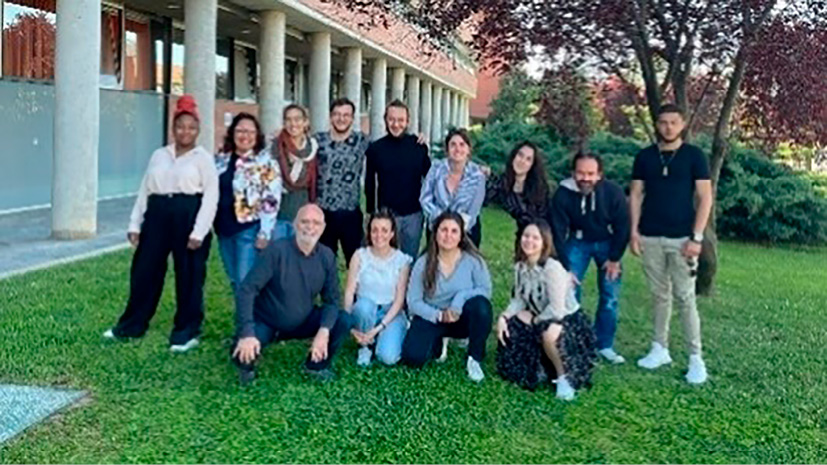
Figure 1. Picture of the EPYP project team at one of the face-to-face meetings. EPYP, European Project for Youth Participation
Rubric: Specific Conceptual Contribution
The HEBE project rubric is a tool for analysing, planning and assessing socio-educational processes of youth empowerment. It is conceived as both a process and an outcome, which strengthens young people’s capacity for decision-making, action and meaningful participation in their communities (Corbella et al. 2021; Úcar et al. 2016).
These authors stated that youth empowerment is always the effect of a negotiated interaction between the capacities of a person, group or community, and the options that are provided by their environment. The development of the rubric combined qualitative methodologies – such as focus groups, in-depth interviews and narrative analysis – with participatory approaches, integrating the voices of both young people and social education professionals.
The rubric (https://rubrica.projectehebe.com/en) is structured around nine key dimensions of youth empowerment, identified through fieldwork in various socio-educational contexts in Spain and based on theoretical dimensions identified by Úcar et al. (2016): growth and well-being, relational, educational, political, transformative and emancipative. Its objective is twofold: first, to facilitate a diagnosis of the levels of empowerment generated in projects aimed at young people and, second, to guide the improvement of these interventions, offering clear and flexible references that can be adapted to different action frameworks. Since its creation, the rubric has been used as a pedagogical, evaluation and planning tool in both formal and informal settings.
The dimensions analysed in the rubric are the following (Corbella et al. 2021):
1. Participation: The ability to influence the environment and get involved in collective actions or projects.
2. Responsibility: Voluntary and realistic assumption of commitments and tasks, as well as the consequences of one’s own decisions and actions.
3. Critical capacity: The ability to analyse problems or situations and develop one’s own criteria regarding them.
4. Self-esteem: Recognition of one’s own abilities and limits, personal satisfaction and security, as well as positive evaluation by those around them.
5. Meta-learning: Awareness of one’s own learning process, ability to learn how to learn and perception of the acquired power to act.
6. Effectiveness: Ability to make decisions aimed at achieving objectives, being methodical, consistent and effective in carrying out tasks.
7. Autonomy: Self-initiative to act according to one’s own convictions and the ability to make decisions independently.
8. Community identity: Connection with the environment, participation in community life and recognition of shared social and cultural heritage.
9. Teamwork: Ability to collaborate with others, communicate effectively, lead, negotiate and reach consensus in a group.
The articulation between theory and practice allowed the rubric, as conceptual knowledge, to be transferred and reformulated in a new European scenario, as shown in the following section.
Knowledge Mobilisation Within the Erasmus+ EPYP Project
The international EPYP project (in Figure 2 the former project website is displayed) was coordinated by the French youth network Engagé·e·s et Déterminé·e·s (E&D) (France), focused on international solidarity; it formed a partnership including the participation of Eurasia Net (France), the youth Braga delegation of Red Cross (JCVP) (Portugal) and the Autonomous University of Barcelona (Spain). It was funded under the Erasmus+ program, a European initiative to support education, training, youth and sports. This program is handled by the European Commission and managed, at the local level, by national agencies. In particular, this project was constituted as a small-scale partnership in Key Action 2: cooperation for the exchange and innovation of good practice. The main objective was to strengthen the participation and empowerment of young adults with fewer opportunities (hereafter JAMOs, the shared acronym used in French, Catalan and Portuguese). Empowerment is understood as a socio-educational process through which individuals develop capacities, acquire tools and enhance their agency to influence personal, community and social contexts within international solidarity (Drydyk 2013; Úcar et al. 2016).
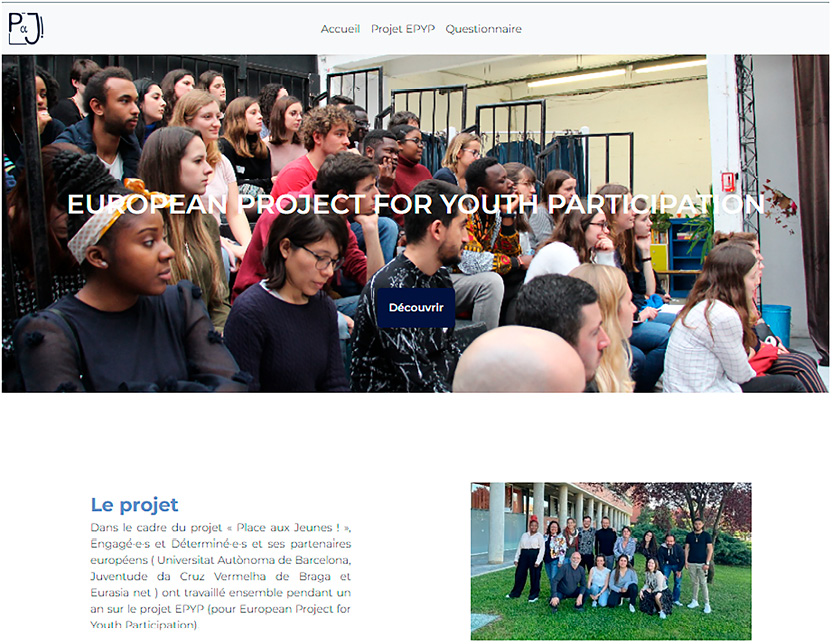
Figure 2. Former project website
In this process, EPYP team members agreed on a definition of youth as a vital moment of transition towards adult life; rather than delimiting youth within a specific age range, we understand as ‘young’ a person who is still developing their autonomy at the economic, social and political levels.
This initiative is part of the broader program, Place aux Jeunes! (Make way for young people!), promoted by the Commission for Youth and International Solidarity of Coordination SUD. This platform brings together French organisations involved in youth, popular education and international solidarity, with the aim of promoting the active involvement of young people in social, political and economic processes.
In this article and in the partnership, international solidarity is understood as a form of political practice through which different actors mobilise to support struggles against injustice beyond national borders. This perspective emphasises collective action and political alignment between movements, rather than being limited solely to institutional cooperation between organisations operating in different national contexts. In this sense, studies on youth activism show how young activists can become involved in struggles taking place in other countries through practices of mobilisation and political support, as occurred in youth campaigns against apartheid in the United Kingdom (Brown & Yaffe 2017).
The first idea of the EPYP project was generated by members of E&D and the Autonomous University of Barcelona (UAB) together, who realised that usually spaces for participation in international solidarity are often occupied by similar profiles: people with higher education, with a developed critical awareness and availability of time and personal resources. JAMOs often remain passive recipients of projects, with little active presence in decision-making processes. Therefore, the members of the EPYP partnership considered the need to support young people, specifically those in vulnerable situations (for instance, minority groups, youth living in rural settings, youth with citizenship or legal issues, youth with low socio-economic or cultural resources and youth who are unemployed or with a precarious job), in their right to participate in international solidarity and in decision-making within the organisations (Bečević & Dahlstedt 2021; Gathen et al. 2025; Korkman 2022; Trivelli & Morel 2020).
Faced with this situation, the participating organisations developed a diagnostic tool to facilitate the active inclusion of JAMOs. Each entity contributed its expertise: the UAB, based on its academic expertise in youth empowerment; the Braga Red Cross, based on its direct work with JAMOs in the field of social well-being; and E&D, together with Eurasia Net, based on its experience in popular education and international solidarity projects. The objective of this diagnostic tool is to offer international solidarity organisations a series of personalised recommendations that facilitate the active inclusion of JAMOs, fostering an enabling environment for strengthening their capacity for action. Whilst it is primarily aimed at this group, it can also be used in broader youth inclusion processes.
The tool created in this project is based on the nine dimensions of empowerment defined by the HEBE project, which were reinterpreted in the new context through a participatory process. Its objective is to offer tailored recommendations that allow organisations to self-diagnose their structure and projects, identifying the extent to which they promote the empowerment of JAMOs. Based on the analysis, guidelines for improving organisational environments are proposed.
The tool is designed for both JAMOs and other young people and includes three usage paths:
• assess the enabling environment to strengthen the power of JAMOs to act within a project;
• develop a reflection within a structure on effective inclusion and empowerment of JAMOs; and
• identify areas for improvement within a structure to strengthen the power of JAMO action.
To ensure its relevance and usefulness, the tool was co-developed through participatory processes carried out in February and June 2022 in Braga, Marseille and Paris, with the direct involvement of JAMOs and industry professionals.
Co-creation and Adaptation Process of the Tool into the EPYP Framework
This process was structured in four interconnected phases to ensure the active involvement of JAMO members throughout the entire process. A diverse steering group was formed, composed of professionals and participants from social organisations, senior researchers, young researchers and students, and youth leaders. From each partner organisation, young people were invited to be part of the steering group, to participate in the transnational meetings and to contribute to the design of the process, with a special focus on inviting young adults with fewer opportunities (coming from minoritised groups, such as youth from Roma communities or migrant youth). Diverse participation was explicitly encouraged, also implementing measures such as hiring interpreters (meetings of the steering groups were held in English, and interpreters usually accompanied young speakers of different languages); facilitating time and space for relaxed reflections and social, informal gathering; working sessions where team members worked in mixed groups (members of different ages and backgrounds); and using visual thinking tools.
In recruiting youth participants, priority was given to young adults already involved in the organisation who faced greater barriers to applying for solidarity projects. Young researchers were responsible for documenting the process, facilitating and leading dialogue spaces, and gathering lessons learned. In particular, two young researchers in their initial training (a master’s student focused on educational research and a PhD candidate focused on education) participated throughout the process. They were also in charge of leading the joint reflection on the results from the workshops, which happened during the second transnational meeting. For both researchers, the participation in the EPYP project had a formative role, as their research interests pivoted around participatory evaluation and socio-educational practices.
Professionals from social organisations were in charge of convening and supporting the young participants, with the aim of ensuring a diverse and contextualised perspective at each stage of the work. These activities combined in-person and virtual meetings; the number of members of the steering group fluctuated from ten to 15 people throughout the year.
The Design of the Workshops
Preparatory meetings were held between E&D and the UAB, addressing issues of coordination, task distribution and time planning. These meetings allowed for the establishment of methodological and organisational agreements that were later essential for the joint development of the project.
The first in-person meeting took place on 7 and 8 December 2021 at the Maison des Initiatives Étudiantes (House of Student Initiatives) in Paris (Figure 3). The first part included a presentation by the UAB on the HEBE project and the importance of youth empowerment to other French organisations involved in youth work in the international solidarity, with the participation of all the consortium entities, as well as young adults and professionals from the international solidarity sector in Paris. After the presentation and a social lunch, a world-café format was adapted to foster cross-disciplinary discussion on relevant shared questions about youth participation and empowerment (approximately 30 people participated in this open event). The second part included a workshop held among Erasmus member organisations, where the HEBE project approach was presented and its adaptation to the target group was discussed. During the workshop, participants jointly defined the methodological strategies for each region and agreed on shared commitments, including procedures for collecting and submitting results to the UAB for joint analysis. Eleven EPYP members participated in this in-person meeting.
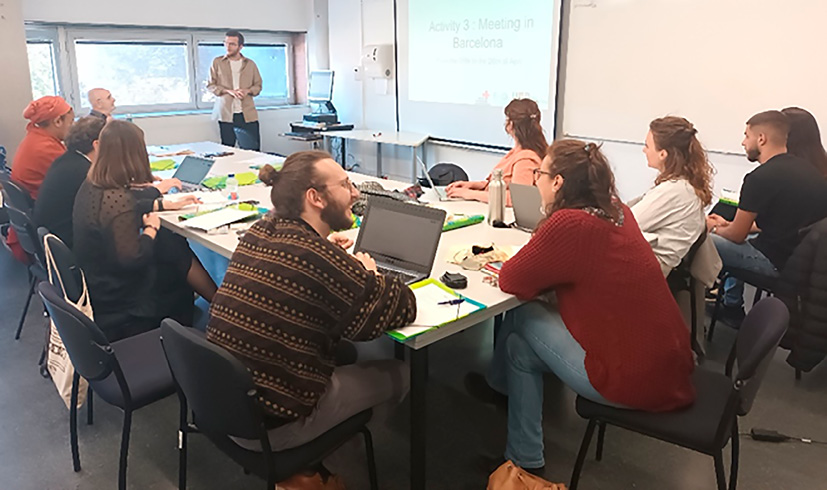
Figure 3. Picture of the first transnational face-to-face meeting
In the initial project phase, the UAB implemented a methodology informed by the pedagogical framework developed through the HEBE project. This framework identifies nine key dimensions of youth empowerment (included earlier), encompassing both personal aspects, such as self-esteem, autonomy, responsibility and critical capacity, and those related to collective and community engagement, including participation, teamwork and community identity. From the outset, young people were actively involved in the process, as one of the core intentions of the project was to promote participatory and co-creative methodologies. The initial activities combined conceptual exploration, such as constructing a shared definition of empowerment and reflecting on each dimension, with experiential exercises where young people discussed their own experiences of participation or exclusion from solidarity-based organisations.
As the process unfolded, several critical observations were raised by the partner organisations. Whilst the proposal from the UAB was well-received in terms of its theoretical structure, concerns were expressed regarding its contextual fit. Some of the concepts included in the rubric, particularly meta-learning and effectiveness, proved difficult for young people to grasp, leading to a collective recognition of the need to adapt the language to better suit the realities and understandings of the target groups. Furthermore, some partners highlighted the need for stronger alignment between the proposed activities and the lived experiences and forms of participation that were meaningful to the young people in their local contexts.
In response to this feedback, the methodology was revised to incorporate more creative, physical and interactive dynamics, which supported a more accessible and engaging approach for participants. Mixed groups involving both young people and educators were established in order to foster intergenerational dialogue and mutual learning.
According to the contributions of EPYP members and the participants in this first event, the participatory workshop was re-designed, with three activities. In the first one, groups of young people and educators were asked to come up with keywords, a common definition and examples for each of the nine dimensions of empowerment. In the second activity, both educators and youth separately responded to different questions on youth participation, such as reasons to participate or not to participate, limitations and barriers that they face in international organisations and initiatives, and the role of educators in youth participation. Finally, the third activity was a ‘shifting debate,’ where educators and youth were asked to physically move according to where they imagined themselves on a scale of each empowerment dimension. After each movement, a debate was initiated on examples of that dimension at play and how to improve them.
The Implementation of the Workshops
In a second phase, these participatory workshops were held in three regions (Paris, Marseille and Braga) in February 2022 (Figure 4). These workshops included the active participation of JAMOs, young researchers, volunteers and professionals from the organisations involved. The workshops addressed the nine dimensions of youth empowerment and identified linguistic and cultural barriers – such as unequal understanding of terms like ‘community,’ ‘collective’ and ‘meta-learning’ – which prompted a joint language review.
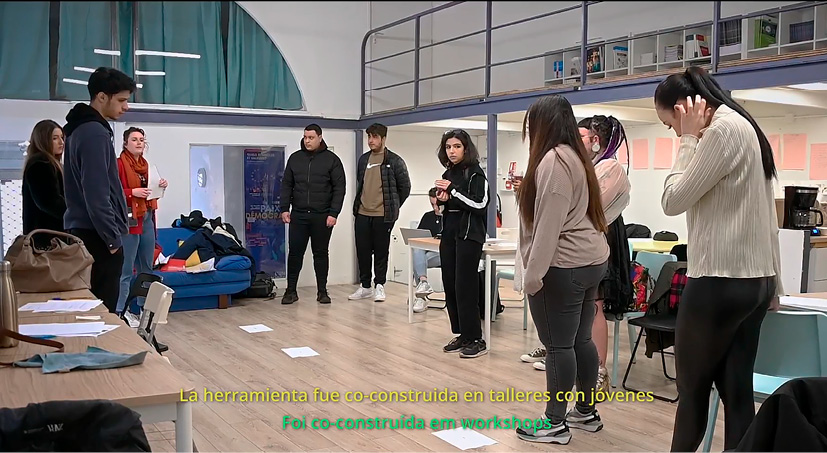
Figure 4. Screenshot of the summary video showing the workshops held in each entity
After each workshop, the EPYP team members gathered all the group productions, and they wrote a report to reflect on how the workshop went, the contributions of youth and educators, and the collective conclusions. In some of the territories, the workshops were also recorded. The written report was not directly shared outside the EPYP project, but it served as a basis for oral feedback for young participants and educators. Moreover, eight videos about these workshops and some key results were edited; subtitled in English, Portuguese and French; and shared among the participating youth organisations and participants.
In total, 22 young people and 17 professionals (educators or other kinds of adult supervisors) participated in the workshops; local EPYP team members acted as facilitators of the workshops. The participation and involvement of youth greatly varied across territories; however, the activities were described as ‘intense,’ sometimes difficult, but enriching. The choice of having mixed groups (educators and youth) proved to be a good idea in order to facilitate the completion of the activities and to keep the conversations on task. However, some of the youngsters could contribute more actively in the moments when educators were performing another task, as they felt more at ease sharing their thoughts and experiences with their group of peers. Since the workshop activities were planned with both separated and mixed moments, some of these young people’s contributions were gathered and later discussed, without having to expose the person who had originally made the claims. At the same time, educators also had some significant moments in their own discussion, and facilitators observed a need to share moments of their work. In two of the three territories, educators valued the opportunity to participate in the activities not as ‘teachers’ but as active participants.
In particular, the final activity – the ‘shifting debate’ – was experienced as a free and reflective space to recognise their own empowerment as youth educators, how working with young people had changed them and the challenges and opportunities they face in their daily practice.
The Analysis of JAMOs and Educators’ Contributions
All the productions and reflections (both from participants and from facilitators of the workshops) were analysed by the researchers from the UAB, with frequent moments of sharing and validation by the other EPYP members. The analysis identified shared difficulties, particularly in understanding meta-learning, as well as differences in how young people conceptualised other dimensions. For example, community identity was described in one territory as a set of shared values and principles, whilst in others, it was understood as a relational bond among a potentially heterogeneous group of people.
New insights were also provided by the youth on critical capacity: their discussions focused on how to take criticism and act on the basis of it, and how to support the capacity of expressing constructive opinions, fostering mutual respect. The analysis of the first activity allowed us to revisit the original definitions of the empowerment dimensions to ensure that they were expressed in terms that resonated with the participants and to identify meaningful key concepts that were later used for the items of the tool. In Table 1, the most important examples of the initial and revisited definitions are offered.
These changes not only improved the clarity and relevance of the activities but also helped ensure that the methodology remained faithful to the project’s commitment to inclusion, participation and co-creation. In contrast, the contributions from the second and third activities were necessary to propose examples and suggestions for organisations, to come up with a structure for effective inclusion and empowerment of young people with fewer opportunities. These suggestions were categorised and included as proposals at the end of the final tool. Some of the aspects that emerged and were addressed in the final tool were as follows:
- the feeling of not being legitimated to effectively participate in the organisation’s structure;
- the access to relevant organisational and cultural knowledge in order to participate; and
- the support from family and cultural background.
Therefore, these contributions allowed identifying areas for improvement within a structure to strengthen youth participation and empowerment, enriching the final tool with concrete examples from the experiences of young people and educators.
Finally, the joint analysis of participants’ productions revealed some clashing conceptions and experiences between young people and educators from the same territories, for instance, gaps between what youth highlighted as ‘problems’ and what educators suggested as ‘solutions’.
Collaborative Development of the Final Tool and Dissemination
The second transnational in-person meeting was held at the Autonomous University of Barcelona on 25 and 26 April 2022 (Figure 5); 14 members of the steering group, including JAMOs, participated. The lessons learned were consolidated, and action lines were developed based on the workshop results.
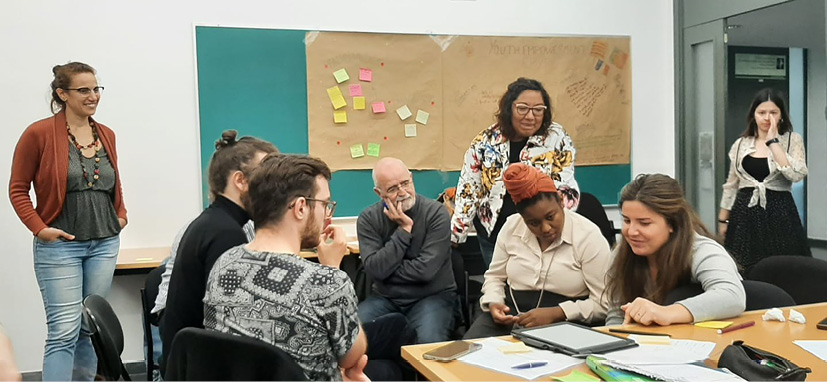
Figure 5. Second transnational meeting: result analysis and co-creation held in Barcelona
During this 2-day meeting, the analytical process was shared and reviewed. The steering group defined the tool formats after reviewing the final reports. This work led to the joint design of the final instrument (Figure 6), which was validated by all entities. The final instrument was made available in both digital and printable formats and shared through institutional repositories (for instance, the Digital Document Repository from the UAB, https://ddd.uab.cat/record/275804, and the ‘tools’ section of the E&D webpage, https://shorturl.at/L20Rw). The instrument was translated and adapted into three languages – Spanish, French and Portuguese – ensuring its usefulness in the consortium’s participating countries and encouraging its potential expansion into other territories with related languages.
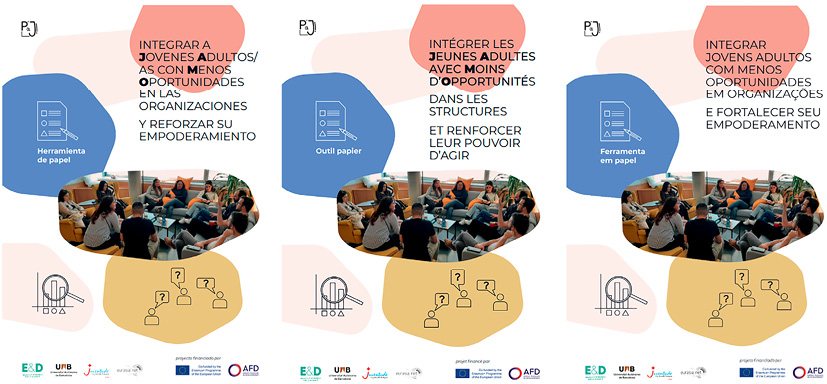
Figure 6. Screenshot of the downloadable version of the instrument in the three languages
Finally, E&D managed the production of the audio-visual materials (summary videos, interviews and an explanatory video about the tool), as well as the organisation of the public presentation, which took place in Paris and represented the final transnational meeting of the EPYP project.
The session was held on 13 October 2022, during the annual meeting of the ‘Place aux Jeunes!’ project and the Youth and International Solidarity Commission, with the participation of 68 people from 38 organisations. The objective was to create a shared space to review the role of youth in international solidarity organisations and to present progress on ongoing projects (in Figure 7 and 8 some pictures of the events, from dissemination material, are presented).
The day combined three main activities: a roundtable discussion focused on the concept of youth empowerment and its application in organisations within the sector; a workshop where our diagnostic tool, developed with young people facing fewer opportunities, was presented to evaluate whether organisations offer suitable conditions for their participation; and a group discussion on a peer mentoring program. The integration of gender and youth perspectives into projects was also addressed.
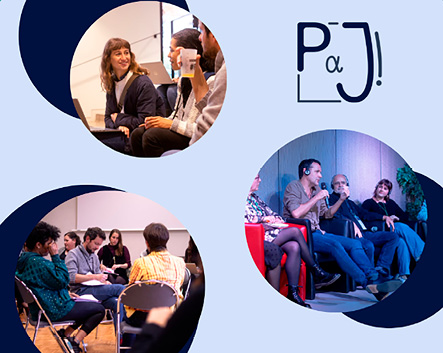
Figure 7. Closing session poster held in Paris

Figure 8. Screenshots of the instrument presentation event and reflection on youth empowerment
The meeting concluded with an open forum that provided a concise overview of the work of the ‘Place aux Jeunes!’ project and the Youth and International Solidarity Commission. The session took place in an accessible and comfortable environment for the young people in attendance.
The entire process was documented with recordings and transcripts and represents a valuable example of knowledge transfer from an R&D&I national project to an applied international context. As part of the informative results of the process, several videos were produced (in Figure 9 and 10 two screenshots are presented), such as an explanatory video that summarises the meaning of the tool and its application: Présentation d’un outil: Renforcer le pouvoir d’agir des jeunes (https://www.youtube.com/watch?v=AxCVCgS1dzg).
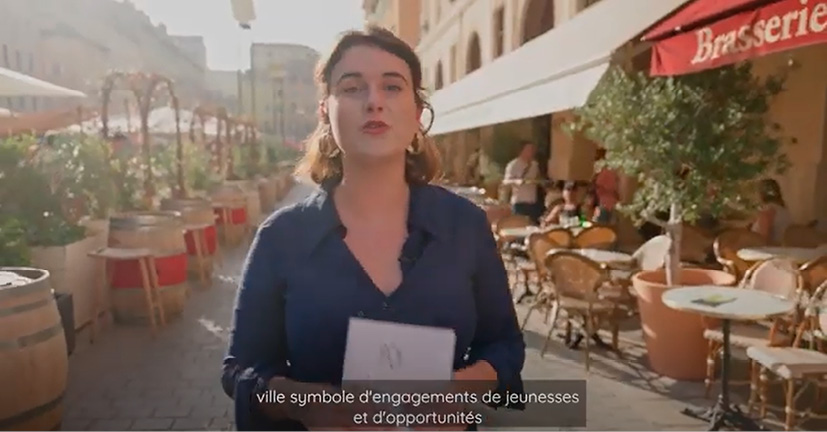
Figure 9. Screenshot of the video presenting the tool and the manufacturing process
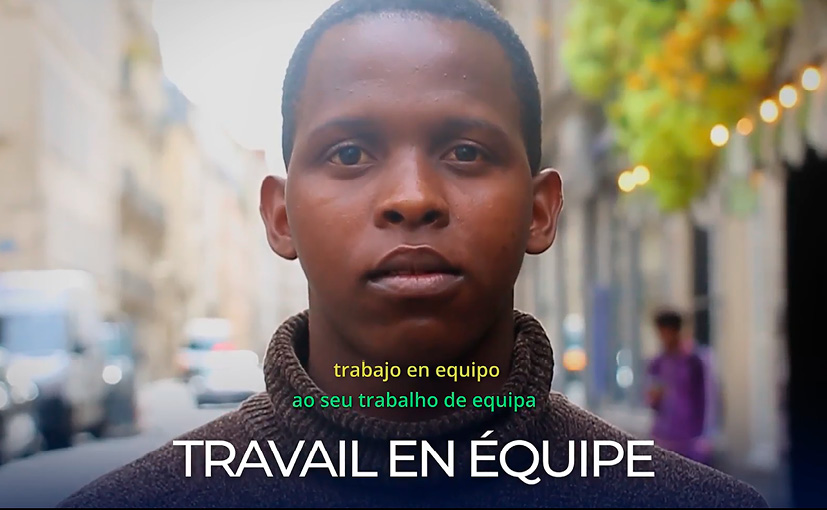
Figure 10. Screenshot of the video presenting the nine dimensions of empowerment in three languages
Lessons Learned
The collaboration between the EPYP project and the HEBE project has resulted in a series of tangible and intangible results, which can be grouped into three levels of impact.
First, a diagnostic tool derived from the field of applied research in social education was adapted and internationally validated. This validation was carried out with the active participation of young people, professionals and third-sector organisations, which gives it community and contextual legitimacy. Specifically, the active and meaningful participation of young people in redefining theoretical dimensions and their practical meanings fosters more relevant strategies. This process can support self-critique among youth researchers and practitioners and help challenge adultism in reflections on youth-related practices and policies (Corney et al. 2021).
Second, a transnational co-creation methodology was consolidated, which has been recognised as a replicable model for future collaborations between universities and social organisations. This experience facilitated key learnings related to language adaptation, the identification of cultural barriers and the need to design useful tools tailored to real-world intervention environments. Specifically, during the project’s development, several cultural barriers were identified, stemming from the participation of young people and researchers from three neighbouring countries whose conceptions of collaboration, sustainability, autonomy and family differed significantly, despite their geographical proximity. These differences were compounded by generational barriers, particularly regarding the legitimacy of youth knowledge, which generated initial tensions surrounding the active role of young people as co-researchers. Institutional barriers also arose due to the coexistence of diverse academic and operational frameworks, as well as gender and identity barriers, inherent in a heterogeneous team. Finally, communication barriers were encountered, especially linguistic ones, as the project was conducted in five languages (Portuguese, Spanish, Catalan, English and French). Overcoming these challenges was made possible through a collaborative approach and intercultural mediation strategies, which not only facilitated the project’s implementation but also strengthened collective learning.
Third, the impact of this process is evident in its educational, community and political use. The tool created has been used in internal training sessions, youth organisation meetings and institutional reflection processes. The involvement of organisations in each region has also contributed to generating greater interest in the use of this tool and in understanding and appropriating the dimensions addressed by the HEBE project, thus valuing the scientific contribution from an applied perspective.
Furthermore, its existence and dissemination have helped highlight the importance of incorporating the voices of young people with fewer opportunities in the planning of international solidarity projects. This project provides empirical support for the claim that when young people are granted agency through participatory spaces and their decisions are both recognised and integrated into collective processes, they make a difference in the research process and products (Brady et al. 2023). Along these lines, the project’s closing session, held in Paris, was attended by various social organisations and political representatives involved in youth policies in France.
The success of this transfer can also be explained by several facilitating factors. On the one hand, the UAB team had prior experience in fieldwork with social organisations and in developing applied outreach products, which allowed for a swift and contextualised adaptation. On the other hand, all parties involved recognised from the outset the need to build a shared tool, integrating the suggestions for improvement that emerged in the various participatory spaces.
Finally, collaboration with organisations such as the Braga Red Cross has generated opportunities for new partnerships within the framework of future Erasmus+ projects. Although no specific cooperation has been formalised with the French organisations, a fluid relationship of exchange is maintained through the cross-dissemination of progress and resources generated by both parties.
Mutual Contributions Between Erasmus+ EPYP and the HEBE Project
The collaboration between the HEBE project and the Erasmus+ EPYP project not only allowed the transfer of a tool previously validated in the Spanish context but also generated an enriching learning experience for the HEBE project. Working within the international context of the EPYP project – marked by differences in the institutional frameworks, associative practices and cultural realities of France and Portugal – generated a process of contrast that enriched the research perspective.
Exposure to diverse approaches to youth participation broadened understandings of empowerment and strengthened its contextual and plural application, as reflected in the youth empowerment rubric. This process was further enriched by learning from co-creation and validation in a new international context.
This interaction allowed the research team to broaden its perspective by contrasting the dimensions studied with the cultural, linguistic and organisational realities of other European entities. As a result, the process reinforced the applicability of the tool and contributed to the development of new theoretical analysis frameworks, subsequently reflected in academic publications.
Among the academic contributions of the project, one of the most recent articles (Llena et al. 2023), which used Bronfenbrenner’s bioecological model and the social capital approach, is especially relevant. The article was developed during the international transfer process within the Erasmus+ EPYP project, which allowed the researchers to enrich their theoretical analysis based on the lessons learned from intercultural validation. This experience offered a situated understanding of how the dimensions operate across diverse regulatory, participatory and institutional contexts, strengthening their conceptual and practical applicability.
Throughout the development of the project, and especially at the beginning of it, the close collaboration with youth organisations allowed important learning and reflections for the HEBE members from the academia, above all, not to underestimate the importance of dedicating a relevant amount of time to agree on key concepts and roles (such as what we mean with ‘educator,’ ‘empowerment’ and ‘participation’) and on the final goal of the tool (a collective evaluation for organisations, rather than an individual diagnosis for youth). This was important in order to foster clear and full cooperative work and to address some partners’ worries of youthwashing (Nicolas et al. 2025). A final reflection about what could have been done differently was to use our evaluation tool to assess the project’s structure, as well as its potential and pitfalls, in enabling young participants to empower themselves.
One of the most significant lessons for our research group in participating in this project was recognising the structural barrier that has historically limited the participation of young people in the initial phases of the research process. Until then, their role had been restricted primarily to data collection or as the target population of the study, without being considered active agents in the methodological design or the construction of research instruments. This realisation led us to rethink our practices from a more inclusive, equitable and ethically committed perspective, one that fosters democratisation of knowledge and youth empowerment (Chrifou et al. 2024).
Based on this experience, the team adopted principles from participatory methodologies, particularly those inspired by participatory action research (PAR) and youth participatory action research (YPAR). These approaches promote the active involvement of participants in all stages of the research process, from problem formulation to the interpretation of results. This methodological shift entailed not only a technical transformation in the study design but also an epistemological positioning aimed at recognising the value of non-institutionalised knowledge and redistributing power in knowledge production.
The inclusion of young people as co-researchers in the methodological phases allowed for the observation of two distinct learning trajectories, both of which were relevant. On the one hand, among those without prior experience in academic or research contexts, feelings of insecurity and illegitimacy were initially identified, stemming from the perception of occupying spaces that traditionally did not belong to them. These emotions reflect deep-seated symbolic barriers that have historically marginalised young people from scientific processes. However, as they became actively involved in the development of instruments and in decision-making, because the barriers to participation have been progressively removed (making language accessible and facilitating free expression), these young people began to recognise themselves as subjects capable of making significant contributions, which strengthened their self-confidence and their sense of belonging to the research process. This is an aspect that we should undoubtedly further analyse to really potentiate empowering research environments for young people (in line with Trull-Oliva et al. 2022).
On the other hand, a second group of young people – with prior leadership experience in community or student organisations – experienced this participation from a different perspective. For them, engaging with the methodological and analytical frameworks of social research represented an opportunity to deepen the systematisation of their own practices. Understanding the fundamentals of instrument design, qualitative analysis and collaborative work with a critical approach allowed them not only to validate their previous experiences but also to acquire tools to expand their social impact with greater rigour and clarity. In both cases, the participatory approach served as a formative and empowering tool, both individually and collectively.
Furthermore, the participation of two university students – one a master’s student and the other a PhD candidate – significantly enriched the process. These young researchers played a key mediating role between the senior team and the youth participants, facilitating communication, energising co-creation spaces and actively contributing to the development of the instruments. This experience allowed them to develop leadership skills, coordinate intergenerational teams and work in multidisciplinary and international environments, strengthening their profile as researchers committed to collaborative practices.
Conclusion
The collaboration between the HEBE R&D&I project and the Erasmus+ EPYP project has highlighted the transformative potential of research when linked to real-life social processes. The international adaptation of the instrument developed by the HEBE team has demonstrated that it is possible to transfer knowledge generated in local contexts to international settings whilst maintaining its validity, usefulness and impact.
In contrast, collaborative work among institutions, social organisations and young people validated and enriched the content, shifting youth knowledge mobilisation from practices about and for youth to practices with and by youth (Thompson et al. 2025). Such acknowledgment of young people by the adults involved in the process constitutes a decisive contribution to the enhancement of their self-esteem and personal efficacy, both of which are foundational components of empowerment.
This experience shows that knowledge transfer is not a one-way process but rather a collective construction in which each agent contributes their knowledge, contexts and languages. It also demonstrates that all participants – researchers, educators and young people alike – benefit from the learning processes generated throughout the research endeavour, thereby helping to challenge and deconstruct the stereotypes produced by adultism (Bettencourt 2018; Oto 2023).
The co-created tool is a testament to this and represents a concrete example of how educational research can contribute to transforming social practices and generating new forms of international collaboration with a participatory approach.
Finally, this specific experience reinforces the principles of open science by making available not only the results but also the processes, materials and lessons learned, most of which are freely available (Valdivia et al. 2022) for use and adaptation in other contexts.
References
Agudo, B & Albornà, R 2011, ‘Autonomía y empoderamiento de las personas jóvenes’, Revista Estudios de Juventud, vol. 94, pp. 89–100, https://www.injuve.es/sites/default/files/REVISTA%20INJUVE%2094_0.pdf
Bečević, Z & Dahlstedt, M 2021, ‘On the margins of citizenship: youth participation and youth exclusion in times of neoliberal urbanism’, Journal of Youth Studies, vol. 25, no. 3, pp. 362–379. https://doi.org/10.1080/13676261.2021.1886261
Bettencourt, GM 2018, ‘Embracing problems, processes, and contact zones: Using youth participatory action research to challenge adultism’, Action Research, vol. 18, no. 2, pp. 1–18. https://doi.org/10.1177/1476750318789475
Brady, LM, Miller, J, McFarlane-Rose, E, Noore, J, Noor, R & Dahnmann-Noor, A 2023, ‘“We know that our voices are valued, and that people are actually going to listen”: co-producing an evaluation of a young people’s research advisory group’, Research Involvement and Engagement, vol. 9, no. 11, pp. 1–15. https://doi.org/10.1186/s40900-023-00419-4
Brown, G & Yaffe, H 2017, Youth activism and solidarity: The non-stop picket against apartheid, Routledge. https://doi.org/10.4324/9781315738062
Chrifou, R, Anselma, M, Christens, BD, Israel, BA, Jurkowski, JM, Perkins, DD & Altenburg, TM 2024, ‘Actualizing child and adolescent empowerment in participatory action research for health promotion: A six-element framework’, International Journal of Adolescence and Youth, vol. 29, no. 1. https://doi.org/10.1080/02673843.2024.2354907
Ciraso, A, Sala, M, Pineda Herrero, P & Úcar, X 2023, ‘Youth empowerment from the educator’s perspective: The individual and community dimensions’, Educar, vol. 59, no. 1, pp. 231–248. https://doi.org/10.5565/rev/educar.1595
Corbella Molina, L, Trull Oliva, C, Rodrigo Moriche, MP & Úcar Martínez, X 2021, ‘Diseño y validación de una rúbrica para evaluar acciones y proyectos educativos de empoderamiento juvenil’, Revista Española de Pedagogía, vol. 79, no. 280, pp. 537–555. https://doi.org/10.22550/REP79-3-2021-05
Corney, T, Cooper, T, Shier, H & Williamson, H 2021, ‘Youth participation: Adultism, human rights and professional youth work’, Children & Society, vol. 36, no. 4, pp. 677–690. https://doi.org/10.1111/chso.12526
Drydyk, J 2013, ‘Empowerment, agency, and power’, Journal of Global Ethics, vol. 9, no. 3, pp. 249–262. https://doi.org/10.1080/17449626.2013.818374
Gathen, JM, Slettebø, T & Skjeggestad, E 2025, ‘The participation of people in vulnerable situations in interest organizations: A qualitative study of representatives’ views’, Journal of Social Policy, vol. 54, no. 1, pp. 324–341. https://doi.org/10.1017/S0047279423000089
Jennings, LB, Parra-Medina, DM, Hilfinger Messias, DK & McLoughlin, K 2009, ‘Hacia una teoría social crítica del empoderamiento de la juventud’, in B Checkoway & L Gutiérrez (eds), Teoría y práctica de la participación juvenil y el cambio comunitario, Graó, Barcelona, pp. 43–74.
Jiménez Morales, M & Salvadó Romero, A 2018, ‘Històries que deixen empremta (digital): el webdoc HEBE com a metodologia/eina de recerca sobre apoderament’, Quaderns d’Educació Social, vol. 20, pp. 92–97. https://raco.cat/index.php/QuadernsEducacioSocial/article/view/362516
Korkman, ZK 2022, ‘Transnational solidarity? Academia and the politics of knowledge, translation, and (im)mobility’, Feminist Formations, vol. 34, no. 1, pp. 166–190. https://doi.org/10.1353/ff.2022.0007
Llena Berñe, A, Agud Morell, I, Páez de la Torre, S & Vila Mumbrú, C 2017, ‘Explorando momentos clave para el empoderamiento de jóvenes a partir de sus relatos’, Pedagogía Social. Revista Interuniversitaria, vol. 30, pp. 81–94. https://doi.org/10.7179/PSRI_2017.29.06
Llena Berñe, A, Planas-Lladó, A, Vila-Mumbrú, C & Valdivia-Vizarreta, P 2023, ‘Factors that enhance and limit youth empowerment, according to social educators’, Qualitative Research Journal, vol. 23, no. 5, pp. 588–603. https://doi.org/10.1108/QRJ-04-2023-0063
Morsillo, J 2003, ‘Social action with youth: A community psychology empowerment approach to wellbeing’, in E Martin & J Booth (eds), Courageous research, Common Ground Publishing and Victoria University, Melbourne, pp. 99–111.
Morton, MH & Montgomery, P 2012, ‘Youth empowerment programs for improving adolescents’ self-efficacy and self-esteem: A systematic review’, Research on Social Work Practice, vol. 23, pp. 22–33. https://doi.org/10.1177/1049731512459967
Nicolas, A, Yu, V, Chinta, S, Takeda, M, Dong, T, Palange, A & Liou, A 2025, ‘Empowering the collective: redefining youth activism and political dynamics within nonprofit organizations’, Youth, vol. 5, no. 2, p. 43. https://doi.org/10.3390/youth5020043
Oto, R 2023, ‘“This is for us, not them”: troubling adultism through a pedagogy of solidarity in youth organizing and activism’, Theory & Research in Social Education, vol. 51, no. 4, pp. 530–558. https://doi.org/10.1080/00933104.2023.2208538
Planas-Lladó, A & Úcar, X 2022, ‘Evaluating youth empowerment: The construction and validation of an inventory of dimensions and indicators’, American Journal of Evaluation, vol. 45, no. 1, pp. 86–109. https://doi.org/10.1177/10982140211055643
Sala-Torrent, M, Planas-Lladó, A, Soler-Masó, P & Gómez, C 2022, ‘Evaluation of youth empowerment projects from an educators’ perspective’, Research on Social Work Practice, vol. 34, no. 1, pp. 70–83. https://doi.org/10.1177/10497315221147532
Thompson, J, Fraser, SL, Dupéré, V, Beauregard, N, Archambault, I, Lapalme, J & Frohlich, KL 2025, ‘Youth knowledge mobilisation: Reflections on theory and practice’, Gateways: International Journal of Community Research and Engagement, vol. 18, no. 2, pp. 1–16. https://doi.org/10.5130/ijcre.v18i2.9405
Trivelli, C & Morel, J 2020, ‘Rural youth inclusion, empowerment, and participation’, The Journal of Development Studies, vol. 57, no. 4, pp. 635–649. https://doi.org/10.1080/00220388.2020.1808194
Trull-Oliva, C, Corbella Molina, L, Valdivia Vizarreta, P & Rodrigo-Moriche, MP 2022, ‘El rol de los equipos de investigación en el empoderamiento de las personas investigadoras jóvenes’, Aula Abierta, vol. 51, no. 2, pp. 129–142. https://doi.org/10.17811/rifie.51.2.2022.129-142
Úcar Martínez, X, Jiménez Morales, M, Soler Masó, P & Trilla Bernet, J 2016, ‘Exploring the conceptualization and research of empowerment in the field of youth’, International Journal of Adolescence and Youth, vol. 22, no. 4, pp. 405–418. https://doi.org/10.1080/02673843.2016.1209120
Úcar Martínez, X, Planas Lladó, A, Novella Càmara, A & Rodrigo Moriche, MP 2017, ‘Evaluación participativa del empoderamiento juvenil con grupos de jóvenes: Análisis de casos’, Pedagogía Social. Revista Interuniversitaria, vol. 30, pp. 67–80. https://doi.org/10.7179/PSRI_2017.30.05
Valdivia-Vizarreta, P, Carrera-Fossas, E, Sala Torrent, M & Planas, A 2025, ‘Balancing individual and community dimensions: educators’ narratives on youth empowerment’, Education + Training. https://doi.org/10.1108/ET-05-2024-0244
Valdivia, P, Úcar, X, Ciraso Calí, A & Erasmus European Project for Youth Participation 2022, ‘Integrar a jóvenes adultos con menos oportunidades en las organizaciones y reforzar su empoderamiento’, Dipòsit Digital de Documents de la UAB. https://ddd.uab.cat/record/275804?ln=ca
Zimmerman, M 2000, ‘Empowerment theory’, in J Rappaport & E Seidman (eds), Handbook of community psychology, Kluwer Academic/Plenum, New York, NY, pp. 43–63. https://doi.org/10.1007/978-1-4615-4193-6_2