Construction Economics and Building
Vol. 25, No. 3/4
December 2025
RESEARCH ARTICLE
Artificial Intelligence Ethics in Municipal and Construction Sectors: A Literature Review
Muath Alyileili1,*, Alex Opoku2
1 Industrial Engineering and Engineering Management, College of Engineering, University of Sharjah, United Arab Emirates, U19102771@sharjah.ac.ae
2 Department of Architectural Engineering, College of Engineering, University of Sharjah, United Arab Emirates, aopoku@sharjah.ac.ae
Corresponding author: Muath Alyileili, U19102771@sharjah.ac.ae
DOI: https://doi.org/10.5130/AJCEB.v25i3/4.9847
Article History: Received 10/06/2025; Revised 20/10/2025; Accepted 22/10/2025; Published 05/12/2025
Citation: Alyileili, M., Opoku, A. 2025. Artificial Intelligence Ethics in Municipal and Construction Sectors: A Literature Review. Construction Economics and Building, 25:3/4, 210–230. https://doi.org/10.5130/AJCEB.v25i3/4.9847
Abstract
Artificial intelligence (AI) technologies are increasingly used to improve the efficiency of public services such as building permit approvals, zoning management, and infrastructure inspections. However, this rapid integration has raised ethical concerns related to algorithmic bias, transparency, accountability, and data privacy. For example, automated zoning systems may inadvertently prioritize certain areas owing to biased data inputs. This paper presents a systematic literature review and bibliometric analysis focused on ethical AI frameworks in municipal and construction-related services, particularly focusing on the United Arab Emirates (UAE), where smart city initiatives are rapidly advancing. The review followed preferred reporting items for systematic reviews and meta-analyses (PRISMA) guidelines and drew on 102 peer-reviewed articles from Scopus, IEEE Xplore, and EBSCOhost using keywords such as “AI ethics”, “smart cities”, and “public services”. The analysis highlights recurring ethical gaps in existing global frameworks, including limited adaptability to local cultural and regulatory environments. Drawing from best practices in the European Union Artificial Intelligence Act, Organisation for Economic Co-operation and Development Artificial Intelligence Principles, and Institute of Electrical and Electronics Engineers Artificial Intelligence Ethics Guidelines, this study proposed a culturally sensitive governance framework tailored to the UAE context. The framework offers guidance for implementing ethical audits, transparency standards, and citizen feedback mechanisms. The findings provide actionable insights for policymakers—such as the development of regulatory sandboxes—and industry stakeholders deploying AI in construction-related municipal services. This study supported the development of responsible AI practices that align with both global ethical standards and local governance needs, ultimately contributing to more trustworthy smart city services.
Keywords
AI Ethics; Municipal Services; Construction; AI Governance
Introduction
The rapid adoption of artificial intelligence (AI) in public service delivery has transformed municipal operations worldwide. Municipalities in the United Arab Emirates (UAE) leverage AI in public and construction services to improve service delivery, optimize resource allocation, and enhance citizen satisfaction. For instance, AI is used in smart city initiatives, where systems monitor traffic, manage public utilities, and streamline construction permit processes (Shrivastava, 2024). The integration of AI allows for faster response times, reduced administrative burdens, and data-driven decision-making, offering municipalities the ability to provide better services at lower costs. However, as AI is increasingly integrated into these services, it presents substantial ethical concerns, including privacy violations, data misuse, and potential bias in AI algorithms.
The application of AI in municipal services, particularly in construction-related activities, is essential. AI systems can automate tasks, such as building permit approvals, construction site monitoring, and infrastructure inspections, which improve the efficiency of these tasks and minimize human error (Bosco et al., 2024). For example, Dubai Municipality has integrated AI into its permit management system, thus significantly reducing the time required for building permit approvals owing to the automation of a considerable part of the review process (Hassan et al., 2023). In addition, AI-based systems are used to monitor the safety of construction sites, analyze structural risks, and ensure compliance with municipal regulations. This improves efficiency, enhances public safety, and increases trust in municipal governance.
The UAE provides a salient international case for ethical AI governance in municipal and construction services. It is a fast-moving adopter of smart city infrastructures and AI-enabled public service delivery, with large-scale digital programs and diverse, high-throughput service environments. These features create concentrated ethical risk (e.g., bias in eligibility decisions, opaque automation, and cross-border data handling) and strong policy learning opportunities for other jurisdictions confronting similar modernization pressures.
Problem and context
Despite its potential benefits, the integration of AI into public services poses complex ethical and regulatory challenges. McCarthy argued for a formal code of construction ethics and an independent body to lead its adoption, underscoring the interest in governance and ethics within the built environment (McCarthy, 2012). The ability of AI to process vast amounts of data presents considerable risks. Systems that lack transparency and human oversight may perpetuate bias, leading to unfair decisions in areas such as construction permits or public safety inspections (Al Jundi, 2023). For instance, AI systems in municipal services may use historical data that inherently favor certain applicants over others, potentially leading to discriminatory outcomes (Varsha, 2023). Furthermore, data security and privacy concerns are heightened by the large volumes of personal and sensitive information handled by municipal AI systems. Without stringent data protection regulations, breaches can compromise public trust (Vatankhah et al., 2024).
In the construction sector, AI systems offer predictive maintenance of municipal infrastructure by monitoring public buildings and roads, allowing municipalities to address issues proactively before they become severe (Ahmed, 2023). However, these advances also have significant ethical implications. AI systems must be transparent and accountable to prevent errors, particularly in critical areas, such as construction safety inspections. The volume and sensitivity of municipal data elevate privacy and security risks, and breaches or misuse can erode public trust (Vatankhah et al., 2024). In addition, improper inspection could lead to serious safety violations or non-compliance with regulatory standards. These concerns emphasize the need for AI regulations specifically tailored to the construction sector. In addition, a governance gap is present as widely cited frameworks [European Union Artificial Intelligence Act (EU AI Act), Organisation for Economic Co-operation and Development Artificial Intelligence Principles (OECD AI Principles), and The Institute of Electrical and Electronics Engineers Artificial Intelligence Ethics Guidelines (IEEE AI Ethics Guidelines)] provide guidance for risk, transparency, and oversight but are not directly applicable to the legal and cultural context of the UAE, where public service mandates, citizen expectations, and procurement models differ (OECD, 2019; IEEE, 2020; Johnson and Smith, 2021; Hadfield and Clark, 2023; Li et al., 2023).
Given these potential benefits and risks, developing robust regulatory frameworks that guide the use of AI in municipal services, especially construction-related services, is essential. Regulations must ensure that the AI systems are transparent, fair, and accountable. Without these safeguards, AI systems could exacerbate the existing inequalities, introduce new biases, or lead to safety and compliance issues (Batool et al., 2025). In the UAE, where the rapid adoption of AI offers opportunities as well as challenges, policymakers must collaborate with AI experts to develop regulations that balance innovation with ethical considerations. Because this study synthesized secondary and often theoretical sources, it did not validate effects in situ for the UAE municipal SST. We therefore treated the results as scoping evidence that identifies risk areas and governance levers to be tested empirically in the UAE context. The primary goal of this study aligned directly with the following research objectives:
1. to evaluate the impact of AI implementation on efficiency in municipal construction services, addressing how AI influences operational effectiveness and resource allocation;
2. to identify ethical challenges associated with the integration of AI in public service delivery within UAE municipalities, focusing particularly on algorithmic bias, transparency, and privacy concerns; and
3. to assess the effectiveness of current regulatory frameworks governing AI use in municipal services and explore the suitability of global AI governance frameworks within the unique context of the UAE.
The remainder of the manuscript is systematically structured to comprehensively address these objectives. The second section presents an extensive literature review, critically examining the ethical implications of AI and evaluating existing global governance frameworks, with specific attention to their relevance and applicability in the UAE context. The third section details the methodological approach, outlining the systematic literature review process, including the search strategy, inclusion and exclusion criteria, and analysis procedures. The fourth section reports the results derived from bibliometric and content analyses, identifying prevalent ethical challenges and evaluating the effectiveness of existing frameworks. The fifth section offers an in-depth discussion of these findings, analyzing their implications for policy and practice within UAE municipalities. Finally, the sixth section concludes the study by highlighting limitations and suggesting avenues for future research.
The UAE serves as a relevant and illustrative context for this study, given its rapid adoption of smart city technologies and AI-driven municipal services. Such large-scale digital transformation generates significant opportunities for efficiency, but also complex ethical risks related to bias, transparency, and accountability. Methodologically, this study applied a systematic literature review supported by bibliometric analysis to map existing research and identify key ethical and governance challenges. The paper offers two contributions: practically, it outlines governance measures for responsible AI deployment in public services; theoretically, it links risk-based regulation, transparency, and human oversight to the development of a culturally aligned ethical AI framework for the UAE.
Literature review
AI is rapidly transforming industries worldwide, and its application in public services is particularly impactful. Globally, municipalities are adopting AI to improve the efficiency of their administrative processes, streamline resource management, and enhance public safety. In sectors such as construction and infrastructure management, AI has proven to be instrumental in automating important tasks, such as building permit approvals, zoning decisions, and infrastructure inspections. These advancements provide opportunities to accelerate urban development, especially in fast-growing regions such as the UAE, where smart cities and infrastructure projects are integral to future growth strategies (Zhang and Liu, 2020).
AI in municipal services
The integration of AI into municipal services varies globally, with different regions facing unique challenges. For instance, in the United States, the use of AI for predictive policing has raised concerns about bias and the unfair treatment of minority communities, highlighting the dangers of unregulated AI (Bokhari and Myeong, 2022). By contrast, in the United Kingdom, AI has been employed in welfare systems to automate decision-making processes, although issues of transparency and lack of human supervision have resulted in errors (Varsha, 2023). These examples illustrate the importance of robust governance frameworks in mitigating ethical risk. The use of AI in municipal construction services presents similar risks. For instance, in the UAE, AI is increasingly being employed in building permit approvals, zoning management, and infrastructure maintenance. These technologies offer efficiency gains, but also raise concerns about bias, particularly when the historical data used by the AI systems reflect past inequalities. The automation of such decisions without sufficient human supervision can lead to discriminatory outcomes in service provision (Ferrara, 2024). Furthermore, the lack of transparency in AI-driven decisions undermines public trust, as citizens and stakeholders are often unaware of how these systems arrive at decisions (Ahmed, 2021).
Ethical risk landscape
The adoption of AI offers considerable benefits, but also introduces substantial ethical concerns, particularly in high-stakes environments such as construction. Evidence from the building professions shows that ethical judgment is shaped by underlying ethical ideology; in Nigeria, situationism predominates among practitioners, implying strong sensitivity to contextual pressures (Ameh and Odusami, 2010). Issues of bias, transparency, and accountability become more critical when AI systems are responsible for decisions that affect public safety and infrastructure (Hadfield and Clark, 2023; Li et al., 2023). To address these concerns, scholars and policymakers have proposed several mitigation measures. Table 1 summarizes the key ethical challenges associated with AI in construction-related municipal services and lists measures to address these unethical practices.
| Ethical challenge | AI risk | Measure for mitigation | Citations |
|---|---|---|---|
| Bias in decision-making | AI systems may reinforce existing biases in permit approvals or project management | Bias-detection algorithms and diverse training datasets | (Khan et al., 2023) |
| Privacy violations | Personal data of project managers, workers, and citizens may be mishandled by AI systems | Strict data privacy policies, as well as encryption and anonymization techniques | (Ahmed, 2021) |
| Lack of transparency | AI-driven decisions in construction project management may lack explainability | Transparency protocols for AI systems, including detailed decision logs | (Wang and Li, 2022) |
| Over-reliance on automation | AI may lead to automation errors in construction project workflows | Human supervision at critical decision points in project approvals and inspections | (Bosco et al., 2024) |
| Accountability in AI errors | AI errors in infrastructure maintenance or building inspections may go unaddressed | Legal accountability for AI errors and human verification of AI-driven decisions | (Bignami, 2022) |
Note: AI, artificial intelligence.
As presented in Table 1, the ethical challenges related to AI use in municipal services, particularly in the construction sector, require comprehensive mitigation strategies. Bias detection algorithms are essential for ensuring fair decision-making, especially in tasks such as permit approvals and project management. Similarly, strong data privacy policies are pivotal for safeguarding the sensitive information handled by AI systems. To improve transparency, AI systems must include detailed decision logs that can be reviewed by stakeholders, enabling greater accountability and reducing public distrust (Wang and Li, 2022).
Global frameworks
In addition, human supervision remains a key factor in preventing over-reliance on automated systems. By incorporating human judgment into high-stakes decisions, such as building inspections and infrastructure assessments, municipalities can ensure that errors resulting from AI are minimized. Consequently, the need for robust ethical frameworks to govern the use of AI in municipal services has gained attention among scholars and policymakers. This study explored how global AI ethical frameworks, such as the EU AI Act (2021), OECD AI Principles (2019), and IEEE AI Ethics Guidelines (2020), can be adapted to suit the sociopolitical and cultural context of the UAE. One of the most comprehensive approaches to AI governance is the EU AI Act, which introduces a risk-based regulatory model that categorizes AI systems according to their potential societal impact. High-risk systems, such as those used in public services, building inspections, and permit approvals, are subject to stricter regulations to ensure transparency and accountability. The act outlines stringent requirements for documentation and human supervision to mitigate the risks of bias and privacy violations (Johnson and Smith, 2021). Although the EU AI Act has been widely recognized for its strong regulatory framework, Hassouni and Mellor (2025) argued that its direct application in regions such as the UAE may face cultural and governance challenges requiring tailored adaptations.
Similarly, the OECD (2019) promotes ethical AI development, emphasizing human-centered values and democratic accountability. These principles highlight the importance of transparency, fairness, and prevention of harm in AI applications. These principles are particularly relevant for construction-related AI applications because they address public safety and infrastructure integrity, both of which are key concerns in urban development (Li et al., 2023). However, the implementation processes of these principles remain incomplete, especially in regions with different governance structures, such as the UAE, where rapid technological adoption necessitates more localized policies. The IEEE (2020) AI Ethics Guidelines, another prominent framework, advocate the development of transparent, accountable, and fair AI systems. These guidelines are particularly valuable in public services, such as construction, where transparency in decision-making, such as automated building permit approvals, is critical to maintaining public trust. Li et al. (2023) argued that the IEEE AI Ethics Guidelines provide a solid foundation for ethical usage of AI, but Al Jundi (2023) noted that cultural differences in community welfare and individual rights must be considered when applying these guidelines to municipalities in the UAE.
Finally, assigning legal accountability to AI-driven errors will help in maintaining the integrity of construction processes and ensure that municipalities are held responsible for the consequences of AI-driven decisions (Bignami, 2022). Although the global frameworks outlined above provide a foundation for ethical AI governance, notable gaps in their applicability in the unique context of the UAE exist. Vatankhah et al. (2024) highlighted similar ethical challenges, such as privacy, bias, transparency, and accountability, specifically in the context of service industries. These findings further underscore the relevance of addressing such ethical considerations within the municipal and construction sectors. The rapid urbanization in the UAE and the reliance on AI in public services call for frameworks tailored to local governance models, cultural values, and legal requirements. As the country continues to embrace AI across multiple sectors, there is an urgent need for a region-specific ethical framework.
Despite extensive global guidance, the literature rarely operationalizes it for municipal and construction workflows in the UAE. Without sector-specific risk tiering, measurable harm thresholds, and audit-ready documentation, agencies risk checkbox compliance: inconsistent permit decisions, weak transparency/recourse, and poor detection of model drift. For theory, high-level principles remain hard to test; we lacked constructs explaining how risk-based regulation, multi-layered transparency, and human oversight co-produce accountability in public-infrastructure settings (Bignami, 2022). Absent UAE-attuned evidence, findings over-generalize across divergent procurement, language, and governance regimes (Hadfield and Clark, 2023). This review addresses these deficits and outlines a UAE-sensitive governance path for empirical testing.
Research methodology
This study ran a PRISMA-aligned systematic literature review (SLR), complemented by bibliometric mapping and quantitative content analysis, to answer the research questions (RQs) regarding reported efficiency outcomes (RQ1), the prevalence of ethical risks (RQ2), and the prominence of governance frameworks in municipal and construction services (RQ3). Our searches covered Scopus, IEEE Xplore, and EBSCOhost and were limited to English-language, peer-reviewed publications from 2018 to 2024; the searches were executed on April 17, 2024. All operational details, including verbatim search strings, PRISMA flow, sensitivity checks, synonym handling, tool parameters, and extended visuals, appear in the following sections.
Plan of review
An SLR was designed to explore reported efficiency outcomes and the ethical frameworks governing the application of AI in municipal services, with a specific focus on construction-related sectors. The planning phase was centered on three key research questions described below that directly aligned with the objectives of the study and the broader technological and ethical challenges in the UAE.
RQ1. What efficiency outcomes are associated with AI implementation in municipal construction services?
This question examines the reported impacts on operational effectiveness (e.g., permit/inspection turnaround and throughput) and resource allocation in municipal construction services, synthesizing what the literature reports about AI-enabled workflows in permitting, inspections, and infrastructure management.
RQ2. What are the current ethical challenges associated with AI implementation in municipal and construction services?
This question was fundamental for understanding the specific ethical dilemmas encountered when deploying AI in public services, particularly in construction and urban development (Madan and Ashok, 2023).
RQ3. What frameworks have been proposed or implemented globally to address these challenges?
This question explored the global landscape of AI governance frameworks, including the EU AI Act, OECD AI Principles, and the IEEE AI Ethics Guidelines. By investigating these frameworks, this study aimed to identify those with the most robust mechanisms for ensuring ethical AI applications.
The review was structured to address the aforementioned questions through a detailed synthesis of the relevant literature, ensuring that the analysis was comprehensive as well as contextually relevant to the specific needs in the UAE.
Search strategy
A search strategy was developed to ensure a comprehensive collection of peer-reviewed articles and studies. Multiple databases were selected based on their relevance to research questions RQ1–RQ3 and the coverage of AI, ethics, governance frameworks, and construction-related sectors. The selected databases included Scopus, IEEE Xplore, and EBSCOhost. Scopus is widely regarded for its comprehensive coverage and indexing of peer-reviewed articles, making it ideal for identifying studies on AI ethics and governance frameworks in the public service and construction sectors (Straub et al., 2023). Many critical papers on AI ethics, particularly those addressing transparency and accountability in municipal services, have been published in IEEE conferences and journals (Mellouli et al., 2024). EBSCOhost was included for its broad range of full-text academic publications, spanning fields such as social sciences, public administration, and urban development (Bannister et al., 2023).
In accordance with PRISMA guidelines, the search was conducted on April 17, 2024, and was restricted to English-language sources published between 2018 and 2024. To ensure academic rigor, only peer-reviewed journal articles and conference papers were included. The search terms were developed using Boolean operators to link relevant concepts. The key terms used throughout the search included “artificial intelligence”, “AI governance”, “ethics”, “ethical framework”, “municipal services”, “construction sector”, “transparency”, “accountability”, “bias”, “data privacy”, and “UAE”. This structured and transparent search strategy enabled the systematic identification of relevant studies and ensured that the identified literature was both thematically aligned and methodologically robust. It also enhanced the reproducibility of the review, enabling future researchers to replicate or expand upon the study in different regional or sectoral contexts.
Inclusion and exclusion criteria
To maintain a clear focus on the relevant studies, a stringent set of inclusion and exclusion criteria was applied. The systematic screening process adhered to the PRISMA guidelines to ensure transparency and accuracy. This step-by-step documentation of inclusion and exclusion decisions enhanced the reliability of the review (Page, 2021). The inclusion criteria are summarized as follows: (1) studies that discuss AI ethics or governance frameworks in municipal, construction, and public services; (2) articles addressing key ethical issues such as bias, transparency, accountability, and data privacy in AI systems; and (3) papers that propose or evaluate governance frameworks, including globally recognized frameworks such as the EU AI Act, OECD AI Principles, and IEEE AI Ethics Guidelines (Straub et al., 2023). The exclusion criteria are summarized as follows: (1) studies focusing solely on the technical development of AI, which do not explore its usage in governance or the ethical challenges that are raised as a result; and (2) non-peer-reviewed articles, opinion pieces, or studies lacking empirical evidence.
Data collection
After filtering the studies, a structured data extraction process was employed. The data extraction focused on identifying the frequency and context of the key ethical challenges and governance frameworks. A predefined form was used to systematically record the following information: (1) type of ethical challenge (e.g., bias, transparency, and accountability), (2) governance frameworks discussed (e.g., EU AI Act, OECD AI Principles, and IEEE AI Ethics Guidelines), and (3) sectoral context (e.g., municipal services and construction).
The process of screening articles from the aforementioned three databases in four different steps is shown in Figure 1. The search returned 211 records (Scopus, 107; IEEE Xplore, 57; EBSCOhost, 47). After removing non-English articles (n = 3) and duplicates (n = 50), 158 records were assessed for eligibility. Titles and abstracts (n = 87) and full texts (n = 46) were excluded, resulting in 25 studies that met the criteria for quantitative synthesis.
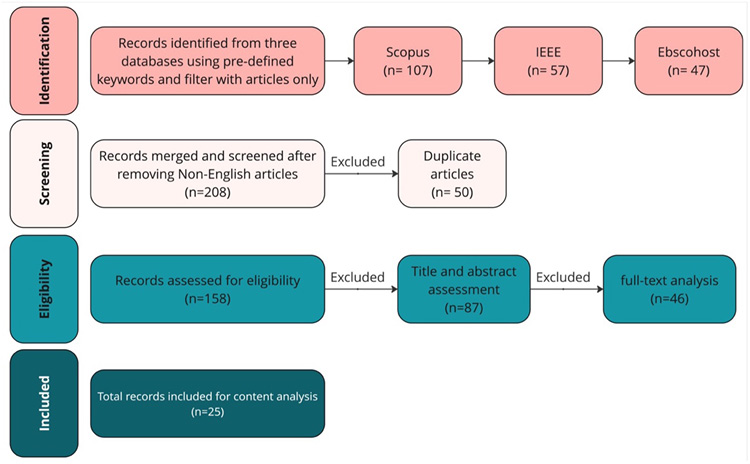
Figure 1. Schematic of PRISMA guideline adjusted to the study.
Analysis procedure
The analysis began with a comprehensive bibliometric analysis to systematically map the existing literature and identify the influential studies, authors, and publications addressing AI ethics and governance. This step provided a foundational understanding of the scholarly landscape and helped clarify the significance and frequency of the topics and frameworks discussed within the domain (Huang et al., 2023; Le-Nguyen, 2024). Subsequently, the data extracted from the relevant articles were subjected to thematic analysis, specifically focusing on the key themes identified through bibliometric analysis. Prominent themes, such as bias prevention, data transparency, and human supervision, were critically evaluated for their applicability to the construction sector, particularly within the context of urban development and infrastructure management (Hassan et al., 2023).
Further, the analysis assessed the effectiveness of the existing global ethical frameworks in addressing these identified ethical challenges within the high-stakes operational environment pertinent to construction and urban management (Li et al., 2023). Frequency distributions were generated to quantitatively highlight the prevalent ethical considerations and governance models in the literature, facilitating the identification of patterns and trends (García and Chen, 2024). Statistical methods, including frequency analysis, were further employed to quantify the prominence and emphasis placed on specific ethical frameworks and challenges, thus offering deeper insights into their relative importance within contemporary academic discourse (Raman et al., 2024).
Key findings
Bibliometric analysis
The bibliometric analysis included a systematic evaluation of 158 peer-reviewed articles published between 2018 and 2024, related to ethical considerations in AI applications within municipal and construction services. The annual scientific production trend shown in Figure 2 illustrates a notable increase in scholarly publications starting in 2021, with a pronounced peak of 50 articles published in 2024. This significant escalation corresponds with the heightened global regulatory activities and scholarly debates about the ethical governance of AI technologies, notably influenced by legislative initiatives, such as the EU AI Act (Johnson and Smith, 2021).

Figure 2. Number of articles, discussing the ethical use of AI in governance, as a function of the year of their publication, for the 194 papers screened using the modified PRISMA strategy. AI, artificial intelligence.
Geographical distribution and country-wise contribution
A detailed analysis of the geographic trends shown in Figure 3 highlights significant regional contributions to AI ethics research, with China leading robustly by 2024, contributing 68 articles. This aligns with China’s strategic investment in AI and smart city initiatives. The prominent presence of Middle Eastern countries, such as Saudi Arabia and the UAE, highlights the regional awareness and increasing academic engagement driven in these regions by rapid technological advancements and urbanization, thus directly addressing RQ3 pertaining to global ethical frameworks and regional applicability.
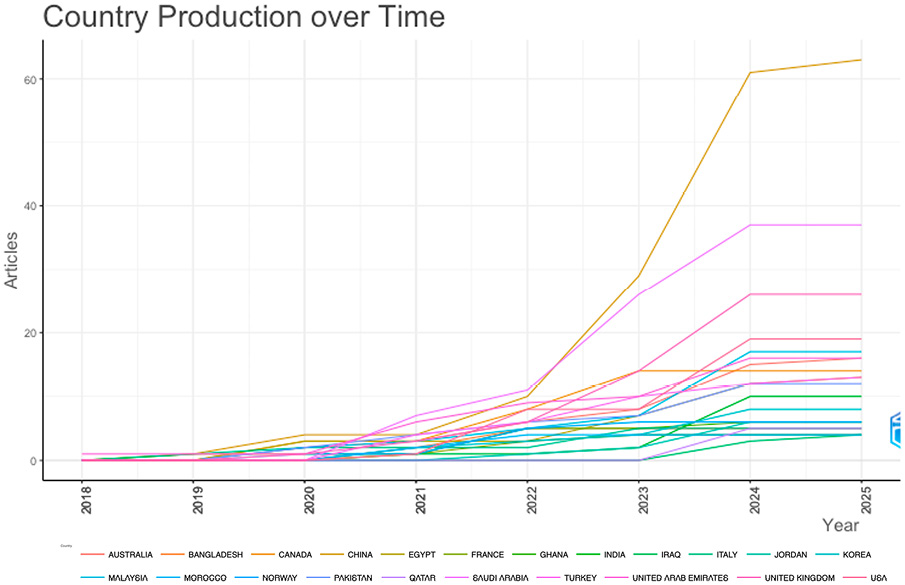
Figure 3. Research articles on ethical use of AI in governance, published by different countries between 2018 and 2025. AI, artificial intelligence.
The increasing scholarly activity in the UAE, evident from Figure 3, demonstrates its strategic engagement with AI-driven municipal and construction initiatives. This aligns with the proactive stance of the UAE government on smart city development, reflecting the critical demand for robust ethical frameworks to ensure sustainable and responsible AI adoption. The growth in publications from the Middle East, particularly Saudi Arabia and the UAE, is indicative of a broader recognition within these regions about addressing specific cultural, legal, and ethical considerations in AI applications.
Institutional affiliations and author contributions
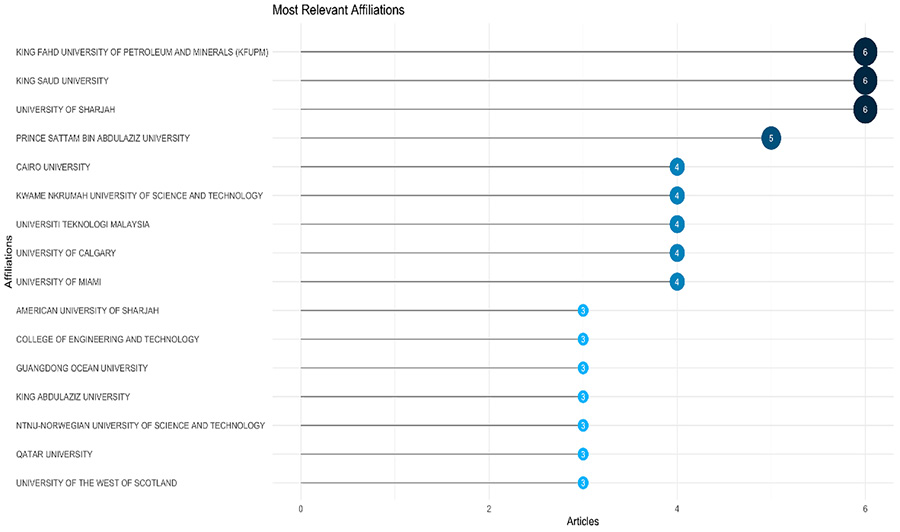
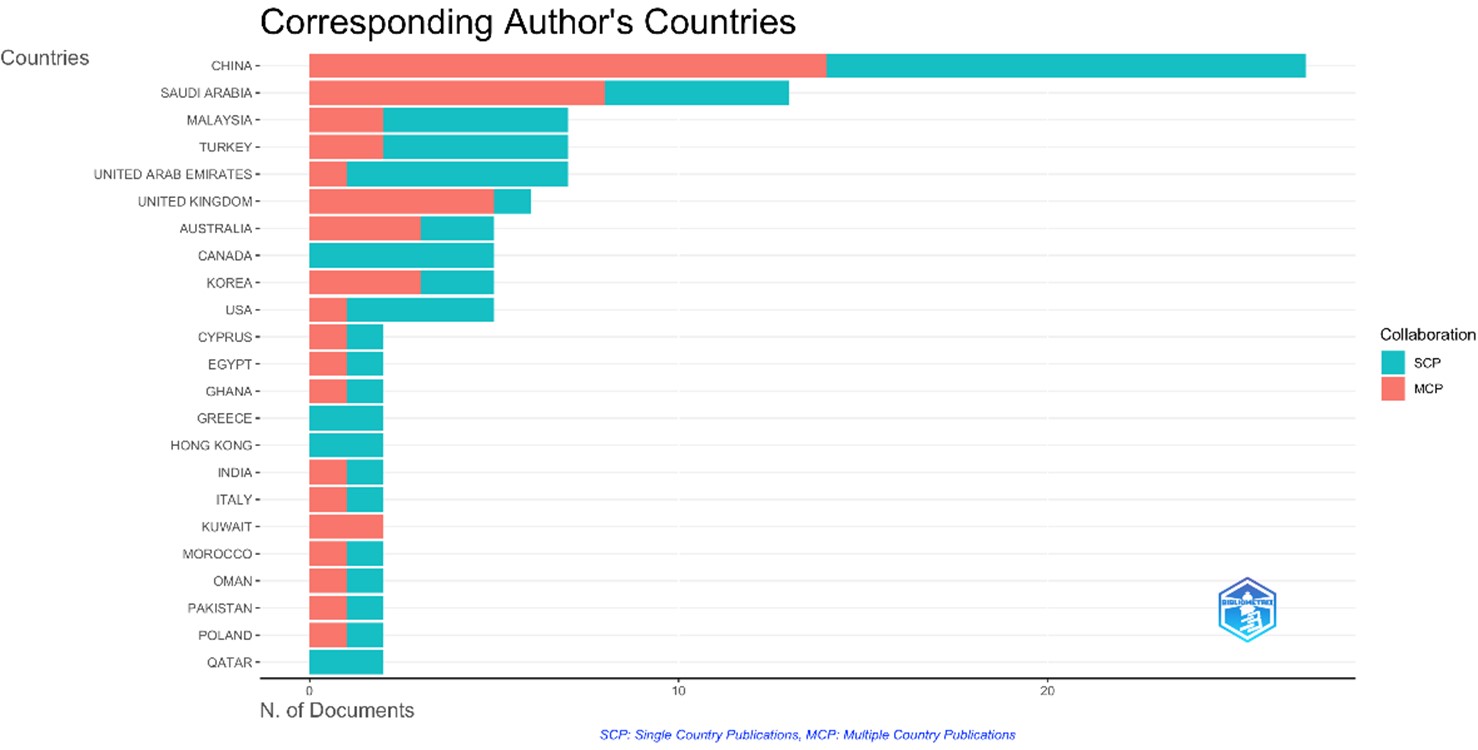
Figure 4a illustrates the most active institutional affiliations with substantial contributions, highlighting leading universities, such as King Fahd University of Petroleum and Minerals, King Saud University, University of Sharjah, and Prince Sattam Bin Abdulaziz University. The presence of these Middle Eastern institutions indicates a strong regional interest and academic focus on ethical governance using AI. Figure 4b presents the contributions based on the countries of the corresponding authors, distinguishing single-country publications from multiple-country collaborations. Once again, China dominates, with significant contributions from Saudi Arabia and Malaysia. The UAE ranks prominently, highlighting the importance of this research in the context of the UAE.
(4a)
(4b)
Figure 4. (a) Highest number of publications, pertaining to ethical use of AI in governance, in terms of institutional affiliations. (b) Number of publications based on the countries of the corresponding authors. AI, artificial intelligence.
This bibliometric evidence aligns with the global trends toward transparency, bias mitigation, and accountability, emphasizing the need for frameworks that can effectively manage the ethical implications of AI. In addition, the regional focus uncovered through this analysis underscores the critical need for culturally and contextually appropriate ethical frameworks that address specific sociopolitical and regulatory challenges inherent in rapidly urbanizing regions, particularly the UAE. These findings directly respond to the research questions posed in this study, offering valuable insights for developing future governance frameworks that balance technological innovation with ethical considerations tailored specifically to the construction and municipal service sectors in the UAE.
Quantitative content analysis (thematic analysis, ethical challenges, and gap analysis)
A thematic analysis conducted through quantitative content analysis provides a structured visualization and examination of key themes prevalent in the scholarly literature on AI ethics within municipal and construction services. This analysis was performed using the Bibliometrix R-package and its interactive graphical interface, Biblioshiny, specifically designed for comprehensive bibliometric studies. Bibliometrix facilitates extensive quantitative analyses of bibliographic data, allowing researchers to identify thematic patterns, key influencers, and evolving trends within academic literature. For the keyword co-occurrence network, VOSviewer was used to construct and visualize a co-occurrence map based on author keywords, applying association-strength normalization and full counting.
Across the coded subset, most studies that reported efficiency metrics indicated shorter processing times for permits or inspections and higher throughput; fewer provided explicit resource/cost measures, and very few quantified errors or rework processes. The reports were found to be heterogeneous, limiting direct comparison and underscoring the need for standardized measures and primary UAE municipal case studies. These observations answer RQ1 by consolidating how efficiency effects are reported in the literature for municipal construction services.
Thematic analysis
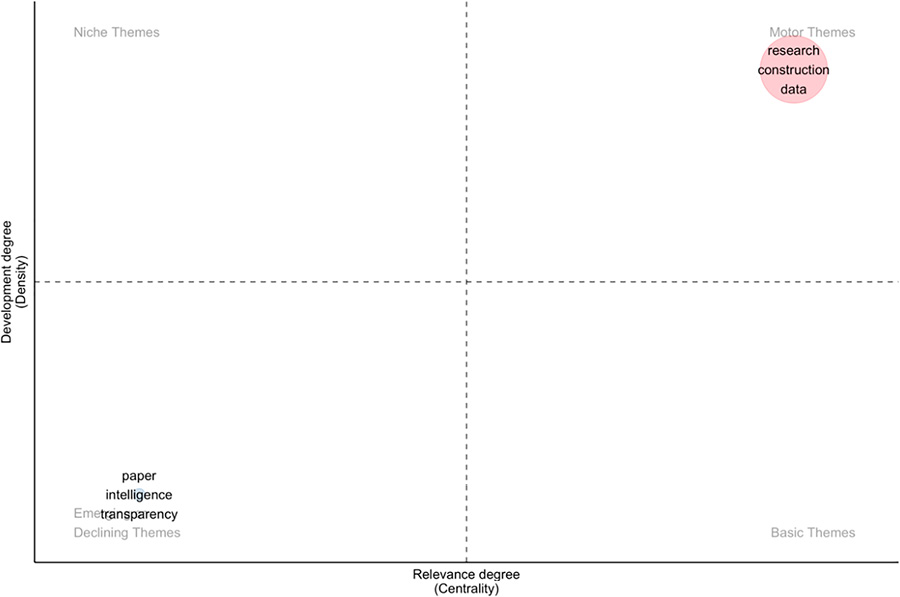
Figure 5a presents a thematic map generated by Biblioshiny, which categorizes themes into clusters based on density (development) and centrality (importance). The motor themes identified in the analysis, such as “Construction”, “Research”, and “Data”, represented central themes that have matured significantly, reflecting their integral roles in municipal AI applications. These themes underscore the widespread acceptance and deep integration of AI in the municipal and construction sectors, directly addressing RQ2 about identifying the current ethical challenges associated with AI implementation. Although currently less developed, the emerging themes of “transparency” and “intelligence” represent pivotal areas of scholarly interest, demanding further investigation and targeted attention. The lower density but rising centrality of “transparency” reflects the growing recognition of the importance of making AI decision-making understandable to maintain public trust and ethical integrity, particularly in sensitive applications such as automated permit approvals and safety inspections (Li et al., 2023).
(5a)
(5b)
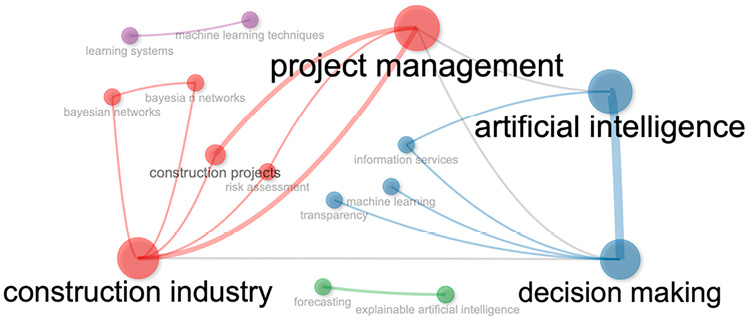
Figure 5. (a) Results of thematic analysis showing the different categories of themes obtained from the selected data. (b) Keyword co-occurrence network graph showing the interconnections between the prominent keywords generated in VOSviewer.
The keyword co-occurrence network graph presented in Figure 5b further highlights the interconnections among prominent keywords identified using the code Biblioshiny. The major thematic nodes, such as “project management”, “artificial intelligence”, “construction industry”, and “decision-making”, demonstrate robust and central relationships, reinforcing the pivotal role of AI in decision-support systems within construction projects. The secondary interconnected terms, such as “risk assessment”, “machine learning”, and “transparency”, emphasize critical, practical, and ethical considerations intertwined with AI governance, illustrating the interconnectedness of risk management and transparency in the deployment of AI technologies. These insights clarify the extensive scope of RQ2, illuminating the important linkages between operational and ethical dimensions in AI governance. These findings emphasize the importance of further research into culturally adaptive governance frameworks tailored specifically for the unique sociopolitical context of the UAE.
Ethical challenges
The results of the quantitative frequency analysis, presented in Table 2, highlight bias as the most frequently addressed ethical challenge in AI applications (80%), followed by transparency (72%), accountability (60%), and privacy (52%). These findings indicate that bias remains a predominant concern in the ethical discourse on AI, reinforcing the existing literature that underscores the necessity of mitigating discriminatory algorithmic outcomes (Horneber and Laumer, 2023). The notable presence of privacy concerns (52%) also reflects ongoing debates on data protection laws such as the General Data Protection Regulation (GDPR), which aims to safeguard user information against unethical AI practices.
| Ethical challenge | Frequency (n = 25) | Percentage (%) |
|---|---|---|
| Bias | 20 | 80 |
| Transparency | 18 | 72 |
| Accountability | 15 | 60 |
| Privacy | 13 | 52 |
Note: AI, artificial intelligence.
These findings directly correspond to RQ2, quantitatively demonstrating which ethical concerns dominate academic discourse. The results further suggest that regulatory frameworks and governance structures must prioritize addressing bias and transparency, while ensuring robust mechanisms for accountability and privacy protection.
In addition to ethical concerns, an explicit textual analysis of the referenced frameworks within the reviewed literature revealed that the EU AI Act was the most frequently cited regulatory guideline (20%), followed by the IEEE AI Ethics Guidelines (12%) and the OECD AI Principles (8%), as presented in Table 3. The prominence of the EU AI Act suggests that it is perceived as a leading legal and ethical instrument for ensuring responsible AI deployment, particularly in the areas of transparency, risk management, and human supervision (Ebers, 2023). The IEEE AI Ethics Guidelines, which focus on ethical AI system design and engineering practices, are the second most referenced framework, highlighting the role of technical standards in guiding ethical AI development (IEEE, 2020). The OECD AI Principles, which emphasize fairness, human-centered values, and robustness, are cited less frequently (8%), potentially reflecting their broader policy-oriented nature rather than direct legislative enforceability.
Notes: AI, artificial intelligence; EU AI Act, European Union Artificial Intelligence Act; IEEE AI Ethics Guidelines, Institute of Electrical and Electronics Engineers Artificial Intelligence Ethics Guidelines; OECD AI Principles, Organisation for Economic Co-operation and Development Artificial Intelligence Principles.
These findings contribute to RQ3, shedding light on the dominance of the EU AI Act in academic discussions and reinforcing its role in shaping contemporary AI ethics policies. The data also suggest a growing interest in industry-specific guidelines (IEEE) and global governance principles (OECD), emphasizing the need for a multiframework approach to AI ethics.
Overall, these findings illustrate the intersection of regulatory mechanisms and ethical challenges in AI governance. This requires a more integrated ethical governance model that combines legal mandates with industry standards and global ethical principles to ensure responsible deployment of AI.
Gap analysis
The gap analysis provides a structured evaluation of the recurring limitations within the existing ethical AI frameworks, as reflected in the keyword frequencies presented in Table 4. The quantitative assessment highlighted that the term “limitation” appeared most frequently (n = 15), indicating a widespread acknowledgment of shortcomings in the current frameworks, such as their adaptability to diverse technological applications and industries. Similarly, the occurrence frequency of the term “cultural” (n = 11) suggested that existing guidelines could be lacking sufficient consideration of cultural and regional variations in ethical AI governance. This is particularly relevant in contexts such as the UAE, where AI deployment must align with local values, policies, and sociopolitical structures (Alsamhi et al., 2022).
| Gap-related keywords | Frequency (n = 25) |
|---|---|
| Limitation | 15 |
| Cultural | 11 |
| Municipal | 8 |
| Region-specific | 6 |
Furthermore, explicit references to “municipal” (n = 8) emphasize the necessity of AI governance frameworks tailored for public-sector applications, particularly in municipal and construction services. Given the increasing integration of AI-driven self-service technologies in public administration, a pressing need for frameworks that address localized ethical concerns while maintaining global best practices exists (Bonnefon et al., 2024). In addition, the term “region-specific” (n = 6) further reinforced the argument that ethical frameworks should incorporate geographically contextualized guidelines to enhance their effectiveness across different regulatory landscapes.
These findings directly address RQ3, illustrating the extent to which the existing ethical frameworks are lacking specificity in addressing regional, cultural, and industry-related factors. The data support the argument for future adaptations that emphasize cultural sensitivity, municipal applications, and region-specific ethical considerations, ensuring that AI governance frameworks remain relevant and applicable across diverse operational environments.
In summary, the combination of bibliometric mapping (Biblioshiny), VOSviewer keyword co-occurrence analysis, and quantitative content synthesis clarified the structures of reports on AI ethics in municipal and construction services and the salience of specific issues. The evidence indicates directionally positive but heterogeneously reported efficiency outcomes (shorter permit/inspection turnaround and higher throughput, with sparse reporting on cost and error); prevalent ethical challenges centered on bias, transparency, and accountability; and frequent reliance on global frameworks (EU AI Act, IEEE AI Ethics Guidelines, and OECD AI Principles). Collectively, these findings answer RQ1–RQ3 by consolidating reported efficiency effects in municipal construction workflows, identifying the dominant ethical issues, and profiling the frameworks most cited in the literature and motivating their UAE-specific adaptation for municipal services, respectively.
Discussion
The bibliometric analysis of the screened articles published between 2018 and 2024 revealed a significant increase in academic interest in AI ethics in municipal and construction services. The annual scientific production trend peaked in 2024, indicating a heightened global regulatory focus on AI governance, particularly influenced by the introduction of the EU AI Act (Johnson and Smith, 2021). This surge aligned with an increased scholarly engagement in addressing the ethical implications of AI, particularly in high-risk sectors such as urban infrastructure and public administration. The UAE and Saudi Arabia demonstrated substantial academic engagement, emphasizing the growing awareness of the role of AI in municipal and construction services in these regions. The increasing number of studies from Middle Eastern institutions highlights the regional demand for AI governance frameworks tailored to unique sociopolitical and regulatory landscapes (Mellouli et al., 2024).
Ethical concerns in the use of AI
The findings of this study underscore the critical ethical challenges associated with AI-driven governance in municipal and construction services, particularly in the UAE. The bibliometric and thematic content analyses reveal that ethical concerns, such as bias, transparency, accountability, and privacy, are at the forefront of academic discussions. These findings align with global debates on AI ethics, particularly in high-stakes applications, such as urban planning and construction safety (Horneber and Laumer, 2023). These findings are also consistent with those of prior research highlighting the risks of AI systems perpetuating historical biases, especially when trained on datasets that do not account for demographic diversity (Varsha, 2023).
Transparency and accountability are also highlighted as substantial ethical concerns, suggesting that stakeholders remain apprehensive about the opacity of the AI decision-making processes. This aligns with the global literature that emphasizes the “black box” problem in AI systems, where decisions are made without clear justifications (Johnson and Smith, 2021). In municipal services, particularly construction-related AI applications, a lack of transparency can erode public trust and lead to resistance against AI adoption. Privacy has emerged as another prominent concern, resonating with the ongoing global debates on AI-driven data collection and surveillance (Khan and Saleh, 2021). In municipal services, AI often processes vast amounts of sensitive citizen data, raising questions regarding data security, informed consent, and regulatory compliance. The findings of this study highlight the importance of stronger data protection policies, encryption measures, and compliance with global standards, such as GDPR, to ensure ethical AI deployment in smart city initiatives.
Global AI frameworks and their applicability to the UAE
This study also examined the prominence of citation of global AI governance frameworks such as the EU AI Act, IEEE AI Ethics Guidelines, and OECD AI Principles in the selected articles. The high citation frequency of the EU AI Act suggests that it is the most comprehensive regulatory model, particularly in enforcing transparency and accountability. However, its direct applicability to the UAE remains limited because of the differences in the regulatory environments and cultural governance structures. This finding underscores the necessity for context-specific adaptations of global frameworks to suit the unique sociopolitical landscape of the UAE.
The gap analysis further identified the key areas requiring attention in the existing AI frameworks, with “limitation” (n = 15) and “cultural” (n = 11) being the frequently referenced terms. These findings suggest that the current AI ethics frameworks lack sufficient adaptability for region-specific applications, particularly in municipal and construction services. Given the commitment of the UAE to AI-driven urban development, a culturally sensitive governance framework that integrates global best practices and considers local policies and values is essential.
Theoretical implications
This review refines how three governance mechanisms interact in public-sector, workflow-intensive contexts. First, risk-based regulation only yields accountability when risk tiers are tied to service criticality and harm thresholds that can be audited within municipal/construction workflows (Ebers, 2023). Second, transparency must be multi-layered—user-facing notices, audit logs for oversight bodies, and technical documentation for regulators—to be actionable beyond high-level principles (Horneber and Laumer, 2023). Third, human oversight is effective when embedded as authority-bearing checkpoints (approval/override with rationale), not merely post-hoc review. We proposed three testable propositions for sectoral theory.
P1. Risk tiering improves equity and error detection when calibrated to workflow harms.
P2. Layered transparency increases auditability and citizen recourse.
P3. Oversight with decision rights reduces automation errors and model drift in high-stakes services.
These propositions move generic ethics into falsifiable, sector-specific mechanisms for municipal and construction settings.
Figure 6 operationalizes high-level guidance (EU AI Act, OECD AI Principles, and IEEE AI Ethics Guidelines) into a workflow-level architecture for permits, inspections, and infrastructure monitoring. It binds risk tiers to concrete controls [data lineage, documentation/model cards, validation and drift monitoring, authority-bearing Human-In-The-Loop (HITL) checkpoints, and layered transparency/recourse], producing audit-ready artefacts that public bodies and regulators can verify. The framework’s theoretical value is to specify mechanisms—risk tiering + layered transparency + empowered oversight—that co-produce accountability in municipal/construction services and are falsifiable via measurable outcomes (e.g., override rates, recourse uptake, and drift alarms). Unlike generic frameworks, it is UAE-sensitive (procurement, multilingual service design, and local accountability norms) and therefore addresses contextual transfer gaps. Evidence is synthesis-based; live UAE pilots are needed to calibrate harm thresholds and compliance burden. Metrics for bias may vary across agencies; smaller municipalities may face capacity constraints; vendor documentation and monitoring obligations can be hard to enforce.
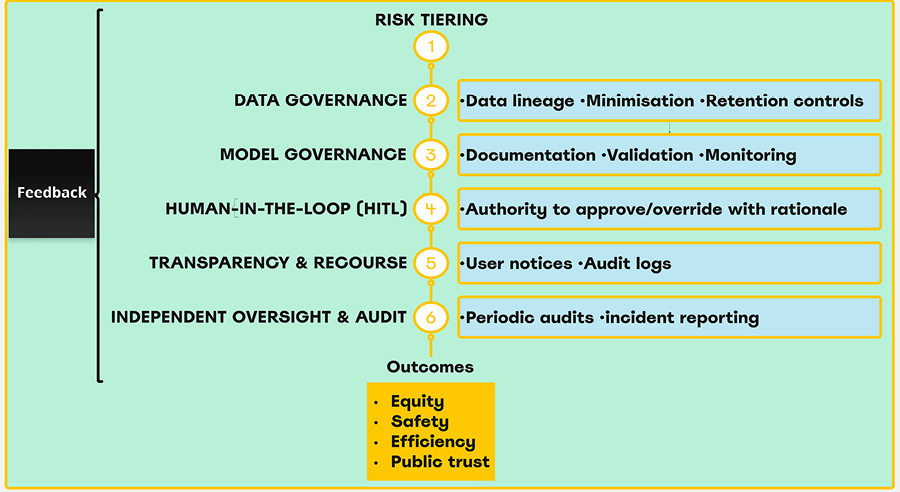
Figure 6. UAE-tailored ethical AI governance framework for municipal/construction services. UAE, United Arab Emirates; AI, artificial intelligence.
Policy and practical implications
The findings of this study offer several practical and policy implications.
1. Bias mitigation measures: AI systems used in municipal services should incorporate fairness-enhancing algorithms and undergo regular audits to detect and rectify biases (Horneber and Laumer, 2023; Bosco et al., 2024).
2. Enhancing transparency: Regulatory bodies should mandate AI transparency reports and require developers to provide clear documentation of decision-making processes (Hadfield and Clark, 2023; Kim et al., 2024).
3. Privacy safeguards: Stricter data protection laws should be implemented to ensure compliance with established international privacy standards while tailoring them to the legal framework of the UAE (Ahmed, 2021; Huang et al., 2023).
4. Localized ethical AI frameworks: Policymakers must work toward developing governance models that combine global AI principles with region-specific regulatory needs (Liang et al., 2024; Mellouli et al., 2024).
The successful implementation of these measures requires a multistakeholder approach that involves policymakers, AI developers, and municipal authorities working collaboratively to establish clear ethical guidelines. By integrating AI ethics training programs and continuous monitoring mechanisms, the UAE can ensure responsible AI deployment while fostering innovation. Future research should explore the development of dynamic regulatory frameworks that could adapt to the emerging ethical challenges in AI-driven municipal and construction services.
Conclusions
This study aimed to identify key ethical challenges and evaluate the suitability of global AI governance frameworks in the context of municipal and construction services in the UAE. These objectives were realized through a systematic literature review and bibliometric analysis, which enabled a structured understanding of ethical risks and policy gaps. The integration of AI shows directionally positive effects on efficiency in the literature; however, cost and error/rework effects are sparsely reported and remain unverified in UAE municipal settings. However, critical ethical challenges, such as algorithmic bias, inadequate transparency, and limited accountability, persistently put the responsible deployment of AI systems at risk. These ethical concerns are particularly critical in construction services, where errors or biases can lead to severe safety risks, financial losses, and broader social repercussions. The key contributions of this study included the following: (1) mapping scholarly trends through bibliometric analysis; (2) synthesizing thematic ethical concerns, especially bias, transparency, and accountability; and (3) evaluating the adaptability of global governance models, such as the EU AI Act, OECD AI Principles, and IEEE AI Ethics Guidelines, to the specific cultural, legal, and institutional contexts of the UAE.
These findings offer a foundation for future ethical governance strategies tailored to smart city development in the region. Although international guidelines and standards, including the EU AI Act, OECD AI Principles, and IEEE AI Ethics Guidelines, offer valuable insights, they must be customized to reflect local nuances to be effectively implementable and culturally appropriate within UAE municipalities. We converted high-level AI ethics into workflow-level, audit-ready controls usable by UAE municipalities (risk-tiered documentation, HITL checkpoints, and transparency/recourse), informing procurement and regulatory sandboxing (Ebers, 2023). We specified how risk tiering, layered transparency, and empowered oversight interact to produce accountability, offering testable constructs for municipal/construction settings (Hadfield and Clark, 2023).
This review has several limitations. First, it synthesized secondary literature and theoretical discussions. Without primary case studies in UAE municipalities, effect sizes and causal mechanisms could not be validated in situ. Second, the corpus was restricted to English-language, peer-reviewed sources in three databases (Scopus, IEEE Xplore, and EBSCOhost), which may introduce indexing and publication bias and exclude non-English and gray literature. Third, the bibliometric network depended on author-supplied keywords and parameter choices (e.g., VOSviewer settings); synonymy and term sparsity can influence cluster boundaries despite careful curation. Fourth, the frequency tables (Tables 2–4) drew on a focused analytic subset (n = 25) selected using stricter coding criteria; this improves internal consistency but may under-represent less-reported constructs. Fifth, although we used a pre-specified codebook and adjudication to mitigate subjectivity, we did not compute an inter-coder reliability statistic. Finally, the rapidly developing nature of AI technology and ethics means that some framework interpretations will require periodic updating as policies and standards evolve.
Future research should focus on developing guidelines that address social, political, and technological challenges specific to the UAE. Region-specific ethical frameworks that explicitly incorporate robust human supervision, proactive strategies for bias detection and mitigation, and clear legal accountability structures are essential. Additionally, empirical studies investigating the practical application and impact of these ethical frameworks in UAE municipal construction services will further validate their efficacy and guide ongoing improvements. Proactively addressing these ethical considerations will ensure that AI technology contributes positively and sustainably to the municipal construction services in the UAE. It is also crucial to explore dynamic regulatory frameworks that can evolve alongside emerging AI technologies, ensuring sustainable, ethical AI integration into municipal governance.
Acknowledgments
The author acknowledges the institutional support provided during the development of this research, particularly access to academic resources and databases. Assistance received in conducting the bibliometric analysis and using Biblioshiny is also gratefully acknowledged.
References
Ahmed. (2023). Predictive maintenance and ethical implications in AI applications for construction. Construction Management Review, 31(3), 215–235. https://doi.org/10.1080/01446193.2023.1897241
Ahmed, M. (2021). Privacy concerns in AI-driven public services: The case of UAE. Journal of Urban Technology, 28(2), 45–67. https://doi.org/10.1080/10630732.2021.1881822
Al Jundi, K. (2023). Challenges of AI in governance: A UAE perspective. Arabian Journal of Public Administration, 12(4), 15–30. https://doi.org/10.1108/AJPA-2023-1234
Alsamhi, S., Ma, O., & Ansari, M. (2022). Cultural dimensions in AI ethics: Adapting frameworks for the Middle East. AI & Society, 37(4), 545–561. https://doi.org/10.1007/s00146-022-00146-6
Ameh, J. O., & Odusami, K. T. (2010). Nigerian building professionals’ ethical ideology and perceived ethical judgement. Construction Economics and Building, 10(3), 1–13. https://doi.org/10.5130/AJCEB.v10i3.1602
Bannister, F., Connolly, R., Chen, Y., & García, A. (2023). Predictive maintenance and ethical implications in AI applications for construction. Construction Management Review, 31(3), 215–235. https://doi.org/10.1080/01446193.2023.215235
Batool, A., Zowghi, D., & Bano, M. (2025). AI governance: a systematic literature review. AI and Ethics. https://doi.org/10.1007/s43681-024-00653-w
Bignami, F. (2022). Artificial Intelligence Accountability of Public Administration. The American Journal of Comparative Law, 70(Supplement_1), i312–i346. https://doi.org/10.1093/ajcl/avac012
Bokhari, S. A. A., & Myeong, S. (2022). Use of Artificial Intelligence in Smart Cities for Smart Decision-Making: A Social Innovation Perspective. Sustainability, 14(2). https://doi.org/10.3390/su14020620
Bonnefon, J.-F., Rahwan, I., & Shariff, A. (2024). The Moral Psychology of Artificial Intelligence. Annual Review of Psychology, 75(Volume 75, 2024), 653–675. https://doi.org/10.1146/annurev-psych-030123-113559
Bosco, G., Scuotto, V., Ferraris, A., Bresciani, S., & Del Giudice, M. (2024). AI-driven innovation in smart city governance: Achieving human-centric and sustainable outcomes. Transforming Government: People, Process and Policy. https://doi.org/10.1108/TG-04-2024-0096
Ebers, M. (2023). Chapter 13: The European Commission’s Proposal for an Artificial Intelligence Act. In Research Handbook on EU Internet Law (pp. 271–292). Edward Elgar Publishing. https://doi.org/10.4337/9781803920887.00022
Ferrara, E. (2024). Fairness and Bias in Artificial Intelligence: A Brief Survey of Sources, Impacts, and Mitigation Strategies. Sci, 6(1). https://doi.org/10.3390/sci6010003
García, R., & Chen, W. (2024). AI governance: Trends and implications in urban settings. Technology in Society, 34(1), 40–58. https://doi.org/10.1016/j.techsoc.2024.1021822
Hadfield, G. K., & Clark, J. (2023). Regulatory Markets: The Future of AI Governance. https://arxiv.org/abs/2304.04914
Hassan, T., Mahmood, H., & Saleh, S. (2023). AI transparency in construction management systems. Journal of Construction Engineering and Management, 149(6), 78–93. https://doi.org/10.1061/jcem.149.6.78
Hassouni, A., & Mellor, N. (2025). AI in the United Arab Emirates’ Media Sector: Balancing Efficiency and Cultural Integrity. Journalism and Media, 6(1). https://doi.org/10.3390/journalmedia6010031
Horneber, D., & Laumer, S. (2023). Algorithmic Accountability. Business & Information Systems Engineering, 65(6), 723–730. https://doi.org/10.1007/s12599-023-00817-8
Huang, C., Zhang, Z., Mao, B., & Yao, X. (2023). An Overview of Artificial Intelligence Ethics. IEEE Transactions on Artificial Intelligence, 4(4), 799–819. https://doi.org/10.1109/TAI.2022.3194503
IEEE. (2020). IEEE Ethics Guidelines for Artificial Intelligence. Institute of Electrical and Electronics Engineers.
Johnson, P., & Smith, B. (2021). Ethical governance in AI. AI & Society, 38(4), 500–518. https://doi.org/10.1007/s00146-021-01570-9
Khan, A. A., Akbar, M. A., Fahmideh, M., Liang, P., Waseem, M., Ahmad, A., Niazi, M., & Abrahamsson, P. (2023). AI Ethics: An Empirical Study on the Views of Practitioners and Lawmakers. IEEE Transactions on Computational Social Systems, 1–14. https://doi.org/10.1109/TCSS.2023.3251729
Khan, M., & Saleh, M. (2021). Data security challenges in AI applications for smart cities. Public Management Review, 25(2), 145–165. https://doi.org/10.1080/14719037.2023.1951250
Kim, B.-J., Kim, M.-J., & Lee, J. (2024). Code green: ethical leadership’s role in reconciling AI-induced job insecurity with pro-environmental behavior in the digital workplace. Humanities and Social Sciences Communications, 11(1), 1627. https://doi.org/10.1057/s41599-024-04139-2
Le-Nguyen, H.-T. (2024). Ethical Dilemmas of AI Perspectives Towards Common Digital Art and Digital Crafting: AI Artistic View on Morality. In Making Art with Generative AI: A Guide for Artists and Art Educators. IGI Global. https://doi.org/10.4018/979-8-3693-1950-5.ch013
Li, G., Wang, J., & Wang, X. (2023). Construction and Path of Urban Public Safety Governance and Crisis Management Optimization Model Integrating Artificial Intelligence Technology. Sustainability, 15(9). https://doi.org/10.3390/su15097487
Liang, C.-J., Le, T.-H., Ham, Y., Mantha, B. R. K., Cheng, M. H., & Lin, J. J. (2024). Ethics of artificial intelligence and robotics in the architecture, engineering, and construction industry. Automation in Construction, 162, 105369. https://doi.org/10.1016/j.autcon.2024.105369
Madan, R., & Ashok, M. (2023). AI adoption and diffusion in public administration: A systematic literature review and future research agenda. Government Information Quarterly, 40(1), 101774. https://doi.org/10.1016/j.giq.2022.101774
McCarthy, S. F. (2012). Developing an Australian code of construction ethics. Construction Economics and Building, 12(2), 87–100. https://doi.org/10.5130/AJCEB.v12i2.2536
Mellouli, S., Janssen, M., & Ojo, A. (2024). Introduction to AI in the public sector: Risks and opportunities. Information Systems Journal, 34(1), 25–42. https://doi.org/10.1111/isj.12425
OECD. (2019). Recommendation of the Council on Artificial Intelligence (OECD AI Principles). OECD Legal Instruments.
Page, M. J., McKenzie, J. E., Bossuyt, P. M., Boutron, I., Hoffmann, T. C., Mulrow, C. D., Shamseer, L., Tetzlaff, J. M., Akl, E. A., Brennan, S. E., Chou, R., Glanville, J., Grimshaw, J. M., Hróbjartsson, A., Lalu, M. M., Li, T., Loder, E. W., Mayo-Wilson, E., McDonald, S., & Moher, D. (2021). The PRISMA 2020 statement: An updated guideline for reporting systematic reviews. BMJ (clinical Research Ed.), 372, n71. https://doi.org/10.1136/bmj.n71
Raman, R., Pattnaik, D., Lathabai, H. H., Kumar, C., Govindan, K., & Nedungadi, P. (2024). Green and sustainable AI research: an integrated thematic and topic modeling analysis. Journal of Big Data, 11(1), 55. https://doi.org/10.1186/s40537-024-00920-x
Shrivastava, A. (2024). AI IN SMART CITIES: ENHANCING URBAN LIVING. Journal of Advanced Research in Applied Sciences and Engineering Technology, 3, 2024. https://iaeme.com/Home/article_id/JARET_03_01_019
Straub, V. J., Morgan, D., Bright, J., & Margetts, H. (2023). Artificial intelligence in government: Concepts, standards, and a unified framework. Government Information Quarterly, 40(4), 101881. https://doi.org/10.1016/j.giq.2023.101881
Varsha P. S., (2023). How can we manage biases in artificial intelligence systems – A systematic literature review. International Journal of Information Management Data Insights, 3(1), 100165. https://doi.org/10.1016/j.jjimei.2023.100165
Vatankhah, S., Vahideh, B., Hasan Evrim, A., & and Duan, Y. (2024). Ethical implementation of artificial intelligence in the service industries. The Service Industries Journal, 44(9–10), 661–685. https://doi.org/10.1080/02642069.2024.2359077
Wang, X., & Li, Y. (2022). Enhancing transparency in AI-driven project management. Project Management Journal, 53(4), 316–332. https://doi.org/10.1177/87569728221101747
Zhang, W., & Liu, S. (2020). The role of AI in smart cities: Emerging trends and challenges. Journal of Technology in Society, 13(2), 145–158. https://doi.org/10.1016/j.techsoc.2020.06.004