Construction Economics and Building
Vol. 26, No. 3/4
2026
ARTICLE (PEER REVIEW)
A Mixed Review of Research on the Competencies of Built Environment Professionals in Infrastructure Delivery within Emerging Economies
Molusiwa Stephan Ramabodu1, Bamidele Temitope Arijeloye2,*
1 Faculty of Engineering and the Built Environment, Durban University of Technology, South Africa
2 Department of Construction Management and Quantity Surveying, Durban University of Technology, South Africa
Corresponding author: Bamidele Temitope Arijeloye, BamideleA@dut.ac.za; qsdeleconsult@gmail.com
DOI: https://doi.org/10.5130/pjx4c836
Article History: Received 09/06/2025; Revised 25/11/2025; Accepted 09/01/2026; Published 16/11/2026
Citation: Ramabodu, M. S., Arijeloye, B. T. 2026. A Mixed Review of Research on the Competencies of Built Environment Professionals in Infrastructure Delivery within Emerging Economies. Construction Economics and Building, 26:3/4, 1–19. https://doi.org/10.5130/pjx4c836
Abstract
This study employed a mixed-review approach that integrates bibliometric analysis with a systematic literature review (SLR) to synthesize evidence on the competencies required of built environment professionals in emerging economies. The method specifies the Scopus search strategy, inclusion and exclusion criteria, screening procedures, and quality checks, resulting in 59 eligible publications from an initial 185 records retrieved in May 2024. Bibliometric analysis (VOSviewer 1.6.20) identified publication trends, co-authorship networks, key keywords, and co-citation clusters, which informed the thematic focus of the SLR. The SLR synthesized findings into seven themes: (1) emerging critical skills, (2) competency-based curriculum, (3) technology infrastructure and assessment, (4) municipal competency training, (5) innovative skills for construction management graduates, (6) university–industry collaboration for the Fourth Industrial Revolution (4IR), and (7) pedagogical innovations and learning management systems. The study offers practical recommendations for curriculum developers, universities, and industry stakeholders and highlights the need for future empirical studies to validate the identified competency frameworks.
Keywords
Built Environment Competencies; Infrastructure Delivery; Emerging Economies; Bibliometric Analysis; Systematic Literature Review; Competency-Based Curriculum
Introduction
The infrastructure sector is central to socio-economic development in emerging economies and relies heavily on the competencies of built environment professionals (Babalola & Onososen, 2022; Aliu et al., 2023). Delivering infrastructure in these contexts requires technical expertise, project management skills, and an understanding of local socio-economic and regulatory conditions; deficiencies in these areas have been linked to poor project outcomes (Ameh & Odusami, 2014; Ijagbemi et al., 2017). These challenges are intensified by resource limitations, rapid urbanization, and evolving governance structures, underscoring the need for professionals who possess both core technical capabilities and adaptive competencies suited to dynamic environments (Chegu Badrinath et al., 2016; Ogunseiju et al., 2022). Competence is broadly understood as the ability to apply knowledge and skills effectively within a vocational context, while skills refer to proficiencies gained through training or experience. Competence encompasses related attributes such as knowledge, behaviors, and abilities that influence job performance and can be benchmarked against established standards (Dada & Jagboro, 2012; Makransky & Petersen, 2019; Aliu et al., 2023). However, the classification of skills and competencies in the built environment often suffers from overlapping definitions and inconsistencies, making it difficult to compare existing frameworks and identify priority areas for development.
The industry continues to evolve due to technological advancements, globalization, and increasing sustainability demands. Consequently, higher education institutions face difficulties in equipping graduates with all the skills required by industry, and recent surveys indicate persistent gaps between graduate capabilities and employer expectations (Alshawi et al., 2007; Govender et al., 2019). These shortages affect areas such as digital literacy, automation, project delivery, urban governance, and sustainability practices. While competency development is increasingly recognized as essential, many emerging economies still struggle to upgrade the capabilities of built environment professionals (Ebekozien & Aigbavboa, 2023). This gap limits the ability of educational institutions, industry partners, and policymakers to design targeted training and development initiatives. Although several studies have examined skill shortages and competency gaps, fewer works integrate both the intellectual structure of the field and the substantive thematic findings. This study, therefore, aimed to (1) map the intellectual landscape of scholarship on competencies for infrastructure delivery in emerging economies; (2) synthesize thematic evidence on required skills, curricula, and institutional arrangements; and (3) identify gaps and propose directions for future empirical research and policy.
This paper addresses these aims through a mixed-review approach that combines bibliometric analysis with a systematic literature review (SLR). The bibliometric analysis identifies influential authors, themes, and temporal trends, while the SLR synthesizes substantive evidence on competency development. Integrating these two methods enhances transparency, reproducibility, and the identification of underexplored but important areas. The findings offer insights that can inform competency-based curricula, technological capacity building, and stronger industry-university collaboration to support effective infrastructure delivery in emerging economies.
Research method
Mixed-review approaches are well-suited to addressing this study’s objectives on the competencies of built environment professionals involved in infrastructure delivery in emerging economies (Cardoso et al., 2020; Xu & Turkan, 2022; El Hajj et al., 2023). By combining bibliometric analysis with SLR, mixed reviews enable a comprehensive understanding of the field, capturing research trends, intellectual structures, and substantive thematic insights (Ohene et al., 2022; Nwankwo et al., 2023). This approach has been applied successfully across several built environment-related domains, and this study adopted a similar four-stage process (Li et al., 2017; Boulos et al., 2020; Onososen et al., 2022a, 2022b; Tjebane et al., 2023). Following Li et al. (2017) and Nwankwo et al. (2023), the four-stage mixed-review procedure comprised (a) systematic search and retrieval, (b) inclusion and exclusion criteria, (c) bibliometric (scientometric) analysis, and (d) systematic literature synthesis. This four-stage approach leverages the strengths of both scientometric and systematic methods to conduct an in-depth examination of the research objectives (Olawumi et al., 2017; Zhong et al., 2019; Onososen & Musonda, 2021).
Stage 1: Systematic search and retrieval
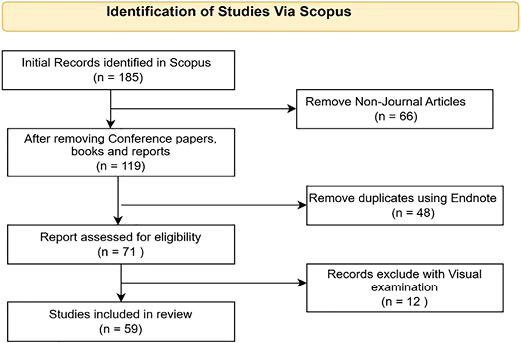
Following established guidelines for systematic literature reviews (Tjebane et al., 2022a), the study defined clear inclusion criteria relating to database selection, keywords, and publication types. Scopus was chosen as the sole database due to its extensive coverage and the quality of its peer-reviewed outputs (Saka & Chan, 2019; Tjebane et al., 2023). A comprehensive search was conducted on 10 May 2024 using the following string applied to titles, abstracts, and keywords: (“competenc” OR “skill” OR “employab*” OR “competency-based” OR “curricul*”) AND (“built environment” OR “construction” OR “architecture” OR “civil engineering” OR “quantity survey*” OR “construction management”)**. No publication year restrictions were applied. The search yielded 185 records (Figure 1). All retrieved items included full bibliographic metadata (authors, year, source title, abstract, author keywords, and affiliations), which were exported to Excel for screening and into VOSviewer-compatible formats for bibliometric mapping.
Stage 2: Inclusion and exclusion criteria
Exclusion criteria, consistent with standard protocols in systematic and scientometric reviews, were applied to ensure reliability, relevance, and reproducibility (Abdelaziz et al., 2021; Habibi Rad et al., 2021; Broday & Gameiro da Silva, 2023). The criteria were implemented in three stages. First, the dataset was limited to English-language publications within the construction and built environment domain. To maintain scientific rigor, non-journal outputs such as conference papers, book chapters, editorials, and notes were excluded, ensuring that only peer-reviewed research was analyzed (Shukla et al., 2019; Jiang et al., 2021; Onososen & Musonda, 2022a). Applying the “journal” filter in Scopus reduced the dataset from 185 to 119 records. The search results were exported into Excel, containing full bibliographic metadata (authors, titles, publication years, journal sources, affiliations, keywords, and abstracts). Duplicate removal using EndNote and manual checks eliminated 48 records, leaving 71 papers for further screening.
Inclusion criteria: (a) Peer-reviewed journal articles focusing on competencies, skills, education, curriculum, or employability of built environment professionals; (b) empirical, theoretical, or review studies relevant to infrastructure delivery and professional competencies; and (c) English-language publications.
Exclusion criteria: (a) Non-journal items (e.g., conference papers, book chapters, editorials, and notes); (b) non-English publications; (c) articles lacking abstracts or adequate methodological detail for synthesis; and (d) duplicates identified through EndNote and manual verification.
Stage 3: Bibliometric (scientometric) analysis and integration with SLR
This stage analyzed bibliometric data from the reviewed articles to track publication trends within the construction and built environment disciplines (Ansaripour et al., 2023; Arowoiya et al., 2024). Using VOSviewer 1.6.20, networks of keyword co-occurrence, co-authorship, and document co-citation were generated to reveal relationships among research themes, methodological developments, and influential authors (Saka & Chan, 2019; Zabidin et al., 2020). Thresholds were applied to enhance clarity and reproducibility: a minimum of three keyword occurrences, at least two citations for inclusion in citation maps, and authors with at least two publications and three citations for co-authorship maps. After visual screening and removal of irrelevant papers, 59 publications were retained as an adequate sample for both bibliometric and systematic synthesis. The bibliometric results were then used to (a) identify influential works and thematic clusters for in-depth review, (b) guide the development of the thematic coding framework by highlighting frequently co-occurring concepts, and (c) triangulate SLR findings with the intellectual structure of the field. The SLR followed a thematic synthesis approach, with two authors independently coding study findings and descriptive attributes before refining themes in alignment with bibliometric clusters. This stepwise integration ensured a transparent linkage between the structural insights provided by bibliometrics and the substantive evidence captured through the SLR.
Stage 4: Systematic literature review
The SLR employed VOSviewer 1.6.20 to identify and categorize competency-related information in the built environment. This software enables the visualization of bibliometric networks, facilitating the mapping of scientific publications (Saka & Chan, 2019). Through this approach, the study identified and categorized six critical themes: competency-based curriculum, technology infrastructure and assessment of competency development, municipal competency training for built environment professionals, innovative skills and competencies required of construction management graduates, driving the Fourth Industrial Revolution initiative through university-industry collaborations, and effective use of learning management systems.
An initial search in Scopus yielded 185 records. A staged screening process was then applied, as follows. (a) Filtering by source type: Non-journal publications were removed, reducing the set to 119 records. (b) Duplicate removal: EndNote and manual verification eliminated 48 duplicates, leaving 71 records. (c) Title and abstract screening: Two authors independently assessed relevance against inclusion/exclusion criteria; conflicts were resolved through discussion. (d) Full-text screening: This was conducted where available to ensure the relevance and quality of the content. (e) Final visual and quality check: This ensured that all retained papers provided substantive evidence for the SLR and were suitable for bibliometric mapping.
After these steps, 59 articles were retained for combined bibliometric and systematic analysis. A Preferred Reporting Items for Systematic Reviews and Meta-Analyses (PRISMA-style diagram summarizing the selection process is presented in Figure 1. For reproducibility, the following thresholds were applied in bibliometric mapping: keywords required a minimum occurrence of three for co-occurrence analysis, documents required a minimum citation count of two to be included in citation maps, and co-authorship networks included authors with at least two documents and three citations. These thresholds were selected to balance comprehensiveness with the readability of network visualizations and are consistent with prior domain studies (Li et al., 2017; Saka & Chan, 2019).
Quality appraisal, reproducibility, data extraction, and synthesis
Although systematic literature reviews of heterogeneous social science literature rarely impose strict methodological quality cut-offs, this study appraised each full text for relevance, clarity of aims, and transparency of methods. Papers lacking minimally sufficient information for synthesis were documented and excluded from thematic analysis, although they were retained in bibliometric counts where appropriate; these decisions are summarized in Table 1. For data extraction, the study collected study metadata (authors, year, country/region, and methodology) and core findings relevant to competencies and education. Thematic synthesis grouped findings into the seven primary themes reported in the Discussion section 4. Where regional patterns were apparent (e.g., Africa vs. Asia), region-specific emphases were noted. The results integrate descriptive bibliometric maps with a narrative SLR synthesis, explicitly linking thematic insights to bibliometric evidence, thereby enhancing both transparency and reproducibility.
Results
Descriptive statistics and publication trends
The annual number of publications on built environment professionals’ competencies for delivering sustainable infrastructure, particularly in developing countries, was very low (one to five documents) between 2001 and 2005, indicating limited research activity. A slight increase occurred from 2006 to 2010, suggesting growing awareness of professionals’ infrastructure delivery skills. A more notable rise between 2011 and 2015 may reflect intensified research efforts or key domain events (Onososen et al., 2019). Interest fluctuated between 2016 and 2020, but research activity surged in 2021–2025, reaching 20 documents, with 2023 alone contributing 12 publications. This increase likely reflects recent advances, targeted funding, or increased industry awareness of critical skills (Tjebane et al., 2022b). As shown in Table 1, the study demonstrates a gradual rise in publications from 2001 to 2015, followed by a sharper increase from 2016 onward, particularly between 2021 and 2024. Interpreted cautiously, these trends indicate growing scholarly attention to competencies in the context of digitalization and Fourth Industrial Revolution (4IR) initiatives.
Key contributors and collaborative networks
The co-authorship analysis visualizes collaborations among authors studying built environment professionals’ competencies for infrastructure delivery in developing countries. Each co-authorship was fully counted. Figure 2 displays authors with at least two publications and three citations, with node size representing the number of documents authored and node color indicating the average publication year (dark blue = 2021.5; yellow = 2023.5). Connections between nodes represent co-authorship relationships, with thicker lines indicating more frequent collaborations (Onososen & Musonda, 2022b). Nodes positioned closer together reflect stronger collaborative ties.
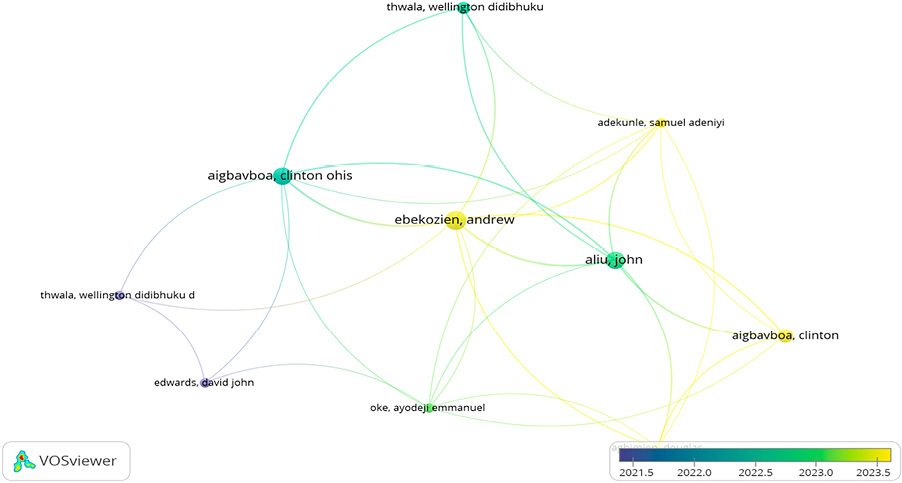
Figure 2. Key contributors and collaborative network. Source: Authors’ own work, 2024
The analysis identified Clinton Ohis Aigbavboa and Andrew Ebekozien as the most prominent researchers in this domain, with multiple co-authorships. Other notable contributors include Wellington Didibhuku Thwala, John Aliu, Samuel Adeniyi Adekunle, and Ayodeji Emmanuel Oke. Clusters of collaboration are evident; for example, Aigbavboa, Thwala, and Ebekozien form one productive cluster, while Aliu, Adekunle, and Oke constitute another (Onososen & Musonda, 2021). The co-authorship network highlights both intra-regional collaborations (e.g., South African clusters) and inter-regional partnerships, indicating active knowledge exchange across geographic boundaries. Overall, the maps reveal several productive clusters, with the most prolific authors in the sample being Aigbavboa, Ebekozien, Thwala, Aliu, and Adekunle.
Thematic keyword co-occurrence
The co-occurrence analysis illustrates the correlations and frequency of keywords used in studies on built environment professionals’ infrastructure delivery competencies in developing countries. All keyword co-occurrences were fully counted in the analysis (Dzuwa et al., 2022). Each node represents a keyword that appeared at least three times in the reviewed studies, with node size proportional to frequency. The color spectrum ranges from dark blue (earlier years, >2016) to yellow (recent years, >2022). Early research focused on education and training themes, such as gender disparity in education and curriculum development to meet professional competencies. More recent keywords such as pedagogy, employability skills, and construction education are shown in yellow, indicating emerging research interests. Additional clusters highlight research on professional skills and project management within the built environment. Overall, the keyword co-occurrence analysis identifies core themes, including curriculum, Building information modeling (BIM)/4IR, employability, pedagogy, and competency assessment. These bibliometric clusters informed the coding schema used for the systematic literature review. Figure 3 illustrates this analysis.
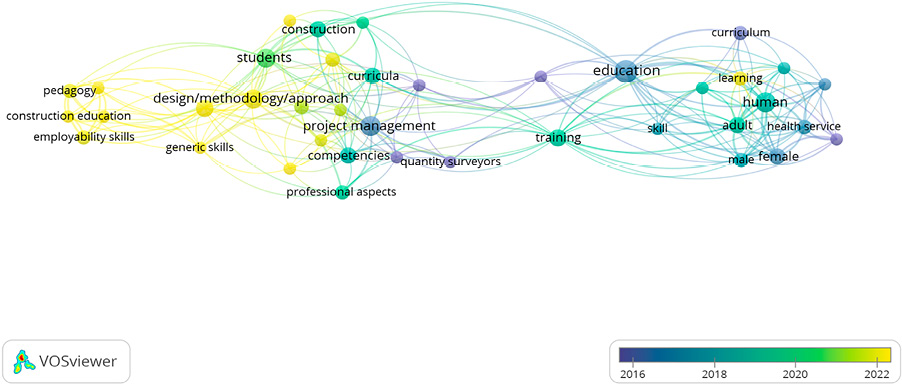
Figure 3. Relationships and frequency of thematic areas. Source: Authors’ own work, 2024
Document co-citation analysis and influential studies
As shown in Figure 4, this analysis depicts document citation frequencies and patterns, highlighting the most influential papers and their interrelationships. Each node in the visualization represents a document that met the minimum citation threshold; for Analysis 2, 47 of the 59 documents qualified. Among the most cited works are Roberts (2002), Aliu et al., (2023), and Dada and Jagboro (2012). The co-citation analysis reveals seminal studies, including those by Dada, Roberts, and other regional empirical investigations that form the intellectual foundation of the field. All in-text citations were cross-checked against the reference list, and inconsistencies were removed.
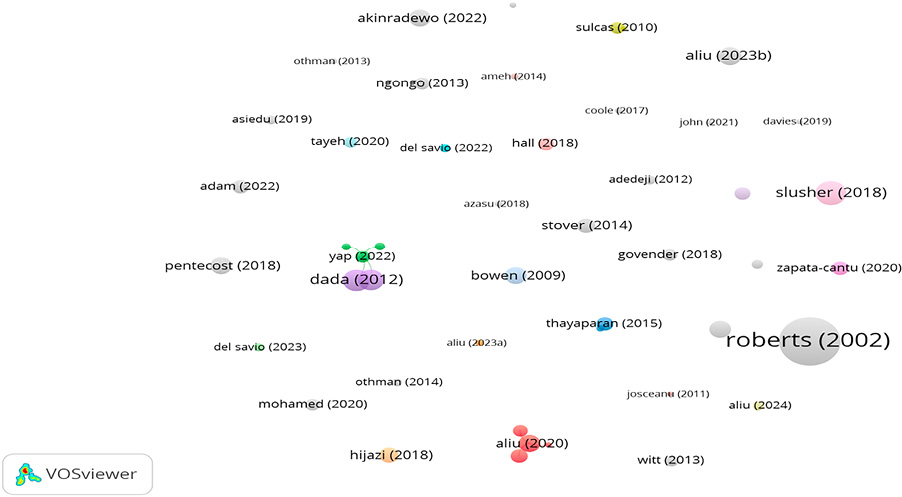
Figure 4. Interconnections in influential research output in competencies of built environment professionals for infrastructure delivery in developing countries.
Author co-citation and thematic clusters
This analysis uses Scopus data to examine how often authors are cited together, identifying the structure of the research field and influential contributors. Only authors with at least three citations were included, resulting in 228 of 4,665 referenced authors qualifying for the analysis. Each labeled node represents a cited author, with node size proportional to co-citation frequency. Authors with stronger co-citation links are positioned closer together, and lines connecting nodes indicate co-citation relationships, with thicker lines representing more frequent co-citations. Nodes are clustered by thematic or subject groups, differentiated by color. Highly co-cited authors include Ebekozien A., Kelly J., Amaratunga D., and Cilliers S., with the central cluster reflecting a core group of pioneers in infrastructure delivery competency research (Onososen et al., 2023a). These authors frequently discuss major theories, methods, and discoveries cited across the field. Figure 5 illustrates the co-citation network and thematic clusters.
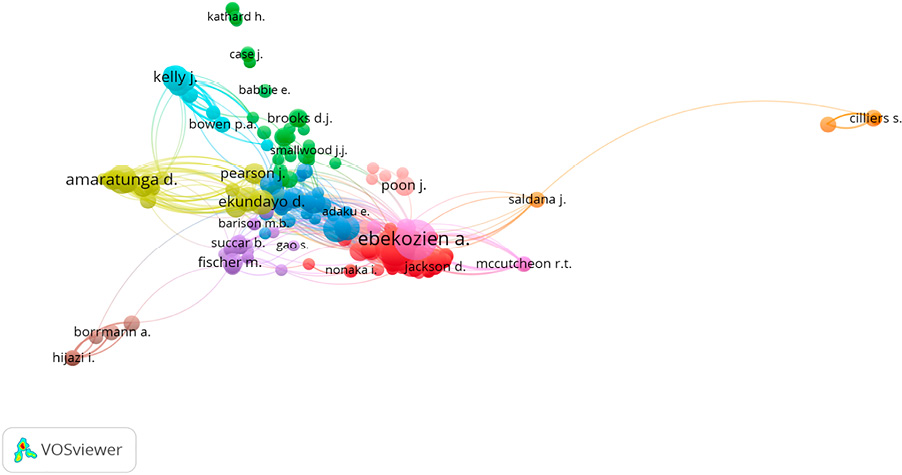
Figure 5. Co-citation analysis. Source: Authors’ own work, 2024
The analysis further highlights several recurring themes in built environment professionals’ infrastructure delivery competencies. First, curricula increasingly need to embed critical skills such as digital literacy, systems thinking, and sustainability, supported by rising co-occurrences of “employability” and “pedagogy” (Yap et al., 2022; Aliu et al., 2023). Second, competency-based curriculum frameworks are widely proposed, often tailored to regional needs, but empirical validation is limited, suggesting the need for multi-country testing. Third, technology infrastructure and assessment, including learning management systems (LMSs), BIM, virtual reality (VR), and rubrics, show growing attention, particularly 4IR-related topics since 2018, although resource constraints in low-income higher education institutions (HEIs) remain a barrier. Municipal competency training emphasizes vocational programs aligned with local governance, yet peer-reviewed evidence is scarce, highlighting the need for stronger publication pipelines. Graduates’ innovative skills, including soft skills, technical competencies, and resilience, are frequently emphasized, bridging educational and construction management literature. University/industry collaborations for the 4IR, such as internships and co-developed labs, are reported, but longitudinal outcome assessments remain rare. Finally, pedagogical innovations, including blended, active, and work-integrated learning, correlate with employability outcomes, although causal relationships remain underexplored.
Discussion
The study indicates that competencies in infrastructure delivery are critical for achieving sustainable development in emerging economies, which have historically received limited scholarly attention. Existing literature reflects a constrained appreciation of their value, shaped in part by inadequate funding and a research landscape increasingly oriented toward digitalization in the construction sector. The analysis highlights the need for targeted research investments to strengthen the expertise and skills required for effective infrastructure delivery, while lessons from past projects further underscore the importance of developing the capacity of local practitioners. Addressing these gaps will require coordinated global and regional initiatives, with intra-African collaborations offering a particularly viable pathway for strengthening practitioner competencies across similar socio-economic contexts. Within this context, the study identifies seven thematic areas that structure the contemporary discourse on competencies of built environment professionals: (1) embedding emerging critical skills, (2) developing competency-based curricula, (3) strengthening technology infrastructure and assessment systems, (4) improving municipal and vocational competency training, (5) advancing innovative skills for construction management graduates, (6) promoting university–industry collaborations in the era of the 4IR, and (7) adopting pedagogical innovations supported by digital learning platforms. These themes reflect both long-standing priorities and emergent trends driven by technological shifts and labor market expectations.
The discussion also highlights the study’s unique contributions: the integration of bibliometric mapping with systematic thematic synthesis; the identification of region-specific research concentrations, particularly the dominance of African studies, which necessitates careful consideration of generalizability; and the delineation of critical gaps, including the lack of empirical validation of competency frameworks and limited longitudinal evaluations of curriculum reforms. Where comparative evidence from Asia and Latin America exists, observed commonalities such as the growing emphasis on digital literacy, and differences, including resource constraints and varying levels of curricular autonomy, broaden the international relevance of the findings.
Embedding emerging critical skills in built environment competencies
Globalization and internationalization require undergraduate programs to adapt and update their curricula. Studies in STEM must tailor their curriculum to the architecture, engineering, construction, and operations (AECO) industry (Chegu Badrinath et al., 2016; Ebekozien & Aigbavboa, 2023). Higher education programs must incorporate competency-based courses that enable students to succeed in different circumstances by fostering professional and personal knowledge and adaptability. Such a curriculum should meet current societal needs by producing skilled and competitive professionals in their respective fields and drive advancement by suggesting solutions to emerging challenges (Latupeirissa & Arrang, 2024). Competency-based curriculum promotes self-regulation, autonomy, leadership, teamwork, problem-solving, and critical thinking (Pentecost et al., 2018). Consequently, these curricula must be regularly reviewed and updated to reflect the evolving nature of each profession, a standard that recognized accreditation boards worldwide aim to certify.
Development of competency-based curriculum
Competencies are integrated, dynamic abilities that incorporate knowledge, skills, attitudes, and values in specific circumstances (Ameh & Odusami, 2014). These competences enhance comprehensive human development through knowing, doing, being, and coexisting. Competencies must be developed and strengthened, so they are related to different proficiency levels with varied features (Sapti et al., 2019). This enables steady and ongoing training growth, where higher competency levels build on previous ones. The socio-formative approach has five proficiency levels: pre-formal (P), receptive (R), basic (B), autonomous (A), and strategic (S) (Aliu & Aigbavboa, 2020; Pounder & Greaves, 2020). Pre-formal involves a general comprehension of the ability, while receptive involves specialized understanding, operational activities, and partial motivation. Azasu et al. (2018) described the basic level as simple problem-solving, technical integration, and process monitoring. The autonomous level involves complicated problem-solving, initiative, process management, and scientific reasoning.
The strategic level applies change tactics motivated by context, creativity, adaptability, and commitment (Daling et al., 2018). Primary, generic, and particular competencies exist. Primary competencies are developed during primary and secondary education, generic competencies are common across all higher education disciplines and applicable to all degree programs and professionals, and specific competencies are field-specific and tailored to each profession (Rojas et al., 2023). Competencies also include capacities, purposes, scopes, needs, and quality criteria. Curricula apply pedagogical theories and training strategies to facilitate effective learning through instruction. Culture, time, and community shape them. Curricula include goals, steps, and the rationale: the practical application of a pedagogical theory in the classroom. Curricula must match each institution’s educational approach (Mamela et al., 2020; Onososen & Musonda, 2022c). Analyzing social, professional, and labor-related obstacles and requirements is essential to developing an appropriate curriculum. Competency-based training has three stages: contextualization profile, training design, and execution (Stowers et al., 2021). The contextualization profile step involves context research and graduation profile creation. Curriculum design and learning activity sequencing occur in the training plan stage [The International Ergonomics Association (IEA), 2021]. Final implementation involves pupils executing the study plan.
Technology infrastructure and assessment systems development
In today’s fast-changing educational landscape, technology infrastructure is essential for competency development and evaluation (Onososen et al., 2022a, 2022b, 2023a). Effective and flexible technology infrastructure is needed to support competency-based learning models and ensure that students learn and demonstrate the skills, knowledge, and attitudes required to excel in their fields (Onososen et al., 2023a; Sitawa et al., 2023). Active learning strategies engage students in actively building their knowledge. Assessment procedures should be carefully prepared to correspond with training objectives to make learning outcomes evident based on capabilities and expected results (Del Savio et al., 2022). To assess students according to their learning style (active, reflective, theoretical, or pragmatic), it is advisable to use a variety of methods and instruments (Makhathini et al., 2023; Ebekozien et al., 2024). Sample methods include observation, questioning, class activities, portfolios, quizzes, written exams, projects, and presentations. Also recommended are checklists, rating scales, rubrics, and organized evaluation manuals. Microplanning and professor-designed classroom sessions will determine teaching, learning, and assessment procedures.
Municipal and vocational competency training
Africa, including South Africa, has substantial unemployment. Built environment experts must receive quality vocational training to be employable and valued as infrastructure project contributors. Built environment professionals require competency-based skills training to expand and sustain the industry. Expert trainers and supervisors with educational and industry-specific abilities are essential. Adult learning theory and learner-centeredness must guide municipal courses. Training could encompass trainer and learner roles and responsibilities, building an effective learning environment, curriculum alignment, and evaluation methodologies. Recently, online assessment tools, e-portfolios, and competency-based evaluation have been suggested for course content.
Advancing innovative skills for construction management graduates
The Fourth Industrial Revolution is transforming the construction industry globally. Cutting-edge technologies that require expertise are replacing traditional design and build techniques. However, the industry is lacking innovative professionals to manage the building life cycle process, especially in developing countries (Hijazi et al., 2018). Construction industry employers demand construction management graduates (CMGs) with innovative skills and expertise in relevant technology, software, and methods (Govender et al., 2018). Competency is the mix of behavioral traits, skills, talents, and information needed for work performance. It includes a professional’s domain-specific abilities, skills, and capacities and improves professional performance across occupational sectors (Azasu et al., 2018; Olaonipekun & Mewomo, 2023a, 2023b). Competence is the capacity to use the required information, skills, talents, or traits to execute important jobs. Studies have shown that interpersonal skills, core technical knowledge, sustainability and life cycle analysis, environmental waste management systems knowledge, effective communication, personal development, emotional intelligence, resilience, persistence, and professional growth are essential. CMGs must also uniquely solve complicated constructability issues and visualize the finished product in virtual reality (Olaonipekun & Mewomo, 2023a, 2023b; Onososen et al., 2023b).
Promoting university/industry collaborations in the era of 4IR
Digital technologies, automation, AI, and the Internet of Things drive the 4IR, transforming the industrial paradigm. This disruptive wave is transforming sectors globally, such as architecture, building, urban planning, and related disciplines. South Africa needs the 4IR to compete globally. The country must leverage the 4IR by encouraging university–construction industry collaborations to improve built environment specialists’ competencies. Africa, led by South Africa, is preparing for the 4IR. To maximize 4IR prospects, universities and the construction sector should collaborate to train built environment professionals. Universities across the globe produce human capital, which enhances national development. Knowledge generation serves as a major driver of innovation and economic success (Mazlan & Mohammad, 2015).
By strengthening collaboration with the construction sector, universities could revitalize and enhance their academic frameworks, which would benefit built environment students. The construction sector and universities can collaborate to exchange knowledge, improve R&D, and generate patents, which promotes economic growth (Tayeh et al., 2020). Collaborations with industry and experts that are constantly seeking ways to enhance their processes can help boost university R&D. Through these partnerships, students can take field visits to industry-based activities led by their supervisors and acquire practical experience. The Fourth Industrial Revolution fosters unprecedented innovation, efficiency, and economic prosperity. In the built environment, 4IR technologies enhance design sophistication, project management, and construction automation. For instance, BIM, 3D printing, AI-driven project management tools, and smart city technologies are changing infrastructure planning, construction, and maintenance. However, these advances pose substantial obstacles, particularly the skills gap. Many built environment professionals globally, including in South Africa, are unprepared to use these new technologies. Traditional education and training programs are not ready for the industry’s rapid changes. Knowledge creation, innovation, and human capital development are vital to universities in the 4IR era, and by teaching students new skills and information, they may lead the 4IR project. The built environment profession needs skills in digital design, data analytics, smart building, and sustainable development. University R&D that pushes current technologies and develops new built environment applications can also contribute to the 4IR (Nykänen et al., 2020). Universities are crucial to filling the built environment skills gap in South Africa. Universities can ensure graduates are academically qualified and industry-ready by upgrading curricula, integrating 4IR technology, and encouraging continual learning. To do so, colleges must cooperate with industry stakeholders beyond academic bounds. Academic and practical knowledge must be bridged through industry collaboration (Mazlan & Mohammad, 2015). The use of 4IR technology is revolutionizing South African buildings. Universities must form strong industrial collaborations to adapt. Collaborations can involve internships, research initiatives, co-developed courses, and industry-sponsored conferences and seminars.
Adopting pedagogical innovations supported by digital learning platforms
People’s actions influence others based on shared beliefs and attitudes. Marzano’s concept emphasizes learning and intellectual development, helping people grow and value their intellectual endeavors. In today’s educational environment, digital tools are essential for improving students’ skills and achieving appropriate learning outcomes. Educational methods should range from memorizing to self-directed study. These are the strategies that individuals employ to solve problems, act, and participate in the process. These approaches must blend being, knowing, and acting and encourage independent thought to ensure learning. To build these skills, the theoretical model guides learning and provides data for informed decision-making. In this direction, instructors must examine students’ skills and interests. To enhance the learning experience, concepts and approaches must be revisited and refined. This involves continuing follow-up, creative activity planning, and student-specific teaching approaches. Quality education uses new teaching-learning methods to improve educational practices. Innovation in education entails reflecting on what works, generating new ideas, developing viable plans, implementing them, and strengthening educators’ skills to achieve success (Witt et al., 2013).
Competencies are how people balance “being”, “knowing”, and “doing” while preserving mental independence to overcome problems and finish tasks. These skills are developed using the theoretical model, which also guides learning-enhancing decisions. The instructor promotes learning by generating scenarios and mediating to assist students to collaborate in groups, infer, reflect, and reason. Remember that no instructional design is flawless; the idea is to create learning settings that encourage meaningful engagement with the information. Communication and a systematic input–output architecture enable continual conversation between teaching and learning in this dynamic and open learning system. Learning involves emotive and social processes as well as intellectual and analytical ones. To create a pleasant emotional and learning environment, teachers must stimulate and support students. This is crucial for children, whose growth may be impeded by poor schooling. Teachers must feel welcome and comfortable in the classroom to positively impact students’ attitudes and make learning fun. Teachers and students must value the goal and have a clear path to completion to achieve this.
These educational aims require “declarative knowledge” (the understanding of facts or phenomena through evident attributes, information, data, and constructs) and “procedural knowledge”, which involves skills and processes. Procedure learning stresses “learning to do” by applying new information in teacher-provided real-life scenarios. Categorization, abstraction, induction, and analysis help students understand new material and apply it to real-world situations. Active classroom engagement allows students to widen their ideas, study diverse viewpoints, and increase their comprehension of numerous topics. Educational advice is essential for in-depth learning. Students acquire systems analysis, problem-solving, creative thinking, and decision-making skills by applying their knowledge to real-world challenges. Students need these skills to connect new content to their existing knowledge and advance in school (Khamis et al., 2013; Onososen et al., 2023a). All learners, critical or creative, acquire mental patterns that influence their behavior. Learning habits are built on these patterns, attitude, and perspective. These habits help pupils finish assignments and learn new abilities, preparing them for any academic or life challenge. These competencies must be developed throughout life for personal growth and learning (Tjebane et al., 2023).
Contribution to knowledge
The study presents a comprehensive examination of the competencies required for built environment professionals engaged in infrastructure delivery within emerging economies. By integrating bibliometric mapping with a systematic literature review, the research identifies the core areas in which competencies must evolve to address globalization, technological change, and the 4IR. The evidence shows that education, project management, technical competencies, and construction-related skills remain central to existing discourse, while emerging interests such as pedagogy, employability skills, digital literacy, and systems thinking are gaining prominence. These patterns reflect a sector increasingly shaped by technological integration and changing industry expectations. The findings highlight the need for competency-based curricula, improved technology infrastructure in higher education institutions, and sustained collaboration between academia and industry to strengthen professional readiness for sustainable infrastructure development. A positive trajectory in research activity indicates growing recognition of competency development as a strategic priority, supported by global initiatives, policy shifts, and expanding research networks. Notable contributors such as Aigbavboa, Ebekozien, Thwala, Aliu, Adekunle, and Oke anchor the field’s knowledge base and collaborative clusters.
The analysis also points to persistent gaps, including limited empirical validation of competency frameworks, insufficient longitudinal studies of curriculum reform, and challenges associated with resource constraints in low-income contexts. Evidence from Asia and Latin America reveals common emphases on digital skills, alongside contextual differences related to institutional autonomy and funding limitations, thereby broadening international relevance.
The study recommends that higher education institutions adopt competency-based curricula integrating both technical and soft skills, supported by robust digital infrastructure for learning and assessment. Stronger university/industry partnerships through joint research, co-developed modules, and structured internships can help align academic training with industry needs, enhance innovation, and improve graduate employability. These measures are essential for preparing a workforce capable of navigating 4IR-driven transformations in the built environment sector. The implications extend to multiple stakeholders. Universities can refine curricula to enhance graduate preparedness, industry stands to benefit from a workforce capable of improving productivity and innovation, policymakers can leverage these insights to promote workforce development and institutional collaboration, and students gain more relevant educational pathways that improve career prospects. Ultimately, society benefits through improved infrastructure delivery, sustainable urban development, and strengthened economic growth. The study’s contribution to the existing body of knowledge is demonstrated through (a) the use of bibliometric mapping as a systematic filter to guide the SLR scope and thematic structuring, (b) the synthesis of evidence into seven actionable themes that are explicitly aligned with bibliometric prominence, and (c) the development of an agenda for empirical validation, policy action, and capacity-building within emerging economies.
Conclusions, recommendations, and limitations of the study
This study provides a comprehensive examination of the competencies required for built environment professionals involved in infrastructure delivery within emerging economies. By integrating bibliometric mapping with a systematic literature review, the research identifies the critical areas in which competencies must evolve to meet the demands of globalization, technological advancement, and the 4IR. The resulting themes from emerging critical skills to strengthened industry/university collaborations demonstrate the multifaceted and dynamic nature of competency development in the built environment sector.
Findings underscore the need for competency-based curricula, robust technological infrastructure in higher education institutions, and sustained engagement between academia and industry to ensure that professionals are adequately prepared for sustainable infrastructure development. The positive trajectory of the research activity suggests growing recognition of the strategic importance of competencies, influenced by global initiatives, policy reforms, and increased research funding. Collaborative networks in this field are anchored by influential contributors such as Clinton Ohis Aigbavboa, Andrew Ebekozien, Wellington Didibhuku Thwala, John Aliu, Samuel Adeniyi Adekunle, and Ayodeji Emmanuel Oke. Core themes such as education, project management, competencies, and construction continue to dominate the discourse, while emerging areas including pedagogy, digital literacy, and employability skills reflect evolving sectoral priorities. The transition to the 4IR presents both significant challenges and opportunities for the built environment sector, particularly in South Africa and other emerging economies. Advancing professional competencies through more effective academia/industry partnerships will be essential to building a workforce capable of driving innovation, improving productivity, and supporting sustainable economic growth. Strengthened collaboration, supported by targeted competency development, offers a pathway for emerging economies to consolidate their position in the global built environment landscape.
The study recommends the integration of competency-based curricula across higher education institutions, with balanced attention to both technical and soft skills to ensure graduate adaptability. Investment in digital infrastructure, including LMSs, BIM facilities, and other instructional technologies, should be prioritized to support competency-based teaching and assessment. Enhanced industry partnerships, including joint research, co-developed curricula, and structured internship programs, can bridge the gap between theory and practice and ensure the relevance of academic training to industry needs. These measures reinforce the importance of continuous professional development to maintain alignment with technological change.
Limitations are acknowledged. Reliance on existing literature may have excluded emerging competencies not yet prominent in academic publications, and dependence on bibliometric and systematic review methods may not fully capture practical challenges faced by professionals in varied contexts. Restricting the review to Scopus-indexed and English-language sources also risks under-representing gray literature and municipal training initiatives. Future studies should therefore incorporate primary empirical methods such as surveys, Delphi expert panels, and longitudinal curriculum evaluations to validate and extend the competency frameworks identified. Research on barriers and enablers of digital tool adoption in competency-based training would further enhance the understanding of how best to embed technology in education and professional development.
The study’s contribution to the existing body of knowledge is demonstrated through (a) the use of bibliometric mapping as a systematic filter to guide SLR scope and thematic structuring, (b) the synthesis of evidence into seven actionable themes aligned with bibliometric prominence, and (c) the development of an agenda for empirical validation, policy action, and capacity-building in emerging economies.
Acknowledgments
The authors express their gratitude to the experts from the industry who contributed to this study, as well as to the editors and anonymous reviewers for their valuable comments that enhanced the overall quality of this paper.
References
Abdelaziz, A., Santos, V., & Dias, M. S. (2021). Machine learning techniques in the energy consumption of buildings: A systematic literature review using text mining and bibliometric analysis. Energies, 14(22), 7810. https://doi.org/10.3390/en14227810
Aliu, J., Aghimien, D., Aigbavboa, C., Oke, A., Ebekozien, A., & Temidayo, O. (2023). Empirical investigation of discipline-specific skills required for the employability of built environment graduates. International Journal of Construction Education and Research, 19, 460–479. https://doi.org/10.1080/15578771.2022.2159589
Aliu, J., & Aigbavboa, C. O. (2020). Employers’ perception of employability skills among built-environment graduates. Journal of Engineering, Design and Technology, 18, 847–864. https://doi.org/10.1108/JEDT-06-2019-0162
Ameh, O. J., & Odusami, K. T. (2014). Nigerian construction professional’s education and deficiencies in the area of project management. Journal of Construction in Developing Countries, 19, 1–14.
Ansaripour, A., Heydariaan, M., Kim, K., Gnawali, O., & Oyediran, H. (2023). Applied Sciences ViPER+: Vehicle pose estimation using ultra-wideband radios for automated construction safety monitoring. Applied Sciences, 13. https://doi.org/10.3390/app13031581
Arowoiya, V. A., Onososen, A. O., Moehler, R. C., & Fang, Y. (2024). Influence of thermal comfort on energy consumption for building occupants: The current state of the art. Buildings, 14, 1310. https://doi.org/10.3390/buildings14051310
Azasu, S., Adewunmi, Y., & Babatunde, O. (2018). South African stakeholder views of the competency requirements of facilities management graduates. International Journal of Strategic Property Management, 22, 471–478. https://doi.org/10.3846/ijspm.2018.6272
Babalola, A. J., & Onososen, A. O. (2022). Quantity surveyors’ competencies in the emerging green building adoption. Lagos Journal of Environmental Studies, 11(1), 52–60.
Boulos, T., Sartipi, F., & Khoshaba, K. (2020). Bibliometric analysis on the status quo of robotics in construction. Journal of Construction Materials, 1(2), 1–9. https://doi.org/10.36756/JCM.v1.2.3
Broday, E. E., & Gameiro da Silva, M. C. (2023). The role of internet of things (IoT) in the assessment and communication of indoor environmental quality (IEQ) in buildings: A review. Smart and Sustainable Built Environment, 12(3), 584–606. https://doi.org/10.1108/SASBE-10-2021-0185
Cardoso, L., Silva, R., Almeida, G. G. F. D., & Lima Santos, L. (2020). A bibliometric model to analyze country research performance: SciVal topic prominence approach in tourism, leisure and hospitality. Sustainability, 12(23), 9897. https://doi.org/10.3390/su12239897
Chegu Badrinath, A., Chang, Y. T., & Hsieh, S. H. (2016). A review of tertiary BIM education for advanced engineering communication with visualization. Visualization in Engineering, 4(1), 9. https://doi.org/10.1186/s40327-016-0038-6
Dada, J. O., & Jagboro, G. O. (2012). Core skills requirement and competencies expected of quantity surveyors: Perspectives from quantity surveyors, allied professionals and clients in Nigeria. Australasian Journal of Construction Economics and Building, 12(4), 78–90. https://doi.org/10.5130/AJCEB.v12i4.2808
Daling, L. M., Schröder, S., Haberstroh, M., & Hees, F. (2018, September). Challenges and requirements for employee qualification in the context of human-robot-collaboration. In 2018 IEEE Workshop on Advanced Robotics and its Social Impacts (ARSO) (pp. 85–90). https://doi.org/10.1109/ARSO.2018.8625850
Del Savio, A. A., Galantini Velarde, K., Díaz-Garay, B., & Valcárcel Pollard, E. (2022). A methodology for embedding building information modelling (BIM) in an undergraduate civil engineering program. Applied Sciences, 12(23), 12203. https://doi.org/10.3390/app122312203
Dzuwa, C., Nkhonjera, G., Musonda, I., & Onososen, A. (2022, October). Identifying risky zones in water distribution networks using node burst indices. In International Conference on Computing in Civil and Building Engineering (pp. 273–285). Springer International Publishing. https://doi.org/10.1007/978-3-031-35399-4_22
Ebekozien, A., Aigbavboa, C., Samsurijan, M. S., Radin Firdaus, R. B., Ayo-Odifiri, S. O., & Amadi, G. C. (2024). An appraisal of guidelines and practices for municipal infrastructure support agent to execute labour-intensive construction projects in South Africa. Property Management, 42(1), 70–85. https://doi.org/10.1108/PM-11-2022-0087
Ebekozien, A., & Aigbavboa, C. O. (2023). Improving quantity surveying education through continually updating curriculum digitalisation to meet industry requirements. Journal of Engineering, Design and Technology, 22(5), 1523–1543. https://doi.org/10.1108/JEDT-01-2022-0043
El Hajj, C., Martínez Montes, G., & Jawad, D. (2023). An overview of BIM adoption barriers in the Middle East and North Africa developing countries. Engineering, Construction and Architectural Management, 30(2), 889–913. https://doi.org/10.1108/ECAM-05-2021-0432
Govender, K., Nyagwachi, J., Smallwood, J., & Allen, C. (2018). The awareness of integrated project delivery and building information modelling-facilitating construction projects. Building Information Systems in the Construction Industry, 13(1), 121–129. https://doi.org/10.2495/SDP-V13-N1-121-129
Govender, R., Saba, G., Ham, N., Hou, L., Moon, S., & Kim, J. J. (2019). Appraisal of building information modeling (BIM) curriculum for early-career construction-industry professionals: Case study at C educational institute in Korea. International Journal of Construction Management, 22(5), 891–899. https://doi.org/10.1080/15623599.2019.1661069
Habibi Rad, M., Mojtahedi, M., & Ostwald, M. J. (2021). Industry 4.0, disaster risk management and infrastructure resilience: A systematic review and bibliometric analysis. Buildings, 11(9), 411. https://doi.org/10.3390/buildings11090411
Hijazi, I., Donaubauer, A., & Kolbe, T. H. (2018). BIM-GIS integration as dedicated and independent course for geoinformatics students: Merits, challenges, and ways forward. ISPRS International Journal of Geo-Information, 7(8), 319. https://doi.org/10.3390/ijgi7080319
International Ergonomics Association. (2021). Core competencies in human factors and ergonomics (HFE): Professional knowledge and skills.
Ijagbemi, C. O., Kanakana, M. G., & Campbell, H. M. (2017). Interventions and pathways for South African women in engineering and the built environment professions. African Journal of Science, Technology, Innovation and Development, 9(6), 669–678. https://doi.org/10.1080/20421338.2017.1355585
Jiang, R., Wu, C., Lei, X., Shemery, A., Hampson, K. D., & Wu, P. (2021). Government efforts and roadmaps for building information modeling implementation: Lessons from Singapore, the UK and the US. Engineering, Construction and Architectural Management, 29(2), 782–818. https://doi.org/10.1108/ECAM-08-2019-0438
Khamis, N. K., Harun, Z., Tahir, M. F. M., Wahid, Z., & Sabri, M. A. M. (2013). Motivational factors of professional engineers and non-professional engineers in applying for license as professional engineer: A comparative study. International Education Studies, 6(6), 124–130. https://doi.org/10.5539/ies.v6n6p124
Latupeirissa, J. E., & Arrang, H. (2024). Sustainability factors of building information modeling (BIM) for a successful construction project management life cycle in Indonesia. Journal of Building Pathology and Rehabilitation, 9(1), 26. https://doi.org/10.1007/s41024-023-00376-1
Li, X., Wu, P., Shen, G. Q., Wang, X., & Teng, Y. (2017). Mapping the knowledge domains of Building Information Modeling (BIM): A bibliometric approach. Automation in Construction, 84, 195–206. https://doi.org/10.1016/j.autcon.2017.09.011
Makhathini, N., Musonda, I., & Onososen, A. (2023, June). Utilisation of remote monitoring systems in construction project management. In Construction in 5D: Deconstruction, Digitalization, Disruption, Disaster, Development: Proceedings of the 15th Built Environment Conference (pp. 93–100). Springer International Publishing. https://doi.org/10.1007/978-3-030-97748-1_8
Makransky, G., & Petersen, G. B. (2019). Investigating the process of learning with desktop virtual reality: A structural equation modeling approach. Computers & Education, 134, 15–30. https://doi.org/10.1016/j.compedu.2019.02.002
Mamela, T. L., Sukdeo, N., & Mukwakungu, S. C. (2020, August). The integration of AI on workforce performance for a South African banking institution. In 2020 International Conference on Artificial Intelligence, Big Data, Computing and Data Communication Systems (icABCD) (pp. 1–8). IEEE. https://doi.org/10.1109/icABCD49160.2020.9183834
Mazlan, R. M. R., & Mohammed, A. H. (2015). Facilities management relevant competencies for Malaysian public school. Jurnal Teknologi, 74(2), 73–78. https://doi.org/10.11113/jt.v74.4525
Nwankwo, C. O., Mahachi, J., Olukanni, D. O., & Musonda, I. (2023). Natural fibres and biopolymers in FRP composites for strengthening concrete structures: A mixed review. Construction and Building Materials, 363, 129661. https://doi.org/10.1016/j.conbuildmat.2022.129661
Nykänen, M., Puro, V., Tiikkaja, M., Kannisto, H., Lantto, E., Simpura, F., ... Teperi, A. M. (2020). Implementing and evaluating novel safety training methods for construction sector workers: Results of a randomized controlled trial. Journal of Safety Research, 75, 205–221. https://doi.org/10.1016/j.jsr.2020.09.015
Ogunseiju, O. R., Gonsalves, N., Akanmu, A. A., Bairaktarova, D., Bowman, D. A., & Jazizadeh, F. (2022). Mixed reality environment for learning sensing technology applications in construction: A usability study. Advanced Engineering Informatics, 53, 101637. https://doi.org/10.1016/j.aei.2022.101637
Ohene, E., Chan, A. P., & Darko, A. (2022). Review of global research advances towards net-zero emissions buildings. Energy and Buildings, 266, 112142. https://doi.org/10.1016/j.enbuild.2022.112142
Olaonipekun, T. O., & Mewomo, M. C. (2023a). An investigation of barriers to the application of building information modelling in Nigeria. Journal of Engineering, Design and Technology, 21(2), 442–468. https://doi.org/10.1108/JEDT-10-2021-0594
Olaonipekun, T. O., & Mewomo, M. C. (2023b). Assessing the innovative skills and competencies required of construction management graduates. Organization, Technology & Management in Construction: An International Journal, 15(1), 90–106. https://doi.org/10.2478/otmcj-2023-0002
Olawumi, T. O., Chan, D. W., & Wong, J. K. (2017). Evolution in the intellectual structure of BIM research: A bibliometric analysis. Journal of Civil Engineering and Management, 23(8), 1060–1081. https://doi.org/10.3846/13923730.2017.1374301
Onososen, A., & Musonda, I. (2021). Research trends of human-robot teams/robotics in construction: A scientometric analysis. In I. Musonda (Ed.), Building smart, resilient and sustainable infrastructure in developing countries (DII-2022, pp. 398–412).
Onososen, A. O., & Musonda, I. (2022a, November). Ergonomics in construction robotics and human-robot teams in the AEC domain: A review. In IOP Conference Series: Earth and Environmental Science, 1101(5), 052003. IOP Publishing. https://doi.org/10.1088/1755-1315/1101/5/052003
Onososen, A. O., & Musonda, I. (2022b). Research focus for construction robotics and human-robot teams towards resilience in construction: Scientometric review. Journal of Engineering, Design and Technology, 21(2), 502–526. https://doi.org/10.1108/JEDT-10-2021-0590
Onososen, A., & Musonda, I. (2022c). Barriers to BIM-based life cycle sustainability assessment for buildings: An interpretive structural modelling approach. Buildings, 12(3), 324. https://doi.org/10.3390/buildings12030324
Onososen, A. O., Osanyin, O., & Adeyemo, M. O. (2019). Drivers and barriers to the implementation of green building development. PM World Journal, 8(9), 1–15.
Onososen, A. O., Musonda, I., & Ramabodu, M. (2022a). Construction robotics and human–robot teams research methods. Buildings, 12(8), 1192. https://doi.org/10.3390/buildings12081192
Onososen, A., Musonda, I., Ramabodu, M., & Dzuwa, C. (2022b, October). Safety and training implications of human-drone interaction in industrialised construction sites. In International Conference on Computing in Civil and Building Engineering (pp. 281–295). Springer Nature Switzerland. https://doi.org/10.1007/978-3-031-32515-1_20
Onososen, A. O., Musonda, I., Moyo, T., & Muzioreva, H. (2023a). Digital twin technology in health, safety, and wellbeing management in the built environment. In Smart and resilient infrastructure for emerging economies: Perspectives on building better (pp. 109–115). CRC Press. https://doi.org/10.1201/9781003435648-13
Onososen, A. O., Musonda, I., Onatayo, D., Tjebane, M. M., Saka, A. B., & Fagbenro, R. K. (2023b). Impediments to construction site digitalisation using unmanned aerial vehicles (UAVs). Drones, 7(1), 45. https://doi.org/10.3390/drones7010045
Pentecost, M., Gerber, B., Wainwright, M., & Cousins, T. (2018). Critical orientations for humanising health sciences education in South Africa. Medical Humanities, 44(4), 221–229. https://doi.org/10.1136/medhum-2018-011472
Pounder, P., & Greaves, D. E. (2020). Impassioned leadership effectiveness: An assessment of leadership styles of top leaders in Caribbean healthcare systems. International Journal of Public Leadership, 16(2), 125–144. https://doi.org/10.1108/IJPL-01-2019-0001
Roberts, A. (2002). Engaging in reflective practice during periods of workplace experience: A built environment perspective. Higher Education Academy Conference 2008.
Rojas, J. C. M., Lira, L. A. N., Fernández, Y. O., Fuster-Guillén, D., Trujillo, L. V. A., & Trujillo, L. A. (2023). Improvements in the academic satisfaction of university students through the effective use of learning management systems and pedagogical innovations. Journal of Higher Education Theory and Practice, 23(7), 202–210. https://doi.org/10.33423/jhetp.v23i7.6024
Saka, A. B., & Chan, D. W. (2019). A global taxonomic review and analysis of the development of BIM research between 2006 and 2017. Construction Innovation, 19(3), 465–490. https://doi.org/10.1108/CI-12-2018-0097
Shukla, A. K., Janmaijaya, M., Abraham, A., & Muhuri, P. K. (2019). Engineering applications of artificial intelligence: A bibliometric analysis of 30 years (1988–2018). Engineering Applications of Artificial Intelligence, 85, 517–532. https://doi.org/10.1016/j.engappai.2019.06.010
Sitawa, R., Tenge, E., Chepkorir, K., Nanyingi, M., Okuthe, S., Lockhart, C., ... Fasina, F. O. (2023). Building subnational capacities in animal health to deliver frontline cross-sectoral health services in Kenya. Frontiers in Veterinary Science, 10, 1150557. https://doi.org/10.3389/fvets.2023.1150557
Stowers, K., Brady, L. L., MacLellan, C., Wohleber, R., & Salas, E. (2021). Improving teamwork competencies in human-machine teams: Perspectives from team science. Frontiers in Psychology, 12, 590290. https://doi.org/10.3389/fpsyg.2021.590290
Tayeh, B. A., Abu Aisheh, Y. I., & Abuzuhri, I. O. (2020). Factors affecting sustainability performance during the construction stage in building projects-consultants’ perspective. The Open Construction & Building Technology Journal, 14(1). https://doi.org/10.2174/1874836802014010017
Tjebane, M. M., Musonda, I., & Onososen, A. (2022a, April). Eco-innovation in the built environment: A bibliometric and systematic literature review. In Proceedings of the 4th African International Conference on Industrial Engineering and Operations Management (pp. 1–9). https://doi.org/10.46254/AF03.20220086
Tjebane, M. M., Musonda, I., & Onososen, A. (2022b, May). Building information modelling mandates and government efforts: A systematic review. In Proceedings of the Twelfth International Conference on Construction in the 21st Century (CITC-12) (pp. 16–19).
Tjebane, M. M., Musonda, I., & Onososen, A. (2023). Unravelling the state of the art of blockchain development for improved infrastructure delivery in the built. In Advances in information technology in civil and building engineering: Proceedings of ICCCBE 2022 (Vol. 2, p. 27). https://doi.org/10.1007/978-3-031-32515-1_3
Witt, E., Lill, I., Malalgoda, C., Siriwardena, M., Thayaparan, M., Amaratunga, D., & Kaklauskas, A. (2013). Towards a framework for closer university-industry collaboration in educating built environment professionals. International Journal of Strategic Property Management, 17(2), 114–132. https://doi.org/10.3846/1648715X.2013.805702
Xu, Y., & Turkan, Y. (2022). The development of a safety assessment model for using unmanned aerial systems (UAS) in construction. Safety Science, 155, 105893. https://doi.org/10.1016/j.ssci.2022.105893
Yap, J. B. H., Skitmore, M., Lim, Y. W., Loo, S. C., & Gray, J. (2022). Assessing the expected current and future competencies of quantity surveyors in the Malaysian built environment. Engineering, Construction and Architectural Management, 29(6), 2415–2436. https://doi.org/10.1108/ECAM-01-2021-0091
Zabidin, N. S., Belayutham, S., & Ibrahim, C. K. I. C. (2020). A bibliometric and scientometric mapping of Industry 4.0 in construction. Journal of Information Technology in Construction, 25, 287–307. https://doi.org/10.36680/j.itcon.2020.017
Zhong, B., Wu, H., Ding, L., Love, P. E., Li, H., Luo, H., & Jiao, L. (2019). Mapping computer vision research in construction: Developments, knowledge gaps and implications for research. Automation in Construction, 107, 102919. https://doi.org/10.1016/j.autcon.2019.102919