Construction Economics and Building
Vol. 26, No. 1
2026
ARTICLES (PEER REVIEWED)
Economic Feasibility of Low-Impact Retrofit Strategies for Enhancing Energy Efficiency in Residential Townhouses: A Case Study of Sharjah
Leen Alsyouf1,*, Ragd Al Harbat1, Shouib Nouh Ma’bdeh1,2, Emad S.N. Mushtaha1
1 Department of Architectural Engineering, College of Engineering, University of Sharjah, United Arab Emirates
2 Department of Architecture, Jordan University of Science and Technology, Irbid, Jordan
Corresponding author: Leen Alsyouf, leenfatima1234@icloud.com
DOI: https://doi.org/10.5130/b6pxf829
Article History: Received 08/06/2025; Revised 05/10/2025; Accepted 07/10/2025; Published 18/03/2026
Citation: Alsyouf, L., Al Harbat, R., Ma’bdeh, S. N., Mushtaha, E. S. N. 2026. Economic Feasibility of Low-Impact Retrofit Strategies for Enhancing Energy Efficiency in Residential Townhouses: A Case Study of Sharjah. Construction Economics and Building, 26:1, 1–23. https://doi.org/10.5130/b6pxf829
Abstract
Improving the energy efficiency of buildings has become a critical priority, particularly in hot–humid climates where cooling demands are exceptionally high. Hence, due to buildings being considered one of the biggest contributors to energy consumption, utilizing feasible retrofitting strategies is critical. This study assessed the impact of three retrofitting strategies—enhanced glazing, enhanced roof insulation, and reflective cooling paint on exterior walls—on the cooling load, energy consumption, and economic feasibility of a residential townhouse in hot–humid climates in Sharjah. The methodology involved simulating various retrofitting scenarios using DesignBuilder to assess their impact on energy consumption and cooling load, followed by an economic analysis to evaluate feasibility in terms of cost, energy savings, and payback periods. It was found that using reflective paint achieved the highest reductions in energy consumption (8%) and cooling load (13%), while combining reflective paint with glazing upgrades offered up to 10% energy savings and 16% cooling load reduction. These results highlight that reflective paints and their combinations with other strategies provide a cost-effective and energy-efficient solution for retrofitting older buildings in hot–humid climates, making them a sustainable choice for reducing energy demand and promoting thermal comfort. The findings offer practical insights for replicable interventions in similar hot–humid urban contexts and contribute to the regional transition toward nearly net-zero energy buildings.
Keywords
Sustainability; Retrofitting Strategies; Energy Performance; Building Design; Cost Analysis
Introduction
As global warming increases, improving the energy efficiency of buildings has become a critical priority, particularly in hot–humid climates where cooling demands are exceptionally high. Buildings are considered the biggest contributor to energy consumption, where they account for approximately 30%–40% of global final energy use and one-third of greenhouse gas emissions (Al-Tamimi, 2017; Buildings - Energy System - IEA, n.d.). This is especially noticeable in hot regions such as the Gulf, where climatic parameters like ambient temperature, relative humidity, and solar radiation are the dominant factors affecting high energy demand for cooling (Al-Saadi, et al., 2017). Hence, implementing energy-efficient retrofitting strategies in existing buildings is crucial to promote sustainable development. Governments around the world are taking strong measures toward retrofitting existing buildings to improve energy performance (El-Darwish and Gomaa, 2017a). Existing buildings, especially older townhouses, face challenges when it comes to retrofitting for energy efficiency, as they are often subject to structural limitations and economic constraints (Ibañez Iralde, et al., 2021). Retrofitting these buildings without major structural changes while optimizing their thermal performance offers a sustainable, achievable solution to reduce energy consumption without major changes in the buildings (Krajčík, et al., 2023).
There are three main aspects of energy-saving measures for existing buildings, mainly including passive, active, and renewable energy measures (Kim and Yu, 2018). Passive strategies generally focus on building orientation (Hajare and Elwakil, 2020) and retrofitting building envelopes (Felius, et al., 2020). Retrofits involve modifications to roofs (Romeo and Zinzi, 2013), exterior walls (Sarihi, et al., 2021), and windows (Casini, 2018). Active measures mainly refer to the reform measures of heating, ventilation, and air conditioning (HVAC) systems (Gao, et al., 2018; Dong, et al., 2020) and lighting lamps (Zografakis, et al., 2012). Renewable energy measures mainly refer to solar photovoltaic systems (Kirimtat, et al., 2022) and ground source heat pump systems (Han, et al., 2021). This study investigated three passive retrofitting strategies related to the building envelope, namely, reflective coatings on exterior walls, roof insulation, and enhanced glazing. These proposed strategies have minimal impact on the building envelope with high energy-saving potential (Vakilinezhad and Khabir, 2024).
The selection of retrofit strategies depends on various factors, including the building’s characteristics, local climate, and energy consumption patterns (Aljashaami, et al., 2024). Each building’s unique features, such as its age, type, and current energy performance, play a significant role in determining the most suitable retrofit measures (Manzan, et al., 2016; Abdeen, et al., 2024a). The climate of the region also greatly impacts the effectiveness of retrofits; for example, passive cooling strategies are more beneficial in hot climates, while improved insulation is crucial for cold regions (Kharseh and Al-Khawaja, 2016a). Moreover, the economic aspect is a critical consideration, as the cost of retrofitting and the potential financial savings must be weighed (Citadini de Oliveira, et al., 2024a). Additionally, compliance with local regulations and the interests of various stakeholders, such as building owners and tenants, must be taken into account when selecting appropriate retrofit strategies; for instance, the official website of the government of Dubai stated that they aim to reduce the energy intensity of 30,000 buildings in Dubai by 2030 (Building Retrofits – Dubai Supreme Council of Energy, n.d.). This study focused on evaluating passive envelope retrofitting strategies that can be implemented with minimal disruption to existing building structures. Active systems such as photovoltaic panels were intentionally excluded because they require structural assessments, electrical integration, and regulatory approvals that fall outside the scope of this research (El-Darwish and Gomaa, 2017a; Carratt, et al., 2020). The case study involves a mid-aged townhouse located within a university housing compound, where such interventions may not be feasible due to institutional constraints or lack of infrastructure readiness. Furthermore, the simulation environment used in this study is optimized for envelope-level performance modeling and does not include photovoltaic generation modules or grid interaction analysis. Recent research has also shown an increasing focus on low-impact, envelope-based solutions in hot-climate retrofit strategies, particularly in the UAE and Gulf region (Alsyouf, et al., 2024). By narrowing the focus to envelope-based strategies, the study aimed to provide practical and scalable solutions for improving energy performance in buildings with retrofit limitations (Tuck, et al., 2020). Hence, the use of multi-criteria analysis in addition to the life cycle assessment can be applied to assess in choosing the best suitable retrofit strategy customized to the case being analyzed.
Cost–benefit analyses, such as net present value (NPV) and payback period, help in assessing the financial feasibility of different strategies (Citadini de Oliveira, et al., 2024b). The key factors to assess, according to Citadini de Oliveira, et al. (2024c), include the initial investment, economic potential, and payback period. They stated that to determine the cost-effectiveness of retrofit investments, it is crucial to evaluate metrics like NPV, internal rate of return (IRR), simple payback period, discounted payback period, and benefit–cost ratio (BCR). Incentives and subsidies provided by governments or private entities can further influence the decision-making process by reducing the initial cost of retrofits (Urbikain, 2020). The economic potential of retrofits is tied to the financial savings resulting from reduced energy consumption in the building after the upgrades (Fufa, et al., 2021). Some researchers highlight the challenge of comparing the economic potential of retrofits across different buildings, as the effectiveness of these strategies can vary significantly based on factors such as local climate, building type, and other specific characteristics of each property (Aguacil, et al., 2017; Siew, 2018; Lai, et al., 2021). Additionally, variations in tariffs across countries make it difficult to draw broad conclusions about the general feasibility of retrofits, making it a limitation of the studies.
These strategies were selected for their minimal impact on the building’s structural integrity and their demonstrated potential to enhance energy efficiency in hot and humid climates, as supported by previous studies (Tuck, et al., 2020; Vakilinezhad and Khabir, 2024). In this study, low-impact retrofitting strategies refer to passive building envelope interventions that improve energy efficiency without requiring structural alterations, extensive labor, or high capital investment. These include measures such as roof insulation upgrades, reflective coatings on walls, and advanced window glazing, all of which can be implemented without modifying core building components or disrupting occupants. Such strategies have been recognized in recent literature as cost-feasible and practical for mid-aged housing stock, especially in hot climates like the UAE, where structural constraints limit invasive interventions (Carratt, et al., 2020; Alassaf, 2024; Abdeen, et al., 2024a). In addition, the strategies here were also chosen based on their proven effectiveness in managing building envelope heat transfer, while other methods, such as HVAC upgrades or renewable energy, are often more expensive or complex, making them less practical for widespread retrofitting without significant structural changes (Huang, et al., 2022a). For instance, retrofitting windows with advanced glazing can be integrated into existing buildings without the need for significant modifications, unlike solar panel installations, which require additional space and structural consideration (El-Darwish and Gomaa, 2017b).
First, roof insulation plays a critical role in reducing heat transfer from the roof to the interior of buildings. The roof of a building is mostly exposed to solar radiation. Hence, roofs are impacted with a significant portion of the heat gain, ranging from 25% to 35% (Taleb, 2014). This results in heat gain transferring to the building and causing an increase in the cooling load, thereby affecting the energy consumption (Abdeen, et al., 2024a). Thus, it is crucial to study the effect of the roof’s thermal conductivity, which is represented by the U-value (Abdou, et al., 2021). In addition, Abdulazeez, et al. (2024) found that upgrading roof insulation and applying reflective coatings in residential buildings in warm climates resulted in up to a 30% reduction in cooling loads. This demonstrates the significant impact that well-insulated roofs have on improving energy efficiency. Moreover, Testa and Krarti (2017) studied the energy savings of roof insulation. Their results support the use of different thermal roof insulators while stating that further research is needed in the cost context. Second, cooling paints on exterior walls are a highly effective strategy for reducing solar heat gain. This is due to the external walls of a building having the most significant role in conserving energy in buildings (Aljashaami, et al., 2024). Reflective or cooling paint, which works by reflecting solar radiation away from the building, offers a passive cooling strategy that is cost-effective and does not require structural modifications (Hu, et al., 2023; Wijesuriya, et al., 2024). Reflective coatings, such as those studied by Dominguez-Delgado, et al. (2020), have been shown to reduce energy consumption by 25% in hot and humid environments. Similarly, Sharma, et al. (2022) evaluated the effectiveness of cooling paints on building facades in tropical climates, finding significant reductions in indoor temperatures, which directly translated to decreased energy consumption for cooling. Using reflective coatings as a retrofit strategy is especially beneficial since the added thickness is considered neglected, and no structural changes are applied at all (Hernández-Pérez, 2021; Alassaf, 2024).
Finally, window glazing is another critical aspect of energy efficiency improvements (Ukey and Rai, 2024). In many regions, single-glazed windows with clear glass and poorly insulated frames are still widely used, resulting in high U-values between 4.5 and 5.6 W/m2·K (Malbila, et al., 2021). However, most member countries of the Organisation for Economic Co-operation and Development (OECD) have shifted to double-glazed windows with low-emissivity coatings, low-conductivity frames, and inert gas fillings, which significantly lower the U-values and improve thermal performance by reducing the cooling load by 4.5% (Kharseh and Al-Khawaja, 2016b). Thus, improving glazing systems shows a positive impact on annual energy consumption (Fantucci and Serra, 2019). The strategies to improve energy consumption through glazing could include changing the glazing type, adding shading devices, or changing the orientation of windows (Sigrist, et al., 2019). However, since the purpose of this study was to consider a low-impact retrofitting strategy, changing the glazing type to double glazing following the shift that most OECD countries have conducted is the most appropriate (Kadrić, et al., 2023a). Hence, while minimizing disruption to the external structure (low impact), these findings highlight the effectiveness of the mentioned retrofitting strategies in reducing heat transfer through the building envelope. Moreover, Carratt, et al. (2020) highlighted the need for studies that combine economic analysis with energy performance simulations to provide a clearer understanding of the cost-effectiveness of retrofitting strategies in real-world applications. While several energy-saving strategies exist, there is often a lack of comprehensive cost analysis, causing notable challenges (Chen, et al., 2020). Although energy-efficient technologies provide various benefits, their implementation is limited, and the actual savings achieved are often below the expected theoretical values, mainly due to barriers such as upfront costs, lack of stakeholder awareness, regulatory limitations, and behavioral resistance (Cristino, et al., 2021; Harputlugil and de Wilde, 2021). A major contributor to these barriers is disregarding human behavior, including lifestyle, levels of engagement, group dynamics, and, most importantly, cost analysis (Harputlugil and de Wilde, 2021; Himeur, et al., 2021). Thus, there are few comprehensive reviews on predicting building energy efficiency retrofit models, and cost assessments remain lacking, making it a research gap (Yang, et al., 2022). The focus on residential townhouses in Sharjah stems from several critical factors. Initially, townhouses in the UAE are a common typology within urban residential developments, especially in faculty and staff housing communities, such as the case studied at the University of Sharjah (Abdeen, et al., 2024a). These buildings typically lack advanced insulation or retrofitting, resulting in high cooling demands during the extended summer periods (Zedan, et al., 2016; Abdulazeez, et al., 2024). Sharjah, in particular, experiences extreme summer temperatures and high humidity, creating peak load pressures on air conditioning systems in townhouses where multiple surfaces are directly exposed to solar radiation (Mohammed, et al., 2022). Hence, focusing on townhouses provides valuable insights into the feasibility of scalable, low-impact retrofits in high-consumption zones that align with broader sustainability goals at the local and national levels.
This study addressed the research gaps by evaluating the performance of three energy retrofitting strategies: enhanced roof insulation, window glazing, and reflective or cooling paints for external walls. Using DesignBuilder simulation software, the study will assess the impact of these retrofits on energy consumption in hot–humid climates. The research question focuses on the economic feasibility of low-impact retrofit strategies for improving energy efficiency in residential townhouses. This way, the study tackles the gap by studying the impact of these retrofitting strategies on a building with structural limitations and where no major changes are allowed. Despite advancements in successful retrofit strategies, recent research has shown that there is still a knowledge gap in understanding the effectiveness and economic feasibility of various retrofitting techniques (Huang, et al., 2022b), especially in the context of existing buildings with limitations where no major changes are allowed. A study by Jackson (2020) stated that the focus of much recent research remains on new buildings or large-scale renovations. Recent reviews, such as those (Faurer, et al., 2023; Rahman, et al., 2024), have pointed to a gap in research specifically addressing the retrofitting of older townhouses. Another study by Citadini de Oliveira, et al. (2024c) also discussed the challenges of implementing retrofits, particularly in older or heritage buildings, where technical and structural constraints may limit options.
Hence, the study focuses on identifying the cost analysis of each strategy to see the effect. The research question is: What is the economic feasibility of implementing low-impact passive retrofit strategies—enhanced glazing, roof insulation, and reflective paint—on the energy performance of existing townhouses in Sharjah? Hence, the objective identified the most cost-effective solution that reduces cooling load and energy use, contributing to sustainable energy practices in restricted buildings without structural changes. This study builds on previous work by applying a rigorous simulation-based evaluation of passive retrofitting strategies within a specific, underexplored residential typology in Sharjah. While many retrofit studies have focused on active systems or different building uses, few have concentrated on mid-aged, poorly insulated townhouses common in the UAE. The integration of factorial design enables a more nuanced understanding of the interaction effects between multiple passive strategies, a methodological advantage rarely applied in hot–humid contexts (Ongpeng, et al., 2020; Kadrić, et al., 2023a). Furthermore, this paper expands on existing research by incorporating a detailed cost-effectiveness analysis tailored to Sharjah’s climate and market prices, offering practical implications for local policymakers, developers, and homeowners. By addressing both performance and economic viability in a realistic case, the study aims to fill a critical gap in retrofit planning for Gulf residential sectors.
Methodology
The method of this study was based on building performance simulations to compare the effectiveness of various retrofitting strategies regarding both the energy consumption of the building and the economic feasibility. In this paper, DesignBuilder energy modeling software was used to simulate the energy performance of the selected case study, which is a two-story residential villa at the University of Sharjah, UAE. DesignBuilder was selected due to its robust capabilities in envelope-level thermal simulation, widely validated in similar retrofit studies (Turcsanyi and Sedlakova, 2019; Carratt, et al., 2020; Horne, et al., 2020). This study adopted a case study approach that is appropriate for in-depth analysis of energy retrofit strategies in real-world settings where site-specific constraints must be considered. The case focuses on a residential townhouse in the Al Khawarizmi Compound within the University of Sharjah. This type of building reflects common characteristics of mid-aged housing in the UAE, which typically lack proper insulation and have high cooling demands. The case study method enables detailed modeling of thermal and energy performance under realistic conditions and has been widely used in retrofit studies for its ability to capture building-specific variables (Carratt, et al., 2020; Abdeen, et al., 2024a). Block B of the Al khawarizmi Compound was chosen as a representative case of mid-aged residential townhouses in Sharjah that face common retrofitting constraints. In addition, given the climatic challenges and architectural patterns in Sharjah, the case study strategy ensures that the analysis remains contextually relevant and practically applicable.
A factorial design methodology was also implemented to assess both the individual and combined effects of three passive retrofit strategies: roof insulation enhancement, reflective wall paint, and glazing upgrades. This approach allows for the evaluation of main effects and interaction effects by systematically testing different combinations across multiple scenarios (Ongpeng, et al., 2020; Kadrić, et al., 2023b). Seven retrofit scenarios were developed (SC1 to SC7) to explore the impact of each strategy alone and in combination. This design supports a comprehensive assessment of energy performance and cost-effectiveness, making it suitable for identifying the most efficient solutions under varying retrofit conditions.
The retrofit strategies used in this study were selected based on their proven effectiveness in similar climates and their practical suitability for constrained residential buildings in the UAE. These measures are frequently cited in passive retrofit literature as non-invasive, cost-feasible interventions (Carratt, et al., 2020; Abdeen, et al., 2024a; Alsyouf, et al., 2024). The added value of this study lies in the combined use of a factorial design and a real Sharjah townhouse case study to evaluate these strategies both individually and in combination. Furthermore, energy simulation was integrated with economic feasibility analysis to assess their practical potential under realistic retrofit constraints. In addition, the methodology was structured into five main stages, as shown in Figure 1.
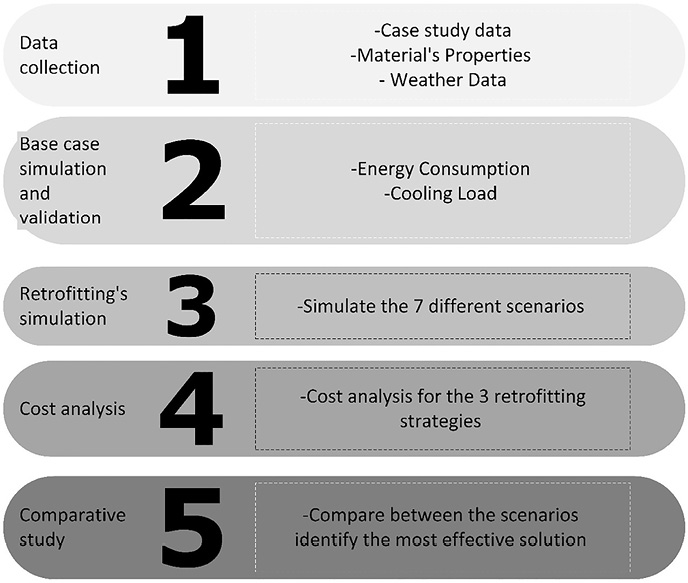
Figure 1. The methodological framework for the study
Source: Authors construct (2024)
Data collection
This research used a villa in Block B of Al Khawarizmi Compound as a case study, located within the residential community allocated for faculty members at the University of Sharjah (UOS), in Sharjah, UAE. The Al Khawarizmi Compound, shown in Figure 2, was built in 1997, and it is one of the residential areas within the university, designed to accommodate the needs of its academic community by providing comfortable living conditions close to educational and administrative facilities.
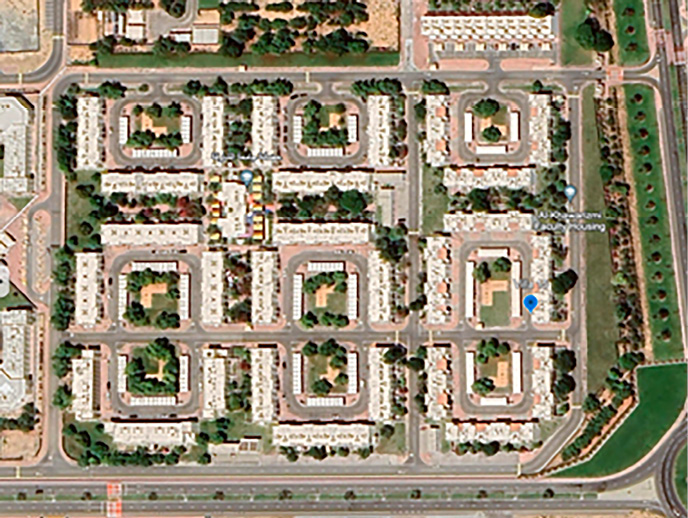
Figure 2. Al Khawarizmi Compound in the University of Sharjah
Google Earth, n.d.
The two-story villa shown in Figure 3 covers an area of 177.6 m2 with an orientation of 34° northeast of the north sign, as shown on the site plan (Figure 2). As shown in Figure 3, the villa is a corner unit in a townhouse-type building.
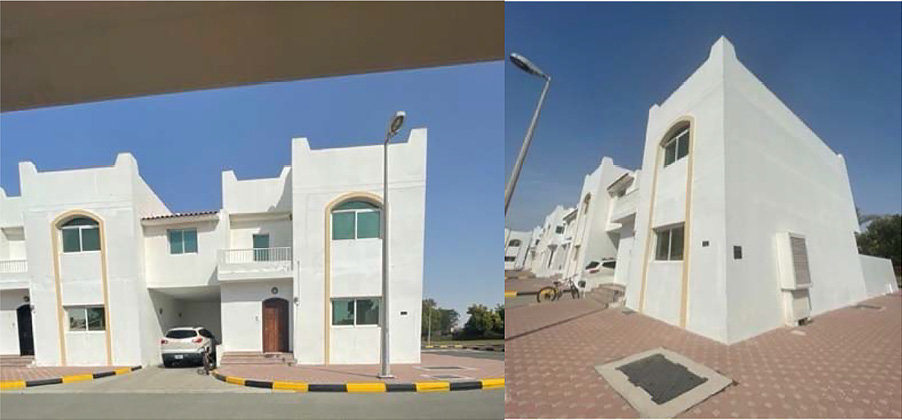
Figure 3. Villa in Block B of Al Khawarizmi Compound
Source: Authors construct (2024).
The characteristics of the base case, summarized in Table 1, are taken from a published study by Abdeen, et al. (2024a), where the study was also performed for a villa in the faculty compound in the UOS. Hence, the material characteristics and input information that were entered into the simulation software DesignBuilder have been derived from previous field assessments and surveys carried out by the facility management and planning department in the UOS.
| Parameter | Value |
|---|---|
| Total floor area | 177.6 m2 |
| Wall construction U-value | 2.57 W/m2·K |
| Roof construction U-value | 0.6 W/m2·K |
| Glazing specifications | Single clear glazing with 6-mm thickness (U-value = 5.78 W/m2·K and Solar heat gain coefficient (SGHC) = 0.82) aluminum frame |
| Temperature set point | 23°C |
| Coefficient of performance (COP)for cooling | 3.0 COP |
| Lighting power density | 5 W/m2—100 lux |
| Plug load power density | 3.6 W/m2 for bedroom zones, 1.7 W/m2 for bathrooms, 30.2 W/m2 for kitchen, 3.0 W/m2 for dining zone, and 1.6 W/m2 for circulation zones |
| Number of occupants | 6 occupants |
As shown in Figure 4, the ground floor of the villa has all the public functions such as the living room, the dining room, the washroom, the kitchen (including the store room), and the maid’s section (including the room and bathroom). However, the first floor is more private, as it has only bedrooms and bathrooms.
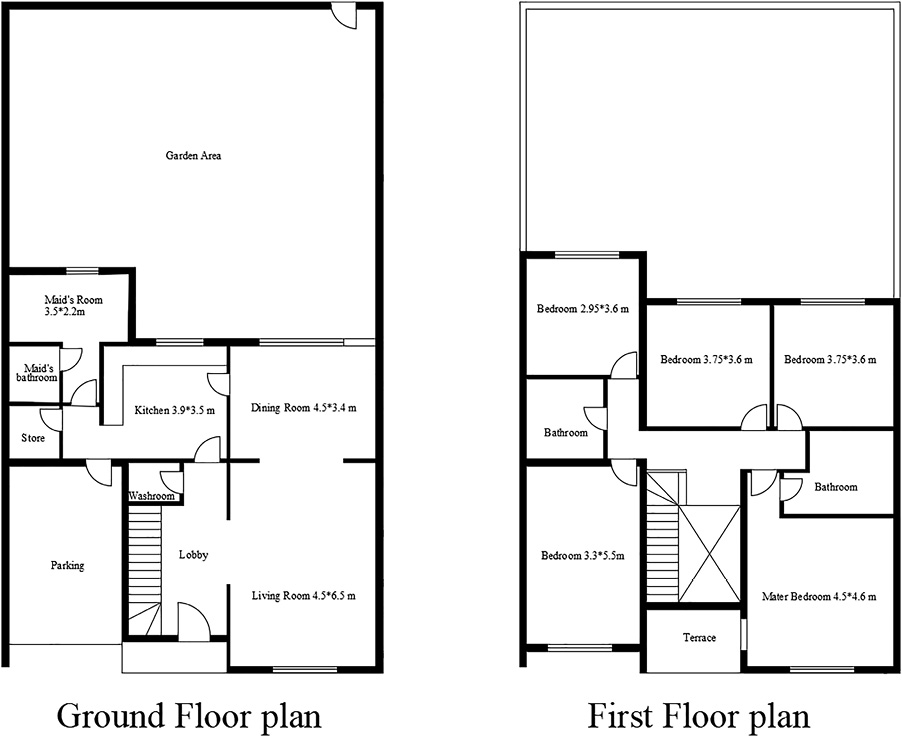
Source: Authors construct (2024).
Sharjah City is located at a latitude of 25°21′ N and a longitude of 55°23′ E. Sharjah has a Hot-Desert climate (BWh) according to the Köppen climate classification, as it has high temperatures and low rainfall. Adding to this, Sharjah has two seasons: winter (from October to March) and summer (from April to September). In winter, the average temperature is about 26°C during the daytime and 15°C at nighttime, which makes it generally warm and dry. While in summer, the average temperature is 48°C and the relative humidity is as high as 90% in the coastal cities. Since Sharjah is a coastal city, this makes its climate hot–humid (Kutty, et al., 2024).
Base case validation
Validation is an important process to ensure that all the input parameters and systems are correct and that the results are accurate before moving to the next step. Using DesignBuilder software, the energy performance was studied through a simulation, focusing on assessing the energy consumption and the cooling load for the base case while comparing them with those of another reference case. This step is significant to have a benchmark against the effectiveness of retrofitting strategies. As shown in Figure 5, the model of the townhouse in DesignBuilder used the characteristics taken from the reference case in Table 1. The analysis shows that this townhouse has a yearly energy consumption of 26,311 kWh, while the normalized energy consumption, which is known as energy intensity, is approximately 142 kWh/m2.
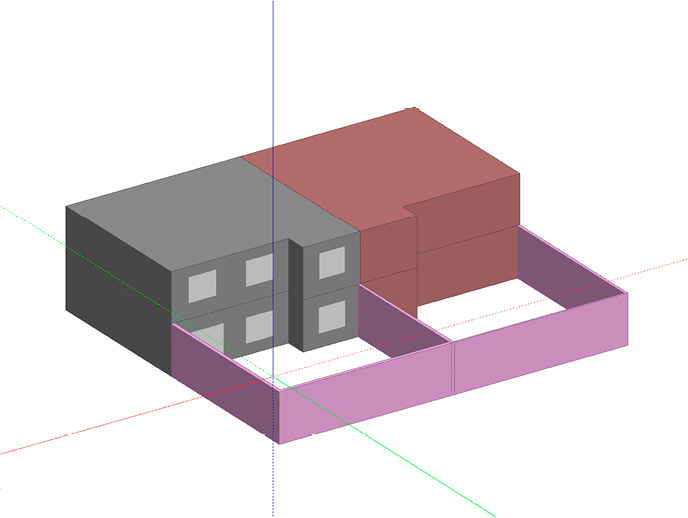
Figure 5. Model of the townhouse in DesignBuilder
Source: Authors construct (2024).
The results of the case used by Abdeen, et al. (2024b) were considered as summarized in Table 2, and they show that the energy intensity is 181 kWh/m2; therefore, there is a difference between the used base case and the validation reference case. This difference is due to the fact that the reference case has a bigger area than the base case. In addition, the reference case is a villa; hence, it is fully exposed to solar radiation from all four sides, while the base case is a townhouse that has another structure attached to it, resulting in three surfaces projected to the solar. The lesser the number of surfaces exposed to solar radiation, the lesser the heat gain, and therefore, the lesser the energy consumption.
| Base case | Validation reference case (Abdeen, et al., 2024a) | |
|---|---|---|
| Yearly energy consumption (kWh) | 25,710 kWh | 42,230 kWh |
| Normalized energy consumption “energy intensity” (kWh/m2) | 147 kWh/m2 | 181 kWh/m2 |
Source: Authors construct (2024).
Retrofitting simulation
Simulation strategies
Following the validation of the energy model used as a base case, three different strategies implemented in seven retrofitting scenarios are shown in Figure 6. Therefore, each scenario will be simulated to analyze its impact on the studied variables: the total energy consumption per year and the yearly cooling load. Moreover, the three strategies are as follows:
Strategy one (S1) focuses on enhancing the roof insulation, and since Sharjah does not have a green building regulation, the improved U-value is taken from Dubai’s green code, named AlSa’fat (Government of Dubai, 2023), which is 0.3 W/m2·K.
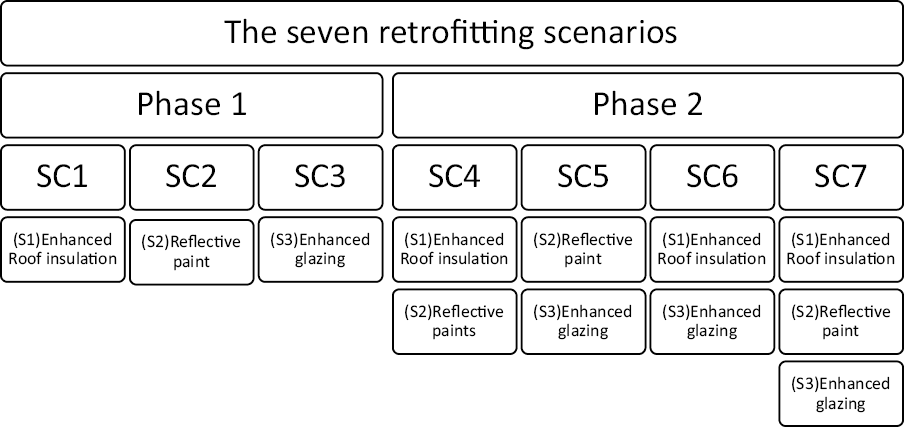
Figure 6. The seven retrofitting scenarios
Source: Authors construct (2024).
Therefore, the simulation was conducted using DesignBuilder, and the adopted strategy is to increase the thickness of the insulation layer of the roof. This step aims to reduce the U-value from 0.6 W/m2·K to the targeted value of 0.3 W/m2·K, as shown in Table 3.
Source: Authors construct (2024).
Strategy two (S2) focuses on using a reflective painting that has a high value of solar reflectance (SR). This enhancement will reduce the solar absorption by the wall and, as a result, will reduce the cooling load within the building. Therefore, a new paint layer will be added to the wall in DesignBuilder’s model, which has a value of SR 0.85, to replace the base case paint, which is characterized by an SR 0.5, as shown in Table 4.
Source: Authors construct (2024).
Strategy three (S3) focuses on upgrading the glazing system and reducing the U-value. To achieve this, the glazing system will be modified in DesignBuilder to double glazing with clear 6-mm glass and a 13-mm air gap. This system is widely used in the UAE, and it has the desired U-value of 2.66 W/m2·K, as shown in Table 5.
Source: Authors construct (2024).
Retrofitting scenarios
The scenarios consist of two phases. The first phase is applying strategies S1, S2, and S3 individually in each scenario. Then, the second phase includes scenarios SC4, SC5, SC6, and SC7, where the three different strategies will be combined. This will be analyzed based on a factorial strategy, as shown in Figure 6.
To sum up, the properties of the seven scenarios can be summarized in Table 6.
Source: Authors construct (2024).
Economic feasibility study
A cost analysis was conducted to evaluate the feasibility of each retrofitting scenario and to determine its economic feasibility. This was performed through several steps and equations, as shown in Figure 7.
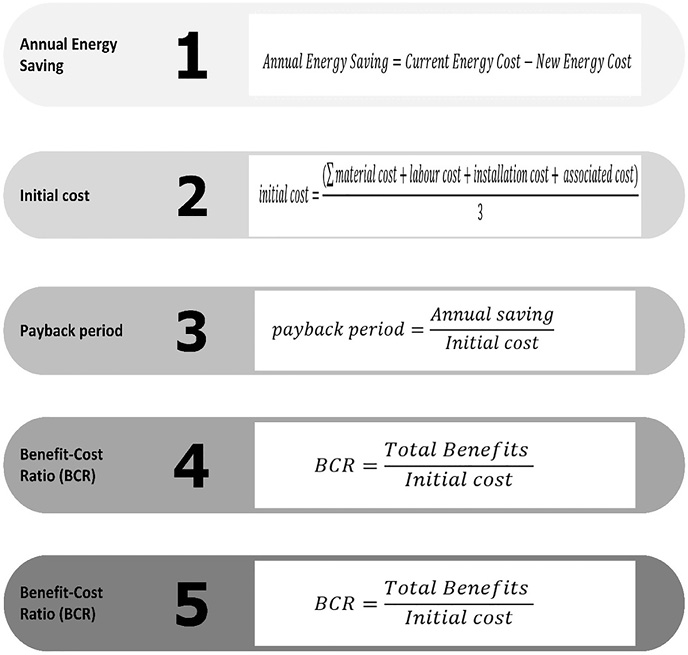
Figure 7. Economic feasibility study steps
Source: Authors construct (2024).
Calculating the annual energy savings
Simulating each scenario allows for calculating the reduction percentage of the used energy (compared with the base case); therefore, it is possible to indicate the yearly savings amount. This can be calculated according to the annual energy consumption and the cost of the kWh in Sharjah using the following equation:
 (1)
(1)
where the current energy cost = total energy consumption kWh * 43 fils/kWh (Electricity Tariff by Entity, Slab Consumption and Sector, 2022).
The new energy cost = the simulated energy consumption after the retrofitting * 43 fils/kWh.
Calculating the initial cost
This step involves collecting information regarding the cost of each retrofitting scenario, including the initial cost of the material, the labor cost, the installation cost, and any other associated costs. To make sure about accuracy and reliability, a consultation with three different contractors in Sharjah was conducted, followed by taking the average of the three identified costs from the three contractors.
 (2)
(2)
where the material cost is the expense of purchasing this material, labor cost is the wages paid for the employees to install this material, and last, the associated cost relates to any extra fees that may be charged by the contractor for providing this service, which may include costs for additional tools or equipment and the delivery services.
Calculating the payback period
This step is important to determine the time required for the annual energy savings to cover the initial cost of each retrofitting scenario. The payback period can be calculated using the following equation:
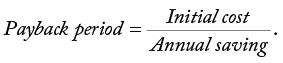 (3)
(3)
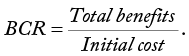
Evaluating the benefit–cost ratio
An additional step identifies the relationship between the benefits (savings) generated in comparison to the initial cost that we are paying for the retrofitting, which is determined using the following:
 (4)
(4)
The value of the BCR shows how good the investment is; furthermore, the larger the value, the more favorable the feasibility.
Comparative study
After assessing the effect of each scenario based on the energy consumption and cooling load reduction, and calculating each scenario’s economic feasibility, a comparative study was performed to compare the decrease in energy consumption and the economic benefits allocated for each strategy. This step will give a clear view of each strategy’s efficiency and feasibility, which will help to identify the optimal option in terms of energy savings, the cost associated with each scenario, and the payback period. The result provides a recommendation for the decision-makers to consider which retrofitting strategy for the selected townhouse.
Results and discussion
Scenario simulations
For the third phase of the methodology, all the proposed scenarios were simulated using DesignBuilder to study their effect on the base case. Therefore, the obtained results are shown in Table 7.
| Reduction % energy consumption | Reduction % cooling load | |
|---|---|---|
| Base case | - | - |
| SC1 | 1.12% | 1.82% |
| SC2 | 7.75% | 12.67% |
| SC3 | 2.30% | 3.77% |
| SC4 | 8.98% | 14.68% |
| SC5 | 10.06% | 16.44% |
| SC6 | 4.01% | 6.78% |
| SC7 | 11.42% | 18.66% |
Source: Authors construct (2024).
The results of implementing these strategies show a reduction in both energy consumption and the cooling load, as expected; however, the percentage of this reduction varies depending on the used strategy. As shown in Figure 8, the first strategy shows the lowest percentage. It was approximately 1% and 2% for the energy consumption and cooling load, respectively. However, this value is similar to the results achieved by Abdeen, et al. (2024b); when enhanced, the roof insulation had a U-value of 0.29 W/m2·K, and the reduction in energy consumption was 1.7%. This can be justified because the area of the roof is less than the area of the walls, where other strategies were integrated.
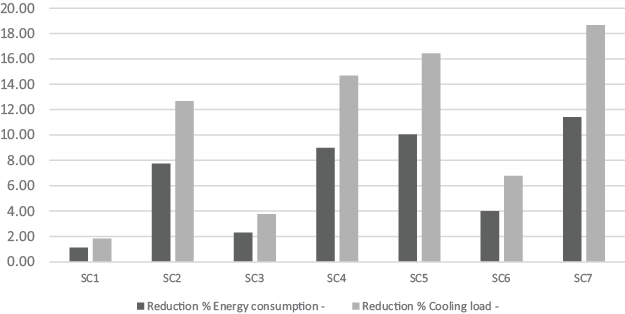
Figure 8. The results of the reduction percentages for both the energy consumption and the cooling load
Source: Authors construct (2024).
Moreover, using reflective paint positively impacts energy consumption in SC2, which is reduced by approximately 8%. A similar value was discussed by Nutakki, et al. (2023a), since the percentage of energy savings was approximately 9% in a study performed in Abu Dhabi, which has a similar climate to Sharjah. This percentage is the highest since the townhouse is a two-story, and therefore, the area of the walls is the largest area, which contributes to increasing the energy consumption. Finally, changing the glazing type resulted in a reduction in energy consumption by approximately 2% and the cooling load by almost 4%. Adding to this, this result aligned with a similar result discussed by Abdeen, et al. (2024b), where the reduction in energy consumption was approximately 3% when upgrading from single glazing to double glazing. Furthermore, since each strategy shows successful results, combining any two together will increase the reduction percentage. However, these percentages vary, as summarized in Table 7. It is clear that the scenarios that have the reflective paint have the highest reduction percentages, such as SC4 and SC5, where the reduction is 9% and 10%, respectively. Moreover, the highest reduction percentage was obtained when implanting all three methods together in SC7, as the energy consumption was reduced by 11% and the cooling was reduced by approximately 19%.
These findings align with those reported in other studies conducted in hot–humid climates. For example, Tuck, et al. (2020) found that applying reflective coatings on terrace houses in Malaysia reduced indoor temperatures by 2°C–3°C and cooling energy by over 10%, consistent with the ~8% energy savings observed in SC2 of this study. Similarly, Sharma, et al. (2022) noted substantial reductions in cooling loads through the use of cooling paints in tropical building facades. These parallel outcomes reinforce the effectiveness of reflective paint in warm, humid conditions across varying geographies. In terms of glazing upgrades, Abdeen, et al. (2024a) reported approximately 3% energy savings with double-glazing retrofits in UAE villas, which aligns with the 2%–3% range found in SC3 here. The consistency in results across studies strengthens the generalizability of low-impact retrofit strategies in hot–humid climates, especially for buildings constrained by structural limitations.
Cost analysis
To tackle the feasibility of each scenario and achieve a broader perspective of the effectiveness, a cost analysis was conducted, with the following results.
As shown in Table 8, despite there being an energy reduction in each scenario as discussed previously, the retrofitting strategies, when looking at the results from a broad perspective, seem to be inefficient in terms of cost. This is due to the initial cost being high, and the annual energy savings being low compared to the initial cost. However, as shown, comparing the payback period of each scenario, SC2 and SC4 seem to be the most efficient, with the payback period for both being less than 20 years. These are considered feasible options due to their being cost-efficient based on a study by Aşikoğlu (2023), where they stated that a payback period of less than 20 years is efficient. In SC2 and SC4, reflective paints were combined with enhanced roof insulation and reflective paint on the walls, respectively. As indicated, the strategy of applying reflective paint on walls is the most cost-efficient scenario. This is due to the low initial cost, as well as the high energy reduction value due to the area of walls being the highest and, thus, having the highest impact. Moreover, SC4, which combines reflective paint with enhanced roof insulation, is also considered feasible. Similarly, this is due to the initial cost of both strategies being reasonable. Thus, in a similar approach, this indicates that SC3, being an enhanced glazing system, is the most inefficient strategy. This is due to the initial cost of a double-glazing system being high and the energy reduction being comparably low. Hence, this ultimately affects SC7, which combines all three retrofitting strategies.
| Scenarios | Energy consumption (kWh) | Reduction (kWh) | Annual energy savings (AED) | Initial cost (AED) | Payback period (year) | Benefit–cost ratio (BCR) |
|---|---|---|---|---|---|---|
| Base case | 25,703 | - | - | - | - | - |
| SC1 | 25,416 | 287.0 | 86 | 4,850.0 | 56 | 0.018 |
| SC2 | 23,711 | 1,992.0 | 598 | 8,383.0 | 14 | 0.071 |
| SC3 | 25,111 | 592.0 | 178 | 16,570.7 | 93 | 0.011 |
| SC4 | 23,394 | 2,309.0 | 762 | 13,233.0 | 17 | 0.058 |
| SC5 | 23,118 | 2,585.0 | 853 | 24,953.7 | 29 | 0.034 |
| SC6 | 24,673 | 1,030.0 | 309 | 21,420.7 | 69 | 0.014 |
| SC7 | 22,769 | 2,934.0 | 968 | 29,803.7 | 31 | 0.032 |
Source: Authors construct (2024).
All in all, if looking from a cost perspective, using reflective paint on walls and enhanced roof insulation as retrofitting strategies for hot and humid climates in the UAE are the most feasible strategies. In addition, their combination achieves higher feasibility. However, using the enhanced glazing retrofitting strategy, despite showing huge energy reductions, is the least feasible in terms of cost.
Comparative analysis
After assessing the energy consumption and cooling load reduction for each retrofitting scenario, along with their economic feasibility, a comparative analysis highlights the most efficient and feasible strategies for retrofitting townhouses in Sharjah, UAE. Among the scenarios, reflective paint on walls (SC2) emerges as the most optimal strategy due to its significant reductions in energy consumption (7.75%) and cooling load (12.67%), coupled with a relatively low initial cost of 8,383 AED and the shortest payback period of 14 years. This strategy’s high BCR of 0.071 makes it the most financially viable option for decision-makers prioritizing cost efficiency and effectiveness. In addition, the combination of reflective paint with enhanced roof insulation (SC4) offers a balance of energy savings and feasibility, achieving reductions of 8.98% in energy consumption and 14.68% in cooling load. With an initial cost of 13,233 AED and a payback period of 17 years, SC4 provides a higher reduction percentage than SC2 while maintaining a reasonable cost. These two strategies are recommended as the most practical solutions for achieving energy efficiency in the context of Sharjah’s hot and humid climate.
In contrast, enhanced glazing (SC3), while providing some energy reduction (2.30% in energy consumption and 3.77% in cooling load), is the least feasible due to its high initial cost of 16,570.7 AED and an extended payback period of 93 years. Even when combined with other strategies in SC7, the high costs and a 31-year payback period make it less desirable unless the project prioritizes maximum energy savings over cost efficiency. Similarly, roof insulation alone (SC1) is ineffective, offering minimal energy savings with a payback period of 56 years. Overall, reflective paint on walls and its combination with roof insulation stand out as the most effective and feasible retrofitting strategies for hot and humid climates. These strategies provide significant energy savings and reasonable payback periods when compared to the other strategies. This makes them ideal for decision-makers seeking to improve energy efficiency while ensuring economic viability in retrofitting projects in the UAE or other countries with similar climates.
Comparative discussion and contribution
The findings of this study are consistent with previous research on passive retrofitting in hot–humid climates. For example, the energy savings from reflective coatings (SC2) align with the results of Tuck, et al. (2020) in Malaysia and Nutakki, et al. (2023b) in Abu Dhabi. The limited impact of glazing upgrades (SC3) is also consistent with the results of Abdeen, et al. (2024a), who reported modest energy savings in UAE villas. However, this study contributes beyond prior work by applying a factorial design to evaluate both the individual and interaction effects of three envelope-level strategies under Sharjah’s specific climatic and housing conditions. Additionally, by combining energy simulations with economic analysis, this research offers practical guidance on retrofit prioritization. The main limitation lies in the single-case focus and exclusion of active systems such as a photovoltaic (PV) system. Nonetheless, the findings remain relevant for similar mid-aged housing stock across the UAE. Future work should expand the sample and consider user behavior dynamics.
Conclusion
In conclusion, this study explored the potential for improving the energy performance of existing townhouses in Sharjah, UAE, by investigating three key retrofitting strategies: enhancing roof insulation, applying reflective paint on exterior walls, and upgrading the glazing system. Using a factorial design approach and simulations conducted in DesignBuilder, the study evaluated seven scenarios that involved implementing these strategies individually, in pairs, and all together. The validation of the base case indicated an annual energy consumption of 25,311 kWh, equivalent to 147 kWh/m2, which aligned reasonably with a real-world villa used for comparison, despite differences in orientation and size. The results highlighted that the majority of energy consumption was attributed to cooling loads, accounting for nearly 60%, due to both the extreme climate conditions of the region and the outdated thermal performance of the building envelope.
Among the retrofit options, the application of reflective paint stood out as the most effective individual measure, achieving reductions of approximately 8% in total energy use and 13% in cooling load. The combination of reflective paint with upgraded glazing systems proved to be the most efficient pairing, delivering up to 10% energy savings and a 16% drop in cooling demand. Economically, the scenario involving only reflective paint (SC2) offered the best feasibility, with a payback period of less than 20 years and a favorable benefit–cost ratio. Although combining strategies improved energy performance, the scenario that focused solely on upgrading glazing (SC3) demonstrated poor economic viability, with the highest investment cost and a payback period extending beyond 90 years.
To sum up, key findings revealed the following:
• Reflective paint was the most impactful single strategy, reducing annual energy consumption by ~8% and cooling load by ~13%.
• SC5, combining reflective paint and glazing upgrades, achieved the highest performance improvement, with ~10% energy savings and ~16% cooling load reduction.
• SC2 offered the best economic feasibility among all scenarios, with a payback period under 20 years and a BCR of 0.071.
• SC4, a two-strategy combination, also proved cost-effective with a shorter payback period (17 years) and a BCR of 0.056.
• SC3, involving only glazing upgrades, was the least favorable option due to its high upfront cost (~17,000 AED) and extended payback period (93 years).
Practical implications for similar hot–humid townhouses include prioritizing reflective exterior coatings as a first-line base. In cases where the budget or comfort goals justify combining coatings with targeted glazing upgrades, this would lead to the highest technical gain (SC5). In addition, avoiding updating the glazing only is recommended, given its high cost and long payback period (SC3). However, theoretical implications include several findings. First, reinforcing fabric-first sequencing in hot–humid contexts reduces solar gains due to the high albedo surfaces and selective glazing. Thus, infiltrations deliver larger and more cost-effective marginal savings than glazing alone for this typology at current prices. Second, coupling light calibration to a reference villa with factorial envelope parametrics yields decision-grade insights when long-term metered data are limited and clarifies boundary conditions for future optimization studies.
While this study offers valuable insights into the energy and economic performance of low-impact retrofitting strategies, several limitations should be noted. The analysis is based on a single case study in Sharjah, which may limit the generalizability of results to other residential typologies or regions. The simulation models, although validated, rely on assumed behavioral and occupancy patterns, which may differ in real-world settings. Additionally, the economic analysis does not account for long-term maintenance costs or possible changes in energy tariffs over time. These limitations highlight the need for further studies involving multiple building types, occupant behavior integration, and long-term financial modeling.
Future research should build upon these findings by exploring the integration of renewable energy technologies, particularly rooftop solar systems, to push toward net-zero energy targets. Additionally, incorporating occupant behavior models and smart energy management systems could provide deeper insights into real-time energy dynamics and operational savings. Expanding the study to include life-cycle cost assessments and investigating the applicability of retrofit strategies at neighborhood or district scales would further enhance their relevance for urban planning. These directions will support the development of more resilient and energy-efficient housing strategies across the UAE and similar hot climate regions.
References
Abdeen, A., Mushtaha, E., Hussien, A., Ghenai, C., Maksoud, A., & Belpoliti, V. (2024a). Simulation-based multi-objective genetic optimization for promoting energy efficiency and thermal comfort in existing buildings of hot climate. Results in Engineering, 21. https://doi.org/10.1016/j.rineng.2024.101815
Abdeen, A., Mushtaha, E., Hussien, A., Ghenai, C., Maksoud, A., & Belpoliti, V. (2024b). Simulation-based multi-objective genetic optimization for promoting energy efficiency and thermal comfort in existing buildings of hot climate. Results in Engineering, 21, 101815. https://doi.org/10.1016/j.rineng.2024.101815
Abdou, N., EL Mghouchi, Y., Hamdaoui, S., EL Asri, N., & Mouqallid, M. (2021). Multi-objective optimization of passive energy efficiency measures for net-zero energy building in Morocco. Building and Environment, 204. https://doi.org/10.1016/j.buildenv.2021.108141
Abdulazeez, D., Aldhaher, G., & Selçuk, S. A. (2024). Energy retrofit and climate adaptive design of dwellings in the hot arid climate: Trends and future challenges. International Journal of Renewable Energy Development, 13(5), 814–831 https://doi.org/10.61435/ijred.2024.60206
Aguacil, S., Lufkin, S., Rey, E., & Cuchi, A. (2017). Application of the cost-optimal methodology to urban renewal projects at the territorial scale based on statistical data—A case study in Spain. Energy and Buildings, 144, 42–60. https://doi.org/10.1016/j.enbuild.2017.03.047
Alassaf, Y. (2024). Comprehensive Review of the Advancements, Benefits, Challenges, and Design Integration of Energy-Efficient Materials for Sustainable Buildings. In Buildings (Vol. 14, Issue 9). Multidisciplinary Digital Publishing Institute (MDPI). https://doi.org/10.3390/buildings14092994
Aljashaami, B. A., Ali, B. M., Salih, S. A., Alwan, N. T., Majeed, M. H., Ali, O. M., Alomar, O. R., Velkin, V. I., & Shcheklein, S. E. (2024). Recent improvements to heating, ventilation, and cooling technologies for buildings based on renewable energy to achieve zero-energy buildings: A systematic review. In Results in Engineering (Vol. 23). Elsevier B.V. https://doi.org/10.1016/j.rineng.2024.102769
Al-Saadi, S. N. J., Al-Hajri, J., & Sayari, M. A. (2017). Energy-Efficient Retrofitting Strategies for Residential Buildings in hot climate of Oman. Energy Procedia, 142, 2009–2014. https://doi.org/10.1016/j.egypro.2017.12.403
Alsyouf, L., Alsyouf, I., & Obaideen, K. (2024). Advancing water security in arid regions: A technological and bibliometric study on integrating hydro panels in buildings for sustainable development goals. Energy Nexus, 15. https://doi.org/10.1016/j.nexus.2024.100312
Al-Tamimi, N. (2017). A state-of-the-art review of the sustainability and energy efficiency of buildings in Saudi Arabia. Energy Efficiency, 10(5), 1129–1141. https://doi.org/10.1007/s12053-017-9507-6
Aşikoğlu, A. (2023). Cost analysis of insulation materials used to increase energy performance in buildings with Net Present Value method. Journal of Sustainable Construction Materials and Technologies, 8(2), 134–145. https://doi.org/10.47481/jscmt.1270831
Building Retrofits – Dubai Supreme Council of Energy. (n.d.). Retrieved October 10, 2024, from https://dubaisce.gov.ae/en/taqati/building-retrofits/
Buildings - Energy System - IEA. (n.d.). Retrieved August 12, 2025, from https://www.iea.org/energy-system/buildings
Carratt, A., Kokogiannakis, G., & Daly, D. (2020). A critical review of methods for the performance evaluation of passive thermal retrofits in residential buildings. In Journal of Cleaner Production (Vol. 263). Elsevier Ltd. https://doi.org/10.1016/j.jclepro.2020.121408
Casini, M. (2018). Active dynamic windows for buildings: A review. In Renewable Energy (Vol. 119, pp. 923–934). Elsevier Ltd. https://doi.org/10.1016/j.renene.2017.12.049
Chen, S., Zhang, G., Xia, X., Setunge, S., & Shi, L. (2020). A review of internal and external influencing factors on energy efficiency design of buildings. In Energy and Buildings (Vol. 216). Elsevier Ltd. https://doi.org/10.1016/j.enbuild.2020.109944
Citadini de Oliveira, C., Catão Martins Vaz, I., & Ghisi, E. (2024a). Retrofit strategies to improve energy efficiency in buildings: An integrative review. In Energy and Buildings (Vol. 321). Elsevier Ltd. https://doi.org/10.1016/j.enbuild.2024.114624
Citadini de Oliveira, C., Catão Martins Vaz, I., & Ghisi, E. (2024b). Retrofit strategies to improve energy efficiency in buildings: An integrative review. In Energy and Buildings (Vol. 321). Elsevier Ltd. https://doi.org/10.1016/j.enbuild.2024.114624
Citadini de Oliveira, C., Catão Martins Vaz, I., & Ghisi, E. (2024c). Retrofit strategies to improve energy efficiency in buildings: An integrative review. In Energy and Buildings (Vol. 321). Elsevier Ltd. https://doi.org/10.1016/j.enbuild.2024.114624
Cristino, T. M., Lotufo, F. A., Delinchant, B., Wurtz, F., & Faria Neto, A. (2021). A comprehensive review of obstacles and drivers to building energy-saving technologies and their association with research themes, types of buildings, and geographic regions. In Renewable and Sustainable Energy Reviews (Vol. 135). Elsevier Ltd. https://doi.org/10.1016/j.rser.2020.110191
Dominguez-Delgado, A., Domínguez-Torres, H., & Domínguez-Torres, C. A. (2020). Energy and economic life cycle assessment of cool roofs applied to the refurbishment of social housing in southern Spain. Sustainability (Switzerland), 12(14). https://doi.org/10.3390/su12145602
Dong, H. W., Kim, B. J., Yoon, S. Y., & Jeong, J. W. (2020). Energy benefit of organic Rankine cycle in high-rise apartment building served by centralized liquid desiccant and evaporative cooling-assisted ventilation system. Sustainable Cities and Society, 60. https://doi.org/10.1016/j.scs.2020.102280
El-Darwish, I., & Gomaa, M. (2017a). Retrofitting strategy for building envelopes to achieve energy efficiency. Alexandria Engineering Journal, 56(4), 579–589. https://doi.org/10.1016/j.aej.2017.05.011
El-Darwish, I., & Gomaa, M. (2017b). Retrofitting strategy for building envelopes to achieve energy efficiency. Alexandria Engineering Journal, 56(4), 579–589. https://doi.org/10.1016/j.aej.2017.05.011
Electricity Tariff by Entity, Slab Consumption and Sector. (2022). Federal Competitiveness and Statistics Centre. https://uaestat.fcsc.gov.ae/vis?lc=en&fs[0]=FCSC%20-%20Statistical%20Hierarchy%2C0%7CElectricity%23ENG_EL%23&pg=0&fc=FCSC%20-%20Statistical%20Hierarchy&snb=11&df[ds]=FCSC-RDS&df[id]=DF_ELECTR_TCO&df[ag]=FCSA&df[vs]=5.3.0&pd=2016%2C&dq=A...............&ly[rw]=SECTOR%2CELECTR_TCO&ly[cl]=TIME_PERIOD&ly[rs]=AUTH_TYPE%2CELECTR_TN%2CREF_AREA&to[TIME_PERIOD]=false
Fantucci, S., & Serra, V. (2019). Investigating the performance of reflective insulation and low emissivity paints for the energy retrofit of roof attics. Energy and Buildings, 182, 300–310. https://doi.org/10.1016/j.enbuild.2018.10.003
Faurer, L., Brenner, A., Tarbell, L., Thorndyke, L., & Thrailkill, H. (2023). Experience and Lessons Learned. In Frontiers of Supercomputing II: A National Reassessment (pp. 447–502). University of California Press. https://doi.org/10.1016/B978-0-08-102790-5.00006-3
Felius, L. C., Dessen, F., & Hrynyszyn, B. D. (2020). Retrofitting towards energy-efficient homes in European cold climates: a review. Energy Efficiency, 13(1), 101–125. https://doi.org/10.1007/s12053-019-09834-7
Fufa, S. M., Flyen, C., & Flyen, A. C. (2021). How can existing buildings with historic values contribute to achieving emission reduction ambitions? In Applied Sciences (Switzerland) (Vol. 11, Issue 13). MDPI AG. https://doi.org/10.3390/app11135978
Gao, R., Fang, Z., Li, A., Liu, K., Yang, Z., & Cong, B. (2018). A novel low-resistance tee of ventilation and air conditioning duct based on energy dissipation control. Applied Thermal Engineering, 132, 790–800. https://doi.org/10.1016/j.applthermaleng.2017.12.107
Google Earth. (n.d.). Retrieved May 3, 2024, from https://earth.google.com/web/@25.29460155,55.48568011,20.2998797a,678.85065457d,35y,-56.06838329h,2.47598319t,-0r/data=OgMKATA
Government of Dubai. (2023). Al Sa’fat - Dubai Green Building System (2nd ed.). https://www.dm.gov.ae/documents/al-safat-dubai-green-building-system-2nd-edition/
Hajare, A., & Elwakil, E. (2020). Integration of life cycle cost analysis and energy simulation for building energy-efficient strategies assessment. Sustainable Cities and Society, 61. https://doi.org/10.1016/j.scs.2020.102293
Han, J., Cui, M., Chen, J., & Lv, W. (2021). Analysis of thermal performance and economy of ground source heat pump system: a case study of the large building. Geothermics, 89. https://doi.org/10.1016/j.geothermics.2020.101929
Harputlugil, T., & de Wilde, P. (2021). The interaction between humans and buildings for energy efficiency: A critical review. In Energy Research and Social Science (Vol. 71). Elsevier Ltd. https://doi.org/10.1016/j.erss.2020.101828
Hernández-Pérez, I. (2021). Influence of traditional and solar reflective coatings on the heat transfer of building roofs in mexico. Applied Sciences (Switzerland), 11(7). https://doi.org/10.3390/app11073263
Himeur, Y., Alsalemi, A., Al-Kababji, A., Bensaali, F., Amira, A., Sardianos, C., Dimitrakopoulos, G., & Varlamis, I. (2021). A survey of recommender systems for energy efficiency in buildings: Principles, challenges and prospects. In Information Fusion (Vol. 72, pp. 1–21). Elsevier B.V. https://doi.org/10.1016/j.inffus.2021.02.002
Horne, M., Todor, R. D., Cirstolovean, I. L., Nǎstac, D. C., & Mizgan, P. (2020). Computer modeling and simulation - Tool for design of buildings and its systems. IOP Conference Series: Materials Science and Engineering, 789(1). https://doi.org/10.1088/1757-899X/789/1/012028
Hu, M., Zhang, K., Nguyen, Q., & Tasdizen, T. (2023). The effects of passive design on indoor thermal comfort and energy savings for residential buildings in hot climates: A systematic review. In Urban Climate (Vol. 49). Elsevier B.V. https://doi.org/10.1016/j.uclim.2023.101466
Huang, H., Wang, H., Hu, Y. J., Li, C., & Wang, X. (2022a). The development trends of existing building energy conservation and emission reduction—A comprehensive review. In Energy Reports (Vol. 8, pp. 13170–13188). Elsevier Ltd. https://doi.org/10.1016/j.egyr.2022.10.023
Huang, H., Wang, H., Hu, Y. J., Li, C., & Wang, X. (2022b). The development trends of existing building energy conservation and emission reduction—A comprehensive review. In Energy Reports (Vol. 8, pp. 13170–13188). Elsevier Ltd. https://doi.org/10.1016/j.egyr.2022.10.023
Ibañez Iralde, N. S., Pascual, J., & Salom, J. (2021). Energy retrofit of residential building clusters. A literature review of crossover recommended measures, policies instruments and allocated funds in Spain. Energy and Buildings, 252. https://doi.org/10.1016/j.enbuild.2021.111409
Jackson, R. S. (2020). Vineyard practice. In Wine Science (pp. 151–330). Elsevier. https://doi.org/10.1016/B978-0-12-816118-0.00004-0
Kadrić, D., Aganović, A., & Kadrić, E. (2023a). Multi-objective optimization of energy-efficient retrofitting strategies for single-family residential homes: Minimizing energy consumption, CO2 emissions and retrofit costs. Energy Reports, 10, 1968–1981. https://doi.org/10.1016/j.egyr.2023.08.086
Kadrić, D., Aganović, A., & Kadrić, E. (2023b). Multi-objective optimization of energy-efficient retrofitting strategies for single-family residential homes: Minimizing energy consumption, CO2 emissions and retrofit costs. Energy Reports, 10, 1968–1981. https://doi.org/10.1016/j.egyr.2023.08.086
Kharseh, M., & Al-Khawaja, M. (2016a). Retrofitting measures for reducing buildings cooling requirements in cooling-dominated environment: Residential house. Applied Thermal Engineering, 98, 352–356. https://doi.org/10.1016/j.applthermaleng.2015.12.063
Kharseh, M., & Al-Khawaja, M. (2016b). Retrofitting measures for reducing buildings cooling requirements in cooling-dominated environment: Residential house. Applied Thermal Engineering, 98, 352–356. https://doi.org/10.1016/j.applthermaleng.2015.12.063
Kim, J. T., & Yu, C. W. F. (2018). Sustainable development and requirements for energy efficiency in buildings – The Korean perspectives. Indoor and Built Environment, 27(6), 734–751. https://doi.org/10.1177/1420326X18764618
Kirimtat, A., Tasgetiren, M. F., Brida, P., & Krejcar, O. (2022). Control of PV integrated shading devices in buildings: A review. In Building and Environment (Vol. 214). Elsevier Ltd. https://doi.org/10.1016/j.buildenv.2022.108961
Krajčík, M., Arıcı, M., & Ma, Z. (2023). Trends in research of heating, ventilation and air conditioning and hot water systems in building retrofits: Integration of review studies. In Journal of Building Engineering (Vol. 76). Elsevier Ltd. https://doi.org/10.1016/j.jobe.2023.107426
Kutty, N. A., Barakat, D., Darsaleh, A. O., & Kim, Y. K. (2024). A Systematic Review of Climate Change Implications on Building Energy Consumption: Impacts and Adaptation Measures in Hot Urban Desert Climates. In Buildings (Vol. 14, Issue 1). Multidisciplinary Digital Publishing Institute (MDPI). https://doi.org/10.3390/buildings14010013
Lai, Y., Li, Y., Feng, X., & Ma, T. (2021). Green retrofit of existing residential buildings in China: An investigation on residents’ perceptions. Energy & Environment, 33(2), 332–353. https://doi.org/10.1177/0958305X21998043
Malbila, E., Delvoie, S., Toguyeni, D., Courard, L., & Attia, S. (2021). Improving the Building Energy Efficiency and Thermal Comfort through the Design of Walls in Compressed Earth Blocks of Agricultural and Biopolymer Residues Masonry. Current Journal of Applied Science and Technology, 7–22. https://doi.org/10.9734/cjast/2021/v40i4531624
Manzan, M., Rossi, R., Zorzi, E. Z. De, & Lupato, G. (2016). Genetic Optimization for Economic Feasibility of Refurbishment in Buildings. Energy Procedia, 101, 145–152. https://doi.org/10.1016/j.egypro.2016.11.019
Mohammed, A. M. S., Ukai, T., & Hall, M. (2022). Towards a sustainable campus-city relationship: A systematic review of the literature. In Regional Sustainability (Vol. 3, Issue 1, pp. 53–67). KeAi Communications Co. https://doi.org/10.1016/j.regsus.2022.03.004
Nutakki, T. U. K., Kazim, W. U., Alamara, K., Salameh, T., & Abdelkareem, M. A. (2023a). Experimental Investigation on Aging and Energy Savings Evaluation of High Solar Reflective Index (SRI) Paints: A Case Study on Residential Households in the GCC Region. Buildings, 13(2). https://doi.org/10.3390/buildings13020419
Nutakki, T. U. K., Kazim, W. U., Alamara, K., Salameh, T., & Abdelkareem, M. A. (2023b). Experimental Investigation on Aging and Energy Savings Evaluation of High Solar Reflective Index (SRI) Paints: A Case Study on Residential Households in the GCC Region. Buildings, 13(2). https://doi.org/10.3390/buildings13020419
Ongpeng, J. M. C., Rabe, B. I. B., Razon, L. F., Aviso, K. B., & Tan, R. R. (2020). Multi-criteria decision analysis for energy retrofit in buildings. Chemical Engineering Transactions, 81, 79–84. https://doi.org/10.3303/CET2081014
Rahman, M. A., Gupta, S. K., Akylbekov, N., Zhapparbergenov, R., Hasnain, S. M. M., & Zairov, R. (2024). Comprehensive Overview of Heat Management Methods for Enhancing Photovoltaic Thermal Systems. IScience, 110950. https://doi.org/10.1016/j.isci.2024.110950
Romeo, C., & Zinzi, M. (2013). Impact of a cool roof application on the energy and comfort performance in an existing non-residential building. A Sicilian case study. Energy and Buildings, 67, 647–657. https://doi.org/10.1016/j.enbuild.2011.07.023
Sarihi, S., Mehdizadeh Saradj, F., & Faizi, M. (2021). A Critical Review of Façade Retrofit Measures for Minimizing Heating and Cooling Demand in Existing Buildings. Sustainable Cities and Society, 64. https://doi.org/10.1016/j.scs.2020.102525
Sharma, S. K., Mohapatra, S., Sharma, R. C., Alturjman, S., Altrjman, C., Mostarda, L., & Stephan, T. (2022). Retrofitting Existing Buildings to Improve Energy Performance. Sustainability (Switzerland), 14(2). https://doi.org/10.3390/su14020666
Siew, R. Y. J. (2018). Financing options for energy efficiency retrofit projects - a Malaysian perception. Malaysian Construction Research Journal, 24(1), 97–111.
Sigrist, D., Deb, C., Frei, M., & Schlüter, A. (2019). Cost-optimal retrofit analysis for residential buildings. Journal of Physics: Conference Series, 1343(1). https://doi.org/10.1088/1742-6596/1343/1/012030
Taleb, H. M. (2014). Using passive cooling strategies to improve thermal performance and reduce energy consumption of residential buildings in U.A.E. buildings. Frontiers of Architectural Research, 3(2), 154–165. https://doi.org/10.1016/j.foar.2014.01.002
Testa, J., & Krarti, M. (2017). Evaluation of energy savings potential of variable reflective roofing systems for US buildings. Sustainable Cities and Society, 31, 62–73. https://doi.org/10.1016/j.scs.2017.01.016
Tuck, N. W., Zaki, S. A., Hagishima, A., Rijal, H. B., & Yakub, F. (2020). Affordable retrofitting methods to achieve thermal comfort for a terrace house in Malaysia with a hot–humid climate. Energy and Buildings, 223. https://doi.org/10.1016/j.enbuild.2020.110072
Turcsanyi, P., & Sedlakova, A. (2019). Use of simulation software to predict and optimize future heating demands of a family house. Advances and Trends in Engineering Sciences and Technologies III - Proceedings of the 3rd International Conference on Engineering Sciences and Technologies, ESaT 2018, 637–642. https://doi.org/10.1201/9780429021596-100
Ukey, R., & Rai, A. C. (2024). Envelope retrofits for enhancing thermal comfort in detached houses in hot semi-arid climatic conditions: A year-long monitoring and simulation study. Building and Environment, 257. https://doi.org/10.1016/j.buildenv.2024.111536
Urbikain, M. K. (2020). Energy efficient solutions for retrofitting a residential multi-storey building with vacuum insulation panels and low-E windows in two European climates. Journal of Cleaner Production, 269. https://doi.org/10.1016/j.jclepro.2020.121459
Vakilinezhad, R., & Khabir, S. (2024). Energy optimization for Façade retrofit design of residential buildings in hot climates using advanced materials. Energy and Buildings, 317. https://doi.org/10.1016/j.enbuild.2024.114417
Wijesuriya, S., Kishore, R. A., Bianchi, M. V. A., & Booten, C. (2024). Enhancing thermal resilience of US residential homes in hot humid climates during extreme temperature events. Cell Reports Physical Science, 5(6). https://doi.org/10.1016/j.xcrp.2024.101986
Yang, X., Liu, S., Zou, Y., Ji, W., Zhang, Q., Ahmed, A., Han, X., Shen, Y., & Zhang, S. (2022). Energy-saving potential prediction models for large-scale building: A state-of-the-art review. In Renewable and Sustainable Energy Reviews (Vol. 156). Elsevier Ltd. https://doi.org/10.1016/j.rser.2021.111992
Zedan, M. F., Al-Sanea, S., Al-Mujahid, A., & Al-Suhaibani, Z. (2016). Effect of Thermal Bridges in Insulated Walls on Air-Conditioning Loads Using Whole Building Energy Analysis. Sustainability (Switzerland), 8(6). https://doi.org/10.3390/su8060560
Zografakis, N., Karyotakis, K., & Tsagarakis, K. P. (2012). Implementation conditions for energy saving technologies and practices in office buildings: Part 1. Lighting. In Renewable and Sustainable Energy Reviews (Vol. 16, Issue 6, pp. 4165–4174). https://doi.org/10.1016/j.rser.2012.03.005