Construction Economics and Building
Vol. 26, No. 1
2026
ARTICLES (PEER REVIEWED)
Assessing Lean Construction Principles for Reducing Environmental Impact and Enhancing Cost Efficiency and Productivity in Earthwork Operations in Vietnam
Quang Nam Nguyen1, Nguyen Dung-Nhan Bui 2,*, Duc Nang Bui3
1 Institute of Special Construction Engineering, Le Quy Don Technical University, Hanoi, Vietnam, quangnam@lqdtu.edu.vn
2 Faculty of Transport Economics, University of Transport Technology, Hanoi, Vietnam,
nhanbnd@utt.edu.vn
3 Institute of Special Construction Engineering, Le Quy Don Technical University, Hanoi, Vietnam, ducnangbui@lqdtu.edu.vn
Corresponding author: Nguyen Dung-Nhan Bui, nhanbnd@utt.edu.vn
DOI: https://doi.org/10.5130/4v13tx16
Article History: Received 12/04/2025; Revised 24/08/2025; Accepted 11/10/2025; Published 03/03/2026
Citation: Nguyen, Q. N., Bui, N. D.-N., Bui, D. N. 2026. Assessing Lean Construction Principles for Reducing Environmental Impact and Enhancing Cost Efficiency and Productivity in Earthwork Operations in Vietnam. Construction Economics and Building, 26:1, 1–23. https://doi.org/10.5130/4v13tx16
Abstract
In the context of the world facing serious environmental problems, sustainable development has become an inevitable trend in the construction sector. To achieve sustainability in construction, it is essential to integrate environmentally responsible practices from the early planning stages. However, most current earthwork projects focus on improving productivity while overlooking environmental impacts. Developing methods to assess cost, productivity, and environmental aspects in an integrated way remains a major industry challenge. As part of research efforts to promote sustainability in construction, this study develops a methodology for applying Lean construction principles to simultaneously enhance cost efficiency, improve productivity, and reduce environmental impact in earthwork operations in Vietnam. The EZStrobe simulation tool was employed to model earthwork processes under realistic construction conditions, identify bottlenecks, and test Lean interventions through multiple scenarios. After validating the model, four Lean construction principles—flow production, minimization of non-value-adding activities, pull system implementation, and reduction of transported soil volume—were implemented to optimize earthmoving efficiency. The most effective Lean model resulted in significant improvements in construction performance, increasing productivity by 65.5% and reducing costs by 21.7%. Moreover, this model contributed positively to the environment by reducing fuel consumption by 21% and lowering CO₂ emissions by 12.7%. These findings emphasize the practical value of Lean construction in enhancing sustainability in earthwork, especially in developing countries where efficient resource use and environmental protection are essential. The study offers actionable insights for construction managers and policymakers seeking to implement sustainable and efficient earthwork practices in developing countries.
Keywords
Lean; Sustainable; Earthwork; DES; EZStrobe
Introduction
The construction industry is one of the major contributors to greenhouse gas (GHG) emissions, particularly carbon dioxide (CO₂), which has a significant impact on global warming (Akan et al., 2017; Huang et al., 2018; Labaran et al., 2021). According to the United Nations Environment Programme (2020) (Global, 2020), the construction sector accounts for approximately 38% of total global CO₂ emissions, including emissions from both construction activities and building operations, with heavy machinery and equipment being the primary sources. Numerous studies have shown that emissions from construction equipment can constitute a significant portion of a project’s total carbon footprint. The study by Chang and Kendall (2011) found that material transportation by trucks contributed 16% to the total emissions of California’s high-speed rail system project. Furthermore, research by Guggemos and Horvath (2006) indicate that heavy construction machinery contributes to more than 50% of total emissions from construction activities. Earthmoving operations are essential in most construction projects, especially in large-scale infrastructure developments such as airports, highways, and industrial facilities (Hong & Lü, 2022; Jassim et al., 2017). These activities heavily rely on heavy construction equipment, including excavators, bulldozers, and dump trucks. Such machinery consumes substantial amounts of fossil fuels and significantly impacts the environment (Heidari & Marr, 2015; Seo et al., 2016; Trani et al., 2016).
The significant fuel consumption and high GHG emissions from construction activities highlight the urgent need for effective strategies to minimize environmental impacts. However, traditional goals in the construction industry remain primarily focused on improving efficiency and cost optimization, while environmental concerns have not yet received sufficient attention (Liu et al., 2013). As sustainable development becomes an indispensable trend, balancing construction efficiency with minimizing environmental impacts has emerged as a pressing requirement for the modern construction industry. In recent years, Lean construction and sustainable construction have gained prominence as viable solutions to address these challenges. Lean construction focuses on waste elimination, process optimization, and performance enhancement (Babalola et al., 2019; Ballard & Howell, 2003; Koskela et al., 2007), whereas sustainable construction aims to reduce environmental impacts, optimize resource utilization, and create socially beneficial built environments (Shen et al., 2010; Yılmaz & Bakış, 2015). The principles of Lean construction facilitate the realization of sustainable objectives by enhancing process efficiency, reducing negative environmental impacts, and ensuring both economic viability and operational effectiveness of projects. Therefore, integrating these two approaches is an inevitable trend in advancing the construction industry toward a more modern, responsible, and sustainable direction.
Assessing emissions from construction equipment presents a significant challenge in the construction sector due to the complexity and scale of projects. Various methodologies have been developed to quantify emissions, including direct measurement using Portable Emissions Measurement Systems (PEMS) (Cao et al., 2018; Wang et al., 2016), laboratory-based engine testing, and onboard measurement techniques (Yanowitz et al., 2000). Additionally, estimation methods based on emission factors provided by regulatory agencies, such as the NONROAD (US EPA. EPA NONROAD Model Updates of 2008 “NONROAD2008”, 2008) and OFFROAD (ARB. Mobile Source Emissions Inventory Off-road Diesel Vehicles, Air Resources Board) models, are more commonly employed. Although on-site direct measurement is regarded as the most precise method for quantifying emissions, it poses several practical challenges, including high costs and complex technical requirements. More critically, on-site measurement can only be conducted after construction has commenced, limiting project managers’ ability to implement proactive measures for mitigating environmental impacts during the planning phase. Emission estimation models such as NONROAD and OFFROAD are simpler and easier to apply. However, these models fail to fully capture the specific conditions of individual projects, and collecting data on equipment operation time often presents significant challenges. In this context, Discrete Event Simulation (DES) has emerged as a promising tool to overcome the limitations of traditional models. DES enables detailed modeling of specific construction equipment activities under real-world conditions while considering factors such as operational time and weighted average emission characteristics. As a result, this approach provides more accurate emission forecasts and assists decision-makers in optimizing construction processes and reducing environmental impacts.
Literature review
Lean construction has been widely recognized for its ability to enhance efficiency by minimizing waste and optimizing workflows (Koskela, 1992). Over the past decades, various Lean tools and techniques have been developed and implemented in the construction industry. Notable examples include the Last Planner System (LPS), developed by Ballard (Ballard, 2000), which has proven particularly effective in improving project planning reliability and mitigating delays by fostering greater stakeholder engagement in the planning process. Additionally, other Lean methodologies, such as Value Stream Mapping (VSM) (Gunduz & Naser, 2019; Ramani & KSD, 2021; Rosenbaum et al., 2014) and Just-in-Time (JIT) (Akintoye, 1995; Pheng & Chuan, 2001; Pheng & Shang, 2011), have demonstrated their effectiveness in optimizing resource allocation and significantly reducing project delays.
Recently, DES has been widely applied in the analysis and optimization of construction processes according to the Lean framework. Martinez’s pioneering work (Martinez, 1996) introduced simulation tools such as STROBOSCOPE, which enable the detailed modeling of construction activities to enhance process efficiency. Subsequent studies by AbouRizk (AbouRizk, 2010; AbouRizk et al., 2011) expanded this foundation, demonstrating that DES can be utilized not only for schedule optimization and productivity analysis but also for risk management in construction. Additionally, several studies (Hosseini et al., 2014; Farrar et al., 2004; Halpin & Kueckmann, 2002; Nguyen & Vu, 2024; Nikakhtar et al., 2015) have indicated that DES models can effectively identify bottlenecks in construction workflows, thereby facilitating the implementation of Lean principles to enhance project performance. Moreover, DES has also been employed to assess environmental impacts, particularly in quantifying emissions. Numerous studies have integrated environmental indicators into DES models (Li & Lei, 2010; Li & Akhavian, 2017; Limsawasd & Athigakunagorn, 2022; Zhang, 2015), enabling the evaluation of CO₂ emissions associated with construction equipment.
While Lean construction primarily focuses on improving productivity, its environmental benefits are increasingly recognized. Previous studies (Belayutham & González, 2015; Degani & Cardoso, 2002; Nahmens & Ikuma, 2012; Rosenbaum et al., 2012) have demonstrated that Lean construction significantly contributes to sustainable construction objectives by minimizing waste and promoting the efficient use of resources. Additionally, other studies (Francis & Mahalingam, 2012; Golzarpoor & González, 2013; Peng & Pheng, 2011) have found that Lean construction substantially reduces carbon emissions, fosters environmentally responsible construction practices, and enhances overall project efficiency.
A review of existing studies on Lean construction indicates that most research has primarily focused on enhancing productivity and project schedule control, whereas the relationship between Lean principles and environmental impact has not been thoroughly explored. Although some studies have addressed this connection, empirical research remains limited, particularly in earthmoving activities. In Vietnam, the construction industry has experienced significant growth and plays a crucial role in the national economy. However, the sector continues to face persistent challenges, including environmental impacts, cost and schedule overruns, and low labor productivity. While Lean construction and sustainable development have received increasing attention, domestic research has largely remained theoretical (Ngọc & Quân, 2016; Nguyen, 2021), with limited practical applications in specific construction activities. As a result, the correlation between production efficiency and sustainable development has yet to be clearly defined. To address these limitations, the present study aims to bridge the gap by experimentally applying Lean construction principles to earthmoving operations in Vietnam and assessing environmental impacts through DES. In addition to measuring construction performance and CO₂ emissions from construction equipment, the study also considers real-world site factors such as equipment failures to enhance accuracy and applicability. The findings not only contribute to improving construction efficiency but also promote sustainable development in the construction industry, particularly in developing countries.
Research methodology and case study
Research methodology
Figure 1 illustrates the research process, which is divided into three main modules: data collection (Module 1), simulation model development (Module 2), and results analysis (Module 3).
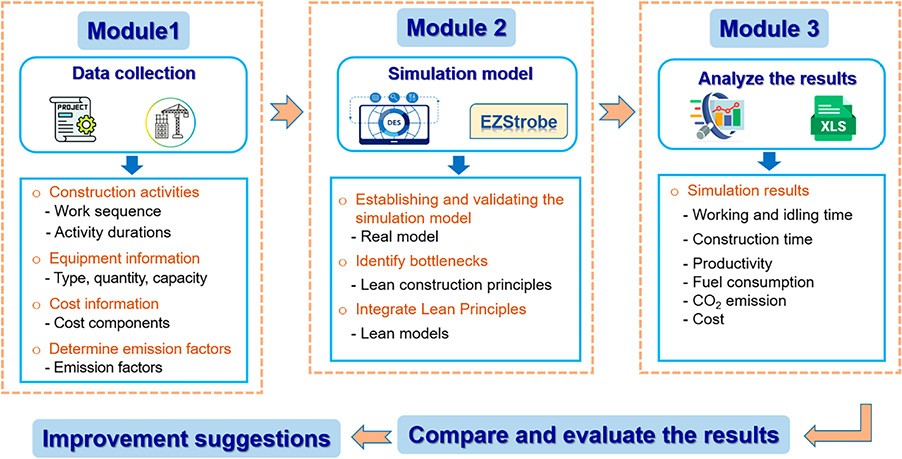
Figure 1. The research framework (Authors own, 2025)
Module 1: This phase focuses on collecting data related to construction activities, including work sequences, task duration, and detailed information about equipment such as type, quantity, and capacity. Additionally, data on cost components, emission factors, and fuel consumption rates are gathered to support the simulation process and environmental impact assessment.
Module 2: Based on the data collected in Module 1, a simulation model of real-world earthmoving operations is developed and validated using the EZStrobe simulation tool. This simulation model helps identify bottlenecks in the construction process. Subsequently, Lean construction principles are applied to improve efficiency, and various simulation scenarios incorporating Lean principles are established.
Module 3: After the simulation is executed, the output data will be analyzed to evaluate operational performance as well as environmental impacts. The assessment indicators include equipment operating time and idle time, total construction duration, productivity, fuel consumption, CO₂ emissions, and associated cost components. The simulation results are then compared between the baseline model and the optimized Lean model to determine the level of improvement and the effectiveness of the optimization strategies.
Case study
The study was conducted based on earthwork operations in an airport construction project in Vietnam. To minimize transportation costs and maximize resource utilization, soil was relocated within the construction site, with a total volume of 750,000 m³. Figure 2 illustrates the actual construction process, in which the contractor organized six excavation routes. Each route employed one excavator for excavation, assisted by two trucks for soil transportation. A temporary 1.5-km-long road was constructed to facilitate soil movement. At the dump site, a bulldozer was deployed for grading. The bulldozer operator guided the trucks to designated dumping areas. Once four piles of soil accumulated, the bulldozer began grading, while trucks waited for space before dumping more soil. After unloading, trucks returned to the waiting area to restart the cycle. Table 1 presents detailed specifications of the construction equipment used in the project. Furthermore, due to the high-intensity nature of the construction process, equipment frequently encounters common breakdowns. To handle such failures, the contractor initially deployed a single on-site repair team to perform maintenance during construction. However, most previous studies on earthwork performance analysis have overlooked this issue (Kim & Kim, 2016; Mohsenijam et al., 2020). Neglecting equipment failures may lead to unrealistic analysis results, reducing the accuracy of performance evaluation models. To address this limitation, the present study integrates equipment failure scenarios and maintenance activities into the simulation model to provide a more precise assessment of construction performance.
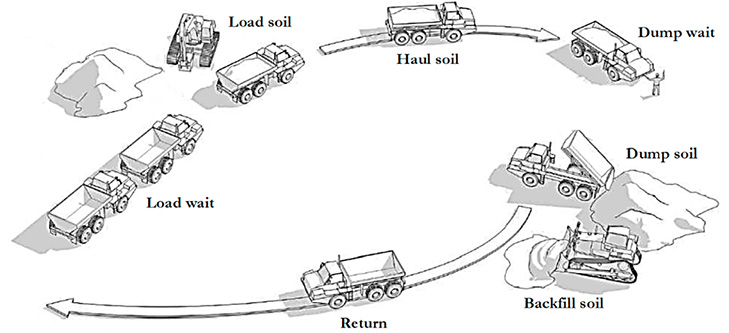
Figure 2. The flow of earthwork operations (Authors own, 2025)
Calculation of CO2 emission
CO2 emission equation
A review of existing literature on estimating emissions from construction activities reveals that most approaches rely on the NONROAD model developed by the U.S. Environmental Protection Agency (EPA). However, previous studies (Ahn et al., 2010; Olanrewaju et al., 2020; Zhang, 2015) have notable limitations, especially the exclusion of emissions during idle mode, leading to an underestimation of actual emissions. Moreover, several studies (Khan et al., 2009; Khan et al., 2006; Rahman et al., 2013; Stodolsky et al., 2000) have indicated that the average CO₂ emissions recorded during the idling mode of heavy-duty trucks are significant, with values of 4,256, 4,400, 10,400, and 16,500 g/h, respectively. Given these findings, accounting for idling emissions is essential to ensure accurate assessments and promote sustainability within the construction industry. Therefore, this study proposes a CO₂ emission calculation method using the NONROAD model (EPA, 2010a), summarized in Eqs. (1) to (3):
E = EW + EI(1)
 (2)
(2)
 (3)
(3)
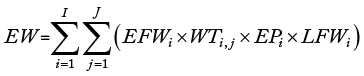
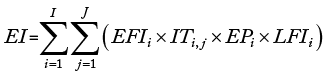
where i = equipment type; j = operation type; E = CO2 emission (g); EW = emission of working mode (g); EI = emission of idling mode (g); EFW = CO2 emission factor of the equipment in working mode (g/hp.h); EFI = CO2 emission factor of the equipment in idling mode (g/hp.h); WT = working time of equipment (h); IT = idling time of equipment (h); EP = engine power of equipment (hp); LFW = load factor of equipment in working mode; and LFI = load factor of equipment in idling mode.
The time values of WT and IT are determined through the simulation process. The EZStrobe software enables detailed tracking and precise calculation of the equipment’s active and idle times. Emission factors and load factors are thoroughly presented in the Emission factors and load factors section.
Emission factors and load factors
Emission factor for CO2
The NONROAD calculations rely on emission factor estimates of the amount of pollution emitted by a particular type of equipment during a unit of use (EPA, 2010a). Emission factors for CO2 are calculated based on brake-specific fuel consumption (BSFC) and the emission rate of HC. The equation for emission factor for CO2 calculation is as follows:
 (4)
(4)
 (5)
(5)
where BSFC = 0.367 lb/(hp.h), representing brake-specific fuel consumption; TAF is the ratio of the transient adjustment factor to the steady-state factor. For Tier 4 engines, TAF is assigned a value of 1.0 (EPA, 2010a); 453.6 is the conversion from pounds to grams; EFHC is the adjusted emission factor for HC emissions in g/(hp.h); 0.87 is the carbon mass fraction for diesel; (44/12) is the ratio of CO2 molecular mass to carbon molecular mass; β is the CO₂ emission ratio factor for the engine in idle mode. According to the research by Lewis, Leming, and Rasdorf (2012), this parameter ranges from 0.2 to 0.3. Consequently, this study selects a value of β = 0.25 to calculate the CO2 emission factor in idle mode.
Emission factor for HC
The discrepancy between real-world testing conditions and the standardized conditions of the NONROAD model necessitated the EPA to implement adjustment factors to better account for emissions (Shao, 2016). The HC emission factor is calculated by multiplying the steady-state emission factor (EFss) by the transient adjustment factor (TAF) and the deterioration factor (DF) (EPA, 2010a). The equation for estimating the HC emission factor is as follows:
 (6)
(6)
EFSS is determined for each type of equipment as specified by the EPA (2010a), based on the technology and engine power. In this study, all equipment is assigned an EFSS value of 0.131 (g/hp.h). The DF factor represents the increase in emissions as the engine’s age progresses over time. The value of DF is determined using Eq. (7).
 (7)
(7)
DFrel is the relative degradation factor of the equipment, which depends on the type of pollutant and the technology used. For equipment equipped with Tier 4 technology that emits HC, DFrel is 0.027 (EPA, 2010a). Additionally, AF is the age factor of the equipment, calculated using Eq. (8).
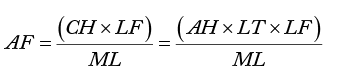 (8)
(8)
where CH represents the cumulative operating hours (h); AH is the annual operating hours (h/year), which the EPA (2010b) recommends for each equipment type as shown in Table 4; LT refers to the lifespan (years); LF is the load factor; and ML is the median lifetime (calculated in hours when fully loaded). For diesel engines, the EPA (2010b) suggests this value to be 7,000 h. The values for calculating the AF and DF factors are provided in Table 2.
Load factor
The load factor of equipment represents the ratio of average power usage to maximum rated power. It is used to reflect the normal operational state during use, including idle states, partial loads, and intermittent operations (EPA, 2010b). In this study, a load factor of LFW = 0.59 has been selected to estimate CO2 emissions during the working mode of equipment (EPA, 2010b).
In idle mode, equipment operates at low power, maintaining a “standby” state without performing primary tasks. Consequently, the load factor in idle mode (LFI) is typically low, varying between 0.1 and 0.3, depending on the type of equipment and engine capacity (Klanfar et al., 2016; Lewis et al., 2011; Stodolsky et al., 2000). To estimate CO2 emissions during idle mode, this study adopts an LFI value of 0.2.
With all necessary parameters for emission factor calculations defined, the emission factors for HC and CO2 are subsequently computed using Eqs. (4) to (6) and are presented in Table 3.
Data collection and model simulation
Data collection
Duration of earthwork activities
Determining the duration of activities in simulations plays a crucial role in ensuring the accuracy and reliability of the model, thus enabling the simulation to realistically reflect the operational characteristics of the system. To achieve this, the author conducted field observations and collected data on the duration of earthwork activities at the construction site. Based on a dataset of 50 samples for each activity, the author used Crystal Ball v11.2 software to identify the duration distribution for each activity. Additionally, the Kolmogorov–Smirnov test was applied to assess and confirm the suitability of the distributions. The results of the probability distributions for the duration of each earthwork activity are detailed in Table 4.
Earthwork productivity
In EZStrobe simulation, productivity is determined and calculated based on the coordination of activities and the relationships among resources. According to the study by Thomas and Mathews (1986), productivity is defined as the amount of output produced per unit of time. The method for determining productivity is presented in Eq. (9).
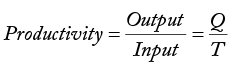 (9)
(9)
where Q is the quantity of work required, corresponding to the volume of soil to be moved, which is 750,000 m³, and T is the total construction time, measured in hours, determined through simulation via the variable “SimTime.”
Earthwork construction cost estimation
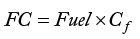
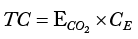
In this study, cost factors are analyzed to comprehensively evaluate the impact of Lean principles on the environmental and operational performance of earthwork activities, including economic efficiency and construction productivity. To achieve this objective, four key cost components are identified: labor cost (LC), equipment rental cost (EC), fuel cost (FC), and environmental tax cost (TC). These cost components are systematically calculated using Eqs. (10) to (14). Table 5 provides detailed unit prices for equipment and labor, as provided by contractors, serving as a critical basis for cost estimation.
 (10)
(10)
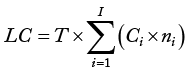 (11)
(11)
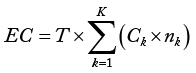 (12)
(12)
 (13)
(13)
 (14)
(14)
where Cost represents the total cost of earthwork activities (USD); T denotes the total construction time (h); Ci and Ck refer to the rental unit cost of labor type i (USD/h) and the rental unit cost of equipment type k (USD/h), respectively; ni and nk are the quantity of labor type i and the quantity of equipment type k, respectively; Fuel is the amount of fuel consumed (lt); and Cf is the fuel unit price (USD/lt). At the time of the study, the unit price of diesel fuel was determined to be 0.74 (USD/lt); ECO2 is the amount of CO2 emissions (tons); CE is the environmental tax rate applied per ton of CO2 emitted during earthwork activities (USD/ton-CO2).
Coxhead et al. (2013) conducted a study on carbon taxation in Vietnam, based on environmental tax policies related to fossil fuel consumption. According to this study, the environmental tax rate for diesel fuel was determined to be CE = 20 (USD/ton-CO2).
Model simulation and validation
Based on the actual construction process, the primary activities in the model are identified in detail. After collecting all necessary input parameters, the simulation model is developed using EZStrobe software. Figure 3 illustrates the earthwork simulation model, accurately reflecting real-world construction site operations.
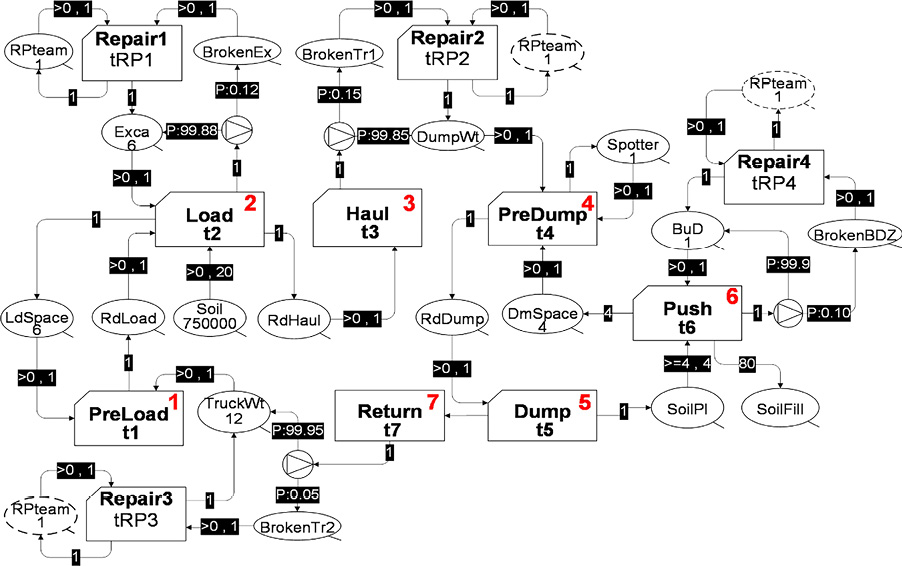
Figure 3. Simulation model of actual earthwork operations (Authors own, 2025)
To ensure the accuracy and reliability of the simulation results, model validation is essential. One of the most widely used validation methods is comparing the simulation output with observed real-world data. Among various validation criteria, cycle time is particularly significant as it directly impacts construction productivity, project schedule, and can be measured with high precision. Therefore, in this study, cycle time is used to assess the degree of similarity between the simulation and actual conditions. In the context of earthwork activities, cycle time refers to the duration required to complete a full operational cycle, including excavation, transportation, and backfilling for a unit volume of soil. Table 6 presents the comparative results of cycle time between 10 simulation runs and actual observed data.
The results in Table 6 show that the deviation between the simulation and actual data is 2.78%, which is within the acceptable range, defined as up to 5%. This validates the reliability of the simulation model, making it suitable for applying Lean construction principles to enhance earthwork operations.
Implementation of lean construction principles
Based on the recorded data from the construction process at the site, several significant shortcomings in the contractor’s resource allocation for earthwork activities have been identified. At the dumping site, the contractor did not assign personnel to guide trucks to the designated dumping locations; thus, the bulldozer operator handled this task, which caused delays for both the bulldozer and the trucks. Moreover, using only one bulldozer for backfill is insufficient, as the extended filling time will also increase the truck’s waiting time. On the other hand, the contractor’s lack of an appropriate equipment maintenance plan during the construction process has led to more frequent equipment breakdowns. Although the contractor initially deployed an on-site repair team to maintenance, field observations revealed that a single team was insufficient to promptly address multiple equipment breakdowns occurring simultaneously, especially during peak construction periods. This limitation resulted in prolonged equipment downtime, particularly for critical machinery such as excavators and bulldozers. In addition, the insufficient number of trucks significantly affects the operation of excavators and bulldozers. Observations from the field indicate that excavators frequently have to wait for trucks at the loading site. These issues have caused congestion and wasted time and resources, resulting in inefficient construction and increased environmental impacts.
To address the aforementioned issues, this study proposes four Lean Construction Principles (LCPs) to be applied to a real-world model with the aim of improving earthwork activities.
LCP 1—Flow production in processes: This principle emphasizes that resources interacting with system activities should flow without stagnation, enabling continuous operations (Womack & Jones, 1997). To reduce congestion at the dumping site, the number of bulldozers is increased to two, allowing for faster backfilling and providing trucks with immediate dumping locations. Additionally, two spotters are assigned to guide trucks to the dumping area, enabling the bulldozers to begin work immediately when soil is available, without unnecessary delays.
LCP 2—Minimize non-value-adding activities: Lean thinking classifies process activities into Value-Adding and Non-Value-Adding activities (Hosseini et al., 2012). In earthwork processes, equipment repair often consumes significant time and resources without contributing to the final product’s value. Therefore, these activities should be minimized by accelerating repair times. In practice, relying on just one repair team is insufficient to promptly address multiple equipment breakdowns. Consequently, in the Lean model, the number of repair teams is increased to two.
LCP 3—Implement the pull principle: This principle aims to improve coordination between upstream and downstream tasks through just-in-time material delivery (Womack & Jones, 1997). In earthwork operations, trucks serve as a critical resource for excavators and bulldozers. Thus, the pull principle is applied by increasing the number of trucks to ensure timely resource availability for excavators and bulldozers.
LCP 4—Reduce transported soil volume: This principle is applied to reduce truck waiting time, thereby shortening the cycle time of earthwork activities. By using type-2 trucks instead of type-1 trucks, the volume of transported soil per trip decreases from 20 to 15 m³.
Based on the EZStrobe simulation program, simulation scenarios were developed to implement LCP. The models were configured as shown in Table 7, enabling the authors to analyze performance and evaluate environmental variables in earthwork activities. Figure 4 illustrates the improved earthwork model after implementing these principles.
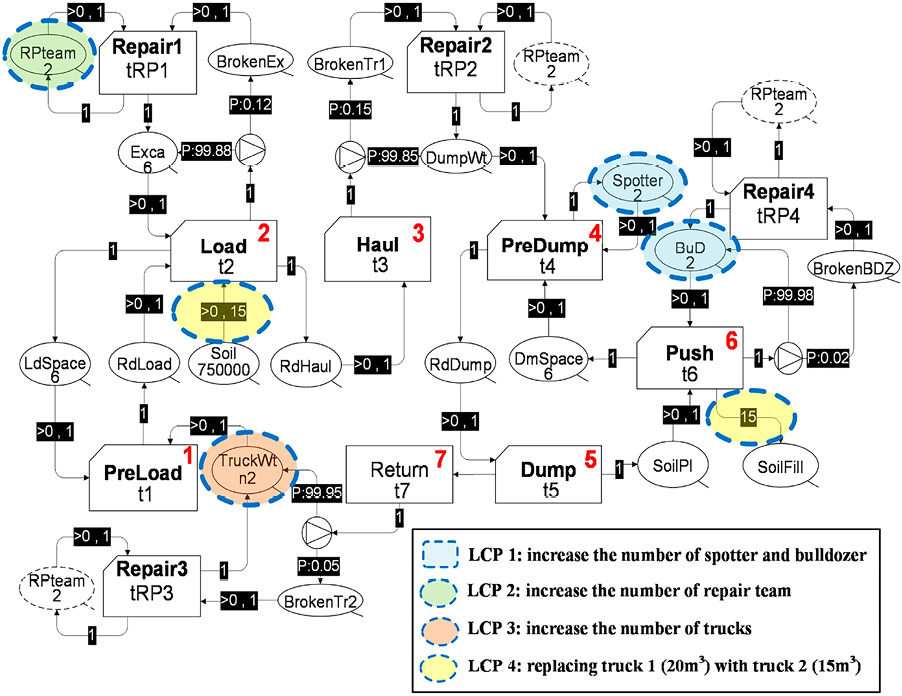
Figure 4. Simulation model of earthwork activities after applying Lean construction principles (Authors own, 2025)
Results and discussion
Based on the simulation scenarios established in Table 7, Lean models are analyzed to assess their impact on the environment and construction performance. The simulation results are systematically summarized in the following tables: Table 8 provides detailed information on the working and idling times of each piece of equipment. Based on this, Table 9 presents the results for construction time, fuel consumption, and CO₂ emissions. Concurrently, Table 10 focuses on analyzing productivity and cost components. To support a comprehensive evaluation of the effectiveness of the Lean models, the data from the above tables are visualized through comparison charts in Figures 5 to 8, which highlight the trends and improvements of each model.
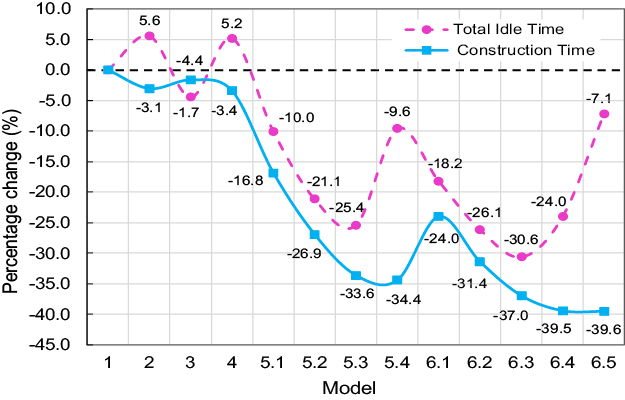
Figure 5. Comparison of the Lean model’s impact on construction time and idle time (Authors own, 2025)
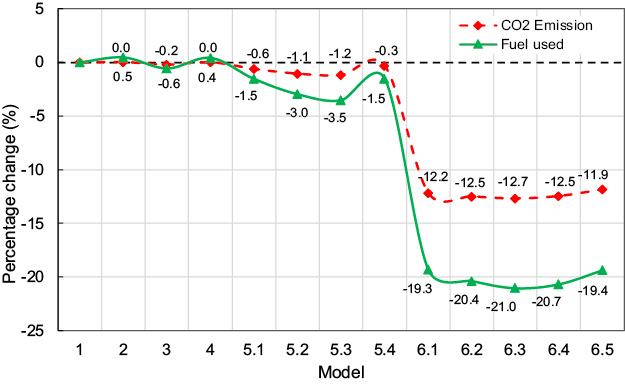
Figure 6. Comparison of the Lean model’s impact on fuel used and CO2 emissions (Authors own, 2025)
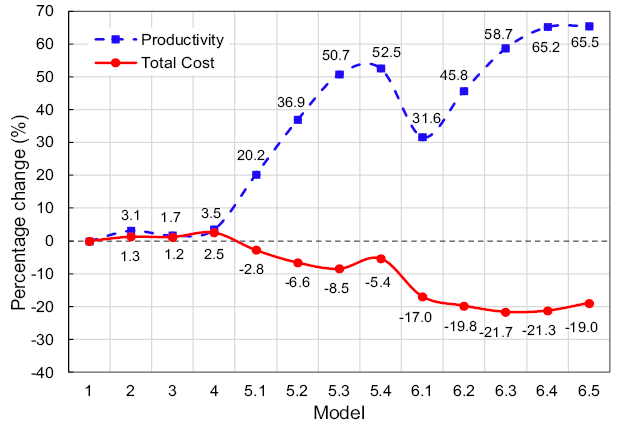
Figure 7. Comparison of the Lean model’s impact on productivity and total cost (Authors own, 2025)
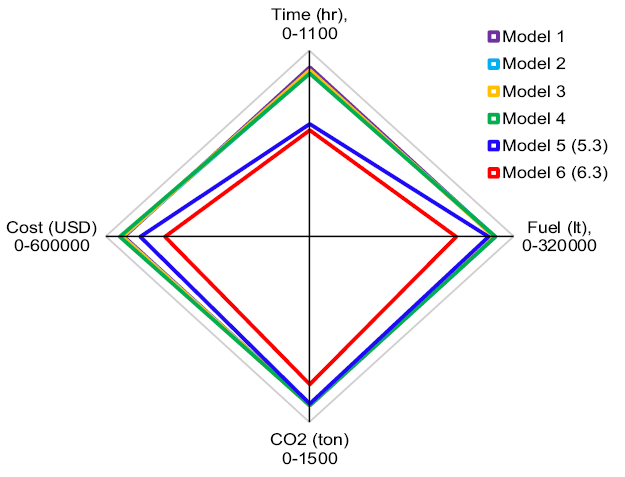
Figure 8. Comprehensive comparison of the Lean model’s impact on environmental and production performance (Authors own, 2025)
Notes: Values in bold are used to highlight the most representative and critical results for each group of simulation models. They correspond directly to the key trends illustrated in Figure 5, connecting the numerical results in the table with the graphical comparison.
Notes: Values in bold are used to highlight the most representative and critical results for each group of simulation models. They correspond directly to the key trends illustrated in Figure 6, connecting the numerical results in the table with the graphical comparison.
The comparison charts in Figures 5 to 8 show that the application of Lean principles in earthwork operations has led to significant improvements, where the later models demonstrate superior effectiveness compared to the earlier models. Models 2 to 4 represent the initial phase of the Lean implementation process, with the application of two principles, LCP1 and LCP2. In terms of construction time, model 2 leads to a 3.1% reduction, model 3 results in a 1.7% reduction, while model 4 achieves a greater reduction of 3.4%. These results suggest that increasing the number of bulldozers in LCP1 contributed to a reduction in the waiting time of trucks and excavators, thus shortening the construction time. However, due to the limited number of trucks, the increase in bulldozers caused a significant rise in their idling time, from 675 to 1,664 h, resulting in a 5.6% increase in total equipment idling time in model 2 and 5.2% in model 4. In contrast, model 3 exhibits better optimization by reducing the total equipment waiting time by 4.4%. Regarding fuel consumption and CO₂ emissions, models 2 and 4 show negligible increases. In contrast, model 3 exhibits a more positive impact, with a 0.6% reduction in fuel consumption and a 0.2% reduction in CO₂ emissions. In terms of construction costs, all three models report a slight increase, ranging from 1.3% to a maximum of 2.5% in model 4. Although there are positive impacts, the scope of improvement remains relatively small and insufficient to significantly enhance the construction process.
Based on model 4, the group of model 5, consisting of models 5.1 to 5.4, was developed by applying the Lean principle LCP3, where the number of trucks was increased from 14 to 20. The analysis results indicate that appropriately adjusting the number of trucks not only optimizes the coordination between equipment but also significantly enhances construction efficiency. Specifically, construction time decreased significantly, ranging from 16.8% (model 5.1) to 34.4% (model 5.4). Concurrently, equipment idling time was also optimized, particularly in model 5.3, with a reduction of 25.4%. Data from Table 8 show that the idling time of excavators in model 5.3 was significantly reduced from 2,475 to 356 h, highlighting the effectiveness of balancing the number of trucks with other construction equipment. However, when the number of trucks exceeds an optimal level, as in model 5.4, the waiting time for trucks increases from 4,170 to 5,307 h, consequently reducing the efficiency of optimization. This indicates that optimizing the number of trucks requires balance, preventing equipment excess that leads to resource wastage. Therefore, model 5.3 is regarded as the most optimal solution within this group. Additionally, improvements in construction time have resulted in a significant increase in productivity, ranging from 20.2% to 52.5%. Notably, model 5.3 demonstrates the greatest cost savings, with a reduction of 8.5%. In terms of environmental impact, the group 5 models begin to show a marked difference compared to previous models. Specifically, model 5.3 achieves the highest efficiency, reducing fuel consumption by 3.5% and CO₂ emissions by 1.2%.
Group 6 models (from 6.1 to 6.5) were developed based on the framework of group 5 models, with the further implementation of the LCP4 principle. The change in truck types and their optimal quantities has significantly improved construction performance and contributed to reducing the environmental impact of earthwork operations. The comparative results from Figures 5 to 7 indicate a substantial improvement in construction performance, with models 6.4 and 6.5 exhibiting the highest reductions in construction time, at 39.5% and 39.6%, respectively. Additionally, construction productivity showed a substantial increase, reaching 65.2% in model 6.4 and 65.5% in model 6.5. However, in terms of environmental efficiency and equipment utilization, model 6.3 exhibited superior performance, achieving a 21% reduction in fuel consumption and a 12.7% decrease in CO₂ emissions. Furthermore, the total idle time decreased by 30.6% (from 7,320 h to 5,079 h), and cost savings reached up to 21.7%, the highest in the group. Although model 6.5 delivered the best results in terms of shortening construction time and improving productivity, its improvement over model 6.3 was marginal while requiring additional resources. This reflects the phenomenon of diminishing returns when increasing the number of trucks beyond the optimal threshold, leading to system saturation and causing idle time and operational complexity instead of proportional gains. Therefore, model 6.3 is considered a more balanced and practical solution, offering better feasibility by aligning performance with resource allocation. Figure 8 illustrates that group 6 models demonstrate greater effectiveness across all evaluation criteria compared to previous models. Notably, model 6.3 is identified as the most optimal solution, as it not only delivers considerable environmental benefits but also substantially enhances construction productivity. These significant improvements validate the viability and effectiveness of integrating Lean principles, highlighting their potential for widespread application in practice to enhance both efficiency and sustainability in earthwork operations.
Conclusions and suggestions
The quantitative results from the study show that model 6.3, which integrates all four Lean principles (LCP1 to LCP4), is the optimal model, demonstrating significant impacts on all criteria: environment, productivity, and cost savings. Specifically, this model reduced fuel consumption by 21%, decreased CO₂ emissions by 12.7%, and increased construction productivity by 65.5%. Additionally, it resulted in cost savings of 21.7%. These results validate the effectiveness of applying Lean construction principles and highlight the strong connection between Lean construction and sustainability. The application of Lean principles in earthwork operations not only improves construction performance but also impacts the environment positively, reflecting the link between optimizing construction processes and sustainable construction goals.
This study provides strong evidence of the potential of simulation methods for applying Lean construction to improve both performance and environmental outcomes. The DES model allows for detailed and accurate evaluation of factors affecting the construction process, identifying the optimal solution for balancing performance and environmental protection. This highlights the potential of this approach, not only in managing production waste but also in optimizing environmental efficiency throughout the life cycle of construction projects.
Another key aspect of the study is considering and analyzing equipment failures in the simulation, which enhance the realism and accuracy of the results. By incorporating factors such as equipment breakdowns or downtime, the model more closely mirrors real-world construction conditions where unexpected failures may occur. This enhances the feasibility and applicability of the study’s results to real-world earthwork projects.
In terms of practical implications, the simulation outcomes provide valuable guidance for contractors in planning optimal equipment allocation and maintenance strategies, especially in projects with high-intensity operations and a risk of equipment failure. Moreover, the DES model developed in this study can serve as a useful decision-support tool for construction managers and field engineers to make informed decisions that balance productivity, cost efficiency, and environmental impact. Furthermore, the insights gained from this study may help policymakers and industry stakeholders formulate guidelines and initiatives that promote sustainable and efficient earthwork practices. Specifically, the simulation-based optimization framework provides evidence to establish sustainability-oriented technical standards and guidelines that encourage efficient equipment allocation and minimize environmental impacts. In addition, the validated DES model and Lean strategies can be incorporated into training programs for contractors and field engineers, enabling them to make data-driven decisions, optimize resource utilization, and adopt environmentally responsible construction practices in earthwork operations.
Limitations and future research
Although the study has demonstrated the significant benefits of applying four Lean principles in earthwork operations, certain limitations remain. Specifically, the principles of “Optimize the Whole” and “Respect for People” were not incorporated into the model because they primarily involve organizational, managerial, and human behavioral factors, which are difficult to quantify and represent through discrete-event simulation. This does not imply that these principles are less important; on the contrary, they play a critical role in real-world Lean implementation, particularly in fostering a collaborative culture, reducing waste from managerial decisions, and enhancing workforce motivation. Future research should extend the analysis of these principles using a combination of qualitative and quantitative approaches to better capture the comprehensive impact of Lean in practice.
To further refine the model, future research could extend beyond optimizing equipment types to include other factors such as construction processes and adaptability to specific environmental and geographical conditions. Subsequent studies should also focus on applying Lean principles to other phases of construction, such as planning and schedule management, to maximize efficiency and enhance sustainability in construction activities.
References
Abbasian-Hosseini, S. A., Nikakhtar, A., & Ghoddousi, P., 2014. Verification of lean construction benefits through simulation modeling: A case study of bricklaying process. KSCE Journal of Civil Engineering, 18(5), 1248-1260. https://doi.org/10.1007/s12205-014-0305-9
AbouRizk, S., 2010. Role of simulation in construction engineering and management. Journal of Construction Engineering and Management, 136(10), 1140-1153. https://doi.org/10.1061/(ASCE)CO.1943-7862.0000220
AbouRizk, S., Halpin, D., Mohamed, Y., & Hermann, U., 2011. Research in modeling and simulation for improving construction engineering operations. Journal of Construction Engineering and Management, 137(10), 843-852. https://doi.org/10.1061/(ASCE)CO.1943-7862.0000288
Ahn, C., Pan, W., Lee, S., & Peña-Mora, F., 2010. Enhanced estimation of air emissions from construction operations based on discrete-event simulation. Paper presented at the Proceedings of the International Conference on Computing in Civil and Building Engineering, Nottingham, UK.
Akan, M. Ö. A., Dhavale, D. G., & Sarkis, J., 2017. Greenhouse gas emissions in the construction industry: An analysis and evaluation of a concrete supply chain. Journal of Cleaner Production, 167, 1195-1207. https://doi.org/10.1016/j.jclepro.2017.07.225
Akintoye, A., 1995. Just-in-time application and implementation for building material management. Construction management and economics, 13(2), 105-113. https://doi.org/10.1080/01446199500000013
ARB. Mobile Source Emissions Inventory Off-road Diesel Vehicles, Air Resources Board. In. Air Resources Board.
Babalola, O., Ibem, E. O., & Ezema, I. C., 2019. Implementation of lean practices in the construction industry: A systematic review. Building and environment, 148, 34-43. https://doi.org/10.1016/j.buildenv.2018.10.051
Ballard, G., & Howell, G., 2003. Lean project management. Building Research & Information, 31(2), 119-133. https://doi.org/10.1080/09613210301997
Ballard, H. G., 2000. The last planner system of production control. PhD Thesis. University of Birmingham.
Belayutham, S., & González, V. A., 2015. A lean approach to manage production and environmental performance of earthwork operation. Paper presented at the 23rd Annual Conference of the International Group for Lean Construction.
Cao, T., Russell, R. L., Durbin, T. D., Cocker III, D. R., Burnette, A., Calavita, J., Johnson, K. C., 2018. Characterization of the emissions impacts of hybrid excavators with a portable emissions measurement system (PEMS)-based methodology. Science of the Total Environment, 635, 112-119. https://doi.org/10.1016/j.scitotenv.2018.04.011
Chang, B., & Kendall, A., 2011. Life cycle greenhouse gas assessment of infrastructure construction for California’s high-speed rail system. Transportation Research Part D: Transport and Environment, 16(6), 429-434. https://doi.org/10.1016/j.trd.2011.04.004
Coxhead, I., Wattanakuljarus, A., & Nguyen, C. V., 2013. Are carbon taxes good for the poor? A general equilibrium analysis for Vietnam. World Development, 51, 119-131. https://doi.org/10.1016/j.worlddev.2013.05.013
Degani, C. M., & Cardoso, F. F., 2002. Environmental Performance and Lean Construction Concepts: can we talk about a ‘clean construction’. Paper presented at the Proceedings IGLC.
EPA. 2010a. Crankcase Emission Factors for Non-road Engine Modeling Compression-ignition (Report No. NR-009d). Retrieved from USA. Office of Transportation and Air Quality:
EPA. 2010b. Median Life, Annual Activity, and Load Factor Values for Nonroad Engine Emissions Modeling (Report No. NR-005d). Retrieved from USA. Office of Transportation and Air Quality:
Farrar, J. M., AbouRizk, S. M., & Mao, X., 2004. Generic implementation of lean concepts in simulation models. Lean Construction Journal, 1(1), 1-23. https://doi.org/10.60164/b1e4b3f8i
Francis, A., & Mahalingam, A., 2012. The impact of the lean technique of value stream mapping in Indian construction sites on reducing carbon emissions. Procedia-Social and Behavioral Sciences, 27, 6-19. https://doi.org/10.1177/2977657020120401
Global, A., 2020. Global status report for buildings and construction. Global Alliance for Buildings and Construction.
Golzarpoor, H., & González, V., 2013. A green-lean simulation model for assessing environmental and production waste in construction. Paper presented at the Proceedings of the 21th Annual Conference of the International Group for Lean Construction, Fortaleza, Brazil.
Guggemos, A. A., & Horvath, A., 2006. Decision-support tool for assessing the environmental effects of constructing commercial buildings. Journal of Architectural Engineering, 12(4), 187-195. https://doi.org/10.1061/(ASCE)1076-0431(2006)12:4(187)
Gunduz, M., & Naser, A., 2019. Value stream mapping as a lean tool for construction projects. International Journal of Structural and Civil Engineering Research, 8(1), 69-74. https://doi.org/10.18178/ijscer.8.1.69-74
Halpin, D. W., & Kueckmann, M., 2002. Lean construction and simulation. Paper presented at the Proceedings of the Winter Simulation Conference. https://doi.org/10.1109/WSC.2002.1166453
Heidari, B., & Marr, L. C., 2015. Real-time emissions from construction equipment compared with model predictions. Journal of the air & waste management association, 65(2), 115-125. https://doi.org/10.1080/10962247.2014.978485
Hong, B., & Lü, L., 2022. Assessment of emissions and energy consumption for construction machinery in earthwork activities by incorporating real-world measurement and discrete-event simulation. Sustainability, 14(9), 5326. https://doi.org/10.3390/su14095326
Hosseini, S. A., Nikakhtar, A., Wong, K., & Zavichi, A. 2012. Implementing lean construction theory into construction processes’ waste management. In ICSDC 2011: Integrating Sustainability Practices in the Construction Industry (pp. 414-420). https://doi.org/10.1061/41204(426)52
Huang, L., Krigsvoll, G., Johansen, F., Liu, Y., & Zhang, X., 2018. Carbon emission of global construction sector. Renewable and sustainable energy reviews, 81, 1906-1916. https://doi.org/10.1016/j.rser.2017.06.001
Jassim, H. S., Lu, W., & Olofsson, T., 2017. Predicting energy consumption and CO2 emissions of excavators in earthwork operations: An artificial neural network model. Sustainability, 9(7), 1257. https://doi.org/10.3390/su9071257
Khan, A. S., Clark, N. N., Gautam, M., Wayne, W. S., Thompson, G. J., & Lyons, D. W., 2009. Idle emissions from medium heavy-duty diesel and gasoline trucks. Journal of the air & waste management association, 59(3), 354-359. https://doi.org/10.3155/1047-3289.59.3.354
Khan, A. S., Clark, N. N., Thompson, G. J., Wayne, W. S., Gautam, M., Lyon, D. W., & Hawelti, D., 2006. Idle emissions from heavy-duty diesel vehicles: review and recent data. Journal of the air & waste management association, 56(10), 1404-1419. https://doi.org/10.1080/10473289.2006.10464551
Kim, B.-S., & Kim, Y.-W., 2016. Configuration of earthwork equipment considering environmental impacts, cost and schedule. Journal of Civil Engineering and Management, 22(1), 73-85. https://doi.org/10.3846/13923730.2014.897964
Klanfar, M., Korman, T., & Kujundžić, T., 2016. Fuel consumption and engine load factors of equipment in quarrying of crushed stone. Tehnički vjesnik, 23(1), 163-169. https://doi.org/10.17559/TV-20141027115647
Koskela, L. 1992. Application of the new production philosophy to construction (Vol. 72): Stanford university Stanford.
Koskela, L., Howell, G., Ballard, G., & Tommelein, I. 2007. The foundations of lean construction. In Design and construction (pp. 211-226): Routledge.
Labaran, Y. H., Mathur, V. S., & Farouq, M. M., 2021. The carbon footprint of construction industry: A review of direct and indirect emission. Journal of Sustainable Construction Materials and Technologies, 6(3), 101-115. https://doi.org/10.29187/jscmt.2021.66
Lewis, P., Leming, M., Frey, H. C., & Rasdorf, W., 2011. Assessing effects of operational efficiency on pollutant emissions of nonroad diesel construction equipment. Transportation research record, 2233(1), 11-18. https://doi.org/10.3141/2233-02
Lewis, P., Leming, M., & Rasdorf, W., 2012. Impact of engine idling on fuel use and CO2 emissions of nonroad diesel construction equipment. Journal of Management in Engineering, 28(1), 31-38. https://doi.org/10.1061/(ASCE)ME.1943-5479.0000068
Li, H.x., & Lei, Z., 2010. Implementation of Discrete-Event Simulation (DES) in estimating & analyzing CO 2 emission during earthwork of building construction engineering. Paper presented at the 2010 IEEE 17th International Conference on Industrial Engineering and Engineering Management. https://doi.org/10.1109/ICIEEM.2010.5646619
Li, Z. T., & Akhavian, R., 2017. Carbon dioxide emission evaluation in construction operations using DES: A case study of carwash construction. Paper presented at the 2017 winter simulation conference (WSC). https://doi.org/10.1109/WSC.2017.8247968
Limsawasd, C., & Athigakunagorn, N., 2022. Quantification of Particulate Emission from Construction Activities Using Discrete-Event Simulation. Civil Engineering and Architecture, 10(2), 703-714. https://doi.org/10.13189/cea.2022.100225
Liu, C., Ahn, C. R., An, X., & Lee, S., 2013. Integrated evaluation of cost, schedule and emission performance on rock-filled concrete dam construction operation using discrete event simulation. Paper presented at the 2013 Winter Simulations Conference (WSC). https://doi.org/10.1109/WSC.2013.6721678
Martinez, J. C., 1996. State and Resource Based Simulation of Construction Processes. The University of Michigan.
Mohsenijam, A., Mahdavian, A., & Shojaei, A., 2020. Stochastic earthmoving fleet arrangement optimization considering project duration and cost. Modelling, 1(2), 156-174. https://doi.org/10.3390/modelling1020010
Nahmens, I., & Ikuma, L. H., 2012. Effects of lean construction on sustainability of modular homebuilding. Journal of Architectural Engineering, 18(2), 155-163. https://doi.org/10.1061/(ASCE)AE.1943-5568.0000054
Ngọc, T. N. B., & Quân, P. T. N. T., 2016. A study on the relationships between sustainable construction and lean construction. Paper presented at the The 17th University of Construction Science and Technology Conference Ha Noi.
Nguyen, B. N., 2021. Evaluating outlook for lean construction in Vietnam through a study on perception of waste. Science & Technology Development Journal: Economics-Law & Management, 5(2), 1404-1415. https://doi.org/10.32508/stdjelm.v5i2.725
Nguyen, Q. N., & Vu, T. Q., 2024. Application of lean construction principles and simulation for performance improvement of earthwork activities in construction projects on offshore islands. Journal of Science and Technique-Section on Special Construction Engineering, 7(02), 49-62. https://doi.org/10.56651/lqdtu.jst.v7.n02.877.sce
Nikakhtar, A., Hosseini, A. A., Wong, K. Y., & Zavichi, A., 2015. Application of lean construction principles to reduce construction process waste using computer simulation: a case study. International Journal of Services and Operations Management, 20(4), 461-480. https://doi.org/10.1504/IJSOM.2015.068528
Olanrewaju, O. I., Edwards, D. J., & Chileshe, N., 2020. Estimating on-site emissions during ready mixed concrete (RMC) delivery: A methodology. Case Studies in Construction Materials, 13, e00439. https://doi.org/10.1016/j.cscm.2020.e00439
Peng, W., & Pheng, L. S., 2011. Lean production, value chain and sustainability in precast concrete factory-a case study in Singapore. Lean Construction Journal. https://doi.org/10.60164/b7h5f0a8f
Pheng, L. S., & Chuan, C. J., 2001. Just-in-time management of precast concrete components. Journal of construction engineering and management, 127(6), 494-501. https://doi.org/10.1061/(ASCE)0733-9364(2001)127:6(494)
Pheng, L. S., & Shang, G., 2011. The application of the just-in-time philosophy in the Chinese construction industry. Journal of construction in developing countries, 16(1), 91-111.
Rahman, S. A., Masjuki, H., Kalam, M., Abedin, M., Sanjid, A., & Sajjad, H., 2013. Impact of idling on fuel consumption and exhaust emissions and available idle-reduction technologies for diesel vehicles–A review. Energy Conversion and Management, 74, 171-182. https://doi.org/10.1016/j.enconman.2013.05.019
Ramani, P. V., & KSD, L. K. L., 2021. Application of lean in construction using value stream mapping. Engineering, Construction and Architectural Management, 28(1), 216-228. https://doi.org/10.1108/ECAM-12-2018-0572
Rosenbaum, S., Toledo, M., & Gonzalez, V., 2012. Green-lean approach for assessing environmental and production waste in construction. Paper presented at the Proceedings of the 20th annual conference of the IGLC, San Diego, CA, USA.
Rosenbaum, S., Toledo, M., & González, V., 2014. Improving environmental and production performance in construction projects using value-stream mapping: Case study. Journal of Construction Engineering and Management, 140(2), 04013045. https://doi.org/10.1061/(ASCE)CO.1943-7862.0000793
Seo, M.-S., Kim, T., Hong, G., & Kim, H., 2016. On-site measurements of CO2 emissions during the construction phase of a building complex. Energies, 9(8), 599. https://doi.org/10.3390/en9080599
Shao, Z., 2016. Non-road emission inventory model methodology. The international council on clean transportation (Working paper), 4, 1-13.
Shen, L.-y., Tam, V. W., Tam, L., & Ji, Y.-b., 2010. Project feasibility study: the key to successful implementation of sustainable and socially responsible construction management practice. Journal of Cleaner Production, 18(3), 254-259. https://doi.org/10.1016/j.jclepro.2009.10.014
Stodolsky, F., Gaines, L., & Anant, V., 2000. Analysis of technology options to reduce the fuel consumption of idling trucks. No. ANL/ESD-43. Argonne National Laboratory. https://doi.org/10.2172/764207
Thomas, H. R., & Mathews, C. T. 1986. An analysis of the methods for measuring construction productivity: Bureau of Engineering Research, University of Texas at Austin.
Trani, M. L., Bossi, B., Gangolells, M., & Casals, M., 2016. Predicting fuel energy consumption during earthworks. Journal of Cleaner Production, 112, 3798-3809. https://doi.org/10.1016/j.jclepro.2015.08.027
US EPA. EPA NONROAD Model Updates of 2008 “NONROAD2008”. 2008. In US EPA. Online available from https://nepis.epa.gov/Exe/ZyPDF.cgi?Dockey=P100AKH1.pdf.
Wang, F., Li, Z., Zhang, K., Di, B., & Hu, B., 2016. An overview of non-road equipment emissions in China. Atmospheric environment, 132, 283-289. https://doi.org/10.1016/j.atmosenv.2016.02.046
Womack, J. P., & Jones, D. T., 1997. Lean thinking—banish waste and create wealth in your corporation. Journal of the operational research society, 48(11), 1148-1148. https://doi.org/10.1057/palgrave.jors.2600967
Yanowitz, J., McCormick, R. L., & Graboski, M. S., 2000. In-use emissions from heavy-duty diesel vehicles. Environmental science & technology, 34(5), 729-740. https://doi.org/10.1021/es990903w
Yılmaz, M., & Bakış, A., 2015. Sustainability in construction sector. Procedia-Social and Behavioral Sciences, 195, 2253-2262. https://doi.org/10.1016/j.sbspro.2015.06.312
Zhang, H., 2015. Discrete-event simulation for estimating emissions from construction processes. Journal of Management in Engineering, 31(2), 04014034. https://doi.org/10.1061/(ASCE)ME.1943-5479.0000236