Construction Economics and Building
Vol. 26, No. 3/4
2026
ARTICLES (PEER REVIEWED)
Investigating Green Finance Product Awareness and Perceived Adoption Influencers
Thobile Ntombela*, Chioma Okoro, Jonathan Oladeji
Department of Finance & Investment Management, University of Johannesburg, Johannesburg, South Africa
Corresponding author: Thobile Ntombela, thobileb035@gmail.com
DOI: https://doi.org/10.5130/h8j88j74
Article History: Received 15/05/2025; Revised 14/04/2026; Accepted 22/05/2026; Published 18/09/2026
Citation: Ntombela, T., Okoro, C., Oladeji, J. 2026. Investigating Green Finance Product Awareness and Perceived Adoption Influencers. Construction Economics and Building, 26:3/4, 1–23. https://doi.org/10.5130/h8j88j74
Abstract
Green finance (GF) is an avenue to achieve Sustainable Development Goals and economic inclusion. While several studies have focused on GF investment instruments, such as green bonds and green funds, retail instruments, such as green mortgages and green loans, are often overlooked. South African consumers are believed to lack financial literacy; therefore, their lack of awareness of a niche concept such as GF and the limited availability of data on retail consumers and sustainable finance present a challenge. Additionally, the study of awareness separately is not enough, as it does not always translate to use. This study explored financial institutions’ employee awareness and the use of specific GF products available in the South African market, as well as perceived factors influencing personal and consumer use. Thirteen semi-structured interviews were conducted and thematically analysed. Findings showed employee awareness of all 10 products, with the Standard Bank green bond and RMB green bond highly recognised. Although awareness was high, the use of GF products was very low; only two participants used the surveyed products. The three products with actual use were for home financing, and energy-efficiency home financing was the most popular intended use. GF issuers, the structure of GF and individuals’ perceptions and beliefs about sustainability were factors influencing the use of GF products. This study provides new insights into challenges that need to be tackled to advance GF. An accessible GF market is possible through awareness and educational campaigns, by restructuring GF and GF issuers and by appealing to and addressing individual intrinsic motivators.
Keywords
Green Finance; Access; Use; Sustainability; Retail Consumer
Introduction
Green finance (GF) has become a fundamental concept in the financial sector due to its alignment with the goals and objectives of the Paris Agreement (Bhattacharyya, 2021). GF is defined as financial instruments that finance investments that contribute positively to the environment (Hu & Gan, 2025). GF has been identified as a positive contributor to environmental protection, climate change commitments and Sustainable Development Goal (SDG) achievement (Ntambirweki et al., 2022). However, despite this positive impact, GF and the green industry are still facing challenges, such as a lack of data, greenwashing in terms of the benefits of green products, risky nature and poor implementation and regulation (Sachs et al., 2019; Bhattacharyya, 2021).
Drawing from the definition and goals of GF, much literature has investigated the relationship between GF and environmental performance and found that, for the broader economy, GF leads to a greener environment (Zakari & Khan, 2022). Zhan et al. (2023) found that an increase in the implementation of GF reduces carbon and greenhouse gas emissions. Additionally, GF has been suggested as a possible avenue to achieve the United Nations SDGs and prioritise economic inclusion (UN, 2015; Van Niekerk, 2024).
The advancement of GF in developing countries is not as accelerated as in developed countries due to various structural and participation barriers (Jeudy-Hugo et al., 2021). However, research has shown that GF is becoming a prevalent concept amongst economic participants (Gu et al., 2023). Literature has noted that in many parts of the world, GF faces implementation challenges resulting from a lack of regulation, limited scope and perceived high risk (Akomea-Frimpong et al., 2022). Other challenges to the growth of GF include the outlook of financial institutions that green projects and green technology are riskier than non-green projects and that they offer a lower rate of return (Sachs et al., 2019).
South Africa has witnessed a gradual development in GF instruments, such as green bonds issued by Growthpoint, African Development Bank, Standard Bank and Investec Bank, to name a few (Beck, 2024). Other GF products include the Absa eco-home loan in partnership with Balwin Properties, and the Balwin Properties green mortgage in partnership with South African banks (Absa, n.d.; Balwin Properties, 2022). International examples of GF products include China’s Alipay Ant Forest, the United Nations’ Green Climate Fund and Brazil’s Neoenergia green infrastructure debentures. A distinction is made between GF instruments and GF products in this study. GF instruments are a grouping of financial products that have the same mechanism, such as green bonds, green funds and green venture capital. By contrast, GF products are specific GF instruments offered by a specific institution, such as the Absa eco-home loan and Balwin Properties green mortgage. South Africa, a developing country, has been highlighted as a pioneer of GF in Africa, evidenced through the development and launch of the South African Green Finance Taxonomy in April 2022 (Kwanhi & Mago, 2024).
The development of national green strategies raised inquiry into the sustainability commitments of institutional stakeholders in countries developing GF products. GF awareness has been highlighted as an emerging and important subject of study in literature and a necessary strategy for GF economic growth and construction industry development (Mudalige, 2023; Kwanhi & Mago, 2024; Wasan et al., 2024). The construction industry is a significant contributor of carbon emissions. Green buildings were developed as a way to curb emissions from this sector. In terms of green building stock, the availability of residential green buildings compares poorly with that of non-residential buildings (Ping Ho et al., 2024).
Despite the benefits of green buildings, the high cost associated with these buildings deters consumers from investing in them (Li et al., 2022). Literature has noted that the supply side of green buildings has been met with great efforts, whereas demand has not witnessed the same uptake (Ping Ho et al., 2024). This led to the development of a consumer behaviour model to understand and predict demand (Ping Ho et al., 2024). GF is proposed as a targeted approach to fund the development of green buildings to address the lack of investor support due to low investment returns and other risks (Li, Zheng, & Zeng, 2023). The availability of GF products by financial institutions leads to the development of assets that can be financed by these products and an increase in supply for consumers (Li, Zheng, & Zeng, 2023).
GF instruments in the construction industry are also used in green project financing, which is the funding of large-scale green infrastructure and building construction projects by providing incentives if the project is linked to sustainability performance (Liang, 2025). GF considers the institution and its underlying activities and assets when making funding decisions, whereas green project finance considers only the project. The distinction between these two is important, as awareness can vary between a general instrument and a specific product. The prevalence of GF in the construction industry is very limited, as it is more attractive for investors to invest in other industries, such as energy. Previous studies have found that research on green project finance in the construction industry is undeveloped, with a limited number of reviewed articles on the topic. The limited focus on GF in the construction industry suggests that this tool is unsuitable for use by consumers in this industry.
Although GF products exist, they are not specific to household consumers. Bethlendi et al. (2022) observed that the study of GF has been limited to green investment instruments (such as green bonds and green funds) and has not comprehensively covered green retail instruments (such as green mortgages). Much of the literature on GF has limited the definition and application of GF to green bonds, green/climate funds and other financial products catered for institutions and has excluded the definition of GF that includes debt financing and financing for household systems, such as solar panels and clean cooking stove technology (Volz et al., 2020; Martin 2022; Debrah et al., 2022).
South Africa has reported low levels of consumer financial literacy (Kloppers, 2024). There is a low level of awareness and exposure to financial products offered by financial institutions, which affects usage intention (Peng & Mi, 2018). With limited knowledge to fully engage with financial products without exploitation, consumers are unlikely to be aware of a complex industry such as GF. The International Organization of Securities Commissions (2022) reported that there are limited data on consumer knowledge, attitudes, preferences and behaviours regarding sustainable finance. This is especially true in developing countries. A further barrier to sustainable finance literacy is that high financial literacy about conventional products does not always translate to high sustainable finance literacy (Financial Sector Conduct Authority, 2024). As a result of these challenges that encumber sustainable GF, this study investigated the phenomenon from the perspective of financial institution employees.
Schneider et al. (1980) and Schneider and Bowen (1985) found strong statistical relationships between organisational employee perceptions and customer perceptions and intentions. They stated that climate is crucial in financial service organisations. Employee perceptions of their company’s organisational practices are positively related to customer perceptions of the service they receive. In both studies, employee surveys were utilised with questions on what they think customers’ attitudes are about the quality of service (outstanding, excellent, good, not so good, bad or terrible). The authors asserted that customers are not constrained from revealing their feelings to employees about various facets of a service or climate for such. This study thus adopted this unique approach given the highlighted challenge of financial literacy and the relationship between employee and customer perceptions of services by financial organisations. It extends employees’ perceptions and interactions with consumers to understand the wider consumer base. This study explored how employees regard GF and some issues that consumers may have a challenge with, as employees have first-hand experience of some of the concerns and struggles encountered by consumers. This study’s objectives were to investigate awareness of existing GF products offered by national institutions, the use (intended and actual) and areas of use of GF products and perceived factors influencing the use of the products.
Literature review
Consumer behaviour theories
The success of sustainability products lies in the continual use of these products by consumers (Xie et al., 2024). As a result, many studies in different disciplines have explored consumer intentional behaviour theories in the advancement and acceptance of technology. Some of these theories include the theory of planned behaviour (TPB), behavioural reasoning theory (BRT) and unified theory of acceptance and use of technology (UTAUT).
The TPB postulates that individual behaviours are influenced by attitude towards the behaviour, subjective norms and perceived behavioural control (Asare, 2015). BRT posits that individual behaviours are influenced by reasoning, beliefs, motives and intention (Westaby, 2005). The TPB and BRT particularly highlight the attitude and perception that employees have towards consumers, and how these shape the access given to consumers. BRT builds upon previous theories and suggests that personal reasons, which justify and defend individual behaviours, are an important part of understanding intentional behaviour. The UTAUT posits that technology acceptance and use are affected by perceived performance, effort, social influence, facilitating conditions, perceived risk and trust.
In addition to traditional consumer behaviour theories, sustainable finance theories that aim to predict and explain how individuals behave and respond to sustainable finance offerings have emerged (Ozili, 2023). Sustainable finance has been used as an umbrella term for concepts such as climate, carbon, social and GF. Therefore, GF theories are discussed under this term. Consumers and institutions are looked at individually under sustainable finance theories. Consumer theories include behavioural finance and expectancy theory. Behavioural finance posits that both financial and non-financial factors influence consumers’ investment decisions (Massazza, 2021). The expectancy theory suggests that individual behaviours are influenced by perceived efforts to achieve certain outcomes and the degree to which those outcomes are personally valuable (Yucel et al., 2023).
Institutional theories include the peer emulation theory, positive signalling theory and resource theory. The peer emulation theory postulates that the sustainable finance commitments, policies and strategies adopted by one institution mirror those of other players in the industry (Ozili, 2023). This theory suggests that the field of sustainable finance is unlikely to witness unprecedented developments in policies and strategies, but rather that all players move in the same direction. However, this does not mean that studies on this subject should only be focused on one context because the exploration of this subject in different contexts is what will result in the advancement of knowledge and the application of sustainable finance. The positive signalling theory mainly aims to understand how institutions disclose information about their sustainability commitments to stakeholders. Amongst institutions, there is a tendency to disclose only positive information about sustainability commitments (Ozili, 2023). The availability of information can positively address previous inequalities of access to information. However, it can also obscure the actual sustainability footprint of institutions by creating an illusion of significant progress through sheer volume of disclosed information (Amaya et al., 2021). Lastly, the resource theory seeks to explain why some countries’ sustainable finance progress is more advanced than that of others. The theory postulates that differences in the resources of countries result in variance in progress (Ozili, 2023). Such resources include a better educational system, advanced technology, a developed financial sector, a sustainability-conscious population, and financial regulation and supervision. By first investigating the awareness and use of GF products, this study gauges the advancement of sustainable finance in South Africa and its possible impact on consumer awareness. This theory argues that institutions cannot be rushed in sustainability commitments but should be allowed to achieve these goals at their own pace according to the resources available to them.
Green finance awareness
The study of Siemionek-Ruskań et al. (2022) offers insights into GF awareness and demand in Poland and Romania. It found that most respondents were aware of the European Green Deal and environmental, social, and governance (ESG) concepts, and that support for ESG activities varied amongst participants. Green loans were the most recognised instrument, while credit enhancements were the least recognised. Green mortgages had a higher appeal in Romania. This study’s use of a student-only sample restricted the generalisability of the findings, and the use of the ambiguous term “GF instruments” potentially impacted the results.
Gujadhur and Ansaram (2021) examined the relationship between banks and GF users in Mauritius and found that 45.9% of individuals have GF awareness. Green loans, green credit and green microfinance had the highest awareness amongst individuals. Businesses were more aware of green leasing and green mortgages. Banks were seen as crucial players in promoting GF products, evidenced by high satisfaction with GF products offered by banks. The energy sector was perceived as the main beneficiary, followed by transportation, agriculture and construction. Most businesses recognised the private sector as the primary provider of GF, while individuals recognised public and international organisations. Green loans demonstrated lower default rates than traditional loans but yielded less income due to lower interest rates. This study’s scope was limited to commercial bank solutions. The use of a questionnaire limited the ability to gain comprehensive insights into user experiences.
Cheteni et al. (2025) stated that increasing awareness would positively impact the growth of the green bond market in South Africa. The study only investigated green bonds and possible interventions to improve the uptake and issuance of these instruments. Awareness and education were proposed as important tools for improving the green bond market. Focus group discussions with stakeholders in the green bond market allowed the study to investigate the level of awareness of participants who were experts in their fields and already knowledgeable about the mechanisms of green bonds. Another study by Kwanhi and Mago (2024), despite not investigating awareness-influencing factors, revealed that there were efforts to increase awareness in the agricultural sector. Both studies identified increased awareness as necessary to improve the GF market.
To address previous limitations, this study interviewed experienced South African GF employees about specific South African GF products. Unlike previous studies, reference was made to “GF products” and not the ambiguous term “GF instruments”. Compared with previous studies, this study expanded beyond bank-issued products and included products from public and private institutions. Using semi-structured interviews allowed for in-depth exploration of the participants’ experiences and opinions through follow-up questions and clarifications. This study provides a more comprehensive understanding of GF product awareness and use specific to the South African context.
Factors affecting GF adoption
Table 1 shows global literature on GF product adoption factors. The factors influencing adoption are labelled as per the authors’ findings; the top barriers are specified as (1) and so forth.
| No. | Publication | Methodology | Factors affecting GF product adoption |
|---|---|---|---|
| 1 | Kharb et al. (2024) | Two-step approach: comprehensive literature review and interviews with 12 experts. Experts interviewed were mainly from the fields of academia, with an equal number of individuals with corporate, banking and environmental specialities. | Greenwashing risk and non-green investments being falsely labelled. (1) The investment structure of GF, which offers a low return on investments considered to be high risk and with high capital requirements. (2) Lack of technical expertise to understand and engage with GF. (2) Financial institutions’ incapability to provide GF. (2) Lack of knowledge about GF. (3) Lack of knowledge about the GF legislation and regulations. (3) Lack of private sector involvement. (4) Economic conditions. (4) Political constraints. (4) |
| 2 | Wasan et al. (2024) | Two-phase methodology starting with a literature review, followed by the ranking of barriers using the best–worst method. | Policy barriers focused on coordination between different agencies of government. These barriers included policymakers’ lack of consultation with stakeholders, as well as inadequate incentives provided. (1) Economic barriers highlighted how GF investments differ from traditional investments. These barriers included GF’s lack of commercial viability. (2) Knowledge barriers that relate to the understanding of GF investments. (3) |
| 3 | Khan et al. (2022) | Two-step approach: literature review and semi-structured interviews with 13 experts in the following fields: Financial management, economics and environmental sciences. | The top barriers identified were at the individual or organisational level. These include inadequate communication with external stakeholders, insufficient employee training, insufficient technical expertise, the banking sector’s lack of interest, a lack of private sector involvement, a lack of knowledge and unfavourable returns compared with those in traditional investments. (1) Mid-level barriers were mostly at the national level. These include a lack of political stability, regulatory frameworks and bodies, government support and subsidies, and an unstable economic environment. (2) |
GF, green finance.
Knowledge barriers as an influencing factor to GF adoption are a constant topic in the literature, although studies have found knowledge to be a barrier at different hierarchies. Two of these studies used interviews to collect data, highlighting the strength of this methodology, as it provides reliable and informative insights into this niche industry; however, the sampling and justification of participants differed.
Previous studies have adopted an organisational perspective when identifying barriers to GF; therefore, the barriers and solutions identified may apply to corporations but not to retail consumers. It cannot be said that the barriers identified in these studies are equally regarded by all GF users; therefore, it is necessary to identify influencing factors at the retail level to increase demand for GF products. Findings from this study will enable providers of retail GF products to create products and strategies that specifically respond to consumer challenges. Additionally, the studies only examined barriers to GF adoption but not drivers and other influencing factors. It is important to identify both barriers and drivers when formulating strategies, as drivers motivate and inform stakeholders on the positive attributes of GF that they can capitalise on.
Methodology
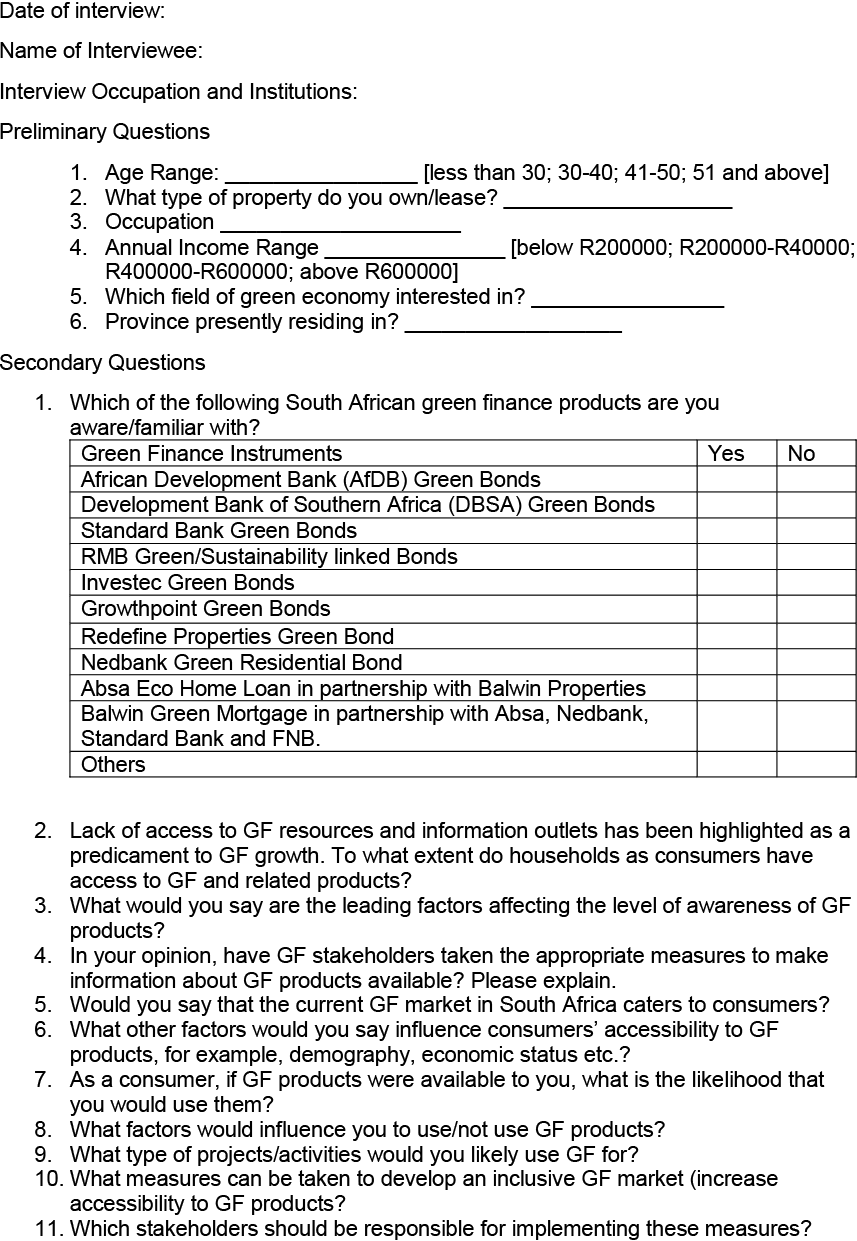
This study used the interpretivist paradigm, which assumes a relativist ontology, objectivist epistemology and a naturalist methodology. The interpretivist paradigm is subjective in nature, recognising that people cannot be studied objectively, as they develop and attach different meanings to experiences (Alharahsheh & Pius, 2020). This paradigm was best suited for this study, as it allows exploration into individuals’ experiences and perceptions of reality. An exploratory study was best suited for this research as a preliminary investigation of consumer GF awareness and use in South Africa. An inductive research approach was assumed for this study, where theories were developed from the collected data. An inductive approach does not require the researcher to begin their research with a theoretical framework of existing theories. Instead, it allows the researcher to identify relationships between the data and develop theories (Saunders et al., 2007). A qualitative research design framed the researcher’s approach to answering the research questions. A qualitative research design allows the researcher to gain a deeper understanding of the subject matter under study using open-ended questions and the opportunity for clarification (Oranga & Matere, 2023). This design claims that meaning is derived from how participants make sense of their reality, providing a subjective understanding of their experiences. According to Alsaawi (2014), a semi-structured interview combines efficiency and flexibility by allowing the researcher to prepare questions before the interview and allowing the interviewee to expound on their answers through open-ended questions while also maintaining adherence to the interview guide. One-on-one interviews ensure the protection of individuals’ privacy, which results in honest, uninterrupted and independent views from participants. To gain an understanding of individuals’ experiences with and perceptions about GF, semi-structured interviews were used to collect data. To guide the interviews and maintain uniformity, an interview guide (Appendix 1) was used for all interviews.
The population of the study included individuals working in different sectors of GF. However, to increase the informativeness and depth of this study, the population was limited to individuals knowledgeable about and working in GF, sustainability and ESG. Two sampling techniques were used: purposive and snowball sampling. Purposive sampling was used as an initial sampling technique, as this study required individuals who met the specific criteria of knowledgeability. Snowball sampling was used as a subsequent technique, as it allows access to a particular niche of employees with specific knowledge and experience. According to Sandelowski (1995), a sample size of 10 is suitable when sampling from a homogeneous population. The author added that for in-depth interviews, there have been cases where saturation started to be evident at the 6th interview and definitely evident at the 12th interview (Boddy, 2016). To reach and ensure saturation, and following previous studies on GF adoption, 13 participants were interviewed. Saturation was achieved during the analysis stage, and no new themes emerged from further analysis of data.
The data were analysed using ATLAS.ti, a qualitative data analysis software. To ensure accuracy, measures were taken to carefully transcribe the recorded interviews. Thematic analysis is a qualitative data analysis technique to develop themes and identify patterns from data collected (Maguire & Delahunt, 2017). The data were thematically analysed to develop emerging themes according to the objectives of this study. The themes were inductively developed from the transcript data. Braun and Clarke’s (2006) six-step approach (Figure 1) was followed, which includes the following steps: familiarisation with data, generating initial codes, searching for themes, refining themes, naming and defining themes, and writing the report.
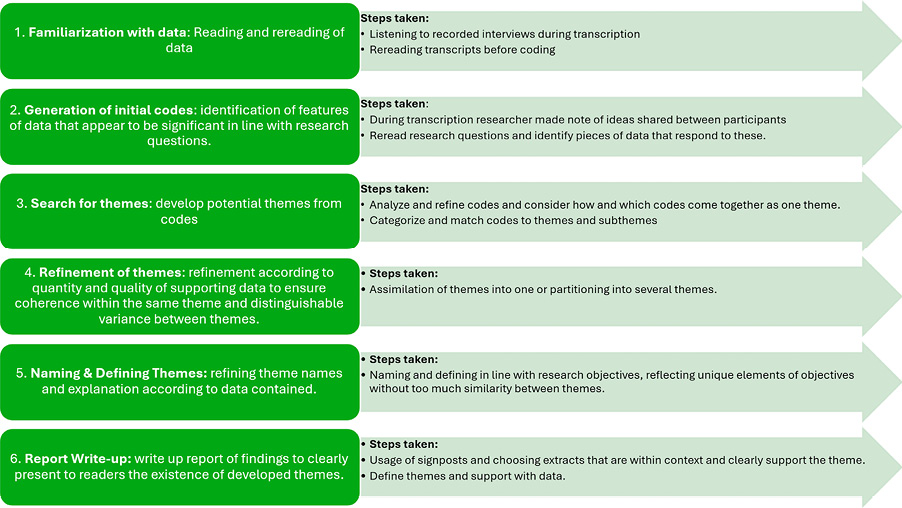
Figure 1. Braun and Clarke’s six-step approach.
Trustworthiness is an important element of qualitative research, as it increases the reliability and validity of this type of research. According to Rose and Johnson (2020), trustworthiness pertains to the conception of the quality of the general research process. Trustworthiness measures were considered when conducting, analysing and reporting this research. The following aspects of trustworthiness were considered during the research process: reliability, credibility, confirmability, dependability and transferability.
To ensure reliability, the methods were compared against those used in previous studies, and the process of selecting participants and data analysis was clearly described. Other reliability measures undertaken include the review of research questions and interviews conducted by the research supervisor. To ensure credibility, the findings, themes and codes developed were compared against those in previous literature. To ensure confirmability, the themes developed and accompanying data evidence were reviewed by the research supervisors. To ensure dependability, the research procedure and challenges encountered were comprehensively described so that this study could be reproduced. To ensure transferability, the criteria for the selection of research participants were clearly described to allow other researchers to determine whether contextual adjustments must be made to the population of the study.
According to Laryeafio and Ogbewe (2023), ethical considerations are important in qualitative research that interviews humans, as it protects participants, which allows them to provide honest opinions. Formal ethical clearance was granted by the academic institutions’ ethics committee. Ethical considerations were followed during the recruitment of participants and the collection of personal information and other data, and the terms of participation were explained. Furthermore, considerations made were in line with the Protection of Personal Information Act. Lastly, the limitations of this study were discussed to enrich and improve future research. These limitations were related to the study population, sampling techniques, participant recruitment and the broad scope of GF and sustainable finance.
Findings
Participants’ profile
The profile of the participants can be summarised as follows: six of the participants were male, and seven were female. The majority (seven) of the participants were below 30 years of age, and the rest included three participants aged 31–40 and three aged 41–50. The profile of the participants is given in Table 2.
REIT, real estate investment trust.
Awareness of green finance products
The participants were asked which GF products in the South African market were available to consumers. The results indicated that they were aware of up to 10 products, as given in Table 3. The Standard Bank Green Bond and the RMB bond had the highest level of awareness, as identified by 11 participants each. The Nedbank green residential bond and Absa eco-home loan had the same level of awareness, ranking second amongst all products. Eight participants indicated that they were aware of these products. The participants in this study demonstrated overall good levels of awareness of South African GF products.
GF, green finance.
Employees’ areas of use of green finance products
The participants were asked to indicate which of the surveyed GF products they used themselves as end-users. Only nine of the 13 participants indicated their actual use. Of the nine participants, only two had made actual use of three of the GF products in their capacity, namely, the Balwin Properties green mortgage, Absa eco-home loan, and Nedbank green residential bond. All the GF products with actual use were GF products used to finance green buildings for individuals. Additionally, all these products were bank lending products, as opposed to GF corporate finance products. Overall, the actual use of GF products by participants was very low.
The participants were also asked to indicate areas of intended use of GF products, and the results are given in Table 4.
Perceptions of consumers’ usage of green finance products
The themes developed from the qualitative data are given in Table 5. Factors that influence GF product usage and perceptions of use were developed during the thematic analysis process. Quotes are provided to support the developed themes, as well as the meaning deduced from the participants’ opinions.
GF, green finance.
Discussion
Awareness of South African green finance products
The overall analysis of awareness of South African GF products indicates that there was a good level of awareness. Analysis of the 10 surveyed products showed that there was a higher level of awareness. In this study, employees demonstrated that they were aware of certain products but thought awareness meant knowledge about the intricacies of each product and its design. Bethlendi et al. (2022) found that consumers tended to underestimate their green and financial knowledge. Many employees, although not all, did not have much confidence in their knowledge about GF products because they did not have in-depth knowledge about the design and function of each product. This lack of confidence could be attributable to their occupation, being that 9 of the 13 participants were employed in positions that do not require them to engage deeply in the design of the products, but rather, they engage on a personal use level or with consumers about the investment benefits of these products. Disproportionate levels of knowledge amongst employees working in different sectors have also been identified in the study by Joshi and Jain (2025). Mid-tier staff who primarily engage with consumers had the lowest scores in terms of awareness, policy knowledge and confidence in implementation. The present study could have benefited from linking experience with awareness and confidence in knowledge.
This study found that there was a noticeable rise in the issuance of green bonds by real estate investment trusts (REITs) in South Africa; three of the surveyed products were issued by REITs. In addition to green bonds issued by REITs, there were also two products specifically for residential financing. This finding is in line with the emerging market green bond report by International Finance Corporation and Amundi Asset Management (2024), which found that in the 2023 fiscal year, 29.4% of total green bond proceeds were designated to buildings. This percentage is a sharp increase from 9% observed in the 2022 fiscal year. This uptake by the building sector could be a result of this sector’s significant carbon emissions and an increased call for sustainable investments in this sector. This finding shows that there are efforts from this carbon-intensive sector to lessen carbon emissions.
Particularly, the Nedbank green residential bond and the Absa eco-home loan had the second-highest level of awareness. Both these products are used to finance residential buildings. The Nedbank bond is used to finance residential buildings certified as green, while the Absa eco-home loan is used to finance environmentally friendly homes. As the second-highest product that participants were aware of, this shows that there is an interest in GF products specifically for residential financing. Previously, it was highlighted that the high demand for non-residential green buildings has led to a shortage in supply, suggesting that the issue with residential green buildings must be on the demand side. This study’s findings suggest a demand for these products. Furthermore, this study suggests that if all future developments of green residential buildings can be coupled with GF products, the uptake of these products can improve. The development of green buildings is a tangible change in land use that is bound to be noticed by citizens. This noticeable change in land use is often coupled with market interest and research by individuals; if GF products are already in place for consumers to use, it can increase the adoption of these products.
Other GF products for buildings include the Growthpoint green bond, Balwin Properties green mortgage and Redefine Properties green bond. Of these products, two, namely, the Growthpoint green bond and the Redefine Properties green bond, were ideal for institutional use and project use. Only the Balwin Properties green mortgage could be used in a personal capacity. These products had substandard to low levels of awareness. This indicates that more effort is required from REITs to increase awareness of their issued products. To increase the adoption of GF products, this study suggests that all GF products should build individual capacity that will allow individuals to apply and be eligible for funding of green projects at a personal level. For REITs, this could be limited to the funding of green residential systems such as sanitation, lighting and heating, and cooking to suit their purpose. This can open up the market for GF products to less formal green projects at the individual level, which can include rural and peri-urban areas that currently do not have green residential developments.
Areas of use of green finance products
Actual use
This study found that actual use differed greatly from employees’ level of awareness. The participants in this study were aware of the GF products, but many had not made any use of them. This could be due to the previously highlighted discussion that 7 of the 10 surveyed products were green investment products and not retail products. The lack of actual use limits the informativeness of factors influencing use but sheds light on perceptions of use. Green investment products are better designed to meet the needs of institutions and are not really ideal for individual use. However, employees could invest in these products if they cannot personally use them, and this finding proves that even the actual investment in these products is poor.
In terms of actual use, only the Nedbank green residential bond, Absa eco-home loan and Balwin Properties green mortgage had been used by the participants. All these products are designed for use by individuals for the financing of green residential buildings. Additionally, all these products had been used to finance the tangible basic need for shelter. This shows that employees are actively looking for products to finance their demand for green residential homes. This uptake by employees shows the market’s increased interest in green residential buildings, accompanied by financial products for these buildings. This study’s finding highlights a possible market partnership between green residential developers and banking institutions that will provide financial support for the purchase of these units. In this partnership, developers and financiers need to highlight the benefits of green residential buildings and GF products, respectively. Such efforts would not only increase awareness but, hopefully, through increased awareness, also improve actual use.
Intended use
The top intended use indicated by participants was a solar- and/or energy-efficient home system, with 8 of the 13 participants indicating this use. This could be a result of the past and ongoing electricity crisis in South Africa in the form of load-shedding. Although the electricity crisis in the country has improved, the situation has made citizens realise the need for alternative power sources. This intended use shows that there is still a need for more of these systems despite the wide availability of companies that offer them. This finding also raises the question of whether there are still barriers to the widespread usage and installation of these systems. Is it probable that there are still a high number of citizens who wish to install these systems because presently these systems are not accessible and affordable to all individuals?
Other areas of intended use include eco-friendly construction, sustainable transportation, environmentally friendly waste management, a fully sustainable house, water efficiency and the personal use of savings from GF products. Interestingly, all these intended uses can be integrated into a sustainable residential development, showing a need for an integrated green cycle for individuals to participate in different ways. Sustainable transportation can be implemented within residential developments by implementing and encouraging walkable and cyclable paths. Within residential developments, individuals can earn savings by participating in and encouraging green lifestyles, such as energy and water use reduction and carbon emission reductions through less use of cars. The recognition of eco-friendly construction materials, sustainable houses and water efficiency shows that employees are aware of the benefits and impact of these technologies. Overall, these findings show that employees are interested in green living and incorporating it into their everyday lives.
Perceptions of consumer use of green finance products
This section discusses the factors that influence employees’ use and perceptions of use of GF products. This study found that factors that influence the use of GF can be distinguished in terms of the GF issuer, GF structure and the profile of retail consumers.
Green finance issuer influencing factors
When making decisions on GF products and investments, consumers consider the attributes of the GF issuer such as knowledge, transparency, sustainability image and commitments, and assurance through certification. As highlighted by the UTAUT, it can be observed that individuals consider the social influence that an issuer exerts in the industry, as well as perceived risk and trust, which are quantifiable through certification. The issuer’s sustainability image and commitments are facilitating conditions; they are not the foremost consideration of individuals, but they influence behaviour to some extent. When considering an issuer’s GF product, consumers consider non-financial factors. This study builds on specific non-financial GF issuer characteristics considered by consumers, as previously suggested by behavioural finance theories. Therefore, in making GF more appealing, issuers need to consider how they are portrayed to consumers and work on improving their sustainability image and marketability. As mentioned by the resource theory, not all institutions are equally developed, which means that some institutions that have not built up the capacity to be reliable and certified issuers may be disqualified at first glance by consumers. However, while these institutions build their capacity, they can ensure that they improve their knowledge by educating all levels of staff about GF products. Developing GF issuers can also work on their transparency through disclosure. When disclosing information, institutions should not only highlight positive information to mislead consumers, as this can negatively impact the institution in the long run. For developing GF issuers, the focus should be on building and maintaining a positive sustainability outlook. For developed institutions that have built their capacity as reliable, notable and/or certified GF issuers, the focus should be on capitalising on their image and marketability, as well as increasing their offering of GF products by tapping further into this market for individuals.
There is a need to improve the knowledge about GF in issuing institutions. The participants stated that employees at all levels of management and operations must be well-informed of GF products available on offer and the concept of GF in general. Participants stated that it can be demotivating to engage with employees of GF issuing institutions who do not have any idea of what sustainability is and their institution’s commitment to sustainability. The same was found by Wasan et al. (2024), who identified that financiers’ lack of expertise about green projects and greenwashing are knowledge barriers to GF adoption. Therefore, the upskilling and education of employees regarding GF are important considerations that, if incorporated well in institutions, can positively influence consumers’ use of GF products.
It is necessary to improve the transparency of issuing institutions. Participants maintained that disclosure by GF issuers informing consumers about where the proceeds of GF are going is an important influencing factor when deciding whether to use GF products. Previously, Wasan et al. (2024) found that the lack of a policy that regulates the reporting of green projects is a barrier to the adoption of GF. Disclosure of GF proceeds by issuers provides a basis from which consumers can verify for themselves the impact of a GF product, which then allows the consumer to decide whether to use the product for themselves. This influences consumers’ usage intention, as it creates doubt about the true beneficiaries of such products and the nature of projects and activities supported through the proceeds of GF products.
This study found that verification of GF products by a second party before issuance, as an assurance measure, is an important factor considered by consumers when deciding on the use of GF products. Greenwashing has brought about trust issues concerning projects and activities being labelled as green. Greenwashing was identified by Wasan et al. (2024) as a knowledge barrier to the adoption of GF. GF is more technical than conventional finance, and the risks associated with it are higher than those for traditional financial products. Therefore, more precautionary measures need to be exercised when labelling products as being environmentally friendly to ensure that consumers invest in products that align with their sustainability goals and that funds are not disbursed to projects that go against one of the main aims of GF, environmental protection. Such measures can be ensured by verifying that GF products meet all the requirements of GF before issuance.
The sustainability image attached to the issuing institution influences consumers’ decisions on using GF products. Issuing institutions need to demonstrate to consumers that sustainability is not just a mandated requirement, but a commitment for them because they understand the dire need for sustainable practices. Adopting or developing a sustainability framework is one way that institutions can demonstrate their long-term commitment to sustainability, and the framework should involve all levels of the institution.
Green finance structure influencing factors
When deciding whether to use a GF product based on its structure, consumers consider both the financial and non-financial aspects of the products, which are usually benchmarked against traditional finance products. Aspects considered by consumers include how complex it is to engage with the product, financial terms, benefits and affordability, risk and communication of the product. These findings build on the UTAUT, behavioural finance and expectancy theories by highlighting the distinct ideals that inform perceived performance, effort, and risk and by facilitating conditions regarding consumers’ behaviour towards sustainable finance. Therefore, when designing GF products for offer, it must be considered how much effort is required from consumers to fully engage with and understand the product offered. If a product is designed to meet the needs of all consumers, it must be considered whether all consumers would be able to easily understand and use the product. From the findings, consumers perceive GF products as underperforming and risky. Therefore, when marketing these products, it must be considered how these existing perceptions are addressed to calm consumers and reassure them that these products are worthwhile.
There is a need for GF products that are not costly to purchase so that consumers can have access to them using their disposable income. Participants stated that when deciding on a GF product, they consider how costly it is to use the product. This is similar to Khan et al. (2022), who found that the high costs associated with GF are a barrier to the adoption of GF. The perception is that GF products require a high capital investment to enjoy the benefits provided by these products. An underlying assumption is that green products, such as inverters, green homes and green construction materials, are expensive; therefore, their GF products must be expensive too. However, the costliness of GF can also be associated with the interest rate and maturity term of GF products, which participants believe are amongst the make-or-break aspects of GF. Participants stated that taking the GF route needs to make financial sense, incentivised through a lower interest rate or higher investment return compared with traditional products. However, caution should be taken when incentivising GF products, ensuring that not all focus is placed on financial performance at the neglect of environmental protection because then it would be no different from non-GF products.
It is necessary to simplify information about GF products and widely publicise this information. Participants mentioned that the information and documentation of GF products are riddled with complexities such as jargon and monolingualism, which influence the use of GF products. Similarly, previous studies have mentioned that GF is an intricate concept compared with traditional finance, and higher levels of expertise are required to understand its mechanism and terms, which is a barrier to adoption (Kharb et al., 2024). As previously mentioned, South Africa has a financial literacy issue, which is amplified when dealing with GF. The skill and expertise required to make sense of GF products influence individuals’ decisions whether to use these products. As highlighted by the resource theory, the sustainable finance progress of countries differs according to the availability of human-made resources. Therefore, the sustainable efforts made in each country must match the human-made resources of that country. It is suggested that, through financial literacy initiatives, GF education should also be integrated. In addition, another aspect that needs to be considered is the language in which information is communicated and disseminated. Early consideration of factors such as language ensures that later stages are dedicated to advancing GF instead of playing catch-up by translating and educating individuals on all the prior steps and achievements that have been made.
Personal alignment influencing factors
The use of GF products is driven by personal motivations such as sustainability beliefs, care for achieving sustainability goals and support for social issues. These findings align with BRT and resource theory, describing the specific reasons, beliefs, motives and profiles of consumers. Consumers generally hold positive beliefs about the future value of green assets, believing that they will appreciate, which influences individual behaviour. Future GF marketing can capitalise on this by highlighting the long-term benefit of green assets. Particularly, in construction, developers can emphasise the resilience of green homes against climate change risks. The use of GF products is influenced by the motivation to see sustainability goals being achieved, highlighting that employees are aware of the broader sustainability goal underlying these products. This indicates that these GF employees are sustainability-conscious, which is one of the factors that result in some countries having advanced sustainable finance developments compared with others. Therefore, GF products should make the consumer feel that they are crucial in achieving the realisation of SDGs through a GF product. Lastly, consumers need additional reasons, such as the social impact of the GF product, to justify using the product. Participants specifically mentioned that they want GF products to address gender and employment equity as social issues.
The resource theory previously underscored that the progress of GF is influenced by a sustainability-conscious population in the country. The employees participating in this study demonstrated that they were conscious of sustainability and made sustainability-conscious decisions. However, the same cannot be said for the entire population of consumers in South Africa, and the extent of consciousness has not been quantified previously. The degree to which the country is deliberately making sustainable decisions is a significant consideration in the use of GF products because, as much as GF issuers and GF are restructured, if the consumers in the country are not intentionally shifting to environmentally friendlier products, then the progress of GF will not improve much.
The perceived impact of GF products is an important consideration for consumers, and issuers of GF need to assure consumers that their use of these products will result in a quantifiable positive impact. Presently, consumers evaluate the probable impact of a GF product by checking if it aligns with the issuer’s sustainability goals and recognising the importance of decarbonisation and internationally recognised sustainable practices.
Conclusion
The findings of this study are in line with those of previous studies and provide new insights into factors that influence employees and, by extension, consumers, an under-researched area of GF.
This study investigated awareness and use of South African GF products and perceived factors influencing use by consumers. GF is a vehicle for achieving sustainable goals by specifically diverting financial support towards environmentally friendly projects. The development of GF is at different stages owing to the availability of resources in different countries, with stark differences being observed between developing and developed countries. The potential of GF to achieve sustainable commitments has also been praised in the financial industry; however, it is not without challenges. The most prominent challenge highlighted in the literature is the lack of knowledge about GF. Two GF investment products had the highest level of awareness, namely, the Standard Bank green bond and the RMB green bond. The participants were also aware of GF bank lending products, namely, the Nedbank green residential bond and Absa eco-home loan.
In terms of use, there were disproportionate levels of use compared with awareness. Although employees were aware of GF products, not many had made actual use of these products. An investigation of intended use revealed that energy-efficient homes were the highest-cited intended use by employees. Others were eco-friendly construction, sustainable transportation, waste management, fully sustainable homes, water efficiency and personal use of green savings. These intended uses indicate sustainable living solutions that can be integrated into residential developments. Regarding the perceived factors influencing use by consumers, it was reported that the GF issuer is a significant influencing factor, as well as the structure of GF and individuals’ alignment with GF and sustainability goals. When considering whether to use GF products, consumers are likely to consider the GF issuer’s corporate image, knowledge, reputation, sustainability goals and commitment, assurance and disclosure, GF structure in terms of comparability with traditional products, affordability, complexities in terms of requirements, language and technicalities. Lastly, usage of GF products is influenced by the type of consumer in terms of sustainability beliefs, how they align with the issuer’s sustainability goals and beliefs about the future of green products and assets.
Limitations and future studies
Although this study wished to gain insights into consumer awareness and use of GF products, the challenge of financial literacy amongst the South African population meant that this group of participants could not provide in-depth knowledge about their awareness and usage experience. This gap in understanding necessitated that awareness and use be examined from the perspective of employees who interact with consumers. This study was limited by access to direct end-users and had to use expert opinions of employees who work directly with them and who are end-users themselves to represent the target. The study also sought individuals who are highly knowledgeable about GF products, resulting in homogeneous sampling that limits the generalisability of the findings. The participants were from different sectors, not just GF, which may impact the study’s transferability when strictly examining barriers and solutions for specific applications, as GF is a component of sustainable finance, and the issues specific to GF are not necessarily the same for sustainable finance.
Future studies could investigate the awareness and actual use of GF products after efforts to educate consumers about these products and how they work. The findings of this study can be used to evaluate the hierarchy of barriers for consumers and which ones pose the biggest challenge to the adoption and advancement of GF. Interviews have been widely used in previous studies that investigated GF adoption; therefore, future studies can make use of other research methodologies to collect data.
Recommendations
This study made practical contributions towards achieving sustainability goals by highlighting the contribution of the financial sector to meet SDGs. Despite the contribution of this sector, the findings of this study show that further work is required to increase awareness, which can be undertaken at the national, community and institutional levels. Nationally, GF issuers need to publicise GF more through social media, advertisements and physical locations.
This study recommends the promulgation of public awareness campaigns to increase awareness of GF and climate change. These campaigns can be at the national level, led by the government; at the institutional level, supported by management; and at the community level, led by non-profit organisations. After proper consultations with consumer groups and investors, structural changes to GF products can be made to appeal to their specific needs. Such changes could be through financial terms that are better than those on traditional financial products.
Policy and practice
For GF products to appeal to retail consumers, they need to offer competitive financial terms that do not result in a loss compared with traditional products. The core of GF is environmental protection, not superior financial performance, and consumers or investors should be encouraged by appealing to a care for sustainability. In green residential developments, it is essential to be cognisant of the impact of building and construction decisions on the environment. This can be achieved by tracking and reporting energy and water savings compared with a traditional building. For further impact, incentives, vouchers, gifts, rent savings or utility discounts can be offered. The idea that just renting or leasing a green residential unit is enough should be dismantled by encouraging individuals to maximise their environmental impact.
Policy changes are also required to encourage more GF products and improve GF literacy. However, these policy changes have to be implemented after proper consultation with consumers to verify the findings of this study and their applicability to consumers. At the national level, regulators can ease requirements for institutions actively advancing GF. New certifications can be introduced for institutions other than property developers, for honest and accurate sustainability disclosures and for the publication of clear GF information. Certifications provide a marketing advantage by enhancing the sustainability image. Importantly, certifications can be for new and developing institutions to establish themselves as reliable GF issuers. Policy changes are required to mandate and regulate how institutions educate and publish GF information. These policy and regulatory changes can be implemented by the government or a regulatory body such as the Johannesburg Stock Exchange to ensure that it is accessible to consumers.
References
Absa. (n.d.). Eco home loan discounts and more. https://www.absa.co.za/personal/loans/for-a-home/eco-home-loan/ (Accessed: 20 August 2024).
Akomea-Frimpong, I., Adeabah, D., Ofosu, D., & Tenakwah, E. J. (2022). A review of studies on green finance of banks, research gaps and future directions. Journal of Sustainable Finance & Investment, 12(4), 1241–1264. https://doi.org/10.1080/20430795.2020.1870202
Alharahsheh, H. H., & Pius, A. (2020). A review of key paradigms: Positivism vs interpretivism. Global Academic Journal of Humanities and Social Science, 2(3), 39–43.
Alsaawi, A. (2014). A critical review of qualitative interviews. European Journal of Business and Social Sciences, 3(4), 149–156.
Amaya, N., López-Santamaría, M., Acosta, Y. A. C., & Hinestroza, M. P. G. (2021). A step-by-step method to classify corporate sustainability practices based on the Signalling Theory. MethodsX, 8. https://doi.org/10.1016/j.mex.2021.101538
Asare, M. (2015). Using the theory of planned behaviour to determine the condom use behaviour among college students. American Journal of Health Studies, 30(1), 43–50. https://doi.org/10.47779/ajhs.2015.168
Balwin Properties. (2022). Balwin green press release: Building better green future. https://news.balwin.co.za/news-events/balwin-green-press-release-building-better-green-futures
Beck, N. (2024, June 9). Evolving sustainable finance. https://www.rmb.co.za/news/evolving-sustainable-finance (Accessed: 20 June 2025).
Bethlendi, A., Nagy, L., & Póra, A. (2022). Green finance: The neglected consumer demand. Journal of Sustainable Finance & Investment, 1–19. https://doi.org/10.1080/20430795.2022.2090311
Bhattacharyya, R. (2021). Green finance for energy transition, climate action and sustainable development: Overview of concepts, applications, implementation and challenges. Green Finance, 4(1), 1–35. https://doi.org/10.3934/GF.2022001
Boddy, C. R. (2016). Sample size for qualitative research. Qualitative Market Research, 19(4), 426–432. https://doi.org/10.1108/QMR-06-2016-0053
Braun, V., & Clarke, V. (2006). Using thematic analysis in psychology. Qualitative Research in Psychology, 3(2), 77–101. https://doi.org/10.1191/1478088706qp063oa
Cheteni, P., Matsongoni, H., & Umejesi, I. (2025). South Africa’s green bond market: Financing sustainable development. Cogent Economics & Finance, 13(1). https://doi.org/10.1080/23322039.2024.2440446
Debrah, C., Chan, A. P. C., & Darko, A. (2022). Green finance gap in green buildings: A scoping review and future research needs. Building and Environment, 207. https://doi.org/10.1016/j.buildenv.2021.108443
Gu, X., Firdousi, S. F., Obrenovic, B., Afzal, A., Amir, B., & Wu, T. (2023). The influence of green finance availability to retailers on purchase intention: A consumer perspective with the moderating role of consciousness. Environmental Science and Pollution Research, 30, 71209–71225. https://doi.org/10.1007/s11356-023-27355-w
Gujadhur, P., & Ansaram, K. (2021). Nexus between providers and users of green finance: Case study of commercial banks in Mauritius. Handbook of Climate Change Management: Research, Leadership, Transformation, 3, 2503–2529. https://doi.org/10.1007/978-3-030-57281-5_234
Hu, D., & Gan, C. (2025). Green finance development and its origin, motives, and barriers: an exploratory study. Environ Dev Sustain. https://doi.org/10.1007/s10668-024-05570-w
International Finance Corporation, & Amundi Asset Management. (2024). Emerging market green bonds (6th ed.). https://www.ifc.org/en/insights-reports/2024/emerging-market-green-bonds-2023
International Organization of Securities Commissions (2022). Retail investor education in the context of sustainable finance markets and products: Final report. https://www.iosco.org/library/pubdocs/pdf/IOSCOPD711.pdf
Jeudy-Hugo, S., Lo Re, L., & Falduto, C. (2021), Understanding countries’ net-zero emissions targets. OECD/IEA Climate Change Expert Group Papers, No. 2021/03. OECD Publishing. https://doi.org/10.1787/8d25a20c-en
Joshi, A., & Jain, V. (2025). Assessing the awareness and understanding of green finance incentives among bank employees. International Journal of Environmental Sciences, 11(5s), 2025.
Khan, I. K., Mata, M. N., Martins, J. M., Nasir, A., Dantas, R. M., Correia, A. B., & Saghir, M. U. (2022). Impediments of green finance adoption system: Linking economy and environment. Emerging Science Journal, 6(2), 217–237. https://doi.org/10.28991/ESJ-2022-06-02-02
Kharb, R., Shri, C., Singh, P., Bhatia, S., & Saini, N. (2024). Modelling the barriers of green financing in achieving environmental sustainability: An analysis using TISM. Environment, Development and Sustainability. https://doi.org/10.1007/s10668-024-05266-1
Kloppers, H. (2024). Exploring financial literacy-related consumer protection in the general code of conduct for authorised financial services providers and their representatives, 2003. SA Mercantile Law Journal, 36(2), 163–186. https://doi.org/10.47348/SAMLJ/v36/i2a2
Kwanhi, T., & Mago, S. (2024). Green finance and agricultural sustainable development in a South African context. Africa Growth Agenda, 21(1), 14–17.
Laryeafio, M. N., & Ogbewe, O. C. (2023). Ethical consideration dilemma: Systematic review of ethics in qualitative data collection through interviews. Journal of Ethics in Entrepreneurship and Technology, 3(2), 94–110. https://doi.org/10.1108/JEET-09-2022-0014
Liang, Y. (2025). Green project finance for infrastructure and building construction: Instruments and benchmarks. Journal of Infrastructure Systems, 31(1), 06025001. https://doi.org/10.1061/JITSE4.ISENG-2573
Li, G., Zhang, X. & Zhang, G. (2022). To use or not to use: It is a question- an empirical study on the adoption of mobile finance. Sustainability, 14(17), 1–23. https://doi.org/10.3390/su141710516
Li, S., Zheng, X., & Zeng, Q. (2023). Can green finance drive the development of the green building industry?—Based on the evolutionary game theory. Sustainability, 15(17), 13134. https://doi.org/10.3390/su151713134
Maguire, M., & Delahunt, B. (2017). Doing a thematic analysis: A practical, step-by-step guide for learning and teaching scholars. All Ireland Journal of Teaching and Learning in Higher Education, 8(3), 3351–33514. https://doi.org/10.62707/aishej.v9i3.335
Martin, V. (2022). GF: Regulation and instruments. Journal of Central Banking Theory and Practice, 2, 185–209. https://doi.org/10.2478/jcbtp-2023-0019
Massazza, M. (2021). A behavioural perspective on sustainable finance: Exploratory research on the drivers of sustainable investing (Master’s dissertation). Copenhagen Business School. https://research-api.cbs.dk/ws/portalfiles/portal/71301389/1328012_CMIBO1000E_Massazza_S139798_Thesis.pdf
Mudalige, H. M. N. K. (2023). Emerging new themes in green finance: A systematic literature review. Future Business Journal, 9(1), 1–20. https://doi.org/10.1186/s43093-023-00287-0
Ntambirweki, B., Amumpiire, A., Okira, J., Ong, S., Kaggwa, R., & Werikhe, A. (2022). Enhancing green finance access for green growth. Policy Landscape Paper Uganda.
Oranga, J., & Matere, A. (2023). Qualitative research: Essence, types and advantages. Open Access Library Journal, 10(12), 1–9. https://doi.org/10.4236/oalib.1111001
Ozili, P. K. (2023). Theories of sustainable finance. Managing Global Transitions, 21(1), 5–22. https://doi.org/10.26493/1854-6935.21.5-22
Peng, H., & Mi, J. (2018). A research about consumer’s usage intention to green finance products: Taking Alipay’s Ant Forest as the example. Wuhan International Conference on e-Business. https://aisel.aisnet.org/cgi/viewcontent.cgi?article=1056&context=whiceb2018
Ping Ho, S., Chia Wen, S., Hsu, W. C. & Bambo, I. M. A. (2024). Raising the demand for residential green buildings: A general consumer behaviour model, the evidence, and the strategies. Building and Environment, 252. https://doi.org/10.1016/j.buildenv.2024.111267
Rose, J., & Johnson, C. W. (2020). Contextualizing reliability and validity in qualitative research: Towards more rigorous and trustworthy qualitative social science in leisure research. Journal of Leisure Research, 51(4), 432–451. https://doi.org/10.1080/00222216.2020.1722042
Sachs, J. D., Woo, W. T., Yoshino, N., & Taghizadeh-Hesary, F. (2019). Why is green finance important? (ADBI Working Paper 917). Asian Development Bank Institute. https://doi.org/10.2139/ssrn.3327149
Sandelowski, M. (1995). Sample size in qualitative research. Research in Nursing and Health, 18(2), 179–183. https://doi.org/10.1002/nur.4770180211
Saunders, M., Lewis, P., & Thornhill, A. (2007). Research methods for business students (4th ed.). Pearson Education Limited.
Schneider, B., Parkington, J. J., & Buxton, V. M. (1980). Employee and customer perceptions of service in banks. Administrative Science Quarterly, 25, 252–267. https://doi.org/10.2307/2392454
Schneider, B., & Bowen, D. E. (1985, reprint). Employee and customer perceptions of service in banks: Replication and extension. Journal of Applied Psychology, 70(3), 423–433. https://doi.org/10.1037/0021-9010.70.3.423
Siemionek-Ruskań, M., Lepczyński, B., & Fanea-Ivanovici, M. (2022). A comparative analysis of green finance awareness in Poland and Romania. Journal of Environmental Management and Tourism, 13(7), 1825–1834. https://doi.org/10.14505/jemt.v13.7(63).02
United Nations (UN). (2015). Transforming our world: The 2030 Agenda for Sustainable Development. https://sdgs.un.org/publications/transforming-our-world-2030-agenda-sustainable-development-17981
Van Niekerk, A. J. (2024). Economic inclusion: Green finance and the SDGs. Sustainability, 16, 1128. https://doi.org/10.3390/su16031128
Volz, U., Knaack, P., Nyman, J., Ramos, L., & Moling, J. (2020). Inclusive green finance: From concept to practice. Alliance for Financial Inclusion and SOAS, University of London.
Wasan, P., Kumar, A., & Luthra, S. (2024). Green finance barriers and solution strategies for emerging economies: The case of India. IEEE Transactions on Engineering Management, 71, 414–425. https://doi.org/10.1109/TEM.2021.3123185
Westaby, J. D. (2005). Behavioural reasoning theory: Identifying new linkages underlying intentions and behaviour. Organizational Behaviour and Human Decision Processes, 98, 97–120. https://doi.org/10.1016/j.obhdp.2005.07.003
Xie, X., Gong, C., Su, Z., Nie, Y., & Kim, W. (2024). Consumers’ behavioural willingness to use green financial products: An empirical study within a theoretical framework. Behavioural Sciences, 14(8), 634. https://doi.org/10.3390/bs14080634
Yucel, O., Celik, G., & Yilmaz, Z. (2023). Sustainable investment attitudes based on sustainable finance literacy and perceived environmental impact. Sustainability, 15(22). https://doi.org/10.3390/su152216026
Zakari, A., & Khan, I. (2022). The introduction of green finance: A curse or benefit to environmental sustainability. Energy Research Letters, 3, 1–5. https://doi.org/10.46557/001c.29977
Zhan, Y., Wang, Y., & Zhong, Y. (2023). Effects of green finance and financial innovation on environmental quality: New empirical evidence from China. Economic Research-Ekonomska Istraživanja, 36(3). https://doi.org/10.1080/1331677X.2022.2164034
Appendix
Appendix 1: Interview guide