Construction Economics and Building
Vol. 26, No. 2
2026
ARTICLES (PEER REVIEWED)
Prioritizing Actions to Mitigate Causes of Material Waste in Construction Using Quality Function Deployment
Nhat Minh Huynh1,2, Phuong Trinh Bui1,2, Long Le-Hoai1,2,*, My Ngoc Tang1,2
1 Faculty of Civil Engineering, Ho Chi Minh City University of Technology (HCMUT), 268 Ly Thuong Kiet Street, Dien Hong Ward, Ho Chi Minh City, Vietnam
2 Vietnam National University Ho Chi Minh City, Ho Chi Minh City, Vietnam
Corresponding author: Long Le-Hoai, Lehoailong@Hcmut.Edu.Vn
DOI: https://doi.org/10.5130/y01p5b38
Article History: Received 03/03/2025; Revised 04/12/2025; Accepted 09/12/2025; Published 26/05/2026
Citation: Huynh, N. M., Bui, P. T., Le-Hoai, L., Tang, M. N. 2026. Prioritizing Actions to Mitigate Causes of Material Waste in Construction Using Quality Function Deployment. Construction Economics and Building, 26:2, 1–27. https://doi.org/10.5130/y01p5b38
Abstract
Material waste in construction projects remains a significant issue, leading to increased costs, environmental impacts, and inefficiencies. This study addressed this challenge by developing a structured decision-support approach to prioritize actions to mitigate material waste aligned with the unique conditions of each construction site. Causes and mitigation actions were initially identified through a literature review, expert interviews, and a survey analysis. Next, principal component analysis simplified the dataset’s complexity by grouping related causes and mitigation actions into distinct categories. These categories served as the structured inputs for the quality function deployment (QFD) model. Mitigation actions were then prioritized using this model, with the results validated by experts to assess the method’s appropriateness for material wastage. The study effectively introduced a process to prioritize the mitigation actions, aligning with identified causes and other actions. Additionally, a set of causes and actions was identified in this study. Major causes included fire and explosion incidents, defective materials, and material theft. Key actions were efficient project planning, accurate material management, and the implementation of comprehensive storage and handling procedures. Construction process supervision emerged as the highest priority, while reuse and recycling promotion, although ranked the lowest, remained significant. This study introduced a systematic approach to prioritize actions that address root causes and assess the impact of each action on others, providing practical, cascading solutions to site-specific challenges. In addition, by conducting the research within the context of Vietnam, this study further demonstrated the applicability of this methodological framework in developing economies with similar construction environments.
Keywords
Construction Material Waste; Quality Function Deployment; Waste Mitigation Strategies; Construction Efficiency
Introduction
The construction industry, integral to global economic growth, is paradoxically a major producer of waste, which poses severe environmental and economic challenges. Reports have alarmingly indicated that a large proportion of municipal waste stems from construction activities. For example, construction waste in the United States accounted for 40% of municipal solid waste in 2011, according to Osmani (2011). Similar trends are observed globally. In the European Union, construction activities generate 31% of all waste annually (Al-Hajj & Hamani, 2011), while in Hong Kong, construction waste represents 23% of the total solid waste (EPD, 2008). These figures not only illustrate the vast scale of the problem but also spotlight the economic repercussions, with construction waste inflating project costs substantially. Material waste increases construction project costs by 15% in the UK, 20%–30% in the Netherlands, and 11% in Hong Kong (John & Itodo, 2013).
Despite numerous interventions aimed at curbing this waste, the industry continues to struggle with inefficiencies due to persistent issues. The potential financial benefits of reducing waste are often underestimated by contractors (WRAP, 2007b; Al-Hajj & Hamani, 2011). Additionally, poor planning, inefficient procurement, mishandling of materials, and frequent design changes are primary contributors to high waste levels (Karunasena et al., 2025). Also, the lack of stringent enforcement of waste management practices and the traditional linear approach to material use exacerbate the problem (Tam & Tam, 2006). The growing urbanization and infrastructure demands further strain the capacity to manage construction waste effectively (Wang et al., 2019).
In response, researchers have explored various strategies to address construction waste, including the adoption of lean construction principles, improved material management practices, and the implementation of building information modeling (BIM) (Won et al., 2016; Alwan et al., 2017; Singh & Kumar, 2020). Studies have also emphasized the importance of recycling and reusing construction materials to reduce waste (Yuan, 2013; Ulubeyli et al., 2017; Byers et al., 2024). These strategies have been identified using various research methodologies, such as system dynamics modeling (Wang et al., 2015), mixed-methods approaches (Ajayi et al., 2017c; Ajayi & Oyedele, 2018a)_ENREF_1, statistical modeling (Kern et al., 2015), and comprehensive literature reviews combined with surveys (Yates, 2013). While many studies have identified the causes of construction waste and suggested mitigation strategies using these methodologies, none have developed a process to prioritize these actions according to the unique conditions of each construction site.
This study aimed to bridge this critical gap by introducing a systematic approach to prioritize these actions using quality function deployment (QFD) that not only considers the root causes of material waste but also assesses the expected impact of each action on other actions within the system. Unlike other commonly used multi-criteria decision making (MCDM) tools such as the Analytic Hierarchy Process (AHP), Technique for Order of Preference by Similarity to Ideal Solution (TOPSIS), and Decision-Making Trial and Evaluation Laboratory (DEMATEL), which typically focus on hierarchical weighting of criteria, distance-based ranking of alternatives, and mapping causal influences among factors, respectively, QFD simultaneously (i) links “customer requirements” (causes of waste) to “technical responses” (mitigation actions), (ii) quantifies the strength of these relationships, and (iii) incorporates the interrelationships among mitigation actions in a single House of Quality matrix. This integrated structure makes QFD particularly suitable for construction waste management, where practitioners must transparently see how specific waste causes translate into actionable responses and how these responses reinforce or conflict with one another under site-specific constraints.
To bridge this gap, the study aimed to (1) identify and rank causes and mitigation actions of construction material waste, (2) group these causes and actions using principal component analysis (PCA), (3) systematically prioritize actions for mitigating material wastage in construction sites using the QFD model, and (4) validate the QFD results to assess the appropriateness and reliability of this method when applied to construction waste management.
The insights gained from this study are expected to provide valuable guidance for industry stakeholders, enabling the implementation of effective strategies to reduce material wastage, thus contributing to the development of more sustainable and cost-effective construction practices. By grounding this research in Vietnam, the study contributes empirical data that are highly relevant to Vietnam as well as to countries with analogous socio-economic and construction industry conditions.
Literature review
Causes of material waste
Material waste in construction is a critical issue that has been extensively studied across different regions and contexts. Various researchers have identified the causes of material waste covering several key areas, reflecting a complex interplay of factors. Design-related issues are frequently highlighted as a significant contributor to material waste. Mahamid (2022) concluded that frequent design changes and design errors are among the top factors affecting material waste in building projects in Saudi Arabia. Ekanayake and Ofori (2000) identified design as one of the four main categories causing waste, alongside procurement, material handling, and operation. They emphasized that most waste originates from design flaws. This conclusion is also supported by the study of Ekanayake and Ofori (2004). Improper design leading to excessive cut-offs was specifically noted as a major waste factor (Saunders & Wynn, 2004). This perspective aligns with findings from the UAE, where poor design and late design changes were found to be major waste causes (Al-Hajj & Hamani, 2011).
Material handling and storage have been repeatedly cited as major contributors to waste. Improper handling and usage of materials, such as ceramics, tiles, and plastering, have been shown to generate substantial waste (Poon, 2007; Povetkin & Isaac, 2020)_ENREF_52. In addition, inadequate storage practices frequently lead to material loss (Ikau et al., 2016; Luangcharoenrat et al., 2019)_ENREF_23. Transportation damage (Povetkin & Isaac, 2020), rework (John & Itodo, 2013; Ikau et al., 2016; Mahamid, 2022)_ENREF_42_ENREF_36, and lack of supervision or careless management (Arshad et al., 2017) further exacerbate waste generation.
Behavioral and cultural factors also influence material waste in construction. The labor-intensive nature of construction work implies that the attitudes and behaviors of workers remarkably affect waste levels (Teo, 2000). Lingard et al. (2000) pointed out that effective waste minimization depends on changing the behavior of participants in the construction process. Omeje et al. (2020) highlighted the poor awareness among site workers about waste reduction measures, necessitating awareness campaigns. The causes of material waste can vary significantly based on regional and contextual factors. For instance, a study in Malaysia by Ikau et al. (2016) pointed to the impact of rapid urbanization and the prevalence of disposal problems. Therefore, it is imperative to explore effective strategies for mitigating construction waste.
Construction waste mitigation
Several key practices have been identified for minimizing waste on construction sites. Reuse and recycling are pivotal in waste management, requiring efficient segregation of waste streams such as timber, plasterboard, and metals (Guthrie et al., 1995). Poon et al. (2001) found on-site sorting to be more efficient and effective than off-site sorting. However, participants found on-site sorting time-consuming and labor-intensive. A follow-up study by Yuan et al. (2013) revealed that waste management regulations had improved on-site waste management. The “3 Rs” principle, which is reduction, reuse, and recycling, forms the foundation of waste management strategies (Wang et al., 2015). Of these strategies, reduction is the most effective (Peng et al., 1997; Esin & Cosgun, 2007) and cost-efficient (Lu & Yuan, 2011), addressing waste at the source.
Incentive policies play a crucial role in promoting waste minimization. Training and incentivizing staff through performance incentives can also contribute to effective waste reduction (Lingard et al., 2001). Tam and Tam (2008) showed that implementing a gradual incentive policy increases employees’ awareness of the importance of waste reduction, thereby encouraging more active participation in waste reduction efforts. Jia et al. (2017) concluded that a combination of penalties, waste disposal charges, and subsidies can effectively address the challenges of construction and demolition waste management. According to Liu et al. (2020), rigorous supervision combined with suitable economic incentives for all stakeholders can significantly enhance waste management effectiveness.
Design-stage interventions, such as standardization of material dimensions and modern construction methods, can effectively reduce waste (Ajayi & Oyedele, 2018a). Lean construction (LC) is one of the currently adopted approaches, as this method focuses on continuous improvement and waste reduction (Marhani et al., 2013). Incorporating BIM within LC practices can minimize rework in design stages and enhance waste management (Won et al., 2016; Alwan et al., 2017). Additionally, modern construction methods, such as off-site prefabrication, reduce waste compared to traditional methods (Dainty & Brooke, 2004).
Effective on-site management strategies are essential for waste reduction. On-site management plays a crucial role, with strategies including controlling the amount of materials on-site, maintaining detailed records, and providing accurate estimates to avoid over-ordering and waste (Liu et al., 2020). Efficient management of material logistics, waste segregation, and maximization of material reuse can reduce landfill waste (Ajayi, et al., 2017a). Formoso et al. (2002) found that most waste can be prevented by implementing inexpensive methods, primarily through managerial improvements. Efficient transportation methods, such as ensuring smooth routes, protecting materials during transit, and employing effective unloading techniques, are critical in minimizing material damage and waste during transportation (Gálvez-Martos et al., 2018; Liu et al., 2020).
Proper storage of building materials is another key strategy. Selecting suitable storage sites and methods based on the properties of materials enhances waste mitigation (McGrath, 2001; Esa et al., 2017). Additionally, employing skilled workers and applying appropriate construction methods are essential to ensuring proper construction practices and minimizing waste (Nikmehr et al., 2017). Effective logistics management, such as implementing a material logistics plan (MLP), is also essential for reducing waste by preventing double handling and ensuring proper material handling (WRAP, 2007a; Al-Hajj & Hamani, 2011). Supply chain management (SCM), based on long-term commitments with suppliers and subcontractors, and just-in-time delivery, mitigates waste due to over-ordering or prolonged storage of materials (McDonald & Smithers, 1998; DEFRA, 2008).
Investigation methodology for construction waste mitigation
Researchers have employed various methodologies to investigate construction waste mitigation strategies. Table 1 provides a comparative summary of these approaches in terms of their research aims, analytical techniques, treatment of causal relationships, and capacity to prioritize mitigation strategies. Wang et al. (2015) utilized system dynamics modeling to develop a quantitative model for assessing the impact of different waste management strategies at the design stage. Ajayi et al. (2017b) conducted semi-structured focus group discussions (FGDs) with experts from leading UK design and construction companies to explore design and document qualities for waste-efficient construction projects. Ajayi et al. (2017c) adopted a mixed-methods approach, incorporating field studies and surveys to identify key site management practices essential for reducing construction waste. The study analyzed the data using descriptive statistics, the Kruskal–Wallis test, and exploratory factor analysis.
| Previous study | Objective | Analytical techniques | Treatment of causal relationships | Capacity to prioritize mitigation strategies |
|---|---|---|---|---|
| Wang et al. (2015) | Quantify the impact of design-stage waste management strategies | System dynamics modeling and simulation | Explicit representation of feedback loops and dynamic interactions among variables | Explores scenario impacts but does not provide a ranked portfolio of specific mitigation actions |
| Ajayi et al. (2017b) | Explore design and document qualities for waste-efficient construction projects | Semi-structured focus group discussions; thematic/qualitative analysis | Generates qualitative insights into drivers and barriers; causal logic remains largely interpretive | Identifies key themes and good practices but lacks a formal, quantitative prioritization of actions |
| Ajayi et al. (2017c) | Identify key site management practices for reducing construction waste | Field studies; questionnaires; descriptive statistics; Kruskal–Wallis test; factor analysis | Reveals associations and latent factor groupings influencing waste | Highlights important practice clusters but does not integrate them into a single prioritized action set |
| Kern et al. (2015) | Quantify waste generation and its drivers in high-rise buildings | Multiple regression modeling | Statistically estimates the influence of design and production variables on waste | Allows inference of relative importance of predictors but does not translate findings into a prioritized list of mitigation actions |
| Yates (2013) | Identify sustainable strategies for minimizing construction waste | Comprehensive literature review; surveys of industry executives | Maps out strategies and perceived effectiveness; causal links are largely descriptive | Provides a catalogue of strategies without a formal decision rule for ranking or selecting among them |
| Ajayi and Oyedele (2018a) | Develop and test a model of factors affecting construction waste reduction | Focus group discussions; thematic analysis; questionnaires; structural equation modeling (SEM) | SEM statistically tests hypothesized relationships between constructs related to waste reduction | Quantifies strength of causal paths but does not produce an operational prioritization of specific mitigation actions |
| Umar et al. (2017) | Identify emerging techniques and research gaps in construction waste management | Cross-referencing and comparative examination of published studies | Synthesizes existing techniques; causal reasoning is implicit and conceptual | Reveals gaps and research directions but does not rank or prioritize concrete waste mitigation strategies |
In a quantitative analysis, Kern et al. (2015) developed a statistical model using multiple regression to quantify waste generation in high-rise buildings. The model assessed the influence of design processes and production systems on waste generation, highlighting the importance of these variables in waste mitigation. Yates (2013) combined literature reviews with surveys of industry executives to identify sustainable strategies for minimizing construction waste.
Ajayi and Oyedele (2018a) conducted a study employing an exploratory sequential mixed-methods design, which included FGDs and thematic analysis in the exploratory phase, followed by questionnaires and structural equation modeling in the explanatory phase. Umar et al. (2017) performed a cross-referencing examination of different publications to identify novel techniques in construction waste management. This systematic evaluation revealed gaps in the literature and suggested areas for further investigation.
The existing studies, despite their comprehensive approaches, did not employ techniques that systematically rank the importance of different waste mitigation strategies. This gap highlights the need for a framework that can prioritize waste mitigation actions to provide clearer guidance for practitioners and policymakers. Therefore, this study aimed to fill the research gap by being the first to use QFD to systematically prioritize construction waste mitigation actions, providing a structured and prioritized approach to waste management in construction projects.
Research methodology
This study employed a detailed and systematic approach to identify the causes of construction material wastage in Vietnam and to propose and prioritize actions to mitigate these identified causes. The research methodology framework is presented in Figure 1. Initially, the research began with an extensive review of existing studies and expert opinions. This step aimed to identify a preliminary list of potential causes and mitigation actions that formed the basis of the study. This involved accessing renowned databases such as the ASCE Library, Emerald, Elsevier, and ScienceDirect, using keywords such as “construction material wastage”, “causes and actions”, and “impact of materials wastage”. The search focused on studies published between 2011 and 2024 to ensure the relevance and timeliness of the data for current industry practices.
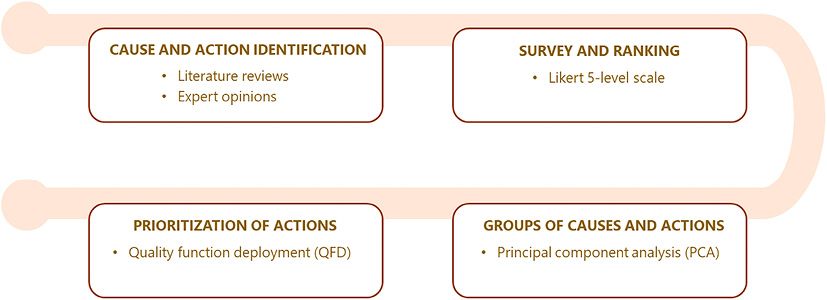
Figure 1. Research methodology framework.
The list of factors identified from previous studies served as an initial reference point. To further refine the list, insights were gathered through direct interviews with eight experienced professionals. These experts brought diverse and extensive experience to the study. They held positions ranging from deputy department heads to directors and vice presidents, both in general contracting firms and on the investor side. Their roles encompassed areas such as commercial management, project direction, bid and tender management, estimation, and project consultancy. The experience of the experts in the field varied, with the least having 8 years of experience and the most experienced boasting 26 years. These experts possessed in-depth knowledge of construction processes, material management, and waste minimization strategies. They had been directly involved in managing or overseeing construction projects concerning material efficiency and waste reduction. The detailed information of these experts is presented in Table 2.
Subsequently, the study proceeded to design questionnaires and conduct online surveys. This phase aimed to gather primary data to gain an understanding of the causes and mitigation actions for material wastage on construction sites. The survey employed in this study was based on methodologies from previous research (Dodanwala et al., 2021; Lindhard, 2024) and had been refined through expert feedback to ensure that it was both relevant and comprehensive. To determine the adequacy of the sample size, this study benchmarked its sample against those used in previous research. Specifically, the study utilized the average sample-to-variable ratio, calculated as 3.77, derived from an analysis of eight other studies reported by Huynh et al. (2020). The survey included several sections: an introduction, participant information, detailed questions, and a section for open-ended responses. The introduction provided an overview, clarifying for participants to understand the purpose and importance of the survey. The participant information section collected basic data about the respondents. The main part of the survey assessed the causes and mitigation actions for material wastage on construction sites using a 5-point Likert scale (Likert, 1932). Participants were asked to rate the impact level of each cause and mitigation action. This scale was chosen for its simplicity and widespread acceptance, thereby ensuring ease of use for respondents. Additionally, the survey included a section for open-ended responses to gather qualitative insights, allowing participants to share their experiences and suggestions in their own words. Data collection was conducted through direct engagement and email, with a preference for personal contact. Subsequently, an empirical survey was conducted to validate the findings and gauge industry perceptions. To limit survey bias, responses that were incomplete or showed signs of rushed completion (e.g., identical or patterned scores for all items) were removed before analysis.
Next, the research methodology involved statistical and analytical techniques, which included average scoring and PCA. Each of these methods served a specific purpose in the research process. Average scoring was employed to remove any unsatisfactory causes and mitigation actions and to rank them, while PCA was utilized to reduce the dimensionality of the data, identifying the most significant factors contributing to material waste and simplifying the complexity of the dataset. Since the survey data were collected using a Likert scale, an additional step was required before applying PCA, which assumes continuous and approximately interval-level data. In this study, the Likert responses were treated as quasi-interval data. This practice is supported in the literature when scales contain five or more categories and show approximately linear relationships among items. This treatment enables the use of PCA, provided that sampling adequacy and correlation strength are verified through measures such as the Kaiser–Meyer–Olkin (KMO) test and Bartlett’s test of sphericity. This method allowed for a more comprehensive understanding of the underlying causes/mitigation actions and the relationships between them.
The PCA groups resulting from the analysis subsequently provided structured input for the QFD model, enabling a systematic and concise prioritization of mitigation actions. An innovative aspect of the study was the application of the QFD model incorporating diverse methodologies, drawn from studies of Akao (1988), Lyman (1990), and Wasserman (1993). This approach enables a comprehensive evaluation of each proposed action. It examines how each proposed action addresses the identified causes of material wastage, the potential synergies between different actions, and the prioritization of actions based on their expected impact on reducing wastage. Critical to this analysis were insights gathered from direct interviews with the eight experts mentioned. Subjectivity was reduced by involving experts from diverse roles and organizations. These interviews were conducted after the PCA results were finalized. A detailed description of this procedure will be provided in a later section that presents the quality function deployment model. The results of this QFD model were then validated by the mentioned experts to assess the appropriateness of the findings and the reliability of the QFD method when applied to material wastage.
Causes of and mitigation actions for construction material wastage
Overview of study findings
Upon a thorough review of scientific literature and engaging consultations with experts, this study successfully compiled a comprehensive list of 29 causes of material wastage at construction sites and 18 actions to minimize their impacts.
Regarding the survey, of the 146 questionnaires distributed, 121 were returned with complete responses, resulting in a notable response rate of 82.8%. This provided sample-per-variable ratios of 4.17 for the 29 identified causes and 6.72 for the 18 actions. These ratios surpassed the average of 3.77, demonstrating that the study had a sufficiently large sample size. The survey participants were predominantly from main (64.10%) and subcontracting roles (31.62%) within the construction industry and were familiar with material supply methods such as self-purchase (62.71%) and company-supplied (33.90%).
Causes of construction material wastage
After analyzing the survey results using mean testing, the results showed that all variables had a significance level of less than 0.05. This indicates that their average values are significantly different from the hypothesized mean (Khalil et al., 2021). The ranking of the causes of construction waste is presented in Table 3. The highest-ranked cause is fire and explosion incidents, with a mean of 4.22, emphasizing the need for stringent safety protocols and fire-resistant materials to mitigate these risks. Defective materials, ranked second with a mean of 4.17, indicate that quality control during procurement and stringent material inspection are essential to prevent wastage. Material theft, project delays, and inefficient material use are also prominent issues, highlighting the need for robust security measures, efficient project management, and optimized material utilization strategies. Factors such as unreasonable procurement planning, poor construction quality, and lack of coordination between architectural and structural design, all tied with a mean of 4.08, emphasize the necessity for better planning and improved communication among stakeholders. Other notable causes include improper material storage, design errors, and suboptimal site layout, each requiring targeted actions to enhance overall construction efficiency and reduce material wastage.
| Causes of waste in construction | References | Mean | Rank |
|---|---|---|---|
| Fire and explosion incidents | (Kodur et al., 2020; Ma et al., 2021; Pierorazio et al., 2022) | 4.22 | 1 |
| Defective materials | (Formoso et al., 2002; Zighan & Abualqumboz, 2021; Lee et al., 2024) | 4.17 | 2 |
| Material theft | (Aravindh et al., 2022; Haas et al., 2022) | 4.14 | 3 |
| Project delays | (Bajjou & Chafi, 2022) | 4.09 | 4 |
| Inefficient material use | (Abdolazimi et al., 2024) | 4.08 | 5 |
| Unreasonable procurement planning | (Ajayi et al., 2017a; Ge et al., 2017) | 4.08 | 5 |
| Poor construction quality that fails acceptance criteria | (Kabirifar et al., 2020; Shooshtarian et al., 2022) | 4.08 | 5 |
| Lack of coordination between architectural and structural design | (Liu et al., 2015; Alaloul et al., 2016; Olanrewaju & Ogunmakinde, 2020) | 4.08 | 5 |
| Inefficient excess material management | (Ajayi et al., 2017a; Min et al., 2024) | 4.06 | 9 |
| Lack of input material control | (Thongkamsuk et al., 2017; Zighan & Abualqumboz, 2021; Yu et al., 2022) | 4.02 | 10 |
| Improper material storage | (de Magalhães et al., 2017; Liu et al., 2020) | 4.01 | 11 |
| Failing to manage the transfer of materials and equipment to various areas or other projects | (Liu et al., 2020; Nawaz et al., 2023) | 4.01 | 11 |
| Unpredictable weather | (Faniran & Caban, 1998) | 4.01 | 11 |
| Design errors in the design phase | (Won et al., 2016; Meshref & Ibrahim, 2024) | 4.00 | 14 |
| Mismatched material estimation | (Ajayi et al., 2017a) | 4.00 | 14 |
| Suboptimal site layout | (Huo et al., 2017) | 3.98 | 16 |
| Poor material inspection | (Ajayi et al., 2017c) | 3.98 | 16 |
| Errors in the dimensions of structural elements during construction | (Ajayi et al., 2017c) | 3.96 | 18 |
| Poorly designed structural elements in terms of standards and detailing | (Ajayi & Oyedele, 2018a; Surahyo, 2019) | 3.95 | 19 |
| Inappropriate use of tools and equipment | (Liu et al., 2020) | 3.93 | 20 |
| Errors in construction drawings | (Muzaffar et al., 2022) | 3.91 | 21 |
| Employing unskilled labor | (de Magalhães et al., 2017; Akhtar & Sarmah, 2018) | 3.85 | 22 |
| Inadequate worker training on standard operating procedures | (Li et al., 2022; Bhavsar et al., 2023) | 3.84 | 23 |
| Poor supplier selection | (Othman & El-Saeidy, 2024) | 3.82 | 24 |
| Design changes during construction | (Alotaibi et al., 2024) | 3.70 | 25 |
| Construction inaccuracies due to faulty measuring devices and errors in execution | (Love et al., 2022) | 3.66 | 26 |
| Lack of equipment usage guidelines for construction workers | (Hao et al., 2022; Bhavsar et al., 2023) | 3.55 | 27 |
| Additional material requests by site management to avoid construction delays | (Ajayi et al., 2017a; Ajayi & Oyedele, 2018b) | 3.53 | 28 |
| Inadequate transportation | (Fini & Forsythe, 2020; Rosado et al., 2022) | 3.48 | 29 |
The analysis also identified 28 satisfactory causes out of an initial set of 29 after applying PCA with varimax rotation. The suitability of the data for factor analysis was confirmed via the KMO measure and Bartlett’s test of sphericity. The KMO coefficient achieved was 0.832, surpassing the acceptable threshold of 0.5, indicating the appropriateness of the research data for factor analysis. This assertion finds support in previous studies (Rasheed et al., 2024; Upadhyaya & Malek, 2024). Additionally, Bartlett’s test demonstrated a significance level below 0.05, suggesting significant correlations among the observed variables, thus validating the suitability of the data for factor analysis (Paul et al., 2021; Oke et al., 2022). The PCA results showed that all loading factors exceeded the minimum acceptable value of 0.4, aligning with the criteria employed in previous studies (Omari et al., 2023). The analysis extracted a total variance of 62.156%, with eigenvalues greater than 1, indicating compliance with requirements (Pickson & He, 2021) and suggesting that the identified groups of factors account for 62.156% of the data variation (Sobieraj & Metelski, 2023). Consequently, a hierarchical structure model was developed from the PCA results, illustrated in Figure 2. The results showed that 28 satisfactory causes of material wastage were organized into seven categories: material handling inefficiencies, site continuity risks, material and inventory control deficiencies, execution errors in construction, design changes and drawing errors, site management inefficiencies, and planning and estimation oversights.
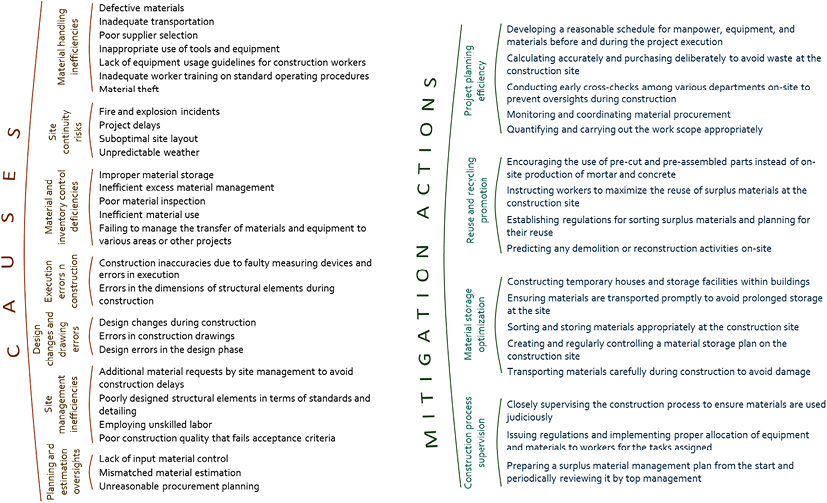
Figure 2. Hierarchical structure models.
Mitigation actions for construction material wastage
Similar to the causes, the mitigation actions met the criteria for the mean test. The average values with ranking are shown in Table 4. The highest-ranked action is constructing temporary houses and storage facilities within buildings (mean of 4.29), which protects materials from environmental damage and theft. Sorting and storing materials appropriately and developing a reasonable schedule for manpower and materials (mean of 4.22) are also crucial, ensuring efficient resource use. Creating and controlling a material storage plan (mean of 4.21) emphasizes proactive management to prevent material loss. Accurate calculation and deliberate purchasing (mean of 4.19) prevent excess materials. Early cross-checks among departments (mean of 4.18) and handling unused materials (mean of 4.17) ensure efficient use and transfer of resources. Other notable actions include careful transportation (mean of 4.16) to prevent damage, prompt delivery to reduce storage time (mean of 4.15), and encouraging the reuse of surplus materials (mean of 4.06). Predicting demolition activities (mean of 3.99) and implementing regulations for material allocation (mean of 3.97) further support effective material management. Lastly, preparing a surplus material management plan and using pre-cut parts (means of 3.91 and 3.78, respectively) underscore the importance of strategic planning and prefabrication in reducing waste.
| Mitigation actions | References | Mean | Rank |
|---|---|---|---|
| Constructing temporary houses and storage facilities within buildings | (Wu et al., 2024) | 4.29 | 1 |
| Sorting and storing materials appropriately at the construction site | (Al-Hamadani et al., 2021; Wu et al., 2024) | 4.22 | 2 |
| Developing a reasonable schedule for manpower, equipment, and materials before and during the project execution | (Kar et al., 2021) | 4.22 | 2 |
| Creating and regularly controlling a material storage plan on the construction site | (Ajayi & Oyedele, 2018b) | 4.21 | 4 |
| Calculating accurately and purchasing deliberately to avoid waste at the construction site | (Ajayi & Oyedele, 2018b) | 4.19 | 5 |
| Conducting early cross-checks among various departments on-site to prevent oversights during construction | (Wu et al., 2024) | 4.18 | 6 |
| Handling and returning unused materials left over from a construction project, or transferring them to another project | (Li et al., 2005) | 4.17 | 7 |
| Closely supervising the construction process to ensure materials are used judiciously | (Al-Hamadani et al., 2021; Yu et al., 2023) | 4.17 | 7 |
| Monitoring and coordinating material procurement | (Ajayi et al., 2017a; Ershadi et al., 2021; Daoud et al., 2023) | 4.17 | 7 |
| Transporting materials carefully during construction to avoid damage | (Liu et al., 2020) | 4.16 | 10 |
| Ensuring materials are transported promptly to avoid prolonged storage at the site | (Ajayi et al., 2017a) | 4.15 | 11 |
| Instructing workers to maximize the reuse of surplus materials at the construction site | (Ajayi et al., 2017c; Al-Hamadani et al., 2021; Chen et al., 2002) | 4.06 | 12 |
| Quantifying and carrying out the work scope appropriately | (Ajayi et al., 2017c) | 4.02 | 13 |
| Predicting any demolition or reconstruction activities on-site | (Al-Hamadani et al., 2021) | 3.99 | 14 |
| Issuing regulations and implementing proper allocation of equipment and materials to workers for the tasks assigned | (Chau et al., 2004) | 3.99 | 14 |
| Establishing regulations for sorting surplus materials and planning for their reuse | (Poon et al., 2013; Al-Hamadani et al., 2021) | 3.97 | 16 |
| Preparing a surplus material management plan from the start and periodically reviewing it by top management | (Ann et al., 2013) | 3.91 | 17 |
| Encouraging the use of pre-cut and pre-assembled parts instead of on-site production of mortar and concrete | (Al-Hamadani et al., 2021; Lu et, al., 2021) | 3.78 | 18 |
After conducting PCA, 17 effective actions were categorized into four groups: project planning efficiency, reuse and recycling promotion, material storage optimization, and construction process supervision. The diagram illustrating these groups is presented in Figure 2.
Process of building a quality function deployment model
The objective of developing a QFD model that connects the causes of material waste in construction projects (WHAT) with mitigation actions (HOW) is to identify priority mitigation actions that construction contractors should implement. This QFD model not only maps out the relationships between specific HOWs and WHATs but also ranks the HOWs based on their relative importance and evaluates their interrelations. This approach indicates which mitigation actions should be prioritized to address the root causes of the problem. The steps for implementing the QFD model are outlined in Figure 3.
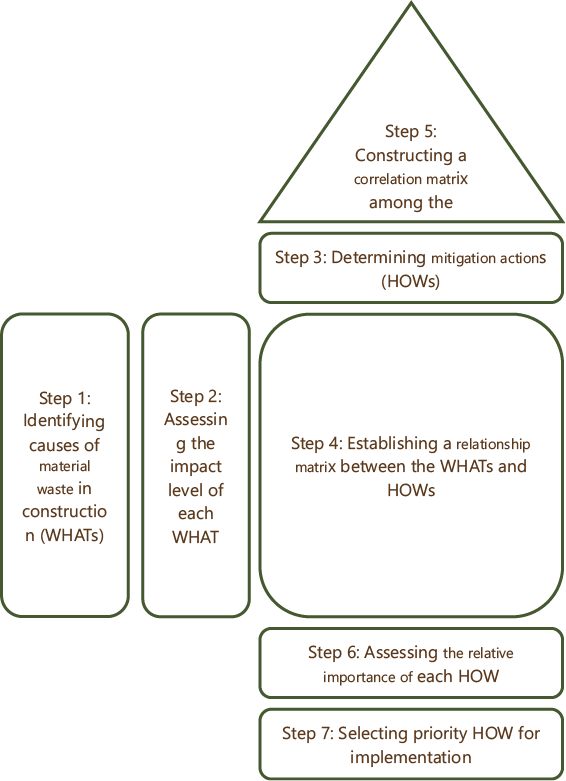
Figure 3. Process of building a QFD model.
Step 1 involves identifying the causes of material waste at construction sites (WHAT). As mentioned in the research methodology section, the outputs of PCA served as the inputs for the QFD model. Therefore, WHATs are the seven main groups of factors derived from PCA results, as presented in the section in terms of causes of construction material wastage.
In Step 2, the importance of each WHAT was evaluated, with four levels of importance. Level 1 indicates extremely low importance, Level 2 signifies low importance, Level 3 represents quite important, and Level 4 denotes extremely important. This importance was assessed by eight experts from various professional backgrounds and experience levels in the construction and project management sectors, ensuring a comprehensive evaluation of each WHAT’s significance. The survey template and all assessment results from eight experts are presented in Table 5.

Step 3 is identifying the actions (HOW) for mitigating material waste, which are four main groups of mitigation actions derived from PCA results.
Step 4 involves building the relationship matrix between WHAT and HOW, illustrating the extent to which each action addresses a cause of waste. To establish the relationships between WHATs and HOWs, each matrix cell was filled with a ranking scale. The scale proposed by Saaty (1977) was utilized to express the intensity of these relationships. Table 6 displays this ranking scale, demonstrating the degree to which each HOW resolves a WHAT, or in other words, the strength of the connection between WHATs and HOWs. The survey template utilized for this assessment is shown in Table 5.
Step 5 constructs the correlation matrix among the HOWs, showing the interdependencies among actions. Each HOW was compared with all others to identify positive or negative relationships. This analysis clarifies how different actions may support or hinder one another. In this study, the scale for assessing the correlation between HOW actions is detailed in Table 7, and the survey template used for this evaluation is similar to Table 5. However, instead of a column for WHAT, it features a column for HOW.
In Step 6, the relative importance of each HOW was assessed using three calculation methods: Akao, Lyman, and Wasserman. This study employed all three methods to determine the strength of the connection between each WHAT and HOW. The primary distinction among these methods lies in their calculations of the relationship between a specific WHAT and HOW (Bolar et al., 2014).
The Akao, Lyman, and Wasserman methods represent an evolution in calculating the relationship between WHATs and HOWs within the QFD framework. The Akao method, as a classic approach, establishes the foundational process of creating a relationship matrix between WHATs and HOWs. The strength of the connection between each WHAT and HOW is the value assigned in Step 4. However, it lacks normalization, leading to significant drawbacks when a single WHAT is associated with multiple HOWs, potentially skewing prioritization and focus.
In response to this limitation, the Lyman method, introduced in 1990, offers a normalization process that aims to prevent the distortion of coefficients within the relationship matrix, addressing the key flaw of the Akao method. This approach ensures a more balanced and accurate reflection of the importance and impact of each HOW in meeting the WHATs. The connection strength between each WHAT and HOW ( ) is shown in Equation (1), where rij denotes the raw relationship score between the ith WHAT and the jth HOW, and m represents the number of HOW. However, the Lyman method does not consider the interdependencies between HOWs, which can be crucial for understanding the complexity and feasibility of implementing certain solutions.
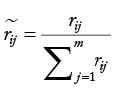 (1)
(1)
Building upon Lyman’s normalization, the Wasserman method further enhances the model by incorporating the dependencies among HOWs into the normalization process. This addition acknowledges that the solutions (HOWs) are not isolated and that their interrelations can significantly impact the overall effectiveness and efficiency of achieving customer needs (WHATs). By considering these dependencies, the Wasserman method offers a more comprehensive and realistic approach to prioritizing and selecting HOWs, thus addressing a critical gap left by its predecessors. The calculation of the connection strength between a specific WHAT and HOW ( ) in this method is presented in Equation (2), in which γjk represents the correlation level between HOWj and HOWk.
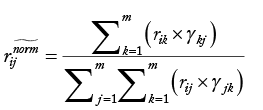 (2)
(2)
Finally, in Step 7, the process identifies which actions to prioritize for implementation. This is conducted by calculating the average relative weights of the actions from eight experts and then ranking them accordingly. The result of the QFD process is a prioritized list of actions. This list serves as a guide, enabling users to focus on actions that are the most effective in reducing waste.
Results of the quality function deployment model
After collecting the opinions of eight experts on the significance of the causes of material waste at construction sites, the results showed unanimous agreement among the experts. All experts assigned the highest level of importance to all identified causes of material waste. This indicates that in this study, all causes were treated equally. Furthermore, the highest level of importance in assessing these causes reflects a broad recognition of the multifaceted wastage challenges within construction projects. Inefficiencies and errors at various stages, from planning and design to execution and management, can lead to material wastage. This also underscores the necessity for comprehensive measures to address material waste at construction sites.
The results of applying the QFD process through three methods—Akao, Lyman, and Wasserman—are illustrated in Figure 4. The results reveal a consistent pattern across the three methods. H4 (construction process supervision) consistently emerged as the top priority (average 30.32%), indicating a strong consensus on its critical importance in minimizing material wastage. This underscores the necessity of robust supervision during construction processes. This result suggests that inadequate supervision remains a persistent challenge in Vietnam. Subcontracting layers, fast-tracked project schedules, and variable workforce skill levels often lead to deviations from planned procedures. The prominence of H4 therefore reflects not only technical necessity but also contextual constraints such as inconsistent enforcement of site regulations and limited digital monitoring adoption.
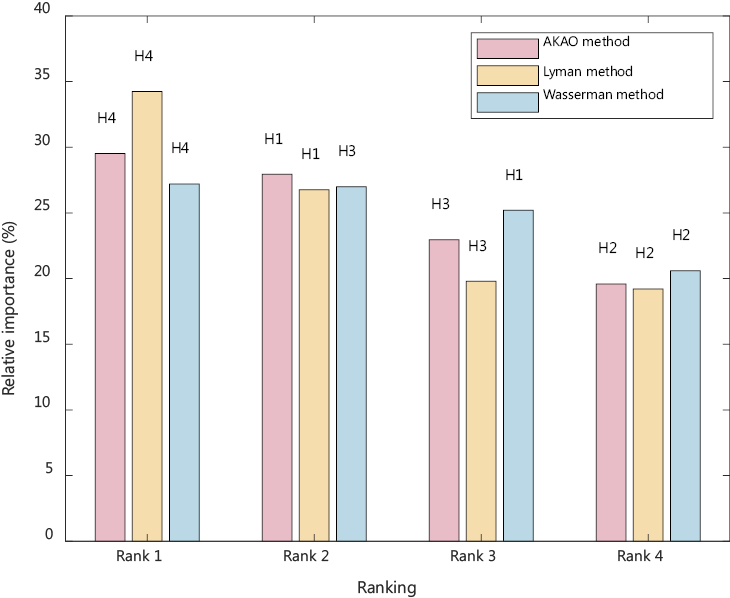
Figure 4. Ranking and relative importance of mitigation actions by QFD through these three methods: Akao, Lyman, and Wasserman. QFD, quality function deployment.
H1 (project planning efficiency) also showed significant importance (average 26.64%), consistently ranking second or third across the methods. This highlights the essential role of efficient project planning in mitigating material wastage and ensuring project success. This result aligns with global literature emphasizing that early-stage design and planning decisions disproportionately influence downstream waste generation. In Vietnam’s context, fragmented coordination between designers, contractors, and suppliers, combined with evolving regulatory requirements, heightens planning complexity, making improvements in this area particularly impactful. Similarly, H3 (material storage optimization) demonstrated consistency (average 23.25%), ranking second or third in all methods, emphasizing its crucial role in effective material management. This action tends to rank highly in developing country environments where climatic conditions, space constraints, and informal on-site logistics create a serious risk of deterioration, loss, or misuse of materials.
Although H2 (reuse and recycling promotion) consistently ranked the lowest (average 19.79%), its percentage scores were not considerably lower than those of the other mitigation actions. This indicates that it still plays a vital role in the overall strategy for reducing material wastage. Its lower ranking can be contextualized: recycling markets for construction materials in Vietnam remain underdeveloped, and contractors often perceive reuse processes as time-consuming and lacking regulatory incentives. Thus, while theoretically important, its practical applicability is limited by current market and policy conditions. Overall, while the rankings provide a hierarchy of priority, all four mitigation actions are significant and contribute to a holistic approach to reducing material wastage on construction sites. These results emphasize the need to address all these areas to achieve effective and sustainable waste management in construction projects.
All experts concurred that these prioritization results of mitigation actions are appropriate and correspond effectively with the identified causes of material waste and other actions. This consensus among experts underscores the robustness and practical relevance of the QFD model in construction waste management. This alignment between expert judgment and QFD output is consistent with global applications of QFD in construction, manufacturing, and service systems, where expert-informed relational matrices are used to strengthen decision validity. Rather than serving merely as confirmation, this convergence demonstrates how QFD functions as a structured dialogue tool that integrates practitioner knowledge with analytical prioritization. Additionally, this affirms that the prioritized results are reliable, which can serve as a valuable reference for construction sites facing similar challenges and implementing similar actions. More broadly, the results contribute to the ongoing theoretical discourse on QFD as a decision-support mechanism. This illustrates its adaptability in emerging economies and its capacity to incorporate contextual constraints, which is an evolution beyond its traditional manufacturing origins.
Conclusions
This study employed the QFD model to identify priority actions for mitigating material wastage on construction sites. There were 29 significant causes of material wastage and 18 mitigation actions identified. The PCA and the QFD model were critical in refining and prioritizing these causes and actions.
The findings revealed that fire and explosion incidents, defective materials, and material theft are among the most serious causes of material wastage, emphasizing the need for stringent safety protocols, quality control, and robust security measures. Similarly, the study highlighted the importance of efficient project planning, accurate material management, and the implementation of comprehensive storage and handling procedures as key actions.
The PCA categorized 28 validated causes of material wastage into seven distinct groups, namely, material handling inefficiencies, site continuity risks, material and inventory control deficiencies, execution errors in construction, design changes and drawing errors, site management inefficiencies, and planning and estimation oversights. Furthermore, 17 validated actions were classified into four groups: project planning efficiency, reuse and recycling promotion, material storage optimization, and construction process supervision.
The novel application of the QFD model provided a structured approach to identify the most practical and effective actions for each construction site with unique conditions. This innovative approach ensures that each prioritized action not only addresses the identified causes but also integrates seamlessly with other measures. Based on the identified causes and proposed actions in this study, the QFD process revealed that construction process supervision (H4) consistently emerged as the top priority, indicating its critical importance in minimizing material wastage. Project planning efficiency (H1) and material storage optimization (H3) followed closely, underscoring their essential roles in mitigating wastage. Although reuse and recycling promotion (H2) ranked the lowest, its relative importance was still significant, highlighting its role in a holistic waste reduction strategy. This prioritization of mitigation actions was validated as suitable and effectively aligned with the identified causes of material waste and other actions. This validation emphasizes the effectiveness and practical applicability of the QFD model in managing construction waste.
This study provides a detailed and actionable framework for addressing material wastage in construction, thereby contributing to more efficient and sustainable construction practices. The prioritized actions, grounded in empirical data and expert validation, offer valuable guidance for industry stakeholders aiming to reduce material waste and improve overall project efficiency. The causes and mitigation actions examined in this study were investigated within the context of Vietnam. Therefore, the ranked actions can be adopted in Vietnam and in other countries with similar contexts. However, the methodological framework for deriving these ranked actions, through the application of the QFD model, can be effectively adopted and adapted across different country contexts or construction project types. This enables practitioners in diverse contexts to apply the framework, thereby developing contextual solutions for minimizing material wastage.
Despite the robustness of the study, certain limitations remain. The identified causes and mitigation actions are broad and may not cover all specific scenarios encountered at construction sites. Additionally, the expert insights were limited to a particular set of professionals, potentially missing diverse perspectives from various construction projects. Quantitative sensitivity analysis was not incorporated in the study to assess the robustness of the prioritization results, and formal consensus or divergence metrics, such as Kendall’s W or inter-rater reliability, were also not employed to evaluate the level of expert agreement. Future research could expand the scope by engaging a more diverse panel of experts and incorporating additional perspectives from various regions and construction sectors. Moreover, future research should advance the methodological framework by (1) integrating hybrid multi-criteria decision-making techniques to better capture uncertainty, interdependencies, and expert judgment variability; (2) employing machine learning-based clustering or dimensionality reduction techniques as complementary alternatives to PCA to test the robustness of factor structures; and (3) embedding digital construction data into the QFD relational matrix to enable real-time prioritization. Furthermore, it is recommended to apply and validate the QFD-based framework through real-world case studies in various construction settings and conduct longitudinal validation to assess the long-term effectiveness and adaptability of the framework and proposed actions.
Acknowledgments
We acknowledge Ho Chi Minh City University of Technology (HCMUT), VNU-HCM for supporting this study.
References
Abdolazimi, O., Entezari, S., Shishebori, D., Ardakani, M. A., & Kashef, A. (2024). Developing a sustainable forward supply chain configuration for construction industry under uncertainty condition: A case study. Clean Technologies and Environmental Policy, 26(4), 1197–1225. https://doi.org/10.1007/s10098-023-02672-3
Ajayi, S. O., & Oyedele, L. O. (2018a). Critical design factors for minimising waste in construction projects: A structural equation modelling approach. Resources, Conservation and Recycling, 137, 302–313. https://doi.org/10.1016/j.resconrec.2018.06.005
Ajayi, S. O., & Oyedele, L. O. (2018b). Waste-efficient materials procurement for construction projects: A structural equation modelling of critical success factors. Waste Management, 75, 60–69. https://doi.org/10.1016/j.wasman.2018.01.025
Ajayi, S. O., Oyedele, L. O., Akinade, O. O., Bilal, M., Alaka, H. A., & Owolabi, H. A. (2017a). Optimising material procurement for construction waste minimization: An exploration of success factors. Sustainable Materials and Technologies, 11, 38–46. https://doi.org/10.1016/j.susmat.2017.01.001
Ajayi, S. O., Oyedele, L. O., Akinade, O. O., Bilal, M., Alaka, H. A., Owolabi, H. A., & Kadiri, K. O. (2017b). Attributes of design for construction waste minimization: A case study of waste-to-energy project. Renewable and Sustainable Energy Reviews, 73, 1333–1341. https://doi.org/10.1016/j.rser.2017.01.084
Ajayi, S. O., Oyedele, L. O., Bilal, M., Akinade, O. O., Alaka, H. A., & Owolabi, H. A. (2017c). Critical management practices influencing on-site waste minimization in construction projects. Waste Management, 59, 330–339. https://doi.org/10.1016/j.wasman.2016.10.040
Akao, Y. (1988). Quality function deployment. Productivity Press. https://books.google.com.vn/books?id=NS1Cuw6UQKIC
Akhtar, A., & Sarmah, A. K. (2018). Construction and demolition waste generation and properties of recycled aggregate concrete: A global perspective. Journal of Cleaner Production, 186, 262–281. https://doi.org/10.1016/j.jclepro.2018.03.085
Al-Hajj, A., & Hamani, K. (2011). Material waste in the UAE construction industry: Main causes and minimization practices. Architectural Engineering and Design Management, 7(4), 221–235. https://doi.org/10.1080/17452007.2011.594576
Al-Hamadani, S., Egbelakin, T., Sher, W., & Von Meding, J. (2021). Drivers of applying ecological modernization to construction waste minimization in New South Wales construction industry. Construction Economics and Building, 21(3), 80–104. https://doi.org/10.5130/AJCEB.v21i3.7655
Alaloul, W. S., Liew, M. S., & Zawawi, N. A. W. A. (2016). Identification of coordination factors affecting building projects performance. Alexandria Engineering Journal, 55(3), 2689–2698. https://doi.org/10.1016/j.aej.2016.06.010
Alotaibi, S., Martinez-Vazquez, P., & Baniotopoulos, C. (2024). Waste generation factors and waste minimisation in construction. In International Conference “Coordinating Engineering for Sustainability and Resilience”. Springer. https://doi.org/10.1007/978-3-031-57800-7_51
Alwan, Z., Jones, P., & Holgate, P. (2017). Strategic sustainable development in the UK construction industry, through the framework for strategic sustainable development, using building information modelling. Journal of Cleaner Production, 140, 349–358. https://doi.org/10.1016/j.jclepro.2015.12.085
Ann, T., Poon, C. S., Wong, A., Yip, R., & Jaillon, L. (2013). Impact of construction waste disposal charging scheme on work practices at construction sites in Hong Kong. Waste Management, 33(1), 138–146. https://doi.org/10.1016/j.wasman.2012.09.023
Aravindh, M. D., Nakkeeran, G., Krishnaraj, L., & Arivusudar, N. (2022). Evaluation and optimization of lean waste in construction industry. Asian Journal of Civil Engineering, 23(5), 741–752. https://doi.org/10.1007/s42107-022-00453-9
Arshad, H., Qasim, M., Thaheem, J., & Gabriel, H. F. (2017). Quantification of material wastage in construction industry of Pakistan: An analytical relationship between building types and waste generation. Journal of Construction in Developing Countries, 22(2): 19–34. https://doi.org/10.21315/jcdc2017.22.2.2
Bajjou, M. S., & Chafi, A. (2022). Exploring the critical waste factors affecting construction projects. Engineering, Construction and Architectural Management, 29(6), 2268–2299. https://doi.org/10.1108/ECAM-12-2020-1097
Bhavsar, V., Sridharan, S. R., & Sudarsan, J. (2023). Barriers to circular economy practices during construction and demolition waste management in an emerging economy. Resources, Conservation & Recycling Advances, 20, 200198. https://doi.org/10.1016/j.rcradv.2023.200198
Bolar, A., Tesfamariam, S., & Sadiq, R. (2014). Management of civil infrastructure systems: QFD-based approach. Journal of Infrastructure Systems, 20(1), 04013009. https://doi.org/10.1061/(ASCE)IS.1943-555X.0000150
Byers, B. S., Raghu, D., Olumo, A., De Wolf, C., & Haas, C. (2024). From research to practice: A review on technologies for addressing the information gap for building material reuse in circular construction. Sustainable Production and Consumption, 45, 177–191. https://doi.org/10.1016/j.spc.2023.12.017
Chau, K. W., Anson, M., & Zhang, J. (2004). Four-dimensional visualization of construction scheduling and site utilization. Journal of Construction Engineering and Management, 130(4), 598–606. https://doi.org/10.1061/(ASCE)0733-9364(2004)130:4(598)
Chen, Z., Li, H., & Wong, C. T. (2002). An application of bar-code system for reducing construction wastes. Automation in Construction, 11(5), 521–533. https://doi.org/10.1016/S0926-5805(01)00063-2
Dainty, A. R., & Brooke, R. J. (2004). Towards improved construction waste minimisation: A need for improved supply chain integration? Structural Survey, 22(1), 20–29. https://doi.org/10.1108/02630800410533285
Daoud, A. O., Omar, H., Othman, A. A. E., & Ebohon, O. J. (2023). Integrated framework towards construction waste reduction: The case of Egypt. International Journal of Civil Engineering, 21(5), 695–709. https://doi.org/10.1007/s40999-022-00793-2
de Magalhães, R. F., Danilevicz, Â. d. M. F., & Saurin, T. A. (2017). Reducing construction waste: A study of urban infrastructure projects. Waste Management, 67, 265–277. https://doi.org/10.1016/j.wasman.2017.05.025
DEFRA. (2008). Non-statutory guidance for site waste management plans. Department for the Environment, Food and Rural Affairs. https://www.guildford.gov.uk/media/35910/DEFRA-Non-statutory-guidance-for-site-waste-management-plans-2008/pdf/Defra_non-statutory_guidance_site_waste_management_plans.pdf?m=1707823031393
Dodanwala, T. C., Shrestha, P., & Santoso, D. S. (2021). Role conflict related job stress among construction professionals: The moderating role of age and organization tenure. Construction Economics and Building, 21(4), 21–37. https://doi.org/10.5130/AJCEB.v21i4.7609
Ekanayake, L., & Ofori, G. (2000). Construction material waste source evaluation. In Proceedings of the 2nd Southern African Conference on Sustainable Development in the Built Environment: Strategies for a Sustainable Built Environment (Pretoria). https://sid.ir/paper/619873/en
Ekanayake, L. L., & Ofori, G. (2004). Building waste assessment score: Design-based tool. Building and Environment, 39(7), 851–861. https://doi.org/10.1016/j.buildenv.2004.01.007
EPD. (2008). Monitoring of solid waste in Hong Kong: Waste statistics for 2007. https://www.wastereduction.gov.hk/sites/default/files/resources_centre/waste_statistics/msw2007_eng.pdf
Ershadi, M., Jefferies, M., Davis, P., & Mojtahedi, M. (2021). Achieving sustainable procurement in construction projects: The pivotal role of a project management office. Construction Economics and Building, 21(1), 45–64. https://doi.org/10.5130/AJCEB.v21i1.7170
Esa, M. R., Halog, A., & Rigamonti, L. (2017). Strategies for minimizing construction and demolition wastes in Malaysia. Resources, Conservation and Recycling, 120, 219–229. https://doi.org/10.1016/j.resconrec.2016.12.014
Esin, T., & Cosgun, N. (2007). A study conducted to reduce construction waste generation in Turkey. Building and Environment, 42(4), 1667–1674. https://doi.org/10.1016/j.buildenv.2006.02.008
Faniran, O., & Caban, G. (1998). Minimizing waste on construction project sites. Engineering, Construction and Architectural Management, 5(2), 182–188. https://doi.org/10.1108/eb021073
Fini, A. A. F., & Forsythe, P. (2020). Barriers to reusing and recycling office fit-out: An exploratory analysis of demolition processes and product features. Construction Economics and Building, 20(4), 42–62. https://doi.org/10.5130/AJCEB.v20i4.7061
Formoso, C. T., Soibelman, L., De Cesare, C., & Isatto, E. L. (2002). Material waste in building industry: Main causes and prevention. Journal of Construction Engineering and Management, 128(4), 316–325. https://doi.org/10.1061/(ASCE)0733-9364(2002)128:4(316)
Gálvez-Martos, J.-L., Styles, D., Schoenberger, H., & Zeschmar-Lahl, B. (2018). Construction and demolition waste best management practice in Europe. Resources, Conservation and Recycling, 136, 166–178. https://doi.org/10.1016/j.resconrec.2018.04.016
Ge, X. J., Livesey, P., Wang, J., Huang, S., He, X., & Zhang, C. (2017). Deconstruction waste management through 3D reconstruction and BIM: A case study. Visualization in Engineering, 5, 1–15. https://doi.org/10.1186/s40327-017-0050-5
Guthrie, P., Mallett, H., & Association, C. I. R. A. I. (1995). Waste minimisation and recycling in construction: A review. Construction Industry Research and Information Association. http://worldcat.org/isbn/086017428X
Haas, O., Huschbeck, T., & Markovič, P. (2022). Effects of theft on the critical path of construction projects. In Developments in Information & Knowledge Management for Business Applications: Volume 4 (pp. 59–78). Springer. https://doi.org/10.1007/978-3-030-95813-8_3
Hao, J. L., Yu, S., Tang, X., & Wu, W. (2022). Determinants of workers’ pro-environmental behaviour towards enhancing construction waste management: Contributing to China’s circular economy. Journal of Cleaner Production, 369, 133265. https://doi.org/10.1016/j.jclepro.2022.133265
Huo, X., Ann, T., & Wu, Z. (2017). A comparative analysis of site planning and design among green building rating tools. Journal of Cleaner Production, 147, 352–359. https://doi.org/10.1016/j.jclepro.2017.01.099
Huynh, T. T.-M., Dang, C. N., Le-Hoai, L., Pham, A.-D., & Nguyen, T. D. (2020). Proposing a strategy map for coastal urban project success using the balanced scorecard method. Engineering, Construction and Architectural Management, 27(10), 2993–3030. https://doi.org/10.1108/ECAM-11-2018-0527
Ikau, R., Joseph, C., & Tawie, R. (2016). Factors influencing waste generation in the construction industry in Malaysia. Procedia - Social and Behavioral Sciences, 234, 11–18. https://doi.org/10.1016/j.sbspro.2016.10.213
Jia, S., Yan, G., Shen, A., & Zheng, J. (2017). Dynamic simulation analysis of a construction and demolition waste management model under penalty and subsidy mechanisms. Journal of Cleaner Production, 147, 531–545. https://doi.org/10.1016/j.jclepro.2017.01.143
John, A. O., & Itodo, D. E. (2013). Professionals’ views of material wastage on construction sites and cost overruns. Organization, Technology and Management in Construction: An International Journal, 5(1), 747–757. https://doi.org/10.5592/otmcj.2013.1.11
Kabirifar, K., Mojtahedi, M., Wang, C., & Tam, V. W. (2020). Construction and demolition waste management contributing factors coupled with reduce, reuse, and recycle strategies for effective waste management: A review. Journal of Cleaner Production, 263, 121265. https://doi.org/10.1016/j.jclepro.2020.121265
Kar, S., Kothari, C., & Jha, K. N. (2021). Developing an optimum material procurement schedule by integrating construction program and budget using NSGA-II. Journal of Construction Engineering and Management, 147(4), 04021017. https://doi.org/10.1061/(ASCE)CO.1943-7862.0002028
Karunasena, G., Gurmu, A., Shooshtarian, S., Udawatta, N., Ranthika Perera, C. S., & Maqsood, T. (2025). Effect of construction defects on construction and demolition waste management in building construction: A systematic literature review. Integrated Environmental Assessment and Management, vjae026. https://doi.org/10.1093/inteam/vjae026
Kern, A. P., Dias, M. F., Kulakowski, M. P., & Gomes, L. P. (2015). Waste generated in high-rise buildings construction: A quantification model based on statistical multiple regression. Waste Management, 39, 35–44. https://doi.org/10.1016/j.wasman.2015.01.043
Khalil, A., Rathnasinghe, A. P., & Kulatunga, U. (2021). Challenges for the implementation of sustainable construction practices in Libya. Construction Economics and Building, 21(3), 243–261. https://doi.org/10.5130/AJCEB.v21i3.7647
Kodur, V., Kumar, P., & Rafi, M. M. (2020). Fire hazard in buildings: Review, assessment and strategies for improving fire safety. PSU Research Review, 4(1), 1–23. https://doi.org/10.1108/PRR-12-2018-0033
Lee, S., Chang, H. E., & Lee, J. (2024). Construction and demolition waste management and its impacts on the environment and human health: Moving forward sustainability enhancement. Sustainable Cities and Society, 105855. https://doi.org/10.1016/j.scs.2024.105855
Li, H., Chen, Z., Yong, L., & Kong, S. C. (2005). Application of integrated GPS and GIS technology for reducing construction waste and improving construction efficiency. Automation in Construction, 14(3), 323–331. https://doi.org/10.1016/j.autcon.2004.08.007
Li, J., Wu, Q., Wang, C. C., Du, H., & Sun, J. (2022). Triggering factors of construction waste reduction behavior: Evidence from contractors in Wuhan, China. Journal of Cleaner Production, 337, 130396. https://doi.org/10.1016/j.jclepro.2022.130396
Likert, R. (1932). A technique for the measurement of attitudes. Archives of Psychology, 22, 140–55. https://psycnet.apa.org/record/1933-01885-001
Lindhard, S. M. (2024). Danish contractor’s application of the budget: Identifying purpose and comparing the budgets application level across job-position. Construction Economics and Building, 24(4/5), 1–17. https://doi.org/10.5130/AJCEB.v24i4/5.8417
Lingard, H., Gilbert, G., & Graham, P. (2001). Improving solid waste reduction and recycling performance using goal setting and feedback. Construction Management and Economics, 19(8), 809–817. https://doi.org/10.1080/01446190110070952
Lingard, H., Graham, P., & Smithers, G. (2000). Employee perceptions of the solid waste management system operating in a large Australian contracting organization: Implications for company policy implementation. Construction Management & Economics, 18(4), 383–393. https://doi.org/10.1080/01446190050024806
Liu, J., Yi, Y., & Wang, X. (2020). Exploring factors influencing construction waste reduction: A structural equation modeling approach. Journal of Cleaner Production, 276, 123185. https://doi.org/10.1016/j.jclepro.2020.123185
Liu, Z., Osmani, M., Demian, P., & Baldwin, A. (2015). A BIM-aided construction waste minimisation framework. Automation in Construction, 59, 1–23. https://doi.org/10.1016/j.autcon.2015.07.020
Love, P. E., Matthews, J., Sing, M. C., Porter, S. R., & Fang, W. (2022). State of science: Why does rework occur in construction? What are its consequences? And what can be done to mitigate its occurrence? Engineering, 18, 246–258. https://doi.org/10.1016/j.eng.2022.05.010
Lu, W., Lee, W. M., Xue, F., & Xu, J. (2021). Revisiting the effects of prefabrication on construction waste minimization: A quantitative study using bigger data. Resources, Conservation and Recycling, 170, 105579. https://doi.org/10.1016/j.resconrec.2021.105579
Lu, W., & Yuan, H. (2011). A framework for understanding waste management studies in construction. Waste Management, 31(6), 1252–1260. https://doi.org/10.1016/j.wasman.2011.01.018
Luangcharoenrat, C., Intrachooto, S., Peansupap, V., & Sutthinarakorn, W. (2019). Factors influencing construction waste generation in building construction: Thailand’s perspective. Sustainability, 11(13), 3638. https://doi.org/10.3390/su11133638
Lyman, D. (1990). Deployment normalization. In Transactions from the Second Symposium on Quality Function Deployment. American Society for Quality Control; American Supplier Institute; GOAL/QPC.
Ma, Z., Yao, P., Yang, D., & Shen, J. (2021). Effects of fire-damaged concrete waste on the properties of its preparing recycled aggregate, recycled powder and newmade concrete. Journal of Materials Research and Technology, 15, 1030–1045. https://doi.org/10.1016/j.jmrt.2021.08.116
Mahamid, I. (2022). Impact of rework on material waste in building construction projects. International Journal of Construction Management, 22(8), 1500–1507. https://doi.org/10.1080/15623599.2020.1728607
Marhani, M. A., Jaapar, A., Bari, N. A. A., & Zawawi, M. (2013). Sustainability through lean construction approach: A literature review. Procedia - Social and Behavioral Sciences, 101, 90–99. https://doi.org/10.1016/j.sbspro.2013.07.182
McDonald, B., & Smithers, M. (1998). Implementing a waste management plan during the construction phase of a project: A case study. Construction Management and Economics, 16(1), 71–78. https://doi.org/10.1080/014461998372600
McGrath, C. (2001). Waste minimisation in practice. Resources, Conservation and Recycling, 32(3–4), 227–238. https://doi.org/10.1016/S0921-3449(01)00063-5
Meshref, A. N., & Ibrahim, A. (2024). A dynamic approach for investigating design approaches to reducing construction waste in healthcare projects. Journal of Building Engineering, 95, 110092. https://doi.org/10.1016/j.jobe.2024.110092
Min, V., Panuwatwanich, K., & Matsumoto, K. (2024). Enhancing performance of construction waste management: Factor analysis from the building contractors’ perspectives. Cleaner Waste Systems, 9, 100176. https://doi.org/10.1016/j.clwas.2024.100176
Muzaffar, S., Khan, K. I. A., Tahir, M. B., & Bukhari, H. (2022). Analysing the causes of design generated waste through system dynamics. KSCE Journal of Civil Engineering, 26(12), 4912–4925. https://doi.org/10.1007/s12205-022-1896-1
Nawaz, A., Chen, J., & Su, X. (2023). Factors in critical management practices for construction projects waste predictors to C&DW minimization and maximization. Journal of King Saud University - Science, 35(2), 102512. https://doi.org/10.1016/j.jksus.2022.102512
Nikmehr, B., Hosseini, M. R., Rameezdeen, R., Chileshe, N., Ghoddousi, P., & Arashpour, M. (2017). An integrated model for factors affecting construction and demolition waste management in Iran. Engineering, Construction and Architectural Management, 24(6), 1246–1268. https://doi.org/10.1108/ECAM-01-2016-0015
Oke, A. E., Atofarati, J. O., & Bello, S. F. (2022). Awareness of 3D printing for sustainable construction in an emerging economy. Construction Economics and Building, 22(2), 52–68. https://doi.org/10.5130/AJCEB.v22i2.8015
Olanrewaju, S. D., & Ogunmakinde, O. E. (2020). Waste minimisation strategies at the design phase: Architects’ response. Waste Management, 118, 323–330. https://doi.org/10.1016/j.wasman.2020.08.045
Omari, R. A., Sweis, G., Abu-Khader, W., & Sweis, R. (2023). Barriers to the adoption of digitalization in the construction industry: Perspectives of owners, consultants, and contractors. Construction Economics and Building, 23(3/4), 87–106. https://doi.org/10.5130/AJCEB.v23i3/4.8636
Omeje, H. O., Okereke, G. K., & Chukwu, D. U. (2020). Construction waste reduction awareness: Action research. Journal of Teacher Education for Sustainability, 22(1), 66–83. https://doi.org/10.2478/jtes-2020-0006
Osmani, M. (2011). Construction waste. In Letcher & Vallero (Eds.), Waste: A handbook for management (pp. 1–565). Academic Press. https://doi.org/10.1016/B978-0-12-381475-3.10034-8
Othman, A. A. E., & El-Saeidy, Y. A. (2024). Early supplier involvement framework for reducing construction waste during the design process. Journal of Engineering, Design and Technology, 22(2), 578–597. https://doi.org/10.1108/JEDT-10-2021-0566
Paul, C. A., Aghimien, D. O., Ibrahim, A. D., & Ibrahim, Y. M. (2021). Measures for curbing unethical practices among construction industry professionals: Quantity surveyors’ perspective. Construction Economics and Building, 21(2), 1–17. https://doi.org/10.5130/AJCEB.v21i2.7134
Peng, C.-L., Scorpio, D. E., & Kibert, C. J. (1997). Strategies for successful construction and demolition waste recycling operations. Construction Management and Economics, 15(1), 49–58. https://doi.org/10.1080/014461997373105
Pickson, R. B., & He, G. (2021). Smallholder farmers’ perceptions, adaptation constraints, and determinants of adaptive capacity to climate change in Chengdu. Sage Open, 11(3), 21582440211032638. https://doi.org/10.1177/21582440211032638
Pierorazio, A., Cherolis, N. E., Lowak, M., Benac, D. J., & Edel, M. T. (2022). Assessment of damage to structures and equipment resulting from explosion, fire, and heat events. Journal of Failure Analysis and Prevention, 22(1), 139–153. https://doi.org/10.1007/s11668-021-01330-4
Poon, C. (2007). Reducing construction waste. Waste Management, 27(12), 1715–1716. https://doi.org/10.1016/j.wasman.2007.08.013
Poon, C. S., Ann, T., & Ng, L. (2001). On-site sorting of construction and demolition waste in Hong Kong. Resources, Conservation and Recycling, 32(2), 157–172. https://doi.org/10.1016/S0921-3449(01)00052-0
Poon, C. S., Yu, A. T., Wong, A., & Yip, R. (2013). Quantifying the impact of construction waste charging scheme on construction waste management in Hong Kong. Journal of Construction Engineering and Management, 139(5), 466–479. https://doi.org/10.1061/(ASCE)CO.1943-7862.0000631
Povetkin, K., & Isaac, S. (2020). Identifying and addressing latent causes of construction waste in infrastructure projects. Journal of Cleaner Production, 266, 122024. https://doi.org/10.1016/j.jclepro.2020.122024
Rasheed, N., Shahzad, W. M., & Rotimi, J. O. B. (2024). Factor analysis of risk allocation criteria (RAC) in public-private partnership (PPP) projects: A case of New Zealand. Construction Economics and Building, 24(4/5), 142–159. https://doi.org/10.5130/AJCEB.v24i4/5.9021
Rosado, L. P., de Lara, B. L. E., & Penteado, C. S. G. (2022). Role of transport distance on the environmental impact of the construction and demolition waste (CDW) recycling process. In Handbook of sustainable concrete and industrial waste management (pp. 579–593). Elsevier. https://doi.org/10.1016/B978-0-12-821730-6.00028-0
Saaty, T. L. (1977). A scaling method for priorities in hierarchical structures. Journal of Mathematical Psychology, 15(3), 234–281. https://doi.org/10.1016/0022-2496(77)90033-5
Saunders, J., & Wynn, P. (2004). Attitudes towards waste minimisation amongst labour only sub-contractors. Structural Survey, 22(3), 148–155. https://doi.org/10.1108/02630800410549044
Shooshtarian, S., Maqsood, T., Caldera, S., & Ryley, T. (2022). Transformation towards a circular economy in the Australian construction and demolition waste management system. Sustainable Production and Consumption, 30, 89–106. https://doi.org/10.1016/j.spc.2021.11.032
Singh, S., & Kumar, K. (2020). Review of literature of lean construction and lean tools using systematic literature review technique (2008–2018). Ain Shams Engineering Journal, 11(2), 465–471. https://doi.org/10.1016/j.asej.2019.08.012
Sobieraj, J., & Metelski, D. (2023). Identification of the key investment project management factors in the housing construction sector in Poland. International Journal of Construction Management, 23(1), 1–12. https://doi.org/10.1080/15623599.2020.1844855
Surahyo, A. (2019). Errors in design and detailing. In Concrete construction: Practical problems and solutions (pp. 273–285). https://doi.org/10.1007/978-3-030-10510-5_12
Tam, V. W., & Tam, C. M. (2006). A review on the viable technology for construction waste recycling. Resources, Conservation and Recycling, 47(3), 209–221. https://doi.org/10.1016/j.resconrec.2005.12.002
Tam, V. W., & Tam, C. M. (2008). Waste reduction through incentives: A case study. Building Research and Information, 36(1), 37–43. https://doi.org/10.1080/09613210701417003
Teo, M. M. M. (2000). Operatives’ attitudes towards waste on construction projects (Doctoral dissertation, UNSW Sydney). https://doi.org/10.26190/unsworks/13746
Thongkamsuk, P., Sudasna, K., & Tondee, T. (2017). Waste generated in high-rise buildings construction: A current situation in Thailand. Energy Procedia, 138, 411–416. https://doi.org/10.1016/j.egypro.2017.10.186
Ulubeyli, S., Kazaz, A., & Arslan, V. (2017). Construction and demolition waste recycling plants revisited: Management issues. Procedia Engineering, 172, 1190–1197. https://doi.org/10.1016/j.proeng.2017.02.139
Umar, U. A., Shafiq, N., Malakahmad, A., Nuruddin, M. F., & Khamidi, M. F. (2017). A review on adoption of novel techniques in construction waste management and policy. Journal of Material Cycles and Waste Management, 19, 1361–1373. https://doi.org/10.1007/s10163-016-0534-8
Upadhyaya, D., & Malek, M. S. (2024). An exploratory factor analysis approach to investigate health and safety factors in Indian construction sector. Construction Economics and Building, 24(1–2), 29–49. https://doi.org/10.5130/AJCEB.v24i1/2.8867
Wang, J., Li, Z., & Tam, V. W. (2015). Identifying best design strategies for construction waste minimization. Journal of Cleaner Production, 92, 237–247. https://doi.org/10.1016/j.jclepro.2014.12.076
Wang, J., Wu, H., Tam, V. W., & Zuo, J. (2019). Considering life-cycle environmental impacts and society’s willingness for optimizing construction and demolition waste management fee: An empirical study of China. Journal of Cleaner Production, 206, 1004–1014. https://doi.org/10.1016/j.jclepro.2018.09.170
Wasserman, G. S. (1993). On how to prioritize design requirements during the QFD planning process. IIE Transactions, 25(3), 59–65. https://doi.org/10.1080/07408179308964291
Won, J., Cheng, J. C., & Lee, G. (2016). Quantification of construction waste prevented by BIM-based design validation: Case studies in South Korea. Waste Management, 49, 170–180. https://doi.org/10.1016/j.wasman.2015.12.026
WRAP. (2007a). Efficient construction logistics. Waste and Resources Action Programme.
WRAP. (2007b). Reducing material wastage in construction. Waste and Resources Action Programme.
Wu, H., Weng, X., Li, Y., Liu, S., Ma, J., Chen, R., Yu, B., & Bao, Z. (2024). Critical construction waste minimization strategies for a circular economy in developing countries: A contractor’s perspective in China. International Journal of Environmental Science and Technology, 1–18. https://doi.org/10.1007/s13762-024-06150-1
Yates, J. (2013). Sustainable methods for waste minimisation in construction. Construction Innovation, 13(3), 281–301. https://doi.org/10.1108/CI-Nov-2011-0054
Yu, S., Hao, J. L., Di Sarno, L., Ma, W., Guo, N., & Liu, Y. (2023). Enhancing pro-environmental behaviour of employees towards renovation waste for a circular economy: The role of external supervision and corporate environmental responsibility. Sustainable Chemistry and Pharmacy, 33, 101103. https://doi.org/10.1016/j.scp.2023.101103
Yu, Y., Yazan, D. M., Junjan, V., & Iacob, M.-E. (2022). Circular economy in the construction industry: A review of decision support tools based on information and communication technologies. Journal of Cleaner Production, 349, 131335. https://doi.org/10.1016/j.jclepro.2022.131335
Yuan, H. (2013). A SWOT analysis of successful construction waste management. Journal of Cleaner Production, 39, 1–8. https://doi.org/10.1016/j.jclepro.2012.08.016
Yuan, H., Lu, W., & Hao, J. J. (2013). The evolution of construction waste sorting on-site. Renewable and Sustainable Energy Reviews, 20, 483–490. https://doi.org/10.1016/j.rser.2012.12.012
Zighan, S., & Abualqumboz, M. (2021). A project life-cycle readiness approach to manage construction waste in Jordan. Construction Economics and Building, 21(3), 58–79. https://doi.org/10.5130/AJCEB.v21i3.7628