Construction Economics and Building
Vol. 26, No. 1
2026
ARTICLES (PEER REVIEWED)
Analyzing the Challenges and Current Safety Practices in the Construction Sector: A Multifaceted Stakeholder Perspective
Muhammad Usman Shahid1, Zain ul Hassan2, Muhammad Ashraf Javid3,*
1 Department of Civil Engineering, NFC- Institute of Engineering and Fertilizer Research, Faisalabad, 37000, Pakistan, usman.shahid@iefr.edu.pk
2 Department of Civil Engineering, NFC- Institute of Engineering and Fertilizer Research, Faisalabad, 37000, Pakistan, ulhassanz321@gmail.com
3 Faculty of Engineering, Sohar University, Sohar, 311, Oman, mjavid@su.edu.om
Corresponding author: Muhammad Ashraf Javid, mjavid@su.edu.om
DOI: https://doi.org/10.5130/xasp6z22
Article History: Received 09/02/2025; Revised 03/10/2025; Accepted 16/11/2025; Published 18/03/2026
Citation: Shahid, M. U., ul Hassan, Z., Javid, M. A. 2026. Analyzing the Challenges and Current Safety Practices in the Construction Sector: A Multifaceted Stakeholder Perspective.. Construction Economics and Building, 26:1, 1–20. https://doi.org/10.5130/xasp6z22
Abstract
The construction sector in developing countries, such as Pakistan, continues to heavily rely on manual labor despite advancements in technology, resulting in persistent safety concerns that jeopardize workers, end-users, and the environment. This study investigates the key factors contributing to health and safety issues within Pakistan’s construction industry. A questionnaire survey, developed from 25 factors identified through an extensive literature review, was administered to various stakeholders, including clients, consultants, and contractors. Data were gathered from 123 respondents, and 115 responses were considered valid for further analyses. Significance index (SI) analysis and comparative assessments were performed on the collected data to evaluate the significance of these barriers and the level of consensus among stakeholders. Findings reveal that the primary contributors to safety hazards are inadequate safety training, a shortage of certified skilled labor, and poor safety consciousness among workers. Insufficient education, a lack of safety-oriented policies, and minimal adoption of advanced safety technologies exacerbate these challenges. While clients and consultants emphasize operational procedures, regulatory enforcement, and team spirit, the contractors focus more on execution challenges and workforce skill levels, indicating a need for improved stakeholder alignment. A critical issue identified is the insufficient financial commitment to safety, with organizations typically allocating only 0.001% to 0.01% of project budgets to safety measures. The limited availability of personal protective equipment (PPE) further underscores the inadequate prioritization of workers’ safety at the site. The study emphasizes the urgent necessity for comprehensive safety policies, increased investment in safety training and resources, stringent regulatory enforcement, and continuous safety monitoring to cultivate a strong safety culture and enhance overall industry performance.
Keywords
Safety Risks; Construction Sector; Barriers; Severity Index; Cross-Categorical Analysis
Introduction
The construction industry is both intricate and highly dynamic, with each project posing unique challenges and requirements (Gann & Salter, 2000). A typical construction project involves several distinct phases, including project feasibility studies, design, planning, execution, decommissioning, demolition, and clearance (Won & Cheng, 2017). Each of these phases requires various specialized professions beyond the standard construction tasks (Melenbrink, et al., 2020). This encompasses essential systems such as heating, ventilation, and air conditioning (HVAC), plumbing, electrical wiring, and carpentry, along with various others. This blend of diverse skills and expertise creates a complex operational environment (Clarke, et al., 2020). Effective management strategies are needed to deal with this complexity and ensure project success (Kermanshachi, et al., 2023). Additionally, the involvement of multiple stakeholders such as clients, consultants, and contractors adds to the complexity (Naveed & Khan, 2022). The industry’s labor-intensive nature exposes workers to numerous risks, including health hazards and accidents, which contribute to its reputation as the most demanding and hazardous profession globally (Karthick, et al., 2023). The complexity of construction tasks and the variety of activities involved highlight the need to identify and address the diverse hazards in this sector (Derdowski & Mathisen, 2023). The need for rigorous safety programs on construction sites is paramount due to the various hazards associated with construction activities (Junjia, et al., 2023). These risks stem from construction materials, tools, machinery, and handling methods, all of which can cause accidents and health problems (Sanni-Anibire, et al., 2020). Effective safety programs are designed to address these potential hazards by implementing measures that not only respond to existing risks but also proactively prevent accidents (Hashmi, et al., 2024; Haslam, et al., 2005). Such programs should include procedures for self-initiating safety protocols when predetermined conditions are violated (Şeker & Zavadskas, 2017). Safety on construction sites is vital for several reasons, such as safeguarding workers’ well-being, ensuring a secure work environment, and managing construction expenses (Aksorn & Hadikusumo, 2008; Durdyev, et al., 2017). Consequently, improving occupational health and safety (OHS) practices and developing comprehensive safety measures are essential steps in reducing health and safety hazards and enhancing overall safety performance on construction sites.
The issues of developed and developing countries in the construction sector reveal both overlapping and distinct challenges in health and safety practices. Several studies have identified key challenges in developed countries, including unsafe working conditions, poor safety culture, inadequate training, long working hours, and communication barriers (Shepherd, et al., 2021; Olanrewaju, et al., 2022; Pamidimukkala & Kermanshachi, 2021). These accidents are often attributed to inadequate health and safety standards, which are not sufficiently implemented or enforced (Poghosyan, et al., 2018; Tam, et al., 2004). However, these studies lack a comparative analysis of the perceptions of key stakeholders such as clients, consultants, and contractors, as understanding stakeholder alignment or disagreement can inform better policy and practice. In contrast, conditions in developing countries are even more critical. Occupational accidents have been a long-standing concern, with studies reporting challenges such as poor working environments, lack of commitment from top management, and various human and environmental factors (Adebowale & Agumba, 2024; Jin, et al., 2019; Famakin, et al., 2023). Additional issues include the absence of national safety policies, poor supervision, lack of punishment for safety violations, and shortages of resources and logistics (Kheni & Afatsawu, 2022). Furthermore, the problem is compounded by a lack of a qualified workforce and financial constraints (Weerakoon, et al., 2025), as well as the unanimous agreement among workers in Bangladesh that safety equipment and welfare facilities are not provided on construction sites (Jamal, 2015). While both contexts face challenges in enforcement and safety culture, developing countries suffer more deeply from systemic, financial, and infrastructural shortcomings and require context-specific safety interventions.
In developing countries like Pakistan, the situation is exacerbated by the rising prevalence of work-related ailments and the inadequacies of current OHS legislation (Elsebaei, et al., 2022). Pakistani OHS laws are outdated and fail to effectively tackle the specific risks posed by sectors such as construction and agriculture (Lari, 2024). The existing regulations often do not cover these critical areas comprehensively, and there is a notable lack of enforcement from relevant agencies (Feng, et al., 2024). This regulatory gap, combined with a lack of proactive measures by construction companies, leads to a reactive approach to managing health and safety risks, impeding effective improvements in safety standards (Xu, et al., 2023). The challenges associated with health and safety practices vary across countries.
Previous studies have primarily examined the challenges associated with safety practices in developed countries; they fall short in providing a comparative analysis of the perspectives of key stakeholders, namely, clients, consultants, and contractors. Such a comparison is essential for revealing the extent of consensus or divergence among these groups in evaluating these challenges. The challenges related to health and safety practices differ significantly across countries. Therefore, it is imperative to identify and examine these challenges within individual developing nations to enrich the existing body of knowledge on safety practices, particularly in the context of Pakistan, where such practices remain comparatively underdeveloped. Furthermore, it is important to explore the current safety practices being followed in the construction industry of Pakistan.
Therefore, the purpose of this study is to investigate the challenges associated with safety practices in the construction industry of Pakistan, a developing country where such practices are relatively underdeveloped. Specifically, the study aims to conduct a comparative analysis of the perspectives of key stakeholders, i.e., clients, consultants, and contractors, to uncover areas of consensus and divergence in their evaluation of these challenges. By focusing on the context of Pakistan, this research seeks to contribute to the broader understanding of safety practices in developing nations and address the current gap in comparative stakeholder analysis within existing literature. Further, this study also identifies the safety practices that the local construction industry is currently following. By examining these factors, the study seeks to meet the crucial need for improved safety measures and proactive strategies in the construction sector. Understanding specific factors that lead to safety issues is a crucial first step in developing effective solutions to enhance health and safety outcomes. The study aims to offer actionable insights that can inform the development of better safety practices, improve regulatory frameworks, and ultimately protect workers in the construction sector. By addressing these issues, the research seeks to contribute to a safer and more effective construction environment in Pakistan.
Factors contributing to safety in construction projects
The construction industry is inherently risky due to the nature of its activities (Bhattacharjee, et al., 2024). Negligence by employers can exacerbate these risks, highlighting the need for construction organizations to educate workers on proper safety precautions and regulations. Ranasinghe, et al. (2023) noted that despite advancements in technology, which have positively influenced industry productivity, the work environment has become more hazardous. This technological shift has led to an increased frequency of disabling injuries and serious illnesses. Research by Elsebaei, et al. (2022) reveals that many construction workers face severe consequences, including disabilities and health issues. Statistics from Australia indicate that between 1989 and 1992, 256 people were seriously injured on construction sites (Osei-Asibey, et al., 2023). Additionally, the fatality rate in 2012 was 4.11, making it the third highest among all industries (Antoniou & Agrafioti, 2023), with 1% of all fatalities in 2013 attributed to the construction industry (Osei-Asibey, et al., 2023).
In China, over 3,000 workers die annually due to work accidents (Elsebaei, et al., 2022). In Hong Kong, the rate of accidents per 1,000 workers decreased from 275 in 1994 to approximately 150 by 2000 (Osei-Asibey, et al., 2023). Furthermore, in China, accidents during construction projects contribute to approximately 8.5% of the total project cost (Yang & Lu, 2023). However, in 2014, there were 3,538 accidents, including 38 fatalities (Wan, et al., 2023), and in 2015, there were 3,863 accidents with 43 fatalities (Nowacki, et al., 2021). Unsafe human behavior is identified as a major cause of these accidents (Kazeem, et al., 2023). In Japan, annual injury rates stand at 10 per 1,000 construction workers, while in the United Kingdom, the rate is approximately 50 per 1,000 workers (Xiang, et al., 2023). In Egypt, safety procedures are often informal, with fixed accident insurance costs rather than comprehensive safety programs (Othman & Saad, 2024).
In the United States, the construction sector was responsible for 806 out of 4,628 fatal workplace injuries and 71,730 non-fatal injuries, prompting businesses to explore innovative methods to minimize accidents (Demirkesen & Arditi, 2015). Worldwide, the construction sector contributes to a substantial share of workplace fatalities, with about one-third occurring in this sector in the United States and one-fourth in Finland (Luo, et al., 2022). According to Ceylan and Kaplan (2024), the construction industry in Korea experiences the highest fatality rate compared to all other sectors. Approximately 7% of the global workforce is engaged in the construction industry, which is responsible for 30–40% of global fatalities (Hwang, et al., 2023). Additionally, a number of challenges were also identified in the construction sector of different developed countries, including the United Kingdom, Spain, and Italy. These challenges include poor safety standards, hiring of subcontractors, cultural issues, and language barriers among the workforce (Shepherd, et al., 2021), but a comparison among the key stakeholders in all these studies was missing. Therefore, there is a need for a study that provides a comparative analysis among the perceptions of industry stakeholders while rating these barriers.
In developing nations such as Pakistan and India, the construction sector relies heavily on manual labor, with up to 10 times more workers per activity compared to developed countries (Mandal, et al., 2023; Wan, et al., 2023). Such accidents can sometimes be fatal, significantly affecting project costs. Weerakoon, et al. (2025) found that a lack of a qualified workforce and financial issues were the main causes of poor safety practices in the Sri Lankan construction sector. In the Palestinian and Gulf construction industries, project size and nature significantly affect safety costs, with safety equipment costs often explicitly mentioned in contracts. Despite various OHS measures in developed countries like the United States, incidents and financial losses remain high, with approximately 700 worker fatalities annually and approximately $15 billion in associated costs each year (Wijesinghe, et al., 2023). Although safety is initially prioritized by project developers and their consultants, the focus often shifts to meeting deadlines once construction begins, leading to the compromise of earlier safety commitments.
Several studies have been conducted to identify the challenges associated with health and safety practices in the construction sector of developed countries. Pamidimukkala and Kermanshachi (2021) identified unsafe working environments for labor, anxiety with a fear of job loss, and long working hours as major hazards on construction sites in the United States. Olanrewaju, et al. (2022) found that major barriers to safety practices in the Malaysian construction industry were poor safety culture, the attitude of workers, and improper assembly of scaffolding. Similarly, language barriers, cultural issues, poor training for safety culture, frequent use of subcontractors, and lack of safety standards were found as major challenges to safety practices in the construction sectors of Italy, Spain, and the United Kingdom (Shepherd, et al., 2021).
Conventional practices ensure, through contractual agreements, the provision of basic first aid equipment; however, the primary responsibility for implementing safety measures during construction activities still lies with contractors. This perspective is supported by additional studies (Kiral & Demirkesen, 2023; Yang & Lu, 2023), which indicate that most accidents result from construction execution tasks, such as falls from heights, head and eye injuries, and incidents involving being struck or falling. Existing studies highlight numerous factors that significantly raise the likelihood of accidents. These factors include inadequate safety knowledge and awareness among leadership, insufficient training, unwillingness to allocate resources for safety gear, poorly defined and unsafe construction practices, substandard equipment conditions, limited education levels, and weak enforcement of safety regulations (Ali, et al., 2024; Chileshe, et al., 2022; Elsebaei, et al., 2022). In the context of Pakistan’s construction industry, the enforcement of safety regulations is extremely weak. Additionally, due to the minimal attention given to the local construction sector, factors contributing to safety disasters remain largely unidentified. Furthermore, more detailed studies are required in the context of each of these developing countries due to the unique culture and construction practices. Thus, there is a need to uncover these hidden factors and shed light on the elements that expose construction workers to safety risks. Table 1 illustrates identified factors into four categories, namely, (1) personnel knowledge and professional skills (PKPS), (2) equipment related (ER), (3) operational procedures (OP), and (4) organizational regulations (OR).
| Category | Factors | References |
|---|---|---|
| Personnel knowledge and professional skills (PKPS) | Poor safety awareness among the firm’s leadership (PKPS-1) | (Sanni-Anibire, et al., 2020) |
| Poor safety awareness of project managers (PKPS-2) | (Maliha, et al., 2021) | |
| Lack of safety training for labor and other employees (PKPS-3) | (Abukhashabah, et al., 2020; Osei-Asibey, et al., 2023) | |
| Lack of certified skilled labor (PKPS-4) | (Maliha, et al., 2021) | |
| Poor safety conscientiousness of labors (PKPS-5) | (Abukhashabah, et al., 2020) | |
| Lack of experienced project managers (PKPS-6) | (Liang, et al., 2020) | |
| Low education level of labors (PKPS-7) | (Osei-Asibey, et al., 2023) | |
| Unqualified decision-maker (PKPS-8) | (Liang, et al., 2020) | |
| Equipment related (ER) | Lack of wearable protective equipment (ER-1) | (Forat, et al., 2021) |
| Poor condition of the equipment (ER-2) | (Abukhashabah, et al., 2020; Bazaluk, et al., 2024) | |
| Defective equipment (ER-3) | (Abukhashabah, et al., 2020) | |
| Operational procedures (OP) | Lack of technological innovation/use to improve safety (OP-1) | (Forat, et al., 2021; Trask & Linderoth, 2023) |
| Ineffective safety regulations on the construction site (OP-2) | (Liang, et al., 2020; Sanni-Anibire, et al., 2020) | |
| Lack of strictly defined operational procedures (OP-3) | (Maliha, et al., 2021) | |
| Lack of protection in material transportation (OP-4) | (Bazaluk, et al., 2024) | |
| Lack of technical guidance in performing construction operations (OP-5) | (Liang, et al., 2020) | |
| Lack of rigorous enforcement of safety regulations (OP-6) | (Sanni-Anibire, et al., 2020) | |
| Shortage of safety management manuals on the construction site (OP-7) | (Maliha, et al., 2021) | |
| Lack of organizational commitment to the safety assurance of employees (OP-8) | (Sanni-Anibire, et al., 2020) | |
| Lack of protection in material storage (OP-9) | (Bazaluk, et al., 2024) | |
| Lack of onsite first-aid measures (OP-10) | (Abukhashabah, et al., 2020) | |
| Organizational regulations (OR) | Reluctance to invest resources for safety measures (OR-1) | (Sanni-Anibire, et al., 2020) |
| Lack of safety regulations (OR-2) | (Liang, et al., 2020) | |
| Lack of teamwork spirit (OR-3) | (Osei-Asibey, et al., 2023) | |
| Excessive overtime work for labor (OR-4) | (Abukhashabah, et al., 2020) |
Research methodology
The research methodology consists of three sequential phases: (1) identifying factors that lead to health and safety risks, (2) designing a questionnaire and conducting a survey, and (3) performing statistical analysis on the gathered responses and deriving conclusions. A comprehensive review of construction safety literature was conducted to explore current trends and practices aimed at preventing hazards in the industry. Since this research aims to concentrate on the local construction industry, a targeted search was conducted to identify studies that align more closely with the geographical focus of this investigation. After assessing a wide range of publications, the factors were ultimately narrowed down based on the studies referenced in Wan, et al. (2023). All these publications concentrate on construction projects in developing areas. However, to create a precise list of factors that highlight specific areas impacting safety in local construction projects, the borrowed factors were analyzed, refined, consolidated, and grouped. This process resulted in a comprehensive set of factors contributing to health and safety risks in the construction industry. A questionnaire was formulated based on the factors listed in Table 1.
Development of the questionnaire and data collection
Drawing upon the insights presented in Table 1, a comprehensive questionnaire was developed to gather in-depth information relevant to safety practices within the construction sector. The questionnaire was divided into several key sections. The first section focused on collecting personal and demographic details of the respondents. Subsequent sections aimed to assess respondents’ perceptions by having them rate various factors related to safety practices in the construction industry, as well as to evaluate the current safety protocols being implemented on construction sites. To systematically capture the opinions of participants, a five-point Likert scale was utilized. This scale allowed respondents to express the perceived significance of each factor, with response options ranging from “Not Significant (1), Slightly Significant (2), Moderately Significant (3), Significant (4), and Very Significant (5).” The dissemination of the questionnaire was carried out through multiple channels to ensure broad reach and inclusivity. These channels included email distribution, LinkedIn networking, and direct face-to-face interactions. After finalization of the questionnaire, it was distributed among key stakeholders, including clients, consultants, and contractors in the construction sector. During the data collection phase, special attention was paid to ensuring balanced participation from all major stakeholder groups involved in the construction industry. Participants were selected from a diverse range of construction projects, with particular emphasis on housing developments and infrastructure works, which constitute a significant portion of the sector’s activities. This included clients, consultants, and contractors. By doing so, the study avoided over-reliance on the perspectives of a single group and instead captured a more accurate and holistic understanding of the prevailing safety practices and the challenges associated with them in Pakistan’s construction sector.
Analysis of the respondents’ profile
The experience of respondents is presented in Figure 1. Respondents have diverse experiences, from 5 years to more than 15 years. The survey collected data from a total of 150 individuals actively engaged in projects. Out of these, 123 participants completed and returned the survey, resulting in a commendable response rate of 82%. This response rate is notably higher than the minimum acceptable threshold of 60%, as suggested by established research standards (Sataloff & Vontela, 2021), indicating strong engagement and interest among the targeted population. Upon reviewing the collected responses, it was found that 115 out of the 123 completed questionnaires were fully valid and suitable for further analysis. The remaining eight responses were excluded due to issues such as incomplete answers and indications of non-serious participation, which could potentially compromise the reliability of the data.
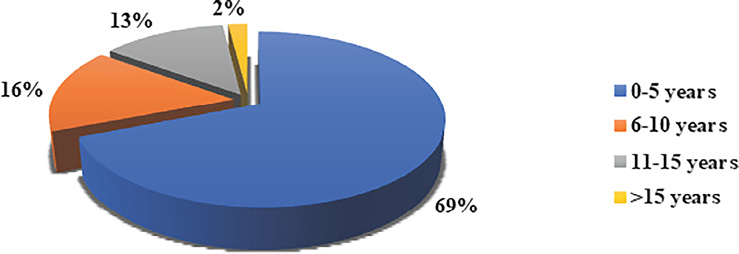
Figure 1. Respondents’ experiences.
The selected respondents represented a diverse range of professional categories. Among the 115 valid responses analyzed, 55.6% of the participants were contractors, 28.9% were consultants, and the remaining 15.6% were clients, as illustrated in Figure 2. This distribution reflects a balanced inclusion of the key actors typically engaged in construction projects, thereby enriching the study with varied perspectives.
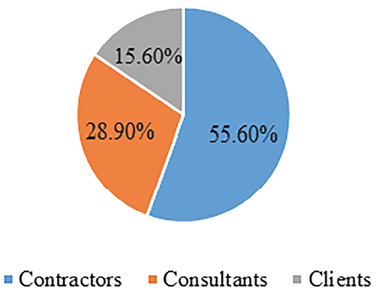
Figure 2. Categories of the respondents.
The respondents also exhibited diversity in terms of educational qualifications and academic backgrounds. As shown in Figure 3, a small proportion (4.4%) of the participants held diplomas, while the majority (57.8%) possessed a bachelor’s degree in civil engineering, indicating a strong technical foundation among the sample. Additionally, a significant portion (37.8%) of the respondents had attained a master’s education, as shown in Figure 3. This range of educational attainment ensures that the insights collected are informed by a mix of practical experience and academic knowledge.
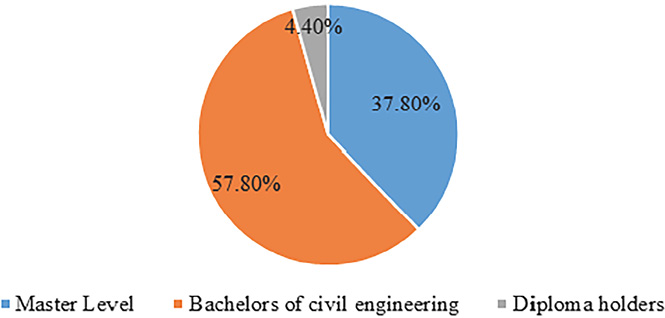
Figure 3. Qualifications of the respondents.
Methods of analysis used for the collected data
After data collection, multiple analyses were performed to draw results. These analyses mainly include analysis of variance (ANOVA) tests, severity indices, and cross-categorical (comparative) analysis. Details of each of these analyses are presented in the next sections.
Analysis of variance test
ANOVA is a statistical method commonly used to determine whether there are significant differences in the means of two or more independent groups. It employs the F-test to compare the variance between group means with the variance within the groups, thereby evaluating whether the observed differences are statistically meaningful or likely due to random chance. A higher F-value generally indicates a greater likelihood that the differences between groups are real. In ANOVA, key values such as the p-value, calculated F-value (Fc), and critical F-value (F) are used to assess significance. For this study, a significance level (α) of 0.05 was adopted. According to standard interpretation, if the p-value is less than α and Fc is less than F, the results are considered statistically insignificant, indicating minimal variation among the groups. On the other hand, if the p-value is greater than α and Fc is greater than F, the results are deemed statistically significant, suggesting a notable difference among the variables under comparison. In the current study, ANOVA was used to examine whether the differences in opinions among the three primary stakeholder groups, clients, consultants, and contractors, were significant. The aim was to assess the extent of agreement or disagreement between these groups concerning safety practices in the construction industry. The application of ANOVA in this context is well supported by previous studies that have used this method to evaluate variance among stakeholder perceptions in similar research settings (Chan, et al., 2017; Gholizadeh & Esmaeili, 2020).
ANOVA can be used on ordinal data, such as Likert scales, if certain conditions are met. When the scale has 5 or more points, the data may approximate interval-level measurement. If normality (p > 0.05 in tests like Shapiro–Wilk) is satisfied, ANOVA is acceptable, especially with a large sample size like 115. Researchers often prefer ANOVA for its power and ease of interpretation.
Severity index analysis
To evaluate the challenges associated with the adoption of safety practices in the construction sector, a significance index (SI) was calculated based on stakeholder responses collected through a five-point Likert scale. Asilian-Mahabadi, et al. (2018) introduced a straightforward formula for this conversion, as illustrated in Eq. 1. It facilitates the conversion of qualitative perceptions into a standardized 100-point scale, allowing for a more precise and comparable assessment of each challenge’s perceived importance. In this method, Likert scale responses ranging from 1 (not significant) to 5 (very significant) are mapped to numerical values of 20, 40, 60, 80, and 100, respectively. The significance index for each identified challenge is calculated using a weighted average formula, which takes into account the number of respondents who selected each rating level.
 (1)
(1)
In Eq. 1, Ri1, Ri2, Ri3, Ri4, and Ri5 represent the number of responses rated as 1, 2, 3, 4, and 5, respectively. By applying this method, researchers and industry professionals have prioritized the most pressing barriers to safety implementation in construction projects, enabling more targeted and strategic interventions.
Cross-categorical (comparative) analysis among the perception of stakeholders
A cross-categorical (comparative) analysis was conducted to explore potential differences in the perception of key stakeholders, namely, clients, consultants, and contractors, regarding the challenges associated with the adoption of safety practices in the construction sector. This analysis aimed to determine whether significant variations exist in how each group prioritizes the barriers to effective safety implementation. To visualize these differences, a radar chart was developed using the severity index, which was calculated separately based on the responses from each stakeholder group. The radar chart provides a clear, comparative view of the severity assigned to each challenge by the different stakeholders, making it easier to identify any disparities or alignments in their assessments. Understanding these variations is crucial, as the successful adoption of safety practices relies heavily on coordinated efforts and a shared understanding among all involved parties. A significant divergence in stakeholder perceptions may indicate misalignment in priorities or awareness, which can hinder the development of a cohesive health and safety culture on construction sites. Therefore, achieving consensus in the identification and ranking of critical safety barriers is essential for implementing effective, sector-wide safety strategies. This comparative analysis not only highlights areas of agreement but also pinpoints where further dialogue or alignment may be needed to ensure collective commitment to improving safety outcomes in the construction industry.
Procedure to identify current safety practices in Pakistan
In the developed questionnaire, several questions were asked regarding the current safety practices followed by stakeholders in Pakistan’s construction sector. To assess this, a frequency analysis was conducted on budget allocations for safety and the use of personal protective equipment (PPE) on construction sites. This analysis reflects the level of commitment among stakeholders toward implementing safety practices in the country’s construction industry.
Results and discussion
One-way ANOVA test result
In the present study, as shown in Table 2, the analysis was conducted using a significance level of α = 0.05. The ANOVA test yielded the following values: a p-value of 0.10, a calculated F-value (Fc) of 1.496, and a critical F-value (F) of 1.482513. When interpreting these results, the p-value serves as an indicator of the probability that the observed differences occurred by chance. Since the p-value of 0.10 exceeds the significance threshold of 0.05, it suggests that the differences among the stakeholder groups are not statistically significant. Furthermore, the comparison between the calculated F-value and the critical F-value supports this interpretation. This suggests that the perceptions of clients, consultants, and contractors regarding safety practices are relatively consistent, with minimal variation in their viewpoints. The findings align with the goal of the study, which aimed to assess the degree of agreement among key stakeholders in the construction sector on matters related to safety. The absence of significant differences implies a consensus among the groups, which could be indicative of shared understanding or common standards being applied across the industry.
| Source of variation | SS | Df | MS | F | p-value | F critical |
|---|---|---|---|---|---|---|
| Between groups | 24.03 | 15 | 1.60 | 1.48 | 0.105 | 1.49677 |
| Within groups | 761.02 | 704 | 1.08 | |||
| Total | 785.06 | 719 |
Ranking of the factors contributing to health and safety hazards
The SI values based on the responses from all stakeholders, including contractors, clients, and consultants, are given in Table 3. The analysis shows that respondents have rated the factors differently. However, based on the combined responses from all stakeholders, it is found that the lack of safety training is the highest-ranked factor, with an SI value of 88%. The absence of such training shows the low importance of safety measures in any construction industry. Safety training is directly linked to improving the awareness of all stakeholders, from the very top to the bottom, in any organization. Zermane, et al. (2023) also reported similar findings, where the low frequency of safety training was found to be a major barrier to building a safety culture in the construction sector. The second highly rated factor is the deficiency of certified skilled labor, with an 86.66% SI value. Availability of skilled labor is a major concern in developing countries, due to which the construction industry faces several issues, such as low productivity, safety, and quality issues (Akomah, Ahinaquah, and Mustapha, 2020; Boadu, Wang, and Sunindijo, 2020; Adebowale and Agumba, 2023). The poor consciousness of labor about safety is at number 3 with an SI value of 86.66%. Knowing the importance of the safety of workers on construction sites has always remained a major issue. The major cause of this issue is the non-seriousness of top management. Organizations do not have a safety culture as a core value, which leads to a high number of accidents, injuries, and deaths in such companies (Grinerud, et al., 2021).
Another factor contributing to inadequate safety practices in the construction sector is the limited education level of the workforce. The majority of laborers in the construction industry lack the necessary education and training regarding safety protocols. This issue arises due to the absence of policy guidelines promoting a safety culture within the construction sector (Ebekozien, et al., 2024). Further, the lack of technological innovations in safety practices and equipment is also a serious issue for poor safety cultures in the construction sector. Other factors that cause serious injuries are non-implementation of safety regulations, malfunction of equipment, poor organizational commitment, lack of team spirit, lack of material storage, and poor commitment from top management, including project managers. Non-implementation of safety bylaws is also a major concern for a poor safety culture. Similarly, equipment malfunction can cause serious injuries. It can be a reason for injuries, accounting for almost 13.2% of all other reasons (Zheng, et al., 2023). Equipment malfunction occurs in different forms, such as brake failures, uncontrolled parts movement of equipment, fire in the engine, and failures of supporting machinery, among others. Further, the organization’s commitment to ensuring zero injuries on sites is also very poor at construction sites. The major reason for this cause is the non-availability of safety bylaws, which force all these companies to follow safety plans on their projects. These findings are in line with another study (Berhan, 2020). Poor material storage is another reason for weak health conditions on sites, such as cement and other chemical storage. Last but not least, poor commitment from top management is also a factor, due to which safety practices are not considered a top priority by any organization. Thus, all these factors need to be controlled by developing safety policies and ensuring implementation on construction sites to reduce injury and death rates of workers.
Cross-categorical analysis of the identified factors
This section aims to evaluate the perspectives of key stakeholders involved in the construction process. A radar chart has been used in a comparison analysis to better comprehend the viewpoints among a group of respondents (clients, consultants, and contractors), about safety challenges in the construction sector. The SI ranking of 25 identified factors is displayed in Figure 4. In practice, a respondent may have experience in multiple categories. However, for the sake of simplicity, this research assumes that respondents represent the category to which they are currently affiliated. This cross-category analysis provides insights into the diverse perspectives of three groups of respondents regarding factors contributing to health and safety hazards. All three groups generally agree on the ranking of factors from 2nd to 5th place. Clients consider the lack of team spirit and poor operating procedures as the most significant contributors to health and safety hazards. Consultants share a similar view, ranking it among the most influential factors. However, contractors differ in their assessment, placing it in the 10th position.
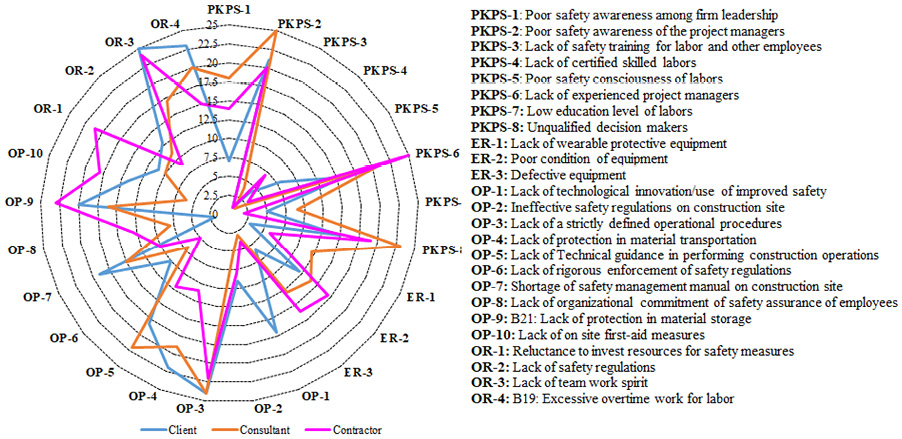
Figure 4. Comparison of SI factors ranking among different stakeholders.
Contractors express a differing opinion on the sixth factor, “ineffective safety regulations on site,” by ranking it 11th, whereas clients and consultants have placed it 5th and 4th, respectively. This ranking trend suggests that contractors may either be overly confident in their onsite safety measures or perceive other factors linked to clients and consultants as more critical in causing health and safety hazards. For instance, contractors rank the lack of strictly defined operational procedures and insufficient technical guidance for construction operations as the 3rd and 4th most significant factors, while clients rank them 6th and 7th. However, consultants consider the lack of technical guidance in construction operations the most crucial factor, highlighting its overall significance. For the remaining factors, stakeholders generally show agreement, with only slight variations in rankings. The SI category indicates that construction equipment-related factors are the most critical in contributing to health and safety issues. Clients and consultants share this perspective, whereas contractors place slightly more emphasis on personal knowledge and professional skills. This suggests that contractors believe the construction workforce’s professional skills play a crucial role in either triggering or mitigating potential health and safety hazards (Duryan, et al., 2020). Both clients and contractors have ranked “personal knowledge and professional skills” just below “construction equipment-related” factors. Additionally, the factor categories of “operational procedures” and “organizational regulations” are consistently ranked 3rd and 4th by all stakeholders. These discrepancies could result from the contractor’s emphasis on execution difficulties on site, while clients and consultants are more focused on general systematic and procedural problems. This understanding is essential for creating focused interventions that successfully address the most important safety barriers and promote cooperation among all stakeholders (Aderamo, et al., 2024). Thus, most of the time, these stakeholders agree with each other, but there is also some disagreement among them while rating the safety importance of the challenges on the construction sites.
Current safety practices in the construction sector
In the construction sector of Pakistan, safety is not given as much importance as in foreign countries (Aslam, et al., 2024). In Pakistan, in an effort to reduce costs, safety practices are being ignored (Abdullah, et al., 2024; Ullah, et al., 2024). Contractors try to save some money from the budget, and clients also do not pressure them because it also causes extra cost for them. Pakistan lacks a dedicated authority to regulate and enforce the implementation of safety practices in the construction industry. People are not well aware of the importance of safety. It is a common belief that not following safety practices may save money, but in reality, it can cost more than expected. According to the research done, about 60% of organizations follow the necessary safety steps, while 40% of organizations do not follow the necessary steps to ensure the safety of labor. In Pakistan, the allocation of the budget for safety has always been a major concern. Many times, there is no money allocated for safety. Even if it is allocated, the percentage of the budget for safety from the total budget is very low and not sufficient. Figure 5 shows the percentage of the budget for safety from the total budget according to this research.
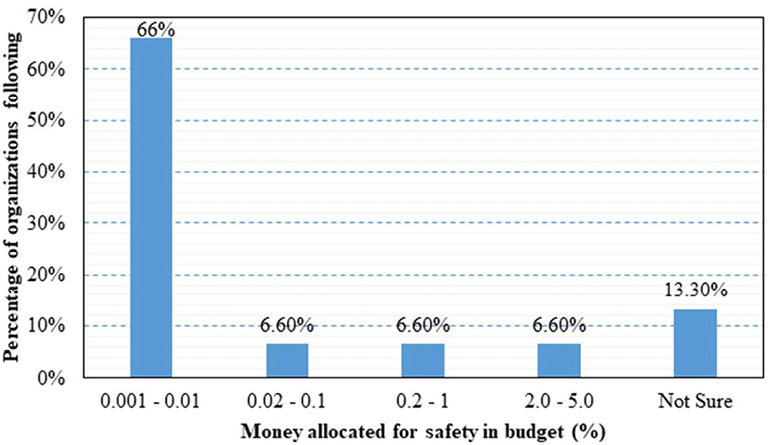
Figure 5. Budget allocation for safety practices.
It can be seen that an estimated 66% of the organizations have allocated only approximately 0.001% to 0.01% of the total budget, which is a very low amount. The amount allocated for safety should be at least 1% of the total budget. The most abundant equipment found is a safety helmet, which is in practice in almost 44.4% of the organizations, while a safety belt, on the other hand, is the least fundable item during research, i.e., 22.2%. Furthermore, vests/jackets are found in 28.8% of these organizations. Similarly, safety gloves, safety goggles, and safety shoes are in practice in 26.6% and 36.6%, respectively. Safety shoes are used on only 35.55% of sites. Only 28.88% of sites had vests or jackets. Only 26.66% of respondents use safety gloves. Of the total number of sites, 22.22% use safety belts. Safety goggles or face shields are used by only 26.66% of respondents. Only 44.44% of sites use safety helmets, as shown in Figure 6. The limited budget allocation and the insufficient availability of PPE on-site indicate a weak safety culture in the local construction industry. Thus, the construction industry is required to develop policy guidelines for the implementation of safety bylaws on construction sites. This would not only reduce the number of deaths, injuries, and near misses but also improve the company’s reputation and productivity.
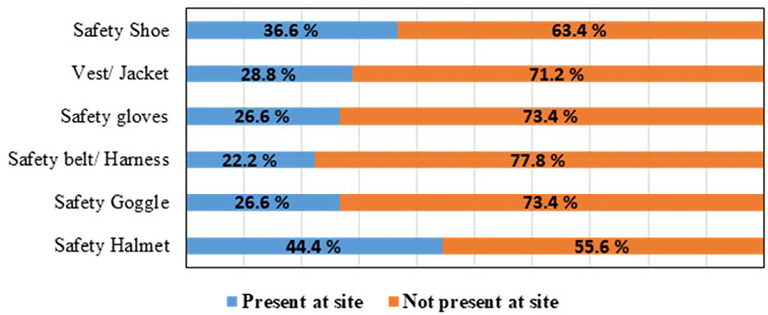
Figure 6. Personal protective equipment (PPE) present at the site.
Conclusions
This paper aims to identify the factors contributing to health and safety hazards in the construction industry. To achieve this objective, an extensive literature review has been carried out to identify the key barriers to safety practices, and based on the most frequent barriers, a questionnaire was prepared. On the collected data, SI was performed to identify significant barriers. Similarly, a comparative analysis was also performed to determine the level of consensus all stakeholders have on rating these barriers. The following conclusions are deduced from the analysis:
• This study highlights several critical factors contributing to health and safety hazards in Pakistan’s construction industry. The foremost issue identified is the lack of safety training, which significantly undermines workers’ awareness and preparedness, leading to higher risks of accidents and injuries. Additionally, a shortage of certified skilled labor and poor safety consciousness among workers further aggravate safety challenges. These issues are compounded by insufficient education, lack of safety-focused policies, and limited technological advancements in safety equipment and practices.
• The perspectives of different stakeholders, clients, consultants, and contractors not only show general agreement on the key safety challenges but also reveal some variations in how they prioritize specific factors. Clients and consultants emphasize the importance of team spirit, operational procedures, and regulatory enforcement, while contractors tend to focus more on execution-related difficulties and workforce skills. Such differences suggest a need for better alignment and collaboration among stakeholders to address safety comprehensively.
• Moreover, the findings expose a serious deficiency in financial commitment to safety. The majority of organizations allocate an extremely small fraction (0.001% to 0.01%) of their total project budget to safety measures, which is grossly inadequate. The availability of basic PPE like safety helmets, gloves, goggles, and belts remains limited across many construction sites, reflecting the poor prioritization of worker safety.
Overall, the study underscores the urgent need for the development and strict enforcement of comprehensive safety policies and guidelines in Pakistan’s construction sector. Greater investment in safety training, sufficient budget allocation for safety resources, continuous monitoring, and a stronger regulatory framework are essential to fostering a robust safety culture. These measures will not only protect the workforce from accidents and fatalities but also enhance productivity, project quality, and the reputation of construction companies. Future studies can focus on evaluating the safety issues at construction sites from the perspective of workers. Studies need to deploy suitable data collection measures to collect data from the laborers and to make some concrete policy recommendations.
Acknowledgments
The authors would like to acknowledge all those who assisted them throughout the development of this research article.
References
Abdullah, S. S., Toro-Mujica, P., Tajonar, K., Akbar, J., Chay-Canul, A. J., Lee-Rangel, H. A., Gonzalez-Ronquillo, M., Ghavipanje, N., & Vargas-Bello-Pérez, E. (2024). A quick look at goat production and husbandry practices in Pakistan. Chilean Journal of Agricultural & Animal Sciences, 40(2), 418–432. https://doi.org/10.29393/CHJAAS40-36QPSE90036
Abukhashabah, E., Summan, A., & Balkhyour, M. (2020). Occupational accidents and injuries in construction industry in Jeddah city. Saudi Journal of Biological Sciences, 27(8), 1993–1998. https://doi.org/10.1016/j.sjbs.2020.06.033
Adebowale, O. J., & Agumba, J. N. (2023). A meta-analysis of factors affecting labour productivity of construction SMEs in developing countries. Journal of Engineering, Design and Technology, 21(5), 1441–1460. https://doi.org/10.1108/JEDT-05-2021-0277
Adebowale, O. J., & Agumba, J. N. (2024). A systematic review of challenges undermining the efficacy of construction health and safety regulations in major African countries. Construction Economics and Building, 24(4/5), 1–24. https://doi.org/10.5130/AJCEB.v24i4/5.9059
Aderamo, A. T., Olisakwe, H. C., Adebayo, Y. A., & Esiri, A. E. (2024). Behavioral safety programs in high-risk industries: A conceptual approach to incident reduction. Comprehensive Research and Reviews in Engineering and Technology, 2(1), 64–82. https://doi.org/10.57219/crret.2024.2.1.0062
Akomah, B. B., Ahinaquah, L. K., & Mustapha, Z. (2020). Skilled labour shortage in the building construction industry within the central region. Baltic Journal of Real Estate Economics and Construction Management, 8(1), 83–92. https://doi.org/10.2478/bjreecm-2020-0006
Aksorn, T., & Hadikusumo, B. H. W. (2008). Critical success factors influencing safety program performance in Thai construction projects. Safety Science, 46(4), 709–727. https://doi.org/10.1016/j.ssci.2007.06.006
Ali, M. S., Meem, T. I., Hossain, M. M., & Ahmad, S. I. (2024). Unraveling the underlying causes and consequences of construction safety neglect: a multiperspective analysis of the Bangladeshi construction industry. International Journal of Building Pathology and Adaptation. https://doi.org/10.1108/IJBPA-01-2024-0018
Antoniou, F., & Agrafioti, N. F. (2023). Meta-analysis of studies on accident contributing factors in the Greek construction industry. Sustainability, 15(3), 2357. https://doi.org/10.3390/su15032357
Asilian-Mahabadi, H., Khosravi, Y., Hassanzadeh-Rangi, N., Hajizadeh, E., & Behzadan, A. H. (2018). Factors affecting unsafe behavior in construction projects: development and validation of a new questionnaire. International Journal of Occupational Safety and Ergonomics, 26(2), 219–226. https://doi.org/10.1080/10803548.2017.1408243
Aslam, M., Baffoe-Twum, E., & Malik, S. (2024). Benchmarking lean construction conformance in Pakistan’s construction industry. Engineering, Construction and Architectural Management, 31(5), 2077–2100. https://doi.org/10.1108/ECAM-11-2023-1125
Bazaluk, O., Tsopa, V., Okrasa, M., Pavlychenko, A., Cheberiachko, S., Yavorska, O., Deryugin, O., & Lozynskyi, V. (2024). Improvement of the occupational risk management process in the work safety system of the enterprise. Frontiers in Public Health, 11, 1330430. https://doi.org/10.3389/fpubh.2023.1330430
Berhan, E. (2020). Management commitment and its impact on occupational health and safety improvement: a case of iron, steel and metal manufacturing industries. International Journal of Workplace Health Management, 13(4), 427–444. https://doi.org/10.1108/IJWHM-01-2019-0005
Bhattacharjee, K., Bugalia, N., & Mahalingam, A. (2024). An analysis of safety practices for small, medium, and large construction projects: a resilience engineering perspective. Safety Science, 169, 106330. https://doi.org/10.1016/j.ssci.2023.106330
Boadu, E. F., Wang, C. C., & Sunindijo, R. Y. (2020). Characteristics of the construction industry in developing countries and its implications for health and safety: An exploratory study in Ghana. International Journal of Environmental Research and Public Health, 17(11), 4110. https://doi.org/10.3390/ijerph17114110
Ceylan, H., & Kaplan, A. (2024). Fatal Occupational Accidents in Turkey from a City and Country Perspective. Kent Akademisi, 17(1), 231–254. https://doi.org/10.35674/kent.1391114
Chan, A. P. C., Wong, F. K. W., Hon, C. K. H., Lyu, S., & Javed, A. A. (2017). Investigating ethnic minorities’ perceptions of safety climate in the construction industry. Journal of Safety Research, 63, 9–19. https://doi.org/10.1016/j.jsr.2017.08.006
Chileshe, N., Njau, C. W., Kibichii, B. K., Macharia, L. N., & Kavishe, N. (2022). Critical success factors for Public-Private Partnership (PPP) infrastructure and housing projects in Kenya. International Journal of Construction Management, 22(9), 1606–1617. https://doi.org/10.1080/15623599.2020.1736835
Clarke, L., Sahin-Dikmen, M., & Winch, C. (2020). Overcoming diverse approaches to vocational education and training to combat climate change: The case of low energy construction in Europe. Oxford Review of Education, 46(5), 619–636. https://doi.org/10.1080/03054985.2020.1745167
Demirkesen, S., & Arditi, D. (2015). Construction safety personnel’s perceptions of safety training practices. International Journal of Project Management, 33(5), 1160–1169. https://doi.org/10.1016/j.ijproman.2015.01.007
Derdowski, L. A., & Mathisen, G. E. (2023). Psychosocial factors and safety in high-risk industries: A systematic literature review. Safety Science, 157, 105948. https://doi.org/10.1016/j.ssci.2022.105948
Durdyev, S., Mohamed, S., Lay, M. L., & Ismail, S. (2017). Key factors affecting construction safety performance in developing countries: Evidence from Cambodia. Construction Economics and Building, 17(4), 48–65. https://doi.org/10.5130/AJCEB.v17i4.5596
Duryan, M., Smyth, H., Roberts, A., Rowlinson, S., & Sherratt, F. (2020). Knowledge transfer for occupational health and safety: Cultivating health and safety learning culture in construction firms. Accident Analysis & Prevention, 139, 105496. https://doi.org/10.1016/j.aap.2020.105496
Ebekozien, A., Aigbavboa, C., Samsurijan, M. S., Radin Firdaus, R. B., & Rohayati, M. I. (2024). Investigating Safety Violations on Nigerian Construction Sites. International Journal of Construction Management, 24(13), 1454–1464. https://doi.org/10.1080/15623599.2023.2265263
Elsebaei, M., Elnawawy, O., Othman, A. A. E., & Badawy, M. (2022). Causes and impacts of site accidents in the Egyptian construction industry. International Journal of Construction Management, 22(14), 2659–2670. https://doi.org/10.1080/15623599.2020.1819523
Famakin, I. O., Aigbavboa, C., & Molusiwa, R. (2023). Exploring challenges to implementing health and safety regulations in a developing economy. International Journal of Construction Management, 23(1), 89–97. https://doi.org/10.1080/15623599.2020.1850201
Feng, L., Liu, J., Wang, Z., & Hong, Y. (2024). Navigating compliance complexity: insights from the MOA framework in international construction. Engineering, Construction and Architectural Management. https://doi.org/10.1108/ECAM-02-2024-0163
Forat, A.-S., Przegalińska, A., & Krzemiński, M. (2021). Risk assessment on the construction site with the use of wearable technologies. Ain Shams Engineering Journal, 12(4), 3411–3417. https://doi.org/10.1016/j.asej.2021.04.006
Gann, D. M., & Salter, A. J. (2000). Innovation in project-based, service-enhanced firms: the construction of complex products and systems. Research Policy, 29(7–8), 955–972. https://doi.org/10.1016/S0048-7333(00)00114-1
Gholizadeh, P., & Esmaeili, B. (2020). Cost of occupational incidents for electrical contractors: Comparison using robust-factorial analysis of variance. Journal of Construction Engineering and Management, 146(7), 4020073. https://doi.org/10.1061/(ASCE)CO.1943-7862.0001861
Grinerud, K., Aarseth, W. K., & Robertsen, R. (2021). Leadership strategies, management decisions and safety culture in road transport organizations. Research in Transportation Business & Management, 41, 100670. https://doi.org/10.1016/j.rtbm.2021.100670
Hashmi, F., Hassan, M. U., Zubair, M. U., Ahmed, K., Aziz, T., & Choudhry, R. M. (2024). Near-Miss Detection Metrics: An Approach to Enable Sensing Technologies for Proactive Construction Safety Management. Buildings, 14(4), 1005. https://doi.org/10.3390/buildings14041005
Haslam, R. A., Hide, S. A., Gibb, A. G. F., Gyi, D. E., Pavitt, T., Atkinson, S., & Duff, A. R. (2005). Contributing factors in construction accidents. Applied Ergonomics, 36(4), 401–415. https://doi.org/10.1016/j.apergo.2004.12.002
Hwang, J.-M., Won, J.-H., Jeong, H.-J., & Shin, S.-H. (2023). Identifying critical factors and trends leading to fatal accidents in small-scale construction sites in Korea. Buildings, 13(10), 2472. https://doi.org/10.3390/buildings13102472
Jamal, M. U. A. M. (2015). Safety management issues in construction industry of Bangladesh.
Jin, R., Zou, P. X. W., Piroozfar, P., Wood, H., Yang, Y., Yan, L., & Han, Y. (2019). A science mapping approach based review of construction safety research. Safety Science, 113, 285–297. https://doi.org/10.1016/j.ssci.2018.12.006
Junjia, Y., Alias, A. H., Haron, N. A., & Abu Bakar, N. (2023). A bibliometric review on Safety Risk assessment of construction based on CiteSpace software and WOS database. Sustainability, 15(15), 11803. https://doi.org/10.3390/su151511803
Karthick, S., Kermanshachi, S., Pamidimukkala, A., & Namian, M. (2023). A review of construction workforce health challenges and strategies in extreme weather conditions. International Journal of Occupational Safety and Ergonomics, 29(2), 773–784. https://doi.org/10.1080/10803548.2022.2082138
Kazeem, K. O., Olawumi, T. O., & Osunsanmi, T. (2023). Roles of Artificial Intelligence and Machine Learning in Enhancing Construction Processes and Sustainable Communities. Buildings, 13(8), 2061. https://doi.org/10.3390/buildings13082061
Kermanshachi, S., Nipa, T. J., & Dao, B. (2023). Development of complexity management strategies for construction projects. Journal of Engineering, Design and Technology, 21(6), 1633–1657. https://doi.org/10.1108/JEDT-06-2021-0324
Kheni, N. A., & Afatsawu, P. K. (2022). A study of challenges faced by regulatory authorities for implementing health and safety compliance in the Ghana construction industry context. Internationa Journal of Management and Entrepreneurship Research, 4, 315–333. https://doi.org/10.51594/ijmer.v4i7.353
Kiral, I. A., & Demirkesen, S. (2023). Assessing the impact of peripheral vision on construction site safety. Engineering, Construction and Architectural Management, 30(9), 4435–4463. https://doi.org/10.1108/ECAM-01-2022-0061
Lari, M. (2024). A longitudinal study on the impact of occupational health and safety practices on employee productivity. Safety Science, 170, 106374. https://doi.org/10.1016/j.ssci.2023.106374
Liang, H., Zhang, S., & Su, Y. (2020). The structure and emerging trends of construction safety management research: a bibliometric review. International Journal of Occupational Safety and Ergonomics, 26(3), 469–488. https://doi.org/10.1080/10803548.2018.1444565
Luo, F., Li, R. Y. M., Crabbe, M. J. C., & Pu, R. (2022). Economic development and construction safety research: A bibliometrics approach. Safety Science, 145, 105519. https://doi.org/10.1016/j.ssci.2021.105519
Maliha, M. N., Abu Aisheh, Y. I., Tayeh, B. A., & Almalki, A. (2021). Safety barriers identification, classification, and ways to improve safety performance in the architecture, engineering, and construction (AEC) industry: review study. Sustainability, 13(6), 3316. https://doi.org/10.3390/su13063316
Mandal, M., Popek, R., Przybysz, A., Roy, A., Das, S., & Sarkar, A. (2023). Breathing fresh air in the city: implementing avenue trees as a sustainable solution to reduce particulate pollution in urban agglomerations. Plants, 12(7), 1545. https://doi.org/10.3390/plants12071545
Melenbrink, N., Werfel, J., & Menges, A. (2020). On-site autonomous construction robots: Towards unsupervised building. Automation in Construction, 119, 103312. https://doi.org/10.1016/j.autcon.2020.103312
Naveed, F., & Khan, K. I. A. (2022). Investigating the influence of information complexity on construction quality: A systems thinking approach. Engineering, Construction and Architectural Management, 29(3), 1427–1448. https://doi.org/10.1108/ECAM-05-2020-0311
Nowacki, K., Oleksiak, B., Łakomy, K., & Lis, T. (2021). Accident Risk among People Employed in Poland—A Retrospective Cohort Study. Energies, 14(6), 1625. https://doi.org/10.3390/en14061625
Olanrewaju, A., Khor, J. S., & Preece, C. N. (2022). An investigation into occupational health and safety of scaffolding practices on construction sites in Malaysia. Frontiers in Engineering and Built Environment, 2(1), 1–21. https://doi.org/10.1108/FEBE-08-2021-0037
Osei-Asibey, D., Ayarkwa, J., Acheampong, A., Adinyira, E., & Amoah, P. (2023). Impacts of accidents and hazards on the Ghanaian construction industry. International Journal of Construction Management, 23(4), 708–717. https://doi.org/10.1080/15623599.2021.1920161
Othman, A. A. E., & Saad, A. S. M. (2024). A strategy for reducing construction waste generated during the design process in architectural design firms in Egypt. Construction Innovation. https://doi.org/10.1108/CI-08-2023-0202
Pamidimukkala, A., & Kermanshachi, S. (2021). Impact of Covid-19 on field and office workforce in construction industry. Project Leadership and Society, 2, 100018. https://doi.org/10.1016/j.plas.2021.100018
Poghosyan, A., Manu, P., Mahdjoubi, L., Gibb, A. G. F., Behm, M., & Mahamadu, A.-M. (2018). Design for safety implementation factors: a literature review. Journal of Engineering, Design and Technology, 16(5), 783–797. https://doi.org/10.1108/JEDT-09-2017-0088
Ranasinghe, U., Tang, L. M., Harris, C., Li, W., Montayre, J., de Almeida Neto, A., & Antoniou, M. (2023). A systematic review on workplace health and safety of ageing construction workers. Safety Science, 167, 106276. https://doi.org/10.1016/j.ssci.2023.106276
Sanni-Anibire, M. O., Mahmoud, A. S., Hassanain, M. A., & Salami, B. A. (2020). A risk assessment approach for enhancing construction safety performance. Safety Science, 121, 15–29. https://doi.org/10.1016/j.ssci.2019.08.044
Sataloff, R. T., & Vontela, S. (2021). Response rates in survey research. Journal of Voice, 35(5), 683–684. https://doi.org/10.1016/j.jvoice.2020.12.043
Şeker, Ş., & Zavadskas, E. (2017). Application of fuzzy DEMATEL method for analyzing occupational risks on construction sites. Sustainability, 9(11), 2083. https://doi.org/10.3390/su9112083
Shepherd, R., Lorente, L., Vignoli, M., Nielsen, K., & Peiró, J. M. (2021). Challenges influencing the safety of migrant workers in the construction industry: A qualitative study in Italy, Spain, and the UK. Safety Science, 142, 105388. https://doi.org/10.1016/j.ssci.2021.105388
Tam, C. M., Zeng, S. X., & Deng, Z. M. (2004). Identifying elements of poor construction safety management in China. Safety Science, 42(7), 569–586. https://doi.org/10.1016/j.ssci.2003.09.001
Trask, C., & Linderoth, H. C. J. (2023). Digital technologies in construction: A systematic mapping review of evidence for improved occupational health and safety. Journal of Building Engineering, 108082. https://doi.org/10.1016/j.jobe.2023.108082
Ullah, S., Xiaopeng, D., Anbar, D. R., Amaechi, C. V., Oyetunji, A. K., Ashraf, M. W., & Siddiq, M. (2024). Risk identification techniques for international contracting projects by construction professionals using factor analysis. Ain Shams Engineering Journal, 15(4), 102655. https://doi.org/10.1016/j.asej.2024.102655
Wan, H., Jiang, Y., & Jiang, J. (2023). A survey of fire accidents during the process of highway tunnel operation in China from 2010 to 2021: characteristics and countermeasures. Tunnelling and Underground Space Technology, 139, 105237. https://doi.org/10.1016/j.tust.2023.105237
Weerakoon, A., Thorpe, D., Heravi, A., & Chakraborty, S. (2025). Assessing the Key Construction Safety Challenges in Sri Lanka: A Survey-Based Study. Safety, 11(1), 2. https://doi.org/10.3390/safety11010002
Wijesinghe, D., Jayakumar, V., Gunarathne, N., & Samudrage, D. (2023). Implementing health and safety strategies for business sustainability: The use of management controls systems. Safety Science, 164, 106183. https://doi.org/10.1016/j.ssci.2023.106183
Won, J., & Cheng, J. C. P. (2017). Identifying potential opportunities of building information modeling for construction and demolition waste management and minimization. Automation in Construction, 79, 3–18. https://doi.org/10.1016/j.autcon.2017.02.002
Xiang, Q., Ye, G., Liu, Y., Goh, Y. M., Wang, D., & He, T. (2023). Cognitive mechanism of construction workers’ unsafe behavior: A systematic review. Safety Science, 159, 106037. https://doi.org/10.1016/j.ssci.2022.106037
Xu, J., Cheung, C., Manu, P., Ejohwomu, O., & Too, J. (2023). Implementing safety leading indicators in construction: Toward a proactive approach to safety management. Safety Science, 157, 105929. https://doi.org/10.1016/j.ssci.2022.105929
Yang, W., & Lu, Z. (2023). Analysis of Key Injury-Causing Factors of Object Strike Incident in Construction Industry Based on Data Mining Method. Sustainability, 15(21), 15609. https://doi.org/10.3390/su152115609
Zermane, A., Tohir, M. Z. M., Zermane, H., Baharudin, M. R., & Yusoff, H. M. (2023). Predicting fatal fall from heights accidents using random forest classification machine learning model. Safety Science, 159, 106023. https://doi.org/10.1016/j.ssci.2022.106023
Zheng, Z., Wang, F., Gong, G., Yang, H., & Han, D. (2023). Intelligent technologies for construction machinery using data-driven methods. Automation in Construction, 147, 104711. https://doi.org/10.1016/j.autcon.2022.104711