Construction Economics and Building
Vol. 26, No. 3/4
2026
ARTICLES (PEER REVIEWED)
The Intersection of HRM and Project Success: A Comprehensive Study of the Indian Construction Sector
Rutu Patel1, MohammedShakil S. Malek2, Radhika Gandhi3
1 Aashir Engineering Pvt. Ltd., Ahmedabad, Gujarat, India
2 School of Natural and Built Environment, Queen’s University Belfast, UK
3 School of Management Studies, Gujarat Technological University, Ahmedabad, Gujarat, India
Corresponding author: MohammedShakil S. Malek, shakil250715@yahoo.co.in
DOI: https://doi.org/10.5130/ab5nv056
Article History: Received 18/01/25; Revised 15/04/26; Accepted 13/05/2026; Published 09/10/2026
Citation: Patel, R., Malek, M. S., Gandhi, R. 2026. The Intersection of HRM and Project Success: A Comprehensive Study of the Indian Construction Sector. Construction Economics and Building, 26:3/4, 1–18. https://doi.org/10.5130/ab5nv056
Abstract
The construction industry in India has achieved significant success; however, components such as confidence and collaboration among key stakeholders also play a role in building this success. Factors such as changing mindsets, differing opinions and inconsistent performance outcomes have negatively affected mutual trust and project outcomes. Through the lens of human resource management (HRM), project success certainly depends on the linkage between the above factors and workforce performance, stakeholder engagement, communication quality and relationship management. This study aimed to investigate those elements that influence operational factors (ORFs) among the three major stakeholder groups – contractors, clients and consultants – within Ahmedabad. It further addresses the lack of empirical understanding of how the above-mentioned HRM factors interact. Data collection was conducted through a survey administered to stakeholder groups, yielding 246 responses. The gathered data were analysed using descriptive statistics, analysis of variance and regression analysis to examine differences and relationships among ORFs, managerial factors and strategic factors as dependent variables. In addition, the independent variables, including design factors, procedural factors, equipment-related factors and quality factors, were studied. The results revealed that across the three groups, contractors showed higher confidence levels. Furthermore, a strong positive relationship was identified between ORFs and the independent variables design factors, procedural factors and equipment-related factors, whereas an inverse relationship was identified between ORFs and quality factors. The findings offered actionable HRM-oriented strategies, as a significant difference in confidence levels across different stakeholder groups exists.
Keywords
Managerial and Operational Factor; Strategic and Design Factor; Procedural and Equipment-Related Factor; Quality Factor; Stakeholder Perception
Introduction
The construction industry in India faces persistent challenges, including rapid urbanisation, complex regulatory environments, diverse stakeholder groups and varying levels of professional expertise. These challenges often result in coordination issues, delays, quality concerns and intergroup conflicts, highlighting the need for a more integrated understanding of stakeholder interactions and project performance (Kumaar et al., 2016). Burati et al. (1991) argued that the importance of strong relationships among these stakeholders is widely recognised; however, such relationships are often not effectively implemented in practice, as stakeholders perceive structured collaboration and long-term partnerships to be difficult due to conflicting interests, a lack of trust and fragmented project environments. Loosemore et al. (2003) further implied that from a human resource management (HRM) perspective, the roles of leadership, communication systems and workforce alignment are crucial for resolving such challenges, minimising project risk and maintaining collaborative work environments.
Clients’ involvement from project initiation to completion plays a critical role in shaping project outcomes, particularly in decision-making, coordination and overall performance. However, limited experience or ineffective client engagement can adversely affect project execution and stakeholder alignment (Kometa et al., 1995). Client satisfaction is also a key determinant of project success, influencing repeat business and long-term partnerships (Egemen & Mohamed, 2006). In this context, both client involvement and satisfaction are closely linked to stakeholder interactions, communication effectiveness and relationship management practices. From an HRM perspective, these factors reflect the quality of coordination, trust-building and collaborative decision-making among project participants, which ultimately influence operational performance and stakeholder confidence.
Construction projects are often delayed due to financial constraints, poor site management, labour shortage and frequent design modifications and claims (Alaghbari et al., 2007; Sweis et al., 2008). Ineffective communication and delayed payments serve as additional behavioural and contractual issues (Jaffar et al., 2011). Chaturvedi et al. (2018) and Durdyev and Mbachu (2018) argued that workforce skills, efficiency and motivation can be improved through the organisation of structured training programmes, the redesign of performance appraisal systems, the introduction of incentive programmes and the adoption of best HRM practices. Moreover, effective collaboration among these stakeholders, supported by clear roles and conflict-resolution mechanisms, is crucial for achieving long-term project success (Ishaq et al., 2019; Egemen, 2021).
Despite extensive research on construction project performance, existing studies have predominantly focused on isolated aspects such as project delays, cost overruns and quality issues (Alaghbari et al., 2007; Sweis et al., 2008; Love et al., 2013). While some studies have examined stakeholder relationships and communication challenges, these analyses have often been conducted independently, failing to capture the interdependence among clients, contractors and consultants (Jaffar et al., 2011; Ishaq et al., 2019).
However, limited attention has been paid to understanding how stakeholder perceptions – particularly trust, confidence and collaboration – collectively influence project performance. Existing research rarely integrates these perceptual dimensions with operational and managerial factors (ORF and MGF, respectively) within a unified analytical framework. This gap is particularly significant in complex construction environments, where stakeholder interactions play a critical role in shaping project outcomes (Egemen, 2021; Durdyev & Mbachu, 2018).
Therefore, there is a need for a comprehensive approach that simultaneously examines stakeholder perceptions and the multidimensional factors influencing project performance. This study addresses this gap by developing an integrated analytical framework to analyse the relationships among key factors and their impact on operational performance in construction projects.
Research aim
The primary aim of this study was to examine the influence of key stakeholder-related factors on operational performance in construction projects by analysing the perceptions of clients, contractors and consultants within an integrated analytical framework.
Research objectives
To achieve this aim, this study is guided by the following objectives:
1. To identify and categorise the critical factors influencing construction project performance based on existing literature.
2. To examine the differences in perceptions among key stakeholder groups (clients, contractors and consultants).
3. To analyse the relationships between ORFs and other influencing dimensions using statistical techniques.
4. To assess the combined effect of these factors on overall project performance and stakeholder confidence.
In this study, ORF is conceptualised as a multidimensional construct that reflects the effectiveness of project execution across coordination, resource utilisation, communication and on-site management practices. ORF captures the practical aspects of project performance that emerge from day-to-day interactions among stakeholders, including clients, contractors and consultants (Jaffar et al., 2011). The focus on ORF is particularly important, as it serves as a direct indicator of how stakeholder dynamics and HRM practices translate into actual project outcomes (Alaghbari et al., 2007). While strategic factor (STF) and MGF provide higher-level direction, ORFs constitute the real-time execution environment in which project success is ultimately determined (Love et al., 2013). Therefore, examining ORFs enables a more practical and performance-oriented understanding of stakeholder influence in construction projects.
This study introduces an integrated analytical framework that combines descriptive statistics, analysis of variance (ANOVA) and regression analysis within a unified approach. This framework enables both the comparison of stakeholder perceptions across different groups and the examination of relationships between ORFs and key influencing variables. By integrating these analytical techniques, this study provides a comprehensive assessment of stakeholder dynamics and project performance in the construction sector.
Literature review
The literature on construction project performance highlights a wide range of factors influencing project outcomes, often examined in isolation. To provide a structured and comprehensive understanding, this study organises these factors into key dimensions based on their functional roles within the project environment. These dimensions include MGF, STF, ORF, design factor (DSF), procedural factor (PRF), equipment-related factor (ERF) and quality factor (QUF). Each of these dimensions represents a group of related variables that collectively influence project performance and stakeholder interactions. The classification is derived from prior studies on construction management and HRM, which have identified similar factors as critical drivers of project success (Dhal et al., 2023). These dimensions form the conceptual basis of this study and guide both the development of the questionnaire and the subsequent empirical analysis.
The classification of factors into the identified dimensions is grounded in prior research in construction management, where project performance is often analysed through multiple functional perspectives, including managerial, strategic, operational and technical domains (Assaf & Al-Hejji, 2006; Sambasivan & Soon, 2007; Doloi, 2009). In this study, a functional grouping approach is adopted to organise the factors based on their roles within the project lifecycle. MGF and STF represent higher-level planning, coordination and decision-making processes, while ORFs reflect execution-level performance. Similarly, DSF, PRF, ERF and QUF capture technical and process-oriented aspects influencing project delivery. This structured classification enables a systematic analysis of how different dimensions collectively influence stakeholder perceptions and project outcomes.
Managerial factors
Studies have shown that the role of the construction sector has expanded beyond physical development to support technological advancement and skill upgrading (Hillebrandt, 2000; Dhal et al., 2023). Managerial inefficiencies often hinder project performance by affecting planning effectiveness, resource allocation and supervisory practices. In general, managerial problems include weak planning, inappropriate resource allocation, limited leadership capabilities and improper supervisory practices, which lead to time and cost overruns (Assaf & Al-Hejji, 2006; Sambasivan & Soon, 2007). Moreover, client-related management decisions concern finances, timelines and the scope of work, which critically affect project results (Burati et al., 1991; Walker & Lloyd-Walker, 2015). User satisfaction is controlled through managerial commitment to communicate and satisfy performance standards that remain central to organisational competitions (Maloney, 2002; Egemen, 2021).
Strategic factors
In infrastructure projects, strategic considerations relate to the long-term perspective, stakeholder alignment and coordination management. Research has indicated that planned strategic partnerships among clients, contractors and consultants are not utilised because of perceived impracticality and inadequate institutionalisation (Egemen & Mohamed, 2006; Walker & Lloyd-Walker, 2015). Trust is the primary structured element driving connection, risk sharing and dispute reduction (Ishaq et al., 2019; Egemen, 2021). Studies have shown that trust-based strategies create a favourable environment for better performance and worthwhile partnerships (Malek & Bhatt, 2022).
Operational factors
Operational challenges often hinder the performance of the construction sector worldwide. Financial constraints, poor site management, labour shortages and frequent design modifications all contribute to project delays (Assaf & Al-Hejji, 2006; Sambasivan & Soon, 2007). These factors further exacerbate poor communication and uncertain coordination mechanisms between project teams (Jaffar et al., 2011). Alaghbari et al. (2007) and Love et al. (2013) found that these operational challenges lead to time and cost overruns, a reduction in productivity and compromised project deliverables.
Design factors
Frequent design modifications continue to be a primary source of increased cost and missed deadlines. Rapid design changes, improper or incomplete information and insufficient integration of client needs disrupt the entire work plan (Sweis et al., 2008; Love et al., 2013). Poor coordination between contractors and consultants further complicates project work (Jaffar et al., 2011). Design stability refers to the extent to which project designs remain consistent and are not subject to frequent modifications during the construction phase. High design stability ensures continuity in project execution, minimises rework and reduces delays and cost overruns. Conversely, frequent design changes can disrupt workflow, create coordination challenges among stakeholders and negatively impact overall project performance. Therefore, maintaining design stability is critical to achieving efficient and predictable project outcomes.
Procedural factors
Unclear provisions, delayed decision-making and uneven management structures with undefined roles lead to inefficient procedures. This, in turn, results in ineffective communication, increasing errors and disputes among project stakeholders (Jaffar et al., 2011). Previous studies indicate that clear procedures and planned, effective coordination mechanisms can reduce the risk of errors and conflicts (Doloi, 2009; Pinto et al., 2008), facilitating smooth cooperation among these stakeholders.
Equipment-related factors
Tools used in the construction industry sometimes lead to delays in operational processes and cost overruns; however, the focus is less on managerial or design problems. Poor equipment planning, shortages or unexpected breakdowns negatively affect productivity and can disrupt existing schedules (Assaf & Al-Hejji, 2006; Sambasivan & Soon, 2007). These problems highlight the need for planned tool management protocols within broader project planning frameworks.
Quality factors
Quality problems in construction arise from inadequate supervision, unskilled labourers and gaps in quality management systems. Safety failures and inconsistent construction practices result in poor performance (Alaghbari et al., 2007; Love et al., 2013). HRM interventions, such as programmes for skill enhancement, performance-based incentives and transparent career progression, can drastically enhance quality outcomes by enhancing a motivated and capable workforce (Loosemore et al., 2003; Chaturvedi et al., 2018). Malek et al. (2021) focused on integrating HRM in a project management framework that strengthens collaboration, improves trust and increases overall quality performance.
The factors used in this study, based on the literature review, are shown in Table 1.
| Variables | Factors | References |
|---|---|---|
| Managerial factors (MGFs) | Economic significance of the construction sector, managerial inefficiencies, planning and monitoring challenges, client-influenced managerial decisions and client satisfaction | Hillebrandt (2000), Dhal et al. (2023), Assaf and Al-Hejji (2006), Sambasivan and Soon (2007), Burati et al. (1991), Walker and Lloyd-Walker (2015), Maloney (2002) and Egemen (2021) |
| Strategic factors (STFs) | Strategic alliances, stakeholder consensus, trust cultivation, collaboration methodologies and long-term partnership management | Fagbenle et al. (2011), Egemen and Mohamed (2005), Walker and Lloyd-Walker (2015), Ishaq et al. (2019), Egemen (2021) and Malek et al. (2018) |
| Operational factors (ORFs) | Time and cost overruns, financial limitations, shortages of labour, site management challenges and communication difficulties | Alaghbari et al. (2007), Love et al. (2013), Assaf and Al-Hejji (2006), Sambasivan and Soon (2007), Jaffar et al. (2011) and Jarkas and Bitar (2012) |
| Design factors (DSFs) | Recurring design modifications, insufficient detailing, poor coordination among design stakeholders, and rework and disruptions | Sweis et al. (2008), Love et al. (2013), Jaffar et al. (2011), Karthick et al. (2018), Adnan et al. (2007) and Hickson and Leighton (2014) |
| Procedural factors (PRFs) | Contractual ambiguities, administrative inconsistency, communication failures, coordination deficiencies and escalation of disputes | Jaffar et al. (2011), Doloi (2009), Pinto et al. (2008), Murari and Joshi (2019), Soekiman et al. (2011) and Rao et al. (2015) |
| Equipment-related factors (ERFs) | Lack of required tools and equipment, equipment allocation problem, frequent equipment breakdown problem, use of updated equipment, poor equipment efficiency and availability of equipment operators | Chan (2002), Soekiman et al. (2011), Makulsawatudom, Emsley and Sinthawanarong (2004), Assaf and Al-Hejji (2006) and Sambasivan and Soon (2007) |
| Quality factors (QUFs) | Human resource management’s part in enhancing quality, insufficient supervision, safety failures and shortage of trained workers | Attar et al. (2012), Love et al. (2013), Alaghbari et al. (2007), Loosemore et al. (2003), Chaturvedi et al. (2018) and Malek et al. (2021) |
Research methodology
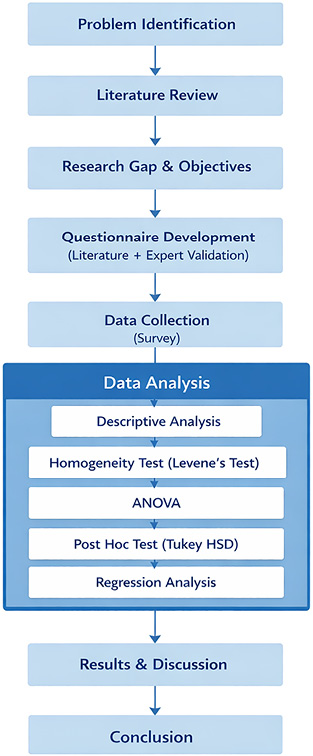
Figure 1 shows the research flow of this study. As per Malek and Zala (2021), this study follows an investigative survey approach using a structured questionnaire as an effective and essential data collection tool, a method extensively used in construction management studies. Furthermore, this approach offers a broader geographical reach, minimises bias, maintains respondent confidentiality and is cost-effective (Malek & Gundaliya, 2020).
This study was conducted in Ahmedabad, a rapidly developing urban centre in India, characterised by a high volume of medium- and large-scale construction activities (Malek & Shah, 2022). The city presents a diverse construction landscape involving multiple stakeholders, including clients, contractors and consultants, making it a suitable context for examining stakeholder perceptions and operational dynamics. Additionally, Ahmedabad faces typical challenges observed in emerging urban construction environments, including coordination complexities, resource constraints and varying levels of stakeholder expertise. Therefore, it provides an appropriate and representative setting for investigating the research objectives of this study (Malek & Gundaliya, 2021).
In addition to the literature review, informal, unstructured interviews with selected industry professionals were conducted during the questionnaire development stage. These interviews aimed to validate the relevance, clarity and practical applicability of the questionnaire items, ensuring alignment with real-world construction practices; they were not included in the statistical analysis. A total of six experts were consulted, comprising two representatives from each stakeholder group: clients, contractors and consultants. The selection criterion required each expert to have more than 20 years of relevant industry experience, following established approaches in previous studies (Malek & Bhatt, 2022). The insights obtained from these experts were used to refine the factors identified from the literature and to finalise the survey instrument.
Secondary data from the literature review were used to establish the conceptual framework and identify key variables, while primary data collected through the validated questionnaire were analysed using statistical techniques.
The data for this study were collected by distributing questionnaires in person to various private-sector stakeholders. A purposive sampling method was adopted to ensure participation from respondents with extensive expertise in the construction sector. Prior researchers adopted the same technique in a comparable study (Malek et al., 2021). Furthermore, the researchers have a well-established professional network in this region, making data collection feasible and trustworthy.
Respondents were asked to rate the extent to which each factor influences construction project performance, particularly in terms of operational outcomes (ORF). A 5-point Likert scale was used, ranging from 1 (very low influence) to 5 (very high influence), to capture the perceived impact of each factor. A pilot study was conducted on 30 respondents to test the reliability and validity of the survey instrument. The observed Cronbach’s alpha values ranged from 0.78 to 0.86, indicating satisfactory internal consistency. For transparency, the questionnaire used for data collection is included in Appendix I. A total of 350 respondents were targeted, of whom 246 provided valid responses, yielding a response rate of 70%. Of these, 33% were contractors, 37% clients and 30% consultants.
The collected data were processed and analysed using the framework established during the research blueprint design, as it is crucial for ensuring this study’s scientific rigour and verifying the availability of all relevant data for comparisons and analyses (Malek & Bhatt, 2022; Bhatt et al., 2025).
The data analysis adopted a structured approach to achieve the following research objectives:
1. Data cleaning and preparation: To ensure that the data are free of errors, inconsistencies and missing values, it is essential to maintain the accuracy and reliability of the analysis.
2. Descriptive statistics: To provide an overview of the respondents’ demographics and the distribution of responses by calculating measures such as mean, median, mode and standard deviation.
3. Inferential statistics: To make inferences about the population based on the sample responses. It includes hypothesis testing, ANOVA for intergroup comparisons and regression analysis for relationship impact.
4. Comparative analysis: To compare responses across different stakeholder groups so as to identify similarities and differences in their perspectives and opinions.
5. Thematic analysis: To analyse open-ended responses using a qualitative approach so as to understand insights and recurring themes that quantitative data may not have captured.
The data analysis involved the following:
• Frequency analysis: Counting the frequency of responses to understand common trends and patterns.
• Test of homogeneity of variances: Checking whether variances across groups are equal is a prerequisite for many statistical tests.
• ANOVA: Comparing the mean scores of different groups to determine if there are significant differences.
• Post-hoc test: Conducting further analysis after ANOVA to pinpoint which specific groups differ from each other.
• Regression analysis: Examining the relationship between dependent and independent variables to identify predictors of project success.
The data analysis sequence was meticulously selected to uphold methodological rigour. The application of descriptive statistics provided foundational insights into stakeholder sentiments. The results of Levene’s test confirm the assumption of homogeneity of variances, a critical prerequisite for conducting ANOVA. Subsequently, ANOVA was used to identify significant differences among stakeholder groups, and Tukey’s Honestly Significant Difference (HSD) post-hoc test was used to determine specific differences between groups. Lastly, regression analysis offers a quantitative examination of the relationships between ORF and the independent variables STF, DSF, PRF, ERF, QUF and MGF. In the regression analysis, ORFs were treated as the dependent variable, as they represent the execution-level performance of construction projects. ORF reflects how effectively project activities are carried out in terms of coordination, resource utilisation and on-site management practices. The other dimensions – MGF, STF, DSF, PRF, ERF and QUF – were considered independent variables, as they influence the operational environment and shape project execution. This conceptual structure is based on the understanding that higher-level managerial and technical factors ultimately manifest in operational performance. Therefore, focusing on ORF as the outcome variable enables a practical assessment of how various factors collectively impact project performance. This process adheres to recognised methodologies in construction management and HRM research (Doloi, 2009; Malek & Gundaliya, 2020; Malek & Zala, 2021; Malek & Shah, 2022; Malek & Bhatt, 2024). It involves conducting descriptive analysis before engaging in inferential testing, thereby ensuring the validity and robustness of the results. This study integrated these processes into a singular framework, enabling the simultaneous comparison of stakeholder perspectives alongside the modelling of factor relationships. This integration significantly enhances this study’s ability to deliver both diagnostic and predictive insights into stakeholder trust in the Indian construction sector.
Data analysis and interpretation
The statistical analysis presented in this study was based solely on the questionnaire survey data, while informal interviews were used exclusively during the instrument validation stage. The data included 246 respondents with no missing values for the “sector” variable, providing a complete picture of all three stakeholder groups – clients, contractors and consultants. Frequency analysis revealed that clients constituted the largest group, followed by contractors and consultants, as shown in Table 2.
| Sector | Frequency | Percentage | Cumulative percentage |
|---|---|---|---|
| Contractor | 81 | 32.9 | 32.9 |
| Client | 92 | 37.4 | 70.3 |
| Consultant | 73 | 29.7 | 100 |
| Total | 246 | 100 |
Although the literature review identified multiple dimensions influencing construction project performance, the present analysis focuses on a subset of key dimensions for specific analytical purposes. Table 3 presents selected dimensions directly relevant for comparing stakeholder perceptions across different groups (clients, contractors and consultants). These dimensions were chosen based on their strong association with stakeholder interaction, decision-making and project execution. In addition, during the questionnaire validation stage, expert insights from informal interviews further highlighted the practical importance of these dimensions in real-world construction settings. The remaining dimensions were incorporated into subsequent analyses, particularly in the regression model, where their combined influence on operational performance (ORF) was examined. This approach enables both focused comparison and comprehensive analysis within the overall research framework.
Note: MGF, managerial factor; STF, strategic factor; ORF, operational factor; M, mean; SD, standard deviation; SE, standard error.
Descriptive statistics were calculated to determine the mean, standard deviation, standard error and confidence intervals for the mean scores of MGF, STF and ORF across the different sectors and are shown in Table 3.
The data provide a comprehensive view of the construction industry, highlighting issues, factors affecting project outcomes and the importance of stakeholder relationships.
Levene’s test was performed to check the assumption of equal variances among groups. As shown in Table 4, the p-values for the three dependent variables (MGF, STF and ORF) were all below 0.05, indicating that the homogeneity-of-variance assumption was not violated (Upadhyaya & Malek, 2024).
Note: BOM, based on mean; BOME, based on median; BOMEDF, based on median and with adjusted df; BOTM, based on trimmed mean; MGF, managerial factor; STF, strategic factor; ORF, operational factor.
Analysis of variance
A one-way ANOVA was performed to determine whether there are substantial variances in the mean scores of the dependent variables (MGF, STF and ORF) across the different sectors (contractors, clients and consultants).
H0 (null hypothesis): There is no significant difference in the mean scores of MGF, STF and ORF across the different sectors.
H1 (alternative hypothesis): There is a significant difference in the mean scores of MGF, STF and ORF across the different sectors.
In Table 5, the ANOVA results indicate that the p-values for all three variables were less than 0.05, indicating significant differences in the mean scores of MGF, STF and ORF across sectors. These findings suggest that, perceptions and ratings of these factors vary significantly between industries, leading to the acceptance of the alternative hypothesis.
Note: MGF, managerial factor; STF, strategic factor; ORF, operational factor.
Post-hoc analysis
Tukey’s HSD test was performed, as shown in Table 6, to determine whether specific sectors (contractors, clients and consultants) differ significantly from each other in terms of the dependent variables (MGF, STF and ORF) and for pairwise comparisons.
Note: MGF, managerial factor; STF, strategic factor; ORF, operational factor.
*The mean difference is significant at the 0.05 level.
Table 6 shows the results of the post-hoc (Tukey’s HSD) analysis conducted to identify significant differences in perceptions among stakeholder groups. The results indicate statistically significant differences across selected factors among certain groups, highlighting variations in how clients, contractors and consultants perceive key aspects of construction project performance.
Managerial factors
The p-values for contractors vs. clients and contractors vs. consultants were both less than 0.05, indicating significant differences between these groups. However, the difference between clients and consultants was greater than 0.05, indicating no significant difference in MGF scores between these two sectors. This observation suggests that contractors are more inclined to consider MGFs than clients and consultants, possibly because of their direct involvement and control over project execution.
Strategic factors
The p-value for contractors vs. clients was less than 0.05, indicating a significant difference between the two sectors. However, the difference between contractors vs. consultants and clients vs. consultants was greater than 0.05, indicating no significant difference in the STF scores between these groups. This observation suggests that contractors are more satisfied with STFs than clients and consultants, possibly because of their greater involvement and closer engagement with on-site activities.
Operational factors
The p-value for contractors vs. clients was less than 0.05, indicating a significant difference between these sectors. However, the difference between contractors vs. consultants and clients vs. consultants was greater than 0.05, indicating no significant difference in the ORF scores between these groups. This observation suggests that contractors have greater confidence in the project’s success than clients and consultants, possibly because of their hands-on role in managing resources and operations.
These differences suggest divergent priorities and perspectives among stakeholders, which may affect coordination, communication and overall project execution. The findings emphasise the need for improved alignment among stakeholder groups to enhance project performance and minimise conflicts.
Regression analysis
Regression analysis was used in this study to examine the influence of multiple independent variables – STF, DSF, PRF, ERF, QUF and MGF – on ORF, which is treated as the dependent variable. This approach enables the assessment of each factor’s relative contribution and statistical significance while controlling for the effects of other variables. Unlike correlation analysis, which only captures pairwise associations between variables, regression analysis provides a more comprehensive understanding of the combined and individual effects of multiple predictors on project performance. Therefore, regression analysis is more appropriate for analysing the complex relationships among the identified dimensions in this study.
The analysis further indicated that training and development had a positive influence on project success (β = 0.38, p < 0.001). By contrast, the influence of performance appraisal was weaker and also not statistically significant, as shown in Table 7. This suggests that some HRM practices might lead to direct improvements in project outcomes, while other practices require effective strategies to be implemented.
H0: There is no significant association between ORF and the independent variables.
H1: There is a significant association between ORF and at least one independent variable.
Note: STF, strategic factor; DSF, design factor; PRF, procedural factor; ERF, equipment-related factor; QUF, quality factor; MGF, managerial factor; ORF, operational factor.
a. Predictors: (Constant), STF.
b. Predictors: (Constant), STF and DSF.
c. Predictors: (Constant), STF, DSF and PRF.
d. Predictors: (Constant), STF, DSF, PRF and ERF.
e. Predictors: (Constant), STF, DSF, PRF, ERF and QUF.
f. Predictors: (Constant), STF, DSF, PRF, ERF, QUF and MGF.
The regression analysis indicated that there is a significant positive association between ORFs and independent variables STF, DSF, PRF, ERF and MGF, as the p-values for these variables were less than or equal to 0.05, indicating the acceptance of the alternative hypothesis. By contrast, there is a significant negative association between ORF and QUF, an independent variable, having a p-value greater than 0.05, suggesting potential areas for improvement in resource quality management.
The findings of the regression analysis indicate that key dimensions such as STF, DSF, PRF, ERF and MGF have a significant influence on ORF. This suggests that strengthening these areas can contribute to improved operational performance in construction projects. Improved operational performance, in turn, can enhance coordination, reduce conflicts and improve overall project efficiency, thereby contributing to better project outcomes and increased stakeholder confidence and satisfaction.
The final regression model explains 62% of the variance in ORFs, suggesting a good fit. This indicates that the model accurately represents the relationship between ORFs and the independent variables, ensuring that only significant predictors are included. This improves the model’s overall predictive power and reliability.
Discussion of the findings
The findings of this study provide important insights into the factors influencing construction project performance, particularly regarding ORF. The regression analysis indicates that STF, MGF, DSF, PRF and ERF have a significant impact on operational performance, highlighting the interconnected nature of project management processes.
The significant influence of MGF and STF aligns with previous studies that have emphasised the importance of effective planning, coordination and decision-making in achieving project success (Doloi, 2009; Sambasivan & Soon, 2007). These findings reinforce the argument that higher-level management practices play a crucial role in shaping on-site execution and operational efficiency.
Similarly, the impact of DSFs is consistent with earlier research highlighting the importance of design clarity and stability in reducing rework and improving project outcomes (Love et al., 2013). Frequent design changes can disrupt workflows and create coordination challenges, negatively affecting operational performance.
The significance of PRF and ERF further supports the existing literature, which identifies process efficiency and resource availability as key determinants of project success (Assaf & Al-Hejji, 2006). Efficient procedures and proper equipment management contribute to smoother project execution and reduced delays.
Furthermore, the differences observed in stakeholder perceptions highlight the complexity of interactions among clients, contractors and consultants. These findings align with previous studies that have emphasised the role of stakeholder alignment and communication in minimising conflicts and improving project outcomes (Jaffar et al., 2011).
Overall, the findings suggest that construction project performance cannot be attributed to a single factor but results from multiple interrelated dimensions. This study contributes to the existing body of knowledge by providing an integrated perspective that combines stakeholder perceptions with operational performance analysis.
Conclusion
This study identifies and analyses the key factors influencing ORFs among construction industry stakeholders in Ahmedabad, revealing significant variations in confidence levels between contractors, clients and consultants. Contractors generally exhibit higher confidence, likely due to their direct engagement and greater accountability in project execution. Regression analysis confirms that ORFs have a strong positive association with STF, DSF, PRF and ERF, but a negative association with QUF. The model explains 62% of the variance in ORF, underscoring the importance of these factors in shaping stakeholder perceptions and trust.
From an HRM perspective, these findings emphasise that stakeholder confidence is strongly tied to people-related processes, such as leadership effectiveness, team collaboration, talent retention and skill development. Effective recruitment and selection can ensure a competent workforce, while structured training programmes and performance appraisal systems can boost both work quality and efficiency. Strong organisational dynamics, facilitated by a positive workplace culture and clear communication channels, not only enhance stakeholder relationships but also help reduce conflicts and align objectives across contractors, clients and consultants.
Strengthening satisfaction, organisational dynamics, performance and efficiency is thus both a confidence-building measure and a pathway to higher productivity, reduced disputes and consistent delivery. Contractors can benefit from adopting transparent, HRM-driven performance-monitoring systems, proactive problem-solving practices and continuous workforce development. Clients can leverage these insights to engage in participative decision-making and build trust-based partnerships. Consultants can align their advisory roles with human capital strategies that drive performance and efficiency.
Ultimately, this study contributes a novel methodological and theoretical perspective by introducing ORF as a multidimensional construct and linking it directly to HRM practices. By combining statistical rigour with people-focused strategies, this research offers actionable pathways to improve stakeholder confidence and achieve sustainable project success in the construction industry.
Limitations and future scope
This study has certain limitations that should be considered when interpreting the results. This research was confined to the Ahmedabad region, which may limit the generalisability of the findings to other areas or countries with different construction practices and market conditions. Although this study achieved a reasonable response rate, the sample size and sector distribution may not fully reflect the broader construction industry. Additionally, the data were collected through self-reported questionnaires, which could introduce bias due to differences in perceptions and interpretations among respondents. This study focuses on selected dimensions influencing operational performance and does not include all possible factors affecting construction project outcomes.
Future research can address these limitations by expanding this study to include different geographic regions, thereby improving the generalisability of the findings and identifying regional variations in confidence levels and influencing factors. Further investigations could examine additional variables, such as economic factors, regulatory influences and technological developments, that may affect confidence levels in the construction industry. Conducting longitudinal studies would provide insights into how confidence levels and their determinants evolve, particularly in response to changes in the construction market and external environment. Comparative studies across countries or regions could assess the global applicability of the findings and identify best practices for implementation across markets. Incorporating qualitative methodologies, such as focus groups or interviews, could offer a deeper understanding of the underlying causes behind the quantitative results and provide more nuanced insights into stakeholder trust in construction projects.
By addressing these areas, future research can contribute to a more comprehensive understanding of the factors influencing confidence in the construction industry and offer valuable recommendations to improve project outcomes and stakeholder satisfaction.
References
Adnan, E., Sherif, M., Ziad, A. M., & Peter, E. M. (2007). Factors affecting labor productivity in building projects in the Gaza Strip. Journal of Civil Engineering and Management, 13(4), 245–254. https://doi.org/10.3846/13923730.2007.9636444
Alaghbari, W., Razali, A., Kadir, M., Salim, A., & Ernawati. (2007). The significant factors causing delay of building construction projects in Malaysia. Engineering, Construction and Architectural Management, 14(2), 192–206. https://doi.org/10.1108/09699980710731308
Assaf, S. A., & Al-Hejji, S. (2006). Causes of delay in large construction projects. International Journal of Project Management, 24(4), 349–357. https://doi.org/10.1016/j.ijproman.2005.11.010
Attar, A. A., Gupta, A. K., & Desai, D. B. (2012). A study of various factors affecting labor productivity and methods to improve it. IOSR Journal of Mechanical and Civil Engineering, 1, 11–14. https://doi.org/10.9790/1684-0141421
Bhatt, S., Malek, M., & Juremalani, J. (2025). Navigating the road to success: Unravelling the key factors influencing PPP selection in Indian road projects. International Journal of Indian Culture and Business Management, 34(3), 345–364. https://doi.org/10.1504/IJICBM.2025.144904
Burati, J. L., Matthews, M. F., & Kalidindi, S. N. (1991). Quality management in construction industry. Journal of Construction Engineering and Management, 117(2), 341–359. https://doi.org/10.1061/(ASCE)0733-9364(1991)117:2(341)
Chan, P. (2002). Factors affecting labor productivity in the construction industry. In Proceedings of the Eighteenth Annual ARCOM Conference (Vol. 2, pp. 771–780). University of Northumbria, Association of Researchers in Construction Management.
Chaturvedi, S., Thakkar, J. J., & Shankar, R. (2018). Labor productivity in the construction industry: An evaluation framework for causal relationships. Benchmarking: An International Journal, 25(1), 334–356. https://doi.org/10.1108/BIJ-11-2016-0171
Dhal, H. B., Patel, R., & Malek, M. (2023). Human resource management: An essential resource for organizing construction workforces. In D. A. Karras, S. K. Oruganti, & S. Ray (Eds.), Emerging trends and innovations in industries of the developing world: A multidisciplinary approach (1st ed., pp. 230–235). CRC Press. https://doi.org/10.1201/9781003457602
Doloi, H. (2009). Analysis of pre-qualification criteria in contractor selection and their impacts on project success. Construction Management and Economics, 27(12), 1245–1263. https://doi.org/10.1080/01446190903394541
Durdyev, S., & Mbachu, J. (2018). Key constraints to labour productivity in residential building projects: Evidence from Cambodia. International Journal of Construction Management, 18(5), 385–393. https://doi.org/10.1080/15623599.2017.1326301
Egemen, M. (2021). Approaches of clients, consultants and contractors to causes of delays in construction projects. European Journal of Science and Technology, 23, 312–321. https://doi.org/10.31590/ejosat.870763
Egemen, M., & Mohamed, A. N. (2006). Clients’ needs, wants and expectations from contractors and approach to the concept of repetitive works in the Northern Cyprus construction market. Building and Environment, 41(5), 602–614. https://doi.org/10.1016/j.buildenv.2005.02.021
Fagbenle, O. I., Ogunde, A., & Owolabi, J. D. (2011). Factors affecting the performance of labor in Nigerian construction sites. Mediterranean Journal of Social Sciences, 2(2), 251–257. http://eprints.covenantuniversity.edu.ng/id/eprint/8076
Hickson, B. G., & Leighton, A. E. (2014). Factors affecting construction labor productivity in Trinidad and Tobago. The Journal of the Association of Professional Engineers of Trinidad and Tobago, 2(1), 4–11.
Hillebrandt, P. (2000). Economic theory and the construction industry (3rd ed.). Macmillan Press. https://doi.org/10.1057/9780230372481
Ishaq, I. M., Omar, R., Yahya, M. Y., & Sarpin, N. B. (2019). Improving communication between client and contractor during construction project in Nigerian construction industry. Journal of Technology Management and Business, 6(3), 60–75.
Jaffar, N., Tharim, A. H. A., & Shuib, M. N. (2011). Factors of conflict in construction industry: A literature review. Procedia Engineering, 20, 193–202. https://doi.org/10.1016/j.proeng.2011.11.156
Jarkas, A. M., & Bitar, C. G. (2012). Factors affecting construction labor productivity in Kuwait. Journal of Construction Engineering and Management, 138(7), 811–820. https://doi.org/10.1061/(ASCE)CO.1943-7862.0000501
Karthick, M. D., Prasadh, M. K., & Dhanalakshmi, R. (2018). Premeditated analysis of labor productivity in construction project. International Journal of Engineering Research & Technology, 6(10), 1–7.
Kometa, S. T., Olomolaiye, P. O., & Harris, F. C. (1995). An evaluation of clients’ needs and responsibilities in the construction process. Engineering, Construction and Architectural Management, 2(1), 57–76. https://doi.org/10.1108/eb021003
Kumaar, A. N., Deventhiran, K., Kumar, M. S., Kumar, M., & Suresh, R. (2016). A study on targeted relationships between contractors and consultants in construction industry. Indian Journal of Science and Technology, 9(16), 1–7. https://doi.org/10.17485/ijst/2016/v9i16/92191
Loosemore, M., Dainty, A., & Lingard, H. (2003). Human resource management in construction projects: Strategic and operational approaches. Routledge. https://doi.org/10.4324/9780203417881
Love, P. E. D., Wang, X., Sing, C.-P., & Tiong, R. L. K. (2013). Determining the probability of project cost overruns. Journal of Construction Engineering and Management, 139(3), 321–330. https://doi.org/10.1061/(ASCE)CO.1943-7862.0000575
Makulsawatudom, A., Emsley, M., & Sinthawanarong, K. (2004). Critical factors influencing construction productivity in Thailand. The Journal of KMITNB, 14(3), 1–6. https://doi.org/10.1061/40671(2003)6
Malek, M., & Gundaliya, P. (2021). Value for money factors in Indian public-private partnership road projects: An exploratory approach. Journal of Project Management (Canada), 6(1), 23–32. https://doi.org/10.5267/j.jpm.2020.10.002
Malek, M., & Shah, D. (2022). The attraction of public-private partnerships for road construction in India is affected by both positive and negative factors. Journal of Project Management (Canada), 8(3), 165–176. https://doi.org/10.5267/j.jpm.2023.3.002
Malek, M., & Zala, L. (2021). The attractiveness of public-private partnerships for road projects in India. Journal of Project Management (Canada), 7(2), 111–120. https://doi.org/10.5267/j.jpm.2021.10.001
Malek, M. S., & Bhatt, V. (2022). Examine the comparison of CSFs for public and private sector stakeholders: A SEM approach towards PPP in the Indian road sector. International Journal of Construction Management, 23(13), 2239–2248. https://doi.org/10.1080/15623599.2022.2049490
Malek, M. S., & Bhatt, V. (2024). Investigating the effect of risk reduction strategies on the construction of mega infrastructure project (MIP) success: A SEM-ANN approach. Engineering, Construction and Architectural Management, 31(9), 3573–3598. https://doi.org/10.1108/ECAM-12-2022-1166
Malek, M. S., & Gundaliya, P. J. (2020). Negative factors in implementing public-private partnership in Indian road projects. International Journal of Construction Management, 23(2), 234–242. https://doi.org/10.1080/15623599.2020.1857672
Malek, M., Mohibali, S., & Bachwani, D. (2021). Identification, evaluation, and allotment of critical risk factors (CRFs) in real estate projects: India as a case study. Journal of Project Management (Canada), 6(2), 83–92. https://doi.org/10.5267/j.jpm.2021.1.002
Maloney, W. (2002). Construction product/service and customer satisfaction. Journal of Construction Engineering and Management, 128(6), 522–529. https://dialnet.unirioja.es/servlet/articulo?codigo=694104. https://doi.org/10.1061/(ASCE)0733-9364(2002)128:6(522)
Memon, A. H., Rahman, I. A., Abdullah, M. R., & Abdu Azis, A. A. (2010). Factors affecting construction cost in MARA large construction project: Perspective of project management consultant. International Journal of Sustainable Construction Engineering and Technology, 1(2), 41–54. https://doi.org/10.22452/jscp.vol2no1.4
Murari, S. S., & Joshi, A. M. (2019). Factors affecting labor productivity in precast construction industry. In Proceedings of the Fourth National Conference on Road and Infrastructure 2019 (ISBN: 978-93-5367-163-1). https://ssrn.com/abstract=3370117
Pinto, J. K., Slevin, D. P., & English, B. (2008). Trust in projects: An empirical assessment of owner/contractor relationships. International Journal of Project Management, 27(6), 638–648. https://doi.org/10.1016/j.ijproman.2008.09.010
Rao, B. P., Sreenivasan, A., & Babu, P. N. V. (2015). Labor productivity: Analysis and ranking. International Research Journal of Engineering and Technology, 2(3), 151–155.
Sambasivan, M., & Soon, Y. W. (2007). Causes and effects of delays in Malaysian construction industry. International Journal of Project Management, 25(5), 517–526. https://doi.org/10.1016/j.ijproman.2006.11.007
Soekiman, A., Pribadi, K. S., Soemardi, B. W., & Wirahadikusumah, R. D. (2011). Factors relating to labor productivity affecting the project schedule performance in Indonesia. Procedia Engineering, 14, 865–873. https://doi.org/10.1016/j.proeng.2011.07.110
Sweis, G., Sweis, R., Abu Hammad, A., & Shboul, A. (2008). Delays in construction projects: The case of Jordan. International Journal of Project Management, 26(6), 665–674. https://doi.org/10.1016/j.ijproman.2007.09.009
Upadhyaya, D., & Malek, M. (2024). An exploratory factor analysis approach to investigate health and safety factors in construction. Construction Economics and Building, 24(1/2), 29–49. https://doi.org/10.5130/AJCEB.v24i1/2.8867
Walker, D. H. T., & Lloyd-Walker, B. M. (2015). Collaborative project procurement arrangements. Project Management Institute.