Construction Economics and Building
Vol. 25, No. 2
July 2025
RESEARCH ARTICLE
Stakeholder Theory and Shareholder Theory Application in the Construction Field: A Systematic Scoping Review
Eunice Achina Agyemang1,*, Innocent Musonda1, Sam Zulu2
1 Centre of Applied Research and Innovation in the Built Environment (CARINBE), Faculty of Engineering and the Built Environment, University of Johannesburg, Johannesburg 2092, South Africa
2 School of Built Environment, Engineering and Computing, Leeds Beckett University, Leeds, UK
Corresponding author: Eunice Achina Agyemang, euniceachinaagyemang@gmail.com
DOI: https://doi.org/10.5130/AJCEB.v25i2.9346
Article History: Received 16/09/2024; Revised 07/01/2025; Accepted 09/02/2025; Published 08/08/2025
Citation: Agyemang, E. A., Musonda, I., Zulu, S. 2025. Stakeholder Theory and Shareholder Theory Application in the Construction Field: A Systematic Scoping Review. Construction Economics and Building, 25:2, 89–111. https://doi.org/10.5130/AJCEB.v25i2.9346
Abstract
Stakeholder theory and shareholder theory are essential frameworks for understanding construction projects, influencing sustainability, project success, and decision-making. Although some studies have explored these theories, there is a notable gap in retrospectively analyzing their application within the construction context. Therefore, this study sought to systematically review stakeholder and shareholder theories to determine which theoretical approach is predominantly used in construction studies, assess the thematic areas where stakeholder theory or shareholder theory is applied in construction studies, and identify future research and gaps in their application in construction studies. The study adopted Arkesy and O’Malley’s five-stage framework to conduct a systematic scoping review of 1,726 articles from Scopus and Google Scholar databases, focusing on stakeholder theory or shareholder theory. The selection process followed the Preferred Reporting Items for Systematic Reviews and Meta-Analyses (PRISMA) framework, with 31 articles meeting the inclusion criteria. The data were analyzed using content analysis. The results showed an increased focus on stakeholder theory compared to shareholder theory. There were 10 themes identified under stakeholder theory, with “stakeholder management” being the predominant theme. Shareholder theory, on the other hand, had only two themes, with “shareholder value creation” being the predominant theme. The few themes identified under shareholder theory resulted from the scarcity of research in this area. This calls for more research in the application of shareholder theory. Remarkably, there is a notable lack of research integrating these two theories. This highlights the opportunity to integrate these theories to address complex challenges in the construction industry.
Keywords
Stakeholder Theory; Shareholder Theory; Construction Industry; Systematic Scoping Review
Introduction
The construction industry, which plays a crucial role in driving economic growth and societal progress, is characterized by its intricate nature, wide participation of stakeholders, and substantial financial and social consequences (Neale and Gurmu, 2022). The construction industry has several challenges, including complex project management, coordination with stakeholders, environmental considerations, and challenges in financial management. The involvement of several stakeholders, such as clients, project managers, designers, subcontractors, suppliers, financing organizations, users, and the community, emphasizes the complex character of this sector (Ma, et al., 2018). Obtaining a deep understanding of the relationships and impact of these key stakeholders on project outcomes is crucial for effective project management. To address these challenges, researchers have used several theoretical frameworks, notably stakeholder theory (SKT) and shareholder theory (SHT). The stakeholder theory asserts that organizations should take into account the interests and impacts of all stakeholders participating in a project (Freeman, 1984). SKT strives to promote sustainability, improve project outcomes, and achieve long-term success by encouraging participation and collaboration among stakeholders (Aaltonen, Jaakko and Tuomas, 2008). On the other hand, shareholder theory mainly emphasizes the maximization of shareholder value, giving priority to financial performance and returns on investment (Friedman, 1970). Managers are seen as agents of shareholders and are bound by law and morality to protect their interests. Although both theories are practically relevant, literature shows a growing emphasis on SKT within the construction sector. Several studies have examined various facets of SKT, such as stakeholder management, stakeholder collaboration, and stakeholder influence. For instance, Molwus, et al. (2017) underlined crucial elements for achieving success in stakeholder management, highlighting the significance of stakeholder involvement in order to ensure the success of a project. The study by Gan, et al. (2018) emphasized the significant influence that stakeholders have on the outcome of projects. Conversely, there is inadequate research on SHT in the literature of the construction industry. Few research specifically focused on topical areas such as shareholder ethics and responsibility and shareholder value creation. For instance, Hatipkarasulu and Gill (2004) delineated the ethical issues and responsibilities linked to shareholder involvement in bidding for construction projects using online reverse auction procedures. In addition, Hall (2024) investigated the efficacy of different shareholder value creation measurements across several industries such as the construction industry. The research identified sector-specific metrics, such as the Q ratio, market value added (MVA), and the market-to-book ratio, as the most effective based on the industry. It also revealed that increasing shareholder value creation impedes economic growth.
Stakeholder theory and shareholder theory have become an essential framework for understanding how construction projects function, impacting sustainability, project success, and decision-making. For the past periods, different aspects of SKT or SHT have been analyzed by researchers spanning from the management of stakeholders to the creation of shareholder value. However, there is a dearth of research that has attempted to retrospectively evaluate the application of SKT and SHT in the construction context. Undertaking a scoping review on SKT and SHT is essential, in order to get a thorough and current understanding that may inform future directions in construction projects (Mahajan, et al., 2023). Given this background, this study intends to carry out a scoping review of SKT and SHT research. The objectives are to (a) determine which theoretical approach, whether stakeholder theory or shareholder theory, is predominantly used in construction studies; (b) assess the thematic areas where stakeholder theory or shareholder theory is applied in construction studies; and (c) identify future research and gaps in stakeholder and shareholder theory application in construction studies. The above addresses the theoretical underpinning that guides construction research. Determining whether stakeholder theory or shareholder theory is predominantly used provides insight into the industry’s prioritization of stakeholder interests versus shareholder interests. This understanding is critical for identifying potential imbalances or gaps in research and practice. The ultimate goal is to inform the development of a more holistic framework that integrates both theories to produce a more balanced and comprehensive approach to decision-making in construction management.
Theoretical perspective
Stakeholder theory
Stakeholder theory has gained significance in management literature due to its unique perspective on organizational dynamics and decision-making processes. Stakeholder theory emphasizes the importance of considering the needs and viewpoints of various stakeholders, including employees, customers, suppliers, communities, and society as a whole (Freeman, 1984). Organizations that adopt stakeholder theory recognize that their success and sustainability depend on effectively managing relationships with multiple stakeholders. Donaldson and Preston (1995) identified three theoretical approaches for engaging stakeholders: (1) the descriptive approach, which views firms as organizations with multiple stakeholder groups, each with their own interests; (2) the instrumental approach, which focuses on efficiently managing stakeholders to influence financial results; and (3) the normative approach, which prioritizes stakeholders as the central focus, considering their interests comprehensively. A stakeholder becomes more important to a corporation if they have power, legitimacy, or urgency as highlighted in the stakeholder salience framework by Mitchell, et al., (1997). By integrating these attributes, stakeholders can be classified, and their importance to management and decision-making can be assessed. Therefore, the salience framework forecasts the stakeholders that a company’s management prioritizes. However, stakeholder theory faces criticisms. Dealing with diverse constituencies and pursuing multiple goals at once can be confusing when managing relationships with multiple stakeholders (Inkpen and Sundaram, 2022). Additionally, studies on how managers can operationalize stakeholder theory are limited due to uncertainty regarding the model’s scope (Tse, 2011). Defining the actual scope of the theory and determining the stakeholders are also difficult (Phillips, Freeman and Wicks, 2003). Traditionally, it has been viewed as a managerial responsibility (Donalson and Preston, 1995). However, stakeholder theory does not imply a one-way relationship, as stakeholders can also manage a company to achieve their interests rather than respond to management (Frooman, 1999). This means that management does not have complete control over strategy design, as stakeholders can influence how a firm’s strategies are developed (Tse, 2011). Furthermore, stakeholder theory lacks clear criteria for effective execution, unlike shareholder theory, which has a clear aim and beneficiary (Kochan and Rubinstein, 2000). The absence of management tools tailored for stakeholder management exacerbates the problem (Grant, 2009). To address these challenges, Phillips, et al. (2003) suggest the introduction of new methods to align the interests of managers with those of their stakeholders, emphasizing the importance of such tools and methods in ensuring that managers fulfill their obligations to stakeholders.
Shareholder theory
The concept of shareholder theory, first presented by Friedman (1970), argues that the primary obligation of a firm is to enhance the financial gains of its owners. The theory asserts that management should prioritize the interests of shareholders and optimize shareholder value (Friedman and Miles, 2002). Managers are seen as agents of shareholders and are bound by law and morality to protect their interests. However, there are instances where managers may prioritize the interests of stakeholders, leading to a detriment to shareholders (Mocsary, 2013). To assess the worth of a company and make informed investment choices, shareholders should consider the financial performance of the company and its ability to meet its cost of capital. Managers should engage in initiatives that enhance shareholder wealth and use measurement tools such as economic value added (EVA) to assess the impact of these projects (Irala and Reddy, 2006). Traditional measurements such as earnings per share (EPS) and return on equity (ROE) have faced criticisms for not considering the cost of capital (Hasani and Zahra, 2012), leading to the suggestion of metrics such as EVA, MVA, cash value added (CVA), and shareholder value added (SVA) (Mamun, et al., 2012). Egawa (2018) outlines three notable criticisms of the shareholder theory, which challenge its fundamental premises. These critiques include concerns about short-termism in corporate management, shareholders’ transient ownership with limited commitment to the corporation, and legal limitations on shareholders’ rights. In addition, scholars such as Kusi, et al. (2018) contend that the unwavering pursuit of shareholder value, as advocated by the shareholder theory, may have played a role in corporate scandals, such as those involving Enron and WorldCom, by placing excessive pressure on managers to prioritize immediate financial gains at the expense of broader corporate obligations.
Methodology
A systematic scoping review was conducted to synthesize evidence from a variety of study designs in order to clarify key concepts and identify gaps in the published literature, using the Joanna Briggs Institute (JBI) methodology and Arksey and O’Malley framework due to their complementary strength. The JBI methodology provides a rigorous, systematic approach, ensuring transparency and reliability (Peters, et al., 2015). The Arksey and O’Malley framework, on the other hand, offers a flexible, comprehensive structure that facilitates the examination of broad research areas and the identification of key concepts, gaps, and the scope of existing evidence (Arksey and O’Malley, 2005). Together, these frameworks ensure both methodological rigor and a structured broad exploration of the evidence, making them ideal for our review’s objectives. Scoping reviews are a frequently used approach for analyzing and consolidating knowledge in a particular area of study (Daudt, Van Mossel and Scott, 2013). A systematic scoping review is different from a systematic literature review since it aims to provide a thorough overview of a potentially broad range of literature without providing a critical evaluation or extracting particular results from each individual research. In contrast, the purpose of a systematic literature review is to synthesize and assess evidence related to a more specific research question (Pham, et al., 2014). This systematic scoping review followed the requirements established by the Preferred Reporting Items for Systematic Reviews and Meta-Analyses extension for Scoping Reviews (PRISMA-ScR) (Tricco, et al., 2018). The different steps of the Arksey and O’Malley methodological approach we followed are outlined below:
Identifying the research question
The first step in a systematic scoping review is to identify a research question to be answered (Arksey and O’Malley, 2005). This paper aims to review how SKT and SHT are applied in the field of construction. Thus, this scoping review aimed to answer the following questions: “Which theoretical approach, SKT or SHT, is predominantly used in construction studies?”, “What are the thematic areas where SKT or SHT is applied in construction studies?”, and “What are the future research needs and gaps in the application of these theories in construction studies?”
Identifying relevant studies
A search strategy was developed to retrieve relevant research evidence from two research databases—Scopus and Google Scholar—on 25 April 2024. Scopus was used for the initial search for literature since it has a broader coverage of scientific publications (Osei-Kyei and Chan, 2015; Zhao, et al., 2019). Moreover, the Scopus database is acknowledged to outperform other databases such as Web of Science, PubMed, and Google Scholar (Falagas, et al., 2008). It guarantees the highest quality data that are indexed by meticulous content selection and re-evaluation by an independent Content Selection and Advisory Board (Bass, et al., 2020). Extensive quality assurance procedures also regularly evaluate and enhance all data elements in Scopus (Okoro, 2023). Therefore, the Scopus database was originally used to look for relevant publications. A comprehensive literature search was conducted using appropriate Boolean operators and keywords: ‘’stakeholder AND theory’’ OR ‘’stakeholder AND perspective’’ OR ‘’stakeholder AND analysis’’ OR ‘’stakeholder AND approach’’ OR ‘’stakeholder AND value’’ AND ‘’shareholder AND theory’’ OR ‘’shareholder AND perspective’’ OR ‘’shareholder AND analysis’’ OR ‘’shareholder AND approach’’ OR ‘’shareholder AND value’’ AND ‘’construction AND industry’’. The primary search for the literature resulted in the identification of 1,576 publications using the search query. Google Scholar was utilized as a suitable supplementary source of evidence (Haddaway, et al., 2015), although it has been criticized by some researchers (Mushi, et al., 2022) for including unreliable studies in its database. However, due to the systematic and rigorous review process provided by PRISMA-ScR, any unreliable studies will be eliminated in the review process. Further search in Google Scholar yielded 150 publications. This resulted in a total of 1,726 papers being retrieved from Scopus and Google Scholar databases. This provided a chance to collect and examine a satisfactory number of research findings on stakeholder and shareholder theory application in the field of construction. The search query was restricted to journal articles, focusing specifically on the subject area of engineering. Only articles published in English were included, with no limitations on publication year. This resulted in 936 documents.
Study selection
As two different databases were used (n = 936), the search resulted in multiple duplicates. These duplicates (n = 69) were removed, leaving the remaining 867 records to be screened for the application of SKT or SHT based on the titles and abstracts. A total of 821 records were excluded in the first screening stage for not meeting this criterion. The second screening stage on full-text article was conducted for the remaining 46 records, evaluating their relevance. Records deemed of low relevance were excluded. In the final step, an additional 15 records were excluded after in-depth content screening as they were not discussing in sufficient depth the theories or their application in the construction context. The large number of articles that were excluded did not meet our study’s specific criteria, which focused on studies that delved deeply into the theoretical aspects of stakeholder and shareholder concepts, rather than merely mentioning the terms. We aimed to include only those studies that provided substantial theoretical insight into these concepts within the context of construction research. While stakeholder and shareholder topics have been widely researched, our study specifically targeted works that engaged with the theories behind these concepts. In the end, 31 studies were included in the synthesis (see Figure 1). An overview of the selected records is provided in the appendix Table V.
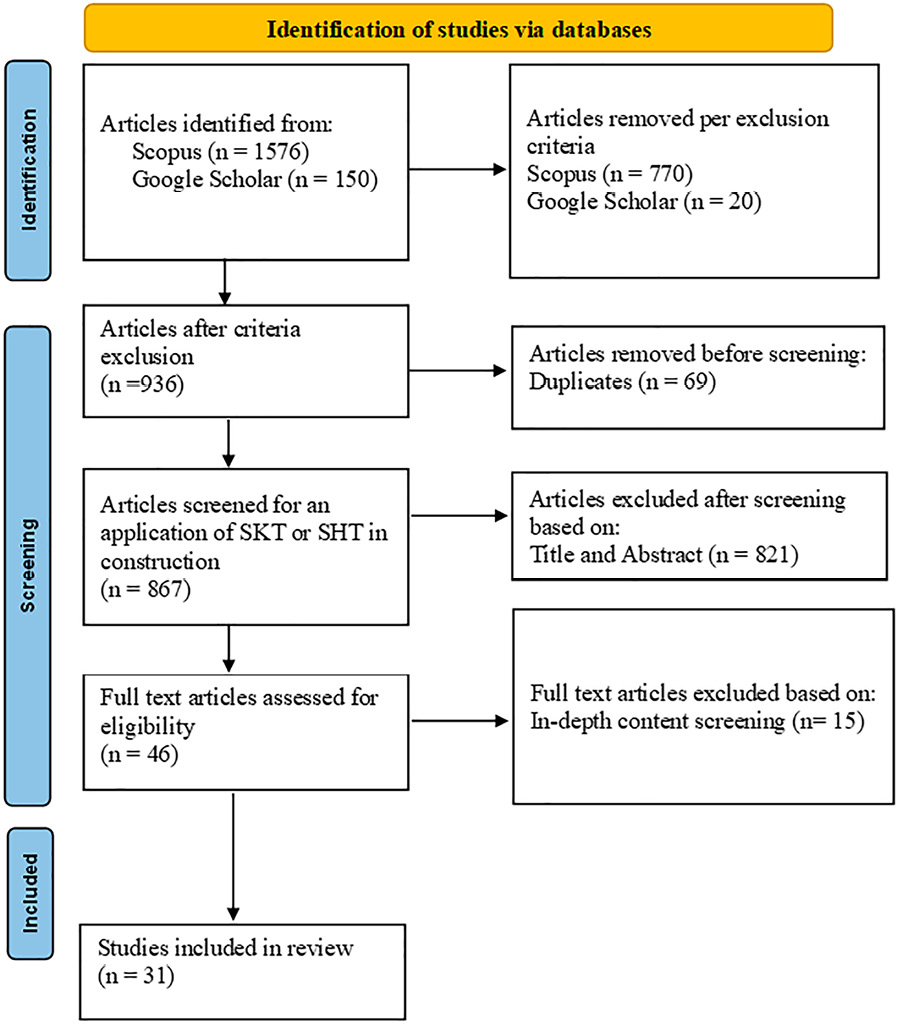
Figure 1. The PRISMA flow diagram (Page, et al., 2021).
Charting the data
A charting table was created using the JBI methodology and the Arksey and O’Malley framework for scoping review (Arksey and O’Malley, 2005; Peters, et al., 2015) to record the pertinent information related to the research question: publication trend and theory applied, publication per country, journal publication, methodological approach, most applied theory, main themes, and findings. To ensure the reliability of the findings, two researchers were tasked with creating the data charting table.
Collating, summarizing, and reporting the results
The fifth stage of the framework necessitated summarizing the extracted data. Once the data were charted in Excel, the authors examined them to ascertain the main findings and detect trends. More precisely, the collected data were examined to address the research questions of the scoping review. Applying the thematic analysis method suggested by Braun and Clarke (2006), the first two authors acquainted themselves with the data by explicitly examining how stakeholder theory or shareholder theory was applied and explored in each study. Following their previous familiarity with the stakeholder theory and shareholder theory literature, they independently coded the first three articles. The technique was executed using Microsoft Excel, which is a good software for data organization and coding (Tay, et al., 2020). All discrepancies in coding were thoroughly deliberated, and a unanimous agreement was reached. Subsequently, the remaining data were encoded.
Results
Publication trend and theory applied
Studies using SKT/SHT as frameworks showed varying patterns from 2000 to 2024 as indicated in Table 1. However, this does not mean that studies on SKT/SHT started in 2000. The time frame emerged naturally based on the selected criteria, as no year limitations were applied. The number of SKT-related publications increased steadily, reaching a peak of six between 2021 and 2023. SHT studies were intermittent, peaking at three between 2015 and 2017. No research integrated both theories.
Publication per country
The distribution of 31 studies on SKT and SHT in construction shows China leading with five studies, followed by the United Kingdom with four. South Africa has three studies, while India, Australia, Ghana, Poland, and Malaysia have two each. Other countries contributed one study each, and three studies did not mention a specific country as indicated in Figure 2.
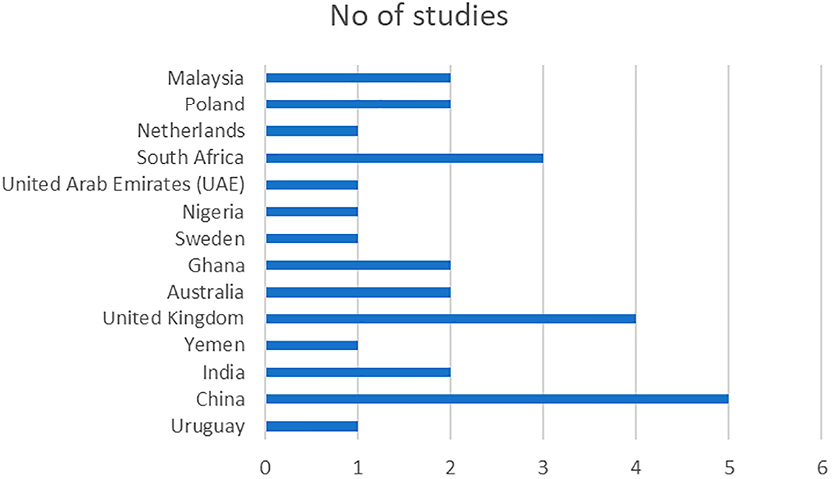
Figure 2. Publications per country (Author’s source).
Journal publication
Table 2 shows the distribution of publications in different journals. The top two journals were Engineering, Construction and Architectural Management (seven publications) and Construction Management and Economics (three publications). Other journals had at most two publications each.
Methodological approach
Table 3 shows the methodological approaches used in the studies. Out of the 31 studies, 3 used qualitative methods, 12 used quantitative methods, 8 used case studies, and 4 used mixed methods. There were also four literature reviews.
| Methodological approach | No. of publications |
|---|---|
| Qualitative | 3 |
| Quantitative | 12 |
| Mixed method | 4 |
| Case study | 8 |
| Literature review | 4 |
Most applied theory
From Table 4, SKT is the dominant theoretical framework used in 24 studies, while SHT is less common, appearing in only 7 studies. There were no studies that integrated both theories.
| Main theme | Sub-category/topical areas | Theories used per theme | References |
|---|---|---|---|
| Stakeholder management | Stakeholder influence strategies; critical success factors; corporate culture; overview of previous studies; waste management; public–private partnerships (PPP) projects; transportation infrastructure development; stakeholders influencing strategies, high capital cost, and cost management; stakeholder relationship; sustainability; risk management | SKT = 11; SHT =0; SKT and SHT = 0 | (Aaltonen, et al., 2008); (Molwus, et al., 2017); (Meding, et al., 2013); (Yang, et al., 2009); (Frempong-Jnr, et al., 2023); (Amadi, et al., 2018); (Al-Nahyan, et al., 2012); (Liu, et al., 2023); (Austen, et al., 2009; (Chereja, 2013); (Deng and Zhou, 2010) |
| Shareholder value creation | Economic growth; industry-specific determinants; measures; comparison between traditional and economic performance measures; comparative study | SHT = 6; SKT = 0; SKT and SHT = 0 | (Hall, 2024); (Hall, 2016; (Panigraphi, 2017); (Panigraphi, et al., 2014); (Goel, 2013); (Oleksy and Zyguła, 2018) |
| Stakeholder influence | Project delivery performance; social performance; managing a safe city | SKT = 3; SHT = 0; SKT and SHT = 0 | (AL-Fadhali, 2024); (Doloi, 2012); (Wereda, et al., 2022) |
| Stakeholder collaboration | Stakeholders influencing power; cost management efficiency, optimizing resource allocation | SKT = 2; SHT = 0; SKT and SHT = 0 | (Gan, et al., 2018); (Zhang, et al., 2023) |
| Stakeholder engagement | Sustainable procurement; conceptualization, sustainability | SKT = 2; SHT = 0; SKT and SHT = 0 | (Agyekum, et al., 2023); (Mathur, et al., 2008) |
| Stakeholder salience | Social sustainability | SKT = 1; SHT = 0; SKT and SHT = 0 | (Goel, et al., 2020) |
| Stakeholder performance | Relationship management | SKT = 1; SHT = 0; SKT and SHT = 0 | (Xue, et al., 2023) |
| Stakeholder mapping | Concept of project stakeholders | SKT = 1; SHT = 0; SKT and SHT = 0 | (Newcombe, 2003) |
| Stakeholder impact | Stakeholder analysis, project management | SKT = 1; SHT = 0; SKT and SHT = 0 | (Olander, 2007) |
| Stakeholder relationship | Safety communication | SKT = 1; SHT = 0; SKT and SHT = 0 | (Greeff, 2013) |
| Stakeholder focus | Stakeholder focus | SKT = 1; SHT = 0; SKT and SHT = 0 | (Walker, 2000) |
| Shareholder ethics and responsibilities | Online reverse auctions | SHT = 1; SKT = 0; SKT and SHT = 0 | (Hatipkarasulu and Gill, 2004) |
Thematic analysis
The studies reviewed highlighted different thematic areas of application within the construction context as shown in Table 4.
Discussion
The results were organized and presented under six main categories: publication trend and theory applied, publication per country, journal publication, methodological approach, most applied theory, and thematic analysis. The creation of these categories was guided by the approach in the Hsieh and Shannon (2005) study for interpreting textual data content through a coding technique.
Publication trend and theory applied
Studies utilizing SKT or SHT as theoretical frameworks uncover a fascinating pattern from 2000 to 2024. The number of SKT-related publications was limited, with just one paper published each year from 2000 to 2005. However, there was a gradual upward trajectory, reaching a noteworthy peak of six publications in 2021–2023. On the other hand, SHT studies displayed sporadic patterns, making their first appearance in 2003 and reaching a peak of three publications in 2015–2017. Interestingly, there were no studies that integrated both theories. The overall publication count fluctuated over the years, ranging from one to seven per year. These findings spark several substantial discussions. First and foremost, the increase in the number of publications associated with SKT suggests that this theoretical framework is gaining greater recognition and being used more often in the field of construction studies. This demonstrates its success in tackling significant research questions or elucidating construction phenomena. However, the infrequent nature of SHT research might indicate challenges or limitations in its use in the construction industry, perhaps requiring more exploration or enhancement. Furthermore, the absence of research that integrates both SKT and SHT highlights the potential for interdisciplinary investigation or theoretical integration within the construction domain. An examination of the potential synergies between these theories improves understanding of the intricate processes or dynamics related to construction.
Publication per country
The spatial distribution of research on the use of SKT or SHT in construction provides insights into regional research patterns and the worldwide relevance of these theories. China leads with five studies, followed by the United Kingdom with four studies. South Africa ranks third with three studies. Other countries, including India, Australia, Ghana, Poland, Malaysia, Yemen, Uruguay, Sweden, Nigeria, and UAE, contributed at most two studies. The presence of research from various countries demonstrates the international usefulness of SKT or SHT. This distribution not only creates opportunities for international collaboration and information exchange but also raises questions about representation and research priorities. Resolving these gaps can lead to a better understanding of theoretical application in the global construction context.
Journal publication
The distribution of publications across journals gives information about the dissemination of research on SKT or SHT application. The top two primary publication journals—Engineering, Construction, and Architectural Management and Construction Management and Economics—demonstrate a strong presence of research in these fields. The multiplicity of journals publishing construction research demonstrates the field’s interdisciplinary nature, with specialized journals focused on topics such as economics, finance, facilities management, and sustainability. This diverse set of publications encourages knowledge exchange and innovation in the industry.
Methodological approach
The analysis of various publications on stakeholder theory (SKT) and shareholder theory (SHT) research reveals a wide range of data collection methods, data analysis techniques, and research approaches. Among the 31 studies considered, the quantitative approach was the most popular, with 12 studies adopting this method. Surveys were frequently used for data collection, such as questionnaire surveys employed by Gan, et al. (2018) to investigate stakeholders’ influence on barriers to off-site construction (OSC). Two-mode social network analysis was the predominant tool for quantitative studies, as used by Zhang, et al. (2023). Case studies were the second most commonly used technique, with eight studies utilizing this approach. For example, Amadi, et al. (2018) used a case study to identify the factors contributing to the success of public–private partnership (PPP) initiatives from the perspective of external stakeholders. Mixed methods and literature review research designs were also employed. Goel, et al. (2020) and Chereja (2013) conducted studies that demonstrated the use of mixed methodologies and literature reviews, respectively. Only three studies implemented qualitative methods, indicating their less common use. Interviews were the primary method of data collection in qualitative research, as shown by Liu, et al. (2023). Overall, the incorporation of diverse data collection and analysis methodologies highlights the multifaceted nature of SKT and SHT research. The prevalence of quantitative methods suggests a focus on empirical, data-driven insights, while the use of qualitative and mixed methods emphasizes the importance of a deeper understanding of stakeholder dynamics.
Most applied theory
An examination of the literature on stakeholder theory (SKT) and shareholder theory (SHT) in the construction sector uncovers distinct patterns and preferences in theoretical frameworks. themes, and sub-topics. The SKT framework emerged as the dominant approach, widely used in a variety of thematic areas including stakeholder management, stakeholder collaboration, stakeholder engagement, stakeholder impact, stakeholder salience, stakeholder influence, stakeholder performance, stakeholder mapping, stakeholder relationship, and stakeholder focus. This theory was used in 24 studies, with a focus on sub-topics such as stakeholder influence strategies, crucial success factors, corporate culture, waste management, and public–private partnerships (Aaltonen, et al., 2008; Molwus, et al., 2017). SKT also covered the following sub-topics: optimizing resource allocation, social sustainability, cost management efficiency, and stakeholder influencing power, among others. These sub-topics were explored by researchers such as Gan, et al. (2018), Zhang, et al. (2023), Goel, et al. (2020), and Greeff (2013). In contrast, only seven studies applied SHT concentrating on shareholder ethics and responsibility and shareholder value creation. Studies in this domain included Hall (2024) and Panigrahi (2017), who explored economic growth, industry-specific determinants, and comparison between traditional and economic performance measures, among others. This research confirmed the theory’s importance in the construction industry. The limited implementation of SHT in construction research can be attributed to the industry’s involvement of multiple stakeholders, including clients, contractors, workers, regulatory bodies, and the community. The industry’s focus on satisfying these diverse groups aligns more with stakeholder theory than with shareholder theory. It is significant to note that the literature does not contain any instances in which both SKT and SHT are integrated. SKT emphasizes the importance of understanding the dynamics of stakeholders, which is a critical component of the effective administration of intricate construction projects. On the other hand, SHT has a specific focus on shareholder value creation. The absence of studies integrating SKT and SHT calls for the need for future research to gain more comprehensive knowledge of how these two theories interact with one another.
Thematic analysis
The findings highlighted 12 core themes, which are discussed as follows:
Stakeholder management
Of the 31 authors in this study, 11 focused on the theme “stakeholder management” in the construction industry and addressed various topics such as risk management, transportation infrastructure development, sustainability, waste management, corporate culture, cost management, stakeholder relationship, stakeholder influence strategies, critical success factors, PPP projects, and high capital cost. The authors provided valuable insights into these topics, which contribute to our understanding of stakeholder dynamics and their impact on project success. Meding, et al. (2013) highlighted the importance of stakeholder management in organizational success and its correlation with corporate culture. Yang, et al. (2009) emphasized the need for reliable techniques and resources for effective stakeholder relationship management. Frempong-Jnr, et al. (2023) explored the impact of stakeholder knowledge management on efficient construction waste management, emphasizing the significance of knowledge sharing and collaboration. Amadi, et al. (2018) discussed the challenges and facilitators of external stakeholder management in PPP projects. Chereja (2013) outlined the steps for sustainable stakeholder management, emphasizing the importance of considering stakeholder interests. Deng and Zhou (2010) discussed risk management in the construction industry and proposed a stakeholder network mapping technique to assess risk correlations. Overall, the findings of these studies highlight the need for effective stakeholder management to ensure project sustainability and success in the construction industry.
Shareholder value creation
The theme “shareholder value creation” was explored by 6 out of 31 authors, shedding light on topics such as economic growth, industry-specific determinants, measures, and comparison between traditional and economic performance measures, among others. The study conducted by Hall (2016; 2024) examined the indices of shareholder value development that are relevant to various types of industries. The research identified market value added as the key metric that captures value creation across various industries. Furthermore, Panigrahi (2017) supported previous claims on the impact of EVA, dividend payout ratio, and earnings per share on shareholder value, highlighting the potential importance of these measures for evaluating both internal and external performance. Despite the underutilization of this opportunity by industries and investors, Panigraphi, et al. (2014) provided conflicting evidence that demonstrates a favorable association between the maximization of shareholder value and EVA. In addition, the comparative research carried out by Goel (2013) emphasized the need for assessing financial performance using EVA to determine its influence on market returns and shareholder value, specifically in relation to Indian construction firms. Oleksy and Zyguła (2018) conducted a study on the impact of financial investors on dividend payments and shareholder value in relation to the ownership structure. The results indicated a tendency towards financialization by suggesting that the existence of financial investors positively increases the likelihood of corporations paying dividends. Collectively, these findings demonstrate the wide-ranging variety of metrics and determinants that impact the creation of shareholder value in many economic sectors.
Stakeholder influence
The theme “stakeholder influence” was explored by three authors, who focused on the role of stakeholders in project delivery performance and social sustainability. AL-Fadhali (2024) found that designers, owners, suppliers, and subcontractors have a significant influence on project delivery performance in construction projects. This highlights the importance of engaging these internal stakeholders to ensure successful project execution. Doloi (2012) expounded on the concept of social performance by identifying subsystems within social sustainability and developed criteria to assess social value. The study emphasized the impact of individual stakeholders in social networks and the need for a well-rounded strategy to address their different needs. Wereda, et al. (2022) examined the importance of stakeholders in supervising a safe urban environment, specifically focusing on Polish cities. The research emphasized the interest for stakeholders to effectively oversee cities to ensure safety. These studies contribute to our understanding of how stakeholders influence construction projects, particularly in terms of project delivery performance and social sustainability. They highlight the importance of involving key stakeholders in construction projects to improve outcomes and social impact.
Stakeholder collaboration
The fourth theme refers to “stakeholder collaboration” and is divided into the following topics: stakeholders influencing power, cost management efficiency, and optimizing resource allocation. Gan, et al. (2018) focused on stakeholders’ influence on OSC, identifying barriers to adoption and influential stakeholders using social network analysis. The research offered an appreciable insight into the beneficial role of stakeholder engagement in promoting the adoption of OSC in developing nations. Zhang, et al. (2023) also contributed to the cost management studies by focusing on efficiency and optimization of resource allocation within stakeholder collaboration. Their findings uncovered numerous crucial aspects: stakeholders primarily demonstrate a desire and potential to collaborate on organization and management factors; more stakeholders pay attention to incentive policies and the establishment of prefabrication rates and assembly rates, while all stakeholders have the right to facilitate the exchange of information and resources in the prefabricated construction (PC) supply chain.
Stakeholder engagement
Sustainable procurement and conceptualization were the key topics addressed under the fifth theme, “stakeholder engagement”. Agyekum, et al. (2023) discovered various factors that limit stakeholder engagement in Sustainable Public Procurement (SPP), including organizational, attitudinal, and relational factors. Mathur, et al. (2008) analyzed the way stakeholder involvement is understood in relation to sustainability, highlighting the need to integrate managerial, ethical, and social learning viewpoints. Both studies indicated the need to overcome challenges and establish thorough methods to support long-lasting outcomes via the successful engagement of all relevant stakeholders.
Stakeholder salience
The sixth theme, “stakeholder salience”, was used to address the topic of social sustainability. Goel, et al. (2020) investigated stakeholder salience within the context of social sustainability. Their study revealed inadequacies in addressing social sustainability considerations related to occupational health and safety, workers’ employment practices, and proactive involvement of communities and end-users in project reports. Through statistical analysis, the study determined the salience of different stakeholders, finding that project-affected communities are the most salient, followed by end-users and construction workers. Furthermore, significant relationships between social sustainability considerations and the type of project and delivery system were identified.
Stakeholder performance
The fundamental emphasis of the seventh theme, “stakeholder performance”, as delineated by Xue, et al. (2023) is the management of relationships. The study investigated the complexities of stakeholder performance within the setting of relationship management during different phases of project development. The results revealed significant patterns in stakeholder performance across different phases of the building process. During the planning phase, stakeholders experience a reduction in the ability to effectively manage relationships. Challenges in managing relationships between construction, environmental, and pressure groups arise during the initiation phase. During the construction and handover phase, the government and the local industry groups face difficulties in relationship management. This study focuses on the subtle aspects of stakeholder performance in relationship management, offering valuable insights into the timing and specific challenges faced by different stakeholders at various phases of a project.
Stakeholder mapping
The eighth theme, “stakeholder mapping”, examined the notion of project stakeholders as described by Newcombe (2003). This article challenged the traditional belief that the client is the main figure in project management, arguing that this perspective is outdated and being replaced by the acknowledgment of a wide range of project stakeholders. The research proposed the use of stakeholder mapping, a tool for determining the predictability, power, and degree of interest of key project stakeholders. The research emphasized the need for project managers to adapt these techniques in order to efficiently traverse the complex network of stakeholders involved in construction projects. It underscores the importance of understanding and dealing with a wide range of stakeholders, demonstrating the evolving nature of project management.
Stakeholder impact
The ninth theme, “stakeholder impact”, assessed stakeholders and their impact on project management, as stated by Olander (2007). This study presented an approach based on well-established theory, stakeholder management knowledge, and empirical data. The approach consisted of developing a stakeholder impact index to evaluate the nature and effect of stakeholder influence, the likelihood of stakeholders exerting their influence, and each stakeholder’s position toward the project—whether supportive or adversarial. The analysis of the stakeholder impact can assist project managers in building a systematic approach to managing stakeholders, allowing for a better understanding and participation with stakeholders at all stages of the project. This strategy highlights the need to properly examine stakeholders’ impact in order to enhance project outcomes and mitigate potential disagreements.
Stakeholder relationship
The tenth theme, “stakeholder relationship”, explored the communication of safety within the framework of stakeholder theory literature, as investigated by Greeff (2013). The study found a strong link between the organizational stakeholder relationship and goal attainment through value contribution and motivation. It highlighted the need for safety to be seen as an ethical concern that helps to accomplish corporate goals after taking into account the interests of stakeholders.
Stakeholder focus
The eleventh theme, “stakeholder focus”, assessed the transition from only fulfilling the demands of a limited group of paying customers to addressing the requirements of all relevant stakeholders, as examined by Walker (2000). This article highlighted the need to expand the scope beyond only meeting the needs of consumers to take into account the concerns of all stakeholders engaged in a project or organization. By employing a stakeholder-centric approach, organizations can improve their adherence to the triple bottom line, which highlights the importance of evaluating financial performance, social impacts, and environmental implications. This shift in emphasis enables an in-depth understanding of the implications for organizations and encourages the implementation of sustainable practices. The study underlines the necessity of integrating stakeholders’ interests into the decision-making processes of corporations. By prioritizing the demands and concerns of stakeholders, organizations can enhance their overall performance and have a positive impact on society and the environment.
Shareholder ethics and responsibilities
The twelfth theme, “shareholder ethics and responsibilities”, examined the concept of professional ethics and social responsibility in the context of online reverse auctions, as investigated by Hatipkarasulu and Gill (2004). The ethical considerations and responsibilities that are associated with shareholder engagement in tendering for construction projects using online reverse auction techniques were outlined in this paper. The study commenced with an introduction to professional ethics and social responsibility. It then provided a sample case of a construction project that is being bid on through online reverse auctions, in which shareholders are actively involved in the discussion of ethical issues. The article conducted an analysis of the ethical concerns that arise at each stage of the procurement process and evaluated their potential impact on shareholder obligations. Additionally, it offered a thorough analysis of the entire process, which encompasses the broader ethical implications that are inherent in online reverse auctions. The study clarified the complex ethical aspect surrounding online reverse auctions and highlighted the significance of shareholder involvement in maintaining ethical principles throughout the bidding process. Organizations may address and overcome these ethical challenges to showcase their dedication to ethical business operations and social responsibility.
Research agenda for identified gaps
The scoping review results revealed numerous significant gaps and opportunities for additional research. There is a notable lack of studies that integrate these two theoretical frameworks within the construction context. The potential integration of SKT and SHT could be investigated in future research to create a unified theoretical framework that provides a better understanding of stakeholder dynamics and shareholder value creation in construction projects. The majority of the studies identified in the analysis primarily employed quantitative research methods, with a limited use of qualitative and mixed-method approaches. Future studies should aim to incorporate qualitative and mixed-method approaches to complement quantitative results to give a more thorough understanding of stakeholder and shareholder dynamics. Although the thematic analysis identified a wide variety of topics, such as stakeholder management through to shareholder value creation, it appears that there is a relative scarcity of research that is specifically concerned with productivity in the construction industry.
Investigation into strategies for safety performance and productivity enhancement measures is necessary due to the inherent risks and complexities associated with construction projects. Future research should investigate the ways in which these theories can be used to improve productivity outcomes in construction projects and inform safety performance. The report also highlights the limited research on SHT in the construction industry, despite its significance in understanding financial performance and shareholder value creation. Future studies should investigate the application of SHT in addressing industry-specific challenges and enhancing financial performance in the construction sector. The number of studies that apply SKT or SHT remains limited, despite the relevance of these theoretical frameworks in understanding stakeholder dynamics and optimizing shareholder value in construction projects. Empirical studies can be instrumental in illustrating the practical utility and efficacy of these theories in order to address this gap. Conducting empirical research by applying SKT and SHT in construction projects will enable researchers to provide well-supported proof of the practicality and importance of these theories. In conclusion, addressing these gaps and exploring new research prospects will enhance both theoretical knowledge and practical insights in the sphere of the management of stakeholders and the creation of shareholder value in construction projects.
Conclusion
A systematic scoping review of construction studies using stakeholder theory (SKT) and shareholder theory (SHT) as theoretical frameworks was conducted to gain insights into the field of construction between 2000 and 2024. The review categorized the results into six main areas: publishing trends and theory application, publication per country, journal publication, methodological approach, most applied theory, and thematic analysis. The analysis of publication trends showed a significant growth in the number of publications associated with SKT over time, indicating its increasing use in construction studies. In contrast, SHT studies showed inconsistent patterns, suggesting challenges or limitations in its application to construction. The absence of research integrating these theories highlights the potential for theoretical integration. Methodological approaches varied, with quantitative methods being the most frequently used, followed by case studies, mixed methods, literature reviews, and qualitative approaches. SKT was the most applied theory, exploring areas such as stakeholder collaboration and stakeholder management, among others. Thematic analysis identified 12 main themes. These themes provided insights into the complex dynamics of stakeholder and shareholders in the construction industry. The review identified gaps and recommended future studies, including integrating SKT and SHT, applying the theories to achieve optimal productivity, exploring SHT in addressing financial performance in the construction sector, and conducting more empirical studies to provide concrete evidence of theories relevance and applicability. Lastly, this integration of SKT and SHT will guide industry practitioners about the potential advantages of adopting a dual-focus strategy, therefore promoting inclusive and sustainable decision-making in construction projects.
References
Aaltonen, K., Jaakko, K. and Tuomas, O., 2008. Stakeholder salience in global projects. International Journal of Project Management, 26(5), pp. 509–516. https://doi.org/10.1016/j.ijproman.2008.05.004
Agyekum, A. K., Fugar, F. D. K., Agyekum, K., Akomea-Frimpong, I., and Pittri, H., 2023. Barriers to stakeholder engagement in sustainable procurement of public works. Engineering, Construction and Architectural Management, 30(9), pp. 3840–3857. https://doi.org/10.1108/ECAM-08-2021-0746
AL-Fadhali, N., 2024. An AMOS-SEM approach to evaluating stakeholders’ influence on construction project delivery performance. Engineering, Construction and Architectural Management, 31(2), pp. 638–661. https://doi.org/10.1108/ECAM-09-2021-0780
Al Mamun, A., Entebang, H. and Mansor, S.A., 2012. EVA as Superior Performance Measurement Tool. Modern Economy, 03(03), pp. 310–318. https://doi.org/10.4236/me.2012.33041
Al Nahyan, M.T., Sohal, A.S., Fildes, B.N. and Hawas, Y.E., 2012. Transportation infrastructure development in the UAE: Stakeholder perspectives on management practice. Construction Innovation, 12(4), pp.492-514. https://doi.org/10.1108/14714171211272234
Amadi, C., Carrillo, P. and Tuuli, M., 2018. Stakeholder management in PPP projects: external stakeholders’ perspective. Built Environment Project and Asset Management, 8(4), pp. 403–414. https://doi.org/10.1108/BEPAM-02-2018-0048
Arksey, H. and O’Malley, L., 2005. Scoping studies: Towards a methodological framework. International Journal of Social Research Methodology: Theory and Practice, 8(1), pp. 19–32. https://doi.org/10.1080/1364557032000119616
Austen, S., Seymour, R., Brown, K., Furneaux, C. and McCabe, A., 2009. Multi-outcome construction policies: Literature review on stakeholder theory. CRC for Construction Innovation, Brisbane.
Bass, S. B., D’Avanzo, P., Alhajji, M., Ventriglia, N., Trainor, A., Maurer, L., Eisenberg, R., and Martinez, O., 2020. Exploring the Engagement of Racial and Ethnic Minorities in HIV Treatment and Vaccine Clinical Trials: A Scoping Review of Literature and Implications for Future Research. AIDS Patient Care and STDs, 34(9), pp. 399–416. https://doi.org/10.1089/apc.2020.0008
Braun, V. and Clarke, V., 2006. Using thematic analysis in psychology. Qualitative Research in Psychology, 3(2), pp. 77–101. https://doi.org/10.1191/1478088706qp063oa
Chereja, D.I.M., 2013. Managementului pärtilor interésate în domeniul constructiilor: considérente teoretice si practice pursuing stakeholder management in constructions: argument and practical background.
Daudt, H.M.L., Van Mossel, C. and Scott, S.J., 2013. Enhancing the scoping study methodology: A large, inter-professional team’s experience with Arksey and O’Malley’s framework. BMC Medical Research Methodology. https://doi.org/10.1186/1471-2288-13-48
Deng, T. and Zhou, X., 2010. Risk correlation analysis for China’s construction projects based on stakeholder theory. International Journal of Management Science and Engineering Management, 5(4), pp. 285–292. https://doi.org/10.1080/17509653.2010.10671119
Doloi, H., 2012. Assessing stakeholders’ influence on social performance of infrastructure projects. Facilities, 30(11), pp. 531–550. https://doi.org/10.1108/02632771211252351
Donaldson, T. and Preston, L.E., 1995. The Stakeholder Theory of the Corporation: Concepts, Evidence, and Implications, Source: The Academy of Management Review. https://doi.org/10.2307/258887
Egawa, M., 2018. Gendai Corporate Governance. 1st Edition, Tokyo, Japan: Nihon Keizai Shimbunsha. [Preprint].
Falagas, M. E., Pitsouni, E. I., Malietzis, G. A., and Pappas, G., 2008. Comparison of PubMed, Scopus, Web of Science, and Google Scholar: strengths and weaknesses. The FASEB Journal, 22(2), pp. 338–342. https://doi.org/10.1096/fj.07-9492LSF
Freeman, R.E., 1984. Strategic Management: A Stakeholder Approach. Pittman, Marshfield, MA [Preprint].
Frempong-Jnr, E.Y., Ametepey, S.O. and Cobbina, J.E., 2023. Impact of stakeholder management on efficient construction waste management. Smart and Sustainable Built Environment, 12(3), pp. 607–634. https://doi.org/10.1108/SASBE-08-2021-0147
Friedman, A.L. and Miles, S., 2002. Developing stakeholder theory’. Journal of Management Studies, 39(1), pp. 1–21. https://doi.org/10.1111/1467-6486.00280
Friedman, M., 1970. The social responsibility of business is to increase its profits. New York Times Magazine, 13. Available at: https://cir.nii.ac.jp/crid/1573668925515117056.bib?lang=en (Accessed: 6 October 2023).
Frooman, J., 1999. Stakeholder influence strategies. Management Review. https://doi.org/10.2307/259074
Gan, X., Chang, R. and Wen, T., 2018. Overcoming barriers to off-site construction through engaging stakeholders: A two-mode social network analysis. Journal of Cleaner Production, 201, pp. 735–747. https://doi.org/10.1016/j.jclepro.2018.07.299
Goel, A., Ganesh, L.S. and Kaur, A., 2020. Social sustainability considerations in construction project feasibility study: a stakeholder salience perspective. Engineering, Construction and Architectural Management, 27(7), pp. 1429–1459. https://doi.org/10.1108/ECAM-06-2019-0319
Goel, S., 2013. “EVA” As an Indicator of Shareholders’ Wealth Maximisation in Construction Industry: A Comparative Study of DLF and L & T. IIMS Journal of Management Science, 4(1), p. 68. https://doi.org/10.5958/j.0976-173X.4.1.005
Grant, A.M., 2009. Putting Self-Interest Out of Business? Contributions and Unanswered Questions from Use-Inspired Research on Prosocial Motivation. Industrial and Organizational Psychology, 2(1), pp. 94–98. https://doi.org/10.1111/j.1754-9434.2008.01113.x
Greeff, W., 2013. Precedent predictions and present practice: a stakeholder theory account of safety communication significance for the mining and construction industries of South Africa. https://doi.org/10.36615/jcsa.v32i1.1625
Haddaway, N. R., Collins, A. M., Coughlin, D., and Kirk, S., 2015. The role of google scholar in evidence reviews and its applicability to grey literature searching. PLoS ONE, 10(9). https://doi.org/10.1371/journal.pone.0138237
Hall, J.H., 2016. Industry-specific determinants of shareholder value creation. Studies in Economics and Finance, 33(2), pp. 190–208. https://doi.org/10.1108/SEF-08-2014-0155
Hall, J.H., 2024. Corporate shareholder value creation as contributor to economic growth. Studies in Economics and Finance, 41(1), pp. 148–176. https://doi.org/10.1108/SEF-06-2021-0255
Hasani, S.M. and Zahra, F., 2012. Relationship the Economic Value Added (EVA) with Stock Market Value (MV) and Profitability Ratios. Interdisciplinary Journal of Contemporary Research in Business, 4(3), pp. 406–415.
Hatipkarasulu, Y., and Gill, J. H., 2004. Identification of Shareholder Ethics and Responsibilities in Online Reverse Auctions for Construction Projects*’, Science and Engineering Ethics, 10(2), p. 283. Available at: http://www.opragen.co.uk. https://doi.org/10.1007/s11948-004-0024-6
Hsieh, H.F. and Shannon, S.E., 2005. Three approaches to qualitative content analysis. Qualitative Health Research, 15(9), pp. 1277–1288. https://doi.org/10.1177/1049732305276687
Inkpen, A.C. and Sundaram, A.K., 2022. The Endurance of Shareholder Value Maximization as the Preferred Corporate Objective. Journal of Management Studies, 59(2), pp. 555–568. https://doi.org/10.1111/joms.12715.
Irala, L.R. and Reddy, R., 2006. Performance evaluation, economic value Added and managerial behaviour. PES Business Review, 1(1).
Kochan, T.A. and Rubinstein, S.A., 2000. Toward a Stakeholder Theory of the Firm: The Saturn Partnership, Source: Organization Science. https://doi.org/10.1287/orsc.11.4.367.14601
Kusi, B.A., Gyeke-Dako, A., Agbloyor, E.K. and Darku, A.B., 2018. Does corporate governance structures promote shareholders or stakeholders value maximization? Evidence from African banks. Corporate Governance (Bingley), 18(2), pp. 270–288. https://doi.org/10.1108/CG-09-2016-0177
Liu, Y., Chang, R. D., Zuo, J., Xiong, F., and Dong, N., 2023. What leads to the high capital cost of prefabricated construction in China: perspectives of stakeholders. Engineering, Construction and Architectural Management, 30(2), pp. 805–832. https://doi.org/10.1108/ECAM-06-2021-0538
Ma, L., Wang, L., Wu, K. J., and Tseng, M. L., 2018. Assessing co-benefit barriers among stakeholders in Chinese construction industry. Resources, Conservation and Recycling, 137, pp. 101–112. https://doi.org/10.1016/j.resconrec.2018.05.029
Mahajan, R., Lim, W. M., Sareen, M., Kumar, S., and Panwar, R., 2023. Stakeholder theory. Journal of Business Research, 166. https://doi.org/10.1016/j.jbusres.2023.114104
Mathur, V.N., Price, A.D.F. and Austin, S., 2008. Conceptualizing stakeholder engagement in the context of sustainability and its assessment. Construction Management and Economics, 26(6), pp. 601–609. https://doi.org/10.1080/01446190802061233
Meding, Meding, J., McAllister, K., Oyedele, L., and Kelly, K., 2013. A framework for stakeholder management and corporate culture. Built Environment Project and Asset Management, 3(1), pp. 24–41. https://doi.org/10.1108/BEPAM-07-2012-0042
Mitchell, R.K., Agle, B.R. and Wood, D.J., 1997. Toward a theory of stakeholder identification and salience: Defining the principle of who and what really counts. Academy of Management Review, 22(4), pp. 853–886. https://doi.org/10.5465/amr.1997.9711022105
Mocsary, G., 2013. The Future of Shareholder Wealth Maximization.
Molwus, J.J., Erdogan, B. and Ogunlana, S., 2017. Using structural equation modelling (SEM) to understand the relationships among critical success factors (CSFs) for stakeholder management in construction. Engineering, Construction and Architectural Management, 24(3), pp. 426–450. https://doi.org/10.1108/ECAM-10-2015-0161
Mushi, F.V., Nguluma, H. and Kihila, J., 2022. A critical review of African green building research. Building Research and Information, 50(6), pp. 610–627. https://doi.org/10.1080/09613218.2021.2015276
Neale, J. and Gurmu, A., 2022. Production pressures in the building sector of the construction industry: a systematic review of literature. Journal of Engineering, Design and Technology. Emerald Publishing, pp. 1412–1429. https://doi.org/10.1108/JEDT-12-2020-0529
Newcombe, R., 2003. From client to project stakeholders: A stakeholder mapping approach. Construction Management and Economics, 21(8), pp. 841–848. https://doi.org/10.1080/0144619032000072137
Okoro, C., 2023. Bibliometric and content analyses of research on technology use in real estate facilities management. Facilities. Emerald Publishing, pp. 101–128. https://doi.org/10.1108/F-10-2022-0128
Olander, S., 2007. Stakeholder impact analysis in construction project management. Construction Management and Economics, 25(3), pp. 277–287. https://doi.org/10.1080/01446190600879125
Oleksy, P. and Zyguła, A., 2018. The Effect of Ownership Structure on Dividend Policy and Shareholder Value: A Financialisation Perspective on Construction Companies in Poland. Central European Economic Journal, 3(50), pp. 41–52. https://doi.org/10.1515/ceej-2017-0016
Osei-Kyei, R. and Chan, A.P.C., 2015. Review of studies on the critical success factors for public-private partnership (PPP) projects from 1990 to 2013. International Journal of Project Management, 33(6), pp. 1335–1346. https://doi.org/10.1016/j.ijproman.2015.02.008
Page, M. J., McKenzie, J. E., Bossuyt, P. M., Boutron, I., Hoffmann, T. C., Mulrow, C. D., Shamseer, L., Tetzlaff, J. M., Akl, E. A., Brennan, S. E., Chou, R., Glanville, J., Grimshaw, J. M., Hróbjartsson, A., Lalu, M. M., Li, T., Loder, E. W., Mayo-Wilson, E., McDonald, S., and Moher, D., 2021. The PRISMA 2020 statement: An updated guideline for reporting systematic reviews’, The BMJ. BMJ Publishing Group. https://doi.org/10.1136/bmj.n71
Panigrahi, S.K., 2017. Economic Value Added and Traditional Accounting Measures for Shareholder’s Wealth Creation. Asian Journal of Accounting and Governance, 8, pp. 125–136. https://doi.org/10.17576/AJAG-2017-08-11
Panigraphi, S.K., Zainuddin, Y. and Azizan, A., 2014. Comparing Traditional and Economic Performance Measures for Creating Shareholder’s Value: A Perspective from Malaysia. International Journal of Academic Research in Accounting, Finance and Management Sciences, 4(4). https://doi.org/10.6007/IJARAFMS/v4-i4/1345
Peters, M. D., Godfrey, C. M., Khalil, H., Mclnerney, P., Parker, D., and Soares, C.B., 2015. Guidance for conducting systematic scoping reviews. https://doi.org/10.1097/XEB.0000000000000050
Pham, M. T., Rajić, A., Greig, J. D., Sargeant, J. M., Papadopoulos, A., and Mcewen, S. A., 2014. A scoping review of scoping reviews: Advancing the approach and enhancing the consistency. Research Synthesis Methods, 5(4), pp. 371–385. https://doi.org/10.1002/jrsm.1123
Phillips, R., Freeman, R.E. and Wicks, A.C., 2003. What Stakeholder Theory is Not. Business Ethics Quarterly, 13(4), pp. 479–502. https://doi.org/10.5840/beq200313434
Tay, K. T., Ng, S., Hee, J. M., Chia, E. W. Y., Vythilingam, D., Ong, Y. T., Chiam, M., Chin, A. M. C., Fong, W., Wijaya, L., Toh, Y. P., Mason, S., and Krishna, L. K. R., 2020. Assessing Professionalism in Medicine – A Scoping Review of Assessment Tools from 1990 to 2018. Journal of Medical Education and Curricular Development, 7, p. 238212052095515. https://doi.org/10.1177/2382120520955159
Tricco, A. C., Lillie, E., Zarin, W., O’Brien, K. K., Colquhoun, H., Levac, D., Moher, D., Peters, M. D. J., Horsley, T., Weeks, L., Hempel, S., Akl, E. A., Chang, C., McGowan, J., Stewart, L., Hartling, L., Aldcroft, A., Wilson, M. G., Garritty, C., and Straus, S. E., 2018. PRISMA extension for scoping reviews (PRISMA-ScR): Checklist and explanation. Annals of Internal Medicine. American College of Physicians, pp. 467–473. https://doi.org/10.7326/M18-0850
Tse, T., 2011. Shareholder and stakeholder theory: after the financial crisis. Qualitative Research in Financial Markets, 3(1), pp. 51–63. https://doi.org/10.1108/17554171111124612
Walker, D.H.T., 2000. Client/customer or stakeholder focus? ISO 14000 EMS as a construction industry case study. Available at: http://www.shell.com/values/content/. https://doi.org/10.1108/09544780010287221
Wereda, W., Moch, N. and Wachulak, A., 2022. The importance of stakeholders in managing a safe city. Sustainability (Switzerland), 14(1). https://doi.org/10.3390/su14010244
Xue, J., Shen, G. Q., Deng, X., Ogungbile, A. J., and Chu, X., 2023. Evolution modeling of stakeholder performance on relationship management in the dynamic and complex environments of megaprojects. Engineering, Construction and Architectural Management, 30(4), pp. 1536–1557. https://doi.org/10.1108/ECAM-06-2021-0504
Yang, J., Shen, Q. and Ho, M., 2009. An overview of previous studies in stakeholder management and its implications for the construction industry. Journal of Facilities Management, 7(2), pp. 159–175. https://doi.org/10.1108/14725960910952532
Zhang, H. M., Chong, H.-Y., Zeng, Y., and Zhang, W., 2023. The effective mediating role of stakeholder management in the relationship between BIM implementation and project performance. Engineering, Construction and Architectural Management, 30(6), pp. 2503–2522. https://doi.org/10.1108/ECAM-04-2020-0225
Zhao, X., Zuo, J., Wu, G., and Huang, C., 2019. A bibliometric review of green building research 2000–2016’, Architectural Science Review. Taylor and Francis Ltd., pp. 74–88. https://doi.org/10.1080/00038628.2018.1485548
Appendix
| Author | Main theme | Sub-category/topical areas | Theory applied | Methodology | Findings |
|---|---|---|---|---|---|
| (Aaltonen, et al., 2008) | Stakeholder management | Stakeholder influence strategies | Stakeholder theory | Case study | The study identified strategies to increase stakeholder salience, which are direct/indirect withholding, resource/coalition building, conflict escalation, credibility building, communication, and direct action. |
| (Gan, et al., 2018) | Stakeholder collaboration | Stakeholder influencing power | Stakeholder theory | Quantitative-questionnaire survey | Stakeholder collaboration is crucial for overcoming barriers to off-site construction (OSC) adoption. |
| (Zhang, et al., 2023) | Stakeholder collaboration | Cost management efficiency, optimizing resource allocation | Stakeholder theory | Mixed method | Stakeholders are willing to collaborate on organization and management, incentive policies, prefabrication rates, and resource sharing. |
| (Goel, et al., 2020) | Stakeholder salience | Social sustainability | Stakeholder theory | Systematic literature review | Project-affected community was found to be the most salient stakeholder, followed by the end-users and the construction workers. |
| (Molwus, et al., 2017) | Stakeholder management | Critical success factors (CSFs) | Stakeholder theory | Quantitative-questionnaire survey | Structural Equation Modeling (SEM) analysis identified 16 CSFs as indicators of four latent variables, with stakeholder engagement having a direct impact on project success. |
| (Meding, et al., 2013) | Stakeholder management | Corporate culture | Stakeholder theory | Mixed method | The results showed that stakeholder management and corporate culture are key areas of an organization’s success. |
| (AL-Fadhali, 2024) | Stakeholder influence | Project delivery performance | Stakeholder theory | Quantitative-questionnaire survey | Designers, owners, suppliers, and subcontractors significantly impact construction PDP, while labor and consultants do not. |
| (Yang, et al., 2009) | Stakeholder management | Overview of previous studies | Stakeholder theory | Literature review | Limited methods and tools exist to identify stakeholders and their interests, with few studies on change management and relationship networks. |
| (Doloi, 2012) | Stakeholder influence | Social performance | Stakeholder theory | Case study | A framework for evaluating social performance was developed. |
| (Agyekum, et al., 2023) | Stakeholder engagement | Sustainable procurement | Stakeholder theory | Quantitative-questionnaire survey | The study found three clusters of barriers to stakeholder engagement in sustainable procurement of public (SPP) works: organizational, attitudinal, and relational. |
| (Mathur, et al., 2008) | Stakeholder engagement | Conceptualization, Sustainability | Stakeholder theory | Literature review | Stakeholder engagement practices focus on management and ethics, but lack a social learning perspective. A holistic approach is needed for sustainability. |
| (Xue, et al., 2023) | Stakeholder performance | Relationship management | Stakeholder theory | Case study | The study revealed that stakeholders experience declining performance in relationship management during construction stages. |
| (Newcombe, 2003) | Stakeholder mapping | Concept of project stakeholders | Stakeholder theory | Qualitative interviews | Stakeholder mapping in construction project shows the importance of analyzing key stakeholders. |
| (Frempong-Jnr, et al., 2023) | Stakeholder management | Waste management | Stakeholder theory | Quantitative-questionnaire survey | Stakeholder management has a significant impact on efficient construction waste management. |
| (Olander, 2007) | Stakeholder impact | Stakeholder analysis, project management | Stakeholder theory | Qualitative | Project management has obligations to stakeholders based on their attributes and needs. |
| (Amadi, et al., 2018) | Stakeholder management | Public–private partnership (PPP) projects | Stakeholder theory | Case study | Five enablers for external stakeholder management were identified: project location, transparency, timing, PPP knowledge, and internal stakeholder relationship. |
| (Al Nahyan, et al., 2012) | Stakeholder management | Transportation infrastructure development | Stakeholder theory | Qualitative | The findings highlighted the complexity involved in managing mega transportation infrastructure projects in the United Arab Emirates (UAE). |
| (Liu, et al., 2023) | Stakeholder management | Stakeholders influencing strategies, high capital cost, cost management | Stakeholder theory | Mixed method | The study found that the cognition and attitude of developers, as well as relevant standards and codes, are the most influencing factors. Additionally, the government, developer, and contractor play important roles in cost control of prefabricated construction (PC). |
| (Greeff, 2013) | Stakeholder relationship | Safety communication | Stakeholder theory | Quantitative | Safety is an ethical factor that helps achieve business goals when stakeholders are considered. |
| (Austen, et al., 2009) | Stakeholder management | Stakeholder relationship | Stakeholder theory | Literature review | Public works authorities must manage multiple outcomes and stakeholder expectations in construction projects. |
| (Chereja, 2013) | Stakeholder management | Sustainability | Stakeholder theory | Literature review | The study explored stakeholder management in the construction industry, highlighting the need for proper metrics to assess sustainability. |
| (Deng and Zhou, 2010) | Stakeholder management | Risk management | Stakeholder theory | Case study | The study developed an analytic hierarchy model for the project owner to analyze the correlation among their own risks and those risks attributed to project stakeholders. |
| (Wereda, et al., 2022) | Stakeholder influence | Managing a safe city | Stakeholder theory | Literature review and quantitative survey | The article highlighted stakeholder importance in managing safe cities, using Polish cities as an example. |
| (Walker, 2000) | Stakeholder focus | – | Stakeholder theory | Case study | Shifting perceptions to satisfy stakeholders is crucial for achieving triple bottom-line goals. |
| (Hall, 2024) | Shareholder value creation | Economic growth | Shareholder theory | Quantitative | The result of the study indicated that each industry has a specific shareholder value creation measurement that best explains its shareholder value creation for that industry. |
| (Panigraphi, 2017) | Shareholder’s wealth creation | Measures | Shareholder theory | Quantitative | Market value added (MVA) has a negative relationship with created shareholder value (CSV), contradicting the theory of increased shareholder value. |
| (Panigraphi, et al., 2014) | Creating shareholder’s value | Comparison between traditional and economic performance measures | Shareholder theory | Quantitative | The findings of the study revealed that there is a positive and significant relationship between economic value added (EVA) and shareholder’s wealth maximization. |
| (Goel, 2013) | Shareholders’ wealth maximization | Comparative study | Shareholder theory | Quantitative | The study highlighted the importance of economic value added (EVA) in valuing the financial performance of a company and its impact on shareholder value in terms of market returns. |
| (Hatipkarasulu and Gill, 2004) | Shareholder ethics and responsibilities | Online reverse auctions | Shareholder theory | Quantitative | Reverse auction bidding process is attractive as it ensures the lowest price and is fast. |
| (Oleksy and Zyguła, 2018) | Dividend policy and shareholder value | Financialization perspective on construction companies | Shareholder theory | Quantitative | Financial investors in ownership structure increase the likelihood of dividend payout, indicating financialization. |