Construction Economics and Building
Vol. 25, No. 1
March 2025
RESEARCH ARTICLE
Examining the Decision Criteria for BIM–LCA: A Case Study
Gerardo Sistos-Sescosse1, Bernard Tuffour Atuahene2,*, Oluwadunsin Ajulo3, Ishmael Adams4
1 Swinburne University of Technology, Sydney, Australia, gerardo.sistos@gmail.com
2 Faculty of Engineering and Digital Technologies, University of Bradford, UK, b.t.atuahene@bradford.ac.uk
3 Swinburne University of Technology, Hawthorn, Australia, ajulo.dunsin@gmail.com
4 Swinburne University of Technology, Sydney, Australia, ishmaeladams@swin.edu.au
Corresponding author: Bernard Tuffour Atuahene, Faculty of Engineering and Digital Technologies, University of Bradford, UK, b.t.atuahene@bradford.ac.uk
DOI: https://doi.org/10.5130/AJCEB.v25i1.9270
Article History: Received 07/08/2024; Revised 31/12/2024; Accepted 09/02/2025; Published 31/03/2025
Citation: Sistos-Sescosse, G., Atuahene, B. T., Ajulo, O., Adams, I. 2025. Examining the Decision Criteria for BIM–LCA: A Case Study. Construction Economics and Building, 25:1, 203–220. https://doi.org/10.5130/AJCEB.v25i1.9270
Abstract
Building information modeling–life cycle assessment (BIM–LCA) has become a key tool in promoting environmental sustainability in construction projects. Existing literature has explored the application of BIM–LCA in selecting sustainable materials. However, there is a lack of detailed examination of the decision-making process for selecting materials based on BIM–LCA. Therefore, this study was guided by the following question: How can the decision-making process for BIM–LCA be improved? A case study based on the comparative analyses of specific flooring systems, such as hardwood and nylon-based carpets, was evaluated to answer the question. The Tally® BIM plug-in with incorporated geographic and climatic data was used to perform Tool for Reduction and Assessment of Chemicals and Other Environmental Impacts (TRACI) LCA analyses on a Revit-generated model. The results showed that hardwood flooring systems outperformed nylon-based carpets in several environmental impact indicators (EIIs), including global warming potential (7,673.5 < 11,159.18 kg CO2eq), ozone depletion (−2.9767E−07 < 4.63E−04 kg CFC-11eq), and renewable energy use (177,882.42 > 5,766 MJ). However, nylon-based carpet performed better than hardwood in other EIIs, such as acidification (37.5357 < 66.5156 kg SO2eq), eutrophication (7.26639 < 7.34547 kg Neq), smog formation (465.1 < 1,355.75 kg O3eq), and non-renewable energy demand (185,720 < 198,251 MJ). These mixed results provide an inconclusive basis for decision-making and highlight potential areas for improving the BIM–LCA decision-making process. By implication, the study provides insights for clients and permits approval teams to ensure environmental sustainability in projects proactively.
Keywords
BIM–LCA; Flooring Systems; Environmental Sustainability; TRACI
Introduction
Digitalization and sustainability have become key issues in the construction industry and other sectors of the economy. Integrating these concepts is essential for the industry to achieve its goals. As a result, digital applications and the need for sustainability have taken center stage, becoming integral to the vision and strategy of the construction sector, as outlined in the Construction Sector Deal (Her Majesty Government, 2018) and the focus on the digital economy (Australian Government, 2018).
Building information modeling (BIM) bridges the gap between digitalization and sustainability, playing a crucial role in the construction industry. BIM is described as a “collaborative process enabled by technology” (The Institution of Structural Engineers BIM Panel, 2021). In other contexts, BIM is viewed as a technology, methodology (Santos, et al., 2017), data-driven object, collaborative environment, and parametric analysis tool (British Standards Institution, 2021). These perspectives are fundamental to understanding BIM as technology and a holistic integration of human effort and processes.
A key aspect of BIM’s evolution has been its capacity to generate digital models, which are the foundation for more advanced capabilities and applications. For example, depending on the BIM software used, simulations can be performed to predict project duration, expected budget, sustainability, digital asset management, and health and safety—factors critical to effective construction project management (Cavalliere, et al., 2018).
The BIM dimension for sustainability provides a valuable opportunity to conduct environmental assessments of designs and materials, helping to evaluate the potential impacts of projects (Abdelaal and Guo, 2022). Such assessments are crucial for making informed decisions regarding the selection of building materials and the energy efficiency of building designs (Chen, et al., 2022). Given that the construction industry is one of the primary contributors to high energy demand and carbon emissions (United Nations Environment Programme, 2022), designers and engineers must prioritize reducing energy consumption, minimizing carbon emissions, and lowering environmental impacts through their designs.
Performing analyses over the entire life cycle (LC) of a building, rather than limiting the scope to narrower system boundaries, is crucial for achieving a comprehensive understanding of a design’s long-term environmental impacts. While system-boundary approaches, which focus on specific stages such as material production or construction, are often deemed sufficient for certain studies, they fail to account for the significant environmental effects throughout the building’s operational, maintenance, and end-of-life phases. By contrast, life cycle assessment (LCA) examines all stages of a building’s existence—from raw material extraction to demolition—providing a more holistic view of its environmental footprint (Chong, et al., 2017). This is particularly relevant given that operational energy use, maintenance activities, and eventual disposal can have more substantial and lasting impacts than the initial construction phase. For example, buildings may have minimal environmental impact during construction, but if their operational energy demand is high, this can result in greater long-term emissions. Similarly, end-of-life considerations, such as demolition waste and opportunities for material reuse, are often neglected in system-boundary analyses but are critical for promoting sustainability. Therefore, LCA enables more informed decision-making, allowing for the evaluation of design choices that minimize resource use, emissions, and costs across the entire life cycle of a building (Salah and Romanova, 2021; Abdelaal and Guo, 2022). This comprehensive approach aligns with the increasing focus on sustainability in the built environment, where long-term environmental and economic benefits are essential.
LCA evaluates the environmental impact of a product or concept—in this study, building materials across the entire value stream are examined from raw material extraction to Module D, known as the “cradle-to-cradle” approach (Saade, et al., 2020). This data-intensive assessment quantitatively analyses the environmental effects of building designs (Negishi, et al., 2018). Over time, LCA tools have become more affordable and user-friendly, making it easier to translate complex data and information layers into practical, real-world applications (Christensen, et al., 2020).
Integrating BIM and LCA (BIM–LCA) has gained widespread acceptance among built environment researchers and professionals, offering a comprehensive perspective on the environmental impacts of building designs (Röck, et al., 2018). Numerous studies have explored BIM–LCA in various contexts, including reviews of its application (Seyis, 2020; Tam, et al., 2022), visualization techniques (Röck, et al., 2018; Hollberg, et al., 2021), the use of different software packages (Santos, et al., 2020), and its application in refurbished dwellings (Dauletbek and Zhou, 2022). Those studies respond to the growing call from governments, society, scientists, and environmental advocates to reduce the negative environmental footprint of construction activities (Gills and Morgan, 2020).
ISO 14040 provides a robust, systematic framework for conducting LCA, widely applied in BIM–LCA studies (Tam, et al., 2022). BIM–LCA can be used to assess environmental impacts by (a) comparing alternative designs, (b) identifying environmental hotspots in buildings, (c) conducting parametric modeling, (d) performing sensitivity analysis, and (e) exploring ways to improve BIM–LCA methodologies. Existing literature typically examines different design options and selects optimal material systems based on their environmental impacts, focusing primarily on reducing carbon emissions and promoting a circular economy, which ultimately contributes to environmental sustainability (Najjar, et al., 2017; Bueno and Fabricio, 2018; Evangelista, et al., 2018).
However, much of the discourse surrounding BIM–LCA centers on climate change and energy efficiency, with assumptions that the selection criteria for BIM–LCA are complete and inherently aligned with sustainability (Dauletbek and Zhou, 2022; Asdrubali, et al., 2023). This approach, while valuable, may lead to a narrow and siloed perspective, failing to address the broader complexities of achieving true sustainability in infrastructure projects. A more holistic approach is needed to address the multifaceted challenges posed by sustainability.
The current interpretation of BIM–LCA analysis often overlooks key elements of environmental sustainability, such as the health of building occupants. Statistics show that people spend the majority of their time indoors—Australians, for example, spend at least 90% of their time in indoor environments (DCCEEW, 2021), while in the United Kingdom, this figure is at least 80% (Parliamentary Office of Science and Technology, 2023). Building materials significantly influence indoor air quality due to their potential to release particulate matter into the atmosphere, directly affecting occupant health. However, few studies have thoroughly examined the decision-making criteria for BIM–LCA, highlighting a critical gap in the use of BIM for comprehensive sustainability assessments.
Based on the gap, this study was guided by the following question: How can the decision-making process of BIM–LCA be improved? This was achieved by critically evaluating the BIM–LCA decision-making process to identify areas for improvement. Importantly, it aimed to help researchers and practitioners (re)examine their decision-making processes when selecting materials and design options. Additionally, the study contributes to the ongoing discourse on the potential of BIM–LCA to meet sustainability benchmarks more effectively.
This paper has seven sections. The introduction presents the aim of the study. The remaining sections are the literature review, materials and methods, results, discussion, implications of the study, and conclusion.
Literature review
The environment was considered an essential part of achieving sustainable development; it demonstrated the need to consider the irreversible impact of human activities if not mitigated earlier (United Nations, 1972). The idea of irreversible impact has shaped sustainability thinking and approaches to behaviors in humans, corporate organizations, and the world. These have contributed to the emergence of social, economic, and environmental sustainability, popularly termed as pillars of sustainability (Purvis, et al., 2019). The formulation of the United Nations Sustainable Development Goals (UNSDGs) has embedded the pillars of sustainability (United Nations, 2012) and, to a larger extent, influences the decision criteria for selecting project design options. The UNSDGs have become the foundation of achieving sustainability in every sector of the economy, including infrastructure delivery. Therefore, the implications of pillars and the UNSDGs have become influencing factors in developing sustainability assessment tools.
Environmental assessment
Environmental sustainability focuses on relevant solutions to address the environmental concerns of society. Energy, water, climate change, biodiversity, materials, and indoor environmental quality were identified as environmental sustainability indicators for construction projects (Yadegaridehkordi, et al., 2020; Stanitsas, et al., 2021). These relate to sustainability themes such as net zero, circular economy, energy efficiency, and climate emergency, related to UNSDGs 3, 6, 7, 11, 12, 13, 14, and 15. The environmental pillar has distinguished itself as the most established basis of different sustainability assessment tools, such as the LCA. The LCA has been embedded in global certification programs such as the BREEAM and LEEDS to ascertain carbon emissions (embodied and operational) and their potential impacts on the environment. LCA is also known as cradle-to-grave (Salah and Romanova, 2021). LCA is a technique of choice to quantify environmental impacts throughout the product life cycle (Wall and Pell, 2020). In the construction context, the environmental impact from raw material extraction to manufacturing and delivery to the job site, building, operation, maintenance, and end-of-life recycling or demolition is examined (Gomes, et al., 2020).
Economic assessment
Economic sustainability is “meeting the present’s economic needs without diminishing the future’s economic needs” (Solin, 2012). This definition stems from the conventional description of sustainability and is reflected in identifying economic sustainability indicators within the construction industry. For example, Zhong and Wu (2015) assessed structural costs, maintenance costs, non-construction costs, financial costs, and potential income as essential benchmarks for evaluating the economic sustainability of infrastructure. In another study, Stanitsas, et al. (2021) identified financial performance, payment capacity, and the incorporation of environmental accounting practices as critical factors contributing to the economic sustainability of construction projects. The identified indicators provide alternative perspectives in which sustainability is achieved in the decision-making process of infrastructure planning. These indicators align the economic relation with UNSDGs 8, 9, 10, and 12 as demonstrated in the SDG “wedding cake” illustration (Stockholm Resilience Centre, 2016).
Social assessment
Social sustainability considers the needs of the individual and the community, which provides a sense of uplifting human and community dignity, security, quality of life, and heritage (Zuo, et al., 2012). Therefore, social assessments of infrastructure projects will emphasize addressing issues that contribute to the cohesion of society and the capacity building of individuals and the community. Fatourehchi and Zarghami (2020) proposed five main indicators for social sustainability in residential projects, i.e., safety and security (safety and security-based design consideration), comfort and health considerations (thermal, visual, acoustic, daylight, indoor air quality, and indoor built environmental quality), architectural factors (traditional, functional, and flexible architectural considerations), practitioners’ interactions (interaction and participation with people and community), and site/equipment considerations (land use, barrier-free built environment, site safety, and quality of infrastructure). Earlier studies have opined the considerations of reasonable working hours, education and training, decent employment opportunities, and human rights protections (Zuo, et al., 2012; Popovic, et al., 2018; Stanitsas, et al., 2021). These align with UNSDGs 1, 3, 4, 5, 6, 8, 9, 10, and 16.
BIM–LCA
High carbon emissions and waste associated with the construction industry make it a “hotspot” for realizing the goals of sustainability (United Nations Environment Programme, 2022). These are environmental issues that have intricate ramifications on social and economic sustainability. In the bid to reduce its environmental impacts, it has been proposed to consider the impacts of selected materials at the early stages of project development using a project life cycle approach. For example, the UK’s Construction Sector Deal and construction strategy have advocated for a whole life cycle assessment of the project (Her Majesty Government, 2018, Infrastructure and Projects Authority, 2016).
The LCA boundaries for construction are based on the EN 15978 (Figure 1), called cradle-to-cradle. Cradle-to-cradle construction materials ensure that materials from old projects can be reused, recycled, and recovered for other purposes, which aligns with the circular economy and UNSDG 12 (Ogunmakinde, et al., 2022). The product stage (A1–A3) emphasizes the energy required in mining the materials, refining, transporting, and maturing to the appropriate materials for further application.
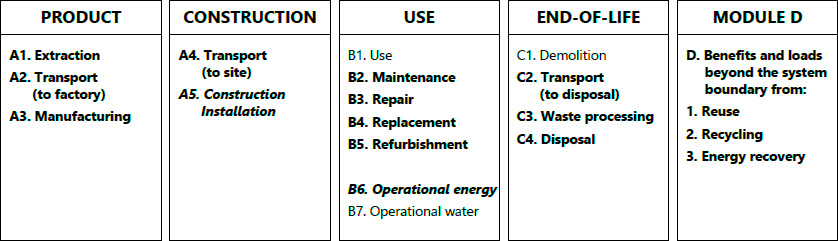
Figure 1. Life cycle stages according to EN 15978 and included in Tally® modeling.
The construction stage (A4–A5) addresses the cumulated energy used in transporting and installing the materials as part of the building environment. In this context, the use stage focuses on other maintenance, repair, replacement, and refurbishment of materials to rejuvenate the building environment for use (B1–B7). The end of life (C1–C4) is when the building is demolished and the materials are transported and disposed of. In the Module D stage, some materials are subjected to various circular economy principles of reuse, recovery, and recycling.
The LCA stages are associated with embodied and operational energy, which could each impact the product’s environmental performance. Embodied energy is associated with the energy used in the product, construction, use (except B1, B6, and B7), and end of life (Moncaster and Symons, 2013; Asdrubali, et al., 2023). The emphasis is on embodied and operational energy (emission) of materials through the project life cycle (Saadah and AbuHijleh, 2010; Chen, et al., 2022; Spudys, et al., 2023).
The decision-making criteria used for the LCA analysis focus on the following elements of the life cycle analysis boundaries: product [A1–A3], construction [A4], use [B2–B5], end of life [C2–C4], and Module D (Figure 1). The TRACI environmental impact indicators (EIIs) have been used as the unit of analysis for LCA, and these are described by Bare (2011), as follows:
• Global warming potential (kg CO2eq): This measures the contribution of elements of buildings to greenhouse gas emissions, that is, carbon dioxide and methane emissions. It has an impactful adverse effect on ecosystems and human and material welfare due to the absorption of radiation by the Earth.
• Acidification potential (kg SO2eq): Acidity affects fish mortality, forest decline, and building material deterioration. It is a measure of emissions related to the increase in acidity in the environment.
• Eutrophication potential (kg Neq): Eutrophication measures the over-enrichment of nutrients such as nitrogen and phosphorus in aquatic or terrestrial ecosystems. It creates a chain of reactions and produces large amounts of carbon dioxide in aquatic systems.
• Smog potential (kg O3eq): This reaction between nitrogen oxides and volatile organic compounds contributes to ground-level ozone. The adverse effects include respiratory-related issues such as symptoms of bronchitis, asthma, and emphysema, as well as permanent lung damage.
• Ozone depletion potential (kg CFC-11eq): A measure of air emissions that contribute to stratospheric ozone layer depletion. These emissions lead to higher levels of ultraviolet rays, which have detrimental effects on humans and plants.
• Non-renewable energy (MJ): It measures the amount of energy extracted from fossil fuel sources. The extraction of non-renewable energy sources has far-reaching implications since it contributes to the depletion of land and natural resources and contributes to carbon dioxide.
• Renewable energy demand (MJ): A measure of energy extracted from renewable resources, which positively contribute to human life, although wind energy and hydropower can impact the lives of birds and aquatic ecosystems, respectively.
The decision-making criteria considered in this study, as the units of analysis, are the TRACI environment impact indicators. The LCA methodology has been integrated into developed digital platforms for quantitative analysis. BIM has become the digital tool used to model infrastructure design data to determine the potential impacts on the environment, which addresses only some elements of its impacts on the environment. Green sustainability assessment has become the focus of the growing body of knowledge on BIM for sustainability, requiring new BIM tools that encompass all sustainability elements (Chong, et al., 2017). For instance, the United Kingdom’s Construction Sector Deal underscores the importance of considering economic costs throughout a building’s life cycle (Her Majesty Government, 2018).
BIM–LCA leverages construction design data to select appropriate materials or systems with a competitive advantage on environmental impacts. Bueno and Fabricio (2018) identified a variety of BIM–LCA tools with their features and limitations, which include Elodie, eTool LCA, GBAT, Green Building Studio®, impact complaint suite, LCA Design, Lesosai, One Click LCA, and Tally®. This study used Tally® because of the following reasons:
• It is the most common tool used in the scientific environment because it has the largest list of environmental impact assessments of building materials and because of its flexible licenses and user-friendliness.
• It is compatible with the Autodesk Revit software.
• Tally® incorporates some of the impact assessment categories—ozone depletion, acidification, eutrophication, smog formation, global warming, primary energy demand, non-renewable energy demand, and renewable energy demand—of the US Environmental Protection Agency (EPA)-developed BIM–LCA tool TRACI.
• Its methodology is consistent with LCA standards ISO 14040-14044, ISO 21930:2017, ISO 21931:2010, EN 15804:2012, and EN 15978:2011.
• Tally® has been employed in several studies (Najjar, et al., 2017; Bueno and Fabricio, 2018).
The LCA stages, TRACI EIIs, and the selected BIM plug-in Tally® discussed in this section form the basis for the materials and methods section.
Materials and methods
A case study research design was adapted to critically examine the decision-making process for BIM–LCA. A case study facilitates a deeper understanding of a construct, idea, or concept (Creswell, 2014); this is evidenced in earlier studies that assessed the embodied energy of buildings (Nizam, et al., 2018; Evangelista et al., 2018). The case study is a hypothetical office building in Sydney, Australia, which compares two commonly used flooring finish materials to examine the decision-making process based on the EIIs. Hypothetical designs are an accepted methodology used in the study of BIM–LCA. For example, Najjar, et al. (2017) compared two building materials from a hypothetical multi-story office building to examine the integration of BIM and LCA. In another study, alternative materials from a hypothetical structural external climate wall were used to analyze different life cycle impacts and assessments and compare multiple BIM–LCA plug-ins (Bueno, et al., 2016; Bueno and Fabricio, 2018). Röck, et al. (2018) used a hypothetical BIM model to evaluate the contributions of different elements to the embodied impact of building design.
Project information
The WorkSafe Queensland (2018) examined multiple flooring finishes such as carpets, concrete, cork, glazed ceramic tiles, plastic matting, rubber, terrazzo, timber, and vinyl tiles. It was shown that the two flooring finishes useful in the office are carpets and timber. Unsurprisingly, these two flooring finishes are commonly used in office buildings, often debated to provide favorable benefits (Bartolone and Allen, 2023), and have similar life cycle processes (Sim and Prabhu, 2018). For example, Haines, et al. (2019) indicated that carpets and rugs hold approximately 50% of the flooring finishes market in the United States. Therefore, the two flooring finishes considered for the study were nylon-based carpet (Type A) and hardwood plank (Type B). The same set of information and parameters were used for both systems:
• Building life cycle: 60 years
• Gross floor area: 365.76 m²
• Perimeter of floor: 118.7 m
• Thickness of flooring finishes: 19.1 mm
• Binding to structural floor: adhesives
• Structural floor type: cast-in-place concrete
• Structural floor properties: 4 in. with 3,000-psi resistance, fly ash, and rebar.
Sources of data and modeling
Figure 2 demonstrates the modeling process with three essential components: tools, input data, and output. The tools represent the BIM and LCA tools for the architectural design and the LCA analysis. Figure 2 shows a relationship between the BIM tool, Autodesk Revit®, which was used to generate the schematic 3D design of the office building (Figure 3), and the Tally plug-in, which was used to perform the LCA.
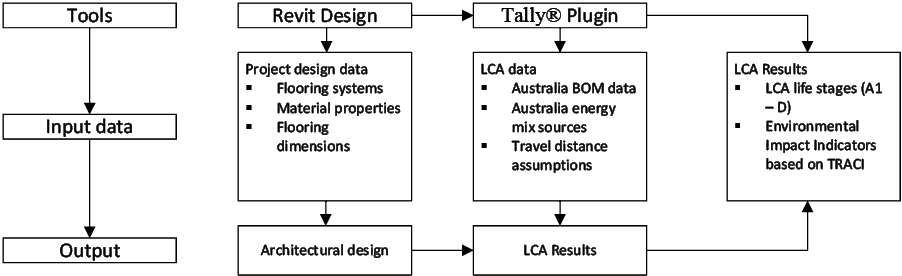
Figure 2. Architectural design and LCA analysis process (figure created by the authors). LCA, life cycle assessment.
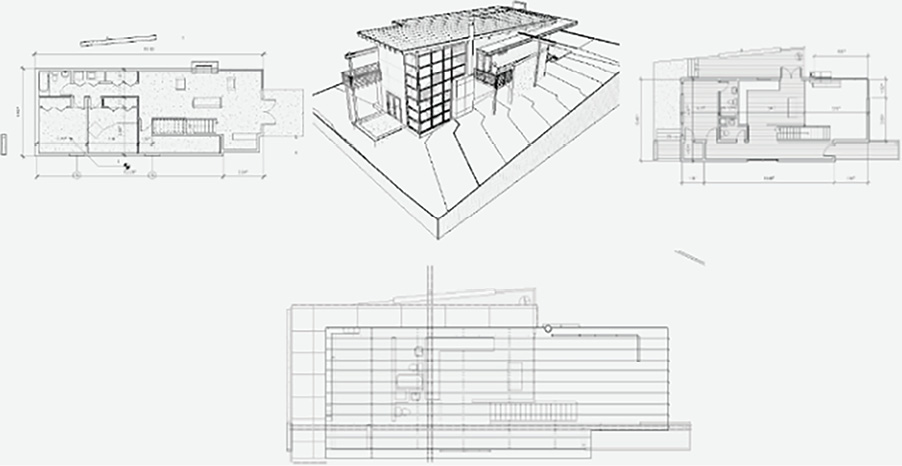
Figure 3. Hypothetical office building schematics (figure created by the authors).
Each of the tools has different input data for its modeling. For instance, the Revit tool used the project information described in the previous section, such as material properties and flooring systems, i.e., hardwood and nylon (Figure 2). The same schematic design was used for the two flooring systems: Type A (nylon-based) and Type B (hardwood) (Figure 3).
The output from the Revit design data and material properties based on the parameters were subjected to the LCA analysis using Tally®. Tally® has an inbuilt database, and the LCA database relevant to Sydney, Australia, was used. In the Tally®, the object of study was “Full Building Study”, and 40% target percentage glazing was considered. This percentage was chosen to balance maximizing natural light intake and minimizing heat loss (Chen, et al., 2020). The heating, ventilation, and air conditioning (HVAC) system used was the “Central VAV, HW Heat, Chiller 5.96 COP, Boilers 84.5 eff”.
Local climatic data for Sydney were obtained from the Australian Bureau of Meteorology (BOM) (Figure 4) and added to Revit®. The BOM data were used to make a context-based analysis by considering the office complex’s environmental surroundings and providing a realistic perspective to the modeling. The Australian Government (2022) showed that the Australian economy relies on a mix of energy to power its infrastructure. It is important to note that almost 70% of Australian energy is sourced from coal and oil, and in the case of New South Wales, where the parametric project was considered, coal and oil account for a whopping 84%. Based on the preceding information, the energy source was set at “Average Grid Mix–Australia”, while the heating source was set at “Natural Gas–Australia” for construction and operational energy impacts.
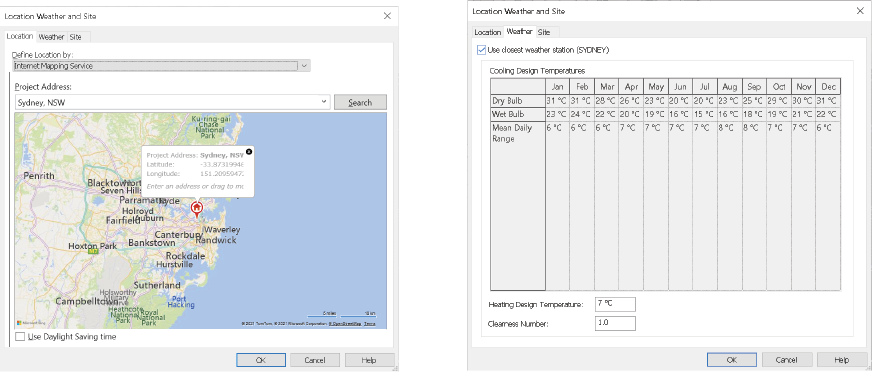
Figure 4. Location and weather information on hypothetical project (figure created by the authors).
Analysis
The cradle-to-cradle (A1–D) boundaries, including biogenic carbon, were adapted, emphasizing EN 15978 LCA boundaries (Figure 1). These are A1–A3, A4, B2–B5, C2–C4, and D. The A5 stage of the flooring materials was excluded because of the minimal energy demand as considered in the European Union report on LCA of buildings (Gervasio and Dimova, 2018). The B1 (use), B6 (operating energy), and B7 (operational water) elements of the use stage boundary were excluded from the Tally® modeling because these relate to operational energy and its impacts (Moncaster and Symons, 2013; Asdrubali, et al., 2023), which are outside the focus of this study. Importantly, in the context of LCA and as defined by EN 15978, the C1 stage (demolition) is often excluded from detailed modeling, particularly in Tally® (Santos, et al., 2020). This exclusion is based on the premise that the demolition phase primarily involves physical dismantling activities that typically have a negligible environmental impact compared to the subsequent end-of-life processes (C2–C4). Thus, focusing on C2 (transport), C3 (waste processing), and C4 (disposal) allows for more precise capture of the significant energy use, material inputs, and emissions that arise during these stages. In addition, the typical distances for shipping supplies to construction sites, landfilling trash, and recycling are 10, 20, and 50 km, respectively.
The TRACI EIIs—global warming potential, acidification, eutrophication, smog formation, ozone depletion, non-renewable energy, and renewable energy—discussed earlier are the measures of variables considered in this study.
This study performed the TRACI EII analysis across the LCA boundaries. TRACI EIIs are the accepted and embedded indicators used across existing LCA tools. The results from Tally® are presented in the following section.
Results
The results of the Tally® plug-in analysis are presented in this section. Table 1 shows the LCA results mentioned in Figure 2; the EII analyses across the life cycle boundaries in reference to Types A (nylon-based carpet) and B (hardwood finish) are presented. This enables a comparative interpretation of the two systems to make informed decisions based on their performance on the EIIs. For the purposes of interpretation of Table 1, it is important to note that the system with the higher figure in the LCA boundaries contributes badly to the related EIIs.
Source: Tally® generated results.
As shown in Table 1, global warming potential (GWP) in Type B (hardwood) performed better than that in Type A (nylon-based carpet) in the product stage [A1–A3] and use stage [B2–B5]. Type A had a lower GWP during the construction stage [A4], end-of-life stage [C2–C4], and Module D [D]. While both systems show varying performances across the life cycle stages, overall, hardwood had a lower total GWP (7,673.5 kg CO2eq) than nylon-based carpet (11,159.18 kg CO2eq), indicating that hardwood contributed less to global warming.
Acidification impacts from the two systems show a consistent trend. Nylon-based carpet performed better than hardwood throughout the life cycle boundaries, except for Module D, where hardwood recorded better results (Table 1). The impacts caused by hardwood were almost double those of the nylon-based system, as shown in the total value comparison column, with hardwood (66.5156 kg SO2eq) having higher acidification than nylon-based carpet (37.5357 kg SO2eq). This implies that overall, nylon-based carpet contributes less to acidification than hardwood.
The comparison of eutrophication impacts by the two systems revealed that the nylon-based system performed better than the hardwood system in the product, construction, and end-of-life stages. However, the nylon-based system performed worse than hardwood during the use stage and Module D. This pattern is similar to the findings for global warming and acidification, where performance varies across different stages, but nylon-based carpet generally shows better results in key stages. For example, global warming impacts in the product stage performance (hardwood recorded −3,958 kg CO2eq versus nylon-based carpet at 3,178 kg CO2eq) were repeated in the use stage (hardwood recorded 3,550 kg SO2eq versus nylon-based carpet at 9,071 kg SO2eq). The outlook in the eutrophication illustrates an inconsistent finding since the two systems performed differently in the two LCA boundaries. Overall, while the nylon-based system (7.26639 kg Neq) performed better than the hardwood system (7.34547 kg Neq), the impacts were closely matched (Table 1).
The smog formation impacts across the LCA show a finding similar to the results on the acidification impact. As shown in Table 1, the nylon-based system performed better than the hardwood system in all the LCA boundaries, except in the case of Module D [D]. The performance of the hardwood in the Module D [D] stage looks quite impressive because its impact of −104 kg O3eq means that it highly reduces environmental concerns of smog formation at this stage of the LCA boundary. This finding was further magnified in the total values for the two systems, as shown in Table 1. The nylon-based system showed a smog impact of 465.1 kg O3eq, and hardwood had an impact of 1,355.75 kg O3eq. This indicates that it will take almost three times the impact of nylon-based smog formation to level up with the impact made by hardwood.
The findings of the two systems based on ozone depletion across the LCA boundaries indicate that hardwood has a lesser impact from production, use, and Module D [D] than the nylon-based system. Hardwood has higher ozone depletion impacts than nylon-based systems in the construction and end-of-life stages. Notwithstanding, on the aggregate level, ozone depletion impacts from the nylon-based system (4.63E−04 kg CFC-11eq) were more intense than those from the hardwood system (−2.98E−07 kg CFC-11eq).
Non-renewable energy impacts exhibited some resemblance with eutrophication, such that the energy demand from fossil fuel sources applied to nylon-based systems across the production, construction, and end-of-life stages was lower than from hardwood systems. In contrast, the nylon-based system demanded higher fossil fuel than the hardwood system in the use stage of the LCA boundaries. The overall difference in the demand for non-renewable energy was 12,531 MJ, yet it is indisputable that hardwood had the highest demand for non-renewable energy (Table 1).
Comparatively, the demand for renewable energy throughout the life cycle boundaries, except for Module D [D], was higher in the hardwood system than in the nylon system (Table 1). It has been argued that higher demand for renewable energy is better since it mitigates climate change and reduces carbon emissions, especially for “countries with higher rule of law and voice and accountability” (United Nations General Assembly, 2018; Szetela, et al., 2022). Therefore, high renewable energy demand in the hardwood system is considered better than the nylon-based system, especially since the study used data from Australia.
Discussion
The results indicate that out of the seven environmental impact indicators, hardwood performed better in three (global warming potential, ozone depletion, and renewable energy) than the nylon-based system. Meanwhile, the nylon-based system outperformed the hardwood system in acidification, eutrophication, smog formation, and non-renewable demands. This raises the following question: Which system should be considered more environmentally friendly?
The aggregated results present a compelling, mixed outcome, making it challenging to determine the most environmentally friendly flooring system conclusively. This challenge mirrors the findings of Sim and Prabhu (2018), who used system dynamics and sensitivity analysis to highlight the fundamental difficulty in comparing similar items, particularly when using different tools based on the TRACI EIIs. Previous studies have suggested that decision criteria should be based on individual LCA boundaries or multiple LCA tools (Najjar, et al., 2017; Evangelista, et al., 2018). Similarly, Bueno and Fabricio (2018) encountered conflicting results when using two different BIM plug-ins with the same dataset, indicating a lack of absolute reference points when determining the most suitable tools or methods for EII analysis. These inconsistencies may be attributed to variations in plug-in LCA databases, energy sources, and the geographic context of case studies, creating a subjective foundation for analysis.
For example, Najjar, et al. (2017) recommended focusing on the manufacturing and use stages due to their significant contributions to the EIIs. However, in this study (Table 1), no LCA boundary consistently exhibits a dominant impact across the EIIs. The hardwood system recorded its highest EII values in the use stage (B2–B5) yet also demonstrated higher global warming impacts during the end-of-life stage (C2–C4) and ozone depletion in the construction stage (A4). Making decisions based on specific LCA boundaries may seem reasonable, but it could impede a holistic perspective in LCA application. This nuance can be mitigated by aligning the LCA’s focus with its intended purpose. For instance, if the LCA prioritizes circular economy or target 5 of UNSDG #12 outcomes, emphasis should be placed on the end-of-life (C2–C4) and Module D stages. The focus would shift to the production (A1–A3) and construction (A4) stages for embodied energy. For operating energy, the use stage (B2–B5) becomes critical. While this approach is simplistic, it can be refined by developing comprehensive indicators that reflect the analysis concepts. Moreover, decision-making becomes complex based on subjective reasoning; however, integrating a mathematical model can facilitate optimal outcomes. Therefore, a ranking system is needed to guide the decision-making process.
Alola, et al. (2019) asserted that non-renewable energy demand negatively affects environmental quality, including impacts on water resources and forest reserves. In this context, the hardwood system’s higher non-renewable energy demand suggests a more pronounced depletion of land and natural resources than nylon-based systems. The eutrophication potential is expected to be higher in wood-based projects like hardwood because unharvested wood absorbs carbon dioxide and produces oxygen, contributing to overall carbon sequestration. However, the differences between Type B (hardwood) and Type A (nylon-based) in eutrophication potential are relatively marginal (Table 1). The similarities in the values recorded during the production and use stages for both flooring systems could be attributed to the carbon emissions associated with nylon production (Sim and Prabhu, 2018) and the increased carbon dioxide emissions that result from the absence of wood (Type B) in its natural state (Binner, et al., 2017; Turner-Skoff and Cavender, 2019).
The impact of acidification shows a similar pattern to eutrophication between the two flooring systems. However, Type B has 1.8 times the acidification value of Type A, which is notable since Type B is a wood-based product. Additionally, the global warming and ozone depletion impacts exhibit comparable trends. Type A (nylon) has nearly twice the values of Type B (hardwood), positioning hardwood as the better-performing system in these areas. Given that global warming and ozone depletion are critical indicators of climate change (EPA, 2024), these two factors should be prioritized when determining the system with superior environmental performance. This highlights the need for a ranking system and a weighting system to enable more accurate comparisons between the EIIs.
An evaluation of the TRACI EIIs further suggests a need to reconsider the decision criteria from a social (health) perspective, given that EIIs can directly or indirectly impact human health. For example, smog formation can lead to respiratory issues (Bare, 2011). From a health perspective, nylon-based systems are the better option (Table 1), as the production and use stages, which include replacement and repairs, recorded higher smog formation values. These stages involve harvesting new trees, producing new nylon-based carpets, and removing old finishes. Turner-Skoff and Cavender (2019) demonstrated that trees reduce air pollution, lower carbon emissions, and mitigate respiratory diseases like bronchitis. Therefore, the absence of trees (hardwood) could contribute to higher levels of air pollution, exacerbating respiratory conditions. However, Haines, et al. (2019) found that carpets, including those made of nylon, can act as reservoirs for indoor contaminants, leading to respiratory issues. Since this study was conducted indoors, nylon-based systems may have been expected to show higher impacts during the use stage of the flooring systems (Table 1).
In summary, the health perspective adds complexity to the decision-making process. Hardwood contributes to broader external health issues, while nylon-based systems may lead to indoor health concerns. Although the data in Table 1 aid in selecting a flooring system based on environmental indicators, the actual health implications remain uncertain.
Implications of the study
Theoretical implications
The results of this study demonstrate the environmental impacts associated with selecting different flooring materials, underscoring the importance of always considering the design-technology perspective of BIM–LCA to provide a data-driven foundation for material selection (Najjar, et al., 2017; Bueno and Fabricio, 2018). However, the findings reveal an inconclusive outcome, as no single material consistently performed worse across all EIIs, making the BIM–LCA inconclusive. Bueno and Fabricio (2018) encountered a similar outcome but used GaBi analysis as additional verification. In contrast, this study approached the analysis from the perspective of EIIs, which could lead to greater environmental impacts, such as global warming, ozone depletion, and renewable energy demand.
Moreover, a social perspective, reflecting the effects of EIIs, was considered, such as the health implications of increased carbon emissions in the atmosphere. The outcomes from previous studies demonstrate disparities in the decision-making process when selecting sustainable materials for projects. From the BIM Information Requirement (BIR) view, it is critical that BIM applications for sustainability include clearly defined BIRs, as specified by appointing authorities (BSI, et al., 2020). BIRs should define the BIM–LCA tools and social elements to be considered during decision-making. Since BIRs represent the goals set by higher-level organizational bodies, social elements can be tailored to meet these objectives. For instance, the Centre for Digital Built Britain (2020) published a template for BIRs and identified relevant goals and objectives. A similar approach can be applied to compile an exhaustive list of social factors to support decisions when BIM–LCA results are inconclusive.
Another observation made from the results indicates the adverse effects of EIIs, including on human health, aquatic ecosystems, and terrestrial ecosystems, as discussed by previous researchers (Smith and Hitz, 2003; Bare, 2011; Alola, et al., 2019; Haines, et al., 2019). These adverse impacts are likely related to several United Nations Sustainable Development Goals (SDGs). For example, respiratory problems affecting human health correspond to SDG3 (Good Health and Well-being). The effects on aquatic ecosystems, including fish mortality and water body health, align with SDG6 (Clean Water and Sanitation) and SDG14 (Life Below Water). Terrestrial systems, especially concerning land use, are linked to SDG3 (Good Health and Well-being), SDG15 (Life on Land), and SDG13 (Climate Action), as deforestation for hardwood production increases atmospheric carbon dioxide and has broader consequences.
Additionally, nylon, a petroleum-based product (Sim and Prabhu, 2018), has higher global warming potential during its production and replacement stages, aligning with SDG13. The increased energy demands for both renewable and non-renewable resources during the production and reuse stages (Module D) correspond to SDG7 (Affordable and Clean Energy) and SDG12 (Responsible Consumption and Production). The interpretation of the results suggests a negative relationship to these SDGs, as the goals are designed to address these adverse environmental impacts.
Practical implication
This study examined BIM–LCA EII decision-making and observed that practitioners can leverage the approach to select project materials. The analysis and discussions from the study provide insights for clients and permit approval teams, enabling them to ensure environmental sustainability in projects proactively. For instance, local councils could consider strategic objectives, focusing on sustainability concepts or the United Nations SDGs, as a basis for approving building permits. This study has elaborated on sustainability concepts in relation to the BIM–LCA boundaries, which councils and clients can adapt and use as the basis for material selection in their projects and/or for approving permits.
Conclusions
Existing literature has examined the application of BIM–LCA from diverse perspectives, such as (a) comparing alternative designs, (b) exploring environmental hotspots in buildings, (c) performing parametric modeling, (d) conducting sensitivity analysis, and (e) improving BIM–LCA. However, none has critically focused on the decision-making process in its application. This study investigates the BIM–LCA decision-making process to identify gaps for improvement.
The results reveal that hardwood flooring systems performed better than nylon-based carpets in several EIIs, such as global warming potential (7,673.5 < 11,159.18 kg CO2eq), ozone depletion (−2.9767E−07 < 4.63E−04 kg CFC-11eq), and renewable energy demand (177,882.42 MJ > 5,766 MJ). However, nylon-based carpet outperformed hardwood in other EIIs, including acidification (37.5357 < 66.5156 kg SO2eq), eutrophication (7.26639 < 7.34547 kg Neq), smog formation (465.1 < 1,355.75 kg O3eq), and non-renewable energy demand (185,720 < 198,251 MJ). This leads to an inconclusive basis for decision-making, as both materials excel in different areas.
The findings led to discussions on improving the BIM–LCA decision-making process and suggested further research in the following areas:
• (Re)examining and identifying indicators for environmental sustainability concepts related to LCA analysis.
• Developing a ranking system to guide decision-making.
• Creating a weighting system for environmental impact indicators.
• Considering social (health) factors in the decision-making process.
The findings and recommendations contribute to the decision-making process associated with BIM–LCA and environmental sustainability. Additionally, the study relates the LCA process to the UNSDGs. Notwithstanding, this study encountered some limitations, such as using a single geographic and temperate climatic zone context (Sydney, Australia), which limits the generalization of the findings. In addition, certain life cycle stages, such as A5 (construction installation), B1 (use), B6 (operational energy), B7 (operational water), and C1 (demolition), were excluded due to the use of the Tally® plug-in.
References
ABDELAAL, F. & GUO, B. H. W. 2022. Stakeholders’ perspectives on BIM and LCA for green buildings. Journal of Building Engineering, 48, 103931. https://doi.org/10.1016/j.jobe.2021.103931
ALOLA, A. A., BEKUN, F. V. & SARKODIE, S. A. 2019. Dynamic impact of trade policy, economic growth, fertility rate, renewable and non-renewable energy consumption on ecological footprint in Europe. Science of The Total Environment, 685, 702-709. https://doi.org/10.1016/j.scitotenv.2019.05.139
ASDRUBALI, F., GRAZIESCHI, G., RONCONE, M., THIEBAT, F. & CARBONARO, C. 2023. Sustainability of Building Materials: Embodied Energy and Embodied Carbon of Masonry. Energies, 16, 1846. https://doi.org/10.3390/en16041846
AUSTRALIAN GOVERNMENT 2018. Australia’s Tech Future: Delivering strong, safe and inclusive digital economy. In: DEPARTMENT OF INDUSTRY, S., ENERGY AND RESOURCES, (DISER) (ed.). Canberra: Australian Government.
AUSTRALIAN GOVERNMENT 2022. Australian Energy Update 2022, Commonwealth of Australia.
BARE, J. 2011. TRACI 2.0: the tool for the reduction and assessment of chemical and other environmental impacts 2.0. Clean Technologies and Environmental Policy, 13, 687-696. https://doi.org/10.1007/s10098-010-0338-9
BARTOLONE, G. & ALLEN, S. 2023. Carpet vs hardwood flooring: Major differences, pros, cons and costs [Online]. Forbes Home. Available: https://www.forbes.com/home-improvement/flooring/carpet-vs-hardwood/ [Accessed 01/05/2024 2024].
BINNER, A., SMITH, G., BATEMAN, I., DAY, B., AGARWALA, M. & HARWOOD, A. 2017. Valuing the social and environmental contribution of woodlands and trees in England, Scotland and Wales: Forestry Commission Research Report. Edinburgh: Forestry Commission
BRITISH STANDARDS INSTITUTION 2021. Little book of BIM, United Kingdom, BSI.
BSI, CDBB & UKBIM ALLIANCE 2020. Guidance Part D: Developing information requirements, United Kingdom, UK BIM Framework.
BUENO, C. & FABRICIO, M. M. 2018. Comparative analysis between a complete LCA study and results from a BIM-LCA plug-in. Automation in Construction, 90, 188-200. https://doi.org/10.1016/j.autcon.2018.02.028
BUENO, C., HAUSCHILD, M. Z., ROSSIGNOLO, J. A., OMETTO, A. R. & MENDES, N. C. 2016. Sensitivity analysis of the use of Life Cycle Impact Assessment methods: a case study on building materials. Journal of Cleaner Production, 112, 2208-2220. https://doi.org/10.1016/j.jclepro.2015.10.006
CAVALLIERE, C., DELL’OSSO, G. R., PIERUCCI, A. & IANNONE, F. 2018. Life cycle assessment data structure for building information modelling. Journal of Cleaner Production, 199, 193-204. https://doi.org/10.1016/j.jclepro.2018.07.149
CENTRE FOR DIGITAL BUILT BRITAIN 2020. Organisational Information Requirements: Template, Cambridge, UK, University of Cambridge.
CHEN, S., ZHANG, G., XIA, X., SETUNGE, S. & SHI, L. 2020. A review of internal and external influencing factors on energy efficiency design of buildings. Energy and Buildings, 216, 109944. https://doi.org/10.1016/j.enbuild.2020.109944
CHEN, W., YANG, S., ZHANG, X., JORDAN, N. D. & HUANG, J. 2022. Embodied energy and carbon emissions of building materials in China. Building and Environment, 207, 108434. https://doi.org/10.1016/j.buildenv.2021.108434
CHONG, H.-Y., LEE, C.-Y. & WANG, X. 2017. A mixed review of the adoption of Building Information Modelling (BIM) for sustainability. Journal of Cleaner Production, 142, 4114-4126. https://doi.org/10.1016/j.jclepro.2016.09.222
CHRISTENSEN, T. H., DAMGAARD, A., LEVIS, J., ZHAO, Y., BJÖRKLUND, A., ARENA, U., BARLAZ, M. A., STAROSTINA, V., BOLDRIN, A., ASTRUP, T. F. & BISINELLA, V. 2020. Application of LCA modelling in integrated waste management. Waste Management, 118, 313-322. https://doi.org/10.1016/j.wasman.2020.08.034
CRESWELL, J. W. 2014. Research Design: Qualitative, Quantitative, & Mixed Methods Approaches, Thousand Oaks, California 91320, SAGE Publication Inc.
DAULETBEK, A. & ZHOU, P. 2022. BIM-based LCA as a comprehensive method for the refurbishment of existing dwellings considering environmental compatibility, energy efficiency, and profitability: A case study in China. Journal of Building Engineering, 46, 103852. https://doi.org/10.1016/j.jobe.2021.103852
DCCEEW 2021. Indoor Air. In: DEPARTMENT OF CLIMATE CHANGE, E., THE ENVIRONMENT AND WATER (DCCEEW) (ed.) Environment. Australia: Australian Government.
EPA. 2024. Climate Change Indicators: Weather and Climate [Online]. USA: United States Environmental Protection Agency (EPA). Available: https://www.epa.gov/climate-indicators/weather-climate#:~:text=Rising%20global%20average%20temperature%20is,with%20human%2Dinduced%20climate%20change. [Accessed 1 July 2024 2024].
EVANGELISTA, P. P. A., KIPERSTOK, A., TORRES, E. A. & GONÇALVES, J. P. 2018. Environmental performance analysis of residential buildings in Brazil using life cycle assessment (LCA). Construction and Building Materials, 169, 748-761. https://doi.org/10.1016/j.conbuildmat.2018.02.045
FATOUREHCHI, D. & ZARGHAMI, E. 2020. Social sustainability assessment framework for managing sustainable construction in residential buildings. Journal of Building Engineering, 32, 101761. https://doi.org/10.1016/j.jobe.2020.101761
GERVASIO, H. & DIMOVA, S. 2018. Model for Life Cycle Assessment (LCA) of buildings. European Union.
GILLS, B. & MORGAN, J. 2020. Global Climate Emergency: after COP24, climate science, urgency, and the threat to humanity. Globalizations, 17, 885-902. https://doi.org/10.1080/14747731.2019.1669915
GOMES, R., SILVESTRE, J. D. & DE BRITO, J. 2020. Environmental, economic and energy life cycle assessment “from cradle to cradle” (3E-C2C) of flat roofs. Journal of Building Engineering, 32, 101436. https://doi.org/10.1016/j.jobe.2020.101436
HAINES, S. R., ADAMS, R. I., BOOR, B. E., BRUTON, T. A., DOWNEY, J., FERRO, A. R., GALL, E., GREEN, B. J., HEGARTY, B., HORNER, E., JACOBS, D. E., LEMIEUX, P., MISZTAL, P. K., MORRISON, G., PERZANOWSKI, M., REPONEN, T., RUSH, R. E., VIRGO, T., ALKHAYRI, C., BOPE, A., COCHRAN, S., COX, J., DONOHUE, A., MAY, A. A., NASTASI, N., NISHIOKA, M., RENNINGER, N., TIAN, Y., UEBEL-NIEMEIER, C., WILKINSON, D., WU, T., ZAMBRANA, J. & DANNEMILLER, K. C. 2019. Ten questions concerning the implications of carpet on indoor chemistry and microbiology. Build Environ, 170, 1-16. https://doi.org/10.1016/j.buildenv.2019.106589
HER MAJESTY GOVERNMENT 2018. Industrial strategy: Construction sector deal. United Kingdom: Crown copyright.
HOLLBERG, A., KISS, B., RÖCK, M., SOUST-VERDAGUER, B., WIBERG, A. H., LASVAUX, S., GALIMSHINA, A. & HABERT, G. 2021. Review of visualising LCA results in the design process of buildings. Building and Environment, 190, 107530. https://doi.org/10.1016/j.buildenv.2020.107530
INFRASTRUCTURE AND PROJECTS AUTHORITY 2016. Government construction strategy 2016-20. In: OFFICE, H. T. A. C. (ed.). United Kingdom: Crown copyright.
MONCASTER, A. M. & SYMONS, K. E. 2013. A method and tool for ‘cradle to grave’ embodied carbon and energy impacts of UK buildings in compliance with the new TC350 standards. Energy and Buildings, 66, 514-523. https://doi.org/10.1016/j.enbuild.2013.07.046
NAJJAR, M., FIGUEIREDO, K., PALUMBO, M. & HADDAD, A. 2017. Integration of BIM and LCA: Evaluating the environmental impacts of building materials at an early stage of designing a typical office building. Journal of Building Engineering, 14, 115-126. https://doi.org/10.1016/j.jobe.2017.10.005
NEGISHI, K., TIRUTA-BARNA, L., SCHIOPU, N., LEBERT, A. & CHEVALIER, J. 2018. An operational methodology for applying dynamic Life Cycle Assessment to buildings. Building and Environment, 144, 611-621. https://doi.org/10.1016/j.buildenv.2018.09.005
NIZAM, R. S., ZHANG, C. & TIAN, L. 2018. A BIM based tool for assessing embodied energy for buildings. Energy and Buildings, 170, 1-14. https://doi.org/10.1016/j.enbuild.2018.03.067
OGUNMAKINDE, O. E., EGBELAKIN, T. & SHER, W. 2022. Contributions of the circular economy to the UN sustainable development goals through sustainable construction. Resources, Conservation and Recycling, 178. https://doi.org/10.1016/j.resconrec.2021.106023
PARLIAMENTARY OFFICE OF SCIENCE AND TECHNOLOGY 2023. POSTbrief 54: Indoor Air Quality. In: PARLIAMENT, U. (ed.).
POPOVIC, T., BARBOSA-PÓVOA, A., KRASLAWSKI, A. & CARVALHO, A. 2018. Quantitative indicators for social sustainability assessment of supply chains. Journal of Cleaner Production, 180, 748-768. https://doi.org/10.1016/j.jclepro.2018.01.142
PURVIS, B., MAO, Y. & ROBINSON, D. 2019. Three pillars of sustainability: in search of conceptual origins. Sustainability Science, 14, 681-695. https://doi.org/10.1007/s11625-018-0627-5
RÖCK, M., HOLLBERG, A., HABERT, G. & PASSER, A. 2018. LCA and BIM: Visualization of environmental potentials in building construction at early design stages. Building and Environment, 140, 153-161. https://doi.org/10.1016/j.buildenv.2018.05.006
SAADAH, Y. & ABUHIJLEH, B. 2010. Decreasing CO2 Emissions and Embodied Energy during the Construction Phase Using Sustainable Building Materials. International Journal of Sustainable Building Technology and Urban Development, 1, 115-120. https://doi.org/10.5390/SUSB.2010.1.2.115
SAADE, M. R. M., GUEST, G. & AMOR, B. 2020. Comparative whole building LCAs: How far are our expectations from the documented evidence? Building and Environment, 167, 106449. https://doi.org/10.1016/j.buildenv.2019.106449
SALAH, G. M. J. A. & ROMANOVA, A. 2021. Life cycle assessment of felt system living green wall: Cradle to grave case study. Environmental Challenges, 3, 100046. https://doi.org/10.1016/j.envc.2021.100046
SANTOS, R., COSTA, A. A. & GRILO, A. 2017. Bibliometric analysis and review of Building Information Modelling literature published between 2005 and 2015. Automation in Construction, 80, 118-136. https://doi.org/10.1016/j.autcon.2017.03.005
SANTOS, R., COSTA, A. A., SILVESTRE, J. D., VANDENBERGH, T. & PYL, L. 2020. BIM-based life cycle assessment and life cycle costing of an office building in Western Europe. Building and Environment, 169, 106568. https://doi.org/10.1016/j.buildenv.2019.106568
SEYIS, S. 2020. Mixed method review for integrating building information modeling and life-cycle assessments. Building and Environment, 173, 106703. https://doi.org/10.1016/j.buildenv.2020.106703
SIM, J. & PRABHU, V. 2018. The life cycle assessment of energy and carbon emissions on wool and nylon carpets in the United States. Journal of Cleaner Production, 170, 1231-1243. https://doi.org/10.1016/j.jclepro.2017.09.203
SMITH, J. & HITZ, S. 2003. Estimating Global Impacts from Climate Change OECD Workshop on the Benefits of Climate Policy: Improving Information for Policy Makers France.
SOLIN, J. 2012. Principles for Economic Sustainability: Summary of John Ikerd’s Principles of Economic Sustainability, University of Wisconsin. USA.
SPUDYS, P., AFXENTIOU, N., GEORGALI, P.-Z., KLUMBYTE, E., JURELIONIS, A. & FOKAIDES, P. 2023. Classifying the operational energy performance of buildings with the use of digital twins. Energy and Buildings, 290, 113106. https://doi.org/10.1016/j.enbuild.2023.113106
STANITSAS, M., KIRYTOPOULOS, K. & LEOPOULOS, V. 2021. Integrating sustainability indicators into project management: The case of construction industry. Journal of Cleaner Production, 279, 123774. https://doi.org/10.1016/j.jclepro.2020.123774
STOCKHOLM RESILIENCE CENTRE. 2016. The SDGs wedding cake [Online]. Stockholm. Sweden: Stockholm University Available: https://www.stockholmresilience.org/research/research-news/2016-06-14-the-sdgs-wedding-cake.html [Accessed 01/06/2024 2024].
SZETELA, B., MAJEWSKA, A., JAMROZ, P., DJALILOV, B. & SALAHODJAEV, R. 2022. Renewable Energy and CO2 Emissions in Top Natural Resource Rents Depending Countries: The Role of Governance. Frontiers in Energy Research, 10. https://doi.org/10.3389/fenrg.2022.872941
TAM, V. W. Y., ZHOU, Y., ILLANKOON, C. & LE, K. N. 2022. A critical review on BIM and LCA integration using the ISO 14040 framework. Building and Environment, 213, 108865. https://doi.org/10.1016/j.buildenv.2022.108865
THE INSTITUTION OF STRUCTURAL ENGINEERS BIM PANEL 2021. An introduction to Building Information Modelling (BIM), United Kingdom, The Institution of Structural Engineers.
TURNER-SKOFF, J. B. & CAVENDER, N. 2019. The benefits of trees for livable and sustainable communities. PLANTS, PEOPLE, PLANET, 1, 323-335. https://doi.org/10.1002/ppp3.39
UNITED NATIONS 1972. Report of the United Nations Conference on the human environment. Stockholm: United Nations.
UNITED NATIONS 2012. The future we want: Resolution adopted by the general asembly on 27 July 2012. New York: United Nations.
UNITED NATIONS ENVIRONMENT PROGRAMME 2022. 2022 Global Status Report for Buildings and Construction: Towards a Zeroemission, Efficient and Resilient Buildings and Construction Sector. In: DIVISION, C. (ed.). Nairobi, Kenya: United Nations Environment Programme.
UNITED NATIONS GENERAL ASSEMBLY 2018. Renewable Energy Sources Cut Carbon Emissions, Efficiently Increase Electricity Output Worldwide, Delegates Say in Second Committee. GA/EF/3501. United Nations.
WALL, F. & PELL, R. 2020. Chapter 317 - Responsible sourcing of rare earths: Exploration-stage intervention including life cycle assessment. In: BÜNZLI, J.-C. G. & PECHARSKY, V. K. (eds.) Handbook on the Physics and Chemistry of Rare Earths. Elsevier. https://doi.org/10.1016/bs.hpcre.2020.10.001
WORKSAFE QUEENSLAND 2018. Flooring types - Characteristics & Applications [Online]. Queensland Government. Available: https://www.worksafe.qld.gov.au/safety-and-prevention/hazards/workplace-hazards/slips-trips-and-falls/floor-and-ground-surfaces/flooring-types-characteristics-and-applications [Accessed 01/08/2024 2024].
YADEGARIDEHKORDI, E., HOURMAND, M., NILASHI, M., ALSOLAMI, E., SAMAD, S., MAHMOUD, M., ALAROOD, A. A., ZAINOL, A., MAJEED, H. D. & SHUIB, L. 2020. Assessment of sustainability indicators for green building manufacturing using fuzzy multi-criteria decision making approach. Journal of Cleaner Production, 277, 122905. https://doi.org/10.1016/j.jclepro.2020.122905
ZHONG, Y. & WU, P. 2015. Economic sustainability, environmental sustainability and constructability indicators related to concrete- and steel-projects. Journal of Cleaner Production, 108, 748-756. https://doi.org/10.1016/j.jclepro.2015.05.095
ZUO, J., JIN, X.-H. & FLYNN, L. 2012. Social Sustainability in Construction – An Explorative Study. International Journal of Construction Management, 12, 51-63. https://doi.org/10.1080/15623599.2012.10773190