Construction Economics and Building
Vol. 26, No. 1
2026
ARTICLES (PEER REVIEWED)
Integrating Knowledge Management with Total Quality Management to Enhance Construction Project Delivery in Ghana
Christina Bukari1, Nongiba Alkanam Kheni2, Isaac Boateng3, Christopher M. Owusu-Ansah4, Kweku Bedu Simpson5
1 Department of Construction and Wood Technology, Akenten Appiah-Menka University Skills Training and Entrepreneurial Development, P.O. Box 1277, Kumasi, Ghana, bukarichristina@gmail.com
2 Akenten Appiah-Menka University Skills Training and Entrepreneurial Development, P.O. Box 1277, Kumasi, Ghana, kalkanam@yahoo.com
3 Akenten Appiah-Menka University Skills Training and Entrepreneurial Development, P.O. Box 1277, Kumasi, Ghana, isaac.boateng@uew.edu.gh
4 Akenten Appiah-Menka University Skills Training and Entrepreneurial Development, P.O. Box 1277, Kumasi, Ghana Chrisoansah@gmail.com; Department of Information Science, University of South Africa, Pretoria, South Africa
5 Akenten Appiah-Menka University Skills Training and Entrepreneurial Development, P.O. Box 1277, Kumasi, Ghana, kwekusimpson48@gmail.com
Corresponding author: Christina Bukari, Department of Construction and Wood Technology, Akenten Appiah-Menka University Skills Training and Entrepreneurial Development, Kumasi, Ghana, bukarichristina@gmail.com
DOI: https://doi.org/10.5130/d04bqm28
Article History: Received 08/06/2024; Revised 04/09/2025; Accepted 22/10/2025; Published 18/03/2026
Citation: Bukari, C., Kheni, N. A., Boateng, I., Owusu-Ansah, C. M., Simpson, K. B. 2026. Integrating Knowledge Management with Total Quality Management to Enhance Construction Project Delivery in Ghana. Construction Economics and Building, 26:1, 1–27. https://doi.org/10.5130/d04bqm28
Abstract
The integration of knowledge management (KM) with total quality management (TQM) has a significant impact on project and organization performance. While previous literature has linked KM with TQM within the broader concept of organizational development and project performance, there was a notable gap concerning their application to construction projects in developing countries like Ghana. Thus, there is little information on the variables that contribute to their relationship. This study aimed to fill these gaps by investigating the integration of KM practices with TQM principles specifically in the Ghanaian construction industry, and identifying essential factors for this integration. A cross-sectional survey design was used and the population considered in this study consisted of architects, quantity surveyors, and civil engineers in the Ghanaian construction industry. The study adopted a purposive sampling technique. Quantitative data were collected from 256 professionals. Descriptive statistical techniques and the partial least squares structural equation modeling techniques were used to analyze the data. The findings revealed that a one-unit rise in knowledge management processes (KMPs) corresponds to a roughly 0.839-standard deviation increase in TQM, suggesting that implementing KM will potentially improve the implementation of TQM principles during the delivery of construction projects. Conversely, a decrease in KMP is associated with a decrease in TQM. This can be implemented practically when there is leadership competence and commitment to ensure a culture of KM processes and TQM practices for the project to perform effectively. Theoretically, the study contributes to current discourse on KM and TQM from a fresh perspective.
Keywords
Construction Project Delivery; Integration; Knowledge Management; Total Quality Management
Introduction
Globally, there is an increase in demand for construction projects, fostering the construction industry to keep up with these demands (Yu and Yang, 2018). The infrastructure services have helped to increase gross domestic product (GDP) and also promote the expansion of other businesses in most countries (Irani, Beskese, and Love, 2004; Unegbu, Yawas and Dan-asabe, 2021). In Ghana, the construction industry contributes GHS3558.70 million and approximately 15% of GDP to the Ghanaian economy (Ghana Statistical Service, 2021). It has been identified as a significant contributor to the country’s GDP growth as it is the third largest in the economy (Arthur-Aidoo, Ansary, and Aigbavboa, 2016).
Conversely, Ghana’s construction industry faces several issues related to project management, cost, quality, and productivity (Ofori, 2012). Other issues include failure to complete projects within set timelines, which often leads to an increase in the cost of production. Most construction projects in Ghana exceed their initial budgets, suggesting inadequate financial planning and forecasting within the industry, resulting in cost overruns (Hammond, 2018). This contributes to a negative cycle of financial inefficiency. Poor project management practices affect the quality of the project outcome, which could affect the achievement of project objectives and, by extension, its contribution to GDP growth (Boateng, Ameyaw and Mensah, 2020).
Damoah and Akwei (2017) emphasized the failures in project management, particularly in meeting deadlines, managing costs, and satisfying stakeholders. The study further highlighted that risk management practices in the construction industry are ad hoc and not well structured. This could increase delays and compromise project quality. Therefore, establishing standardized and rigorous project management practices is essential to ensure that projects stay on track regarding cost, time, and deliverables.
According to the Project Management Body of Knowledge, knowledge management (KM) is about making sure the skills, experience, and expertise of the project team are used before, during, and after the project (PMBOK, 2017). The International Organization for Standardization (ISO) acknowledged the value of KM policy in enterprises and incorporated it into ISO 9001:2015, which requires businesses to view KM as a crucial resource (Gawlak, 2015; Wilson and Campbell, 2016). Incorporating KM within the ISO 9001:2015 standards can serve as a pivotal organizational asset, potentially driving significant organizational transformations and enhancing project performance. This consideration addresses the needs and expectations of interested parties involved in the supply chain in construction project delivery (Wilson and Campbell, 2016; Jewell and Flanagan, 2019).
In the construction industry, the basic means of conveying information during the lifecycle of a project is the construction documents (Shreekanth, 2014). The literature indicates that construction is an information- and knowledge-driven industry (Anumba, Charles, and Carrillo, 2005; Abdul, 2013). In addition, it is one of the high-risk industries operating in an information-rich environment, which strongly relies on knowledge as a strategic resource to ensure that project team members carry out their duties successfully and efficiently (Renukappa, Suresh, and Alosaimi, 2019).
The literature has discovered the successful implementation of KM and its impact as a change agent that could facilitate the success and expansion of quality practice (Ribiere and Khorramshahgol, 2004; Ribeiro, 2009; Raja Rajeshwaran and Aktharsha, 2017; Barua, 2021). Although KM and total quality management (TQM) have been linked to project performance in the literature, it appears that there is a gap in the body of knowledge regarding their application to construction projects especially in the Ghanaian context (Bukari, et al., 2023).
A study by Honarpour and Jusoh (2017) revealed the reciprocal causation between TQM and KM as synergetic effects. However, the study did not examine the possible variables that contribute to this relationship. It also did not consider the impact the relationship of KM and TQM has on practices and the processes in project performance. Moreover, the study was conducted in Malaysia, and the authors recommended further studies to examine the interaction between TQM and KM and the possible variables that contribute to this relationship.
Barua (2021) emphasized further in his study that leadership, employee empowerment, customer focus, benchmarking, and information technology were all positively and significantly correlated with the four knowledge conversion types and the knowledge-creation process: socialization, externalization, combination and internalization, which is one aspect of the KM processes. Meanwhile, the data were collected from departments for marketing, sales, finance, human resources, and information technology firms in Bangladesh limiting the generalization. The author suggested looking into how TQM affects other KM processes, including knowledge acquisition, storage, sharing and application.
The purpose of this study was to investigate the mindset of construction professionals in terms of the possible integration of KM practices and TQM principles to align with best practice in construction project delivery in the Ghanaian construction industry to address the areas regarding the relationship between KM and TQM and their impact on project performance in Ghana and the essential factors necessary for the integration of KM and TQM and to develop a model by integrating knowledge management practices and total quality management processes.
Based on this discourse, the following hypotheses were developed to respond to the research objective:
H1: There is a positive relationship between the KM, TQM, and project performance.
H2: There is a positive relationship between essential factors for the integration of KM and TQM and project performance.
The following is the structure of the paper: the first section reviews the literature on integrating knowledge management practices and total quality management principles, and the relationship between KM and TQM on project performance. The next sections discuss the methodology and data collection, data analysis, discussion and findings, limitations for further studies, implications for practice and conclusion.
Related literature
Integrating knowledge management practices with total quality management principles
The accumulation of knowledge across every phase of a project lifecycle, spanning from inception through supply chain, plays a crucial role in enhancing operational efficiency and realizing the objectives of consistent quality and cost competitiveness (Calnan, et al., 2021). Raudeliūnienė et al. (2018) suggested that KM cycle, encompassing knowledge acquisition, sharing, development, preservation, and application, plays a pivotal role in facilitating effective project execution while TQM principles emphasize the importance of innovation in quality improvement efforts, encouraging organizations to adopt new technologies, processes, and methodologies to stay ahead of the competition (Owino and Makokha, 2021).
Other studies on the integration of KM practices with TQM principles have represented a symbiotic relationship aimed at enhancing organizational effectiveness, innovation, and competitiveness but did not identify the key variables in the relationship (Ribiere and Khorramshahgol, 2004; Hung, Lien and Fang, 2010; Honarpour, Jusoh, and Nor, 2012; Honarpour and Jusoh, 2017). Even though the relationship demonstrates that KM practices with TQM principles offer organizations a comprehensive approach to quality management, fostering a culture of continuous improvement, innovation, and client focus, this study focused on the employees in the IT firms in India (Raja Rajeshwaran and Aktharsha, 2017). This suggests that organizations can achieve sustained success in today’s competitive business environment by leveraging knowledge assets, empowering employees, and prioritizing client satisfaction (Nonaka, 2008; Loke, et al., 2012; Yousaf and Bris, 2020). Therefore, the integration process can ultimately lead to the development of a constantly evolving repository of optimal practices, which can then be applied in forthcoming projects.
Adem and Virdi (2020) highlighted that how to effectively capture, maintain, store, share, and utilize this knowledge within a network is indispensable for driving continuous improvement in operational performance. This study was limited to the ISO-registered manufacturing firms in Ethiopia.
Since both TQM and KM are geared toward enhancing organizational performance, it is necessary to foster the creation and utilization of knowledge because knowledge transfer has a positive influence on TQM (Honarpour and Jusoh, 2017). Other empirical studies have established how KM and TQM concepts have played important roles in the contemporary project management progress. Some of these studies have explored the relationship between KM and TQM and innovation (Hung, Lien, and Fang, 2010; Yusr, et al., 2017). Other findings showed that all four KM processes (knowledge creation, capture and storage, sharing, and application) had a positive and significant impact on operational, quality, and innovation (Ribiere and Khorramshahgol, 2004; Honarpour, Jusoh and Nor, 2012; Grover and Froese, 2016). The results of a study by Yusr, et al. (2017) support a positive and significant impact of TQM practices on KM processes. Moreover, the literature has revealed that KM has a synergistic role in knowledge creation through documents and manuals that specify the principles and action plans of TQM.
By delving into the literature, it was revealed that both KM and TQM rely on the capacity and feedback mechanisms to track performance, identify deviations from standards, and drive improvement (Zetie, 2002; Colurcio, 2009), suggesting that KM efforts often prioritize understanding customer needs, preferences, and feedback to drive product, service, and project innovation while TQM principles also prioritize customer satisfaction and strive to meet or exceed client expectations through the delivery of high-quality products and project outcome. This suggests that TQM principles are much more effective at creating knowledge and realizing higher levels of improved performance because multiple quality management practices capture the complexities of knowledge creation, thereby supporting the knowledge creation process (Barua, Zaman, and Urme, 2018). Although the literature indicates a relationship between KM and TQM on project performance, literature on the impact on construction project performance from developing countries is limited(Bukari et al., 2023).
The relationship between knowledge management and total quality management on project performance
Several studies (Duran, Çetindere and Özcan, 2014; Honarpour and Jusoh, 2017; Yusr, et al., 2017; Barua, Zaman, and Urme, 2018; Barua, 2021) have examined the relationship between KM and TQM and linked it to project performance. According to Rhem (2017), the quality of a project is related to how a project organization makes use of knowledge. The PMBOK (2017) guide further emphasized that KM serves as a facilitator for establishing a robust quality system throughout the whole project lifecycle. However, conventional quality management systems often lack robust options for KM and knowledge development (Garstenauer, Blackburn, and Olson, 2015). Hence, there is a notable gap in the existing body of knowledge regarding a quality management strategy that effectively integrates KM with TQM (Garstenauer, Blackburn and Olson, 2015). Jutidharabongse, et al. (2020) indicated that cultivating essential skills, rooted in existing human information and experience, begins with aligning strategic intuition with KM practices.
Most of the previous studies on the areas of TQM practices and operational performance have specifically indicated that TQM enables companies to achieve better operational performance measured in terms of quality, cost, productivity, flexibility and delivery time. TQM is identified as a driver for building relationships and enhancing knowledge transfers from these sources and this is significantly related to a firm’s performance (Fotopoulos and Psomas, 2010; Grover and Froese, 2016; Panuwatwanich and Tung, 2017; Keenan and Rostami, 2019). Other literature has further emphasized the significance of KM in fostering a quality–centric culture within an organization (Garstenauer, Blackburn and Olson, 2015; Bukari et al., 2023). For many companies, integrating TQM and KM emerges as a strategic management approach to ensure the effective application of both disciplines, thereby ensuring sustained competitiveness. The key principles of TQM can provide actionable guidelines for the implementation of KM practices (Rajeshwaran and Aktharsha, 2017; Barua, Zaman and Urme, 2018; Barua, 2021).
Although these studies have delved into the relationship between KM and TQM, there is little information on possible variables that contribute to their relationship (Ribiere and Khorramshahgol, 2004; Soltanpanah and Vaisi, 2014; Honarpour and Jusoh, 2017). How KM and TQM could be integrated and practically implemented to ensure the impact on construction project performance was also not indicated. Again, other studies have not indicated where their relationship was implemented (Honarpour, Jusoh, and Nor, 2012). Although the studies suggested a connection between TQM and KM, they provided little information on how it may be put into practice. Others were limited to software and IT firms (Asrar-ul-haq, 2017; Rajeshwaran and Aktharsha, 2017). Notably, the majority of research related to the connection between TQM and KM was conducted in the manufacturing and service sectors and from developed countries (Hsu and Shen, 2005; Duran, Çetindere, and Özcan, 2014; Raja Rajeshwaran and Aktharsha, 2017; Barua, Zaman and Urme, 2018; Barua, 2021). Therefore, research on KM processes and TQM principles in the delivery of construction projects, particularly from developing countries like Ghana, must be conducted to ascertain the impact on the construction project delivery.
Research methodology
The study adopted a cross-sectional survey design. The population considered in this study is construction professionals in the Ghanaian construction industry. The target population of the study comprises built environment professionals registered with their respective professional institutions. The built environment professionals included in the study are architects, quantity surveyors, and civil engineers. As of 2023, there were 3,221 built environment professionals in good standing. The sample size was determined using Krejcie and Morgan’s (1970) table of specifications, which provides the minimum sample size required for different population sizes. The expectation was to obtain different views from a larger number of professionals to contribute to knowledge. Therefore the target sample size obtained from the population of 3,221 was 346. Out of 346 questionnaires distributed, 256 were returned, indicating a response rate of 74%. Finchman (2008) suggested that a 60% response rate should serve as a general benchmark for most research studies. However, when using surveys with the aim of generalizing findings to the entire population, researchers should aim for a response rate of 80%. The responses from the construction team were 101, and those of the design team were 155. The professionals selected were those who had attained a minimum of 2 years of work experience as qualified professionals. A person seeking to become a professional is required to be employed in an organization with two or more employees who are already members of the professional institution of interest. Additionally, the entrant must complete the necessary membership form, endorsed by a fellow of the institution, and upon being accepted must serve as a probationer or a trainee engineer for a minimum of 2 years before writing the requisite professional examinations. Membership is contingent on the probationer or trainee engineer passing the professional examination and a selection interview. Having passed their probation or trainee tests, the probationers were considered qualified with the requisite knowledge and skills. Arguably, the experience that probationers and trainees who have had an additional 2 years post-qualification experience was deemed appropriate for the conduct of the survey, given the knowledge and experience required to respond to the survey questionnaire items.
A closed-ended questionnaire was developed to facilitate the data collection in this study. The questionnaire was used as a tool to collect data from the professionals within the construction team and the design teams from the various institutions in the Ghanaian construction industry to understand the similarities and differences between their approaches and views on KM and TQM during the project delivery. The responses to the various questions in the questionnaires were evaluated using a seven-point Likert scale of 1 to 7, because a seven-point scale reveals more information about the motif and, consequently, practically appeals to the participants’ faculty of reason (Cox, 1980; Joshi, et al., 2015). The variables found in the literature were used to create the questionnaire’s content based on the aims of the study (Tarí, Molina, and Castejón, 2007; Mantas, 2015; Barua, 2021).
The questionnaire’s design allowed respondents to rank multiple choices and select from a list of options. Content validity was checked with an expert panel consisting of two experts in project management and one professor of research to evaluate the items to see how exhaustive they are of the aspects of the topic under study and to identify problems with wording, content, and question ambiguity. The reliability of the questionnaire was tested using Cronbach coefficient alpha, which measures the internal consistency of the items on the questionnaire (Ebel and Frisbie, 1991).
There was a direct visit to various institutional offices and construction sites to administer the questionnaire. Professionals were briefed on what the study was about and its significance in the delivery of construction projects. They were assured that the information acquired will be kept under strict confidentiality–respecting the privacy and identity of respondents and will be used solely for academic purposes. Data were collected from March 2023 to July 2023. The responses were checked and edited for consistency and accuracy, making necessary corrections and coding, and then the variables were entered into SPSS. The study employed both descriptive and inferential analytical approaches to address the objectives of the study. The partial least squares structural equation modeling (PLS-SEM) technique was chosen for this purpose because PLS-SEM is recognized as a “causal–predictive” approach to SEM (Sarstedt et al., 2016), which emphasizes explaining the variance in the model’s dependent variables (Chin, et al., 2020). The data were first coded and set up in SPSS software. Descriptive statistics, independent t-test, exploratory factor analysis and Cronbach’s alpha were estimated with the aid of SPSS, and structural equation modeling was estimated with the aid of EQS version 6.2 software.
Results
A structural model was used, based on the variables of the KM processes and TQM principles in the questionnaire and the literature review, to examine the relationships among these factors using structural equation modeling with the AMOS statistical package. It comprises six constructs for knowledge management (knowledge diagnosing, knowledge acquisition, knowledge generation, knowledge sharing, knowledge storing, and knowledge application) and five constructs for total quality management (quality plan, leadership and commitment, continuous improvement, benchmarking, and client focus).
The variables of the relationship between KM and TQM the mean, standard deviation, and t-values are presented in Table 1. The t-value measures the size of the difference relative to the variation in the sample data, while the p-value determines the statistical significance of this difference. A high absolute t-value corresponds to a small p-value (> 0.05), suggesting that the observed difference is statistically significant.
Note: Coding was performed using the items under the three sub-constructs in the table, which can be found in Appendix 1. Source: Author’s field survey data (2023).
KM, knowledge management; TQM, total quality management.
According to Table 1, the item with the highest rating under the KM and quality standard and practices was KMQSP 1 for the design team, with a mean value of 5.33, and KMQSP 6 for the construction team, with a mean value of 5.49, demonstrating “somewhat agree”. The value with the lowest mean score for the design team was KMQSP2 with a mean value of 4.9, and the lowest mean score for the construction team was KMQSP2 with a mean value of 4.98, both of which indicate “somewhat agree”. The p-values for the item show that there was no significant difference between the opinions of the two teams. The sum of all of their means, which ranged from 5.07 and 5.27, shows “somewhat agree”. However, with items KMQSP3 and KMQSP6, the differences were found to be statistically significant. This implies that the design and construction teams held significantly different views concerning the institution of incentive structures and the impact of training on employee experience.
The top–rated component of KM with TQM in the organization for project performance was KMTQMOPP4 with a mean value of 5.54, and the construction team with a mean value of 5.3; the mean of their combined scores was 5.45, demonstrating “agree”. KMTQMOPP1 was the item that received the lowest ratings from both teams, and the sum of their means was 5.08, 5.06, and 5.07, representing somewhat agreement. According to the p-values, which ranged from 0.153 to 0.919, there was no significant difference between the opinions of the two teams.
Under generation and utilization of KM practices and TQM principles for project performance (GKMPTQMP), the highest -rated item was GKMPTQMP1 with a mean value of 5.25 for the design team and GKMPTQMP3 with a mean value of 5.28 for the construction team; the least-rated item for the design team was GKMPTQMP2 with a mean value of 5.05, and for the construction team, it was GKMPTQMP8 with a mean value of 4.88. All these mean values represent “somewhat agree”. The p–value of the items indicates that there was no significant difference in the views of both teams. Table 2 shows the reliability of the items between KM and TQM.
Source: Author’s field survey data (2023).
KM, knowledge management; TQM, total quality management.
The reliability of the indicators between KM and TQM is indicated in Table 2. The Cronbach’s alpha was 0.959 indicating excellent internal consistency. According to George and Mallery (2003), Cronbach’s alpha value above 0.90 indicates excellent internal consistency, above 0.80 is good, above 0.70 is acceptable, above 0.60 is questionable, above 0.50 is poor, and below 0.50 is unacceptable. Therefore the measurement variables met the criteria for the level of excellence.
In Table 3, the path indicates the relationship being examined between the latent variable TQM and the various observed variables, including QP1, QP2, LCOM1, CI1, and CLFO1. The unstandardized estimate represents the estimated regression coefficient for the relationship between TQM and the respective observed variable. It shows the change in the dependent variables associated with a one-unit change in TQM. The standardized estimate value of 0.713 represents the strength and direction of the relationship in terms of standard deviations. It is valuable for comparing the relative importance of different paths in the model. The Z-value and p-value are associated with the statistical significance of the path coefficient. In the table, all the p-values were close to 0 (p < 0.001), indicating a strong statistical significance. An R-square value of 0.507 indicates the proportion of variance in the dependent variable explained by the independent variable(s). Cronbach’s alpha which measures the internal consistency reliability for the scales was 0.961. The reliability coefficient (Rho) of 0.963 also measures the reliability. The paths with p-values less than a significance level (< 0.05) are considered statistically significant. The results indicate significant positive relationships between TQM and the other variables in the model. These relationships are statistically significant (p < 0.001) and suggest that changes in TQM are associated with changes in the other observed variables such as QP1, QP2, LCOM1, CI1, and CLFO1, with the strength of the relationships quantified by the standardized estimates.
Source: Authors’ research.
TQM, total quality management; KMP, knowledge management process.
Model for the relationship between knowledge management and total quality management
The relationship between knowledge management processes (KMPs): KSH 1, KSH 3, KSH 7 KST 1, KST 2, and KAP 1–6 in Figure 1 shows how KM, a latent construct, is measured using various observed indicators related to knowledge sharing, knowledge application and knowledge storage, and TQM sub-constructs, all observed variables (QP1 to CLF04). Each path in the diagram has a factor loading that indicates the strength and direction of the relationship. The diagram demonstrates how TQM, a latent construct, is measured through various observed indicators related to the quality plan, leadership commitment, continuous improvement, and client focus. The standardized coefficient was 0.839, suggesting that this path is statistically significant. This demonstrates that KM practices have a strong and positively significant effect on TQM, and that if there is an increase in KM usage, it will positively influence the implementation of TQM.
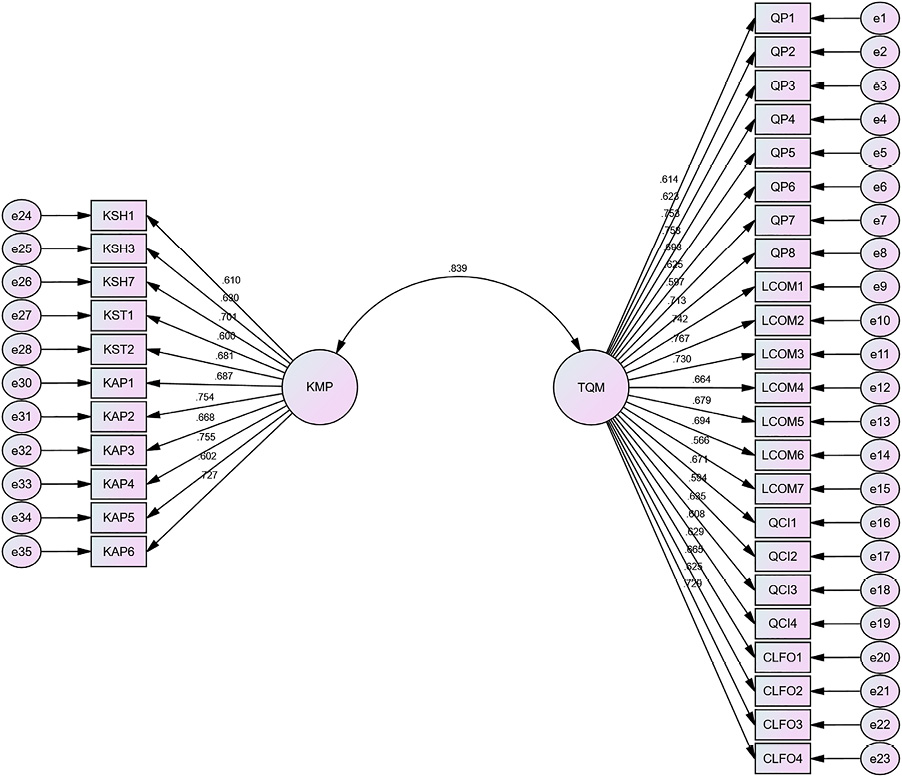
Figure 1. Relationship between knowledge management and total quality management.
Source: authors
Table 4 indicates the relationship between various constructs related to KM (KD: knowledge diagnosing, CLF: KG; knowledge generation, (KSH: knowledge sharing; KST: knowledge storage; KAP: knowledge application) and TQM (CLF: client focus; LCOM: leadership commitment; QP: quality plan; CI: continuous improvement).
Source: Authors’ field survey data (2023).
KM, knowledge management; TQM, total quality management; KMP, knowledge management process.
Table 4 further details the connections between KM and TQM as well as the connections between the KMP and TQM sub-constructs: 1.112 was the unstandardized coefficient and 0.839 was the standardized coefficient. The standardized coefficient (Std. Coeff.) of 0.839 indicates that KMP and TQM are strongly positively correlated. To be more precise, a one-unit rise in KMP corresponds to a roughly 0.839 standard deviation increase in TQM. The statistical significance of this link is indicated by the p-value of 0.000.
Relationships between the sub-constructs of knowledge management processes and total quality management
The table also shows the connections between the KMPs KD, KG, KSH, KST, and KAP sub-constructs and TQM. The table’s rows correspond to various KMP sub-constructs and how they relate to TQM. The unstandardized coefficients show how strong the links are. The standardized coefficients (Std. Coeff.) give information in standard deviation units regarding the strength and direction of the correlations. The precision of the estimates was measured using the standard errors (SEs). The statistical significance of the correlations was evaluated using the Z-statistics and p-values.
The standardized coefficients compare the relative strength of these relationships in standard deviation units. The p-values indicate that these relationships are statistically significant (p < 0.05). The findings based on the standardized coefficients and p-values for the sub-constructs of KMP and TQM are as follows: KG and KST have strong positive relationships with TQM. KSH and KAP also have strong positive relationships with TQM. KD has a negative relationship with TQM. The standardized coefficients indicate the relative strength of these relationships in standard deviation units. All of these relationships are statistically significant as the p-value is 0.000.
The model in Figure 2 further demonstrates the relationship between the sub-construct of KM practices and TQM principles. The yellow blocks represent the sub-construct of KM and TQM and the relationship between them. From left to right, the constructs are (1) knowledge application, (2) knowledge generation, (3) knowledge sharing, (4) knowledge storage, (5) knowledge application connecting to (6) client focus, (7) continuous improvement, (8) leadership commitment, (9) quality plan, and (10) knowledge diagnosing.
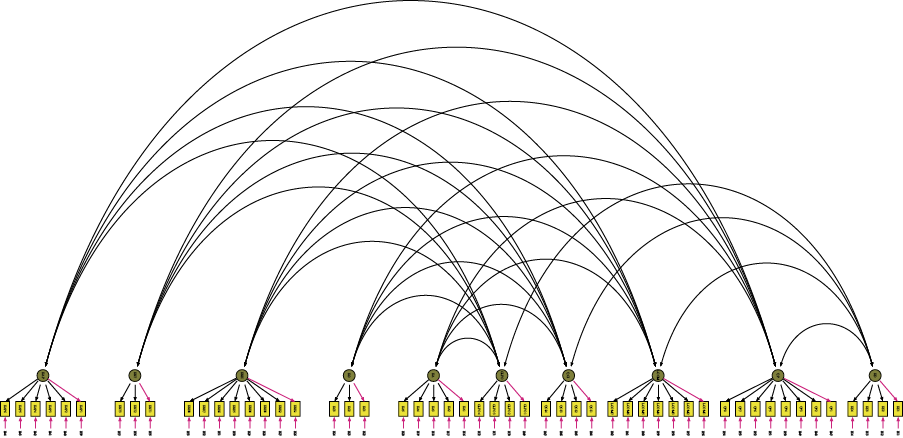
Figure 2. Model for the relationship among the sub-constructs of KMP and TQM. KMP, knowledge management process; TQM, total quality management.
Discussion/findings
Objective 1 of this study sought to investigate the relationship between KM and TQM and their impact on project performance in Ghana. The findings indicate that both the design and the construction team accepted the view that there should be a culture of KM processes and TQM principles for project performance, and this is in line with several studies (Imbeah, 2012; Magnusson, Nilsson, and Valentin, 2013; Duran, Çetindere, and Özcan, 2014; Calnan et al., 2021). Stewart and Waddell (2008) concluded in their study that, for organizations to successfully compete in such a dynamic business environment, embracing a quality culture would be essential to implementing knowledge management. In other words, the successful integration of TQM and KM has a major impact on project performance.
The finding further indicated that the role of quality personnel is very necessary and must be defined and documented. This will ensure clarity of purpose regarding their responsibilities for an effective project outcome. Due to the limited ability of the workforce and remote job sites, it is hard to control and track the quality system implementation in all sites. Therefore, communication problems between personnel because of language differences and cultural differences within the workforce need to be addressed (Imbeah, 2012; Ofori, 2012; Meijer and Visscher, 2017; Calnan, et al., 2021).
The findings again revealed that the design and detail of the quality management practices provide people with the knowledge related to their roles in the project delivery in an organization, which is in line with the assertion of Musa, et al. (2022) that the primary objective of comprehensive quality management and knowledge transfer is to establish suitable social control within the organization to promote a trustworthy environment. There are several processes associated with this component of the quality management system that contribute to the overall management and utilization of knowledge within the organization (Ju, et al., 2006; Colurcio, 2009).
The Essential Factors Necessary for the Integration of KM and TQM
Key findings based on the standardized coefficients and p-values for the sub-constructs of KM practices and TQM revealed that knowledge generation and knowledge storage have strong positive relationships with TQM. Knowledge sharing and knowledge application also have strong positive relationships with TQM. Knowledge diagnosing has a negative relationship with TQM. The standardized coefficients indicate the relative strength of these relationships in standard deviation units. All of these relationships are statistically significant (p < 0.05). Overall, the results suggest that KMP, specifically sub-constructs like knowledge generation, knowledge storage, knowledge sharing, and knowledge application, have strong positive relationships with TQM. However, knowledge diagnosing has a negative relationship with TQM. These findings revealed relationships between different aspects of KM and TQM in the analysis.
The findings show the strength and direction of the relationships between various constructs related to KM and TQM. Knowledge diagnosing is correlated with leadership commitment. This is in line with Sami and Bedawy (2020) who indicated leadership as a critical contributing factor to establishing a significant influence on successful project performance. Knowledge generation has a positive correlation with quality plan, and knowledge sharing is positively correlated with leadership commitment and continuous improvement. Again there is a positive correlation between knowledge storage, quality plan, and leadership commitment. Knowledge application is correlated with QP and CI. Rajeshwaran and Aktharsha (2017) emphasized further that strategic planning, employee involvement, leadership commitment, continuous improvement, recognition and reward, and high-quality training were the most important determinants of organizational performance. According to Elbashir (2018), the effective adoption of TQM was facilitated by various variables such as organizational culture, employee participation, quality education, top management’s dedication and leadership, and interactions between top managers and workers. Positive relationships indicate that an increase in one construct is associated with an increase in another. This implies that enforcing KM practices will possibly improve TQM principles during the delivery of construction projects while a negative relationship suggests a decrease in one is associated with an increase in the other. This is in line with Ch, et al. (2009) who indicated that the integration of KM processes of TQM leads to improving the quality of products and services continually. Overall, the results suggest that KMP sub-constructs like knowledge generation, knowledge storage, knowledge sharing, and knowledge application, have strong positive relationships with TQM sub-constructs like quality plan, leadership commitment and continuous improvement.
Theoretical implication
This research has contributed theoretically and practically. The first theoretical contribution is the creation of a conceptual model that links KM with TQM to enhance performance. This model provides the relationship between KM and TQM constructs and determines the key factors for integrating KM with TQM structures. This model can help firms identify which KM processes are necessary to improve TQM principles within their organizational structures.
Practical implication
The study highlights the strong correlation between KM and TQM in the Ghanaian construction industry. Knowledge generation, storage, sharing, and application positively impact TQM sub-constructs: quality plan, continuous improvement, and leadership commitment. However, challenges include resource constraints, a lack of enabling culture, and resistance to change. Arguably, given an enabling environment and a desired level of commitment of project teams these challenges can become surmountable. In this regard key steps required for an effective integration of KM with TQM include the establishment of a construction industry council in Ghana, ensuring an enabling legal framework to incentivize a construction culture.
Limitations and directions for future research
The study investigated the views of construction professionals of the built environment on the possible integration of KM and TQM in the Ghanaian construction industry. Additionally, professionals from other related sectors may have varied opinions on how the KM and TQM could be integrated. Thus, future studies should adopt a qualitative research strategy to explore the nature of the apparent association that exists between variables in this study. Such an approach will provide more insightful answers as to why, or if at all any causal relationships exist between the KM and TQM constructs.
Conclusion
The study utilized quantitative data from 256 construction professionals in Ghana and employed PLS-SEM. The study identified several gaps in current knowledge that it aims to address, particularly on the integration of KM with TQM in the construction industry, especially in developing countries like Ghana. While KM with TQM has been linked to project performance in general literature, there is a gap in the body of knowledge regarding their application to construction projects, especially within the Ghanaian context. There is generally little information on the possible variables that contribute to their relationship. The findings revealed a statistically significant positive relationship, indicating that a one-unit rise in knowledge management process corresponds to approximately a 0.839-standard deviation increase in TQM. This suggests that implementing KM can potentially improve TQM principles in construction projects.
The findings further provide insights into the specific sub-constructs of KMP that significantly influence TQM. Key findings based on the standardized coefficients and p-values for the sub-constructs of KMP and TQM KG and KST have strong positive relationships with TQM. KSH and KAP also have strong positive relationships with TQM. KD has a negative relationship with TQM. It highlights the importance of actively generating, sharing, storing, and applying knowledge within an organization for successful TQM implementation. Additionally, addressing and mitigating knowledge diagnosis is crucial for maintaining a high level of quality in organizational processes. Both design and construction teams in the Ghanaian construction industry agree on the importance of a KM process and TQM practices for project performance, as organizational culture motivates knowledge production, preservation, and exchange. The study emphasized the crucial role of quality personnel in ensuring a project’s success by meeting quality standards, adhering to regulations, and achieving its objectives.
When roles are clearly defined and documented, it becomes easier to evaluate and improve the overall quality of the project. The results also underscore the importance of well-structured and comprehensive quality management practices within an organization. These practices will not only improve the overall quality of project delivery but also equip individuals with the essential knowledge related to their roles. Additionally, thorough quality management practices empower individuals by offering them a clear understanding of their responsibilities within the project. This knowledge is essential for team members to effectively carry out their responsibilities for the successful completion of the project.
References
Abdul, R.R. (2013) Quality Tools for Managing Construction Projects. CRC Press is an imprint of Taylor & Francis Group, an Informa business. Available at: http://www.crcpress.com
Adem, M.K. and Virdi, S.S. (2020) ‘The effect of TQM practices on operational performance : an empirical analysis of ISO 9001 : 2008 certified manufacturing organizations in Ethiopia’, The TQM Journal, 33(2), pp. 407–440. Available at: https://doi.org/10.1108/TQM-03-2019-0076
Anumba, J.C., Charles, O.E. and Carrillo, P.M. (2005) Knowledge Management in Construction. Edited by C.O.E. and P.M.C. Chimay J. Anumba. Blackwell Publishing Ltd Editorial.
Arthur-Aidoo, B.M., Ansary, N. and Aigbavboa, C. (2016) ‘Assessing the strength and weakness of the Ghanaian construction industry’, Proceedings of International Structural Engineering and Construction, 3(2), pp. 1–6. Available at: https://doi.org/10.14455/ISEC.res.2016.169
Barua, B. (2021) ‘Impact of total quality management factors on knowledge creation in the organizations of Bangladesh’, 33(2021), pp. 1–22. Available at: https://doi.org/10.1108/TQM-06-2020-0145
Barua, B., Zaman, S. and Urme, U.N. (2018) ‘Effect of Total Quality Management on Organizational Performance’, 5(7), pp. 9024–9050. Available at: www.jetir.org
Boateng, A., Ameyaw, C. and Mensah, S. (2020) ‘Assessment of systematic risk management practices on building construction projects in Ghana’, International Journal of Construction Management, 22(16), pp. 3128–3136. Available at: https://doi.org/10.1080/15623599.2020.1842962
Bukari, C. et al. (2023) ‘Integrating Knowledge Management Processes with Total Quality Management Principles in the Construction Industry : Meta Review , Gap Analysis and Scientometric Analysis’, Journal of Service Science and Management, 16, pp. 501–525. Available at: https://doi.org/10.4236/jssm.2023.165027
Calnan, N. et al. (2021) a lifecycle approach to Knowledge Excellence in the Biopharmaceutical industry. CRC Press is an imprint of Taylor & Francis Group, an Informa business.
Ch, F.A. et al. (2009) ‘Knowledge management support for quality management to achieve higher customer satisfaction’, Proceedings of 2009 IEEE International Conference on Electro/Information Technology, EIT 2009, pp. 78–83. Available at: https://doi.org/10.1109/EIT.2009.5189588
Colurcio, M. (2009) ‘TQM : a knowledge enabler ?’, The TQM Magazine:Emerald Group Publishing Limited, 21(1), p. 13. Available at: https://doi.org/10.1108/17542730910953013
Cox, E. (1980) ‘The optimal number of response alternate for a scale: A review’, Journal of Marketing Research., 17(4), pp. 407–422. https://doi.org/10.1177/002224378001700401
Damoah, I.S. and Akwei, C. (2017) ‘Government project failure in Ghana : a multidimensional approach’, (April). Available at: https://doi.org/10.1108/IJMPB-02-2016-0017
Duran, C., Çetindere, A. and Özcan, Ş. (2014) ‘An analysis on the relationship between total quality management practices and knowledge management : The case of Eski ş ehir’, procedia, 109, pp. 65–77. Available at: https://doi.org/10.1016/j.sbspro.2013.12.422
Ebel, R.L. and Frisbie, D.A. (1991) Essentials of Educational Measurement. Fith. Published by p.entice-Hall of India PrivaE Limited.
Elbashir, M. (2018) ‘Quality management in construction projects’, PM World Journal, VII(Ii), pp. 1–10.
Finchman, J.E. (2008) ‘Response rates and responsiveness for surveys standards, and the journal’, American Journal of Pharmaceutical Education, 72(2), pp. 1–3. https://doi.org/10.5688/aj720243
Fotopoulos, C. V and Psomas, E.L. (2010) ‘The structural relationships between TQM factors and organizational performance’, The TQM Journal, 22(5), pp. 539–552. Available at: https://doi.org/10.1108/17542731011072874
Garstenauer, A., Blackburn, T. and Olson, B. (2015) ‘A Knowledge Management Based Approach to Quality Management for Large Manufacturing Organizations’, Engineering Management Journal, 26(4), pp. 47–58. Available at: https://doi.org/10.1080/10429247.2014.11432028
Gawlak, D. (2015) ‘International Standard ISO Requirements’, 2015, p. 40.
George, D. and Mallery, P. (2003) SPSS for Windows Step by Step: A Simple Guide and Reference14.0 update. 7th edn. Boston: Allyn & Bacon.
Ghana Statistical Service (2021) The Ghana 2021 Population and Housing Census.
Grover, R. and Froese, T.M. (2016) ‘Knowledge Management in Construction using a SocioBIM Platform : A Case Study of AYO Smart Home Project’, Procedia Engineering, 145, pp. 1283–1290. Available at: https://doi.org/10.1016/j.proeng.2016.04.165
Hammond, S.K.A. (2018) ‘Project Failure and Challenges of Project Management in Ghana’, International Journal of Researchers, 3(11), pp. 27–31.
Honarpour, A. and Jusoh, A. (2017) ‘Knowledge management and total quality management : a reciprocal relationship’, International Journal of Quality & Reliability Management, 34(1), pp. 91–102. Available at: https://doi.org/10.1108/IJQRM-03-2014-0040
Honarpour, A., Jusoh, A. and Nor, K. (2012) ‘Knowledge Management , Total Quality Management and Innovation : A New Look’, journal of Technology Management & Innovation, 7(3), pp. 22–31. https://doi.org/10.4067/S0718-27242012000300003
Hsu, S. and Shen, H. (2005) ‘Knowledge management and its relationship with TQM’, Total Quality Management & Business Excellence, Vol. 16, N(November 2014), pp. 37–41. Available at: https://doi.org/10.1080/14783360500054111
Hung, R.Y., Lien, B.Y. and Fang, S. (2010) ‘Knowledge as a facilitator for enhancing innovation performance through total quality management’, Total Quality Management & Business Excellence, 21(4), pp. 37–41. Available at: https://doi.org/10.1080/14783361003606795
Imbeah, K.A. (2012) Framework for the Implementation of Total Quality Management (TQM) in Real Estate Firms in Ghana. Kwame Nkrumah University Of Science And Technology.
Irani, Z., Beskese, A. and Love, P.E.D. (2004) ‘Total quality management and corporate culture: constructs of organisational excellence’, Technovation, 24, pp. 643–650. https://doi.org/10.1016/S0166-4972(02)00128-1
Jewell, C. and Flanagan, R. (2019) Quality Code of Quality Management. Chartered Institute of Building. Available at: www.ciob.org
Joshi, A. et al. (2015) ‘Likert Scale: Explored and Explained’, British Journal of Applied Science & Technology, 7(4), pp. 396–403. Available at: https://doi.org/10.9734/BJAST/2015/14975
Ju, T.L. et al. (2006) ‘TQM critical factors and KM value chain activities’, Total Quality Management & Business Excellence, 17(January 2015), pp. 37–41. Available at: https://doi.org/10.1080/14783360500451614
Jutidharabongse, J., Aujirapongpan, S. and Ritkaew, S. (2020) ‘Dynamic knowledge management capability and strategic intuition of Thai entrprneurs’, Entrepreneurship and Sustainability Issues, 7(4), pp. 2955–2966. Available at: https://doi.org/10.9770/jesi.2020.7.4(25)
Keenan, M. and Rostami, A. (2019) ‘The impact of quality management systems on construction performance in the North West of England the North West of England’, International Journal of Construction Management, 0(0), pp. 1–13. Available at: https://doi.org/10.1080/15623599.2019.1590974
Krejcie, R.V. and Morgan, D.W. (1970) ‘Determining sample size for research activities. Educational and Psychological Measurement’, [e-journal], 30(3), pp. 607–10. Available at: https://doi.org/10.1177/001316447003000308
Loke, S.-P. et al. (2012) ‘A structural approach to integrating total and quality management and knowledge management with supply chain learning’, Journal of Business Economics and Management, 13(4), pp. 776–800. Available at: https://doi.org/10.3846/16111699.2011.620170
Magnusson, J., Nilsson, A. and Valentin, K. (2013) ‘Knowledge Management Theory in Interorganizational Settings’, in Organizational Culture & Leadership Conference, pp. 1–23.
Mantas, C. (2015) Knowledge management during an economic crisis: The case of Greek firms. University of Leicester.
Meijer, F. and Visscher, H. (2017) ‘Quality control of constructions : European trends and developments’, 9(2), pp. 143–161. Available at: https://doi.org/10.1108/IJLBE-02-2017-0003
Musa, S. et al. (2022) ‘Total Quality Management in Construction Projects in Jordan’, European Journal of Business and Management Research, 7(2). Available at: https://doi.org/10.24018/ejbmr.2022.7.2.1303
Nonaka, I. (2008) The knowledge- creating company. Harvard Business School Publishing Corporation. Available at: www.hbr.org
Ofori, G. (2012) Developing the Construction Industry in Ghana : the case for a central agency.
Owino, S. and Makokha, E.N. (2021) ‘Effects Of Total Quality Management Practices On Performance Of Construction Projects In Uasin Gishu County’, International Journal of Recent Research in Commerce Economics and Management (IJRRCEM), 8(1), pp. 60–70. Available at: www.paperpublications.org
Panuwatwanich, K. and Tung, T. (2017) ‘Influence of Total Quality Management on Performance of Vietnamese Construction Firms’, Procedia Engineering, 182, pp. 548–555. Available at: https://doi.org/10.1016/j.proeng.2017.03.151
PMBOK, G. (2017) Project management body of knowledge. Sixth. project Managemnt Institute, Inc.
Rajeshwaran, N.R. and Aktharsha, U.. (2017) ‘Relationship between total quality management, knowledge management and organizational performance in IT organization’, International Journal of Business and Management Invention, 6(8), pp. 44–54.
Rajeshwaran, N. Raja and Aktharsha, U.S. (2017) ‘Relationship between Total Quality Management , Knowledge Management and Organizational Performance in IT organization .’, International Journal of Business and Management Invention, 6(8), pp. 44–54.
Raudeliūnienė, J., Davidavičienė, V. and Jakubavičius, A. (2018) ‘Knowledge management process model’, Entrepreneurship and Sustainability Issues, 5(3), pp. 542–554. Available at: https://doi.org/10.9770/jesi.2018.5.3(10)
Renukappa, S., Suresh, S. and Alosaimi, H. (2019) ‘Knowledge management-related training strategies in Kingdom of Saudi Arabia construction industry : an empirical study’, International Journal of Construction Management, 21(7), pp. 713–723. Available at: https://doi.org/10.1080/15623599.2019.1580002
Rhem, A.J. (2017) Knowledge Management in Practice. Taylor & Francis Group. Available at: https://doi.org/10.1201/9781315374376
Ribeiro, F.L. (2009) ‘Enhancing knowledge management in construction firms Enhancing knowledge management in construction firms’, Construction Innovation, 9(3), pp. 268–288. Available at: https://doi.org/10.1108/14714170910973493
Ribiere, V. and Khorramshahgol, R. (2004) ‘Integrating Total Quality Management and Knowledge Management’, Journal of Management Systems, 16(1), pp. 1–17.
Sami, M. and Bedawy, R. El (2020) ‘Assessing the impact of knowledge management on total factor productivity’, African Journal of Economic and Management Studies, 11(1), pp. 134–146. Available at: https://doi.org/10.1108/AJEMS-05-2019-0188
Sarstedt, M. et al. (2016) ‘Estimation issues with PLS and CBSEM: Where the bias lies!’, Journal of Business Research, 69(10), pp. 3998–4010. Available at: https://doi.org/10.1016/j.jbusres.2016.06.007
Shreekanth, A. (2014) ‘Knowledge Management in Construction using Building Information Modeling (BIM)’, pp. 1–102.
Soltanpanah, H. and Vaisi, B. (2014) ‘A study of the relationship between KM and Project Quality.pdf’, Journal of Applied Sciences, 14(21), pp. 2745–2749. Available at: https://doi.org/10.3923/jas.2014.2745.2749
Stewart, D. and Waddell, D. (2008) ‘Knowledge Management: The fundamental component for delivery of quality’, Total Quality Management and Business Excellence, 19(9), pp. 987–996. Available at: https://doi.org/10.1080/14783360802227803
Tarí, J.J., Molina, J.F. and Castejón, J.L. (2007) ‘The relationship between quality management practices and their effects on quality outcomes’, European Journal of Operational Research, 183(2), pp. 483–501. Available at: https://doi.org/10.1016/j.ejor.2006.10.016
Unegbu, H.C.O., Yawas, D.S. and Dan-asabe, B. (2021) ‘Assessment of the Relative Importance and Relationships of Project Management Practices for the Construction Industry in Nigeria’, Proceedings on Engineering Sciences, 03(1), pp. 65–80. Available at: https://doi.org/10.24874/PES03.01.007
Wilson, J.P. and Campbell, L. (2016) ‘Developing a knowledge management policy for ISO 9001 : 2015’, Journal Of Knowledge Management, 20(4), pp. 829–844. Available at: https://doi.org/10.1108/JKM-11-2015-0472
Yousaf, M. and Bris, P. (2020) ‘A Systematic Literature Review of the EFQM Excellence Model from 1991 to 2019’, International Journal of Applied Research in Management and Economics, 2(2), pp. 11–15. Available at: https://doi.org/10.33422/ijarme.v2i2.211
Yu, D. and Yang, J. (2018) ‘Knowledge Management Research in the Construction Industry : a Review’, journal of Knowledge Economicsnowledge Economics, 9, pp. 782–803. Available at: https://doi.org/10.1007/s13132-016-0375-7
Yusr, M.M. et al. (2017) ‘Does interaction between TQM practices and knowledge management processes enhance the innovation performance ?’, International Journal of Quality & Reliability Management, 34(7), pp. 955–974. Available at: https://doi.org/10.1108/IJQRM-09-2014-0138
Zetie, S. (2002) ‘The quality circle approach to knowledge management’, Managerial Auditing Journal, 17(6). Available at: https://doi.org/10.1108/02686900210434096
Appendix 1
| Items | Minimum | Maximum | Mean | Standard deviation |
|---|---|---|---|---|
| Knowledge management and the quality standards and practices | ||||
| There is a formal and informal integration of knowledge processing with quality management principles. | 1 | 7 | 5.12 | 1.739 |
| Knowledge management roles and quality standards have been instituted. | 1 | 7 | 4.90 | 1.889 |
| There are incentive structures, knowledge - sharing policies and quality practices to ensure project performance. | 1 | 7 | 5.44 | 1.410 |
| There is a culture of KM processes and TQM practices. | 2 | 7 | 5.47 | 1.390 |
| Knowledge gained from other projects is incorporated into quality practices. | 1 | 7 | 5.01 | 1.797 |
| The required training for the employees serves as the organization’s objectives in improving employees’ experience. | 1 | 7 | 5.49 | 1.635 |
| KM with TQM and the organization for project performance | - | |||
| Provide the required training to the employees, for effective project delivery | 1 | 7 | 5.06 | 1.509 |
| Assist in improving employees’ experience with project performance | 1 | 7 | 5.22 | 1.671 |
| Comply with the quality management principles which provide details on roles, responsibilities, and accountabilities | 1 | 7 | 5.07 | 1.478 |
| The design and detail of the quality management practices provide people with the knowledge related to their roles in the project delivery in my company. | 1 | 7 | 5.30 | 1.507 |
| The role of the quality personnel is well defined and documented to ensure clarity of purpose for effective project outcome | 1 | 7 | 5.23 | 1.630 |
| Generation and utilization of KM practices and TQM principles for project performance. | - | |||
| Knowledge related to the project is key to enabling the fundamental role of the effective delivery process to produce quality project outcomes. | 1 | 7 | 5.39 | 1.816 |
| The management of this knowledge is integrated into the quality management system in several ways. | 1 | 7 | 5.27 | 1.838 |
| There are processes associated with this component of the quality management system that contribute to the overall management within the organization. | 1 | 7 | 5.40 | 1.738 |
| There is a review of the TQM and its effectiveness used to identify areas of improvement. | 1 | 7 | 5.42 | 1.779 |
| The review process results in adjustments to standards and practices, ensuring that newly acquired knowledge is systematically and sustainably integrated into daily operations. | 1 | 7 | 5.38 | 1.832 |
| These reviews are conducted at the site to review the relevant level of KM and TQM management. | 1 | 7 | 5.54 | 1.565 |
| Knowledge generation and utilization are controlled through review and metrics processes. | 1 | 7 | 5.12 | 1.751 |
| The regular project review provides a key contribution to KM processes and TQM practices. | 2 | 7 | 5.32 | 1.606 |
| The process description and associated knowledge are utilized as part of deviation and change management. | 1 | 7 | 5.19 | 1.488 |
| The KM activities give a clear view of what TQM constitutes for the firm. | 1 | 7 | 5.11 | 1.649 |
| There is a KM and TQM system which is easy to use and implement. | 2 | 7 | 5.03 | 1.584 |
| The top management puts equal emphasis on KM and TQM and integrates them to realize higher rates of success. | 2 | 7 | 4.88 | 1.657 |
| There are KM and TQM training strategies in place in my company. | 1 | 7 | 5.31 | 1.586 |
Appendix 2
| Items | Minimum | Maximum | Mean | Standard deviation |
|---|---|---|---|---|
| Knowledge diagnosing | ||||
| In my organization | ||||
| The required information is provided in the design | 1 | 7 | 5.66 | 1.438 |
| Procedures and instructions of project knowledge are well communicated | 2 | 7 | 6.01 | 1.044 |
| There is a dedicated department to diagnose knowledge and report periodically to the design team. | 1 | 7 | 5.30 | 1.496 |
| There are periodic tests to diagnose existing knowledge that employees have | 1 | 7 | 4.97 | 1.457 |
| Knowledge acquisition | ||||
| In my company | ||||
| There are multiple sources of information and ideas to enable workers to acquire knowledge. | 1 | 7 | 5.25 | 1.440 |
| Training programs are a means of giving employees the necessary knowledge. | 1 | 7 | 5.26 | 1.367 |
| There are processes for generating new knowledge from existing knowledge. | 1 | 7 | 5.08 | 1.479 |
| There are processes for acquiring knowledge about new project. | 1 | 7 | 5.45 | 1.290 |
| Workers recruited possess the required expertise. | 1 | 7 | 5.48 | 1.393 |
| Knowledge generation | ||||
| My company | ||||
| Encourages its staff to generate new ideas | 1 | 7 | 5.60 | 1.346 |
| Provides an opportunity for staff members to use their tacit knowledge effectively | 1 | 7 | 5.48 | 1.407 |
| Creates the motivation to help employees learn and apply their knowledge | 1 | 7 | 4.68 | 1.693 |
| Knowledge sharing | ||||
| In my company | ||||
| Employees are engaged in making decisions, which helps in sharing knowledge. | 1 | 7 | 5.20 | 1.331 |
| Advanced technology is utilized to facilitate efficient knowledge sharing and encourage active participation. | 1 | 7 | 4.94 | 1.528 |
| There is a level of trust existing between employees in knowledge sharing. | 1 | 7 | 5.00 | 1.314 |
| Staff are evaluated according to their tacit knowledge. | 1 | 7 | 5.17 | 1.263 |
| Implementation of the KM system is treated equally and importantly. | 1 | 7 | 4.98 | 1.475 |
| There is a periodic movement between sections and departments as a means of sharing knowledge. | 1 | 7 | 4.45 | 1.656 |
| There are regular monthly meetings of all members for dialogue and exchange of ideas | 1 | 7 | 4.47 | 1.676 |
| There are incentives for employees for sharing knowledge. | 1 | 7 | 4.54 | 1.645 |
| People who have the potential and attitudes to share and acquire knowledge are employed. | 1 | 7 | 4.64 | 1.463 |
| There is motivation to help employees learn and apply their knowledge, | 1 | 7 | 4.79 | 1.618 |
| Knowledge storing | ||||
| My company | ||||
| Has special systems for storing and documenting the project knowledge | 1 | 7 | 4.65 | 1.573 |
| Encourages its expert staff to document their tacit knowledge | 1 | 7 | 4.59 | 1.511 |
| Has a knowledge storage system that is effective and easier for everyone to retrieve at any time | 1 | 7 | 4.80 | 1.635 |
| Knowledge application | ||||
| In my company | ||||
| Systems and procedures have enough flexibility to make immediate modifications to apply new knowledge. | 1 | 7 | 5.03 | 1.558 |
| Responds quickly to clients’ requirements by providing insight into the project | 1 | 7 | 5.18 | 1.484 |
| There is a need to respond quickly to changing technology. | 1 | 7 | 5.19 | 1.521 |
| Responds to the modern trend of project knowledge and actions taken | 1 | 7 | 4.90 | 1.557 |
| There is a department responsible for overseeing the implementation of new knowledge, conducting follow-ups, and evaluating the outcomes. | 1 | 7 | 4.77 | 1.631 |
| Management underlines the importance of new knowledge, its use and its significance. | 1 | 7 | 4.64 | 1.607 |
| There is documented information about the successes and failures of project development. | 1 | 7 | 4.88 | 1.599 |
| A database, repositories, and IT applications are used to store knowledge, ensuring easier access to all employees. | 1 | 7 | 4.90 | 1.469 |
Appendix 3
| Items | Minimum | Maximum | Mean | Std. deviation |
|---|---|---|---|---|
| Quality plan | ||||
| My company | ||||
| Describes how quality requirements will be maintained to ensure quality assurance to improve project performance | 1 | 7 | 5.13 | 1.399 |
| Defines the individuals responsible for implementing the quality plan in detail | 1 | 7 | 5.37 | 1.419 |
| Describes the key activities necessary to deliver the project quality for effective project performance | 1 | 7 | 5.19 | 1.515 |
| Describes procedures for remedying defects to improve project performance | 1 | 7 | 5.26 | 1.499 |
| Defines the requirements and expectations of client in the quality plan | 1 | 7 | 5.16 | 1.475 |
| Sets out a special training requirement to ensure quality is maintained | 1 | 7 | 5.13 | 1.553 |
| Appoints personnel to champion total TQM practices | 1 | 7 | 5.05 | 1.724 |
| Allocates adequate resources for effective TQM for project performance | 1 | 7 | 5.22 | 1.447 |
| Leadership and commitment | ||||
| My company | ||||
| Demonstrates leadership commitment with respect to total quality management during the project phase | 1 | 7 | 5.45 | 1.349 |
| Takes accountability for the effectiveness of the total quality management to improve project performance | 1 | 7 | 5.51 | 1.306 |
| Ensures that the quality policy and quality objectives are established for the TQM at the project phase | 1 | 7 | 5.56 | 1.285 |
| Considers total quality management as a real slogan and basis for project performance | 2 | 7 | 5.61 | 1.256 |
| Agrees that the application of TQM principles leads to maintaining the competitive position for project performance | 1 | 7 | 5.25 | 1.487 |
| Maintains clear evidence of the quality policy that contains all necessary instructions and standards for measuring and tracking project performance | 1 | 7 | 5.32 | 1.472 |
| Emphasizes the identification of deviation from set targets to improve project performance | 1 | 7 | 5.23 | 1.220 |
| Identifies the best TQM practices to ensure effective project performance | 1 | 7 | 5.19 | 1.196 |
| Emphasizes the implementation of best TQM principles for effective project performance | 1 | 7 | 5.35 | 1.204 |
| Client focus | ||||
| My company | ||||
| Actively and regularly seeks client inputs to identify their needs and expectations during design for effective project delivery | 1 | 7 | 5.34 | 1.420 |
| Determines client requirements in the design and consistently meets to improve project performance | 1 | 7 | 5.50 | 1.355 |
| The risks and opportunities that can affect conformity of the project performance to enhance client satisfaction are determined and addressed in the design. | 1 | 7 | 5.63 | 1.295 |
| The design focuses on enhancing client satisfaction to improve project performance. | 1 | 7 | 5.49 | 1.388 |
| Clients are able to give us feedback on quality and project performance. | 1 | 7 | 5.51 | 1.245 |
| Client complaints are used to make changes in the design to improve project performance. | 1 | 7 | 5.45 | 1.382 |
| Client satisfaction is measured systematically and maintained to influence project performance. | 1 | 7 | 5.39 | 1.412 |
| Surveys are conducted periodically to identify client’s needs and desires to improve project outcome. | 2 | 7 | 5.59 | 1.258 |
| There is a periodic meeting to strengthen ties with clients to improve project performance. | 1 | 7 | 5.15 | 1.537 |