Construction Economics and Building
Vol. 24, No. 4/5
December 2024
RESEARCH ARTICLE
Research Trends on Early Contractor Involvement in Construction Projects: A Bibliometric Analysis
Innocent Chigozie Osuizugbo1,*, Muhammad Ashraf Fauzi2, Mazen M. Omer3, Bibiana O. Njogo4, Atinuke Adebimpe Orekan5
1 Bells University of Technology, Ota, Nigeria, icosuizugbo@bellsuniversity.edu.ng
2 Universiti Malaysia Pahang Al-Sultan Abdullah, Gambang, Pahang, Malaysia,
ashrafauzi@umpsa.edu.my
3 Higher Institute of Science and Technology, Tiji, Libya, mazentri@gmail.com
4 Bells University of Technology, Ota, Nigeria, bonjogo@bellsuniversity.edu.ng
5 Bells University of Technology, Ota, Nigeria, aaorekan@bellsuniversity.edu.ng
Corresponding author: Innocent Chigozie Osuizugbo, Bells University of Technology, Ota, Nigeria, icosuizugbo@bellsuniversity.edu.ng
DOI: https://doi.org/10.5130/AJCEB.v24i4/5.9113
Article History: Received 14/04/2024; Revised 26/08/2024; Accepted 26/09/2024; Published 23/12/2024
Citation: Osuizugbo, I. C., Fauzi, M. A., Omer, M. M., Njogo, B. O., Orekan, A. A. 2024. Research Trends on Early Contractor Involvement in Construction Projects: A Bibliometric Analysis. Construction Economics and Building, 24:4/5,160–178. https://doi.org/10.5130/AJCEB.v24i4/5.9113
Abstract
The present study aims to highlight most significant journals in early contractor involvement (ECI) research, most productive authors on ECI studies and territories, geospatial network of the active ECI research countries, current trend in ECI studies, and the most relevant keywords and co-occurrence networks in ECI studies. This study comprehensively examined the ECI research field by conducting a bibliometric analysis of 210 journal articles between 1992 and 2023 from the Web of Science (WoS) database. The findings showed that, Transportation Research Record, Construction Management and Economics, Journal of Management in Engineering, and Journal of Construction Engineering and Management are the most represented journals. Per Erik Eriksson from Luleå University of Technology is the most productive author identified in this study. United States of America, England and Australia are the most productive countries on ECI research. Current trends in ECI studies include ECI and project delivery, ECI as critical success factors, ECI in design and its impact on construction schedule performance and overcoming cost-related issues through ECI. The highest co-occurred keywords are “procurement”, “early contractor involvement”, “performance,” and “construction.” The findings from this study suggest that applying Collaborative contracting theory to ECI enhances innovation, project delivery, and communication, while relational contracting theory fosters collaborative risk management, trust, and flexibility, resulting in better relationships and outcomes. To the best of the authors’ knowledge, this study is the first to conduct bibliometric analysis of past studies on ECI. As a result, the study contributed to the existing knowledge by identifying the pattern and trend of ECI research area, revealing its broader themes of research and clusters, mapping the network of key ECI authors and territories. This study identified “governance structure” as an aspect of ECI study that is scarce in the literature and needs further exploration. Additionally, since most ECI studies originate from developed countries, future research should focus on developing countries.
Keywords
Bibliometric Analysis; Bibliographic Coupling Analysis; Construction Projects; Co-Word Analysis; Early Contractor Involvement; Procurement; Scientometric Analysis
Introduction
The expression early contractor involvement (ECI) was first mentioned in the construction and engineering contract article published in 1998 by England’s Institution of Civil Engineering (Turner and Riding, 2015). The Road and Highways Agency in the United Kingdom was the first to employ the ECI concept in the early 2000s. The aim was to add some elements of buildability and constructability advice in the early phases of construction projects development (Sagvekar and Wayal, 2019; Laryea and Watermeyer, 2016; Turner and Riding, 2015). During that period, the agency engaged contractors based on ability instead of price to benefit the project in the design development (Turner and Riding, 2015). The ECI concept was later adopted after 2005 in different countries such as Australia, USA, New Zealand and Netherlands (Sagvekar and Wayal, 2019).
ECI means the engagement of contractor during the preconstruction stage of building, so as to work as a team with the project owner and/or consultant, mostly to help in planning and buildability (Rahman and Alhassan, 2012; Laryea and Watermeyer, 2016; Nibbelink, Sutrisna and Zaman, 2017). The Early Contractor Involvement has been well defined. ECI is defined as the involvement between parties during the early phases of construction project development (Turner and Riding, 2015). The term “parties” are referred here as the main players of ECI arrangement which are usually the project owner, designer and contractors or builders. In other words, the practice of ECI is referred to as the engagement of the contractor in the design process to gain the advantage of the contractor’s expertise. This means that, in the ECI approach, a contractor is engaged in a construction project before the start of construction works in order to provide an input in design.
A similar concept of ECI is integrated project delivery (IPD). ECI and IPD are both collaborative project delivery approaches, but they vary in application and scope. ECI entails engaging the contractor into the construction project at the design stage, allowing for their input on scheduling, cost, and constructability before construction commences (Laryea and Watermeyer, 2016). In contrast, IPD is a more comprehensive approach that incorporates all key stakeholders such as project designer, contractor, and client all through the entire project lifecycle, promoting shared responsibilities and joint decision-making (De Marco and Karzouna, 2018). Both approaches (i.e. ECI and IPD) aim to enhance project outcomes, reduce risks, and enhance collaboration, but IPD typically requires a more formalized and contractual incorporation of all parties (De Marco and Karzouna, 2018), while ECI focuses primarily on early-stage contractor involvement (Sagvekar and Wayal, 2019). While ECI is often used to reduce design-related issues, and enhance buildability (Osuizugbo and Oshodi, 2023), IPD aims for a holistic integration of stakeholders and processes to optimize the whole project delivery (De Marco and Karzouna, 2018).
Despite the numerous benefits attributed to ECI, it also has limitations. Example of the limitation of ECI is potential conflicts of interest, where contractors may focus on their own interests rather than the project owners (Farrell and Sunindijo, 2022; Rahmani, 2021; Love, et al., 2014; Sødal, et al., 2014). ECI may result in costs increment if contractors exploit early involvement to influence design decisions in their benefit (Sødal, et al., 2014). Also, ECI can limit competitive tendering, as early collaboration frequently limits the number of potentials bidders (Love, et al., 2014). This early involvement may also result in project expansion, with contractors recommending changes that add complexity to the project (Abe, et al., 2023). Besides, the success of ECI largely depends on strong collaboration and suggestion (Laryea and Watermeyer, 2016), which, when lacking, might lead to delay of project and misunderstandings among practitioners (Sødal, et al., 2014). Finally, not every construction projects may benefit from ECI, specifically those that have clearly defined requirements from the beginning or are straightforward.
Generally, contractors have a greater level of construction knowledge compared to the designers and project owners due to their broad knowledge of construction methods, materials and prices (Rahmani, Khalfan and Maqsood, 2016; Song, Mohamed and AbouRizk, 2009). Laryea and Watermeyer (2016) identified several reasons for adopting the ECI concept including value for money, market capacity utilisation, integration of design and construction, and enhanced collaboration. Studies have shown that ECI help to reduce errors in project drawings, improve material supply, improve time and cost performance as well as achieving higher quality project delivery (e.g. Osuizugbo and Oshodi, 2023; Lappalainen, et al., 2022; Botha and Scheepbouwer, 2015). Taken together, this information provides evidence of the benefits associated with the use of ECI in construction projects.
A growing body of literature has investigated the use of ECI in construction projects. For example, quite a number of studies have commented on the impacts of ECI in construction projects (Rahmani, 2021; Rahmani, Khalfan and Maqsood, 2016; Meng and Humphreys, 2015; Eadie and Graham, 2014; Song, Mohamed and AbouRizk, 2009), barriers to ECI (Farrell and Sunindijo, 2022; Rahmani, 2021) and ECI strategies (Wondimu, Klakegg and Laedre, 2020; Wondimu et al., 2018). However, there has been no study that performed scientometric review on ECI research. Secondly, no previous studies have analysed ECI research corpus in terms of network of key ECI authors and their territories as well as keywords and co-occurrence networks in ECI studies. Hence, to close these knowledge gaps, this study aims to undertake an in-depth scientometric analysis and review of global research on ECI in construction projects; with a view to providing construction stakeholders and researchers with a broad understanding of the research trend and status quo of ECI in construction projects.
Therefore, to achieve the aforementioned aim, the following research objectives were addressed using bibliometric and scientometric analysis: (i) to critically examine the most significant journals in ECI research; (ii) to identify the most productive authors on ECI studies and territories; (iii) to produce a geospatial network of the active ECI research countries; (iv) to determine the current trend in ECI studies; and (v) to identify the most relevant keywords and co-occurrence networks in ECI studies. The findings of this current study are likely to contribute to the existing knowledge by identifying the pattern and trend of ECI research area, revealing its broader themes of research and clusters, mapping the network of key ECI authors and territories and recommending areas for future research. The findings from this study may be relevant to countless groups of ECI research stakeholders. Specifically, researchers will easily identify the productive ECI research citizens in the international society. It will also help researchers in the selection of the best research outlets in the subject matter. The remainder of this paper has been divided into five sections including a description of research methods, results and discussion, implications to theory and practice, limitations and future research directions, and a conclusion.
Theoretical Background
In the construction project development process, early contractor involvement (ECI) theories play a significant role in promoting trust and transparency, effective communication, and maximisation of the potential for successful project outcomes (Moradi and Kähkönen, 2022; Nwajei, 2021; Wondimu, et al., 2016). The collaborative contracting theory and relational contracting theory were used to discuss the theoretical context that guided the present research. These theories highlight collaboration and early engagement of contractors and other key stakeholders in the construction project development process. Both collaborative contracting and relational contracting theories support the notion that engaging contractors early in the construction project development can lead to reduced conflicts, better project outcomes, innovation through shared expertise and knowledge, and improved cost efficiencies.
Collaborative Contracting Theory (CCT)
Collaborative contracting is based on acknowledgment of mutual advantages and win-win scenarios through enhanced cooperation between contracting parties (Nwajei, 2021). ECI embodies the CCT by advocating for contractors’ involvement during the initial stages of a construction project. Collaboration is the agreement between experts to share their abilities in a particular process so as to achieve project goals (Xue, Shen and Ren, 2010). CCT is a theory of ECI that centres on promoting partnerships and collaborative relationships among different stakeholders involved in a construction project. CCT emphasizes shared risk and rewards, joint problem-solving and open communication, aiming to maximise project efficiency, innovation, and overall success (Moradi and Kähkönen, 2022). Moreover, project participants now know that, sharing of information and knowledge is one of the key components of a successful contractual relationship (Rahman, et al., 2014). Previous studies have shown that CCT principles can lead to less adversarial relationships, cost reduction, delays reduction, gaining a competitive advantage in the market, client satisfaction, achieving long-term targets, environmental impact minimisation, achieving continuous improvement and improving productivity and sustainability (Faris, Gaterell and Hutchinson, 2024; Moradi and Kähkönen, 2022; Dao and Chen, 2021; Ahmed, Hossain and Haq, 2020; Hayford, 2018). According to Hayford (2018), collaborative contracting is “a mechanism that could unlock significant productivity improvements that would enable the industry to deliver more infrastructure for less.” The implications of CCT in relation to ECI in construction project development are significant. CCT suggests the following implications if it is applied to ECI; enhanced communication and knowledge sharing, improved risk management, increased innovation and value engineering, alignment of goals and expectations, streamlined project delivery, and conflict resolution and avoidance. In summary, CCT supports the idea that engaging contractor early in the construction project development promotes a collaborative environment, fosters transparency and trust, and maximises the potential for successful project outcomes by leveraging the contractor’s expertise and insights from the inception of the project.
Relational Contracting Theory (RCT)
Yeung, Chan and Chan (2012) described relational contracting as a philosophy or a set of principles on which a contract is based. RCT focuses on establishing mutual trust and strong relationships among construction project participants (Nwajei, 2021). RCT also resonate with the concept of ECI. This theory promotes knowledge sharing, collaboration, and joint decision-making among designers, contractors and clients, aiming to create sustainable and mutually beneficial partnerships (Nwajei 2021; Faisol, Dainty and Price, 2005). RCT emphasizes moving beyond strict legalistic contracts to promote relational norms and trust among construction project participants (Nwajei, 2021). It prioritizes the development of long-term relationships based on cooperation, shared values and mutual respect. Instead of focusing only on transactional aspects, RCT highlights the significance of ongoing communication, flexibility, and adaptation of changing circumstances all through the contract period (Faisol, Dainty and Price, 2005). The implications of RCT in this context include; building trust and long-term relationships, enhanced communication and collaboration, emphasis on flexibility and adaptability, shared risk management, establishment of relational norms and promotion of win-win outcomes. In summary, application of RCT to ECI in construction project development emphasizes the significance of collaboration, shared responsibility and trust among key stakeholders. RCT aimed at cultivating a cooperative environment that promotes long-term effective communication, relationships, and a collective commitment to achieving successful project outcomes.
Research Method
Bibliometric Analysis
This analysis is a commonly utilized technique in previous literature reviews, harnesses statistical tools to examine different types of publications. This technique aids in the impartial examination of literature attributes, effectively reducing the influence of subjective judgments (Donthu, et al., 2021). Also, this technique allows the researchers to delve into the evolutionary complexities of a particular domain and, at the same time, highlight the emerging areas within that domain (Ellegaard and Wallin, 2015). In addition, this technique can mitigate researchers’ bias by compiling the viewpoints of numerous scholars within the same domain (Zupic and Čater, 2015). This technique employs networks to depict the social, conceptual, and intellectual structures of scientific or research domains (Cobo, et al., 2011). Regarding this, the current research performed this technique to uncover the knowledge fields, common research trends, and primary research channels associated with ECI. In this line, this research harnessed VOSviewer because commonly used to perform bibliometric analysis (Van Eck and Waltman, 2010). The software provides meaningful visualization and is able to export information from many sources, including WoS, Scopus, PubMed and Dimension. Therefore, in line with the defined objectives, this research performs two bibliometric science mapping techniques, which are bibliographic coupling analysis and co-word analysis. The following subsections outline the techniques employed to present the current and future trends in the context of ECI.
Bibliographic Coupling Analysis
This technique operates on the premise that publications with standard references exhibit similar or related content (Donthu, et al., 2021). Also, the technique has the capability to identify the specific domain of interest within a designated time period (Zupic and Čater, 2015). Therefore, this technique is employed to determine the current trend in ECI studies.
Co-word Analysis
This technique assesses the frequency and co-occurrence of keywords in a set of documents (Emich, et al., 2020). The technique assumes that sets of frequently occurring keywords represent a particular research topic or domain (Narong and Hallinger, 2023). Also, this technique has the ability to potentially anticipate future research directions by discerning themes derived from the interconnectedness of words. Furthermore, by examining how to develop the most relevant keywords over time, the researchers can pinpoint fresh domains within ECI research. This information is valuable for anticipating forthcoming trends and potential field focus areas in ECI research. Therefore, this technique is conducted to identify the most relevant keywords and co-occurrence networks in ECI studies.
Research Design and Article Selection
The search on Web of Science (WoS) database was performed on 2 October 2023. A search of “ear*” AND “involve*” AND “contractor*” was applied to the topic search (TS) function in the WoS database. The initial findings were 305 publications, but after limiting to only journal publication, only 210 were finalized. The article search flow is presented in Figure 1. Inclusion criteria included all publications and all language. Subject area was not restricted as there might be relevant articles included in different subject area. Exclusion criteria are publications other than journals. This is to ensure only high quality publications are included in the analysis in producing substantial research streams in the topic of ECI (Zulkepeli, et al., 2024).
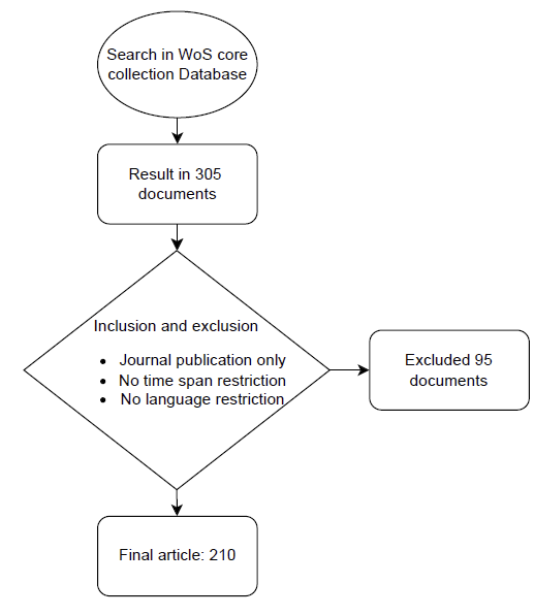
Figure 1. Article selection process
Descriptive Findings
The total citation received was 2,909 and 2,732 (without self-citation). The average citation was 13.85, and an H-index of 29. This statistic shows that studies on ECI have gained immense interest from researchers worldwide. The citation received indicated that ECI is a crucial issue in the early phases of construction project development. Figure 2 shows the number of publications and citations on early contractor involvement. The highest publication recorded was in 2021 with published documents of 21, primarily due to the COVID-19 pandemic, resonating with the issue of ECI. The trend indicates that the total number of publications has been declining each year since 2021 and is likely to continue decreasing in the coming years.
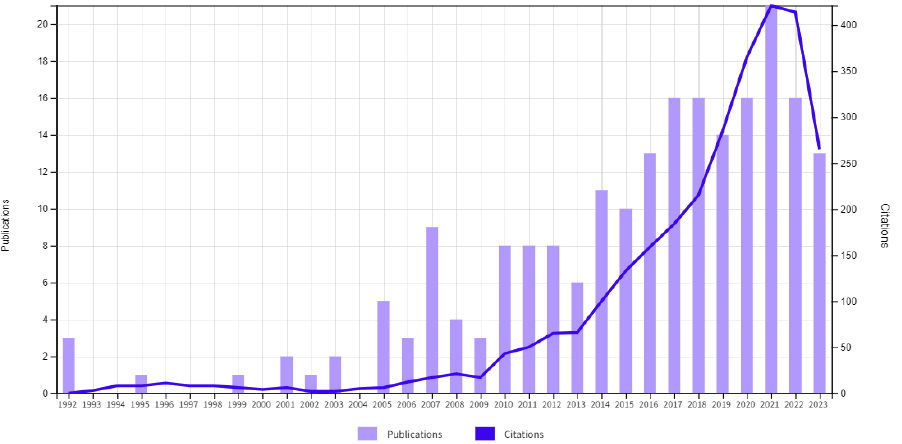
Figure 2. Number of publications and citations on early contractor involvement studies
Most Significant Journals
Researchers sometimes have specific preferences for journals where they can submit and publish their work. Also, recognizing these preferred journals can assist researchers in locating appropriate platforms for sharing their research (Serenko, 2010). This study seeks to identify the most significant journals within the domain of ECI research. This technique aims to address the defined objective “to critically examine the most significant journals in ECI research.”
Most Productive Authors
Every output is achieved with a set of efforts of multiple researchers, and each researcher may partner with different colleagues for different outputs. In this regard, this technique target to achieve the defined objective “to identify the most productive authors on ECI studies and territories.”
Geospatial Network
The geospatial network refers to analyzing the previous publications in terms of including geographic information. This technique can be performed to analyse the spatial distribution of research output and collaboration patterns among researchers and institutions across various regions within a particular domain. This technique seeks to cover the defined objective “to produce a geospatial network of the active ECI research countries.”
Results and Discussion
Most Significant Journals in ECI Research
By applying a minimum number of documents of a source to 3 and a minimum citation of 6, 20 journals met the threshold. Table 1 shows the top journals in ECI research. The top journals with the highest documents are Transportation Research Record (10) and Construction Management and Economics (10), followed by Journal of Management in Engineering (8) and Journal of Construction Engineering and Management (8). Despite having fewer documents than 3, Building Research and Information possesses the highest number of citations (273). This indicates the journal’s significance in producing high-impact publications. This is followed by Construction Management and Economics and the Journal of Management in Engineering with 254 and 245 citations, respectively.
Most Productive Authors on ECI Studies and Territories
The most productive authors identified in this study are Per Erik Eriksson from Luleå University of Technology with five documents. This is followed by Ola Laedre from the Norwegian University of Science and Technology and Keith R. Molenaar from the University of Colorado Boulder. According to citation, the highest cited authors are Per Erik Eriksson (213), followed by Lukuman Oyedele (156) and Vivian Tam (101). Despite having only three documents, Lukuman Oyedele produced a significant publication impact on the topic. Table 2 summarises this study’s top authors according to several documents, citations and total link strength (TLS). The ranking is based on the TLS as the appropriate indicator for measuring the most significant authors producing recent publications based on the co-citing relationship. Per Eriksson from Luleå University of Technology produced the highest number of citations from the 5 documents. However, the authors with the highest TLS are Eric Scheepbouwer, from the University of Canterbury and Karen Manley, from Halmstad University, producing 17 and 10 TLS, respectively. It can be deduced that authors with high citations might not necessarily be connected within the broader network. This is proven further by the authors Lukuman Oyedele, from the University of the West of England, and Vivian Tam, from Western Sydney University, who produced high citations (156 and 101, respectively) but had low TLS counts
Geospatial Network of the Active ECI Research Countries
By applying a minimum number of documents of a country to 3 and a minimum number of citations to 3, 20 countries met the threshold. Table 3 presents the top ten countries in ECI. United States of America with the highest documents of forty-five (45); followed by England (34) and Australia (29). These three countries also have the highest citations and TLS. These top countries show that the U.S., Australia and European countries produced the highest number of publications. Only China and South Africa were the only countries from Asia and Africa continent, respectively.
Current Trend in ECI Studies
Using bibliographic analysis, this study reveals the current themes in the body of knowledge on ECI literature. The network map shows the relationship between the co-citing publications, or a bibliographic link, as they are connected when they cite the same publication. Applying a threshold 16, 51 documents were finalized out of 210 in the database. The threshold should be appropriate to achieve robust and reliable network visualization. It must not be too high, risking over filtering, causing missing crucial themes. At the same time, it should not be too low, leading to under filtering and causing redundancy of themes in the network (Geng, Feng and Zhu, 2020). The analysis produces four clusters, as displayed in Figure 3. Based on the authors’ inductive interpretation of each cluster’s representative publication, the following clusters are determined and labelled according to each theme.
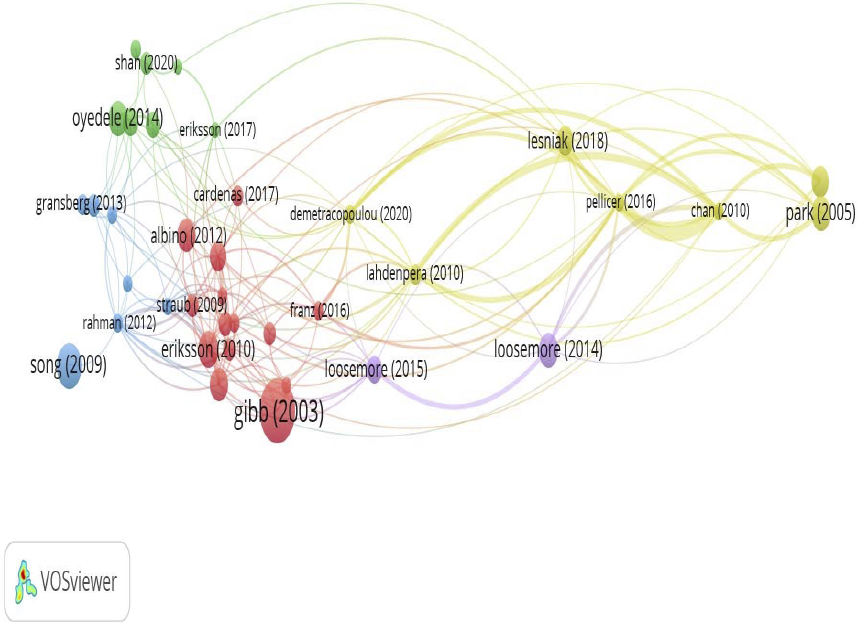
Figure 3. Bibliographic coupling analysis on ECI studies
Cluster 1 (red): With 14 articles, cluster 1 is labelled “Early contractor involvement and project delivery”. The rationale for this label is most of the studies relate their findings to different approaches to delivery projects. Franz and Leicht (2016) identified five different classes of project delivery methods based on characteristics of the project delivery process in the United States building construction industry. These classes include; early builder and trade involvement, with a prequalified, cost-based selection and lump sum design-build (DB) contract; late builder and trade involvement, with an open, cost-based selection and lump sum contract; early builder and late trade involvement, with a prequalified non-cost based selection and guaranteed maximum price (GMP) contract; early builder and trade involvement, with a prequalified, non-cost based selection and GMP DB; and late builder and trade involvement, with a prequalified, cost-based selection and lump sum contract. Osipova and Erikson (2011) studied the effect of three procurement variables such as use of partnering or collaboration arrangements, project delivery method, and form of payment on risk management. The study discovered that, with early contractor involvement in project delivery, there is a more thorough risk management process due to the opportunities for collaboration and open dialogue.
Cluster 2 (green): With 7 articles, the cluster is labelled as “Early contractor involvement as critical success factors”. Publications in this cluster discussed the participation of early contractor involvement as a crucial factor for project delivery. Early contractor involvement has been identified as a critical success factors in delivering construction projects. It is an important approach that adds value to construction project management execution. For example, the studies by Shayan, Pyung-Kim and Tam (2022) revealed early contractor involvement as one of the most critical success factors for successful risk management at the execution phase of a construction project. Early contractor involvement is also a critical success factor for small contractors to conduct green building construction projects (Shan, et al., 2020).
Cluster 3 (blue): With 7 articles, cluster 3 is labelled “Early contractor involvement in design and its impact on construction schedule performance”. This theme is based on studies that focused on the impact of early contractor on the construction’s most crucial element, which is meeting the schedule and time performance. Contractors are engaged in the design process so as to gain advantage of contraction knowledge. The inputs of contractors at different phases of design of construction projects lead to improved material supply, construction schedule performance, drawing quality and information flow (Song, Mohamed and AbouRizk, 2009). Rahman and Alhassan (2012) found out that ECI method of construction project delivery increases the opportunity for better teamwork among project parties, thereby resulting to a successful project delivery. The ECI according to Lenferink, et al. (2012), adds value to infrastructure projects in terms of time savings, more innovative solutions and enhanced project control.
Cluster 4 (yellow): Cluster 4, with 7 articles, is labelled as “Overcoming cost-related issues through early contractor involvement”. ECI has been linked to cost savings as the basis of every contractor’s involvement in project and construction management. Chan, et al. (2010) reviewed target cost contracting and guaranteed maximum price concept and features in general. The study revealed early contractor involvement as one of the most essential ingredients for successful implementation of target cost contracting and guaranteed maximum price scheme. The research study contributes to the critical success factors for procuring target cost contracting and guaranteed maximum price contracts.
Table 4 summarizes the bibliographic coupling analysis with the cluster number, labels, number of publications and representative publications.
| Cluster No and colour | Cluster label | Number of publications | Representative publication |
|---|---|---|---|
| 1 (red) | Early contractor involvement and project delivery | 14 | Franz and Leicht (2016), Ma and Ma (2017), Osipova and Eriksson (2011) |
| 2 (green) | Early contractor involvement as critical success factors | 7 | Eriksson and Szentes (2017), Shan, et al. (2020), Shayan, Pyung-Kim and Tam (2022) |
| 3 (blue) | Early contractor involvement in design and its impact on construction schedule performance | 7 | Song, Mohamed and AbouRizk (2009), Rahman and Alhassan (2012), Lenferink, et al. (2012) |
| 4 (yellow) | Overcoming cost-related issues through early contractor involvement | 7 | Chan, et al. (2010), Leśniak and Juszczyk (2018) |
Keywords and Co-occurrence Networks in ECI Studies
Based on the co-occurrence of keyword analysis, 42 keywords met a 5 out of 957 threshold. The highest co-occurred keywords are “procurement” (28), “early contractor involvement” (26), “performance” (24) and “construction” (24). These keywords show that the top keywords are centralized within the scope of procurement and early contractor involvement, indicating the focal point of the study. Table 5 shows the top fifteen co-occurred keywords with the frequency and total link strength. These co-occurred keywords suggest that future research streams are related to the performance within ECI and procurement. As the findings in bibliographic coupling suggest, themes are related to project delivery, ECI as critical success factors, design and its impact and overcoming cost-related issues in ECI. These keywords are aligned with the current trends, which should be the basis for understanding future trends in ECI research for future scholars and academics. Performance-related issues in ECI research are strongly associated with highly co-occurred keywords depicted in the significant keywords: construction, design, management and innovation. As such, future studies should rely on these keywords to form the basis of ECI involvement in construction projects.
Emphasis on the features of early contractor involvement in construction project delivery for this study did not return governance structure among the identified keywords using the set metrics for the scientometric analysis. Though governance structure is a key component of ECI and helps provides the necessary framework to facilitate communication, collaboration, alignment of interests, risk management, and decision-making for projects success (Hayford, 2018), it still lacks enough traction in research studies. Governance structure in this context refers to the framework of processes, systems, relationships, and rules within which construction project participants interact, make decisions, and resolve conflicts.
Implications to Theory and Practice
The findings of this review have theoretical and practical implications for key stakeholders in construction projects and researchers. The implications are described in the following subheadings.
Theoretical Implications
This study reports that, it is the first attempt to conduct a bibliometric analysis in ECI. Hence the research has added to the body of knowledge on ECI in construction project development. From the theoretical viewpoint, analysing and laying out the literature of ECI will provide researchers with systematic knowledge and a wide understanding of the ECI concept. Specifically, the findings of this current study has contributed to the existing knowledge by identifying the pattern and trend of ECI research area, revealing its broader themes of research and clusters, mapping the network of key ECI authors and territories and recommending areas for future research. The findings from this study may be relevant to countless groups of ECI research stakeholders. Particularly, researchers will easily identify the productive ECI research citizens in the international society. It will also help researchers in the selection of the best research outlets in the subject matter.
In addition, the study suggests that applying theories such as collaborative contracting and relational contracting in ECI during construction project development can lead to reduced conflicts, better project outcomes, innovation through shared expertise and knowledge, and improved cost efficiencies (Moradi and Kähkönen, 2022; Nwajei, 2021; Wondimu, et al., 2016). Many project clients adopt collaborative contracting approaches to attract participants and obtain better value for money (Hayford, 2018). According to Hayford (2018), collaborative contracts are contracts that integrate features that are particularly designed to overcome misalignment of commercial incentives associated with conventional fixed price contracts. And these features include; (1) Contractual commitments to cooperate and act in “good faith”; (2) Early warning mechanisms to alert other participants to emerging issues, enabling proactive solutions before escalation; (3) Early involvement of the main contractor and key specialist subcontractors in the design process; (4) Governance structures that promote collective problem-solving and decision-making; (5) Payment arrangements that incentivise participants to act in the best interest of the project rather than individual benefit; and (6) Agreements among participants to waive the right to sue others for mistakes, breaches, or negligence, except in cases of wilful misconduct (Hayford, 2018). On the other hand, Nwajei (2021) classified relational contracting into three concepts, which include relational governance, relational contract, and collaborative contracts. Existing literature on relational governance highlights two main types: relational governance, which enhances interorganizational relationships through trust, communication, and cooperation, and contractual governance, which relies on formal contract terms to guide decision-making (Nwajei, 2021).
The study findings suggest that, if CCT is applied to ECI it would result in enhanced communication and knowledge sharing, improved risk management, increased innovation and value engineering, alignment of goals and expectations, streamlined project delivery, and conflict resolution and avoidance. Also, the implications of RCT in this context include; building trust and long-term relationships, enhanced communication and collaboration, emphasis on flexibility and adaptability, shared risk management, establishment of relational norms and promotion of win-win outcomes.
Practical Implications
This study has also contributed to practice. From the practical perspective, construction stakeholders should consider the findings of this review and recognise the impacts of early contractor involvement in project delivery, which will help in enhancing project designs as well as in improving project performance. For example, it was revealed that, early contractor involvement adds value to infrastructure projects in terms of time savings, more innovative solutions and enhanced project control (Moradi and Kähkönen, 2022; Nwajei, 2021; Hayford, 2018; Hosseini, et al., 2017). Secondly, with early contractor involvement in project delivery, there is a more thorough risk management process due to the opportunities for collaboration and open dialogue (Moradi and Kähkönen, 2022).
Limitations and Future Research Directions
Research Limitations
Even though this research contributes to the body of knowledge, the study also has limitations. The study used WoS to elicit the data and focuses only on journal publications, and hence, does not include all academic publications such as Scopus. WoS was chosen as it is considered the most quality database by indexing high-quality journals, leading to its lower journal counts compared to other databases, such as Scopus. Many studies have adopted only the WoS database as the sole database in their bibliometric studies (Bernatović, Slavec-Gomezel and Černe, 2022; Fauzi et al., 2024; Ahmad, et al., 2024). Secondly, the newest publications (2023 publications) that were accepted but not indexed in WoS after October 2, 2023, were ignored. Nonetheless, limitations of such are improbable to influence the results identified in this research. In addition, the review used the term “early”, “involvement”, and “contractor” as search terms, while terms such as “preconstruction,” engagement,” “builder,” and the similar can be used to expand the search scope. While the use of synonymous search terms may lead to an additional dataset on the subject under study, the results attained showed that the dataset retrieved from WoS is acceptable because all key aspects in early contractor involvement are covered.
Future Research Directions
Research helps with providing knowledge for enhancing practice. Secondly, the growth of construction industry relatively depends on the governance. Emphasis on the features of early contractor involvement in construction project delivery for this study did not return governance structure among the identified keywords using the set metrics for the scientometric analysis. Governance structure is a critical yet underexplored aspect of ECI studies. While ECI emphasizes collaboration and early input from contractors, the specific governance frameworks that facilitate effective communication, decision-making, and risk management are often not adequately addressed. This gap leaves uncertainty in how roles, responsibilities, and authority are distributed among project participants, potentially hindering the full benefits of ECI. Addressing this gap would provide clearer guidelines for establishing governance structures that optimize the collaborative potential of ECI in construction projects.
Furthermore, it would be interesting if similar study is conducted with a broader range of ECI literature from different databases such as Scopus, PubMed, and Google Scholar for future research. This would complement the present review and monitor the research development in early contractor involvement. The present study revealed that, majority of the ECI studies were conducted in the developed countries. This implies that, the study of ECI is scarce in the developing countries. Hence, there is need to bridge this gap in knowledge.
Conclusions
Early contractor involvement has been increasing over the past three decades and has received more attention from construction stakeholders and scholars. This study seeks to achieve the following research objectives using bibliometric and scientometric analysis: (i) to critically examine the most significant journals in ECI research; (ii) to identify the most productive authors on ECI studies and territories; (iii) to produce a geospatial network of the active ECI research countries; (iv) to determine the current trend in ECI studies; and (v) to identify the most relevant keywords and co-occurrence networks in ECI studies. To the best knowledge of the authors, this study is the first bibliometric analysis for ECI. Through a bibliometric analysis of early contractor involvement research conducted between 1992 and 2023 using data from the Web of Science (WoS) database, this study has required mapping out and identifying the structure of research within this title. The findings showed that, Transportation Research Record, Construction Management and Economics, Journal of Management in Engineering, and Journal of Construction Engineering and Management are the most significant journals in ECI research. Per Erik Eriksson from Luleå University of Technology is the most productive author identified in this study. United States of America, England and Australia are the most productive countries on ECI research. Current trends in ECI studies include ECI and project delivery, ECI as critical success factors, ECI in design and its impact on construction schedule performance and overcoming cost-related issues through ECI. The highest co-occurred keywords are “procurement”, “early contractor involvement”, “performance,” and “construction.” The results have demonstrated significant growth in publications and citations on the subject matter over the last three decades. The findings from this study suggest that applying Collaborative contracting theory to ECI enhances innovation, project delivery, and communication, while relational contracting theory fosters collaborative risk management, trust, and flexibility, resulting in better relationships and outcomes. This study identified “governance structure” as an aspect of ECI study that is scarce in the literature and needs further exploration. Additionally, since most ECI studies originate from developed countries, future research should focus on developing countries.
References
Abe, R., Saito, Y. and Shide, K., 2023. Research on each actor’s awareness of procurement methods involving contractors and consultants in the design phase: Based on interviews with persons in charge. Japan Architectural Review, [e-journal] 6(1), e12384. https://doi.org/10.1002/2475-8876.12384
Ahmad, M.F., Fauzi, M.A., Mustapha, M.R., Muhamad Tamyez, P.F., Sadun, A.S., So, I.G., and Gui, A., 2024. Industry 4.0 in small and medium enterprises: a state-of-the-art science mapping review. Industrial Robot: the international journal of robotics research and application, [e-journal] (ahead of print). https://doi.org/10.1108/IR-03-2024-0115
Ahmed, S., Hossain, M.M. and Haq, I., 2020. Implementation of lean construction in the construction industry in Bangladesh: awareness, benefits and challenges. International Journal of Building Pathology and Adaptation, 39(2), pp.368-406. https://doi.org/10.1108/IJBPA-04-2019-0037
Bernatović, I., Slavec-Gomezel, A. and Černe, M., 2022. Mapping the knowledge-hiding field and its future prospects: a bibliometric co-citation, co-word, and coupling analysis. Knowledge Management Research and Practice, 20(3), pp.394-409. https://doi.org/10.1080/14778238.2021.1945963
Botha, P.S. and Scheepbouwer, E., 2015. Relationship between early contractor involvement and financial performance in the rebuilding of infrastructure in Christchurch, New Zealand. Transportation Research Record, 2504(1), pp.66-72. https://doi.org/10.3141/2504-08
Chan, D.W., Chan, A.P., Lam, P.T. and Wong, J.M., 2010. Identifying the critical success factors for target cost contracts in the construction industry. Journal of Facilities Management, 8(3), pp.179-201. https://doi.org/10.1108/14725961011058820
Cobo, M.J., López-Herrera, A.G., Herrera-Viedma, E. and Herrera, F., 2011. Science mapping software tools: Review, analysis, and cooperative study among tools. Journal of the American Society for information Science and Technology, 62(7), pp.1382–1402. https://doi.org/10.1002/asi.21525
Dao, T.N. and Chen, P.-H., 2021. Critical success factors and a contractual framework for construction projects adopting building information modeling in Vietnam. International Journal of Civil Engineering, 19(1), pp.85-102. https://doi.org/10.1007/s40999-020-00542-3
De Marco, A. and Karzouna, A., 2018. Assessing the Benefits of the Integrated Project Delivery Method: A Survey of Expert Opinions. Procedia Computer Science, [e-journal] 138, pp.823-28. https://doi.org/10.1016/j.procs.2018.10.107
Donthu, N., Kumar, S., Mukherjee, D., Pandey, N. and Lim, W.M., 2021. How to conduct a bibliometric analysis: An overview and guidelines. Journal of Business Research, [e-journal] 133, pp.285–96. https://doi.org/10.1016/j.jbusres.2021.04.070
Eadie, R. and Graham, M., 2014. Analysing the advantages of early contractor involvement. International Journal of Procurement Management, 7(6), pp.661-76. https://doi.org/10.1504/IJPM.2014.064971
Ellegaard, O. and Wallin, J.A., 2015. The bibliometric analysis of scholarly production: How great is the impact? Scientometrics, 105, pp.1809–31. https://doi.org/10.1007/s11192-015-1645-z
Emich, K.J., Kumar, S., Lu, L., Norder, K. and Pandey, N., 2020. Mapping 50 years of small group research through small group research. Small Group Research, [e-journal] 51(6), pp.659–99. https://doi.org/10.1177/1046496420934541
Eriksson, P.E. and Szentes, H., 2017. Managing the tensions between exploration and exploitation in large construction projects. Construction innovation, 17(4), pp.492-510. https://doi.org/10.1108/CI-05-2016-0032
Faisol, N., Dainty, A.R.J. and Price, A.D.F., 2005. The concept of ‘relational contracting’ as a tool for understanding inter- organizational relationships in construction. Association of Researchers in Construction Management, 2, pp.1075-84.
Faris, H., Gaterell, M. and Hutchinson, D., 2024. Developing a collaborative framework for construction projects in emerging economies. Smart and Sustainable Built Environment, [e-journal] 13(1), pp.199-216. https://doi.org/10.1108/SASBE-10-2021-0186
Farrell, A. and Sunindijo, R.Y., 2022. Overcoming challenges of early contractor involvement in local government projects. International Journal of Construction Management, [e-journal] 22(10), pp.1902-09. https://doi.org/10.1080/15623599.2020.1744216
Fauzi, M.A., Mohd Aripin, N., Alimin, N.S.N., Ting, I.W.K., Wider, W., Maidin, S.S. and Zainul Abideen, A., 2024. Medical tourism in South East Asia: science mapping of present and future trends. Asian Education and Development Studies, [e-journal] (ahead-of-print). https://doi.org/10.1108/AEDS-04-2024-0093
Franz, B.W. and Leicht, R.M., 2016. An alternative classification of project delivery methods used in the United States building construction industry. Construction Management and Economics, 34(3), pp.160-73. https://doi.org/10.1080/01446193.2016.1183800
Geng, D., Feng, Y. and Zhu, Q., 2020. Sustainable design for users: a literature review and bibliometric analysis. Environmental Science and Pollution Research, 27, pp.29824-36. https://doi.org/10.1007/s11356-020-09283-1
Hayford, O., 2018. Collaborative Contracting. PricewaterhouseCoopers, Australia. [online] Available at: https://www.pwc.com.au/legal/assets/collaborative-contracting-mar18.pdf [Accessed 24 August 2024].
Hosseini, A., Haddadi, A., Andersen, B., Olsson, N. and Lædre, O., 2017. Relational base contracts–needs and trends in Northern Europe. Procedia Computer Science, [e-journal] 121, pp.1088–95. https://doi.org/10.1016/j.procs.2017.11.139
Lappalainen, E., Uusitalo, P., Pikas, E., Seppãnen, O., Peltokorpi, A., Uusitalo, P., Reinbold, A. and Menzhinskii, N., 2022. Improving Design Quality by Contractor Involvement: An Empirical Study on Effects. Buildings, 12(8), 1188, pp.1-18. https://doi.org/10.3390/buildings12081188
Laryea, S. and Watermeyer, R., 2016. Early contractor involvement in framework contracts. Proceedings of Institution of Civil Engineers: Management, Procurement and Law, 169(1), pp.4-16. https://doi.org/10.1680/jmapl.15.00012
Lenferink, S., Arts, J., Tillema, T., van Valkenburg, M. and Nijsten, R., 2012. Early contractor involvement in Dutch infrastructure development: Initial experiences with parallel procedures for planning and procurement. Journal of Public Procurement, 12(1), pp.4-42. https://doi.org/10.1108/JOPP-12-01-2012-B001
Leśniak, A. and Juszczyk, M., 2018. Prediction of site overhead costs with the use of artificial neural network-based model. Archives of Civil and Mechanical Engineering, 18, pp.973-82. https://doi.org/10.1016/j.acme.2018.01.014
Love, P.E.D., O’Donoghue, D., Davis, P.R. and Smith, J., 2014. Procurement of public sector facilities: Views of early contractor involvement. Facilities, 32(9-10), pp.460-71. https://doi.org/10.1108/F-03-2012-0020
Ma, Z. and Ma, J., 2017. Formulating the application functional requirements of a BIM-based collaboration platform to support IPD projects. KSCE Journal of Civil Engineering, 21, pp.2011-26. https://doi.org/10.1007/s12205-017-0875-4
Meng, X. and Humphreys, P., 2015. The application of early contractor involvement and its impact on project performance. International Journal of Project Organisation and Management, 7(4), pp.339-51. https://doi.org/10.1504/IJPOM.2015.073139
Moradi, S. and Kähkönen, K., 2022. Success in collaborative construction through the lens of project delivery elements. Built Environment Project and Asset Management, [e-journal] 12(6), pp.973-91. https://doi.org/10.1108/BEPAM-09-2021-0118
Narong, D.K. and Hallinger, P., 2023. A Keyword Co-occurrence Analysis of Research on Service Learning: Conceptual Foci and Emerging Research Trends. Education Sciences, [e-journal] 13(4), p.339. https://doi.org/10.3390/educsci13040339
Nibbelink, J.-G., Sutrisna, M. and Zaman, A.U., 2017. Unlocking the potential of early contractor involvement in reducing design risks in commercial building refurbishment projects “a Western Australian perspective. Architectural Engineering and Design Management, 13(6), pp.439-56. https://doi.org/10.1080/17452007.2017.1348334
Nwajei, U.O.K., 2021. How relational contract theory influence management strategies and project outcomes: a systematic literature review. Construction Management and Economics, [e-journal] 39(5), pp.432-57. https://doi.org/10.1080/01446193.2021.1913285
Osipova, E. and Eriksson, P.E., 2011. How procurement options influence risk management in construction projects. Construction Management and Economics, 29(11), pp.1149-58. https://doi.org/10.1080/01446193.2011.639379
Osuizugbo, I.C. and Oshodi, O.S., 2023. Buildability Attributes for Improving the Practice of Construction Management in Nigeria. Built Environment Project and Asset Management, [e-journal] 13(2), pp.270-89. https://doi.org/10.1108/BEPAM-03-2022-0051
Rahman, M. and Alhassan, A., 2012. A contractor’s perception on early contractor involvement. Built Environment Project and Asset Management, 2(2), pp.217-33. https://doi.org/10.1108/20441241211280855
Rahman, S.H.A., Enduta, I.R., Faisola, N. and Paydar, S., 2014. The Importance of Collaboration in Construction Industry from Contractors’ Perspectives. Procedia - Social and Behavioral Sciences, 129, pp.414-21. https://doi.org/10.1016/j.sbspro.2014.03.695
Rahmani, F., 2021. Challenges and opportunities in adopting early contractor involvement (ECI): client’s perception. Architectural Engineering and Design Management, [e-journal] 17(1-2), pp.67-76. https://doi.org/10.1080/17452007.2020.1811079
Rahmani, F., Khalfan, M.M.A. and Maqsood, T., 2016. Analysing the drivers for early contractor involvement adoption by construction clients. International Journal of Procurement Management, 9(4), pp.373-97. https://doi.org/10.1504/IJPM.2016.077701
Sagvekar, S. and Wayal, A.S., 2019. Early contractor involvement (ECI): Indian scenario of construction project delivery. International Journal of Scientific and Technology Research, 8(8), pp.807-11.
Serenko, A., 2010. The development of an AI journal ranking based on the revealed preference approach. Journal of Informetrics, 4(4), pp.447–59. https://doi.org/10.1016/j.joi.2010.04.001
Shan, M., Liu, W.Q., Hwang, B.G. and Lye, J.M., 2020. Critical success factors for small contractors to conduct green building construction projects in Singapore: identification and comparison with large contractors. Environmental Science and Pollution Research, 27, pp.8310-22. https://doi.org/10.1007/s11356-019-06646-1
Shayan, S., Pyung Kim, K. and Tam, V.W., 2022. Critical success factor analysis for effective risk management at the execution stage of a construction project. International Journal of Construction Management, 22(3), pp.379-86. https://doi.org/10.1080/15623599.2019.1624678
Sødal, A.H., Lædre, O., Svalestuen, F. and Lohne, J., 2014. Early Contractor Involvement: Advantages and Disadvantages for the Design Team. In: Proceedings of 22nd Annual Conference of the International Group for Lean Construction, Design Management, 25-27 June 2014, Oslo, Norway. 1, pp.519-31.
Song, L., Mohamed, Y. and AbouRizk, S.M., 2009. Early contractor involvement in design and its impact on construction schedule performance. Journal of Management in Engineering, 25(1), pp.12-20. https://doi.org/10.1061/(ASCE)0742-597X(2009)25:1(12)
Turner, N. and Riding, M., 2015. Early contractor involvement in Australia: Learnings from Transfield Services projects. Small Enterprise Research, 22(2-3), pp.173-84. https://doi.org/10.1080/13215906.2015.1061724
Van Eck, N.J. and Waltman, L., 2010. Software survey: VOSviewer, a computer program for bibliometric mapping. Scientometrics, 84(2), pp.523–38. https://doi.org/10.1007/s11192-009-0146-3
Wondimu, P.A., Hailemichael, E., Hosseini, A., Lohne, J., Torp, O. and Lædre, O., 2016. Success factors for early contractor involvement (ECI) in public infrastructure projects. Energy Procedia, [e-journal] 96, pp.845-54. https://doi.org/10.1016/j.egypro.2016.09.146
Wondimu, P.A., Hosseini, A., Lohne, J. and Laedre, O., 2018. Early contractor involvement approaches in public project procurement. Journal of Public Procurement, 18(4), pp.355-78. https://doi.org/10.1108/JOPP-11-2018-021
Wondimu, P.A., Klakegg, O.J. and Laedre, O., 2020. Early contractor involvement (ECI): ways to do it in public projects. Journal of Public Procurement, 20(1), pp.62-87. https://doi.org/10.1108/JOPP-03-2019-0015
Xue, X., Shen, Q. and Ren, Z., 2010. Critical Review of Collaborative Working in Construction Projects: Business Environment and Human Behaviors. Journal of Management in Engineering, [e-journal] 26(4) pp.196–208. https://doi.org/10.1061/(ASCE)ME.1943-5479.0000025
Yeung, J.F.Y., Chan, A.P.C. and Chan, D.W.M., 2012. Defining relational contracting from the Wittgenstein family-resemblance philosophy. International journal of project management, 30, pp.225–39. https://doi.org/10.1016/j.ijproman.2011.06.002
Zulkepeli, L., Fauzi, M.A., Suki, N.M., Ahmad, M. H., Wider, W. and Rahamaddulla, S.R., 2024. Pro-environmental behavior and the theory of planned behavior: a state of the art science mapping. Management of Environmental Quality: An International Journal, (ahead-of-print). https://doi.org/10.1108/MEQ-10-2023-0361
Zupic, I. and Čater, T., 2015. Bibliometric methods in management and organization. Organizational research methods, 18(3), pp.429–72. https://doi.org/10.1177/1094428114562629