Construction Economics and Building
Vol. 24, No. 4/5
December 2024
RESEARCH ARTICLE
A Systematic Review of Challenges Undermining the Efficacy of Construction Health and Safety Regulations in Major African Countries
Oluseyi Julius Adebowale1,*, Justus Ngala Agumba2
1 Tshwane University of Technology, Pretoria West, South Africa, adebowaleoluseyi@gmail.com
2 Tshwane University of Technology, Pretoria West, South Africa, AgumbaJN@tut.ac.za
Corresponding author: Oluseyi Julius Adebowale, adebowaleoluseyi@gmail.com
DOI: https://doi.org/10.5130/AJCEB.v24i4/5.9059
Article History: Received 02/03/2024; Revised 11/05/2024; Accepted 26/09/2024; Published 23/12/2024
Citation: Adebowale, O. J., Agumba, J. N. 2024. A Systematic Review of Challenges Undermining the Efficacy of Construction Health and Safety Regulations in Major African Countries. Construction Economics and Building, 24:4/5, 1–24. https://doi.org/10.5130/AJCEB.v24i4/5.9059
Abstract
Construction operations in most African countries are marred by accidents and fatalities, resulting in significant human casualties and financial setbacks. These issues stem, in part, from shortcomings in the construction health and safety regulations in the region. While existing research on construction health and safety regulations in African countries predominantly focused on individual nations, there is a conspicuous dearth of studies examining these regulations across African countries collectively. This research investigated the primary obstacles impeding the efficacy of construction health and safety regulations across five major African countries. The study addressed the gap in existing research by offering a comprehensive understanding of the broader African context concerning challenges that undermine the effectiveness of health and safety regulations, rather than solely focusing on individual countries. Adhering to the Preferred Reporting Items for Systematic Reviews and Meta-Analysis (PRISMA) guidelines, an extensive literature search was conducted in Scopus, Web of Science, and the Journal of Safety Research databases. Initial screening identified a total of 198 articles, of which 51 were published between 2014 and 2023. These 51 articles were considered and reviewed. The research findings underscored social, political, legal, and environmental factors as the main barriers to effective construction health and safety practices in representing African countries. A significant challenge lies in the fragmented nature of safety regulations, with the African nations often lacking dedicated legislation or operating under disjointed laws, thereby impeding adherence to global best practices. The insights gleaned from this study are imperative for policymakers to devise targeted strategies aimed at bolstering health and safety practices on construction sites, thereby curtailing both human and financial costs. The research findings are limited to the five African countries studied, while future research should ensure the inclusion of more African countries to compare results and justify the generalizability of the research findings.
Keywords
African Countries; Construction; Health and Safety; Legislation; Regulations
Introduction
The construction sector, employing 7% of the global workforce (Nyaruai, Kinyua and Gathu, 2016), faces significant challenges in health and safety (H&S). The industry, known for its hazards (Babalola, et al., 2015), poses one of the highest risks to workers (Elsebaei, et al., 2022), with traumatic injuries and fatalities more prevalent among construction workers (Mersha, Mereta and Dube, 2017; Manu, et al., 2021). The “fatal four” – falls, being struck by an object, electrocution, and being caught in or between objects – are leading causes of occupational fatal injuries (Kinteh and Bass, 2023). Additional hazards include ergonomic issues, irregular work situations, and handling bulky equipment (Kukoyi and Adebowale, 2021). Construction H&S is a lasting global concern (Babalola, et al., 2015), as many countries are confronted with occupational H&S (OHS) issues, partly due to poor commitment to and/or inadequate regulatory frameworks (Okonkwo and Wium, 2020).
Compared to manufacturing, construction workers face 2.5 to 5 times higher risks of serious injury and death (Yosef, Sineshaw and Shifera, 2023). The International Labor Organization estimates 60,000 construction site fatalities yearly, constituting 11% of all occupational injuries and 20% of deaths (Oza, 2017). This alarming frequency implies an accident every ten minutes in construction, causing absenteeism, turnover, and significant societal losses (Abdelwahed and Soomro, 2023). This is enough evidence to state that existing construction accident prevention strategies have not yielded the desired improvements (Abdalfatah, Elbeltagi and Abdelshakor, 2023).
Direct and indirect costs of construction injuries total around $13 billion annually (Tadesse and Israel, 2016), representing up to 6% of the gross domestic product in some countries (Kinteh and Bass, 2023). The high direct and indirect costs of construction injuries validate poor occupational H&S practices in the construction sector.
Although many African countries have regulatory frameworks governing their construction sectors, significant challenges persist. For instance, in Nigeria, the construction sector operates under the governance of the Federal Ministry of Labour and Employment’s Factory Act and the National Building Code (Ogunbiyi, 2014). Similarly, in South Africa, the Occupational H&S Act is the primary legislation (Department of Labour, 2007), while in Ghana, regulations are guided by the Factories, Offices, and Shops Act and the Construction Industry Development Authority (Kheni and Afatsawu, 2022). Despite these regulatory frameworks, construction accidents remain disproportionately high in African countries compared to their counterparts in developed economies (Boadu, Wang and Sunindijo, 2021). In Egypt, work injuries are reported at 46.2%, while in Kenya, the figure stands at 74%, with Ethiopia at 38.3% (Yosef, Sineshaw and Shifera, 2023). Shockingly, about 13% of work-related deaths occur in the Egyptian construction industry (Lette, et al., 2018), with Ugandan and Ghanaian construction reporting approximately 59% of occupational injuries (Kinteh and Bass, 2023). Workers in less industrialized nations face H&S risks 10 to 20 times more severe than those in industrialized countries (Yosef, Sineshaw and Shifera, 2023), indicating a significant performance gap.
The persistent accidents on construction sites in this region suggest several issues, including problems with the efficacy of regulatory frameworks (Eze, Ayuba and Shittu, 2018) and non-compliance by construction stakeholders (Elsebaei, et al., 2022). Poor compliance undermines H&S standards, contributing to escalating accident costs (Manu, et al., 2019). Additionally, factors such as contractors’ poor attention to worker safety further exacerbate the situation (Kinteh and Bass, 2023). Despite increasing investments by African countries to address infrastructure deficits (Elsebaei, et al., 2022), the construction sector continues to face challenges with H&S practices (Aka, et al., 2023; Ibrahim, Simpeh and Adebowale, 2023a). Existing research primarily focuses on individual countries, highlighting a gap in understanding H&S regulations across African countries collectively. This research aims to fill this gap by investigating the primary obstacles impeding the effectiveness of construction H&S regulations across five major African countries. It offers a comprehensive understanding of the broader African context concerning challenges undermining H&S regulations, rather than solely focusing on individual countries. The study identifies major challenges within the political, economic, social, technological, environmental, and legal (PESTEL) frameworks and seeks to inform policy-making for improved H&S practices in selected countries and beyond.
Construction health and safety in African countries
Construction health and safety in Egypt
The construction industry in Egypt stands out as one of the fastest-growing sectors, making a substantial contribution to economic returns (Abdelwahed and Soomro, 2023). Despite constituting around 5% of the Gross Domestic Product (GDP), the Egyptian construction industry has faced a concerning trend, ranking third-highest in the number of site accidents, reporting 539, 645, and 634 accidents in 2015, 2016, and 2017, respectively. This alarming scenario is poised to worsen without urgent intervention to address the root causes of these accidents (Elsebaei, et al., 2022). Key influencers of safety performance in Egyptian construction projects include safety awareness among top management, project managers, and safety inspections by supervisors (Abdalfata, Elbeltagi and Abdelshako, 2023). Organizational factors, rather than project-related ones, exert a more substantial impact on safety performance in the Egyptian construction context (Abdalfata, Elbeltagi and Abdelshako, 2023). Identified leading causes of site accidents include poor housekeeping and inadequate governmental safety inspections (Elsebaei, et al., 2022). The Egyptian construction industry is characterized by a low level of supervision and accountability for safety (Abdalfata, Elbeltagi and Abdelshako, 2023). Unfortunately, a prevalent issue is the limited interest from management in organizing training sessions for employees, managers, or supervisors on safety policies and procedures, with periodic reviews of training requirements often overlooked (Abdalfata, Elbeltagi and Abdelshako, 2023). The regulatory landscape for H&S in Egypt is primarily governed by four key legislations: Law No. 12 (2003) and Ministerial Decrees No. 211, 126, and 134 (Elsebaei, et al., 2021). Law No. 12 (2003) specifically addressed OHS, emphasizing the working environment and issues related to occupational H&S. Ministerial Decree No. 211 (2003) focused on safety precautions and conditions to prevent various hazards, outlining safety practices for different risks. Ministerial Decree No. 126 (2003) described various types of accidents and included a unified manual application for reporting specific incidents. Ministerial Decree No. 134 (2003) is directed at organizing OHS in organizations (Ata and Nahmias, 2005). While these laws aim to regulate industrial safety, including the construction sector, there is a notable absence of construction-specific regulations aimed at ensuring the welfare, health, and well-being of construction workers.
Construction health and safety in Ghana
The Ghanaian construction sector is experiencing a high prevalence of occupational injuries and illnesses (Boadu, Wang and Sunindijo, 2021). Workers in the industry frequently face industrial accidents leading to injuries and fatalities (Kheni and Afatsawu, 2022). Despite a notable awareness of the concept of design for safety in Ghanaian construction, its practical implementation among architects remains low (Manu, et al., 2021). Recent statistics reveal that accidents in the Ghanaian construction sector constituted 11.33% of total accidents across all industries, with 25% of these accidents resulting in fatalities (Kheni and Afatsawu, 2022). The fatality rate in Ghana’s construction work surpasses expected estimates for developing countries by the International Labor Organization (ILO) and is significantly higher than in more developed countries (Boadu, Wang and Sunindijo, 2021; Ibrahim, Simpeh and Adebowale, 2023b). Unfortunately, in Ghana, the prioritization of the high cost of training over the safety and health of employees by construction organizations contributes to the prevalence of accidents in workplaces (Segbenya and Yeboah, 2022; Eyiah, Kheni and Quartey, 2019). Regulatory institutions in the country face challenges such as inadequate labour, meagre funding, limited resources, non-compliance, and non-collaboration from construction firms, hindering the achievement of effective H&S practices (Kheni and Afatsawu, 2022; Eyiah, Kheni and Quartey, 2019).
The impacts of accidents and hazards in the Ghanaian construction sector are significant, leading to a slowdown in work, increased project costs, and poor work performance (Osei-Asibey, et al., 2023). An effective safety program can significantly reduce accidents by creating a safe working environment (Boakye, et al., 2023; Famakin, Aigbavboa and Molusiwa, 2023). Factors negatively influencing the performance of safety programs in Ghanaian construction projects include insufficient communication, lack of workers’ self-protection and awareness, contractors overlooking safety due to project schedule pressures, poor personal attitudes toward safety, ineffective laws, and lack of enforcement (Agyekum, Simons and Botchway, 2018).
Ghana has enacted various regulations to safeguard the H&S of workers, but these regulations face limitations (Boadu, Wang and Sunindijo, 2021). Several legislations, such as the Factories, Offices, and Shops Act of 1970, the Mining and Minerals Regulations 1970 LI 665, the Workman’s Compensation Law 1987, the Ghana Health Services and Teaching Hospital Act 526 (1999), the Ghana Labor Act 2003 (Act 651), the Radiation Protection Instrument LI 1559 of 1993, the Environmental Protection Agency Act 1994 (Act 490), the Pesticide Control and Management Act 1996 (Act 528), and the National Road Safety Commission Act 1999 (Act 567), have been enacted (Annan, Addai and Tulashie, 2015; Agyekum, Simons and Botchway, 2018; Segbenya and Yeboah, 2022). Despite having more than 37 construction H&S laws and regulations, stakeholders in Ghana often struggle to educate themselves on these regulations, and the existing occupational H&S legal and regulatory framework is deemed barely effective (Eyiah, Kheni and Quartey, 2019). Contractors, consultants, and suppliers have limited knowledge of the numerous laws, leading to non-compliance and a lack of regularity in effective H&S delivery (Osei-Asibey, et al., 2021a; Eyiah, Kheni and Quartey, 2019). The absence of a specific legal framework for monitoring and ensuring implementation poses a major challenge to effective H&S practices in the Ghanaian construction sector (Kheni and Afatsawu, 2022). Enforcement of OHS regulations is impeded by inadequate OHS policies, lack of OHS campaigns and education, and infrequent instances of sanctions or prosecution for OHS breaches (Boadu, Wang and Sunindijo, 2021). Unlike the Ghanaian mining sector, the construction sector lacks specific H&S legislation developed for it (Agyekum, Simons and Botchway, 2018; Segbenya and Yeboah, 2022).
Construction health and safety in Kenya
There is the perceived comprehensiveness of occupational safety and health regulations in Kenya. However, the Directorate of H&S conducts infrequent safety inspections and audits, contributing to alarming rates of accidents at construction sites (Kemei, Kaluli and Kabubo, 2016). Both workers and employers exhibit low perceptions and poor attitudes toward risks, resulting in inadequate safety measures such as poor material storage practices, insufficient improvised stepping items and working platforms, and a lack of harnesses when working on roofs (Nyaruai, Kinyua and Gathu, 2016). Inadequate monitoring and law enforcement further lead to minimal investments in preventive and protective measures, exposing construction workers to safety and health hazards (Olutende, et al., 2021). Recommendations include the government of Kenya playing an oversight role by providing technical, financial, and material support to the Directorate of OHS (Otieno, Onditi and Monari, 2019).
In Kenya, the construction industry accounts for 16% of fatal accidents and 7% of non-fatal cases across all sectors (Kemei, Kaluli and Kabubo, 2016). Common incidents involve being hit by falling objects and falling from heights, contributing to approximately 32% of all construction site accidents. There is a lack of documentation on relevant activities and issues, such as accidents or injuries, medical records, and inspections on Kenyan construction sites (Olutende, et al., 2021). Many workers suffer permanent disability or lose their lives due to construction-related injuries. A majority of construction companies either do not allocate a specific budget for H&S, or if they do, they allocate less than 1% of the project budget to H&S, revealing a lack of clear policy on budgetary provisions for H&S in the construction industry (Kemei, Kaluli and Kabubo, 2016). The utilization of injury and accident protection measures, such as PPE and preventive structures, is notably deficient, standing at 45.9% (Nyaruai, Kinyua and Gathu, 2016). The absence of legal guidelines for becoming a contractor contributes to a situation where most contractors lack qualifications in building construction and, consequently, are not attentive to the safety and health of workers (Olutende, et al., 2021).
The enactment of the Occupational Safety and Health Act (OSHA) 2007 marked a significant development in administering occupational safety services in Kenya, including all workplaces (Kemei, 2019). OSHA 2007 requires all industries to formulate strategies and rules aimed at promoting and instilling a safety culture among the Kenyan workforce (Nyabioge, Wachira-Towey and Ralwala, 2022). The Work Injury Benefits Act (WIBA) 2007, another critical law governing occupational safety in Kenya, provides compensation to workers for job-related injuries and illnesses occurring during their employment (Nyabioge, Wachira-Towey and Ralwala, 2022). The Directorate of Occupational Safety and Health Services (DOSHS) manages both OSHA 2007 and WIBA 2007 (Nyabioge, Wachira-Towey and Ralwala, 2022).
Construction health and safety in Nigeria
Construction workers in Nigeria face significant H&S issues, impacting productivity in the construction industry, which contributes 1.4% of the nation’s GDP (Aka, et al., 2023). The reliance on approximately 50% manual labour in the sector increases the vulnerability of Nigerian construction workers to accidents, injuries, and diseases (Tanko, Abdullah and Ramly, 2017). Officially adopted in 2006, the National Building Code (NBC) of Nigeria was developed (Ogunbiyi, 2014). Section 13 of NBC was developed to address H&S and the general welfare of the public (NBC, 2006). It outlines requirements for structural integrity, fire safety, sanitation, and accessibility, among other aspects (Yakubu and Agapiou, 2016). Despite this important document, there are high rates of accidents and fatalities, and statistics of occupational accidents in Nigerian construction projects are not adequately documented (Onubi, et al., 2021). Some of these failures have contributed to the continued call for an effective national building code (Osuizugbo, 2018). The leading categories of accidents in Nigerian construction include contact with working tools, vehicle-related incidents, slips and trips, and falls (Williams, Hamid and Misnan, 2019). Non-compliance of contractors with established H&S regulations, lack of effective monitoring, reporting, and control practices contribute to these accidents (Okoye, Ezeokonkwo and Ezeokoli, 2016). Clients’ lack of financial provision for H&S from the inception stage of projects is a notable barrier, and this is not a legal requirement in Nigeria (Aka, et al., 2023; Umeokafor, 2017). The absence of H&S legislation specifying client roles and responsibilities further hampers clients’ involvement in H&S in Nigerian construction (Umeokafor, 2017).
There is a significant difference in the level of awareness and compliance with H&S policies between foreign/multi-national and indigenous construction firms, with indigenous companies showing lower compliance (Ameh and Farinde, 2020; Ebekozien, 2022). Although the NBC mandates compliance with relevant H&S laws and standards, aiming to ensure the well-being of occupants and workers during construction and throughout the lifespan of buildings, there is poor compliance with PPE in Nigeria, especially in indigenous construction companies, due to lax monitoring and enforcement by government regulatory agencies (Ebekozien, 2022). Lack of awareness, ignorance of the economic and social benefits of H&S, and clients’ lack of trust in contractors contribute to clients not committing resources to H&S (Umeokafor, 2017; Onubi, et al., 2021). Compliance with H&S regulations is reportedly low in Nigeria, with poor safety attitudes and behaviour among construction workers limiting their ability to comply with safety regulations (Umeokafor, Umeadi, and Isaac, 2014; Zailani, et al., 2023). The inadequate implementation of H&S programs during project execution is identified as a major factor contributing to drawbacks in the Nigerian construction industry (Tanko, Abdullah and Ramly, 2017). The industry is considered self-regulated, adopting H&S legislation and standards from developed countries with implementation, enforcement, and monitoring at the discretion of the adopters (Umeokafor, 2016).
Construction health and safety in South Africa
The South African construction industry, a significant contributor to the nation’s economy, constituting about 6% of the GDP (Famakin, Aigbavboa and Molusiwa, 2023), continues to face critical challenges in H&S. The South African Department of Labor (2017) reported a persistent rate of H&S fatalities estimated between 1.5 to 2.5 per week. Construction H&S experts in South Africa, including Emuze (2023), Rantsatsi, Musonda and Agumba (2023), and Smallwood and Haupt (2007), have highlighted the high incidence of accidents in the sector. The leading causes of incidents resulting in injuries and fatalities include a lack of supervision, commitment by management, and poor workmanship (South African Department of Labor, 2017). Fulele and Kadama (2016) identified the lack of effective enforcement of OHS standards by inspectors as a significant factor disrupting H&S in the South African construction industry. Lukhele, Botha and Mbanga (2023) argued that the general attitude of construction workers and managers towards H&S is not impressive, and H&S professionals are often inadequately prepared to submit successful tender documentation based on functionality criteria due to incompetence.
An investigation by the South African Department of Labor (2017) revealed that the responsibility for H&S at different stages of construction work was often handled by incompetent individuals lacking sufficient knowledge of H&S regulations. While South Africa has enacted numerous legislative frameworks to enhance H&S in construction projects, challenges persist in enforcement due to unethical behaviour and attitudes of certain employers (Lukhele, Botha and Mbanga). The overall compliance with H&S regulations in the South African construction industry is reportedly low and unacceptable (Emuze and Smallwood, 2012; Fulele and Kadama, 2016), with reports suggesting a compliance rate of less than 50% with H&S standards (Naidoo, et al., 2015; Adebowale, et al., 2020). Unsafe workplaces, inadequate supervision, negligence, and intoxication are identified as leading causes of safety violations during construction in South Africa (Emuze, 2023). Inspections reveal that about 53% of recently inspected construction sites were found to be non-compliant with H&S regulations (Lukhele, Botha and Mbanga, 2023). Despite its relatively robust legislative framework in Africa, H&S incidents persist in the South African construction industry (Construction Industry Development Board (CIDB) 2020).
Methods
Article search and selection
This systematic review adhered to the methodological standards of the Preferred Reporting Items for Systematic Reviews and Meta-Analysis guidelines for systematic review and meta-analysis (Ang, et al., 2019). A systematic literature search was conducted on Scopus (www.scopus.com) and Web of Science (WoS) (www.webofscience.com) databases from September 1, 2023, to September 20, 2023, to obtain studies on construction H&S in African countries. Scopus and WoS are multidisciplinary databases that cover a wide range of research areas. Scopus and WoS contain scholarly articles, conference proceedings, and citation data, making them valuable resources for finding articles in the field of construction H&S. However, only journal articles written in the English language were included, while conference papers and other sources were excluded. This is because journal articles generally provide more credible research data. The inclusion criteria comprised terms such as construction, H&S, regulations, legislation, Africa, and articles published in or after 2014, while the exclusion criteria included terms like COVID, mental, medicine, and articles published before 2014. Defining these criteria in Rayyan resulted in highlighting inclusion variables in green and exclusion variables in red, serving as a guide for article selection. An advanced search was also applied to explore the Journal of Safety Research database, a journal specifically dedicated to safety-related publications. The queries used to perform the Scopus and WoS database searches included the following: “Construction Sector” OR “Construction Industry” AND “Health and Safety Regulations” OR “Health and Safety Legislation” OR “Health and Safety Practices” AND “Africa”; “Building Sector” OR “Building Industry” AND “Health and Safety Regulations” OR “Health and Safety Legislation” OR “Health and Safety Practices” AND “Africa”; “Construction Sector” OR “Construction Industry” AND “Incidents” OR “Accidents” OR “Fatalities” OR “Injuries” OR “Death” AND “Africa”; “Building Sector” OR “Building Industry” AND “Incidents” OR “Accidents” OR “Fatalities” OR “Injuries” OR “Death” AND “Africa”. The queries used to search the Journal of Safety Research database include “Construction Health and Safety Regulation” AND “Incidents” OR “Accidents” OR “Fatalities” OR “Injuries” OR “Death” AND “Africa.” These search queries were chosen due to their relevance to the research focus and scope. Figure 1 presents the PRISMA flow diagram of the literature search.
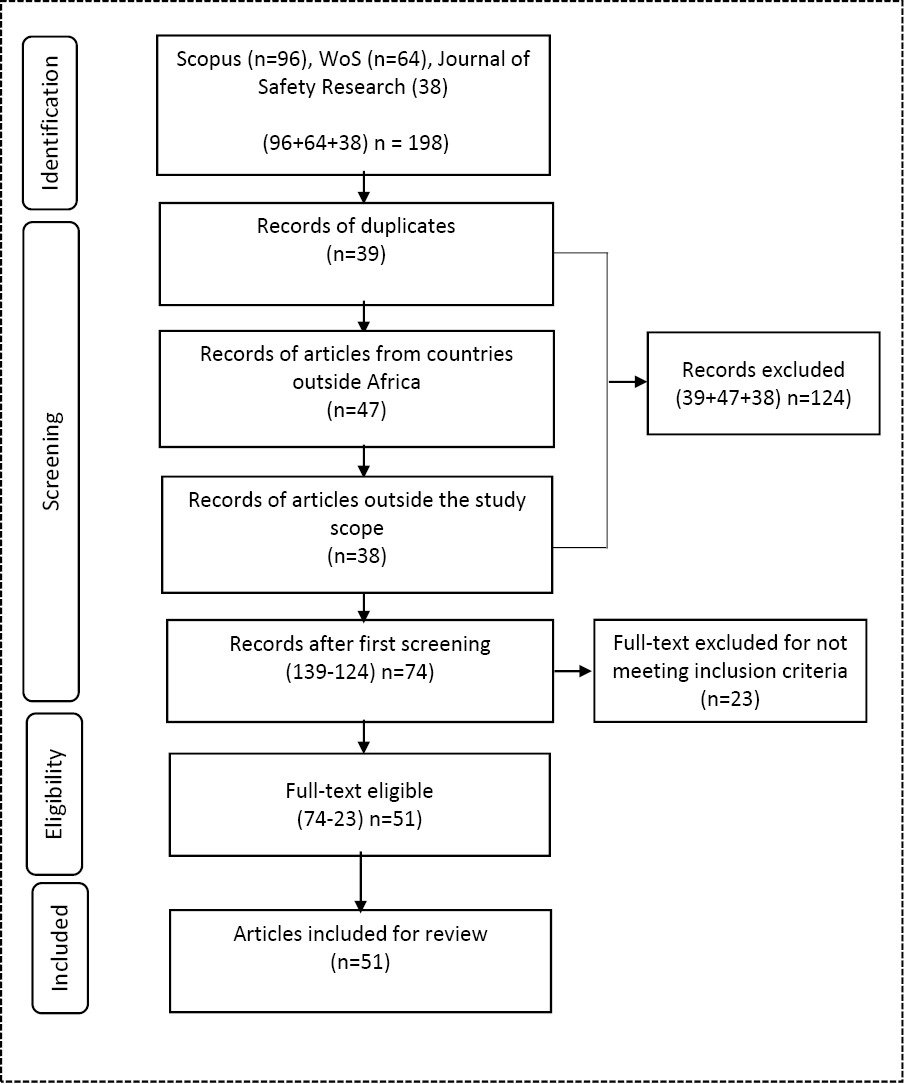
Figure 1. PRISMA flow diagram of literature search
Source: Authors
Article screening and quality assessment
The screening for article eligibility and quality assessment was conducted between September 22, 2023, and October 16, 2023. Rayyan software facilitated the screening process of the articles. Articles obtained from the three databases were imported into Rayyan software in RIS format. The initial screening involved requesting Rayyan to detect duplicate articles within the pool acquired from the three databases. Among the duplicates identified (39 articles), duplicates were removed, retaining one copy of each article. The subsequent screening involved utilizing Rayyan to perform title and abstract screenings to eliminate articles that did not align with the study objectives. Defining the criteria in Rayyan resulted in highlighting inclusion variables in green and exclusion variables in red, serving as a guide for article selection. The lead author, via Rayyan software, invited the research collaborator online through email to participate in assessing the quality of the research articles and deciding on inclusions and exclusions based on predetermined criteria. The assessments were independently carried out by the authors. In cases of conflicting opinions on articles, the lead author made the final decision. After eliminating duplicates and screening title and abstract, out of the initial 198 articles, 124 articles were excluded, leaving 74 articles. A new review was created in Rayyan for the full-text review, where the full text of the 74 articles was scrutinized in line with the study’s objectives. The evaluation considered the relevance of the research to the study objectives, the quality of the articles in terms of research design rigor, and articles published in the last ten years (2014-2023). Consequently, 23 of the remaining 74 articles that did not meet these criteria were excluded from consideration, while the remaining 51 articles were deemed eligible and included in the study for review and analysis.
Data synthesis and analysis
Relevant data were extracted from the selected articles using a structured data extraction table. This process aimed to organize the extracted data efficiently, providing a concise and accessible summary of the evaluated studies. The analysis of the obtained data employed content analysis, a widely accepted method for qualitative data analysis (Sundler, et al., 2019). The data extraction table specifically focused on challenges undermining the effectiveness of construction H&S regulations. These challenges were systematically categorized into predetermined PESTEL frameworks. The PESTEL framework, which considers various macro-environmental factors, was chosen for its applicability to research with a broader environmental outlook (Alaloul, et al., 2020). Challenges affecting the efficacy of construction H&S regulations were extracted from the 51 reviewed articles and further organized within the PESTEL framework. The synthesis of research data aimed to derive meaningful insights and conclusions. In determining the leading challenges, only issues mentioned in a minimum of 5 articles were considered, while challenges reported in fewer than 5 articles were excluded. The synthesized findings are visually represented in an explanatory diagram (Figure 4), developed using Vensim software. This diagram serves as a visual aid to enhance the clarity and accessibility of the results, illustrating the interactions identified in the research findings. The research outcomes provide valuable insights for policymakers seeking to promote improved H&S practices in African countries.
Results
Articles distribution
The research on construction H&S in African countries reveals a significant volume of scholarly investigations. Table 1 presents an overview of the research efforts dedicated to construction H&S over the past decade. While the initial literature search was not geographically restricted to the five African countries ultimately represented in this study, the chosen databases, coupled with the established inclusion and exclusion criteria, resulted in a selection of articles originating from these five countries. This phenomenon might be attributable to either a higher prevalence of construction activity within these specific regions or a greater volume of construction H&S research initiatives. Among the fifty-one articles published in this research domain during the last ten years, Ghana and Nigeria are notable contributors, presenting fifteen and thirteen articles, respectively. Following closely, Kenya and South Africa made substantial contributions, each contributing six articles. A quantitative research approach was predominant among the majority, with a total of thirty-four articles, employed to address specific aspects of construction H&S. Meanwhile, fifteen articles opted for a qualitative research methodology, showcasing a diverse array of investigative methods. Two articles adopted a mixed-methods approach, demonstrating a combination of both quantitative and qualitative research methodologies to address challenges related to construction H&S.
Source: Authors
Bibliometric networks of health and safety research
The bibliometric networks of the most co-occurring keywords in the Scopus and WoS databases are presented in Figures 2 and 3, aiming to gain insights into the primary research areas of construction H&S regulations. Data from these databases were imported into VOSviewer software, and subsequent analysis was conducted to generate the network. In the Scopus database, the minimum threshold for the number of co-occurring keywords in articles was set at 3. Out of the total 330 keywords, 26 keywords met this threshold. However, two keywords, namely “design/methodology/approach” and “survey,” were considered irrelevant and subsequently removed. The remaining 24 keywords underwent bibliometric network analysis, revealing three clusters in the network (Figure 2). Clusters in bibliometric networks indicate the interconnectedness of variables, with the size of nodes representing the extent of occurrence of variables within the network (Adebowale and Agumba, 2023).
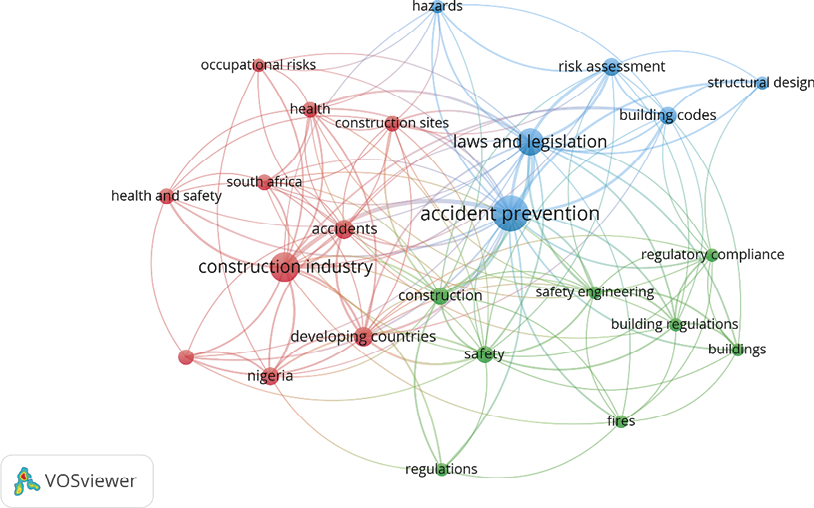
Figure 2. Network of most occurring keywords in Scopus
Source: Authors
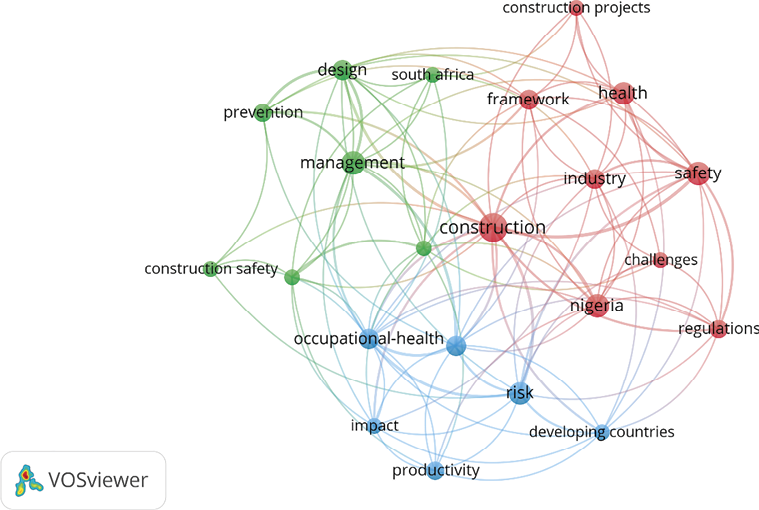
Figure 3. Network of most occurring keywords in Web of Science
Source: Authors
Based on the articles extracted from the Scopus database, the leading trends in construction H&S regulation research include accident prevention, law and legislation, risk assessment, building codes, accidents, hazards, and regulatory compliance. These keywords are indicative of the predominant concerns in construction H&S within African countries. Regarding the WoS, a similar approach was taken with a minimum threshold of 3 for co-occurring keywords in articles. Out of a total of 335 keywords, 22 keywords met this threshold. The resulting network of these 22 keywords is illustrated in Figure 3, revealing three clusters. In concordance with the Scopus database, South African studies predominantly focus on design and management for incident prevention, while studies from Nigeria concentrate more on H&S challenges and frameworks. The emerging keywords in these clusters include management, design, and prevention (Cluster 1), regulations, safety, framework (Cluster 2), and risk, productivity, and occupational health (Cluster 3).
Table 2 outlines the classification of challenges undermining the effectiveness of construction H&S regulations in five African countries. These challenges were initially sorted into the PESTEL framework, considering their relevance to political, economic, social, technological, environmental, and legal categories. To identify significant challenges, inclusion criteria required factors to be featured in a minimum of three articles. Factors that appeared in less than three articles were excluded and not deemed major challenges affecting the efficacy of construction H&S regulations. Consequently, the economic and technological challenges were eliminated as the challenges identified in these categories fell below the threshold. Specifically, inadequate funds for H&S were featured in two articles under the economic category, and resistance to technological improvement under technological challenges was mentioned in only one article. Given the similar situation for other factors in these two categories, they were excluded from the PESTEL framework. Furthermore, challenges under the remaining four categories that did not meet the inclusion criteria were similarly removed. The social category emerged as predominant, featuring seven challenges compromising the effectiveness of construction H&S regulations. This was followed by the political category with two challenges, while the environmental and legal categories each featured one challenge.
Source: Authors
Discussion of the research findings
Political factors
Capacity of Government Regulatory Agencies for Inspection and Enforcement
The first significant political factor is the deficiency in the capacity of government regulatory agencies responsible for inspecting and enforcing construction H&S regulations. Prior research, including studies by Eyiah, Kheni and Quartey (2019), Boadu, Wang and Sunindijo (2021), Elsebaei, et al. (2022), Kheni and Afatsawu (2022), and Emuze (2023), have consistently underscored the importance of robust regulatory bodies. Within the African context, the lack of adequate resources, trained personnel, and advanced technology within regulatory agencies hampers their ability to conduct thorough inspections and enforce compliance effectively (Agyekum, et al., 2022). The consequences of this capacity deficit are far-reaching. It not only compromises the timely identification of safety violations but also disrupts the deterrent effect of enforcement measures. Without a robust inspection mechanism, the construction industry would largely operate with reduced accountability, heightening the risk of accidents and injuries on construction sites (Ebekozien, 2022). Addressing this challenge requires a concerted effort to invest in the training of regulatory personnel, provide them with the necessary tools and technology, and establish transparent reporting mechanisms. Partnerships with international bodies that specialize in OHS can also offer valuable insights and support in building the capacity of these agencies.
Comprehensive National OHS Legislation
The absence of comprehensive national OHS legislation is a pivotal political factor constituting a challenge to construction H&S. Studies by Famakin, Aigbavboa and Molusiwa (2023), Aka, et al. (2023), Olutende, et al. (2021), and Onubi, et al. (2021) underscored the importance of a legal framework that considers all aspects of OHS. The lack of comprehensive legislation in many African countries results in a fragmented regulatory landscape, making it difficult to establish standardized practices across the construction industry. This fragmentation not only leads to confusion among stakeholders but also creates loopholes that can be exploited, ultimately undermining the efficacy of safety regulations (Kheni and Afatsawu, 2022; Umeokafor, 2017). Policymakers must prioritize the development and implementation of comprehensive national OHS legislation. This legislation should cover a spectrum of safety aspects, including but not limited to compulsory H&S specifications and plans, provisions for H&S costs, risk assessments, safety files, periodic H&S audits, and the provision of adequate training and protective equipment. The national OHS legislation in every country must cater to every aspect of construction project procurement, from preconstruction to postconstruction without leaving any loopholes. Drawing on successful models from other regions, such legislation should be tailored to the specific needs and challenges of each African country while maintaining alignment with international best practices prescribed by the International Labor Organization.
Social factors
Safety Campaigns, Training Programs, and Awareness Initiatives
A critical social factor contributing to the challenges in construction H&S is the inadequacy of safety campaigns, training programs, and awareness initiatives. This factor is reported in twenty-one articles, including Manu, et al. (2021), Segbenya and Yeboah (2022), Abdalfatah, et al. (2023), Abdelwahed, et al., (2023), and Yosef, Sineshaw and Shifera (2023), which highlighted its significance to H&S performance. This result underscores the essential role of education and awareness in fostering a safety-conscious culture within the construction industry. The lack of comprehensive safety campaigns and training programs leaves construction workers ill-equipped to identify and address potential hazards, increasing the likelihood of accidents and injuries on construction sites. There is a pressing need for targeted safety campaigns, regular training sessions, and increased awareness programs. The synergy between industry stakeholders, educational institutions, and governmental bodies is essential to developing and implementing effective strategies that resonate with the diverse workforce in different African country.
Inadequate Management Commitment
The inadequacy of management commitment was found to be a critical social factor influencing construction H&S. Famakin, Aigbavboa and Molusiwa (2023) underscored the importance of strong leadership in driving a safety-centric culture within the construction industry. In instances where management fails to prioritize safety measures, a trickle-down effect is observed, impacting the entire workforce. The lack of commitment is reflected in insufficient resource allocation, minimal support for safety initiatives, and a failure to integrate safety considerations into decision-making processes. Addressing this challenge requires a fundamental shift in organizational culture, emphasizing leadership that champions and actively participates in H&S initiatives.
Personal Protective Equipment
The widespread non-compliance with PPE guidelines is another social factor that poses a challenge to construction H&S. Some authors (Osei-Asibey, et al., 2021b; Ebekozien, 2022; Abdalfatah, et al., 2023; Yosef, Sineshaw and Shifera (2023) have expressed concerns about the outright disregard for PPE guidelines on construction projects. Yosef, Sineshaw and Shifera (2023) emphasized that it is becoming a cultural norm among workers to neglect the use of essential protective gear. The failure to use PPE not only jeopardizes the safety of individual workers but also undermines the effectiveness of broader safety regulations. Reasons for non-compliance may range from discomfort to a lack of understanding regarding the life-saving potential of PPE. This issue is also connected to safety campaigns, training programs, and awareness initiatives, which could help educate construction workers on the need to consistently embrace the culture of using PPE on construction sites. Besides the perceived discomfort of using PPE, some construction workers derive their confidence from previous compromises that did not result in accidents. For instance, workers operating at heights might consider safety harnesses as unnecessary. Addressing this challenge requires a multifaceted approach, including rigorous enforcement of PPE regulations, education on the importance of each equipment type, and the provision of comfortable and culturally appropriate protective gear for construction operations.
Priority for Occupational Health and Safety
The pervasive negligence and the lack of priority given to OHS are crucial social factors influencing construction H&S. This suggests the need for a cultural shift in the perception of safety within the construction sector. The prevalent attitude of neglecting safety measures and viewing them as impediments to productivity (Adebowale and Smallwood, 2020), hinders the successful implementation of H&S regulations (Abdelwahed, et al., 2023; Boakye, et al., 2023; Emuze, 2023). A deliberate effort is required to instil a safety-first mindset at all levels of the construction industry. This involves fostering a culture that values the well-being of workers and recognizes the long-term benefits of a safe working environment.
Poor Safety Attitudes of Workers
The prevailing poor safety attitudes among construction workers represent a significant social factor hindering the effectiveness of H&S regulations. To improve H&S performance in construction, Zailani, et al. (2023) emphasized the need for management to understand and transform workers’ attitudes toward safety. Negative attitudes toward safety practices contribute to non-compliance, increased risk-taking behaviour, and ultimately, a higher likelihood of accidents. Addressing this challenge requires interventions focused on fostering a positive safety culture through ongoing training, motivational programs, and creating an environment where workers feel empowered to voice safety concerns without fear of reprisal.
Working Overtime
Another social factor that undermines construction H&S is the prevalent practice of working overtime. Kinteh and Bass (2023) highlighted that extended working hours increase fatigue among construction workers, leading to a higher probability of errors and accidents. The pressure to meet tight deadlines often results in extended shifts, compromising the mental and physical well-being of workers. Mitigating this challenge involves a reassessment of project timelines, improved project management strategies, and the establishment of regulations limiting overtime hours. Additionally, creating a culture that prioritizes the well-being of workers over strict timelines is essential for fostering a safer working environment.
Intoxication
The issue of intoxication among construction workers is a critical social factor impacting H&S. The detrimental effects of alcohol and substance abuse on construction site safety are widespread (Emuze, 2023). Intoxication significantly impairs judgment, coordination, and reaction times, increasing the risk of accidents and injuries (Kinteh and Bass, 2023; Fulele and Kadama, 2016). Addressing this challenge involves implementing strict substance abuse policies, regular testing, and providing support services for workers dealing with addiction. Collaborative efforts between employers, industry associations, and health professionals are essential to create a supportive framework for those struggling with substance abuse.
Environmental factor
Working Environments
The construction sector has one of the most dangerous working environments (Elsebaei, et al., 2022). Poor working conditions persist as a longstanding issue in the construction sector. Several authors have highlighted the direct correlation between working conditions and the overall safety of construction sites. An effective safety program can substantially reduce accidents by creating a secure working environment (Boakye, et al., 2023; Famakin, Aigbavboa and Molusiwa,2023). Inadequate safety infrastructure, poor housekeeping, and exposure to extreme weather conditions contribute to heightened risks for construction workers. Poor working environments can increase the occurrence of avoidable H&S incidents. This underscores the need for a comprehensive evaluation of working conditions, focusing on improving safety infrastructure, ensuring proper housekeeping, and implementing measures to mitigate the impact of adverse weather. Policymakers must consider partnerships between regulatory bodies, employers, and environmental experts as essential to creating a safer and more conducive working environment.
Legal factor
Well-defined Safety Regulations Framework
The legal factor constituting a challenge to construction H&S is the absence of a well-defined safety regulations framework. Numerous studies have reported this factor as a major barrier to construction H&S performance (Famakin, Aigbavboa and Molusiwa, 2023; Annan, et al., 2015; Aka, et al., 2023). Some studies have emphasized that a robust legal framework is foundational to effective safety governance within the construction industry (Abdelwahed, et al., 2023; Kheni and Afatsawu, 2022; Boadu, Wang and Sunindijo, 2021; Onubi, et al., 2021). The lack of clarity in safety regulations creates ambiguity, making it challenging for construction companies to comply with standards and for regulatory bodies to enforce them. There is a pressing need for comprehensive legislation that clearly outlines safety requirements, procedures, and consequences for non-compliance. Policymakers should collaborate with legal experts, industry stakeholders, and international bodies to develop a framework that aligns with global best practices while considering the unique challenges faced by each African country.
Figure 4 illustrates the perceived relationships among the research findings. According to the figure, enhanced commitment to construction H&S by national governments would positively impact the formulation of comprehensive OHS legislation and regulatory frameworks, as well as strengthen the capacity of regulatory agencies to inspect and enforce safety regulations. The improvement in inspection and enforcement would compel construction organizations and other key stakeholders in construction projects to improve their commitment to H&S practices. However, a notable challenge faced by regulatory agencies, exemplified in South Africa, is their understaffing (Emuze, 2023), compromising the efficacy of safety regulation inspection and enforcement not only in South Africa but also in other African countries. For the government’s commitment to H&S in these African countries to be effective, considerations must include adequate staffing, comprehensive training programs, and the incorporation of innovative technology to aid regulatory agencies in executing their duties. A heightened commitment from construction organizations and key stakeholders would prompt increased safety campaigns, training initiatives, and awareness programs. These efforts aim to educate construction stakeholders, especially workers, on crucial H&S protocols during project execution. The commitment, coupled with effective project management, would help alleviate schedule pressures that often necessitate overtime work. Strengthened management commitment and robust H&S campaigns would encourage construction workers to prioritize their H&S. The resultant positive safety attitude among workers, influenced by ongoing safety campaigns, training programs, and awareness initiatives, is anticipated to enhance the utilization of PPE and contribute to a safer working environment. Fostering a good safety attitude among workers could play a role in mitigating substance abuse within the construction workforce. Addressing substance abuse is imperative, as addiction poses an increased risk of accidents, especially during overtime work.
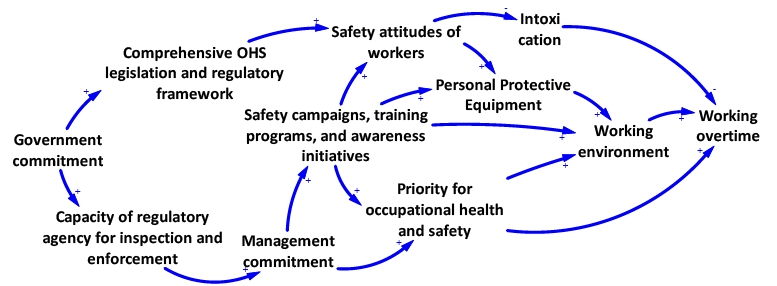
Figure 4. Construction health and safety regulations challenges
Source: Authors.
Conclusion
Despite the existence of construction H&S regulations, developing countries, particularly in Africa, experience significantly higher rates of H&S incidents compared to developed nations. This study conducted a review of existing literature on H&S regulations in five leading African countries: Egypt, Ghana, Kenya, Nigeria, and South Africa. The literature reveals several critical issues disrupting the effectiveness of H&S regulations in these countries. For example, Ghana lacks dedicated construction-specific legislation, while Nigerian construction organizations reportedly rely heavily on self-regulatory practices. Furthermore, South Africa’s regulatory agency faces understaffing challenges, impacting inspection and enforcement efforts. These and other factors contribute to a fragmented regulatory framework that hinders the pursuit of a safe and healthy construction environment. The persistent H&S incidents in the construction sector have resulted in devastating consequences, including loss of lives, injuries, and substantial financial losses for contractors, totalling billions of dollars. This study identifies the key factors undermining the efficacy of construction H&S regulations in these African countries through a systematic review of literature across three databases: WoS, Scopus, and Journal of Safety Research. The study concludes that the most significant factors subverting construction H&S in the countries are social, political, legal, and environmental. The study’s implications are significant for theory. The complex array of challenges undermining construction H&S regulations reported in this study can advance theoretical understanding by revealing the multiple challenges within regulatory frameworks. Practically, policymakers and regulatory agencies can use these insights to enact targeted reforms. Addressing issues such as the lack of dedicated legislation, reliance on self-regulation, and enforcement challenges due to understaffing can lead to a safer construction environment. By implementing evidence-based interventions, organizations can reduce accidents, protect workers, and contribute to financial gains. The research underscores the urgent need for comprehensive reforms in construction H&S regulations, not only in the countries represented in this study but across other African countries. This will not only help to mitigate the devastating impact of H&S incidents but also contribute to the overall economic well-being of these major African countries by reducing the financial losses incurred due to these incidents. The research findings are limited to the five African countries studied, as enough evidence was not obtained to generalize the findings to other African countries. Consequently, further studies are needed to gather evidence from countries across the five regions of Africa (Central Africa, East Africa, North Africa, Southern Africa, and West Africa) to ensure the generalizability of the study’s findings to the entire African continent and compare them with the results of this study. Future studies should scientifically select countries to represent each region, unlike in this study where equitable representation of the entire African region was lacking due to the systematic review employed.
Acknowledgement
The authors acknowledge the funding support from the Department of Building Sciences and Faculty of Engineering and the Built Environment, Tshwane University of Technology, South Africa.
References
Abdalfatah, Z., Elbeltagi, E. and Abdelshakor, M., 2023. Safety performance evaluation of construction projects in Egypt. Innovative Infrastructure Solutions, 8(9), pp.1-15. https://doi.org/10.1007/s41062-023-01181-y
Abdelwahed, N.A.A. and Soomro, B.A., 2023. Factors impacting occupational safety among women engineers. Safety, 9(2), p.38. https://doi.org/10.3390/safety9020038
Adebowale, O.J. and Agumba, J.N., 2023. A scientometric analysis and review of construction labour productivity research. International Journal of Productivity and Performance Management, [e-journal] 72(7), pp.1903-23. https://doi.org/10.1108/IJPPM-09-2021-0505
Adebowale, O., Kukoyi, P.O., Olagoke, I.M. and Ademola, B., 2020. Towards improving project performance indicators in the South African construction sector. Journal of Construction, 12(4), pp.1-12. https://doi.org/10.22610/jebs.v12i4(J).3079
Adebowale, O.J. and Smallwood, J.J., 2020. Contractors’ perceptions of factors affecting construction labour productivity in South Africa. Journal of Contemporary Management, 17(2), pp.326-46. https://doi.org/10.35683/jcm20028.78
Agyekum, K., Ghansah, F.A., Tetteh, P.A. and Amudjie, J., 2021. The role of project managers (PMs) in construction health and safety implementation in Ghana. Journal of Engineering, Design and Technology, [e-journal] 19(1), pp.245-62. https://doi.org/10.1108/JEDT-04-2020-0122
Agyekum, K., Pittri, H., Botchway, E.A., Amudjie, J., Kumah, V.M.A., Kotei-Martin, J.N. and Oduro, R.A., 2022. Exploring the current technologies essential for health and safety in the Ghanaian construction industry. Merits, [e-journal] 2(4), pp.314-30. https://doi.org/10.3390/merits2040022
Agyekum, K., Simons, B. and Botchway, S.Y., 2018. Factors influencing the performance of safety programmes in the Ghanaian construction industry. Acta Structilia, 25(2), pp.39-61. https://doi.org/10.18820/24150487/as25i2.2
Aka, A., Awuzie, B., Emuze, F. and Shittu, A.A., 2023. Evaluating the effectiveness of strategies for implementation of health and safety programs on construction sites in Nigeria: A mixed-method study. Journal of Safety Research, [e-journal] 85, pp.6-32. https://doi.org/10.1016/j.jsr.2023.02.001
Alaloul, W.S., Liew, M.S., Zawawi, N.A.W.A. and Kennedy, I.B., 2020. Industrial Revolution 4.0 in the construction industry: Challenges and opportunities for stakeholders. Ain Shams Engineering Journal, [e-journal] 11(1), pp.225-30. https://doi.org/10.1016/j.asej.2019.08.010
Ameh, O.J. and Farinde, O.M., 2020. Construction contractors’ compliance with health and safety insurance policies in Lagos state. Journal of Construction Innovation and Cost Management, 1(1), pp.81-92.
Ang, B.H., Oxley, J.A., Chen, W.S., Yap, K.K., Song, K.P. and Lee, S.W.H., 2019. To reduce or to cease: A systematic review and meta-analysis of quantitative studies on self-regulation of driving. Journal of Safety Research, [e-journal] 70, pp.243-51. https://doi.org/10.1016/j.jsr.2019.07.004
Annan, J.S., Addai, E.K. and Tulashie, S.K., 2015. A call for action to improve occupational health and safety in Ghana and a critical look at the existing legal requirement and legislation. Safety and Health at Work, [e-journal] 6(2), pp.146-50. https://doi.org/10.1016/j.shaw.2014.12.002
Ata, G.A. and Nahmias, M., 2005. Occupational safety and health in Egypt: A National Profile. WHO and ILO-Safe Work Guidelines’ Series. [pdf] Available at: https://www.emro.who.int/images/stories/occupational/documents/Occupational_Safety_and_Health_in_Egypt.pdf?ua=1
Babalola, H.I., Oluwatuyi, O.E., Akinloye, L.A. and Aiyewalehinmi, E., 2015. Factors influencing the performance of construction projects in Akure, Nigeria. International Journal of Civil Engineering, Construction and Estate Management, 3(4), pp.57-67.
Boadu, E.F., Wang, C.C. and Sunindijo, R.Y., 2021. Challenges for occupational health and safety enforcement in the construction industry in Ghana. Construction Economics and Building, [e-journal] 21(1), pp.1-21. https://doi.org/10.5130/AJCEB.v21i1.7482
Boakye, M.K., Adanu, S.K., Adzivor, E.K., Coffie, G.H. and Ayimah, J.C., 2023. Factors influencing health and safety performance at construction sites in Ghana: The perspective of building artisans. International Journal of Occupational Safety and Ergonomics, [e-journal] 29(3), pp.1121-27. https://doi.org/10.1080/10803548.2022.2112444
Construction Industry Development Board (CIDB), 2020. Construction health and safety in South Africa. [online] Available at: http://www.cidb.org.za/publications/Pages/Health-and [Accessed 9 November 2023].
Department of Labour, 2017. Labour on injuries and fatalities in SA construction sector. [online] Available at: https://www.gov.za/speeches/sa-construction-sector-9-mar-2017-0000 [Accessed 9 November 2023].
Ebekozien, A., 2022. Construction companies’ compliance to personal protective equipment on junior staff in Nigeria: Issues and solutions. International Journal of Building Pathology and Adaptation, [e-journal] 40(4), pp.481-98. https://doi.org/10.1108/IJBPA-08-2020-0067
Elsebaei, M.A., Elnawawy, O., Othman, A.A.E. and Badawy, M., 2021. A framework to activate the health and safety regulations in the Egyptian construction industry. Journal of Engineering, Design and Technology, 19(5), pp.1158-91. https://doi.org/10.1108/JEDT-05-2020-0194
Elsebaei, M., Elnawawy, O., Othman, A.A.E. and Badawy, M., 2022. Causes and impacts of site accidents in the Egyptian construction industry. International Journal of Construction Management, 22(14), pp.2659-70. https://doi.org/10.1080/15623599.2020.1819523
Emuze, F., 2023. Operational analysis for controlling safety violations on construction sites in South Africa. In: Proceedings of the Institution of Civil Engineers-Forensic Engineering, 176(2), pp.46-53. https://doi.org/10.1680/jfoen.22.00015
Emuze, F. and Smallwood, J.J., 2012. Perspectives on health and safety in construction and design. In: Proceedings of the Institution of Civil Engineers-Management, Procurement and Law, 165(1), pp. 27-34. https://doi.org/10.1680/mpal.2012.165.1.27
Eyiah, A.K., Kheni, N.A. and Quartey, P.D., 2019. An assessment of occupational health and safety regulations in Ghana: A study of the construction industry. Journal of Building Construction and Planning Research, [e-journal] 7(2), pp.11-31. https://doi.org/10.4236/jbcpr.2019.72002
Eze, C.J., Ayuba, P. and Shittu, A.A., 2018. Assessment of accidents hazard impact in Nigerian building industry. Centre for Human Settlement and Urban Development Journal (CHSUDJ), 7(1), pp.208-26.
Famakin, I.O., Aigbavboa, C. and Molusiwa, R., 2023. Exploring challenges to implementing health and safety regulations in a developing economy. International Journal of Construction Management, [e-journal] 23(1), pp.89-97. https://doi.org/10.1080/15623599.2020.1850201
Federal Republic of Nigeria, 2006. National Building Code. 1st ed. Butterworths, South Africa: Lexis Nexis.
Fekele, L., Quezon, E.T. and Macarubbo, Y.C., 2016. Evaluation of health and safety practice in building construction: a case study in Addis Ababa. International Journal of Scientific & Engineering Research, 7(10), pp.122-31.
Fulele, C. and Kadama, F.R.K., 2016. Compliance with occupational health and safety in the construction industry in a selected district. Journal of Contemporary Management, 13(1), pp.506-30.
Ibrahim, K., Simpeh, F. and Adebowale, O.J., 2023a. Benefits and challenges of wearable safety devices in the construction sector. Smart and Sustainable Built Environment, [e-journal] pp.1-22. https://doi.org/10.1108/SASBE-12-2022-0266
Ibrahim, K., Simpeh, F. and Adebowale, O.J., 2023b. Awareness and adoption of wearable technologies for health and safety management in the Nigerian construction industry. Frontiers in Engineering and Built Environment, [e-journal] pp.1-14. https://doi.org/10.1108/FEBE-11-2022-0041
Kemei, R.K., 2019. Occupational safety and health in construction sites in Nairobi County. [Published master’s thesis]. Jomo Kenyatta University of Agriculture and Technology.
Kemei, R.K., Kaluli, J.W. and Kabubo, C.K., 2016. Assessment of occupational safety and health in construction sites in Nairobi County, Kenya. Association of Engineers of Kenya, pp.1-13.
Kenya Law Reports, 2012. Work Injury Benefits Act, 2007. National Council for Law Reporting.
Kinteh, B. and Bass, P., 2023. Prevalence and factors associated with occupational injuries among building construction workers in the Gambia. Injury Prevention, [e-journal] pp.1-6. https://doi.org/10.1136/ip-2023-044958
Kheni, N.A. and Afatsawu, P.K., 2022. A study of challenges faced by regulatory authorities for implementing health and safety compliance in the Ghana construction industry context. International Journal of Management & Entrepreneurship Research, 4(7), pp.315-33. https://doi.org/10.51594/ijmer.v4i7.353
Kukoyi, P.O. and Adebowale, O.J., 2021. Impediments to construction safety improvement. Journal of Engineering, Project, and Production Management, [e-journal] 11(3), pp.207-14. https://doi.org/10.2478/jeppm-2021-0020
Lette, A., Ambelu, A., Getahun, T. and Mekonen, S., 2018. A survey of work-related injuries among building construction workers in southwestern Ethiopia. International Journal of Industrial Ergonomics, [e-journal] 68, pp.57-64. https://doi.org/10.1016/j.ergon.2018.06.010
Lukhele, T.M., Botha, B. and Mbanga, S., 2023. Exploring the nexus between professional ethics and occupational health and safety in construction projects: a case study approach. International Journal of Construction Management, [e-journal] 23(12), pp.2048-57. https://doi.org/10.1080/15623599.2022.2033498
Manu, P., Poghosyan, A., Agyei, G., Mahamadu, A.M. and Dziekonski, K., 2021. Design for safety in construction in sub-Saharan Africa: a study of architects in Ghana. International Journal of Construction Management, [e-journal] 21(4), pp.382-94. https://doi.org/10.1080/15623599.2018.1541704
Manu, P., Poghosyan, A., Mshelia, I.M., Iwo, S.T., Mahamadu, A.M. and Dziekonski, K., 2019. Design for occupational safety and health of workers in construction in developing countries: A study of architects in Nigeria. International Journal of Occupational Safety and Ergonomics, [e-journal] 25(1), pp.99–109. https://doi.org/10.1080/10803548.2018.1485992
Mersha, H., Mereta, S.T. and Dube, L., 2017. Prevalence of occupational injuries and associated factors among construction workers in Addis Ababa, Ethiopia. Journal of Public Health and Epidemiology, 9(1), pp.1-8. https://doi.org/10.5897/JPHE2016.0883
Mustapha, Z., 2016. Revised health and safety compliance model for the Ghanaian construction industry. International Journal of Engineering, Science and Technology, [e-journal] 8(2), pp.46-51. https://doi.org/10.4314/ijest.v8i2.4
Naidoo, D., Brand, A., Harrison, A., Raghuber, B. and Botes, D., 2015. SA construction. Available at: www.pwc.co.za/construction [Accessed 19 February 2018].
Nyabioge, B.M., Wachira-Towey, I.N. and Ralwala, A.O., 2022. Safety in building construction works: A review of the causes of accidents and safety regulations requirements in Kenya. Journal of the Kenya National Commission for UNESCO.
Nyaruai, M.N., Kinyua, R. and Gathu, R., 2016. Factors affecting management of safety and health in the building construction industry in Nakuru County, Kenya. International Journal of Innovation and Applied Studies, 18(1), p.83.
Ogunbiyi, M.A., 2014. The national building code and the construction industry professionals in Nigeria. International Journal of Social Sciences and Entrepreneurship, 1(12), pp.937-48.
Okonkwo, P.N. and Wium, J., 2020. Health and safety management systems within construction contractor organizations: case study of South Africa. Journal of Construction Engineering and Management, [e-journal] 146(5), pp.22-37. https://doi.org/10.1061/(ASCE)CO.1943-7862.0001833
Okorie, V.N. and Musonda, I., 2020. An investigation on supervisor’s ability and competency to conduct construction site health and safety induction training in Nigeria. International Journal of Construction Management, 20(5), pp.357-66. https://doi.org/10.1080/15623599.2018.1531808
Okoye, P.U., 2018. Occupational health and safety risk levels of building construction trades in Nigeria. Construction Economics and Building, 18(2), pp.92-109. https://doi.org/10.5130/AJCEB.v18i2.5882
Okoye, P.U., Ezeokonkwo, J.U. and Ezeokoli, F.O., 2016. Building construction workers’ health and safety knowledge and compliance on site. Journal of Safety Engineering, [e-journal] 5(1), pp.17-26. https://doi.org/10.5923/j.safety.20160501.03
Olutende, M., Wamukoya, E.K., Wanzala, M. and Wabuyabo, I.K., 2021. Predictors of occupational health and safety management practices in the building construction industry, Kakamega Kenya. Journal of Nursing and Health Science, 10(2), pp.43-57.
Omweri, E.O. and Ombui, D.K., 2018. Effect of occupational health and safety practices on performance of building construction industry in Nakuru County, Kenya. International Journal of Novel Research in Humanity and Social Sciences, 5(5), pp.361-75.
Onubi, H.O., Yusof, N.A., Hassan, A.S. and Bahdad, A.A.S., 2021. Analyzing the mediating effect of economic performance on the relationship between green construction practices and health and safety performance in Nigeria. Environmental Science and Pollution Research, 28(27), pp.36598-610. https://doi.org/10.1007/s11356-021-13334-6
Osei-Asibey, D., Ayarkwa, J., Acheampong, A., Adinyira, E. and Amoah, P., 2021a. Stakeholders’ compliance with existing construction health and safety-related laws and regulations in Ghana. Journal of Building Construction and Planning Research, [e-journal] 9(2), pp.138-59. https://doi.org/10.4236/jbcpr.2021.92010
Osei-Asibey, D., Ayarkwa, J., Acheampong, A., Adinyira, E. and Amoah, P., 2021b. Framework for improving construction health and safety on Ghanaian construction sites. Journal of Building Construction and Planning Research, [e-journal] 9(2), pp.115-37. https://doi.org/10.4236/jbcpr.2021.92009
Osei-Asibey, D., Ayarkwa, J., Acheampong, A., Adinyira, E. and Amoah, P., 2023. Impacts of accidents and hazards on the Ghanaian construction industry. International Journal of Construction Management, [e-journal] 23(4), pp.708-17. https://doi.org/10.1080/15623599.2021.1920161
Osuizugbo, I.C., 2018. Builder’s view on the incessant building failures and collapse in Nigeria: A call for an effective national building code. American Journal of Engineering Research, 7(10), pp.173-80.
Otieno, J.O., Onditi, A. and Monari, F., 2019. Influence of occupational accidents moderated by occupational health and safety policy regulations on performance of firms in Kenya. Journal of Human Resource Management, [e-journal] 7(4), pp.99-107. https://doi.org/10.11648/j.jhrm.20190704.14
Oza, A.S., 2017. Strong framework of occupational health & safety plays a vital role in economic growth. Journal of Human and Social Science, 22(11), pp.34-42.
Rantsatsi, N.P., Musonda, I. and Agumba, J., 2023. Construction health and safety agent collaboration and its influence on health and safety performance in the South African construction industry. Safety, [e-journal] 9(1), p.8. https://doi.org/10.3390/safety9010008
Segbenya, M. and Yeboah, E., 2022. Effect of occupational health and safety on employee performance in the Ghanaian construction sector. Environmental Health Insights, [e-journal] 16. https://doi.org/10.1177/11786302221137222
Sherratt, F. and Aboagye-Nimo, E., 2022. Decolonizing occupational safety management: The case of construction site safety culture in Ghana. Safety Science, [e-journal] 151, p.105732. https://doi.org/10.1016/j.ssci.2022.105732
Sundler, A.J., Lindberg, E., Nilsson, C. and Palmér, L., 2019. Qualitative thematic analysis based on descriptive phenomenology. Nursing Open, 6(3), pp.733-39. https://doi.org/10.1002/nop2.275
Smallwood, J.J. and Deacon, C., 2017. The performance of construction health and safety agents. In: Proceedings of the 9th International Structural Engineering and Construction Conference, Valencia, Spain, July 24- 29, 2017. pp.1174-80. https://doi.org/10.14455/ISEC.res.2017.43
Smallwood, J.J. and Haupt, T.C., 2007. Impact of the South African construction regulations on construction health and safety: Architects’ perceptions. Journal of Engineering, Design and Technology, [e-journal] 5(1), pp.23-34. https://doi.org/10.1108/17260530710746588
Tadesse, S. and Israel, D., 2016. Occupational injuries among building construction workers in Addis Ababa, Ethiopia. Journal of Occupational Medicine and Toxicology, 11, pp.1-6. https://doi.org/10.1186/s12995-016-0107-8
Tanko, B.L., Abdullah, F. and Ramly, Z.M., 2017. Stakeholders’ assessment of constraints to project delivery in the Nigerian construction industry. International Journal of Built Environment and Sustainability, 4(1), pp.56-62. https://doi.org/10.11113/ijbes.v4.n1.160
Tarik, B. and Adil, H.A., 2018. Occupational health and safety in the Moroccan construction sites: Preliminary diagnosis. International Journal of Metrology and Quality Engineering, 9, p.6. https://doi.org/10.1051/ijmqe/2018005
Umeokafor, N., 2016. Approaches, drivers and motivators of health and safety self-regulation in the Nigerian construction industry: A scoping study. Architectural Engineering and Design Management, [e-journal] 12(6), pp.460-75. https://doi.org/10.1080/17452007.2016.1195332
Umeokafor, N., 2017. An appraisal of the barriers to client involvement in health and safety in Nigeria’s construction industry. Journal of Engineering, Design and Technology, [e-journal] 15(4), pp.471-87. https://doi.org/10.1108/JEDT-06-2016-0034
Umeokafor, N., Isaac, D. and Umeadi, B., 2014. Determinants of compliance with health and safety regulations in Nigeria’s construction industry. Journal of Construction Project Management and Innovation, 4(1), pp.882-99.
Williams, O.S., Hamid, R.A. and Misnan, M.S., 2019. Causes of building construction-related accidents in the south-western states of Nigeria. International Journal of Built Environment and Sustainability, [e-journal] 6(1), pp.14-22. https://doi.org/10.11113/ijbes.v6.n1.313
Yakubu, S.U.N. and Agapiou, A., 2016. Factors affecting the development & implementation of the structural aspects of the Nigeria Building Code amongst the stakeholders within the house building construction sector in the Lokoja municipality. In: CIB World Building Congress 2016 Creating Built Environments of New Opportunities. Tampere, Finland, 30 May - 3 Jun 2016. 1, p.250.
Yosef, T., Sineshaw, E. and Shifera, N., 2023. Occupational injuries and contributing factors among industry park construction workers in Northwest Ethiopia. Frontiers in Public Health, 10, p.1060755. https://doi.org/10.3389/fpubh.2022.1060755
Zailani, B.M., Moda, H., Ibrahim, Y.M. and Abubakar, M., 2023. Improving the antecedents of non-compliance to safety regulations toward an optimized self-regulated construction environment in Nigeria. International Journal of Occupational Safety and Ergonomics, [e-journal] 29(3), pp.1212-19. https://doi.org/10.1080/10803548.2022.2115657