Construction Economics and Building
Vol. 25, No. 2
July 2025
RESEARCH ARTICLE
The Negative Factors That Influence the Performance of Ghanaian Construction Projects
Prasanna Venkatesan Ramani*, Benjamin Boahene Akomah
School of Civil Engineering, VIT University, Vellore, India
Corresponding author: Prasanna Venkatesan Ramani, prasanna.venkatesan@vit.ac.in
DOI: https://doi.org/10.5130/AJCEB.v25i2.8966
Article History: Received 11/12/2023; Revised 17/07/2024; Accepted 31/08/2024; Published 08/08/2025
Citation: Ramani, P. V., Akomah, B. B. 2025. The Negative Factors That Influence the Performance of Ghanaian Construction Projects. Construction Economics and Building, 25:2, 112–142. https://doi.org/10.5130/AJCEB.v25i2.8966
Abstract
Numerous factors affect the performance of construction projects. The goal of this paper is twofold: first, to identify and determine the negative factors influencing construction projects, and second, to specify the hypothesised causal relations between the observed and hidden variables using a confirmatory factor analysis (CFA) model. A deductive research approach and a cross-sectional design method were chosen for the study. A literature review was first conducted, and 66 negative variables were identified. The factors were modified and designed into a questionnaire for data collection. The Cronbach alphas of the three components indicate a high degree of internal consistency. The measurement variables adequately measure the negative factor construct. In addition, the fit indices suggest that the postulated model sufficiently describes the dataset. Poor environmental practices (PAS2), inadequate environmental legislative framework to address modern environmental concerns in the delivery of construction projects (PAS1), and non-inclusion of occupational health and safety in contracts (PAS3) were identified as three relevant negative factors impacting project performance. The paper identified poor assessment strategies, weak management systems, and inefficient regulatory systems as the significant latent factors that affect performance. According to the findings, a poor assessment strategy is more consequential. The results of the study suggest that poor assessment strategies, weak management systems, and inefficient regulatory systems can lead to worsening health and safety conditions in the construction industry, as well as environmental violations and poor environmental practices. The government should enact adequate health and safety and environmental and local community protection laws to protect the environment and local communities during construction. Clients must liaise with consultants to incorporate sufficient health and safety clauses into construction contracts and ensure judicious compliance by contractors. To reduce corruption in the construction sector, the government should strengthen its anti-corruption mechanisms.
Keywords
Construction Project Performance; Negative Factors; Impact; Multivariate Analysis
Introduction
The construction industry’s contribution to global gross domestic product (GDP) amounts to approximately 6% (Celik, et al., 2024). The sector accounts for approximately 5% of the GDP in developed countries. However, in developing countries, the industry accounts for a contribution of over 8% (Suwal, et al., 2019). The industry assists many nations (Anyango, 2020). In Ghana, the construction industry comprises national development and infrastructure activities and processes built around construction projects (Adzivor, Emuze and Das, 2022). The sector’s contribution to the nation’s economy is substantial (Blay Jnr, et al., 2023; Akomah and Ramani, 2023). It generates beneficial outputs and results (Blay Jnr, et al., 2023), and its GDP over a 5-year period (2014–2019) grew tremendously from GHS 12,183 to GHS 21,013 (Ghana Statistical Service, 2019), that is, USD 869.86 to USD 1,500.33 using the current exchange rate of Ghs 14.00561 to a dollar. The sector accounted for 14.8% of the nation’s GDP in 2015 (Stasiak-Betlejewska and Potkany, 2015), making it a top contributor to the nation’s economy (Akomah and Ramani, 2023; Osei-Asibey, et al., 2021). According to the African Business Information, the Ghanaian construction industry is worth approximately 5 billion dollars, making the sector a critical component of Ghana’s economic development (Agyekum, Goodier and Oppon, 2022). The substantial economic impact of the industry necessitates the government and stakeholders to foster its development in order to enhance its overall performance and achieve its full potential (Babaloa and Harinarain, 2021). Nevertheless, many problems hinder the performance of construction projects in the sector (Gadisa and Zhou, 2021; Vahabi, Nasirzadeh and Mills, 2022). The study seeks to identify and determine the negative factors that influence construction projects’ performance in the Ghanaian construction industry and to establish the relationship between the observed and latent variables using confirmatory factor analysis.
Negative factors that influence construction projects’ performance
The evidence of the construction industry’s contribution can be seen in the numerous infrastructure projects nationwide. However, the industry’s major problems are poor performance, underperformance, cost escalation of projects, ceaseless delays, and poor environmental and community management (Camacho and Cruz, 2022). Ngacho and Das (2015) posited that construction projects are hardly completed on time, and even when they are, quality is undermined, and cost increases astronomically. Amoah, Ahadzie and Dansoh (2007) and Yada and Yadeta (2016) indicated that too many underlying problems can be linked to the factors that affect performance in construction.
In the Ghanaian performance environment, the factors considered are typically cost, time, quality, and occasionally safety (Agyekum, et al., 2021; Boadu, Sunindijo, and Wang, 2021). Research by Agyekum, Simons, and Botchway (2018) indicated that a myriad of factors influence the performance of construction projects. Unegbu, Yawas and Dan-Asabe (2022) identified poor project management techniques as a factor that adversely affects project performance. Contractors frequently fall short of performance expectations due to the use of inadequate and inefficient management techniques (Ahadzie, 2008). This phenomenon arises because many business managers do not understand the sector (Horvath and Szabo, 2019). Vulink (2004) posited that a sizeable number of local construction firms do not employ people with the necessary industry expertise to manage their businesses. In addition to the several issues identified as challenges with contractors, the unstable nature of the economy also affects cost performance (Kakar, et al., 2022). Frequent economic fluctuations and disruptions often occur prior to project completion, leading to several challenges (Moyo and Chigara, 2022).
Contractors’ cash flows increase when clients honour their payment obligations. In Ghana, payments for work done by contractors are most often delayed (Adaku, et al., 2023). This puts much pressure on contractors, and it is sometimes the cause of their underperformance and poor quality of work or delivery. Late payments to contractors are usually made without compensation, which affects their profitability and business operations (Tripathi, et al., 2023). This action has had a significant influence on numerous firms, rendering them ineffective.
The government’s delay in compensating contractors for work adequately executed has discouraged several banks from providing financial assistance to construction firms (Fugar and Agyakwah-Baah, 2010). Construction companies face significant challenges in obtaining credit from banks due to their frequent failure to meet loan repayment deadlines. Even when they secure one, the exorbitant interest rates imposed by banks discourage many construction businesses from seeking loans (Peprah, 2016). Additionally, the government’s inability to improve the financial and managerial capabilities of contractors (Das and Rangarajan, 2020) is taking a severe toll on firms. These, together with other issues, affect contractors’ capital.
Several undesirable behaviours have a negative impact on project efficiency. Vahabi, Nasirzadeh and Mills (2022) averred that design briefing is occasionally disregarded but can have a crippling effect on project performance. According to Ngacho and Das (2015) and Tijani, Jin and Osei-Kyei (2021), a poor work environment also affects project performance. It sometimes slows down the pace and quality of work and risks employee safety unnecessarily. Poor construction supervision and strained relationships among project stakeholders are additional damaging elements that affect performance (Do, Nguyen and Nguyen, 2022b; Manoharan, et al., 2023). Laryea (2010) posited that insufficient contract supervision plays a significant role in the underwhelming performance of construction projects and indicated that meticulous monitoring is essential for successfully executing an organisation’s plans. Yang, Huang and Griffiths (2022) and Lee, et al. (2022) identified insufficient geotechnical inspections as a detrimental factor to project performance. Excessive variations have been noted as a significant problem by Noruwa, Arewa and Merschbrock (2022) and Gurgun and Koc (2022). On the other hand, Farouk Kineber, et al. (2022) found a lack of value management as a factor in subpar project performance.
Political cronyism and corruption also have an impact on performance as well. Contracts are not sometimes awarded to contractors because they merit them; they are awarded because of political affiliation (Ameyaw, et al., 2017). In the research by Ameyaw, et al. (2017) and Agyekum, et al. (2021), cases of habitual corruption and unethical behaviour were detected among public officials, contractors, and construction professionals during the bid evaluation, tendering, and contract management stages. Akomah and Nani (2018) stated that the unethical association between public officials and contractors often leads to information leakages and unfair competition among firms. Osei-Tutu, et al. (2010) revealed that, at the contract execution stage, consultants also take bribes to grant contract variations, approve time extensions, certify defective works, or expedite wrongful payments. This action has negative implications for cost, time, and quality.
The corporate social responsibilities of firms are often disregarded (Tan-Mullins and Mohan, 2013) as a result of inadequate regulatory frameworks (Mangla, et al., 2018). This is coupled with the insufficiency of environmental frameworks and monitoring, which consistently undermines efforts to address environmental protection challenges (Marsh, Velenturf and Bernal, 2022; Mangla, et al., 2018).
Although the client, consultant, and contractor coordinate a project’s execution and well-being, its health and success go beyond these three parties. Interestingly, failed projects are often perceived to arise from contractors’ inefficiencies rather than a holistic assessment of the subject (Adebowale and Agumba, 2021). As previously mentioned, several factors, among many others, negatively impact project performance. The factors extracted and modified during the literature search are listed in Table 1.
| Weak contractor’s managerial capacity | Costa, et al. (2024) |
| Lack of capital to prefinance projects | Akomah and Ramani (2024); Shang, et al. (2023) |
| Weaknesses in tender and contract management processes | Gamage (2023); Yeboah et al. (2023); Zerouali (2023) |
| Managerial challenges and leadership | Akomah and Ramani (2024); Orieno, et al. (2024) |
| Poor definition of scope, errors in design, and scope creep | Alhammadi, Al-Mohammad and Rahman (2024); Alzayed (2024); Doloi (2024) |
| Favouritism in the tendering process and contractor selection process | Quinot (2024); Akomah and Nani (2018) |
| Poor attitude of the government towards the growth of the construction industry | Akomah and Ramani (2024); Boadu, Wang, and Sunindijo (2020) |
| Poor engineering capacities of firms | Akinradewo, et al. (2022); Alkilani and Loosemore (2022) |
| Poor attitude of firms towards project management and management tools and processes | Ghorbani (2023); Paul, et al. (2023); Musa, et al. (2023) |
| Low level of knowledge of construction business management | Shayan, Pyung Kim and Tam (2022) |
| Unpredictable economic shocks, high interest rates, and unrealistic financial indices | Akomah and Ramani (2024) |
| Poor performance of the local currency against major currencies | Akomah and Ramani (2024) |
| Misapplication of mobilisation funds | Akomah and Ramani (2024) |
| Poor management practices and poor, undefined work methods | Al-Nahhas et al. (2024); Awwad and Thabet (2024) |
| Poor health and safety practices and perceptions | Akomah and Ramani (2023); Hagan, et al. (2021) |
| Inexperienced personnel, poor supervision, monitoring, and coordination | Akomah and Ramani (2024) |
| Cumbersome client payment processes | Akomah and Ramani (2024); Oladimeji, et al. (2023) |
| Poor project planning and preparation | Akomah and Ramani (2024) |
| Inconsistencies in tender and contract documents | Mundia (2024) |
| Application of the wrong contract type | Smith, et al. (2023) |
| Lack of safety policy, culture, and organisational safety maturity | Amirah, et al. (2024); Nævestad and Phillips (2023) |
| Financial institutions’ reluctance to offer financial credits to contractors | Akomah and Ramani (2024); Ofori-Kuragu, Baiden and Badu (2016) |
| Client’s restrictions and late handing over of site | Akomah and Ramani (2024); Danial and Misnan (2023) |
| Lack of seriousness on the part of contractors towards competitive tendering | Akomah and Ramani (2024); Vrbka and Koubkova (2023) |
| High level of corruption, collusion, or rigging in procurement processes | Akomah and Nani (2018); Ameyaw, et al. (2017) |
| Poor maintenance culture and practices | Mensah, et al. (2023); Quayson and Akomah (2016) |
| Unqualified skilled manpower and the loss of key employees | Costa, et al. (2023) |
| Inclement weather and civil unrest or strike | Giri (2023) |
| High number of accidents, injuries, and fatalities | Bria, et al. (2024) |
| Excessive political interference in public contract awards | Akomah and Ramani (2024); Oluseye (2024) |
| Lack of government regulatory and OHS policy for the construction industry | Akomah and Ramani (2024); Ebekozien, et al. (2023) |
| Fraudulent contractor–consultant activities and the consultant’s incompetence | Ali, et al. (2023); Martin, et al. (2023) |
| Litigation among stakeholders | Abdul Nabi, Assaad and El-Adaway (2024) |
| Poor estimation and underestimation of time and cost to secure contracts | Chadee, et al. (2023a) |
| Strained relationships among stakeholders | Bhattarai (2023) |
| Poor or insufficient geotechnical examinations or lack of compliance with geotechnical requirements | Akomah and Ramani (2024) |
| Inaccuracies in geotechnical test results or poor interpretation and reporting | Akomah and Ramani (2024) |
| Poor contractor or worker attitude | Debataraja (2023) |
| Escalations in material and labour rates and the high cost of equipment hiring | Ahmed, Assefa and Kassa (2023) |
| Poor client or contractor financial standing or insolvency | Chadee, et al. (2023b) |
| Excessive variations | Smith, et al. (2023) |
| Poor inventory management and waste management practices | Akomah and Ramani (2024); Chawla, et al. (2024) |
| Poor communication among project participants or information delays or feedback systems | Abdallah, Shaawat and Almohassen (2024) |
| Wrong project delivery methods and poorly written contract agreements | Deacon and Kajimo-Shakantu (2024); Rueda-Benavides, et al. (2024) |
| Bureaucracies in clearing goods at the ports | Rucha, Ogollah and Amakobe (2024) |
| Selection and use of wrong or outdated equipment or technologies | Disney, et al. (2024) |
| Poor security and on-site housekeeping | Chinniah, et al. (2024) |
| Lack of quality assurance and quality control structures | Shaban, Al-Hassan and Mohamad (2024) |
| Poor man management | Aghimien, Aigbavboa and Aghimien (2024) |
| Poor integration of stakeholders’ activities and negative stakeholder attitudes | Alkilani and Loosemore (2024) |
| Poor estimation of community interference with work or community dissatisfaction | Aigbavboa and Akinradewo (2024) |
| Lack of community involvement and disregard for the opinions of the local community | Aigbavboa and Akinradewo (2024); Bouadam and Chetbi (2024) |
| Compromised working conditions and environment | Lawani, et al. (2024) |
| Change in political leadership | Saka, et al. (2024) |
| Absence of value management | Misnan, Ismail and Yan (2024) |
| Lack of performance management and measurement systems and poor performance targets | Garengo and Betto (2024); Adedokun and Egbelakin (2024) |
| Poor work rules and restricted work practices | Radzi, et al. (2024); Kilaka (2024) |
| Poorly prepared bill of quantities | Nani (2021) |
| Poor scheduling | Akomah and Ramani (2024); Gurgun, Koc and Kunkcu (2024); Li, et al. (2022) |
| Unreliable cost control systems | Tembo, Muleya and Kanyemba (2024) |
| Neglecting the provision and use of PPE | Hanani, et al. (2024) |
| Neglecting local communities as stakeholders or lack of awareness of local communities as stakeholders | Corazza, Cottafava and Torchia (2023); Eikelenboom and Long (2023) |
| Non-inclusion of occupational health and safety in contracts | Akomah and Ramani (2024); Kukoyi, Faremi and Osuizugbo (2023); Emma-Ochu, et al. (2021); Smallwood (2020) |
| Poor environmental practices | Akomah and Ramani (2024); Radzi, et al. (2024) |
| Inadequate environmental legislative framework to address modern environmental concerns in the delivery of construction projects | Akomah and Ramani (2024); Radzi, et al. (2024); |
| The use of obsolete technologies | Akomah and Ramani (2024); Maqbool, Saiba and Ashfaq (2023) |
Methodology
This study hinges on the positivist philosophy, which requires the use of a scientific method to measure, quantify, and explain a phenomenon and make predictions (Saunders, Lewis and Thornhill, 2019; Creswell, 2014; Newman, 2014). To reduce bias, a deductive approach was adopted to develop research solutions that fulfil the purpose of the study and lead to generalisable and replicable conclusions (Saunders, Lewis and Thornhill, 2019). This approach is more logically driven and objective (Ketokivi and Mantere, 2010) and involves a highly structured design (Johnson and Christensen, 2014). The search for a highly structured design, statistical data, and conclusions led to the selection of a quantitative method (Newman, 2014). Creswell (2014) indicated that a research strategy is influenced by the philosophy adopted, the approach, and the choice of methodology. The research strategy employed in the study is the survey strategy. This strategy is useful and effective in the management of research studies (Bryman, 2009), and above all, it allows for the random selection of research participants from a large population (Vanderstoep and Johnston, 2009).
Boote and Beile (2005) indicated that an existing body of knowledge in a particular subject area is the foundation of every research project. This is because literature provides information that develops a framework to interrogate current studies (Creswell and Plano Clark, 2018) and put them in the proper perspective (Creswell, 2014). The study commenced with an extensive literature review to identify the negative factors that impact construction projects’ performance. The search led to the identification of many factors. These variables were adapted to suit the purpose of the study. The identified factors led to the generation of 66 negative factors noted to have an enervating effect on construction projects’ performance. Out of these factors, a questionnaire was generated. The questionnaire was divided into the demographic and negative performance variables sections. Section 1 sought to collect the needed bio information deemed relevant to the study, while section 2 aimed at collecting data on negative factors that influence the performance of projects. The second section was created using a five-point scale, with one indicating very low influence and five indicating very high influence. This was done to increase the instrument’s consistency. The increase in scale points is proportional to the instrument’s consistency (Akomah and Ramani, 2023). The study included a population of 7,925 individuals. It was an all-inclusive population, comprising 2,714 contractors and 240 construction lecturers from the various technical universities who were also practitioners. In addition to the earlier mentioned figures, there were 566 architects, 439 quantity surveyors, 900 professional engineers from the Institution of Engineering and Technology, and 3,066 from the Ghana Institution of Engineering who were in good standing at the time of the data collection. Contacts with professional bodies and department heads at various technical universities provided some data sources, while the secretariats directed researchers to use institutional websites for others. The 10 technical universities were chosen because they accounted for over 50% of the universities that provide construction and building-related programs. Furthermore, they were dispersed across various regions of the country (Akomah and Ramani, 2024).
These categories of professionals were considered because of their knowledge and experience in the construction industry. Before the selection process, the lists were screened to ensure that professional members of multiple professional bodies were identified and given only one selection opportunity.
Gay, Mills and Airasian (2012) claimed that sample size becomes irrelevant beyond 5,000 and that a sample size of 400 is sufficient. Cohen, Manion and Morrison (2005) indicated that survey studies need larger sample sizes to make inferences. Bagozzi and Yi (2012) averred that robust and complex models require sample sizes above 200. Based on Bagozzi and Yi’s claim, a sample of 635 was drawn from the abovementioned population. This was slightly higher than what Gay, Mills and Airasian recommended to account for non-responses and other survey-related deficiencies. Classifying the population as all-inclusive led to the use of a simple random sampling method to select the professionals, thereby creating equal opportunities for all (Edmonds and Kennedy, 2017). Without substitution, the selection of the professionals was finalised. Professionals who were chosen but did not wish to participate in the study were excluded, allowing others to be chosen. At the end of the simple random sampling process, a total of 152 quantity surveyors, 76 lecturers, 202 engineers, 63 architects, and 142 contractors were sampled. Data were collected using questionnaires administered through emails and WhatsApp, with others delivered by hand in hard copies.
The personal information of respondents was analysed using descriptive statistics. The next step was using exploratory factor analysis (EFA), a statistical data reduction method for assessing the unidimensionality and reliability of the negative factors that influence the performance of construction projects in Ghana (Watkins, 2018). Maximum Likelihood with Varimax Rotation (ML Varimax) was used for the extraction and rotation of the factors.
The threshold for factor loading was established at 0.5, which is an increment from the 0.40 value proposed by Field (2005). Items with factor loadings below 0.5 were eliminated because they did not adequately represent the measured construct. The corrected item-total correlation was extracted for items using EFA and a cutoff of 0.30.
Brown (2015) claimed that CFA is utilised for model measurement and offers beneficial knowledge on data fitness. The multivariate correlational analysis EFA was performed using SPSS version 26. However, the CFA was undertaken using AMOS version 22. The robust evaluation of the proposed CFA model was conducted using Table 2.
| Fit index | Cutoff value | Comment | Source |
|---|---|---|---|
| S – Bχ2 | Kline, 2016; Hu and Bentler, 1999 | ||
| df | 0≥ | Acceptable | |
| CFI | 0.90≥ acceptable 0.95≥ good fit | Good fit | |
| PCFI | Less than 0.80 | Good fit | |
| RMSEA | Less than 0.08 | Acceptable | |
| RMSEA 95% CI | 0.00–0.08 “good fit” | Acceptable | |
| NFI | Greater than 0.90 “good fit” | Good fit | |
| IFI | Greater than 0.90 “good fit” | Good fit | |
| PNFI | Less than 0.80 | Good fit | |
| RMR | Less than 0.05 “good fit” | Good fit | |
| GFI | Greater than 0.90 “good fit” | Good fit |
Results
Biodata of respondents
The valid questionnaires received were 454, representing 71.50% of the 635 questionnaires distributed. Among the valid responses were 84 contractors, 134 quantity surveyors, 62 lecturers, 49 architects, and 125 engineers. The data revealed that 68 respondents who participated in the survey had 2–5 years of working experience, 126 had 6–10 years, 103 had 11–15 years, 101 had 16–20 years, and 56 had 21 years and above experience.
Exploratory factor analysis—negative factors
The analysis commenced with factor extraction using ML Varimax to determine whether factor analysis could be employed. The results yielded a Kaiser-Meyer-Olkin (KMO) of 0.948 and Bartlett’s test of sphericity of P < 0.000. This indicated consistency with the recommended KMO cutoff value of 0.70 and Bartlett’s test of sphericity of P<0.05, as Hair et al. (2010) suggested. The KMO and Bartlett’s test of sphericity confirmed the dataset’s factorability, indicating that factor analysis was suitable for identifying the negative factors.
After the analysis, 33 out of the 66 variables were excluded because they had factor loadings below 0.5. The factors deemed an excellent representation of the negative factor construct are presented in Table 3. For the first component, 10 items recorded thresholds of more than 0.5 and were labelled poor assessment strategies (PAS). The second component loaded 10 items and measured weak management systems (WMS). Thirteen items were loaded on the third component and were categorised as inefficient regulatory systems (IPS).
Cronbach’s alphas of 0.920 for the first component (PAS), 0.853 for the second component (WMS), and 0.913 for the third component (IPS) were all above the threshold of 0.800, indicating adequate internal reliability for the extracted items (Nanually and Bernstein, 1994). Table 4 provides information on the unidimensionality and reliability of poor assessment strategies, weak management systems, and inefficient regulatory systems.
Confirmatory factor analysis—negative factors
The fitness of the hypothesised model was performed using CFA after the results from the EFA revealed that the constructs were unidimensional and reliable. The NF model’s sample data produced an S – Bχ2 of 4.732 with 347 degrees of freedom (df) and a probability of P = 0.0000. Chi-square values of 5 or less can be used as a benchmark, according to Hanneman, Kposowa and Riddle (2013). As evidenced by the chi-square value, the deviation of the sample data from the proposed model was considerable; hence, the model is deemed a good fit.
The obtained comparative fit index (CFI) value of 0.920 exceeded the cutoff limit of 0.90, indicating that the model is acceptable. As shown in Table 5, the normed fit index (NFI) value obtained was 0.983, more significant than the cutoff value of NFI ≥ 0.90. This indicates that the model is adequate. The obtained parsimony normed fit index (PNFI) value was 0.719, less than the cutoff value of 0.80, indicating a good fit (Schumacker and Lomax, 2010). The root mean square residual (RMR) value was less than 0.05, at 0.035. This suggests that the model is well-fitting (Brown, 2015; Schumacker and Lomax, 2010). The goodness-of-fit index (GFI) value, on the other hand, was 0.911 and greater than 0.090, indicating a good fit (Byrne, 2010; Schumacker and Lomax, 2010; Kline, 2016). These fit indices for the NF model suggest that the proposed model adequately describes the sample data. Table 5 shows the robust fit indices for model evaluation.
The unidimensional model for NF features can be seen in Figure 1 and Table 6. Out of the 66 indicator variables, 28 were obtained and used for the final CFA analysis. From the 454 cases analysed for this construct, 28 indicator variables made up of three components were deduced as PAS (PAS1, PAS2, PAS3, PAS4, PAS5, PAS6, PAS7, PAS8, PAS9, and PAS10), WMS (WMS1, WMS2, WMS3, WMS4, WMS6, and WMS8), and IPS (IPS1, IPS2, IPS3, IPS4, IPS5, IPS6, IPS7, IPS8, IPS9, IPS11, IPS12, and IPS13).
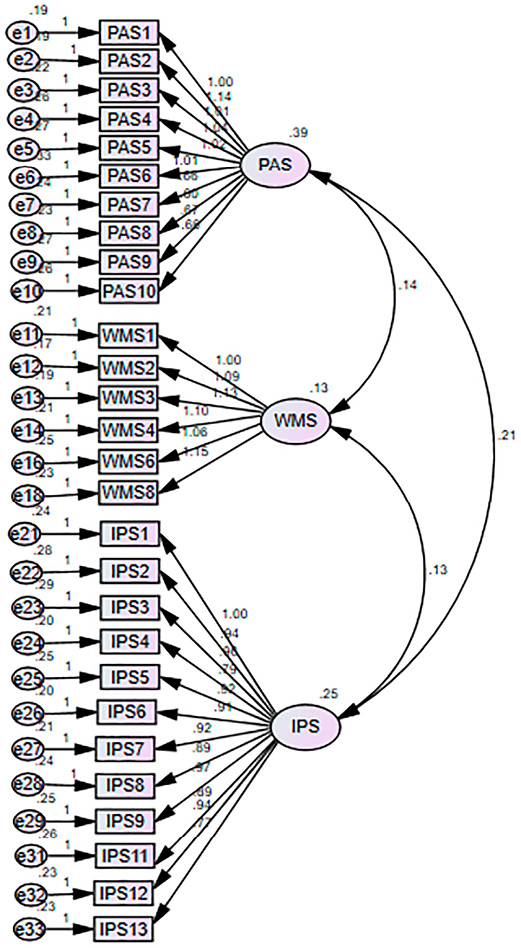
Figure 1. CFA model for negative factors that influence the performance of construction projects.
The correlation values, standard errors, and test statistics for the 28 indicator variables are shown in Table 7. All the correlation values were less than 1.00, and all the P-values were less than the 0.05 significance level. As a result, the estimates are deemed statistically significant. The indicator with variable PAS2 had the highest standardised coefficient, with a parameter coefficient of 0.855. This is followed by PAS1, PAS3, PAS4, PAS5, PAS6, IPS1, IPS6, IPS7, IPS12, WMS6, WMS3, and WMS2 in that order.
The correlation values of most estimates indicate a strong linear relationship between the indicator variables and the unobserved variables (PAS, WMS, and IPS). Furthermore, the coefficient of determination (R2) values indicate that the factors explain a significant proportion of the variance in the indicator variables. Because all of the measured variables are significantly associated with the three components (PAS, WMS, and IPS) under the negative factors that influence the performance of construction projects, the results suggest that the indicator variables predict the unobserved components.
Discussion of results
The multivariate discussion of the negative factors
The results obtained for the negative factors indicate a high correlation between the variables and their constructs. Poor assessment strategies (0.920), and inefficient regulatory systems (0.913), are found to be more highly correlated with their constructs than weak management systems (0.853) based on their Cronbach alphas. The 28 factors defining the negative factor model are grouped under the three constructs outlined above, making the hypothesised model a three-factor model. According to the CFA model in Figure 1, PAS, IPS, and WMS recorded 10, 12, and 6 subfactors, respectively. The model fit indices reveal that the model has a good fit. All the explanatory variables identified under the three constructs are statistically significant at 5%.
PAS1, PAS2, PAS3, PAS4, PAS5, and PAS6 explain more than 50% of the variances in PAS. PAS2—poor environmental practices alone describes 73.2%, the highest among the variables measuring PAS and all other constructs. IPS1 and IPS6 also explain more than 50% of the variability in IPS. PAS2 recorded the highest standardised coefficient (0.855) and R2 (0.732 or 73.2%). This is followed by PAS1 and PAS3 with standardised coefficients of 0.822 and 0.805 and R2 of 0.676 or 67.6% and 0.642 or 64.2%, respectively. The factor loading and P-values indicate that PAS variables constitute significant adversarial factors.
Poor assessment strategies (PAS)
From the hypothesised CFA model labelled Figure 1, 10 PAS subfactors are pernicious to project performance. PAS recorded a correlation coefficient of 0.39. Out of these 10 factors, six subfactors (PAS1 to PAS6), as indicated in Table 7, are considered significant because they have high standardised coefficients. The factors include PAS2 (0.855), PAS1 (0.822), PAS3 (0.805), PAS4 (0.786), PAS5 (0.775), and PAS6 (0.739).
Moderating the environmental impact of construction activities has gained momentum over the years. Ali, et al. (2020) hypothesised that harmful environmental practices imperil the environment and reduce sociocultural and economic benefits. In light of this, Maqbool and Amaechi (2022) argued that environmental practices must strive not only to minimise negative impact but also to restore environmental, social, and economic sustainability. Environmental considerations are imperative (Naji, Gunduz and Falamarzi, 2022). Poor environmental practices should be clamped down using regulatory frameworks by establishing the standards for preventing harmful environmental practices. Stricter environmental regulations are required. It has been noted that an insufficient environmental legislative framework leads to an increase in pollution, a negative public perception, a lack of accountability, the destruction of habitat, the production of greenhouse gases, and, ultimately, climate change (Zulu, et al., 2022; Prakash, 2021). Sahu, et al. (2023) opined that environmental frameworks must ensure the adoption and implementation of eco-friendly operations by firms.
Health and safety as a critical construction subject cannot be overlooked (Dimitriou and Papakostas, 2022). It is a vital performance indicator of a successful project. The current study supports the work of Boadu, et al. (2022), who averred that adequate provisions for health and safety in construction contracts should be made. Raza, Tayeh and Ali (2022) claimed that incorporating health and safety as a contractual requirement by the client influences the contractor’s behaviour and results in higher compliance with health and safety (H&S) standards.
In numerous construction initiatives, local communities are frequently neglected, alienated, or not regarded as stakeholders. In most cases, their perspectives on the sociocultural implications are not solicited. Nevertheless, Kordi, et al. (2021) and Sen, Kotlarsky and Budhwar (2020) indicated that communities are significant external constituents who should not be ignored because their feelings and disapproval can have detrimental effects on a project. The current study agrees with the findings of Dikmen, et al. (2022). They indicated that assessment is necessary for decision-making.
Inefficient regulatory systems (IPS)
The regression coefficient of the hypothesised CFA model is 0.25. The findings reveal that IPS is significantly influenced by 3 subfactors out of the 12: IPS1, IPS6, and IPS7, as indicated in Table 7. The most significant are IPS1 and IPS6. Handing over the site to a successful contractor to formally commence a contractual obligation is a common attribute in construction projects. Clients, however, occasionally cause delays in this. It is a root cause of claims, according to Parchami Jalal, et al. (2019). Parikh, Joshi and Patel (2019) supported the claim and indicated that a correlation exists between late handover and legal costs. This study further reinforces the earlier findings and conclusions. Boadu, Sunindijo and Wang (2021), Donkoh and Aboagye-Nimo (2016), and Akomah, Boakye and Fugar (2010) have all bemoaned the lack of adequate regulations and policies in the Ghanaian construction industry as well as the difficulties this lack creates. They cited this as the reason for some contractors’ noncompliance and blatant disregard for health and safety in their operations. According to Boadu, Sunindijo and Wang (2021), no national construction industry health and safety policy exists. The construction industry requires a distinct policy (Chigara and Moyo, 2022). The absence of policies and stringent regulations creates a hazardous workplace (Pamidimukkala and Kermanshachi, 2021). Good state regulatory systems improve health and safety performance (Ogogo, Omwenga and Paul, 2019; Hafner, 2018). Apart from government interventions to streamline health and safety in the construction industry, Ebekozien (2022) argued that companies owe their employees internal mechanisms to safeguard them from on-site dangers. Identifying IPS as a negative factor supports the findings of Jin, et al. (2022).
Weak management systems (WMS)
Among the three latent constructs, the weak management system recorded a minimum regression coefficient (β) of 0.15. Three of the six subfactors that define WMS are considered significant negative contributors to project performance. These are the WMS6, WMS2, and WMS3. The engineering capacity of a construction firm is its ability to perform irrespective of diverse and challenging circumstances. This finding endorses the conclusions drawn by Gadisa and Zhou (2021). The authors identified poor engineering capacities of firms as the primary cause of performance problems. Ogunnusi, et al. (2021), Yap, et al. (2021), and AlMunifi and Almutairi (2021) revealed that firms with poor engineering capacity are not adaptive or proactive, often work behind schedule, and are accustomed to compromised quality. Yap, et al. (2021) posited that there is a significant association between appropriate managerial competency and high productivity rates. The study finding agrees with Do, Nguyen and Dang (2022a). They indicated that the poor performance of contractors is due to insufficient engineering capacity. Continuous capacity-building programmes are required to enhance firms’ capabilities (Ayat, et al., 2021). Planning plays a crucial role in the success of a project (Irfan, et al., 2021). Yap, et al. (2021) ranked ineffective planning and poor scheduling as the most critical factors often resulting in project delays. The conclusion drawn in the study of Yap et al. is supported by the study of Durdyev (2021) and this current work. Othman, et al. (2021) posited that poor preparation is the greatest obstacle to performance achievement.
Management is at the core of every construction business operation. The study results show that poor management practices and poor, undefined work methods are inimical. Yuan, et al. (2021) avowed that good management aids efficient tracking and control. However, poor and undefined work methods create work overloads, a poor working environment, and mental stressors (Tijani, Jin and Osei-Kyei, 2021) that result in low productivity. Weak management systems increase risk and negatively influence prompt completion and the achievement of project goals (Adeleke, et al., 2019; Haron, et al., 2017).
Conclusion
The exploratory factor analysis identified inadequate environmental legislative framework to address modern environmental concerns in the delivery of construction projects, poor environmental practices, and non-inclusion of occupational health and safety in contracts as the three most relevant factors that can take a toll on project performance.
The CFA model classified negative factors under three main headings, namely, PAS, IPS, and WMS. PAS was highlighted as the factor significantly influencing performance among the three components. Its subfactors, poor environmental practices (PAS2), the inadequate environmental legislative framework to address modern environmental concerns in the delivery of construction projects (PAS1), and non-inclusion of occupational health and safety in contracts (PAS3), were recognised as the most relevant factors across the three thematic components. The findings show that environmental, health, and safety issues; prompt handover of the site to the contractor by the client; government regulatory frameworks; and occupational health and safety (OHS) policies are central to a construction project’s overall performance and success. Furthermore, it is imperative for project stakeholders to refrain from imposing any limitations on projects.
Implications of the study
The results provide crucial information to bolster existing literature by expanding the subject and unearthing pertinent issues detrimental to construction projects. It serves as the foundation for future research.
The study findings also have significant practical implications because they identify the negative factors affecting construction projects’ performance, which serves as a valuable source of information for all project stakeholders to avoid throughout the process from conception to delivery. The results suggest that poor assessment strategies, inefficient regulatory systems, and weak management systems can lead to poor environmental practices, violations of environmental protocols, and the erosion of contractors’ health and safety consciousness. Local communities would be adversely affected if the project scope and impact were not comprehensively evaluated. In addition, the findings can lead to faulty project implementation, poor planning and coordination, and poor supervision and monitoring. These can impact and undermine the progress and success of projects, and they can affect project organisation and adherence to vital project delivery issues. The results show that project stakeholders like the government, clients, consultants, and contractors have specific roles to play in achieving the needed performance on a project.
In terms of construction sector policy, the findings identify crucial areas like the environment and health and safety, where government and client leadership and interventions are required.
Study recommendations
Based on the findings, PAS2 and PAS1, consultants must perform a thorough environmental assessment to identify the environmental factors that could affect projects, impact nearby communities, and interact with them to determine their concerns and factor them into their decision-making processes right from the project initiation phase. Communities must be viewed from the beginning as critical external stakeholders, and their views must not be ignored. The discoveries from the environmental assessment must be incorporated into the design and procurement processes, as well as the construction and decommissioning phases of a project.
Contractors must put in structures to safeguard the project environment and communities and reduce any interaction with communities and the environment that may breach identified environmental concerns to the barest minimum.
The government must purposefully develop good environmental frameworks and legislation for the construction industry to safeguard its operations and ensure sound environmental practices. This legislation must place specific responsibilities on all stakeholders, compel contractors to adhere to sound environmental practices, and prescribe appropriate sanctions for perpetrators who may violate such environmental provisions.
The government, through the Public Procurement Authority (PPA), must sanitise the procurement landscape of fraud and corruption by identifying the weaknesses in the Public Procurement Act to strengthen its anti-corruption mechanisms.
The government should create a sound financial environment by promptly fulfilling its payment commitments to contractors. This would significantly improve their prospects of obtaining loans from financial institutions.
The government must implement H&S regulatory mechanisms in the construction industry to deal with health and safety issues.
To encourage contractors to fulfil their contractual obligations to their employees, clients, and consultants, they must ensure that every construction contract includes adequate provisions for health and safety.
Firms must build their engineering capacities and adhere to good project management practices. They must view planning and preparation as a critical phase of a project. Additionally, they should organise capacity-building training for personnel to enhance their supervisory, monitoring, and coordination responsibilities.
Limitations of the study
Like every other study, this one has some limitations. The inference that poor assessment strategies, inefficient regulatory systems, and weak management systems negatively affect project performance represents the opinion of the professionals who participated in the study. This conclusion may be different in developed settings with knowledge sophistication and technology, rigorous professional training, and regulatory regimes, and in some developing countries where project conceptualisation and implementation are guided. However, the findings presented here could be helpful in jurisdictions that share similarities with Ghana.
The EFA technique used is based on the premise that there is a linear relationship between the observable variables and the underlying factors. Not meeting this assumption could have potentially resulted in erroneous EFA findings. The EPA technique requires substantial computational resources, especially when dealing with large datasets. The determination of the number of components to extract in EFA relies on subjective opinion. There is no absolute, impartial approach to determine the number of components to extract.
CFA models utilise the chi-square test to evaluate the sufficiency of models. However, it is susceptible to the impact of sample size and tends to disregard models with large samples. Furthermore, it lacks the ability to provide insights about the extent and orientation of the disagreement.
Future research endeavours should prioritise cross-national surveys with experts from diverse countries and continents to enable broader generalisation regarding the utilised variables. Subjectivity in the application of EFA and the vulnerability of the chi-square can be mitigated by employing nonlinear models and advanced deep learning algorithms.
List of abbreviations
CFI, comparative fit index
CI, confidence interval
df, degrees of freedom
GFI, goodness-of-fit index
H&S, health and safety
IFI, incremental fit index
NFI, Normed fit index
OHS, occupational health and safety
PCFI, parsimony comparative fit index
PNFI, parsimony normed fit index
χ2, Pearson chi-squared
RMSEA, root mean square error of approximation
RMR, root mean square residual
References
Abdallah, A.A., Shaawat, M.E. and Almohassen, A.S., 2024. Causes of miscommunication leading to project delays and low work quality in the construction industry of Saudi Arabia. Ain Shams Engineering Journal, [e-journal] 15(3), p.102447. https://doi.org/10.1016/j.asej.2023.102447
Abdul Nabi, M., Assaad, R.H. and El-Adaway, I.H., 2024. Modelling and understanding dispute causation in the US public–private partnership projects. Journal of Infrastructure Systems, [e-journal] 30(1), p.04023035. https://doi.org/10.1061/JITSE4.ISENG-2328
Adaku, E., Osei-Poku, V., Ottou, J.A. and Yirenkyi-Fianko, A., 2023. Contractor payment delays: a systematic review of current trends and future directions. Construction Innovation, [e-journal] (ahead-of-print). https://doi.org/10.1108/CI-12-2022-0317
Adebowale, O.J. and Agumba. J.N., 2021. A Meta-Analysis of factors affecting labour productivity of construction SMEs in developing countries. Journal of Engineering, Design and Technology, [e-journal] (ahead-of-print). https://doi.org/10.1108/JEDT-05-2021-0277
Adedokun, O. and Egbelakin, T., 2024. Structural equation modelling of risk factors influencing the success of building projects. Journal of Facilities Management, [e-journal] 22(1), pp.64-90. https://doi.org/10.1108/JFM-01-2022-0002
Adeleke, A.Q., Bahaudin, A.Y., Kamaruddeen, A.M., Bamgbade, J.A. and Ali, M.W., 2019. An empirical analysis of organizational external factors on construction risk management. International Journal of Supply Chain Management, 8(1), pp. 932-40.
Adzivor, E.K., Emuze, F. and Das, D.K., 2022. Indicators for safety culture in SME construction firms: a Delphi study in Ghana. Journal of Financial Management of Property and Construction, [e-journal] 28(3), pp.293-316. https://doi.org/10.1108/JFMPC-04-2022-0020
Aghimien, L., Aigbavboa, C.O. and Aghimien, D., 2024. Construction Workforce Management. In: Construction Workforce Management in the Fourth Industrial Revolution Era. [e-book] Emerald Publishing Limited. Ch.2, pp. 11-39. https://doi.org/10.1108/978-1-83797-018-620241002
Agyekum, K., Adinyira, E. and Amudjie, J., 2021. Ethical misconducts within the invitation to tender and tender evaluation and award stages of construction contracts in Ghana. Journal of Engineering, Design and Technology, [e-journal] 19(5), pp.1101-23. https://doi.org/10.1108/JEDT-07-2020-0274
Agyekum, K., Ghansah, F.A., Tetteh, P.A. and Amudjie, J., 2021. The role of project managers (PMs) in construction health and safety implementation in Ghana. Journal of Engineering, Design and Technology, [e-journal] 19(1), pp.245-62. https://doi.org/10.1108/JEDT-04-2020-0122
Agyekum, K., Goodier, C. and Oppon, J.A., 2022. Key drivers for green building project financing in Ghana. Engineering, Construction and Architectural Management, [e-journal] 29(8), pp.3023-50. https://doi.org/10.1108/ECAM-02-2021-0131
Agyekum, K., Simons, B. and Botchway, S., 2018. Factors influencing the performance of safety programmes in the Ghanaian construction industry. Acta Structilia, [e-journal] 25(2), pp.39-68. https://doi.org/10.18820/24150487/as25i2.2
Ahadzie, D. 2008. A model for predicting the performance of project managers in mass housing building projects in Ghana. Ph. D. Wolverhampton University. Available at: https://wlv.openrepository.com/bitstream/handle/2436/15393/Ahadzie_PhD%20?sequence=2 [Accessed 27 July 2022].
Ahmed, H.M., Assefa, M. and Kassa, E.C., 2023. Factors affecting the time overrun of road construction projects in Ethiopia. International Journal of Procurement Management, 17(1), pp.1-25. https://doi.org/10.1504/IJPM.2023.130265
Aigbavboa, C.O. and Akinradewo, I.O., 2024. Impact of community on construction projects: Lessons from South Africa. In: Routledge Handbook on Labour in Construction and Human Settlements: The Built Environment at Work [e-book] CRC Press. https://doi.org/10.1201/9781003262671-17
Akinradewo, O., Aghimien, D., Aigbavboa, C. and Onyia, M., 2022. Factors influencing the adoption of insurance as a risk treatment tool by contractors in the construction industry. International Journal of Construction Management, [e-journal] 22(13), pp.2484-92. https://doi.org/10.1080/15623599.2020.1797986
Akomah, B.B. and Nani, G., 2018. Redefining corrupt public procurement practices in Ghana based on stakeholders’ perception. International Journal of Innovative Research and Development, 7(9), pp.15-23. https://doi.org/10.24940/ijird/2018/v7/i9/SEP18017
Akomah, B.B. and Ramani, P.V., 2023. Local government institutions in Ghana: Core partners in health and safety performance in the construction industry. Heliyon, [e-journal] 9(2023), p.e19423. https://doi.org/10.1016/j.heliyon.2023.e19423
Akomah, B.B. and Ramani, P.V., 2024. Confirmatory factor analysis of the positive factors influencing the performance of Ghanaian construction projects. Construction Innovation, [e-journal] https://doi.org/10.1108/CI-08-2022-0190
Akomah, B.B., Boakye, N.A. and Fugar. R., 2010. Safety on construction sites: the role of the employer and employee. In: Laryea, S., Leiringer, R. and Hughes, W., eds. West Africa Built Environment Research Conference (WABER). Accra, Republic of Ghana, 27-28 July 2010. Accra: British Council.
Alhammadi, Y., Al-Mohammad, M.S. and Rahman, R.A., 2024. Modelling the causes and mitigation measures for cost overruns in building construction: the case of higher education projects. Buildings, [e-journal] 14(2), p.487. https://doi.org/10.3390/buildings14020487
Ali, M., Iqbal, S., Tanoli, W.A. and Musarat, M.A., 2023. Identification and assessment of factors causing delays in construction projects at public sector universities in Khyber Pakhtunkhwa, Pakistan. The Sciencetech, 4(3), pp.111-33.
Ali, Y., Saad, T.B., Sabir, M., Muhammad, N., Salman, A. and Zeb, K., 2020. Integration of green supply chain management practices in construction supply chain of CPEC. Management of Environmental Quality: An International Journal, [e-journal] 31(1), pp.185-200. https://doi.org/10.1108/MEQ-12-2018-0211
Alkilani, S. and Loosemore, M., 2022. Project performance measurement for small-and-medium sized construction contractors in the Jordanian construction industry. Construction Management and Economics, [e-journal] 40(10), pp.743-69. https://doi.org/10.1080/01446193.2022.2108863
Alkilani, S. and Loosemore, M., 2024. An investigation of how stakeholders influence construction project performance: a small and medium sized contractor’s perspective in the Jordanian construction industry. Engineering, Construction and Architectural Management, [e-journal] 31(3), pp.1272-97. https://doi.org/10.1108/ECAM-06-2022-0539
AlMunifi, A.A. and Almutairi, S., 2021. Lessons learned framework for efficient delivery of construction projects in Saudi Arabia. Construction Economics and Building, [e-journal] 21(4), pp.115-41. https://doi.org/10.5130/AJCEB.v21i4.7858
Al-Nahhas, Y.S., Hadidi, L.A., Islam, M.S., Skitmore, M. and Abunada, Z., 2024. Modified Mamdani-fuzzy inference system for predicting the cost overrun of construction projects. Applied Soft Computing, 151, p.111152. https://doi.org/10.1016/j.asoc.2023.111152
Alzayed, A., 2024. evaluating the role of requirements engineering practices in the sustainability of electronic government solutions. Sustainability, [e-journal] 16(1), p.433. https://doi.org/10.3390/su16010433
Ameyaw, E.E., Parn, E., Chan, A.P.C., Owusu-Manu, D.G., Edwards, D.J. and Darko, A., 2017. Corrupt practices in the construction industry: survey of Ghanaian experience. Journal of Management Engineering, [e-journal] 33(6), p.05017006. https://doi.org/10.1061/(ASCE)ME.1943-5479.0000555
Amirah, N.A., Him, N.F.N., Rashid, A., Rasheed, R., Zaliha, T.N. and Afthanorhan, A., 2024. Fostering a safety culture in manufacturing industry through safety behaviour: a structural equation modelling approach. Journal of Safety and Sustainability. [e-journal] https://doi.org/10.1016/j.jsasus.2024.03.001
Amoah, P., Ahadzie, D.K. and Dansoh, A., 2007. The factors affecting construction performance: the perspective of small-scale in Ghana building contractors. The Ghana Surveyor Journal, 4(1), pp.41-48.
Anyango, A., 2020. Top construction companies in Ghana. [online] Construction Review Online. Available at: https://constructionreviewonline.com/2018/07/top-constructioncompanies- in-ghana/ [Accessed 8 February 2021].
Awwad, R. and Thabet, Z., 2024. Effect of implementing sustainable management practices on construction claim mitigation. Journal of Management in Engineering, [e-journal] 40(1), p.04023065. https://doi.org/10.1061/JMENEA.MEENG-5552
Ayat, M., Rehman, H., Qureshi, S.M. and Kang, C.W., 2021. Assessing the causes of project overruns in tunnel construction projects in Pakistan. International Journal of Construction Management, [e-journal], pp.1-11. https://doi.org/10.1080/15623599.2021.2017541
Babalola, A., and N. Harinarain. 2021. Policy barriers to sustainable construction practice in the Nigerian construction industry: an exploratory factor analysis. Journal of Engineering, Design and Technology, [e-journal] (ahead-of-print). https://doi.org/10.1108/JEDT-07-2021-0375
Bagozzi, R.P., and Yi., Y. 2012. Specification, evaluation, and interpretation of structural equation models. Journal of the Academy of Marketing Science, [e-journal] 40(1), pp.8-34. https://doi.org/10.1007/s11747-011-0278-x
Bhattarai, M., 2023. Causes of delay in construction projects in Nepal. Saudi Journal of Engineering and Technology, [e-journal] 8(6), pp.108-14. https://doi.org/10.36348/sjet.2023.v08i06.001
Blay Jnr, A.V.K., Kukah, A.S.K., Opoku, A. and Asiedu, R., 2023. Impact of competitive strategies on achieving the sustainable development goals: context of Ghanaian construction firms. International Journal of Construction Management, [e-journal] 23(13), pp.2209-20. https://doi.org/10.1080/15623599.2022.2048343
Boadu, E.F., Sunindijo, R.Y. and Wang, C.C., 2021. Health and Safety Consideration in the Procurement of Public Construction Projects in Ghana. Buildings, [e-journal] 11(3), p.128. https://doi.org/10.3390/buildings11030128
Boadu, E.F., Sunindijo, R.Y., Wang, C.C. and Frimpong, S., 2022. Client-led promotion of health and safety through the procurement process on public construction projects in developing countries. Safety Science, [e-journal] 147, p.105605. https://doi.org/10.1016/j.ssci.2021.105605
Boadu, E.F., Wang, C.C. and Sunindijo, R.Y., 2020. Characteristics of the construction industry in developing countries and its implications for health and safety: an exploratory study in Ghana. International Journal of Environmental Research and Public Health, [e-journal] 17(11), p.4110. https://doi.org/10.3390/ijerph17114110
Boote, D.D. and Beile, P., 2005. Scholars before researchers: on the centrality of the dissertation literature review in research preparation. Educational Researcher, [e-journal] 34 (5), pp.3-15. https://doi.org/10.3102/0013189X034006003
Bouadam, R. and Chetbi, W., 2024. The contribution of inhabitants to the development of public spaces in eastern Algeria, Constantine. Humanities and Social Sciences Communications, [e-journal] 11(1), pp.1-15. https://doi.org/10.1057/s41599-023-02557-2
Bria, T.A., Chen, W.T., Muhammad, M. and Rantelembang, M.B., 2024. Analysis of fatal construction accidents in Indonesia — a case study. Buildings, [e-journal] 14(4), p.1010. https://doi.org/10.3390/buildings14041010
Brown, T.A., 2015. Confirmatory factor analysis for applied research. 2nd ed. New York: The Guilford Press.
Bryman, A. 2009. Social Research Methods. 3rd ed. Oxford: Oxford University Press.
Byrne, B.M., 2010. Structural equation modelling with AMOS: basic concepts, applications, and programming. 2nd ed. New York: Taylor and Francis Group, LLC.
Camacho, F. and Cruz, C.O., 2022. Toll road sector in Brazil: regulation by contract and recent innovations. Competition and Regulation in Network Industries, [e-journal] 23(2), pp.135-152. https://doi.org/10.1177/17835917221087897
Celik, Y., Barbero, I., Hodorog, A., Petri, I. and Rezgui, Y., 2024. Blockchain for energy efficiency training in the construction industry. Education and Information Technologies, [e-journal] 29(1), pp.323-49. https://doi.org/10.1007/s10639-023-12261-y
Chadee, A., Ali, H., Gallage, S. and Rathnayake, U., 2023b. Modelling the implications of delayed payments on contractors’ cashflows on infrastructure projects. Civil. Engineering Journal, [e-journal] 9, pp.52-71. https://doi.org/10.28991/CEJ-2023-09-01-05
Chadee, A.A., Martin, H.H., Gallage, S., Banerjee, K.S., Roopan, R., Rathnayake, U. and Ray, I., 2023a. Risk evaluation of cost overruns (COs) in public sector construction projects: a fuzzy synthetic evaluation. Buildings, [e-journal] 13(5), p.1116. https://doi.org/10.3390/buildings13051116
Chawla, V., Itika, I., Singh, P. and Singh, S., 2024. A fuzzy Pythagorean TODIM method for sustainable ABC analysis in inventory management. Journal of Future Sustainability, 4(2), pp.85-100. https://doi.org/10.5267/j.jfs.2024.5.003
Chigara, B. and Moyo, T., 2022. Factors affecting the delivery of optimum health and safety on construction projects during the covid-19 pandemic in Zimbabwe. Journal of Engineering, Design and Technology, [e-journal] 20(1), pp.24-46. https://doi.org/10.1108/JEDT-01-2021-0053
Chinniah, Y., Norsyakilah, R., Soleha, A.R.N. and Amierah, H.N., 2024. Safety Practice Assessment Plan Review in Railway Engineering Industrial Towards Sustainable Construction. In: IOP Conference Series: Earth and Environmental Science, 6th International Conference on Civil and Environmental Engineering, 4-5 September 2023, Kuala Lumpur, Malasia. 1303(1), p.012036. https://doi.org/10.1088/1755-1315/1303/1/012036
Cohen, L., Manion, L. and Morrison, K., 2005. Research Methods in Education. 5th ed. New York: Taylor and Francis.
Corazza, L., Cottafava, D. and Torchia, D., 2023. Toward sustainable infrastructural megaprojects. In: SDGs in the European Region pp.891-915. Cham: Springer International Publishing. https://doi.org/10.1007/978-3-031-17461-2_14
Costa, A.R., Garcia, R., Roselino, J.E. and Cruz Júnior, J.C., 2023. Set skilled workers free: the mobility of workers and innovation in Brazil. Industry and Innovation, [e-journal] 30(10), pp.1357-79. https://doi.org/10.1080/13662716.2023.2217691
Costa, H., Demmou, L., Franco, G. and Lamp, S., 2024. Making the grass greener: the role of firm’s financial and managerial capacity in paving the way for the green transition. Available at: https://www.oecd-ilibrary.org/economics/making-the-grass-greener_cdffe7eb-en [Accessed 7 May, 2024].
Creswell, J.W. and Plano Clark, V.L., 2018. Designing and Conducting Mixed Methods Research. 3rd ed. Thousand Oaks: Sage Publications.
Creswell, J.W., 2014. Research Design: Qualitative, Quantitative, and Mixed Approaches. 4th ed. Thousand Oaks: Sage Publications.
Danial, N. and Misnan, M.S., 2023. Avoiding contract termination: perspectives on essential skills in road project negotiations. Journal of Legal Affairs and Dispute Resolution in Engineering and Construction, 15(1), p.05022007. https://doi.org/10.1061/JLADAH.LADR-857
Das, M. and Rangarajan, K., 2020. Impact of policy initiatives and collaborative synergy on sustainability and business growth of Indian SMEs. Indian Growth and Development Review, [e-journal] 13(3), pp.607-27. https://doi.org/10.1108/IGDR-09-2019-0095
Deacon, H.A. and Kajimo-Shakantu, K., 2024. The prevalence of claims under the JBCC principal building agreement in South Africa. International Journal of Construction Management, [e-journal] 24(3), pp.331-38. https://doi.org/10.1080/15623599.2023.2223003
Debataraja, L.R., 2023. Analysis of human factors that influence contractors’ risk management attitudes in Sumatra Island in construction projects. Journal of Civil Engineering and Planning, 4(2), pp.162-72. https://doi.org/10.37253/jcep.v4i2.8575
Dikmen, I., Atasoy, G., Erol, H., Kaya, H.D. and Birgonul, M.T. 2022. A decision-support tool for risk and complexity assessment and visualization in construction projects. Computers in Industry, [e-journal] 141, p.103694. https://doi.org/10.1016/j.compind.2022.103694
Dimitriou, D. and Papakostas, K., 2022. Review of management comprehensiveness on occupational health and safety for PPP transportation projects. Sustainability, [e-journal] 14(10), p.6296. https://doi.org/10.3390/su14106296
Disney, O., Roupé, M., Johansson, M. and Domenico Leto, A., 2024. Embracing BIM in its totality: a Total BIM case study. Smart and Sustainable Built Environment, [e-journal] 13(3), pp.512-31. https://doi.org/10.1108/SASBE-06-2022-0124
Do, S.T., Nguyen, V.T. and Dang, C.N., 2022a. Exploring the relationship between failure factors and stakeholder coordination performance in high-rise building projects: empirical study in the finishing phase. Engineering, Construction and Architectural Management, [e-journal] 29(2), pp.870-95. https://doi.org/10.1108/ECAM-09-2020-0744
Do, S.T., Nguyen, V.T. and Nguyen, N.H., 2022b. Relationship networks between variation orders and claims/disputes causes on construction project performance and stakeholder performance. Engineering, Construction and Architectural Management, [e-journal] (ahead-of-print). https://doi.org/10.1108/ECAM-01-2022-0066
Doloi, H., 2024. Managing requirements, scope and configuration. In: Martina Huemann and Rodney Taylor, eds. [e-book] The Handbook of Project Management. 6th ed. Routledge. https://doi.org/10.4324/9781003274179
Donkoh, D. and Aboagye-Nimo, E., 2016. Stakeholders’ role in improving Ghana’s construction safety. Proceedings of the Institution of Civil Engineers-Management, Procurement and Law, [e-journal] 170(2), pp.68-76. https://doi.org/10.1680/jmapl.16.00019
Durdyev, S., 2021. Review of construction journals on causes of project cost overruns. Engineering, Construction and Architectural Management, [e-journal] 28(4), pp.1241-1260. https://doi.org/10.1108/ECAM-02-2020-0137
Ebekozien, A., 2022. Construction companies’ compliance to personal protective equipment on junior staff in Nigeria: issues and solutions. International Journal of Building Pathology and Adaptation, [e-journal] 40(4), pp.481-498. https://doi.org/10.1108/IJBPA-08-2020-0067
Ebekozien, A., Aigbavboa, C., Samsurijan, M.S., Amadi, G.C. and Duru, O.D.S., 2023. Moderating effect of Nigerian government policy support on the relationship between project management framework and emerging construction contractors’ sustainability. International Journal of Building Pathology and Adaptation, [e-journal] 41(6), pp.269-89. https://doi.org/10.1108/IJBPA-01-2023-0007
Edmonds, W.A. and Kennedy, T.D., 2017. An applied guide to research designs: quantitative, qualitative, and mixed methods. 2nd ed. Thousand Oaks: Sage Publications. https://doi.org/10.4135/9781071802779
Eikelenboom, M. and Long, T.B., 2023. Breaking the cycle of marginalization: how to involve local communities in multi-stakeholder initiatives? Journal of Business Ethics, 186(1), pp.31-62. https://doi.org/10.1007/s10551-022-05252-5
Emma-Ochu, C.A., Okolie, K.C., Ohaedeghasi, C.I. and Mbamali, I., 2021. Evaluation of Health and Safety Compliance of Construction Projects in Southeast Nigeria. International Journal of Progressive Research in Science and Engineering, 2(9), pp.148-55.
Farouk Kineber, A., Othman, I.B., Oke, A.E. and Chileshe, N., 2022. Modelling the relationship between value management’s activities and critical success factors for sustainable buildings. Journal of Engineering, Design and Technology, [e-journal] 20(2), pp.414-35. https://doi.org/10.1108/JEDT-03-2021-0159
Field, A.P. 2005. Discovering Statistics Using SPSS. London: Sage Publications. https://doi.org/10.53841/bpspag.2005.1.56.31
Fugar, F.D. and Agyakwah-Baah, A.B., 2010. Delays in building construction projects in Ghana. Australasian Journal of Construction Economics and Building, [e-journal] 10(1-2), pp.103-16. https://doi.org/10.5130/ajceb.v10i1/2.1592
Gadisa, B. and Zhou, H., 2021. Exploring influential factors leading to the poor performance of public construction project in Ethiopia using structural equation modelling. Engineering, Construction and Architectural Management, [e-journal] 28(6), pp.1683-1712. https://doi.org/10.1108/ECAM-12-2019-0689
Gamage, A.N., 2023. Dispute risk management in construction projects through effective contract management. Scholars Journal of Engineering and Technology, [e-journal] 3, pp.53-65. https://doi.org/10.36347/sjet.2023.v11i03.006
Garengo, P. and Betto, F., 2024. The role of organisational culture and leadership style in performance measurement and management: a longitudinal case study. Production Planning and Control, [e-journal] 35(2), pp.151-69. https://doi.org/10.1080/09537287.2022.2058431
Gay, L.R., Mills, G.E. and Airasian, P. 2012. Educational research: competencies for analysis and application. 10th ed. New Jersey: Pearson.
Ghana Statistical Service, 2019. Rebased 2013-2019 Annual Gross Domestic Product. Ghana Statistical Services, Accra - Ghana. Available at: https://statsghana.gov.gh/gssmain/fileUpload/National%20Accounts/Annual_2013_2019_GDP.pdf [Accessed 27 March 2023].
Ghorbani, A., 2023. A review of successful construction project managers’ competencies and leadership profile. Journal of Rehabilitation in Civil Engineering, [e-journal] 11(1), pp.76-95. https://doi.org/10.22075/JRCE.2022.24638.1560
Giri, O.P., 2023. Perception-based assessment of the factors causing delays in construction projects. Engineering, [e-journal] 15(7), pp.431-45. https://doi.org/10.4236/eng.2023.157033
Gurgun, A.P. and Koc, K., 2022. The role of contract incompleteness factors in project disputes: a hybrid fuzzy multi-criteria decision approach. Engineering, Construction and Architectural Management, [e-journal] (ahead-of-print). https://doi.org/10.1108/ECAM-11-2021-1020
Gurgun, A.P., Koc, K. and Kunkcu, H., 2024. Exploring the adoption of technology against delays in construction projects. Engineering, Construction and Architectural Management, [e-journal] 31(3), pp.1222-53. https://doi.org/10.1108/ECAM-06-2022-0566
Hafner, T. 2018. Module 3.3 Weak regulatory systems. USAID and health finance and governance. Available at: https://childrenandaids.org/sites/default/files/2020-03/TEG-%20Module%203.3%20Weak%20regulatory%20systems.pdf [Accessed 27 July 2022].
Hagan, D.E., Mustapha, Z., Akomah, B.B. and Aidoo, P.K., 2021. Occupational health and safety practices in Cape Coast metropolis. Baltic Journal of Real Estate Economics and Construction Management, [e-journal] 9, pp.112-21. https://doi.org/10.2478/bjreecm-2021-0009
Hair, J.F., Black, W.C., Babin, B.J. and Anderson, R.E. 2010. Multivariate Data Analysis. 7th ed. New York: Pearson.
Hanani, A.D., Yuhan, A., Imron, I., Sutjipto, A.G.E. and Adesta, E.Y.T., 2024. A Multifaceted assessment of occupational hazards in a building construction site: insights from a case study. Engineering Headway, [e-journal] 3, pp.65-76. https://doi.org/10.4028/p-8wPmWd
Hanneman, R.A., Kposowa, A.J. and Riddle, M.D., 2013. Basic Statistics for Social Research. San Francisco: John Wiley and Sons, Inc.
Haron, N.A., Devi, P., Hassim, S., Alias, A.H., Tahir, M.M. and Harun, A.N., 2017. Project management practice and its effects on project success in Malaysian construction industry. IOP Conference Series: Materials Science and Engineering, [e-journal] 291 p.012008. https://doi.org/10.1088/1757-899X/291/1/012008
Horvath, D. and Szabo, R.Z., 2019. Driving forces and barriers of industry 4.0: do multinational and small and medium-sized companies have equal opportunities? Technological Forecasting and Social Change, [e-journal] 146, pp.119-32. https://doi.org/10.1016/j.techfore.2019.05.021
Hu, L.T., and Bentler, P.M., 1999. Cutoff criteria for fit indices in covariance structural analysis: conventional criteria versus new alternatives. Structural Equation Modelling, 6, pp.1-55. https://doi.org/10.1080/10705519909540118
Irfan, M., Khan, S.Z., Hassan, N., Hassan, M., Habib, M., Khan, S. and Khan, H.H., 2021. Role of project planning and project manager competencies on public sector project success. Sustainability, [e-journal] 13(3), p.1421. https://doi.org/10.3390/su13031421
Jin, C., Tsai, F.S., Gu, Q. and Wu, B., 2022. Does the porter hypothesis work well in the emission trading schema pilot? Exploring moderating effects of institutional settings. Research in International Business and Finance, [e-journal] 62, p.101732. https://doi.org/10.1016/j.ribaf.2022.101732
Johnson, R.B. and Christensen, L., 2014. Educational Research: Quantitative, Qualitative, and Mixed Approaches. 5th ed. Thousand Oaks: Sage Publications.
Kakar, A.S., Hasan, A., Jha, K.N. and Singh, A., 2022. Project cost performance factors in the war-affected and conflict-sensitive Afghan construction industry. Journal of Engineering, Design and Technology, [e-journal] (ahead-of-print). https://doi.org/10.1108/JEDT-11-2021-0657
Ketokivi, M. and Mantere, S., 2010. Two strategies for inductive reasoning in organizational research. Academy of Management Review, 35(2), pp.315-33. https://doi.org/10.5465/AMR.2010.48463336
Kilaka, B.M., 2024. Contested Practices: Controversies over the Construction of Lamu Port in Kenya. In: Jana Honke, Eric Cezne and Yifan Yang, eds. Africa’s Global Infrastructures: South-South Transformations in Practice, [e-book] Ch.6, p.127-54. https://doi.org/10.1093/oso/9780197775363.001.0001
Kline, R. B. 2016. Principles and Practice of Structural Equation Modelling. New York: Guilford Press.
Kordi, N.E., Belayutham, S. and Che Ibrahim, C.K.I., 2021. Mapping of social sustainability attributes to stakeholders’ involvement in construction project life cycle. Construction Management and Economics, [e-journal] 39(6), pp.513-32. https://doi.org/10.1080/01446193.2021.1923767
Kukoyi, P., Faremi, J. and Osuizugbo, I., 2023. Causes of Inadequate resources for health and safety provisions in construction projects. Lagos Journal of Environmental Studies, 12(1), pp.15-24.
Laryea, S., 2010. Challenges and Opportunities Facing Contractors in Ghana. In: Laryea, S., Leiringer, R. and Hughes, W., eds. West Africa Built Environment Research Conference (WABER). Accra, Republic of Ghana, 27-28 July 2010. Accra: British Council.
Lawani, K., Arias Abad, L.A., Craig, N., Hare, B. and Cameron, I., 2024. Exploring emotional intelligence and conflict management styles in Dominican Republic construction industry. Journal of Engineering, Design and Technology, [e-journal] 22(1), pp.89-119. https://doi.org/10.1108/JEDT-09-2021-0485
Lee, H., Kim, D.Y., Shin, D., Oh, J. and Choi, H., 2022. Effect of foam conditioning on performance of EPB shield tunnelling through laboratory excavation test. Transportation Geotechnics, [e-journal] 32, p.100692. https://doi.org/10.1016/j.trgeo.2021.100692
Li, H., Zhang, C., Liu, Y., Arditi, D., Xu, C. and Shim, E., 2022. Academia and industry perceptions of construction planning and scheduling education. Journal of Civil Engineering Education, [e-journal] 148(3), p.04022005. https://doi.org/10.1061/(ASCE)EI.2643-9115.0000064
Mangla, S.K., Luthra, S., Mishra, N., Singh, A., Rana, N.P., Dora, M. and Dwivedi, Y., 2018. Barriers to effective circular supply chain management in a developing country context. Production Planning and Control, [e-journal] 29(6), pp.551-69. https://doi.org/10.1080/09537287.2018.1449265
Manoharan, K., Dissanayake, P.B., Pathirana, C., Deegahawature, D. and Silva, K.R.R., 2023. A labour performance score and grading system to the next normal practices in construction. Built Environment Project and Asset Management, [e-journal] 13(1), pp.36-55. https://doi.org/10.1108/BEPAM-10-2021-0125
Maqbool, R. and Amaechi, I.E., 2022. A systematic managerial perspective on the environmentally sustainable construction practices of UK. Environmental Science and Pollution Research, [e-journal] 29(42), pp.64132-49. https://doi.org/10.1007/s11356-022-20255-5
Maqbool, R., Saiba, M.R. and Ashfaq, S., 2023. Emerging industry 4.0 and Internet of Things (IoT) technologies in the Ghanaian construction industry: sustainability, implementation challenges, and benefits. Environmental Science and Pollution Research, 30(13), pp.37076-91. https://doi.org/10.1007/s11356-022-24764-1
Marsh, A.T., Velenturf, A.P. and Bernal, S.A., 2022. Circular economy strategies for concrete: implementation and integration. Journal of Cleaner Production, [e-journal] 362, p.132486. https://doi.org/10.1016/j.jclepro.2022.132486
Martin, H., Miller, A., Milling, A. and Martin, M., 2023. Examining corruption prominence in SIDS–the curse and the cure for construction tender practices. Journal of Facilities Management, [e-journal] 21(3), pp.387-411. https://doi.org/10.1108/JFM-07-2021-0071
Mensah, D., Mustapha, Z., Akomah, B.B., Aidoo, P. and Tieru, C.K., 2023. Maintenance of public buildings in the Central Region of Ghana. The Asian Review of Civil Engineering, 12(2), pp.1-7. https://doi.org/10.51983/tarce-2023.12.2.3797
Misnan, M.S., Ismail, M.Z. and Yan, T.J., 2024. Construction project management issues and development in current for future construction project: challenges and prospects in sustainable project management. International Journal of Research and Innovation in Social Science, 8(2), pp.1997-2011. https://doi.org/10.47772/IJRISS.2024.802141
Moyo, T., and Chigara, B., 2022. Causes of cost overruns on Zimbabwe’s construction infrastructure projects. Journal of Construction Project Management and Innovation, [e-journal] 12(1), pp.65-86. https://doi.org/10.36615/jcpmi.v12i1.1223
Mundia, T.G., 2024. An Evaluation of Pre-Tender Documentation of Public Building Projects in Kenya: A Case Study of Building Projects in the Economic Stimulus Programme. Masters’ Thesis. Jomo Kenyatta University of Agriculture and Technology.
Musa, M.M., Saleh, I.M., Ibrahim, Y. and Dandajeh, M.A., 2023. Assessment of awareness and barriers to the application of lean construction techniques in Kano state, Nigeria. Journal of Construction Business and Management, 6(1), pp.33-42. https://doi.org/10.15641/jcbm.6.1.1262
Nævestad, T.O. and Phillips, R.O., 2023. The limits of soft safety regulation: Does successful work with safety culture require SMS implementation? Transportation Research Interdisciplinary Perspectives, [e-journal] 17, p.100733. https://doi.org/10.1016/j.trip.2022.100733
Naji, K.K., Gunduz, M. and Falamarzi, M.H., 2022. Assessment of construction project contractor selection success factors considering their interconnections. KSCE Journal of Civil Engineering, [e-journal] 26(9), pp.3677-90. https://doi.org/10.1007/s12205-022-1377-6
Nani, G., 2021. Developing description onion: a tool for improving communication effectiveness in bills of quantities for construction works. Sustainable Education and Development, 9, pp.131-43. https://doi.org/10.1007/978-3-030-68836-3_13
Nanually, J.C., and Bernstein, I.H., 1994. The assessment of reliability. Psychometric Theory, 3, pp.248-92.
Newman, W.L. 2014. Social Research Methods: Qualitative and Quantitative Approaches. 7th ed. Edinburgh: Pearson Education Limited.
Ngacho, C. and Das, D., 2015. A performance evaluation framework of construction projects: insights from literature. International Journal of Project Organisation and Management, [e-journal] 7(2), pp.151-73. https://doi.org/10.1504/IJPOM.2015.069616
Noruwa, B.I., Arewa, A.O. and Merschbrock, C., 2022. Effects of emerging technologies in minimising variations in construction projects in the UK. International Journal of Construction Management, [e-journal] 22(11), pp.2199-2206. https://doi.org/10.1080/15623599.2020.1772530
Ofori-Kuragu, J.K., Baiden, B.K. and Badu, E., 2016. Key performance indicators for project success in Ghanaian contractors. International Journal of Construction Engineering and Management, 5(1), pp.1-10.
Ogogo, D.O., Omwenga, J.Q. and Paul, S.N., 2019. Influence of the moderating effect of government regulations on performance of government construction projects in Kenya. The International Journal of Humanities and Social Studies, [e-journal] 7(4), pp.78-81. https://doi.org/10.24940/theijhss/2019/v7/i4/HS1904-039
Ogunnusi, M., Omotayo, T., Hamma-Adama, M., Awuzie, B.O. and Egbelakin, T., 2021. Lessons learned from the impact of COVID-19 on the global construction industry. Journal of Engineering, Design and Technology, [e-journal] 20(1), pp.299-320. https://doi.org/10.1108/JEDT-05-2021-0286
Oladimeji, O., Najjar, M.K., Soares, C.A. and Haddad, A.N., 2023. The influence of building information modelling adoption in the viability of medium, small and micro scale construction firms (MSMSCFs). Buildings, [e-journal] 13(4), p.1087. https://doi.org/10.3390/buildings13041087
Oluseye, O., 2024. Exploring potential political corruption in large-scale infrastructure projects in Nigeria. Project Leadership and Society, [e-journal] 5, p.100108. https://doi.org/10.1016/j.plas.2023.100108
Orieno, O.H., Ndubuisi, N.L., Eyo-Udo, N.L., Ilojianya, V.I. and Biu, P.W., 2024. Sustainability in project management: a comprehensive review. World Journal of Advanced Research and Reviews, [e-journal] 21(1), pp.656-77. https://doi.org/10.30574/wjarr.2024.21.1.0060
Osei-Asibey, D., Ayarkwa, J., Acheampong, A., Adinyira, E. and Amoah, P., 2021. Framework for improving construction health and safety on Ghanaian construction sites. Journal of Building Construction and Planning Research, [e-journal] 9, pp.115-37. https://doi.org/10.4236/jbcpr.2021.92009
Osei-Tutu, E., Offei-Nyako, K., Ameyaw, C. and Ampofo, K.T., 2010. Conflict of interest and related corrupt practices in public procurement in Ghana. International Journal of Civil Engineering Construction and Estate Management, 1(2), pp.1-15.
Othman, I., Kineber, A.F., Oke, A.E., Zayed, T. and Buniya, M.K., 2021. Barriers of value management implementation for building projects in Egyptian construction industry. Ain Shams Engineering Journal, [e-journal] 12(1), pp.21-30. https://doi.org/10.1016/j.asej.2020.08.004
Pamidimukkala, A. and Kermanshachi, S., 2021. Impact of Covid-19 on field and office workforce in construction industry. Project Leadership and Society, [e-journal] 2, p.100018. https://doi.org/10.1016/j.plas.2021.100018
Parikh, D., Joshi, G.J. and Patel, D.A., 2019. Development of prediction models for claim cause analyses in highway projects. Journal of Legal Affairs and Dispute Resolution in Engineering and Construction, [e-journal] 11(4), p.04519018. https://doi.org/10.1061/(ASCE)LA.1943-4170.0000303
Parchami Jalal, M., Noorzai, E. and Yavari Roushan, T., 2019. Root cause analysis of the most frequent claims in the building industry through the SCoP3E Ishikawa diagram. Journal of Legal Affairs and Dispute Resolution in Engineering and Construction, [e-journal] 11(2), p.04519004. https://doi.org/10.1061/(ASCE)LA.1943-4170.0000289
Paul, V.K., Solanki, S.K., Rastogi, A. and Yadav, P.S., 2023. Establishing a performance index for construction project managers. Abingdon: Routledge. https://doi.org/10.1201/9781003322771
Peprah, C., 2016. Challenges SMEs face in acquiring loans from banks: a comparative study between Finland and Ghana. Business Management Thesis. Centria University of Applied Sciences, Kokkola-Pietarsaari, Finland.
Prakash, S., 2021. Impact of Climate change on Aquatic Ecosystem and its Biodiversity: An overview. International Journal of Biological Innovations, [e-journal] 3(2). pp.312-17. https://doi.org/10.46505/IJBI.2021.3210
Quayson, J.H. and Akomah, B.B., 2016. Maintenance of residential buildings of selected public institutions in Ghana. African Journal of Applied Research, 2(1), pp.48-56.
Quinot, G., 2024. Corruption and COVID-19 Procurement. In: Sope Williams and Jessica Tillipman, eds. Routledge Handbook of Public Procurement Corruption. 1st ed. UK: Routledge. https://doi.org/10.4324/9781003220374-7
Radzi, A.R., Farouk, A.M., Romali, N.S., Farouk, M., Elgamal, M. and Rahman, R.A., 2024. Assessing environmental management plan implementation in water supply construction projects: key performance indicators. Sustainability, [e-journal] 16(2), p.600. https://doi.org/10.3390/su16020600
Raza, M.S., Tayeh, B.A. and Ali, T.H., 2022. Owner’s obligations in promoting occupational health and safety in preconstruction of projects: a literature viewpoint. Results in Engineering, [e-journal] 16, p.100779. https://doi.org/10.1016/j.rineng.2022.100779
Rucha, K., Ogollah, K.O. and Amakobe, D., 2024. Analogy of glass and straw: understanding the structure and functions of Mombasa Port in East Africa’s transportation networks. ESI Preprints, [e-journal] 28(2024), pp.391-91. https://eujournal.org/index.php/esj/article/view/18039. https://doi.org/10.19044/esipreprint.4.2024.p391
Rueda-Benavides, J., Gransberg, D., Khalafalla, M. and Mayorga, C., 2024. Probabilistic cost-based decision-making matrix: IDIQ vs. DBB contracting. Construction Management and Economics, [e-journal] 42(1), pp.1-15. https://doi.org/10.1080/01446193.2023.2226261
Sahu, A.K., Sharma, M., Raut, R.D., Sahu, A.K., Sahu, N.K., Antony, J. and Tortorella, G.L., 2023. Decision-making framework for supplier selection using an integrated MCDM approach in a lean-agile-resilient-green environment: evidence from Indian automotive sector. The TQM Journal, [e-journal] 35(4), pp.964-1006. https://doi.org/10.1108/TQM-12-2021-0372
Saka, N., Saka, A.B., Akinradewo, O. and Aigbavboa, C.O., 2024. Impact assessment of political administrations on the performance of the construction sector: a time series analysis. Journal of Engineering, Design and Technology, [e-journal] 22(1), pp.1-21. https://doi.org/10.1108/JEDT-08-2021-0423
Saunders, M.N.K., Lewis, P. and Thornhill, A., 2019. Research Methods for Business Students. 8th ed. Harlow: Pearson Education Limited.
Schumacker, R.E. and Lomax, R.G., 2010. A beginner’s guide to structural equation modelling. 3rd ed. New York: Taylor and Francis Group.
Sen, S., Kotlarsky, J. and Budhwar, P., 2020. Extending organizational boundaries through outsourcing: toward a dynamic risk-management capability framework. Academy of Management Perspectives, [e-journal] 34(1), pp.97-113. https://doi.org/10.5465/amp.2015.0191
Shaban, M., Al-Hassan, B. and Mohamad, A.S., 2024. Digital transformation of quality management in the construction industry during the execution phase by integration of building information modelling (BIM) and cloud computing. Building Engineering, [e-journal] 2(1), pp.1132-32. https://doi.org/10.59400/be.v2i1.1132
Shang, Y., Zhu, L., Qian, F. and Xie, Y., 2023. Role of green finance in renewable energy development in the tourism sector. Renewable Energy, [e-journal] 206, pp.890-96. https://doi.org/10.1016/j.renene.2023.02.124
Shayan, S., Pyung Kim, K. and Tam, V.W., 2022. Critical success factor analysis for effective risk management at the execution stage of a construction project. International Journal of Construction Management, [e-journal] 22(3), pp.379-86. https://doi.org/10.1080/15623599.2019.1624678
Smallwood, J., 2020. The need for the inclusion of construction health and safety (H&S) in architectural education. In: Mohammad Dastbaz and Chris Gorse, eds. Sustainable Ecological Engineering Design: Selected Proceedings from the International Conference of Sustainable Ecological Engineering Design for Society (SEEDS) 2019. pp.179-90. Cham: Springer International Publishing. https://doi.org/10.1007/978-3-030-44381-8_14
Smith, J., Edwards, D.J., Martek, I., Chileshe, N., Hayhow, S. and Roberts, C.J., 2023. The antecedents of construction project change: An analysis of design and build procurement application. Journal of Engineering, Design and Technology, [e-journal] 21(3), pp.655-89. https://doi.org/10.1108/JEDT-12-2020-0507
Stasiak-Betlejewska, R. and Potkany, M., 2015. Construction costs analysis and its importance to the economy. Procedia Economics and Finance, [e-journal] 34, pp.35-42. https://doi.org/10.1016/S2212-5671(15)01598-1
Suwal, S., Laukkanen, M., Javaja, P., Hakkinen, T. and Kubicki, S., 2019. BIM and Energy Efficiency training requirement for the construction industry. Earth and Environmental Science, [e-journal] 297(1), p.012037. https://doi.org/10.1088/1755-1315/297/1/012037
Tan-Mullins, M. and Mohan, G., 2013. The potential of corporate environmental responsibility of Chinese state-owned enterprises in Africa. Environment, Development and Sustainability, [e-journal] 15, pp.265-84. https://doi.org/10.1007/s10668-012-9409-x
Tembo, C.K., Muleya, F. and Kanyemba, A., 2024. An appraisal of cost management techniques used in the construction industry. International Journal of Construction Management, [e-journal] 24(1), pp.10-18. https://doi.org/10.1080/15623599.2022.2132355
Tijani, B., Jin, X. and Osei-Kyei, R., 2021. A systematic review of mental stressors in the construction industry. International Journal of Building Pathology and Adaptation, [e-journal] 39(2), pp.433-60. https://doi.org/10.1108/IJBPA-02-2020-0011
Tripathi, O.P., Hasan, A., Jha, K.N. and Jain, A.K., 2023. evaluating government contracts for delays, delay damages, and levy of compensation provisions. Journal of Legal Affairs and Dispute Resolution in Engineering and Construction, [e-journal] 15(1), p.04522032. https://doi.org/10.1061/(ASCE)LA.1943-4170.0000584
Unegbu, H.C.O., Yawas, D.S. and Dan-Asabe, B., 2022. An investigation of the relationship between project performance measures and project management practices of construction projects for the construction industry in Nigeria. Journal of King Saud University-Engineering Sciences, [e-journal] 34(4), pp.240-49. https://doi.org/10.1016/j.jksues.2020.10.001
Vahabi, A., Nasirzadeh, F. and Mills, A., 2022. Impact of project briefing clarity on construction project performance. International Journal of Construction Management, [e-journal] 22(13), pp.2504-16. https://doi.org/10.1080/15623599.2020.1802681
Vanderstoep, S.W. and Johnston, D.D., 2009. Research Methods for Everyday Life: Blending Qualitative and Quantitative Approaches. San Francisco: Jossey-Bass.
Vrbka, J. and Koubkova, E., 2023. The difference between project prices and final prices of construction contracts in the public sector. Ad Alta: Journal of Interdisciplinary Research, 13(1), p.295.
Vulink, M. 2004. Technology Transfer in the Construction Industry of Ghana. Master Thesis. Technical University of Eindhoven.
Watkins, M.W., 2018. Exploratory factor analysis: a guide to best practice. Journal of Black Psychology, [e-journal] 44(3), pp.219-46. https://doi.org/10.1177/009579841877180
Yada, A.L. and Yadeta, F.T., 2016. Factors affecting the performance of construction project under Oromia industry and Urban Development Bureau, Ethiopia. ABC Research Alert, [e-journal] 4(2). https://doi.org/10.18034/abcra.v4i2.303
Yang, R., Huang, J. and Griffiths, D.V., 2022. Optimal geotechnical site investigations for slope reliability assessment considering measurement errors. Engineering Geology, [e-journal] 297, p.106497. https://doi.org/10.1016/j.enggeo.2021.106497
Yap, J.B.H., Goay, P.L., Woon, Y.B. and Skitmore, M., 2021. Revisiting critical delay factors for construction: analysing projects in Malaysia. Alexandria Engineering Journal, [e-journal] 60(1), pp.1717-29. https://doi.org/10.1016/j.aej.2020.11.021
Yeboah, D., Opoku, O.A., Kudeke, B.E. and Painstil, E.B., 2023. Examining the effect of challenges associated with public procurement processes on the efficient operation of Abura Asebu Kwamankese District Assembly. Journal Transnational Universal Studies, [e-journal] 1(6), pp.266-77. https://doi.org/10.58631/jtus.v1i6.40
Yuan, M., Li, Z., Li, X. and Luo, X., 2021. Managing stakeholder-associated risks and their interactions in the life cycle of prefabricated building projects: a social network analysis approach. Journal of Cleaner Production, [e-journal] 323, p.129102. https://doi.org/10.1016/j.jclepro.2021.129102
Zerouali, B., 2023. Sourcing during tendering phase. Master’s Thesis. Metropolia University of Applied Sciences, Finland.
Zulu, E., Zulu, S., Chabala, M., Musonda, I., Kavishe, N. and Chileshe, N., 2022. Challenges and advocated solutions for environmental protection legislation for building infrastructure projects in developing countries: evidence from Zambia. Project Leadership and Society, [e-journal] 3, p.100056. https://doi.org/10.1016/j.plas.2022.100056