Construction Economics and Building, Vol. 20, No. 1, March 2020
ISSN 2204-9029 | Published by UTS ePRESS | https://epress.lib.uts.edu.au/journals/index.php/AJCEB
RESEARCH ARTICLE
A scientometric analysis and review of fall from height research in construction
Vigneshkumar C1* and Urmi Ravindra Salve2
1Research Scholar, Department of Design, Indian Institute of Technology Guwahati, Guwahati, Assam, India – 781039, vigneshkumarchellappa@gmail.com
2Assistant Professor, Department of Design, Indian Institute of Technology Guwahati, Guwahati, Assam, India – 781039, urmi.salve@iitg.ac.in
*Corresponding author: Vigneshkumar C, Research Scholar, Department of Design, Indian Institute of Technology Guwahati, Guwahati, Assam, India – 781039, vigneshkumarchellappa@gmail.com
Article history: Received 10/9/2019; Revised 06/11/2019 & 22/12/2019; Accepted 1/5/2020; Published 07/04/2020
Citation: Vigneshkumar C and Urmi Ravindra Salve 2020. A scientometric analysis and review of fall from height research in construction . Construction Economics and Building, 20:1, 17-35. https://dx.doi.org/10.5130/AJCEB.v20i1.6802
© 2020 by the author(s). This is an Open Access article distributed under the terms of the Creative Commons Attribution 4.0 International (CC BY 4.0) License (https://creativecommons.org/licenses/by/4.0/), allowing third parties to copy and redistribute the material in any medium or format and to remix, transform, and build upon the material for any purpose, even commercially, provided the original work is properly cited and states its license.
Abstract
Fall from height (FFH) in the construction industry has earned much attention among researchers in recent years. The present review-based study introduced a science mapping approach to evaluate the FFH studies related to the construction industry. This study, through an extensive bibliometric and scientometric assessment, recognized the most active journals, keywords and the nations in the field of FFH studies since 2000. Analysis of the authors’ keywords revealed the emerging research topics in the FFH research community. Recent studies have been discovered to pay more attention to the application of Computer and Information Technology (CIT) tools, particularly building information modelling (BIM) in research related to FFH. Other emerging research areas in the domain of FFH include rule checking, and prevention through design. The findings summarized the mainstream research areas (e.g., safety management program), discussed existing research gaps in FFH domain (e.g., the adaptability of safety management system), and suggests future directions in FFH research. The recommended future directions could contribute to improving safety for the FFH research community by evaluating existing fall prevention programs in different contexts; integrating multiple CIT tools in the entire project lifecycle; designing fall safety courses to workers associated with temporary agents and prototype safety knowledge tool development. The current study was restricted to the FFH literature sample included the journal articles published only in English and in Scopus.
Keywords:
Fall from height, science mapping, construction, literature review, holistic approach.
Introduction
In the construction industry, Fall from Height (FFH) is a leading cause of fatalities/injuries to workers (Hu, et al., 2011). In the year 2013-2017, FFH accounted for 49% of fatal accidents in Great Britain (HSE, 2018), and in the year 2010-2015, fall deaths in the U.S. amounted to 35% (BLS, 2016). Hence, FFH has become an emerging research domain. Earlier, several studies focused on identifying the factors that influence workers to fall. For instance, a coding system developed by Chi, Chang and Ting (2005) categorized fatal fall in terms of individual factors, causes of fall, location of fall, and company size and can be used to recognize causal factors and control measures. A study by Huang and Hinze (2003) identified root causes based on the OSHA database. It was found that human errors and lack of safety training were the major contributing factors to fall accidents. Some researchers covered multiple areas such as workers’ safety behaviour (Kurien, et al., 2018), fall safety programs (Evanoff, et al., 2016) and safety culture (Kaskutas, et al., 2010) to enhance fall safety in the construction industry. In recent decades, researchers have started to adopt computer and information technology (CIT) such as Virtual Reality/Environment (VR/E), Building Information Modelling (BIM) and ontology to enhance fall safety in terms of hazards identification (Zhang, et al., 2015; Zhang, et al., 2013), monitoring (Navon and Kolton, 2007), knowledge-based system (Guo and Goh, 2017), etc. It is important to look into the application of the current approach or technologies in FFH research and also to examine the possibility of incorporating these approaches/technologies to improve FFH practices in the construction industry.
A review of literature is a convenient method to gain a detailed understanding of a specific research area (He, et al., 2017). To date, review based studies such as Hu, et al. (2011) and Nadhim, et al. (2016), which investigated human factor oriented FFH literature, have been conducted manually, leaving possibilities for subjectivity and bias (Hosseini, et al., 2018). This manual review explores trees but do not present a wide overview of the forest (Markoulli, et al., 2017). To address this subjectivity issue, science mapping approach has been applied in the domain of Construction Technology and Management (CTM) to study the sources of journals, author keywords, citations of journals, co-authorship network in the research area such as construction safety (Jin, Yuan and Chen, 2019a), public-private partnership (Song, Zhang and Dong, 2016), construction and waste management (Jin, Yuan and Chen, 2019b) and off-site construction (Hosseini, et al., 2018). Following these articles, it is believed that the science mapping approach can assist in adopting a more comprehensive review approach by adding more in-depth discussion. Hence, the science mapping approach was introduced in this study by analysing journal documents in the field of FFH in construction. The objectives of this study was to: (1) examine the influential countries, keywords and journals in the field of FFH through science mapping approach; (2) examine the current research themes in FFH domain; (3) identify research gaps in FFH domain; and (4) suggest future scholarly and research work in the FFH domain. This study has followed a systematic three-step approach involving bibliometric assessment, scientometric study, and an in-depth discussion to achieve the objectives.
Data source and Method
A holistic review-based approach was adopted in this study summarizing the recent research outputs (i.e. 2000-2018) in the FFH domain of the construction industry. The bibliometric search of FFH publications was the first step to review in Scopus. In comparison with other sources such as Web of Science, Scopus covers more journals and recent publications (Aghaei, et al., 2017). The keyword “fall from height” OR “fall prevention” OR “fall accident” AND “construction fall safety” was the input to search documents published in Scopus. Related articles published in English during 2000-2018 were identified through a keyword search engine. Initially, 391 documents were found, further screening was carried out to exclude conference publications because compared to journal articles, conference papers do not cover much information (Butler and Visser, 2006). After this initial screening, a total of 293 journal publications remained in the literature sample. Further screening was carried out in detail with the 293 articles based on their keywords, abstract, and title. Although the term “fall from height” used in the abstract of the articles such as Win, Trevedi and Lai (2018), did not target on FFH issues in construction. Similar articles that did not target FFH issues in construction were removed. It should also be noted that this review-based study covers the articles which contributed only to FFH studies in the construction industry. After the final screening, 83 journal documents were selected for scientometric analysis.
To analyse and visualize bibliometric networks, this study used VOSViewer, developed by (Van Eck and Waltman, 2010). VOSViewer visualizes networks where the distance between two nodes indicates the proximity to each other (Van Eck and Waltman, 2017). VOSViewer has special text mining features and suitable for visualizing large networks (Van Eck and Waltman, 2010). Information about VOSViewer and its working mechanism can be found in Van Eck and Waltman (2017). Recently, VOSViewer was applied in different fields of CTM to support the review of literature such as offsite construction research (Hosseini, et al., 2018), construction demolition and management (Jin, Yuan and Chen, 2019b) and construction safety (Jin, Yuan and Chen, 2019a). This study adopted VOSViewer for scientometric analysis in visualizing, computing and analysing the influences of keywords, sources of documents, and nations in the field of FFH research in the construction industry. Following the bibliometric and scientometric analysis, the final step was the qualitative discussion that aims to have a detailed assessment of the three key objectives of research related to the mainstream research areas in the community of FFH, gaps/limitations in the present research and proposed future studies in the domain of FFH.
Data analysis
Document analysis
The 83 journal documents were first summarized based on their year of publication. Figure 1 visualizes the number of journal documents published yearly from 2000 to 2018. It can be seen from Figure 1 that since 2011, more documents were published. This indicates that FFH research is having huge interests in the research community. In the upcoming years, more publications can be expected in the domain of FFH research.
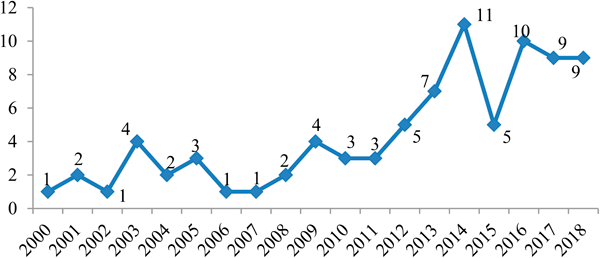
Figure 1 Publication growth trend in the field of FFH
Author keywords co-occurrence
Key contents of published documents and the kind of areas studied within a specific field are denoted by the keyword (Su and Lee, 2010). The inter-closeness among the keywords is demonstrated by its co-occurrence (Van Eck and Waltman, 2017). As per the suggestions of Hosseini, et al. (2018), this study used “Author Keywords” and “Fractional Counting” in the analysis of VOSViewer. The minimum number of keyword occurrences was set as 2 Out of 248 total keywords, 54 met the threshold. Among them, common terms such as “construction”, “construction industry”, “fall from height”, “construction/occupational safety”, “injury”, etc. were removed. Some other keywords with the same semantic meaning such as “falls” and “fall” were combined and finally, 20 keywords were selected, as displayed in Figure 2.
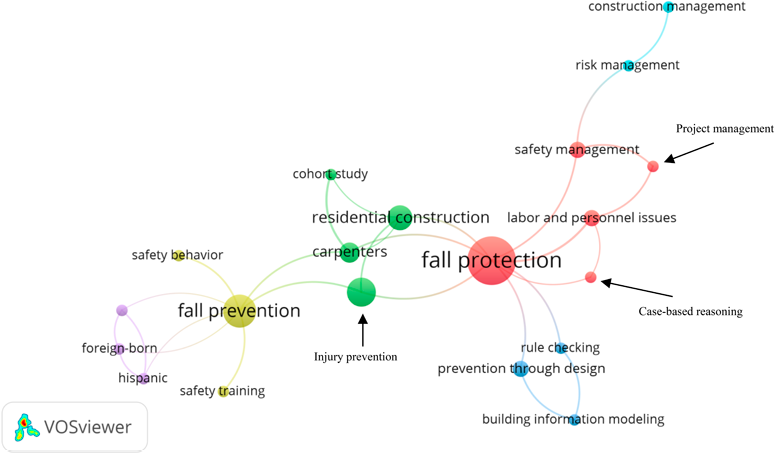
Figure 2 Keywords co-occurrence in FFH research.
In Figure 2, the connection lines show the relationship between a pair of keywords. For example, carpenters are closely related to residential construction which covers the studies focused on challenges faced by carpenters in residential fall prevention (Lipscomb, et al., 2008). The nodes colour divides the keywords into several clusters in Figure 2. Keywords within the same cluster have internal relationships. For example, safety behaviour is repeatedly co-studied with safety training for fall prevention in the same articles. Figure 2 represents the inter-relatedness among them. For example, fall protection is found to have close relationships with case-based reasoning and labour and personnel issues. The sizes of font indicate the keyword frequency that was used in the selected literature sample. It is seen that terms such as “fall protection”, “injury prevention”, “residential construction”, and “fall prevention” were often used in earlier research in the domain of FFH research.
The influential keywords used by researchers in the FFH articles are listed in Table 1 according to their Average Citations. Rule checking, BIM, and PtD are the keywords that have received more attention among the FFH research community according to their average citations. Commonly, the mainstream research keywords with FFH research can be categorized in terms of hazard recognition and risk management, safety management and computing and information technologies (CIT).
Data analytics are being widely used in FFH research, specifically identifying factors contributing to fatal and non-fatal FFH incidents (Cakan, Kazan and Usmen, 2014; Chi, Lin and Sari, 2014; Lin, Chen and Wang, 2011; Wong, et al., 2009), cost incurred in FFH (Cakan, Kazan and Usmen, 2014), injury pattern of fatal FFH (Schoenfisch, et al., 2014). Algorithms are also being used in monitoring and controlling fall hazards (Navon and Kolton, 2006; Navon, 2005). Statistical models have been used in safety risk management, including predicting safety risk of working at height (Nguyen, Chan and Chandrawinata, 2016) and comparing risk factors for FFH (Sa, Seo and Choi, 2016).
Training and education are the main components of safety management systems. Human factors are believed to be one of the major reasons to cause management failures (Kurien, et al., 2018). Several studies such as Evanoff, et al. (2012); Goh and Goh, (2016); Kaskutas, et al. (2013); Kaskutas, et al. (2010); Rivara and Thompson, (2000) introduced and evaluated the effectiveness of site safety programs and training module addressing hazard recognition and human factors.
CIT (e.g., BIM, Virtual reality and Artificial Intelligence) is playing a vital role in FFH research, specifically identifying fall hazards (Zhang, et al., 2013), inspections on fall prevention measures (Fang, et al., 2018a), fall detection (Yang, et al., 2016), safety harness detection (Fang, et al., 2018b) and measuring workers’ feelings (Jokkaw, Suteecharuwat and Weerawetwat, 2017). Ontology is linked with CIT to support fall protection by developing knowledge-based safety systems (Guo and Goh, 2017; Goh and Guo, 2018).
Network of journal sources
The sources of selected articles were summarized here. In VOSViewer, a minimum number of articles and minimum citations were set at 2 and 15 respectively. Thus 10 out of 30 sources met the threshold. Journal source clusters and their inter-relatedness are displayed in Figure 3. Note that the names of journals that are not fully displayed in VOSViewer can be found in Table 2. Node and font sizes in VOSViewer digitally indicate the number of documents from the specific journals, with large sizes of nodes and font representing a large number of publications. In Figure 3, it is seen that the most influential journals in terms of a large number of publications are Automation in Construction and Journal of Construction Engineering and Management (JCEM), followed by Journal of Safety Research and American Journal of Industrial Medicine. The connection lines and colours represent the closeness among journals that are cited with each other documents. For example, Automation in Construction, JCEM, and Journal of Safety Research have mutual citations.
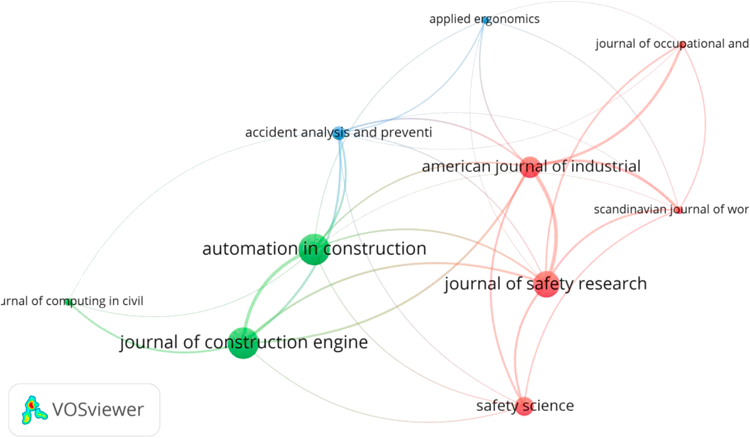
Figure 3 Visualization of influential journals in FFH domain.
Quantitative measurement of the influence of journals publishing FFH is listed in Table 2 according to their Average Citations. It is seen that Applied Ergonomics is the most productive journal in FFH in terms of average citations followed by Automation in Construction and JCEM. In terms of total citations and number of publications, JCEM and Automation in Construction are influential journals in the FFH research community. There are also other journals such as the Journal of Occupational and Environmental Medicine, Journal of Safety Research that show the most influential in terms of research significance by receiving the highest average citations.
Regions active in FFH research
In VOSViewer, the regions contributed to FFH research were identified and evaluated. The minimum number of articles and citations of regions was set at 2 and 20 respectively. A total of 9 regions met the threshold, out of 21 nations. The findings of the region’s activity in FFH research are visualized in Figure 4 and listed in Table 3. The node sizes indicate the number of articles that regions contributing to the FFH research community. It is seen in Figure 4 that the U.S. is the most influential region contributing to FFH research followed by South Korea, Taiwan, and Israel. The connection lines indicate the mutual citations of research among different regions.
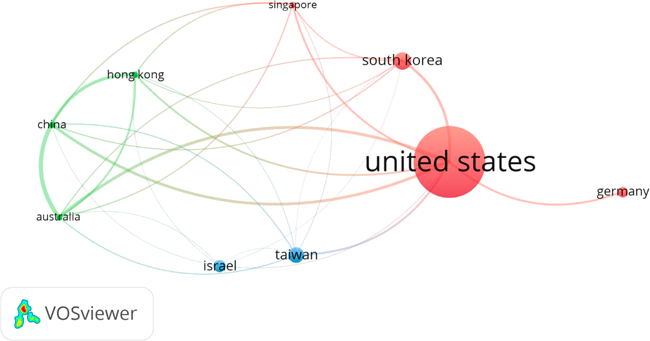
Figure 4 Visualization of regions active in FFH research
In Table 3, quantitative measurements of influential regions in FFH research are given. In terms of total publications and citations, researchers from the United States rank the top followed by South Korea. It is seen that South Korea and Israel are the highest productive regions in terms of average citations, although with fewer articles. A developing country such as South Korea, although not having as many publications as the United States, but in terms of the average citations it ranks the top. There are also other regions such as Australia, Singapore, Germany, China and Hong Kong that show the most influential in terms of research significance by receiving the highest average citations.
Discussions
Following on the scientometric measurements of sources, keywords, and countries active in the domain of FFH research, an in-depth qualitative analysis was carried out to summarize the mainstream research topics within the FFH community, which recognizes current research gaps/limitations and suggests future directions.
Existing studies in FFH domain
The long-lasting research topic in the domain of FFH is the identification of hazards and assessment of risks. There have been several studies conducted to identify root causes and factors that influence FFH. Multiple recent studies by Dong, Wang and Daw. (2012); Kang, et al. (2017); Wong, et al. (2009) and Lin, Chen and Wang (2011) analysed national data to examine fatal fall patterns in the U.S, Taiwan, and Hong Kong construction industry. Chi, Lin and Sari (2014) applied a fault tree analysis to illustrate the relationship between events and causes that lead to falls at workplaces of construction. Similarly, Mistikoglu, et al. (2015) constructed decision trees to analyse roofer fall accidents in construction using OSHA data. Recently, Dong, et al. (2017) and Kang (2018) used data from OSHA Integrated Management Information System (IMIS) and Construction FACE Database (CFD) to investigate fall protection used in the US construction industry. These studies indicated that there is a strong correlation between the height of fall and fall protection use. Likewise, Fredericks, et al. (2005) collected data from U.S BLS online database to determine the tasks associated with the current fatality/injury trends in the roofing industry. Also, several studies used statistical approaches to examine the reasons or factors which influence the FFH incidents at construction workplace in terms of relationships, rates and proportions such as workplace environment (Chan, et al., 2008), task and activity performed (Bobick, 2005; Cakan, Kazan and Usmen, 2014; Hsiao and Simeonov, 2001; Kaskutas, et al., 2010; Kines, 2002; Schoenfisch, et al., 2014), individual characteristics (Gauchard, et al., 2001; Hu, et al., 2011; Huang and Hinze, 2003), environmental conditions (Peng, et al., 2014), surfaces and platforms (Wong, et al., 2009; Lombardi, et al., 2011), and organizational characteristics (Adam, Pallares and Calderon, 2009; Chi, Chang and Ting, 2005; Huang and Hinze, 2003; Moore and Wagner, 2014; Wong, et al., 2009). These factors are correlated with each other, such as the experience of worker and their skills have an impact on individual status and organization policy affects shift work timing and training courses (Kines, 2002). In a more recent study, a Human Factor Analysis and Classification System (HFACS) has been introduced by Wong, et al. (2016) to help in the classification of the root causes of fatal falls in the construction industry of Hong Kong. Studies by Adam, Pallarés and Calderón, (2009) and Sa, Seo and Choi (2016) evaluated and analysed the risk of fall from height. Recently, the safety risk of working at heights in building construction was predicted by (Nguyen, Chan and Chandrawinata, 2016) using a Bayesian network (BN) model.
The workers’ health and safety at workplaces in construction were mainly focused when applying CITs. For example, Kurien, et al. (2018) developed a system for capturing the human body’s geometry and joint changes with the aim of eliminating the fall risks faced by construction workers; Jokkaw, Suteecharuwat and Weerawetwat (2017) measured construction workers feeling through VE for designing the guardrails by considering guardrails cost and workers feelings in high rise building projects; Yang, et al. (2017) proposed a gait abnormalities measurement approach based on Wearable Inertial Measurement Unit (WIMU) to identify physical fall hazards in a construction environment; Yang, et al. (2016) developed a method to automatically detect near-miss fall based WIMU approach; Jebelli, Ahn and Stentz (2016) analysed workers’ fall risks in stationary-postures using two IMU-based metrics such as velocity of the bodily centre of the pressure (COPv) and the resultant accelerometer (rAcc). Multiple studies have been focused on workers characteristics such as demography including age, gender, weight or immigration workers (Gauchard, et al., 2001), experience Dong et al., 2014; Hu, et al., 2011), education (Huang and Hinze, 2003) and attitude (Dzeng, Fang and Chen, 2014). The variation causes in workers’ safety perception, safety attitudes, behaviour and performance have been related to the dimensions within safety climate such as management methods (Chi, Chang and Ting, 2005; Huang and Hinze, 2003), co-workers attitude and safety awareness (Wong, et al., 2009) and size of the company (Kines, 2002).
Design for safety (DfS) is one of the suggestions initiated in recent FFH study. Due to environmental benefits, rooftop vegetation is becoming more popular in the U.S. Behm, (2012) created design suggestions for better fall prevention measures, and unique building hazards associated with vegetated roofs. In other study, Çeçen, Sertye and Jgj (2013) developed a set of design criteria to develop a Fall Protection System for High-rise Construction (FPSFHC). Adopting CITs in the construction industry has been increasing day by day. Building Information Modelling (BIM) has displayed its significant role in current studies of FFH, such as identification and elimination of fall-related hazards (Zhang, et al., 2015) and application of automated rule checking to BIM for detecting the fall-related hazards (Melzner, et al., 2013; Wang, Zhang and Teizer, 2015; Zhang, et al., 2013) during design stage of construction project. Besides BIM, a computer vision-based approach has shown its influence in detecting the safety harness (Fang, et al., 2018a) and aiding safety inspection on fall prevention measures (Fang, et al., 2018b). Other models such as algorithms, 3D games, ontology web systems, and virtual prototyping have been used in FFH research for better safety performance. For example, Navon and Kolton, (2006 and 2007) developed an algorithm for monitoring and controlling fall hazards aiming to improve performance of safety during the construction phase of building projects; Dzeng, Fang and Chen (2014) designed an algorithm to assess how well a smartphone can detect falls and portents in the construction scenario; Guo and Goh (2017) developed an ontology for the design of active fall protection system (AFPS) which attempts to facilitate sharing and reusing of knowledge among professional engineers; Goh and Guo (2018) developed a knowledge-based FPSWizard system to facilitate knowledge among users to support the design of AFPS; Lin, et al. (2018) used 3D visualization to train workers’ on fall-related protection and proved that training through 3D materials can overcome some of the communication barriers, and facilitate learning processes; Zuluaga and Albert (2018) and Zuluaga, Albert and Arroyo (2018) proposed a cost-effective and safe approach to assess and select compatible Fall Protection Supplementary Devices (FPSDs) using virtual prototyping methods for protecting bridge maintenance workers from falls. Considering workers’ safety during the pre-construction stages of a project will prevent workers to fall at construction workplaces (Qi, et al., 2014).
Abudayyeh, et al. (2006) indicates that safety performance and management commitment are significantly correlated. Participation in safety management programs should not be restricted only to contractors but also to other stakeholders (Huang and Hinze, 2003). Multiple studies conducted a comprehensive needs assessment to identify limitations in current apprenticeship fall prevention training for carpenters’ (Evanoff, et al., 2012 and 2016; Kaskutas, et al., 2013 and 2010) and roofing subcontractors (Hung, et al., 2013) to recognize training needs that resulted in improving knowledge safety, worksite behaviours, safety climate, and risks perceptions. For Latino construction workers’, Menzel and Shrestha (2012) used a social marketing approach to plan a fall prevention program aiming at increasing the fall prevention behaviour. Rivara and Thompson (2000) evaluated the efficiency of a fall prevention program using the electronic database. Similar studies targeted foremen’s intervention to increase the level of safety communication and hazard recognition at residential construction workplaces (Evanoff, et al., 2016). In the U.S, a national safety stand-down to prevent falls was launched in 2012. To examine the reach of the stand-down and to learn lesson from its implementation among construction groups, Bunting, et al. (2017) conducted a study. The result showed that the stand-down positively reached the construction industry and the respondents were actively participated in various activities.
Limitations/gaps in current FFH research
The number of FFH research in the literature sample focused on examining accident statistics which are mostly national databases to recognize the causes and factors influencing falls Dong et al., 2014; Lin, Chen and Wang, 2011; Wong, et al., 2009). Some studies were focused on constructing decision trees using national data for analysing the causal relationship between causes and events that lead to falling at the construction workplace. However, these studies were limited to specific construction trade workers such as roofers’ (Mistikoglu, et al., 2015) and scaffolders’ (Chi, Lin and Sari, 2014). Besides these studies, decision trees could be adopted to other construction trades to explore the efficiency of the methodology. CIT tools are being adopted in the design stage of construction projects in identifying and assessing fall risks (Zhang, et al., 2013 and 2015; Qi, et al., 2014; Wang, Zhang and Teizer, 2015). However, there has been a lack of studies in developing a prototype for the safety knowledge management process and tool to prevent FFH. It is a well-known fact that CIT can assist workers’ safety in the pre-construction phase of construction projects. Before the construction begins, there could be a tool incorporating fall-related safety (e.g. fall hazards, risks level of hazards and controls) of particular construction projects collected through knowledge of experienced practitioners. Therefore, a safety representative is kept updated with fall-related safety and work progress. Knowledge-based ontology could be developed for classifying the working-at-height safety risk based on the types of projects.
There have been several studies of how the internal factors such as demography (Gauchard, et al., 2001), education (Lipscomb, et al., 2008) and experience Dong et al., 2014; Hu, et al., 2011) affect workers’ safety behaviour, safety performance, and safety perception. However, only limited studies have been carried out to answer how the external situations of job sites such as subgroups, lighting, and environmental factors affect workers’ safety performance, safety behaviour, and safety perception. CIT tools are being applied in construction projects to analyse the relationship between workers’ behaviour patterns and the workplace environment. However, these studies are limited to specific trade workers’ such as ironworkers (Yang, et al., 2016) and brick workers’ (Kurien, et al., 2018). Future studies could apply CIT tools to analyse workers’ behaviour patterns with different trades of construction projects such as roofers’ and also diverse activities of a specific trade. Recent studies (Yang, et al., 2016 and 2017) adopted WIMU to assess the construction workers’ gait constancy to identify fall hazards at the sites. However, the data for this current study was collected based on laboratory setup which is likely very different compared to the real-life construction environment. Future studies could investigate subjects performing various roles and behaviour in a quasi-experimental approach to a real-life construction environment. This approach could be used further to develop a real-time fall risk monitoring tool. By using this approach, the postural stability of workers can be easily monitored when sensors connected to a human body. The data collected through these sensors would help to classify workers’ with a higher risk of falling due to different reasons (e.g. exhaustion, unsafe job tasks) and encourage safety managers to take suitable measures to prevent fall accidents (Jebelli, Ahn and Stentz, 2016). Furthermore, CIT tools such as Natural Language Processing (NLP) could be used to analyse cognitive workloads, especially in workers’ safety perception.
Multiple current studies focused on improving workers’ skills through effective safety management programs. However, these studies focused on limited to a specific group of workers such as carpenters (Evanoff, et al., 2012 and 2016; Kaskutas, et al., 2013 and 2010) and project type such as residential construction (Evanoff, et al., 2016). Besides these studies, safety programs could be adopted with different types of construction projects and with different trade workers such as roofers, as roofing is one of the riskiest tasks (Kines, 2002). Exiting fall safety programs could also be tested in different project conditions, different sizes of the organization in different countries’ situations. Agents such as scaffold and ladder are a risky task for construction workers which may cause FFH and result in deaths (Wong, et al., 2009). However, there have been insufficient studies in adopting safety management programs to workers who are associated with these agents. Construction is a dynamic, complex system that often makes difficult for the sites to successfully implement formal safety training program (Hung, et al., 2013). In this case, further research should examine how informal safety training programs can be implemented at construction sites that could enhance workers’ skills to prevent them when working-at-heights. Compared to conventional safety programs, learning through a virtual environment could assist workers in better understanding and communication (Kassem, Benomran and Teizer, 2017).
Some researchers created design platforms for better work-at-height safety practices. However, these studies are limited to certain boundaries. For example, Behm (2012) developed a set of design criteria for safe access to workers’ associated with vegetated roofs that targeted green building concept; Zuluaga and Albert (2018) and Zuluaga, Albert and Arroyo (2018) proposed a cost-effective approach to assess and select compatible FPSDs that targeted bridge maintenance work. Hence, a lot of design criteria have to be developed for different trade works and different construction projects as it is strongly believed by many authors that DfS has major impacts in preventing accidents at construction workplaces. Studies applying CIT such as BIM in FFH have mainly focused on hazard identification in residential projects (Melzner, et al., 2013; Zhang, et al., 2013, 2015; Qi, et al., 2014; Wang, Zhang and Teizer, 2015). As there are multiple different projects, such as commercial, industrial and institutional, more CIT-based platforms could be prolonged to integrate these main projects. Although other CIT tools such as sensor-based technology, radio frequency identification (RFID) and GIS/GPS were used in the construction industry for enhancing safety management, only limited studies have been applied in FFH-related research. However, applications of these technologies should not be limited to academic research, should also focus on technology evolution from research into real-life projects. Researchers should also take care of regulations, laws, and rules while adopting these advanced technologies for fall safety. A step forward, the established AFPS ontology (Goh and Guo, 2018; Guo and Goh, 2017) could be further developed for passive fall protection systems (PFPS). Ontology expert systems such as Bayesian network-based or rule-based could be developed to assist safety experts to manage hazards in an effective manner (Guo and Goh, 2017). The integration of multiple CIT tools (e.g., BIM, Game engine, VR) for fall safety in the construction project lifecycle needs to be further studied (Jin, Yuan and Chen, 2019).
Conclusions and future directions
This review-based study in FFH research adopted a science mapping approach composed of bibliometric search and scientometric assessment, and through qualitative discussion to review 83 journal documents published between 2000 and 2018 in the FFH research community. It was found that FFH has received much attention among researchers, especially since 2011. More publications can be expected in the domain of FFH research in the following years. The scientometric analysis revealed the following findings:
- Productive journals in the domain of FFH research were identified to be Automation in Construction, JCEM, and Journal of Safety Research.
- Authors’ keywords within the FFH domain revealed mainstream topics including fall protection, fall prevention, residential construction, and injury prevention. It was found that recent studies paid more attention to applying CIT tools especially BIM in FFH research. Other relevant keywords PtD, Rule checking, and Case-based reasoning had become more popular within the FFH research community.
- Influential journals, authors’ keywords, and countries were clustered and analysed by applying the same quantitative measurements (e.g., Average Citation). BIM and Rule checking were discovered to be the top keywords receiving an average citation, suggesting that the FFH research community had paid more attention to digital technologies in fall safety planning and monitoring. PtD is another productive keyword, meaning that safety in design is a continuing highly studied subject.
- Also, U.S., Taiwan, and South Korea were found with significant contributions to the domain of FFH research. The scholars from the U.S. have the highest number of documents and received total citations, but scholars from South Korea, Germany and Israel played more productive roles in the FFH community by receiving average citations.
A qualitative measurement was conducted to summarize the mainstream subjects in FFH studies and identify current research limitations/gaps and recommend future study direction. Current gaps from FFH studies include Hazard recognition and risk mitigation, workers’ safety issues, CIT in FFH research and safety management program. The directions of future research for FFH research are recommended as shown below:
- Based on project types, knowledge-based ontologies could be developed for classifying work-at-height safety risks.
- Adopting CIT tools such as NLP to analyse the relationship between workers’ cognition patterns and workplace environments.
- Monitoring the postural stability of workers by attaching sensors to their body through which safety mangers could take possible actions to prevent fall accidents.
- Identification of how external factors such as lighting, heat stress, structural instability and workgroups affect the workers’ safety perception, behaviour, and performance.
- Safe design criteria must be developed for different trade works and different construction projects for providing safe access to workers.
- Adopting and evaluating the current fall safety programs in different organizations or countries or any other contexts.
- Examining how to incorporate informal safety training programs at construction sites that could improve the abilities of workers to protect them from fall risks.
- Developing fall safety programs to the workers associated with agents such as ladder and scaffold using CIT such as VR.
The recommended future directions from this review-based study could contribute to the FFH research community on safety improvement by applying CITs in safety management for continuous improvement and developing prototypes, enhancing behaviour analysis, designing fall safety courses, developing design criteria, and establishing engineering controls. The current study was restricted to the literature sample. Journal articles, firstly, published only in Scopus were included. Other sources of articles such as conference proceedings and industrial magazines were not included. Secondly, articles published only in the English language were included. The latest articles published in other languages were potentially excluded. The approach used in this present study could be adopted in other areas of studies aiming at various safety management risks in construction. This could have a major impact on the speed and efficacy of study evaluations and the implementation of interventions.
References
Abudayyeh, O., Fredericks, T.K., Butt, S.E. and Shaar, A., 2006. An investigation of management’s commitment to construction safety. International Journal of Occupational Safety and Ergonomics, 24, pp.167–74. doi: 10.1016/j.ijproman.2005.07.005.
Adam, J.M., Pallarés, F.J. and Calderón, P.A., 2009. Falls from height during the floor slab formwork of buildings : Current situation in Spain. Journal of Safety Research, 40(4), pp.293–99. doi: 10.1016/j.jsr.2009.07.003.
Aghaei, C.A., Salehi, H., Yunus, M., Farhadi, H., Fooladi, M. and Farhadi, M., 2017. A Comparison between Two Main Academic Literature Collections : Web of Science and Scopus Databases. Asian Social Science, 9(5), pp.18–26. doi: 10.5539/ass.v9n5p18.
Behm, M., 2012. Safe Design Suggestions for Vegetated Roofs. Journal of Construction Engineering and Management, pp.999–1003. doi: 10.1061/(ASCE)CO.1943-7862.0000500.
BLS., 2016. Employer-Reported Workplace Injuries and Illnesses – 2015[online] Available at: https://www.bls.gov/news.release/archives/osh_10272016.pdf .
Bobick, T.G., 2005. Falls through Roof and Floor Openings and Surfaces , Including Skylights : 1992 – 2000. Journal of Construction Engineering and Management, 130(6), pp.895–907.
Bunting, J., Branche, C., Trahan, C. and Golderhar, L., 2017. A national safety stand-down to reduce construction worker falls. Journal of Safety Research, 60, pp.103–11. doi: 10.1016/j.jsr.2016.12.005.
Butler, L. and Visser, S.M., 2006. Extending citation analysis to non-source items. Scientometrics, 66(2), pp.327–43.
Cakan, H., Kazan, E. and Usmen, M., 2014. Investigation of Factors Contributing to Fatal and Nonfatal Roofer Fall Accidents. International Journal of Construction Education and Research, 10(04), pp.300–17. doi: 10.1080/15578771.2013.868843.
Çeçen, H., Sertye, B. and Jgj, G.,(2013. A Fall Protection System for High-Rise Construction. Journal of Engineering, 2013, pp.1–5. doi: 10.1155/2013/239746.
Chan, A.P.C., Wong, F.K.W., Chan, D.W.M., Yam, M.C.H. and Cheung, E., 2008. Work at Height Fatalities in the Repair, Maintenance, Alteration, and Addition Works. Journal of Construction Engineering and Management, 134(7), pp.527–35.
Chi, C., Chang, T. and Ting, H., 2005. Accident patterns and prevention measures for fatal occupational falls in the construction industry, Applied Ergonomics, 36(4), pp.391–400. doi: 10.1016/j.apergo.2004.09.011.
Chi, C., Lin, S. and Sari, R. (2014) ‘Graphical fault tree analysis for fatal falls in the construction industry’, Accident Analysis and Prevention, 2, pp. 359–369. doi: 10.1016/j.aap.2014.07.019.
Dong, X.S., Wang, X., Largay, J., Platner, J.W., Stafford, E., Cain, C.T. and Choi, S.D., 2014. Fatal falls in the U.S. residential construction industry. American Journal of Industrial Medicine, 57(9), pp.992–1000.
Dong, X.S., Largay, J.A., Choi, S.D., Wang, X., Trahan, C. and Romano, N., 2017. Fatal falls and PFAS use in the construction industry : Findings from the NIOSH FACE reports. Accident Analysis and Prevention, 102, pp.136–43. doi: 10.1016/j.aap.2017.02.028.
Dong, X.S., Wang, X. and Daw, C., 2012. Fatal Falls Among Older Construction Workers. Human Factors, 54(3), pp.303–15. doi: 10.1177/0018720811410057.
Dzeng, R., Fang, Y. and Chen, I., 2014. A feasibility study of using smartphone built-in accelerometers to detect fall portents. Automation in Construction, 38, pp.74–86. doi: 10.1016/j.autcon.2013.11.004.
Evanoff, B., Kaskutas, V., Marie, A., Gaal, J., Fuchs, M. and Lipscomb, H., 2012. Outcomes of a revised apprentice carpenter fall prevention training curriculum. Work, 41, pp.3806–08. doi: 10.3233/WOR-2012-0681-3806.
Evanoff, B., Marie, A., Zeringue, A., Fuchs, M., Gaal, J., Lipscomb, H. J. and Kaskutas, V., 2016. Results of a fall prevention educational intervention for residential construction. Safety Science, 89, pp.301–07. doi: 10.1016/j.ssci.2016.06.019.
Fang, Q., Li, H., Luo, X., Ding, L., Luo, H. and Li, C., 2018a. Computer vision aided inspection on falling prevention measures for steeplejacks in an aerial environment. Automation in Construction, 93, pp.148–64. doi: 10.1016/j.autcon.2018.05.022.
Fang, W., Ding, L., Luo, H. and Love, P.E.D., 2018b. Falls from heights : A computer vision-based approach for safety harness detection. Automation in Construction, 91, pp.53–61. doi: 10.1016/j.autcon.2018.02.018.
Fredericks, K.T., Abudayyeh, O., Choi, S.D., Wiersma, M. and Charles, M., 2005. Occupational Injuries and Fatalities in the Roofing Contracting Industry. Journal of Construction Engineering and Management, 131(11), pp.1233–40. doi: 10.1061/(ASCE)0733-9364(2005)131.
Gauchard, G., Chau, N., Mur, J. M. and Perrin, P., 2001. Falls and working individuals : role of extrinsic and intrinsic factors. Ergonomics, 44(14), pp.1330–39. doi: 10.1080/0014013011008479.
Goh, Y.M. and Goh, W.M., 2016. Investigating the effectiveness of fall prevention plan and success factors for program-based safety interventions. Safety Science, 87, pp.186–94. doi: 10.1016/j.ssci.2016.04.007.
Goh, Y.M. and Guo, B.H.W., 2018. FPSWizard: A web-based CBR-RBR system for supporting the design of active fall protection systems. Automation in Construction, 85, pp.40–50. doi: 10.1016/j.autcon.2017.09.020.
Guo, B.H.W. and Goh, Y.M., 2017. Ontology for design of active fall protection systems. Automation in Construction, 82, pp.138–53. doi: 10.1016/j.autcon.2017.02.009.
He, Q., Wang, G., Luo, L., Shi, Q., Xie, J. and Meng, X., 2017. Mapping the managerial areas of Building Information Modeling ( BIM ) using scientometric analysis. International Journal of Project Management, 35(4), pp.670–85. doi: 10.1016/j.ijproman.2016.08.001.
Hosseini, M.R., Martek, I., Zavadskas, E.K., Arashpour, M., Chileshe, N. and Aibinu, A.A., 2018. Critical evaluation of o ff -site construction research : A Scientometric analysis. Automation in Construction, 87, pp.235–47. doi: 10.1016/j.autcon.2017.12.002.
HSE, 2018. Summary statistics for Great Britain 2018 [online] Available at: https://www.hse.gov.uk/statistics/overall/hssh1718.pdf
Hsiao, H. and Simeonov, P., 2001. Preventing falls from roofs : a critical review. Ergonomics, 44(5), pp.537–61. doi: 10.1080/00140130110034480.
Hu, K., Rahmandad, H., Smith‐Jackson, T. and Winchester, W., 2011. Factors influencing the risk of falls in the construction industry : a review of the evidence. Construction Management and Economics, 29, pp.397–416. doi: 10.1080/01446193.2011.558104.
Huang, X. and Hinze, J., 2003. Analysis of Construction Worker Fall Accidents. Journal of Construction Engineering and Management, 129, pp.262–71. doi: 10.1061/(ASCE)0733-9364(2003)129:3(262)
Hung, Y., Winchester, W.W., Smith-Jackson, T.L., Kleiner, B.M., Babski-Reeves, K.L. and Mills, T.H., 2013. Identifying fall-protection training needs for residential roofing subcontractors. Applied Ergonomics, 44, pp.372–80. doi: 10.1016/j.apergo.2012.09.007.
Jebelli, H., Ahn, C.R. and Stentz, T.L., 2016. Fall risk analysis of construction workers using inertial measurement units: Validating the usefulness of the postural stability metrics in construction. Safety Science, 84, pp.161–70. doi: 10.1016/j.ssci.2015.12.012.
Jin, R., Yuan, H. and Chen, Q., 2019a. A science mapping approach based review of construction safety research. Safety Science, 113, pp.285–97. doi: 10.1016/j.ssci.2018.12.006.
Jin, R., Yuan, H. and Chen, Q., 2019b. Science mapping approach to assisting the review of construction and demolition waste management research published between 2009 and 2018. Resources, Conservation & Recycling. 140, pp.175–88. doi: 10.1016/j.resconrec.2018.09.029.
Jokkaw, N., Suteecharuwat, P. and Weerawetwat, P., 2017. Measurement of Construction Workers’ Feeling by Virtual Environment (VE) Technology for Guardrail Design in High-Rise Building Construction Projects. Engineering Journal, 21(5), pp.161–77. doi: 10.4186/ej.2017.21.5.161.
Kang, Y., 2018. Use of Fall Protection in the US Construction Industry. Journal of Management in Engineering, 34(6), pp.1–10. doi: 10.1061/(ASCE)ME.1943-5479.0000655.
Kang, Y., Siddiqui, S., Suk, S. J., Chi, S., & Kim, C. (2017). Trends of Fall Accidents in the U.S. Construction Industry. Journal of Construction Engineering and Management, 143(8), pp. 1–7. doi: 10.1061/(ASCE)CO.1943-7862.0001332.
Kaskutas, V., Marie, A., Lipscomb, H., Gaal, J., Fuchs, M. and Evanoff, B., 2010. Changes in fall prevention training for apprentice carpenters based on a comprehensive needs assessment. Journal of Safety Research, 41(3), pp.221–27. doi: 10.1016/j.jsr.2010.01.006.
Kaskutas, V., Dale, A-M., Lipscomb, H. and Evanoff, B., 2013. Fall prevention and safety communication training for foremen : Report of a pilot project designed to improve residential construction safety. Journal of Safety Research, 44, pp.111–18. doi: 10.1016/j.jsr.2012.08.020.
Kassem, M., Benomran, L. and Teizer, J., 2017. Virtual environments for safety learning in construction and engineering : seeking evidence and identifying gaps for future research. Visualization in Engineering, pp.1–15. doi: 10.1186/s40327-017-0054-1.
Kines, P., 2002. Construction workers’ falls through roofs: Fatal versus serious injuries. Journal of Safety Research, 33, pp.195–208.
Kurien, M., Kim, M., Kopsida, M. and Brilakis, I., 2018. Real-time simulation of construction workers using combined human body and hand tracking for robotic construction worker system. Automation in Construction, 86, pp.125–37. doi: 10.1016/j.autcon.2017.11.005.
Lin, K., Lee, W., Azari, R. and Migliaccio, G.C., 2018. Training of Low-Literacy and Low-English-Proficiency Hispanic Workers on Construction Fall Fatality. Journal of Management in Engineering, 34(2), pp.1–13. doi: 10.1061/(ASCE)ME.1943-5479.0000573.
Lin, Y., Chen, C. and Wang, T., 2011. Fatal occupational falls in the Taiwan construction industry. Journal of the Chinese Institute of Industrial Engineers, 28(8), pp.586–96. doi: 10.1080/10170669.2011.647099.
Lipscomb, H.J., Dale, A-M., Kaskutas, V., Sherman-voellinger, R. and Evanoff, B.A., 2008. Challenges in residential fall prevention : insight from apprentice carpenters. American Journal of Industrial Medicine, 51, pp.60–68. doi: 10.1002/ajim.20544.
Lombardi, D., Smith, G., Courtney, T.K., Brennan, M., Kim, J. and Perry, M., 2011. Work-related falls from ladders - a follow-back study of US emergency department cases. Scandinavian Journal of Work, Environment and Health, 37(6), pp.525–32. doi: 10.5271/sjweh.3174.
Markoulli, M.P., Lee, C.I.S.G., Byington, E. and Felps, W.A., 2017. Human Resource Management Review Mapping Human Resource Management : Reviewing the field and charting future directions. Human Resource Management Review, 27, pp.367–96. doi: 10.1016/j.hrmr.2016.10.001.
Melzner, J., Zhang, S., Teizer, J. and Bargstädt, H., 2013. A case study on automated safety compliance checking to assist fall protection design and planning in building information models. Construction Management and Economics, 31(6), pp.661–74. doi: 10.1080/01446193.2013.780662.
Menzel, N.N. and Shrestha, P.P., 2012. Social Marketing to Plan a Fall Prevention Program for Latino Construction Workers. American Journal of Industrial Medicine, 55, pp.729–35. doi: 10.1002/ajim.22038.
Mistikoglu, G., Gerek, I.H., Erdis, E., Usmen, P.E.M., Cakan, H. and Kazan, E.E., 2015. Decision tree analysis of construction fall accidents involving roofers. Expert Systems With Applications,42, pp.2256–63. doi: 10.1016/j.eswa.2014.10.009.
Moore, J.R. and Wagner, J.P., 2014. Fatal events in residential roofing. Safety Science, 70, pp.262–69. doi: https://doi.org/10.1016/j.ssci.2014.06.013.
Nadhim, E.A., Hon, C., Xia, B., Stewart, I. and Fang, D., 2016. Falls from Height in the Construction Industry : A Critical Review of the Scientific Literature. International Journal of Environmental Research and Public Health, 13(638), pp.1–20. doi: 10.3390/ijerph13070638.
Navon, R., 2005. Automated project performance control of construction projects. Automation in Construction, 14(4), pp.467–76. doi: 10.1016/j.autcon.2004.09.006.
Navon, R. and Kolton, O., 2006. Model for Automated Monitoring of Fall Hazards. Journal of Construction Engineering and Management, 132(7), pp.733–40.
Navon, R. and Kolton, O., 2007. Algorithms for Automated Monitoring and Control of Fall Hazards. Journal of Computing in Civil Engineering, 21(1), pp.21–28.
Nguyen, L.D., Tran, D.Q. and Chandrawinata, M.P., 2016. Predicting Safety Risk of Working at Heights Using Bayesian Networks. Journal of Construction Engineering and Management, 142(9), pp.1–11. doi: 10.1061/(ASCE)CO.1943-7862.0001154.
Peng, T., Lee, C., Lin, J.C., Shun, C.T., Shaw, K-P and Weng, T.I., 2014. Fatal Falls from Height in Taiwan. Journal of Forensic Sciences, 59(4), pp.978–82. doi: 10.1111/1556-4029.12445.
Qi, J., Issa, R.R.A., Olbina, S. and Hinze, J., 2014. Use of Building Information Modeling in Design to Prevent Construction Worker Falls. Journal of Computing in Civil Engineering, 28(5), pp.1–10. doi: 10.1061/(ASCE)CP.1943-5487.0000365.
Rivara, F.P. and Thompson, D.C., 2000. Prevention of Falls in the Construction Industry Evidence for Program Effectiveness. American Journal of Preventive Medicine, 18, pp.23–26.
Sa, J., Seo, D. and Choi, S.D., 2016. Comparison of risk factors for falls from height between commercial and residential roofers. Journal of Safety Research, 40(1), pp.1–6. doi: 10.1016/j.jsr.2008.10.010.
Schoenfisch, A., Lipscomb, H., Cameron, W., Adams, D. and Silverstein, B., 2014. Rates of and circumstances surrounding work-related falls from height among union drywall carpenters in Washington State, 1989-2008. Journal of Safety Research, 51, pp.117–24. doi: 10.1016/j.jsr.2014.09.007.
Song, J., Zhang, H. and Dong, W., 2016. A review of emerging trends in global PPP research : analysis and visualization. Scientometrics, 107, pp.1111–47. doi: 10.1007/s11192-016-1918-1.
Su, H. and Lee, P., 2010. Mapping knowledge structure by keyword co-occurrence: a first look at journal papers in Technology Foresight. Scientometrics, 85, pp.65–79. doi: 10.1007/s11192-010-0259-8.
Van Eck, N.J. and Waltman, L., 2010. Software survey : VOSviewer , a computer program for bibliometric mapping. Scientometrics, 84, pp.523–38. doi: 10.1007/s11192-009-0146-3.
Van Eck, N.J. and Waltman, L., 2017. VOSviewer Manual in Manual for VOSviewer version 1.6.6. [online] Available at: https://www.vosviewer.com/documentation/Manual_VOSviewer_1.6.6.pdf.
Wang, J., Zhang, S. and Teizer, J., 2015. Geotechnical and safety protective equipment planning using range point cloud data and rule checking in building information modeling. Automation in Construction, 49, pp.250-61. doi: 10.1016/j.autcon.2014.09.002.
Win, K.N., Trivedi, A. and Lai, A.S.C., 2018. Workplace fatalities in Brunei Darussalam. Industrial Health, 56(6), pp.566–71. doi: 10.2486/indhealth.2018-0053.
Wong, F.K.W., Chan, A.P.C., Yam, M.C.H., Wong, E.Y.S., Tse, K.T.C. and Yip, K.K.C., 2009. Findings from a research study of construction safety in Hong Kong Accidents related to fall of person from height. Journal of Engineering, Design and Technology, 7(2), pp.130–42. doi: 10.1108/17260530910974952.
Wong, L., Wang, Y., Law, T. and Lo, C.T., 2016. Association of Root Causes in Fatal Fall-from-Height Construction Accidents in Hong Kong. Journal of Construction Engineering and Management, 142(7), pp.1–12. doi: 10.1061/(ASCE)CO.1943-7862.0001098.
Yang, K., Ahn, C.R., Vuran, M.C. and Aria, S.S., 2016. Semi-supervised near-miss fall detection for ironworkers with a wearable inertial measurement unit. Automation in Construction, 68, pp.194–202. doi: 10.1016/j.autcon.2016.04.007.
Yang, K., Ahn, C.R., Vuran, M.C. and Kim, H., 2017. Collective sensing of workers’ gait patterns to identify fall hazards in construction. Automation in Construction, 82, pp.166-78. doi: 10.1016/j.autcon.2017.04.010.
Zhang, S., Teizer, J., Lee, J., Eastman, C.M. and Venugopal, M., 2013. Building Information Modeling ( BIM ) and Safety: Automatic Safety Checking of Construction Models and Schedules. Automation in Construction, 29, pp.183–95. doi: 10.1016/j.autcon.2012.05.006.
Zhang, S., Sulankivi, K., Kiviniemi, M., Romo, I., Eastman, C.M. and Teizer, J., 2015. BIM-based fall hazard identification and prevention in construction safety planning. Safety Science, 72, pp.31–45. doi: 10.1016/j.ssci.2014.08.001.
Zuluaga, C.M. and Albert, A., 2018. Preventing falls: Choosing compatible Fall Protection Supplementary Devices (FPSD) for bridge maintenance work using virtual prototyping. Safety Science, 108, pp.238-47. doi: 10.1016/j.ssci.2017.08.006.
Zuluaga, C.M., Albert, A. and Arroyo, P., 2018. Protecting Bridge Maintenance Workers from Falls : Evaluation and Selection of Compatible Fall Protection Supplementary Devices. Journal of Construction Engineering and Management, 3, pp.1–12. doi: 10.1061/(ASCE)CO.1943-7862.0001529.