Construction Economics and Building
Vol. 26, No. 3/4
2026
ARTICLES (PEER REVIEWED)
Assessing the Potential of Agri-Waste Coarse Aggregates for Sustainable Concrete Production in Ghana
James Anthony Oppon1,2,*, Emmanuel Adinyira1, Kofi Agyekum1
1 Department of Construction Technology and Management, Kwame Nkrumah University of Science and Technology, Kumasi, Ghana
2 Department of Construction Technology and Management, Cape Coast Technical University, Cape Coast, Ghana
Corresponding author: James Anthony Oppon, james.oppon@cctu.edu.gh
DOI: https://doi.org/10.5130/6wbn8n65
Article History: Received 09/02/2026; Revised 02/06/2026; Accepted 25/06/2026; Published 09/10/2026
Citation: Oppon, J. A., Adinyira, E., Agyekum, K. 2026. Assessing the Potential of Agri-Waste Coarse Aggregates for Sustainable Concrete Production in Ghana. Construction Economics and Building, 26:3/4, 1–26. https://doi.org/10.5130/6wbn8n65
Abstract
The increasing adoption of alternative construction materials is central to advancing sustainability in the construction industry, particularly in developing countries, where agri-waste presents both an environmental challenge and an opportunity as a resource. This study examined the factors influencing the preparedness of construction professionals in Ghana to adopt agricultural-waste coarse aggregates (AWCA) for sustainable concrete production. Specifically, this study assessed professionals’ knowledge and awareness of AWCA and their perceptions and intentions regarding its adoption. A structured questionnaire was administered to construction professionals, yielding 260 valid responses. The data were analysed using descriptive statistics and structural equation modelling (SEM) within the theory of planned behaviour framework. The results indicate that while respondents exhibited moderate awareness of AWCA, their technical understanding of material processing, testing requirements and performance standards was limited. Perceptions towards AWCA were generally cautious, with concerns regarding durability, contamination risks, client acceptance and the lack of local demonstration projects. SEM results showed that both knowledge and perception significantly influenced professionals’ intention to adopt AWCA, with perception emerging as the stronger predictor. This study further identified major barriers to adoption, including the lack of standards, inadequate testing infrastructure, supply-chain challenges and limited policy support. These constraints persist despite the recognised environmental benefits of AWCA. This study concludes that improving AWCA adoption in Ghana requires targeted professional capacity-building initiatives, locally validated demonstration projects and clear regulatory guidelines.
Keywords
Agricultural Waste; Coarse Aggregates; Sustainable Construction; Adoption Intention; Theory of Planned Behaviour
Introduction
Ghana’s construction industry contributes almost 15% of the national gross domestic product and is integral to economic growth, yet imposes significant environmental risks requiring urgent attention (Frimpong et al., 2020). This problem is no different when it comes to embracing sustainable concrete, as the industry primarily relies on traditional concrete manufacturing, a method recognised for its resource-intensive nature and substantial CO2 emissions (Agyekum et al., 2024).
Agricultural waste such as palm kernel and coconut shell has emerged as a promising substitute for conventional aggregates (Sangmesh et al., 2023). Ghana is an agriculturally rich nation that generates substantial quantities of agricultural waste annually due to harvesting and processing, including coconut shells, palm kernel shells, corncobs and other organic matter (Nelson et al., 2021). The potential transformation of these agricultural wastes into construction materials offers dual benefits: addressing waste management challenges while providing sustainable alternatives for the construction industry (Chen et al., 2024). However, despite the apparent advantages and availability of agricultural waste materials, their adoption in Ghana’s construction industry remains limited primarily due to various technical, social and economic barriers that have not been thoroughly investigated from the perspective of construction professionals (Anarfi et al., 2020).
The construction industry has a role to play in achieving these goals (Fei et al., 2021). This study aligns with Sustainable Development Goal (SDG) 12 (responsible consumption), SDG 9 (industry, innovation and infrastructure) and SDG 11 (sustainable cities), as AWCA reduce the industry’s reliance on traditional aggregates, advance construction innovation and contribute to affordable and environmentally responsible housing in Ghana (Goubran, 2019; Fei et al., 2021).
Despite the evident policy relevance of AWCA and the growing technical evidence base for their use, the factors that shape construction professionals’ knowledge, perceptions and adoption intentions in the Ghanaian context have not been systematically examined. Understanding these behavioural and cognitive dimensions is essential, as material adoption in the construction industry ultimately depends not only on technical viability but also on the informed willingness of professionals to specify, supervise and advocate for new materials in practice. This study addresses that gap.
This study specifically aimed to (i) assess the construction professionals’ knowledge and awareness of AWCA, (ii) examine their perception of AWCA adoption in the industry, (iii) analyse the major drivers and barriers of AWCA adoption and (iv) evaluate how knowledge and perception influence professionals’ intention to adopt AWCA.
Literature review
Global and Ghanaian context of adoption of agri-waste coarse aggregates
Globally, agricultural waste integration into concrete has advanced significantly, with Asian countries (such as Malaysia and India) and several European countries demonstrating commercial-scale adoption. Ghana, despite being a leading agricultural nation, is yet to shift focus to AWCA adoption in the construction industry despite several research studies conducted by both academia and industry on this subject (Sangmesh et al., 2023; Oppon et al., 2025). This clearly shows that Ghana can improve the promotion of such alternative materials if the right policy frameworks (PCF), continuous education and the promotion of more case studies are put in place to drive their adoption (Ofori-Kuragu et al., 2016; Soares et al., 2025).
Knowledge and awareness of agri-waste coarse aggregates
In Ghana, some construction professionals may be aware that there are agricultural waste aggregates that can be utilised in construction projects; however, studies have shown that there is no, or very little, knowledge of the implementation of appropriate testing, design, material handling and the utilisation of AWCA (Addy et al., 2024; Soares et al., 2025). Across both developed and developing countries, formal curricula, structured professional training and industry-specific standards for AWCA remain largely absent, leaving practitioners to navigate material specification without adequate institutional support (Addy et al., 2024; Adebowale et al., 2025). Studies have shown that there is little knowledge of appropriate testing procedures, material handling and mix design for AWCA among Ghanaian construction professionals. Within the theory of planned behaviour (TPB) framework, this knowledge deficit directly reduces perceived behavioural control, the key cognitive precursor to adoption intention (Addy et al., 2024; Soares et al., 2025).
Perception of utilising agri-waste coarse aggregates
The perceptions of construction experts regarding AWCA are influenced by complex socio-technical, economic and socio-cultural interdependencies. A common concern highlighted in the literature is uncertainty regarding the structural and durability performance of AWCA in construction. Industry professionals are still sceptical about the structural performance and durability, safety risks, and service life and load-bearing capacity of construction waste substitutes compared with traditional stones (Oppon et al., 2025). Concerns about safety and contamination also have an impact on perceptions. Agricultural residues may contain organic impurities, fine particles or even organic microbial contaminants, all of which may raise concerns about the safety and quality of the concrete, as well as workplace occupational health and safety (Chen et al., 2024). Stakeholders are also concerned about the safety of their equipment. Perception is also influenced by economic arguments. Despite AWCA being advocated based on their potential for cost savings, across several jurisdictions, processing, transportation, grading and even quality control have made the cost savings achieved by AWCA negligible (Chen et al., 2024; Ali et al., 2025). Research has indicated that clients are often reluctant to accept materials identified as waste. The reluctance stems from clients’ feeling that the materials are of inferior quality or from the fear of losing their reputation. This also inhibits professionals from choosing to incorporate AWCA formally into projects (Abdulai et al., 2024). The stigma continues to exist even if the advantage to the environment is recognised.
Drivers for adoption of agri-waste coarse aggregates
Drivers for AWCA adoption include environmental concerns, economic possibilities, technology availability and institutional influences. A primary concern expressed in the literature is the push to minimise the negative impacts of the concrete production cycle on the environment, particularly with the negative effects of ecological destruction from aggregate excavation (Chen et al., 2024). The inclusion of AWCA contributes to the circular economy by recycling agricultural waste into a raw material for the construction industry and by minimising the disposal of construction waste and the reliance on natural aggregates (Islam et al., 2024). Economic factors represent a second primary concern. In situations where agricultural waste is in surplus, AWCA can be an economically beneficial approach, especially in situations where there is a formalised supply chain from agricultural waste processors to concrete producers (Ali et al., 2025). The situation is especially strengthened in Ghana, where there are high levels of production and low levels of use of palm kernel shells, coconut shells and other types of organic waste in the construction sector.
Also acting as catalysts for adoption are institutional and regulatory frameworks. Examples include government mandates and incentives, sustainability requirements and green-building certifications that promote the application of low-carbon construction materials (Fei et al., 2021). Where possible, industry standards and specifications give practitioners extra confidence and assurance that the consistency and safety of AWCA used in a structural application will reduce inherent risks. The use of appropriate equipment also increases adoption by providing improved quality and performance reliability, as well as accurate control and grading (Maraveas, 2020).
Barriers to the adoption of agri-waste coarse aggregates
The use of AWCA faces several hurdles, including the lack of skills regarding the processing, manipulation and use of agricultural waste additives as part of a sludge concrete binder (Shafigh et al., 2021). This results in uneven and varied material performances, and in turn, the practitioners who lack the skills are constrained in their perceived behavioural control, which is necessary for adoption, as hypothesised in the TPB. One of the most notable constraints is the lack of comprehensive and well-defined testing. We establish standards and specifications to enhance stakeholder assurance and simplify material certification (Mahmood et al., 2025). This system should be enhanced. The absence of such systems causes difficulties in the assessment of appreciation and compliance with construction regulations on AWCA, as well as the estimation of resistance and longevity of the use of AWCA. The variability of agricultural waste characteristics and the scarcity of standardised supply chains increase these barriers in Ghana (Boon & Anuga, 2020; Chen et al., 2024).
A pattern was confirmed by recent evidence from the West African context, where Adebowale et al. (2025) identified inadequate expertise, regulatory gaps and supply-chain fragility as the primary constraints on sustainable construction material adoption in developing economies, and Oppon et al. (2025) documented the limited penetration of agri-waste aggregate knowledge into Ghana’s professional practice. Socio-cultural and market-level barriers also exert influence. A persistent negative perception of waste-based materials discourages both clients and practitioners, who may associate such materials with inferior quality or reputational risk (Shooshtarian et al., 2020; Galmarini et al., 2022). In addition to institutional resistance stemming from quarry firms and established supply networks supportive of the ongoing domination of traditional aggregates, there is also opposition from industries that gain from the ongoing use of traditional aggregates (Gupta et al., 2023).
Economic barriers arise from the possible elimination of material expenses due to the negative cost benefits regarding processing, the inclusion of standardised aggregates and quality control, particularly in an undeveloped supply chain (Chen et al., 2024).
Intention to adopt agri-waste coarse aggregates
Concerns over construction professionals’ cognitive evaluations, normative influences and control dimensions in the industry manifest in their intent to use AWCA in their construction activities. The intent to adopt a practice has been well examined in the context of construction (Anokye et al., 2024). In situations where professionals have a low level of technical knowledge or understanding of the processing and performance of AWCA, the intent remains low due to low perceived behavioural control, one of the main constructs of the TPB (Keong & Hirst, 2010).
Research in several developing construction market countries, including Ghana, has shown that intent to adopt is stronger when the perception of an innovation is positive. Understanding the use of the innovation in a construction context, as well as its environmental and economic value, positively influences the intent (Ahinkorah et al., 2023). Conversely, negative perceptions, such as contamination fears, durability concerns or stigma associated with waste-based materials, undermine professionals’ confidence and, in turn, weaken adoption intention (Mohammed et al., 2023).
Research has suggested that professionals can move towards AWCA adoption when regulatory standards and supply-chain infrastructure are clearly established (Godfrey et al., 2012). Project demonstrations, pilot programmes and local performance reports help to minimise perceived risks by improving observability and compatibility, which are significant dimensions of the diffusion of innovations (DoI) theory (Ojedokun et al., 2022). Figure 1, as adopted from Hasbullah et al. (2016), shows the sequence of TPB.
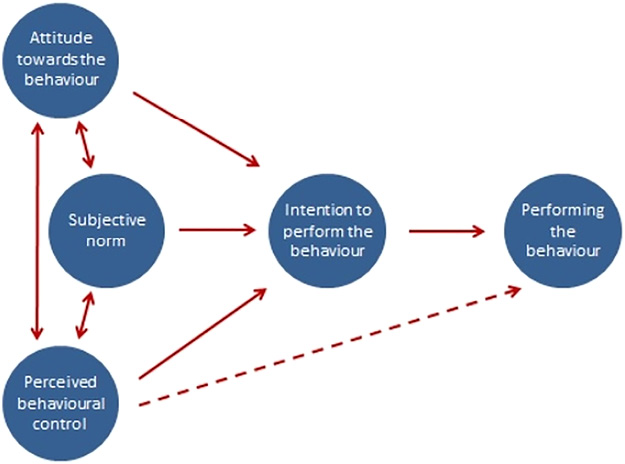
Figure 1. Theory of planned behaviour (Hasbullah et al., 2016).
When the TPB and DoI are used together, they provide a complementary analytical framework: the TPB explains why professionals intend (or fail) to adopt through the cognitive antecedents of attitude, subjective norms and perceived behavioural control; the DoI explains when and how that intention translates into system-level uptake through the innovation attributes of relative advantage, compatibility, observability, trialability and complexity (Bonke & Musshoff, 2020; Jampala & Shivnani, 2024). The review of literature suggests that the intention to adopt AWCA in construction stems from evidence of the interaction of knowledge sufficiency, favourable and supportive institutions, and confidence. If Ghana aims to increase AWCA adoption, there is an imminent need to develop intervention mechanisms such as policies, demonstrative interventions and certification interventions in the construction sector.
Methodology
This research used a descriptive survey design to investigate the use of AWCA in the construction industry of Ghana. A survey was used to evaluate the knowledge, perception, behavioural intention, drivers, barriers and attitude of construction practitioners towards the use of AWCA. The survey instrument was structured into five parts: demographic profile, knowledge and awareness of AWCA, perception of technical and social performance, drivers and barriers, and intention to adopt the use of AWCA. Responses were examined using a 5-point Likert scale. A pilot study was conducted with 30 construction professionals who were not included in the final survey. Cronbach’s alpha score was 0.80, which exceeded the recommended 0.70 across all constructs (Agyemang et al., 2026). Based on their feedback, three items were removed, and two items were rewritten for clarity. The revised instrument was confirmed suitable for the main survey. Data were collected from construction professionals through online and face-to-face surveys using purposive sampling. Respondents included engineers, quantity surveyors, architects, construction managers and technologists from industry and academia.
Respondents were selected based on their (i) educational background in a built environment discipline and (ii) active professional practice in the Ghanaian construction industry and membership of a recognised professional body in the construction industry. Students without practical experience and professionals outside Ghana were excluded. A target of 331 professionals was set using the Krejcie and Morgan (1970) formula. In all, 260 valid responses were received, which exceeded the minimum of 200 participants set for structural equation modelling (SEM) analysis (Hair et al., 2010). The shortfall in relation to the target population is acknowledged as a limitation, driven by the difficulty of data collection in the construction industry. All participants provided informed consent; participation in the survey was voluntary and anonymous, with no personal information collected. Collected data were stored on a password-secured hard drive, and physical questionnaires were locked in a cabinet. Research integrity was maintained through transparent data recording, accurate reporting and full attribution of all cited sources.
Data analysis was conducted using SPSS 26 and SPSS AMOS for both descriptive analysis and inferential analysis (SEM). The SEM was used to validate constructs and test hypothesised relationships between knowledge, perception and adoption intention. Two separate bivariate SEM models examined the knowledge and awareness (KA) to intention (I) and perception (P) paths independently, which is consistent with the TPB’s treatment of attitude and perceived behavioural control (PBC) as separate antecedents of intention (Ajzen, 1991; Bryne, 2010; Kline, 2016). The near-identical R2 values of 0.45 and 0.448 confirm complementary rather than redundant predictors. For future research, we recommend an integrated model.
Results and discussion
The results of this study are presented and discussed in this section, beginning with the respondents’ demographic profile and construction professionals’ perception of AWCA adoption.
Table 1 presents the respondents profile indicating their level of education, professional background, field of work, their professional body, and level of experience.
Knowledge and awareness of AWCA
The analysis studied the exposure of the respondents to literature, case studies and technical training regarding the use of agricultural waste aggregates. Based on the assessment of the presented factors, the section recommends using the mechanics of education to raise the skill level of field practitioners and to stimulate increased use and application in the field considered. According to the findings in Table 2, the respondents reported a moderate level of knowledge of AWCA, with the highest scores on reading-related exposure (mean = 3.16) and AWCA engagement (mean = 3.29). However, the respondents reported low familiarity with preliminary standards (mean = 2.64), testing protocols (mean = 2.50), mix design (mean = 2.46) and handling aspects (mean = 2.65). Training exposure was notably low (mean = 2.31), indicating limited formal capacity-building opportunities. Table 2 presents the ranking of the variables under knowledge and awareness.
(Source: field data, 2025)
This pattern hints at a general knowledge gap in Ghana’s construction industry, where awareness of a material or technology in its early stages is far ahead of professionals’ experience in utilising it. Similar trends have been documented in India, Kenya and Malaysia, where agricultural waste-based materials are conceptually known but practically unfamiliar due to the absence of training in their use (Mbadugha et al., 2022). The observed knowledge deficit directly undermines professionals’ perceived behavioural control, reducing confidence in specifying or supervising AWCA use (Addy et al., 2024). Capacity building through updating of curricula and standardised technical manuals is essential. Without strengthening technical literacy, adoption will remain a mirage despite growing awareness. Table 3 presents the unidimensionality and reliability of knowledge and awareness.
(Source: field data, 2025)
The exploratory factor analysis (EFA) used maximum likelihood varimax rotation yielded a Kaiser-Meyer-Olkin (KMO) of 0.935 and Bartlett’s sphericity of p < 0.000. All 12 items loaded onto a single factor. Cronbach’s alpha of 0.92 confirmed a high internal consistency. Confirmatory Factor Analysis (CFA) confirmed an acceptable fit with the following values: Comparative Fit Index (CFI) = 0.927, Normed Fit Index (NFI) = 0.906, Root Mean Square Error of Approximation (RMSEA) = 0.041, Root Mean Square Residual (RMR) = 0.0036, Goodness-of-Fit- Index (GFI) = 0.941 and Parsimonious Normed Fit Index (PNFI) = 0.604. The chi-square was treated as a descriptive index given its sensitivity to sample size (Kline, 2005). Table 4 presents the data on the robust fit for index for knowledge and awareness.
(Source: field data, 2025)
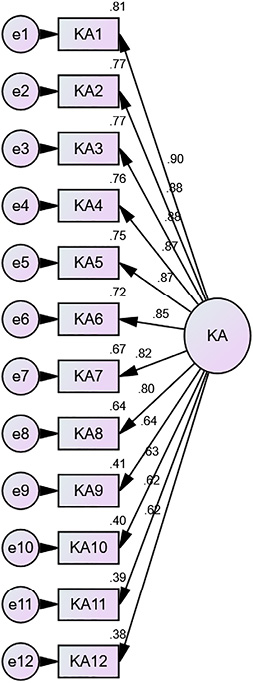
Figure 2. CFA model for knowledge and awareness (KA).
Table 5 presents the factor loadings, standard errors and test results for the final 12-item model of KA. All the correlation values were below 1.00, and all the p-values were less than 0.05. This shows that the results are statistically significant and acceptable. The item with the highest standardised coefficient was KA1, with a value of 0.898, making it the strongest indicator of the construct.
(Source: field data, 2025)
The factor loadings ranged from 0.620 (KA12) to 0.898 (KA1), with high R2 values indicating that the construct explains a substantial portion of the variation in the items. This means the items are good measures of the construct.
Perception of AWCA adoption
Table 6 shows that the respondents had feasible but mildly optimistic assessments of AWCA’s sustainability. Evaluation concerns about client objections (mean = 3.96, SD = 1.007) and the necessity for strict quality control (mean = 3.92, SD = 1.168) point to a lack of robust performance validation, suggesting a prominent and persistent challenge. The absence of pilot demonstration projects (mean = 3.72, SD = 1.140) points to the same persistent challenge and demonstrates the presence of uncertainty regarding DoI theory’s emphasis on the observability of innovations. Likely sources of contaminants (mean = 3.31, SD = 1.058) and potential sources of health concerns (mean = 3.32, SD = 1.080) represent trade-offs. A perception that the cost savings brought by AWCA (mean = 3.53, SD = 0.992) may be limited poses a restraint on the respondents’ enthusiasm and confidence about AWCA’s potential to be economically competitive, at least from a practical viewpoint.
(Source: field data, 2025)
The data analyses show that respondents’ perceptions were influenced by risk aversion, which is a common global characteristic within the construction industry. When evaluating substitutes, construction professionals prioritise client concern, reliability, structure, safety/performance and durability, which they do not perceive as uncertain or safe for AWCA, given evidence, or the lack thereof, in Ghana. These are correlated with the principles of the DoI theory, which perceives AWCA as an abstract, untested and unproven innovation and views trialability and perceived job cost as more important than client concern. AWCA need evidence of local success to shift conventional material preferences (Amede et al., 2025).
The concern for client resistance is consistent with the results of several studies (Shooshtarian et al., 2020) in Ghana and South Africa that found that the social construction of stigma, which is observed in these studies, centred on the use of “waste-based” materials, which discourages both clients and construction professionals from adopting the remaining sustainable alternatives that are available. This emphasises that AWCA adoption is constrained not only by technical performance but also by socio-cultural perceptions (Galmarini et al., 2022). Researchers, material producers and regulatory agencies must collaborate to create verifiable evidence of AWCA performance under Ghanaian climatic and construction conditions. Perception improvement will yield substantial benefits later, as SEM results indicate that perception is a stronger predictor of intention than knowledge. Table 7 presents the unidimensionality and reliability results for perception.
(Source: field data)
The EFA using maximum likelihood varimax rotation yielded a KMO of 0.850 and Bartlett’s sphericity of p < 0.000. Three items with loadings below 0.50 were removed. Cronbach’s alpha ranged from 0.80 to 0.85, confirming a high internal consistency. The CFA confirmed an acceptable fit with the following values: CFI = 0.927, NFI = 0.906, RMSEA = 0.041, RMR = 0.0036, GFI = 0.941 and PNFI = 0.604. The chi-square was treated as a descriptive index given its sensitivity to sample size (Kline, 2005). Table 8 presents the robust fit index for perception.
(Source: field data, 2025)
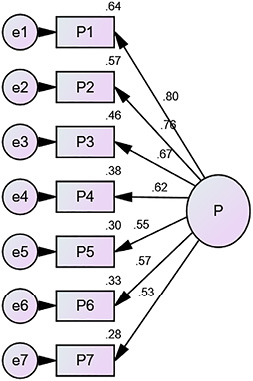
Figure 3. CFA model for perception (P).
Table 9 shows the correlation values, standard errors and test statistics for the final 10-indicator model. All correlation values were less than 1.00, and all p-values were less than the significance level of 0.05 and showed the appropriate signs. The estimates were therefore deemed both reasonable and statistically significant. The parameter with the highest standardised coefficient was the indicator variable P1, with a parameter coefficient of 0.797.
(Source: field data, 2025)
The factor loadings ranged from 0.532 (P7) to 0.797 (P1), with all the estimates statistically significant (p < 0.000). The high R2 value indicated that the construct explains a substantial portion of the variation in the items, which means the items are good measures of the construct.
Drivers for adopting coarse aggregates of agricultural waste for concrete production
Table 10 shows the key drivers for adopting agricultural waste as coarse aggregates in concrete production. Partnership between waste and concrete producers (mean = 4.02, SD = 0.0913) and cost reduction (mean = 4.00, SD = 0.959) were the primary motivators. Another top driver that can increase the adoption rate was successful demonstrations of AWCA (mean = 3.97, SD = 0.948). Environmental sustainability was another key driver, with “adopting agri-waste coarse aggregates will help reduce waste generation and environmental impact” scoring high (mean = 3.94, SD = 1.033). Corporate sustainability initiatives scored a mean of 3.93 (SD = 0.970) as “corporate bodies who want their facilities classified as green can incorporate agri-waste coarse aggregates”.
(Source: field data, 2025)
The results show that the use of agricultural waste as coarse aggregates is mostly affected by economic incentives and the degree of institutional cooperation. Collaboration between waste processors and concrete manufacturers is noted as the main driver, showcasing the necessity of effective “real” supply-chain links for innovative materials (Herold & Marzantowicz, 2023). This is consistent with previous studies that have demonstrated the importance of inter-sectorial cooperation in the use of substitute building materials (Danvers et al., 2023). In the case of Ghana, agricultural waste is effective for the cheaper construction of an agricultural concrete structure because of the economic incentives. Enhanced environmental sustainability is a prominent motivator, as using agricultural waste reduces the burden placed on the landfill and helps achieve the goals of the circular economy (Ghisellini et al., 2016). Government incentives and standards are crucial for long-term scaling, as well as for demonstration projects, to give practitioners confidence in utilising AWCA.
Barriers to AWCA adoption
Table 11 shows barriers to using agricultural waste as coarse aggregates for concrete production. Major obstacles included limited knowledge, inadequate testing standards (mean = 4.09, SD = 0.898) and inadequate expertise (mean = 4.15, SD = 0.935). The need for expensive equipment (mean = 4.06, SD = 0.926) and difficulties in handling aggregates (mean = 3.98, SD = 0.940) were also significant barriers. The absence of a regulatory framework (mean = 4.03, SD = 0.948) indicates a need for policies to support adoption, while opposition to the use of agricultural waste by the industry (mean = 3.91, SD = 0.948) reflects concerns for the economic implications for the industry.
(Source: field data, 2025)
Despite the growing interest, the use of agricultural waste as coarse aggregate continues to face perceptual and logistical barriers. There is a negative perception of waste-based construction building materials that diminishes the trust of both professionals and the public. This is an important indicator of the need for more educational and awareness activities (Shooshtarian et al., 2020). The inconsistent supply and variability of waste also make it difficult to integrate them into concrete manufacturing. Significant obstacles are posed by equipment; the processing of agricultural waste requires specialised crushing and handling technologies (Badraddin et al., 2021; Wang et al., 2021).
Without investment of this nature, it will be difficult to achieve standards for a reasonably uniform material, which may result in the concrete losing its quality. The market’s slow adoption is the result of both institutional resistance and lengthy administrative processes. In the absence of clearly defined national standards and certification schemes, practitioners also adopt a wait-and-see approach (Pacheco et al., 2023). These issues undermine market trust and heighten concerns about performance predictability.
Influence of knowledge and perception on intention to adopt AWCA
The last objective of this study was to examine how knowledge and perception influenced adoption intention, which were operationalised as two separate bivariate SEM models within the TPB framework. The results, shown in Figures 4 and 5 and Tables 12 and 13, attempt to clarify the psychological drivers of AWCA adoption in the construction industry in Ghana.
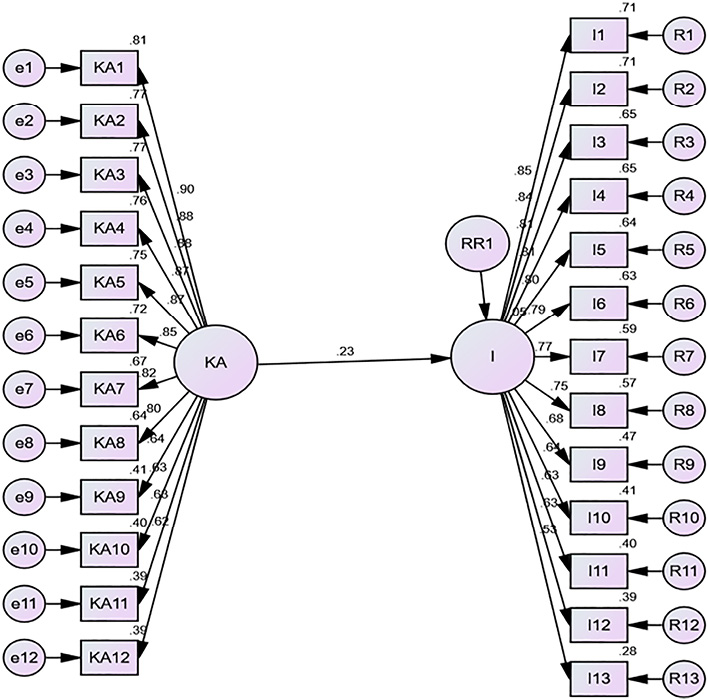
Figure 4. Structural equation modelling for the effect of knowledge and awareness (KA) on intentions (I) of agricultural-waste coarse aggregate (AWCA) adoption.
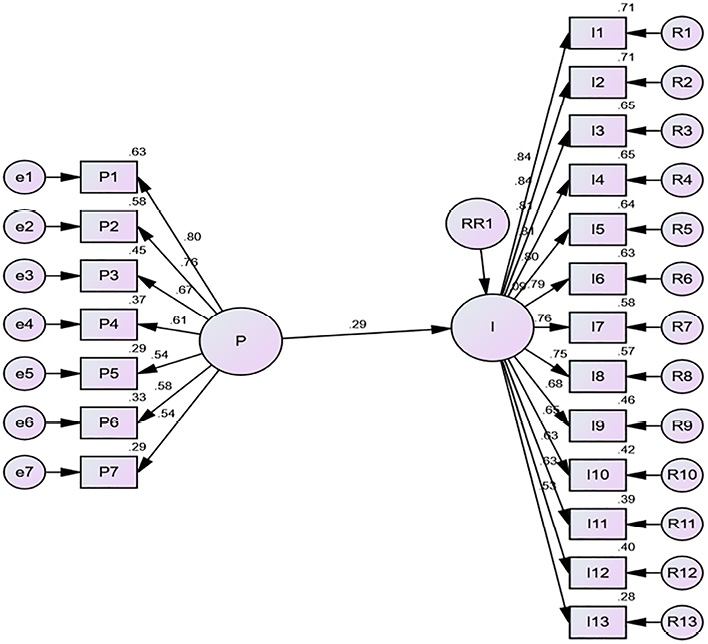
Figure 5. Structural equation modelling (SEM) for the effect of perception (P) on intention (I) to agricultural-waste coarse aggregate (AWCA) adoption.
(Source: field data, 2025)
(Source: field data, 2025)
Influence of knowledge on intention to adopt AWCA
The SEM in AMOS was used to examine the effect of KA on intentions (I) to adopt AWCA. We first confirmed that the model fit the provided values within an acceptable range, as recommended by Hu and Bentler (1999). The sample data yielded an S–Bχ2 of 3.519 with 274 degrees of freedom (df), corresponding to a p-value of 0.0000. This chi-square value indicated that the departure of the sample data from the postulated model was significant, suggesting a good fit of the model with respect to the effect of KA on intentions (I) to AWCA adoption. This also means that the postulated model adequately describes the sample data.
The statistical analysis shown in Table 12 examines the relationship between KA and intentions (I) regarding the adoption of agricultural waste as coarse aggregates in concrete production. The results indicate a significant positive relationship between these two constructs, with a standardised coefficient of 0.234 and a p-value of 0.000, well below the 0.05 threshold. This suggests that knowledge and awareness statistically influenced respondents’ intention to adopt agricultural waste aggregates.
The standardised coefficient (0.234) indicated a positive but weak association between KA and I. While knowledge and awareness shape intentions, other factors may also significantly influence adoption decisions. The unstandardised coefficient of 0.165 indicates that the intention to adopt AWCA increases by 0.165 units per unit increase in knowledge. The R2 value of 0.450 indicates that knowledge explains 45% of the variance in intention, suggesting that factors such as benefits, regulations or costs may influence adoption intentions.
The significant relationship (p-value = 0.000) indicates that knowledge and awareness influence intentions, underscoring the role of education in understanding the aggregate benefits of agricultural waste. Industry workshops could strengthen adoption intentions, although awareness alone may not drive widespread adoption, given the low standardised coefficient. While basic awareness of AWCA exists among Ghanaian construction professionals, technical knowledge remains insufficient. The survey revealed moderate awareness of the literature (mean scores of 3.2–3.3), but technical aspects, such as testing and equipment handling, scored below 2.6. This gap between awareness and technical proficiency mirrors the development of contexts (Islam et al., 2024).
Construction professionals require knowledge of AWCA performance and standards to specify with confidence; without this, adoption intention remains constrained by low perceived behavioural control. Academia and industry must collaborate to spread AWCA knowledge through training and updated curricula (Addy et al., 2024; Soares et al., 2025).
Influence of perception on intention to adopt AWCA
The perceptions of AWCA are neither positive nor negative, but they indicate a willingness to adopt, provided there is more solid empirical evidence, more obvious standards and better awareness of clients. As is common with research across the globe, issues over durability, safety and acceptance have a great impact on the readiness of professionals to use alternative aggregates. The descriptive analysis of the intention construct reveals moderate yet apprehensive behavioural preparedness. Although respondents recognise the potential of AWCA in terms of sustainability, there is still hesitation because of uncertainty about performance reliability and standardisation. This trend demonstrates the relevance of considering the interplay between knowledge and perceptions to influence the adoption intention in the TPB.
The SEM in SPSS AMOS was used to examine the effect of perception (P) on intention (I), as shown in Figure 5. The model fits were confirmed to be within an acceptable range, as recommended by Hu and Bentler (1999). The sample data yielded an S–Bχ2 of 3.943 with 169 degrees of freedom (df), p = 0.0000. This chi-square value indicated a significant departure from the postulated model, suggesting a good fit for the effect of perception (P) on intention (I) and adequately describing the sample data.
Table 13 shows the relationship between perception (P) and intention (I) regarding the adoption of agricultural waste as coarse aggregate in concrete production. The standardised coefficient (λ = 0.295) indicates a positive but relatively weak relationship between perception and intention. This suggests that, while perception influences the intention to adopt agricultural waste aggregates, other factors may contribute significantly to the decision-making process.
The unstandardised coefficient (0.299) shows that for every unit increase in perception, intention increased by 0.299 units. This relationship is statistically significant (p-value = 0.000, below the 0.05 threshold), confirming that the effect is not due to random chance. The R2 value of 0.448 indicates that perception accounts for 44.8% of the variance in intention, suggesting that factors such as regulatory policies, financial incentives and technological feasibility may also shape intention. The positive views of agricultural waste aggregates increase adoption intentions, although the effect size is small, indicating that perceptions alone cannot be used to promote adoption. Integration intention can be supported by policy support, demonstrations and cost–benefit analyses (Jin et al., 2017).
Summary of findings and discussion
Consistent with the TPB, these technical deficits weaken perceived behavioural control, thereby reducing professionals’ confidence in using AWCA in practice. Prior studies have indicated that awareness alone rarely drives adoption unless supported by standards, accredited training and structured demonstration programmes (Langen et al., 2021).
The findings further show that professionals’ acceptance of AWCA is conditional, influenced by concerns over durability, contamination risks, equipment performance and the persistent stigma associated with waste-based materials (Jin et al., 2017). Such perceptions align with global evidence that adoption decisions are shaped not only by material performance but also by socio-cultural meanings and client expectations (Shooshtarian et al., 2020). The absence of local demonstration projects limits observability, a key determinant of innovation adoption, underscoring the importance of real-world evidence and targeted communication. The barriers and drivers identified above can be mapped directly onto the theoretical constructs of the TPB and DoI, providing the analytical foundation for this study’s structural models. Within the TPB, inadequate expertise (BR1, mean = 4.15) directly reduces PBC, the degree to which professionals believe they have the capacity to specify and supervise AWCA use. Insufficient testing standards (BR2, mean = 4.09) suppress trialability within the DoI framework by preventing professionals from evaluating AWCA performance on a small-scale or pilot basis. Resistance from the conventional aggregate industry (BR9) constitutes a compatibility barrier (DoI), as incumbent industry norms conflict with the integration of novel waste-derived materials into established procurement and specification workflows. Regarding drivers, partnership between waste processors and concrete producers (DV1, mean = 4.02) enhances compatibility (DoI) by embedding AWCA within familiar supply-chain relationships. Successful demonstration projects (DV3, mean = 3.97) are the primary mechanism for establishing observability (DoI), the degree to which innovation results are visible to potential adopters, simultaneously strengthening attitude (TPB) and perceived relative advantage. Government incentives and policy endorsement (DV9) constitute an institutional subjective norm (TPB), legitimising AWCA adoption in the professional community and reducing the social risk of specifying unfamiliar materials. From a practical perspective, this finding implies that increasing awareness alone will not lead to widespread adoption of AWCA. Instead, efforts must focus on improving professionals’ perceptions through demonstration projects, clear performance standards and evidence of successful application. When professionals can observe the real-world performance of AWCA and trust its reliability, their willingness to adopt the material is likely to increase significantly.
Barrier analysis confirms that AWCA adoption is constrained primarily by structural and institutional deficiencies rather than individual resistance. Inadequate expertise, lack of standardised testing protocols, regulatory gaps and supply variability are consistent with international evidence on sustainable material barriers (Tam et al., 2018; Pacheco et al., 2023). These findings highlight that adoption is not simply a matter of individual willingness but depends on the broader system within which professionals operate.
The SEM results further confirm that both knowledge and perception significantly influence adoption intention, with perception exerting a stronger effect, reinforcing evidence that intention emerges when awareness is combined with trust and reduced uncertainty (Mujahid et al., 2024). Notably, the R2 values for the models are very similar (0.450 for knowledge and 0.448 for perception), indicating that both constructs explain nearly the same proportion of variance in intention. This similarity suggests that knowledge and perception are both important predictors of intention, but operate in different ways. This study posits that AWCA adoption requires a holistic strategy integrating capacity building, perceptual reframing, supply-chain development, regulatory support and circular economy principles (Geissdoerfer et al., 2017).
Conclusion and recommendations
Construction professionals recognise the sustainability potential of AWCA but lack confidence in its engineering applicability due to inadequate knowledge of material processing, mix design, testing procedures and performance standards. Evaluative beliefs regarding durability, client acceptance, contamination risks and long-term performance play a decisive role in shaping professionals’ willingness to adopt AWCA. In addition, structural barriers, including the absence of national standards, insufficient testing protocols, weak supply chains and limited demonstration projects, continue to restrict market integration despite increasing environmental awareness. These findings underscore that AWCA adoption is not solely a technical issue but a broader socio-technical transition requiring coordinated institutional and industry-level action.
Aligning construction practices with circular economy principles, by valorising agricultural residues as construction inputs, offers significant potential to reduce environmental impacts, divert waste from landfills and improve resource efficiency. However, realising this potential requires deliberate collaboration among policymakers, industry actors and academic institutions. Addressing technical knowledge gaps through continuing professional development, strengthening perceptions through evidence-based demonstration projects, establishing national standards and certification frameworks, and stabilising supply chains through industry partnerships are critical steps towards wider adoption. Overall, this study provides empirical evidence to support policy development, industry transformation and future research on sustainable aggregates, positioning Ghana to advance circular construction practices in the developing world.
Implications for research
First, further research can utilise a longitudinal study to assess how construction professionals’ knowledge, perceptions and intentions change when the drivers stated above are implemented. Another area for further research is combining experimental investigations with behavioural models by linking mechanical performance and life-cycle assessment of AWCA with professionals’ perceptions to close the gap in technical validation and industry acceptance. Lastly, further research can examine different developing country contexts to examine waste availability, regulatory environments and how institutional maturity affects the perceptions of construction professionals.
Limitations
This study used a quantitative methodology only; however, subsequent studies can adopt a mixed-methods approach to authenticate the collected data by conducting interviews to confirm these findings. There is also a possibility of self-report bias due to the cross-sectional nature of the data. This study examined the behavioural dimension of AWCA rather than the engineering performance of AWCA. Another limitation is the use of purposive sampling to select the professionals. The findings reflect the views of a specific professional population and may not be generalisable to other construction professionals not considered in this study.
References
Abdulai, S. F., Nani, G., Taiwo, R., Antwi-Afari, P., Zayed, T., & Sojobi, A. O. (2024). Modelling the relationship between circular economy barriers and drivers for sustainable construction industry. Building and Environment, 254, 111388. https://doi.org/10.1016/j.buildenv.2024.111388
Addy, M. N., Dadzoe, F., Kwofie, T. E., Aigbavboa, C., & Simons, B. (2024). Innovative green construction adoption in Ghana: Architects’ perspectives from theory of planned behaviour. Built Environment Project and Asset Management, 14(5), 782–797. https://doi.org/10.1108/BEPAM-07-2023-0127
Adebowale, O. J., Kukoyi, P. O., Agumba, J. N., Agbaje, O. E., & Muthelo, R. G. (2025). Overcoming barriers to the adoption of innovative sustainable construction materials in a developing economy. Smart and Sustainable Built Environment, 1–19. Vol. ahead-of-print No. ahead-of-print https://doi.org/10.1108/SASBE-05-2025-0289
Agyekum, K., Adinyira, E., Amudjie, J., Pittri, H., Dompey, A. M. A., Oppon, J. A., Jantuah, S. K., Tackey-Otoo, E., & Agyemang, N. K. (2024). If Others Are, Why not Ghana? A Case for Industrial Hemp Application in the Ghanaian Construction Industry. In E. Adinyira, C. Amoako, T. E. Kwofie, C. Aigbavboa, K. Agyekum, & M. Addy (Eds.), Sustainable and resilient infrastructure development in Africa’s changing climate (pp. 23–39). Springer Nature Switzerland. https://doi.org/10.1007/978-3-031-69606-0_2
Agyemang, P. O., Botchway, B., Baah-Sekyere, S., Antwi-Afari, P., & Ghansah, F. A. (2026). Investigating the factors of waste generation in modular construction projects: A developing-country context. Buildings, 16(8), 1568. https://doi.org/10.3390/buildings16081568
Ahinkorah, B. O., Kang, M., Perry, L., & Brooks, F. (2023). Knowledge and awareness of policies and programmes to reduce adolescent pregnancy in Ghana: A qualitative study among key stakeholders. Reproductive Health, 20(1), 143. https://doi.org/10.1186/s12978-023-01672-2
Ajzen, I. (1991). The theory of planned behavior. Organizational Behavior and Human Decision Processes, 50(2), 179–211. https://doi.org/10.1016/0749-5978(91)90020-T
Ajzen, I., & Fishbein, M. (1980). Understanding attitudes and predicting social behavior. Prentice Hall.
Ali, Y., Hassan, M. S., & Petrillo, A. (2025). From waste to resource: Life cycle assessment of eco-friendly concrete in developing nations through energy transition. Journal of Cleaner Production, 501, 145226. https://doi.org/10.1016/j.jclepro.2025.145226
Amede, E. A., Woldesenbet, A. K., Bahiru, A. K., Tibebu, F. T., & Hailemariam, L. M. (2025). Transforming construction in emerging economies: Overcoming barriers to the adoption of industrialized building systems. Discover Applied Sciences, 7(7), 765. https://doi.org/10.1007/s42452-025-06963-w
Anarfi, K., Hill, R. A., & Shiel, C. (2020). Highlighting the sustainability implications of urbanisation: A comparative analysis of two urban areas in Ghana. Land, 9(9), 300. https://doi.org/10.3390/land9090300
Anokye, K., Mohammed, S. A., Agyemang, P., Agya, A. B., Yahans Amuah, E. E., Sodoke, S., & Diderutua, E. K. (2024). From perception to action: Waste management challenges in Kassena Nankana East Municipality. Heliyon, 10(14), e32438. https://doi.org/10.1016/j.heliyon.2024.e32438
Badraddin, A. K., Rahman, R. A., Almutairi, S., & Esa, M. (2021). Main challenges to concrete recycling in practice. Sustainability, 13(19), 11077. https://doi.org/10.3390/su131911077
Bonke, V., & Musshoff, O. (2020). Understanding German farmer’s intention to adopt mixed cropping using the theory of planned behavior. Agronomy for Sustainable Development, 40(6). https://doi.org/10.1007/s13593-020-00653-0
Boon, E. K., & Anuga, S. W. (2020). Circular economy and its relevance for improving food and nutrition security in Sub-Saharan Africa: The case of Ghana. Materials Circular Economy, 2(1), 5. https://doi.org/10.1007/s42824-020-00005-z
Byrne, B. M. (2010). Structural equation modeling with AMOS: Basic concepts, applications, and programming (2nd ed.). Routledge.
Chen, L., Yang, M., Chen, Z., Xie, Z., Huang, L., Osman, A. I., Farghali, M., Sandanayake, M., Liu, E., Ahn, Y. H., Al-Muhtaseb, A. H., Rooney, D. W., & Yap, P.-S. (2024). Conversion of waste into sustainable construction materials: A review of recent developments and prospects. Materials Today Sustainability, 27, 100930. https://doi.org/10.1016/j.mtsust.2024.100930
Danvers, S., Robertson, J., & Zutshi, A. (2023). Conceptualizing how collaboration advances circularity. Sustainability, 15(6), 5553. https://doi.org/10.3390/su15065553
Fei, W., Opoku, A., Agyekum, K., Oppon, J. A., Ahmed, V., Chen, C., & Lok, K. L. (2021). The critical role of the construction industry in achieving the Sustainable Development Goals (SDGs): Delivering projects for the common good. Sustainability, 13(16), Article 16. https://doi.org/10.3390/su13169112
Frimpong, B. E., Sunindijo, R. Y., & Wang, C. (2020). Towards improving performance of the construction industry in Ghana: A SWOT approach. Civil Engineering Dimension, 22(1), Article 1. https://doi.org/10.9744/ced.22.1.37-46
Galmarini, B., Costa, P., & Chiesi, L. (2022). Natural building materials and social representations in informal settlements: How perceptions of bamboo interfere with sustainable, affordable, and quality housing. Sustainability, 14(19), 12252. https://doi.org/10.3390/su141912252
Geissdoerfer, M., Savaget, P., Bocken, N. M. P., & Hultink, E. J. (2017). The circular economy – A new sustainability paradigm? Journal of Cleaner Production, 143, 757–768. https://doi.org/10.1016/j.jclepro.2016.12.048
Ghisellini, P., Cialani, C., & Ulgiati, S. (2016). A review on circular economy: The expected transition to a balanced interplay of environmental and economic systems. Journal of Cleaner Production, 114, 11–32. https://doi.org/10.1016/j.jclepro.2015.09.007
Godfrey, L., Scott, D., Difford, M., & Trois, C. (2012). Part II – The effect of data on waste behaviour: The South African waste information system. Waste Management, 32(11), 2163–2176. https://doi.org/10.1016/j.wasman.2012.05.018
Goubran, S. (2019). On the role of construction in achieving the SDGs. Journal of Sustainability Research, 1(2). https://doi.org/10.20900/jsr20190020
Gupta, A. P., Upadhyay, P., Sen, T., & Dutta, J. (2023). Agricultural waste as a resource: The lesser travelled road to sustainability. In S. Singh, P. Singh, A. Sharma, & M. Choudhury (Eds.), Agriculture waste management and bioresource (1st ed., pp. 1–20). Wiley. https://doi.org/10.1002/9781119808428.ch1
Hair, J. F., Black, W. C., Babin, B. J., & Anderson, R. E. (2010). Multivariate data analysis (7th ed.). Pearson.
Hasbullah, N. A., Khairi, K. F., & Ab. Aziz, M. R. (2016). Intention to contribute in corporate waqf: Applying the theory of planned behaviour. Umran - International Journal of Islamic and Civilizational Studies (EISSN: 2289-8204), 3(1). https://doi.org/10.11113/umran2016.3n1.39
Herold, D. M., & Marzantowicz, Ł. (2023). Supply chain responses to global disruptions and its ripple effects: An institutional complexity perspective. Operations Management Research, 16(4), 2213–2224. https://doi.org/10.1007/s12063-023-00404-w
Hu, L., & Bentler, P. M. (1999). Cutoff criteria for fit indexes in covariance structure analysis: Conventional criteria versus new alternatives. Structural Equation Modeling: A Multidisciplinary Journal, 6(1), 1–55. https://doi.org/10.1080/10705519909540118
Islam, N. F., Gogoi, B., Saikia, R., Yousaf, B., Narayan, M., & Sarma, H. (2024). Encouraging circular economy and sustainable environmental practices by addressing waste management and biomass energy production. Regional Sustainability, 5(4), 100174. https://doi.org/10.1016/j.regsus.2024.100174
Jampala, M. B., & Shivnani, T. (2024). Investigating behavior, attitude and intention towards waste segregation in tier II cities of India using theory of planned behavior. Cleaner Waste Systems, 9, 100188. https://doi.org/10.1016/j.clwas.2024.100188
Jin, R., Li, B., Zhou, T., Wanatowski, D., & Piroozfar, P. (2017). An empirical study of perceptions towards construction and demolition waste recycling and reuse in China. Resources, Conservation and Recycling, 126, 86–98. https://doi.org/10.1016/j.resconrec.2017.07.034
Keong, Y. O., & Hirst, G. (2010). An empirical integration of goal orientation and the theory of planned behaviour: Predicting innovation adoption behaviour. The International Journal of Entrepreneurship and Innovation, 11(1), 5–18. https://doi.org/10.5367/000000010790772430
Krejcie, R. V., & Morgan, D. W. (1970). Determining sample size for research activities. Educational and Psychological Measurement, 30(3), 607–610. https://doi.org/10.1177/001316447003000308
Kline, R. B. (2005). Principles and practice of structural equation modeling (2nd ed.). Guilford Press.
Kline, R. B. (2016). Principles and practice of structural equation modeling (4th ed.). Guilford Press.
Langen, S. K. V., Vassillo, C., Ghisellini, P., Restaino, D., Passaro, R., & Ulgiati, S. (2021). Promoting circular economy transition: A study about perceptions and awareness by different stakeholders groups. Journal of Cleaner Production, 316, 128166. https://doi.org/10.1016/j.jclepro.2021.128166
Mahmood, A., Nanos, N., Begg, D., & Dhakal, H. N. (2025). Recycled waste materials utilised in 3D concrete printing for construction applications: A scientometric review. Buildings, 15(19), 3572. https://doi.org/10.3390/buildings15193572
Maraveas, C. (2020). Production of sustainable construction materials using agro-wastes. Materials, 13(2), 262. https://doi.org/10.3390/ma13020262
Mbadugha, L. C., Ozumba, A. O. U., & Shakantu, W. (2022). Knowledge, attitude, and practice of construction waste prevention among construction professionals. IOP Conference Series: Earth and Environmental Science, 1101(6), 062024. https://doi.org/10.1088/1755-1315/1101/6/062024
Mohammed, S. A., Shakor, P., S., S., Rauniyar, A., Krishnaraj, L., Kumar Singh, A., & Laghi, V. (2023). An environmental sustainability roadmap for partially substituting agricultural waste for sand in cement blocks. Frontiers in Built Environment, 9, 1214788. https://doi.org/10.3389/fbuil.2023.1214788
Mujahid, H., Rizwan, M., Khan, A. A., & Fayaz, M. (2024). Impact of green environmental awareness, knowledge, product trust, and technological factors on youth green purchasing intention. Sustainable Business and Society in Emerging Economies, 6(2). https://doi.org/10.26710/sbsee.v6i2.2973
Nelson, N., Darkwa, J., Calautit, J., Worall, M., Mokaya, R., Adjei, E., Kemausuor, F., & Ahiekpor, J. (2021). Potential of bioenergy in rural Ghana. Sustainability, 13(1), 381. https://doi.org/10.3390/su13010381
Ofori-Kuragu, J. K., Owusu Manu, D.-G., & Ayarkwa, J. (2016). The case for a construction industry council in Ghana. Journal of Construction in Developing Countries, 21(2), 131–149. https://doi.org/10.21315/jcdc2016.21.2.7
Ojedokun, O., Henschel, N., Arant, R., & Boehnke, K. (2022). Applying the theory of planned behaviour to littering prevention behaviour in a developing country (Nigeria). Waste Management, 142, 19–28. https://doi.org/10.1016/j.wasman.2022.02.006
Oppon, J. A., Adinyira, E., & Agyekum, K. (2025). A bibliometric review of agricultural waste as coarse aggregates in sustainable concrete. Discover Civil Engineering, 2(1). https://doi.org/10.1007/s44290-025-00286-w
Pacheco, J. N., Brito, J. de, & Lamperti Tornaghi, M. (with Europäische Kommission). (2023). Use of recycled aggregates in concrete: Opportunities for upscaling in Europe. Publications Office of the European Union. https://doi.org/10.2760/144802
Sangmesh, B., Patil, N., Krishna Kumar Jaiswal, Gowrishankar, T. P., Selvakumar, K. K., Jyothi, M. S., Jyothilakshmi, R., & Kumar, S. (2023). Development of sustainable alternative materials for the construction of green buildings using agricultural residues: A review. Construction and Building Materials, 368, 130457. https://doi.org/10.1016/j.conbuildmat.2023.130457
Shafigh, P., Pordesari, A. J., & Zaki, A. (2021). Challenges of using agricultural solid wastes as aggregate in structural concrete: 4th International Conference on Sustainable Innovation 2020–Technology, Engineering and Agriculture (ICoSITEA 2020). https://doi.org/10.2991/aer.k.210204.025
Shooshtarian, S., Caldera, S., Maqsood, T., & Ryley, T. (2020). Using recycled construction and demolition waste products: A review of stakeholders’ perceptions, decisions, and motivations. Recycling, 5(4), 31. https://doi.org/10.3390/recycling5040031
Soares, M., Faria, L., Miranda, T., Pereira, E., Vilarinho, C., & Carvalho, J. (2025). The potential of agri-food waste to solve construction’s environmental problems: A review. Cleaner and Circular Bioeconomy, 10, 100138. https://doi.org/10.1016/j.clcb.2025.100138
Tam, V. W. Y., Soomro, M., & Evangelista, A. C. J. (2018). A review of recycled aggregate in concrete applications (2000–2017). Construction and Building Materials, 172, 272–292. https://doi.org/10.1016/j.conbuildmat.2018.03.240
Wang, W., Wei, W., Gao, S., Chen, G., Yuan, J., & Li, Y. (2021). Agricultural and aquaculture wastes as concrete components: A review. Frontiers in Materials, 8, 762568. https://doi.org/10.3389/fmats.2021.762568