Construction Economics and Building
Vol. 26, No. 3/4
2026
ARTICLES (PEER REVIEWED)
Breaking the Blueprint: Unveiling Cognitive Biases Affecting Professional Women in Construction
Sheena Bassi*, Mahesh Babu Purushothaman, Funmilayo Ebun Rotimi
Built Environment Engineering, School of Future Environments, Auckland University of Technology, New Zealand
Corresponding author: Sheena Bassi, sheena.bassi@autuni.ac.nz
DOI: https://doi.org/10.5130/ngy8n087
Article History: Received 20/08/2025; Revised 26/01/2026; Accepted 21/02/2026; Published 18/09/2026
Citation: Bassi, S., Purushothaman, M. B., Rotimi, F. E. 2026. Breaking the Blueprint: Unveiling Cognitive Biases Affecting Professional Women in Construction. Construction Economics and Building, 26:3/4, 1–27. https://doi.org/10.5130/ngy8n087
Abstract
The global construction industry is facing a skills shortage. Researchers explore the potential of leveraging women as untapped resources to tackle this issue. However, barriers hinder women’s entry and career advancement within the construction sector. While past research on women in construction has highlighted obstacles and challenges, it often overlooks the underlying stereotypes and cognitive biases contributing to these issues. In this systematic review, we aim to bridge that gap by analysing 85 journal articles published between 2015 and 2024 in reputable journals to examine the effects of cognitive biases that present as challenges and barriers faced by women professionals in the construction industry. The investigation of three key variables—factors, cognitive biases, and their impacts—emphasises three aspects: the self-perpetuating nature of biases, factors that trigger these biases on personal and societal levels, and distinct consequences of biases on the industry culture for women. Furthermore, the study offers insights for policymakers and analysts to develop strategies and frameworks aimed at mitigating the influence of biases and factors, thereby promoting women’s retention and reducing barriers to employment. The novelty of this study lies in examining the unique intersection of cognitive biases and their effects on women in the construction sector, a topic that remains underexplored. This research is pioneering in its approach to identifying multiple cognitive biases, factors, and impacts using innovative methods, revealing the intricate biases that affect women professionals at various career stages in the construction industry.
Keywords
Construction; Women; Bias; Gender Equality; Diversity
Introduction
The construction industry is one of the prominent fields supporting the nation’s economy worldwide and is currently dealing with a skilled workforce shortage (Ministry of Business, Innovation & Employment, 2023; Roberts, 2024). Furthermore, this issue is exacerbated by the increasing complexity of projects, technological advancements, and the aging population (Roberts, 2024). Data suggest that the construction industry is globally heavily male-dominated, with less than 15% of women working in the industry in developed countries (Kusum Kali Pal & Zahidi, 2024; OECD, 2022; Sharif et al., 2024). Statistical data suggest that 16.1% of women hold leadership roles in the infrastructure sector. Contrastingly, the oil, gas, and mining sector, also predominantly male-dominated, accounts for 18.6% of women in leadership roles (Zahidi, 2023). Therefore, a considerable gender gap persists as women remain significantly underrepresented across most sectors within these fields (AECOM, 2023; Kusum Kali Pal & Zahidi, 2024; MBIE, 2023; Moorthy et al., 2022; Shah et al., 2020; Zahidi, 2023). Multiple studies and industry analysis have highlighted that this occupational imbalance limits the available talent pool and constrains diversity objectives (Mckinsey, 2023; Seidu et al., 2022). Thus, focusing on recruiting and retaining the women workforce is a substantial solution to the industry’s workforce scarcity (Sangweni & Ozumba, 2023). However, women in the construction sector report encountering significant barriers, which include, but are not limited to, workplace harassment, gender stereotyping, exclusion from professional networks, scarcity of role models, and advancement opportunities (Yang & Cheng, 2024).
Existing literature has extensively studied the barriers and struggles faced by women working in the construction industry (Holdsworth et al., 2023). However, most existing research on women in construction has relied on mixed occupational samples, often without clearly distinguishing between administrative, non-technical, trade, and professional roles (Norberg & Johansson, 2021; Zhang et al., 2024). As a result, women professionals such as engineers, project managers, and technical leaders remained an underexplored distinct group. This limits understanding of the barriers shaping women professionals’ career progression, who often face marginalisation in promotion processes, elevated levels of workplace harassment, and relegation from decision-making processes (Francis, 2017). Furthermore, several studies, after highlighting the issues, propose recommendations, but few systematically assess the success of implementing these suggestions, and empirical evidence on implementation outcomes remains scarce (Yan et al., 2024). In addition to overt discrimination, gender disparity in construction is shaped by cognitive biases that majorly influence decision-making processes, recruitment practices, and career advancement opportunities for women (Barreto et al., 2017; van Heerden et al., 2024; Yang & Cheng, 2024). Many cognitive biases operate unconsciously and may reinforce gender stereotypes and perpetuate barriers that limit women’s participation and progression in the construction sector. Cognitive biases affect women across all career stages, from recruitment to leadership, and contribute to their ongoing exclusion from senior roles and decision-making processes (Whysall, 2018). Understanding the role of cognitive biases is essential to addressing the systemic barriers that women face in achieving equitable treatment and representation within the industry (Ellemers, 2018; Heilman, 2024). Therefore, the aim of this study was to systematically examine how cognitive biases influence the experiences and career progression of women professionals in the global construction industry. This is achieved by following the synthesis of existing literature to identify (i) key cognitive biases, (ii) the factors that trigger or reinforce these biases, (iii) the resulting impacts on women professionals and industry culture, and (iv) the interrelationships among these variables (factors, impacts, and cognitive biases). To address this aim, the study was guided by the following research question.
What cognitive biases impact women professionals in the construction industry globally?
Literature review
Industry culture
“Construction” is a broader term that includes multiple activities, including constructing new buildings and engineering structures and maintaining and repairing existing facilities (Ministry of Business, Innovation & Employment, 2023). Prior studies have examined different career stages (from early career to leadership) for women, including a few pre-career-focused studies in the construction industry (Lekchiri & Kamm, 2020). However, the transition of female students into industry professionals is lacking (Watts, 2009). Several factors affect female students’ and interns’ decisions not to pursue long-term careers in the construction industry. The female university dropout and career change rate from construction-related courses has been high in the past decade (Whysall, 2018). Further problems within the construction sector indicate the poor retention rates of women in the industry (Morello et al., 2018).
Existing literature has shown that the construction industry as a male-dominant sector where women experience various barriers and challenges (O’Brien et al., 2023). This image has negatively portrayed this sector, making it hard to attract women into the workforce. Many women experience discrimination from a career perspective, such as missing a significant opportunity or promotion because of gender bias (Lombardi, 2017). For women working in trades, sexual discrimination is a predominant form of discrimination (Holdsworth et al., 2023; Rotimi et al., 2023). Previous research has argued that sexual harassment and discrimination are mostly confined to women in trades. However, professional women such as architects, engineers, surveyors, and other related designations also experience several forms of harassment and discrimination (Holdsworth et al., 2023).
Additionally, men’s capabilities are often accepted, recognised, and assumed to fit construction roles, while women must consistently prove their capabilities (Holdsworth et al., 2020). Women professionals see that male entrants are accepted without reservations (Rosa et al., 2017), while female entrants need to “earn respect”, often through asserting extra effort and being overly prepared for their work. In addition to discriminatory practices, women professionals often struggle to fit in equally due to stereotyped assumptions that women working in the construction industry are crossing the set boundary (Ellemers, 2018). Past studies have explored scrutinising stereotypes as the by-product of cognitive biases. According to social role theory, the gendered division of labour gives rise to gender stereotypes; by viewing women and men in particular roles requiring behaviours, people associate traits commonly linked to those behaviours with the person engaging in the behaviour (Eagly et al., 2000). This role incongruity perspective focuses on the cognition of the human mind while explaining biases attached to gender roles and admits that when individuals attempt to enter a social role for which they are stereotypically mismatched, then the bias against them increases. These studies have further elaborated on the signs to understand the bias against individuals attempting to enter stereotypically incongruent social roles (Dresden et al., 2018).
Cognitive bias and its traces in literature
The term bias primarily refers to the description of methodical variation from rationally fact-based objective judgement. Studies have shown that people are mostly unaware of how or when bias affects their judgement. Various studies scrutinising human behaviour have confirmed that irrespective of the situation and environmental settings, cognitive biases will always tend to interfere with decision-making (Kahneman, 2011; Kahneman et al., 2011). Furthermore, cognitive biases are deeply embedded in societal norms and are often unconscious, thus making them difficult to recognise and address. Evidently, gender biases and stereotypes are largely considered the key factors that cause significant problems to women’s career trajectories in all areas of work. Cognitive biases were mainly overlooked in early research due to the researchers’ unfamiliarity with the phenomenon. However, the realisation of some significant impacts led to recent studies shifting focus to understanding cognitive biases towards working women (Hutchison, 2020). Some previous research in the medical field has emphasised how cognitive biases pose challenges for female surgeons, while other studies have examined the role that biases play in the academic careers of women (Barnes et al., 2019; Henry et al., 2021; Hutchison, 2020). Few political studies have highlighted female politicians’ struggles due to the impact of cognitive biases. However, there is a dearth of research that examines forms of cognitive bias and their impacts on women’s career trajectories in the construction industry.
Nevertheless, various studies have indirectly mentioned biases using multiple synonyms such as perception, prejudice, assumptions, or factors that ultimately become the cause of barriers, which are catalysed by some of the cognitive biases (Moorthy et al., 2022; Zhang et al., 2021). Broadly, cognitive bias can be subdivided into (i) implicit bias, which are unconscious attitudes influencing behaviour and are often unrecognised, and (ii) explicit bias, which are conscious, deliberate, prejudicial beliefs and attitudes. Farrell and McHugh (2020) acknowledged that implicit biases are difficult to eradicate in the selection process. Noteworthily, a strong implicit bias affects hiring decisions. Previous research has also studied exclusion practices as causes/factors that hinder women’s involvement in informal channels during recruitment and affect their career journey. Exclusion practices make women unwelcome in the industry (Francis, 2017; Loosemore & Lim, 2016), as they reinforce the perception among male workers that their dominance remains, and that women, as a minority group, are kept at bay. It is important to note that both implicit and explicit biases are reflected in the industry’s exclusion practices (Walker, 2019). Despite the existence of these biases in the global construction industry for a long time, their collective impact as cognitive biases has not been studied extensively (Ellemers, 2018). Importantly, these biases are not confined to the male workforce but can also affect women’s participation in industry roles. Harris et al. (2020) studied the “queen bee syndrome”, where a female employee neglects fresh female hires. Apparently, other studies have highlighted issues that need more research attention, such as the “bystander effect” (Rotimi et al., 2023) and “Tokenism” (Bridges, 2020). The issues are a symptom of underlying flaws in the system, which require profound analysis and examination from a cognitive perspective. The key focus is on studying and identifying cognitive biases experienced by women working in the construction industry.
Positioning the need for this review paper
Gender segregation has been highlighted over the years in research, thereby reinforcing the perception of the construction industry as male-dominated (Barreto et al., 2017). This has tarnished the industry’s image, contributing to difficulties in attracting and retaining women (Park et al., 2022). Previous literature has proposed frameworks and multiple initiatives that governments have taken to address the issues (Husam et al., 2024; Othman & Hegazy, 2024; Yan et al., 2024). Although the initiatives have resulted in inclusivity and increased diversity in the industry, the shortage of skilled labour in recent years has emerged, which needs to be resolved (Kusum Kali Pal & Zahidi, 2024). Moreover, various theoretical frameworks mention the prejudice and stereotypes that come into play when a woman tries to step outside the confined societal parameters, and several past studies have discussed prejudice and stereotypes that affect women’s participation in construction (Ellemers, 2018). However, it lacks the understanding and discussion of cognitive biases that play a significant role in women’s careers in the industry. Notably, the connection between barriers and cognitive biases has been established in other industries (Hutchison, 2020). Since cognitive biases significantly affect decision-making and workplace dynamics, their understanding and impacts would assist in retaining women in their roles and improving their experiences in the construction industry. Past research in the construction industry lacks a presentation of cognitive biases or their impacts on women in the construction industry. A minimal number of studies have discussed the issue of gender biases and related challenges in the construction industry (Holdsworth et al., 2023; Zhang et al., 2019). Nevertheless, these studies lack any further dissection of the various types of cognitive biases causing gender bias.
Research method
An extensive systematic literature review (SLR) was conducted to identify the impact of cognitive bias on women working in the construction industry at different career stages. SLR is a globally recognised method that facilitates new research questions by analytically researching past research in a specific domain. It is a well-established method that generates transparent knowledge that future researchers can reproduce (Al-Zubidy & Carver, 2019). In this paper, the Preferred Reporting Items for Systematic Reviews and Meta-Analyses (PRISMA) guidelines are utilised to analyse the cognitive biases, their causes, and their impacts on women working in the construction industry. PRISMA is a well-recognised approach adopted by multiple authors worldwide to conduct meta-analyses and systematic reviews (Sarkis-Onofre et al., 2021). This method provides a standardised framework that enhances transparency and rigour in the SLR process (Sarkis-Onofre et al., 2021). SLR was performed using different search strings in Scopus, EBSCO Host, Medline, and Science Direct. Table 1 summarises the comprehensive results of the papers studied across these four databases. These databases were selected over others because they provide (i) comprehensive coverage of multidisciplinary research, (ii) access to high-quality technical publications, and (iii) provision of evidence-based resources (Arenas-Molina et al., 2015). A tailored search string was created for each database based on specific criteria, including (i) language: English; (ii) publication year: since 2015; (iii) relevant keywords: bias, construction, etc.; (iv) Boolean operators: AND, OR, and NOT; and (v) truncation symbols: *, ?, and $.
Database search
Relevant keywords that encompass “bias”, “women”, and “construction industry” were used for the preliminary database search. We limited our research to papers published in the English language, with publication dates from 2015 onwards. The 10-year period was chosen for two primary reasons:
(i) The first was to assess the current situation by scrutinising available data and gaining in-depth knowledge.
(ii) Most regulatory reforms in the construction sector (primarily in second- and third-world countries) began from 2000 to 2010, and most modern development projects globally were initiated in the 21st century (Horta et al., 2013; Zutshi & Creed, 2015).
To broaden the scope of our research and determine the cognitive biases affecting women in professional roles, keywords such as “bias”, “stigma”, “prejudice”, “stereotype”, “discrimination”, and “attitude” were added to the search string. Additionally, to consider biases affecting women in other roles related to construction, some keywords such as “engineer” and “architect” were added.
A total of 2,148 articles combined from all four databases were identified as primary research data after applying our exclusion and inclusion criteria mentioned in Table 1. Automation tools and codes were applied to remove duplicate articles, followed by the search strategy. The next step was to investigate the articles after selecting the titles presumably connected to our research and related to our research questions. From the chosen titles, the abstracts were studied to further filter the relevant articles. The second stage was to obtain the full-text PDFs of the articles and scrutinise each article individually to further filter the relevant studies. Finally, 85 papers were shortlisted for detailed scrutiny and cognitive bias analysis. Figure 1 shows the PRISMA flow chart based on this research.
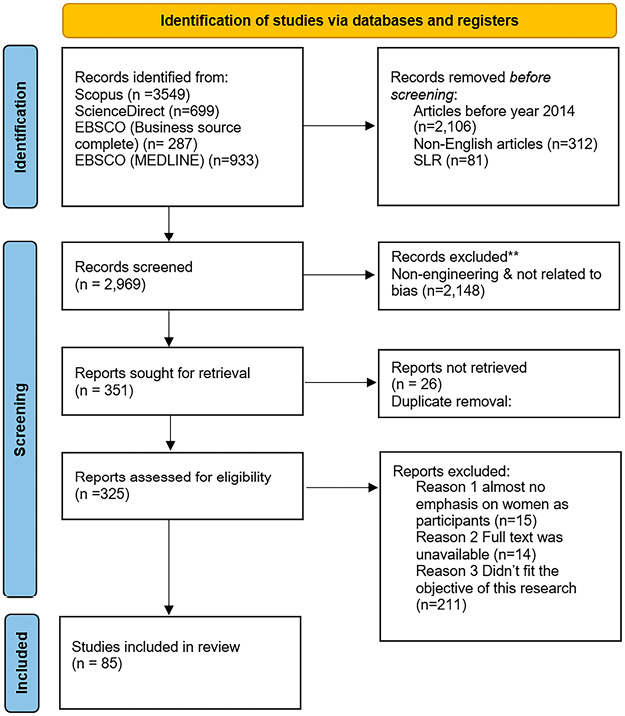
Figure 1. PRISMA flow chart. PRISMA, Preferred Reporting Items for Systematic Reviews and Meta-Analyses (Source: author’s own work).
The keyword connectivity is represented through an illustration formed using VOSViewer, as shown in Figure 2.
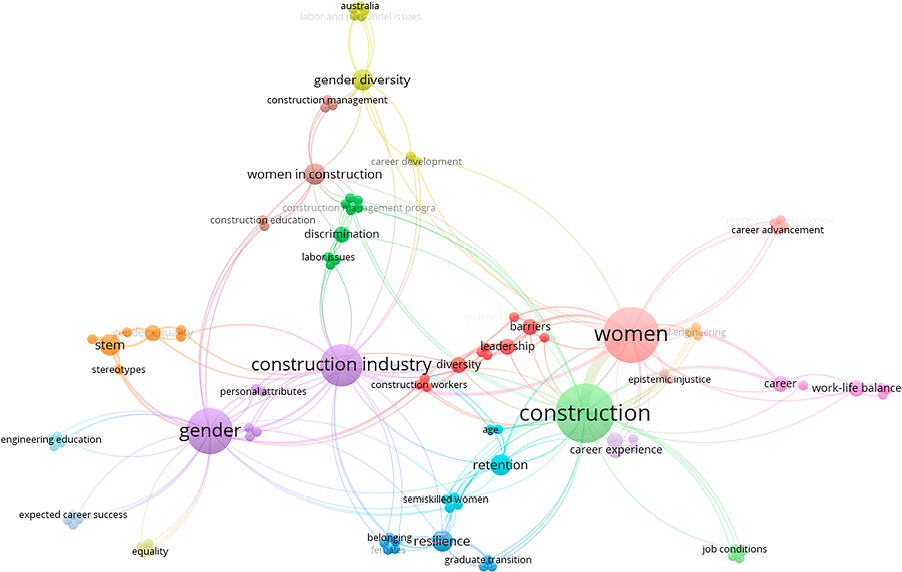
Figure 2. VOSViewer illustration of keywords relating to the research (Source: the density and connectivity diagram is based on the author’s own work).
Research process
A comprehensive database of all shortlisted papers using EndNote, Adobe PDF, and Google Scholar tools was created. The process consisted of a thorough review of discussions and findings, as well as a description of interviews conducted with individuals and women specifically. The primary aim was to detect cognitive biases (as distinct from regular biases) in these text excerpts and the elements that cause and trigger them, following their impacts. This distinction was important, as cognitive biases are inherently more complex and nuanced. The basis of the definition for various cognitive biases was derived from renowned sources and published data (Kahneman, 2011; Purushothaman, 2025; Tversky et al., 1982).
Over 400 excerpts from 85 papers were meticulously analysed to determine (i) specific cognitive biases that women faced in their role, (ii) factors contributing to these biases, and (iii) their impacts on women, both professionally and personally. Based on this analysis, a detailed table was constructed that provides a structured overview of cognitive biases present in the literature. The three main elements or variables examined were factors, cognitive biases, and impacts corresponding to input, processing, and output, respectively. Noteworthily, all inputs are factors, all processing units are cognitive biases, and all outputs are impacts or consequences. Collectively, these elements are referred to as “variables”.
After considering the parameters for the articles, the selected 85 articles were analysed for factors, cognitive biases, and impacts. A journal was created that recorded the statements that were underlined and marked, referring to a particular cognitive bias, depicting a factor causing it, and the impact it was having on women, causing a challenge for the women working in the construction industry. This journal listed 17 factors that appeared repetitively through the screening and scrutinising processes for these articles, catalysed by 69 cognitive biases and 31 impacts. These 109 unique variables were subjected to a three-way analysis: Pareto analysis, degree of centrality, and loop analysis. The research used both system dynamics (loops) and network analysis (degree of centrality). The first step was to rank the variables, i.e., factors, cognitive biases, and impacts, through a frequency-based Pareto chart. After this, an interaction matrix of variables was plotted on a Microsoft Excel worksheet. The variables were placed in the same order in the rows and columns. The variables in the rows were considered primary elements, and the variables in the columns stated the nature of the interaction. For example, there were two types of interactions, i.e., negative and positive relationships, between the variables in the rows and the variables in the columns. The negative interaction was where it was affecting it, reducing its effect, and the positive interaction states that it was exacerbating the impact of the variable.
Subsequently, the interactions were analysed for degree of centrality. The degree of centrality was scored on a scale of 0–1. Notably, the higher degree of centrality does not signify any relationship to the variable’s dominance among the other variables. Therefore, a causal loop diagram (CLD) was plotted using the Vensim software to dissect the interactions and polarities of the variables and find central cognitive biases, factors, and impacts. Every interaction in the CLD is illustrated using an arrowhead line, where the positive interactions are marked in blue and the negative interactions are marked in red.
Furthermore, the loops were identified through the Vensim software. The result was then screened for the most influential variables. The results from the comprehensive data analysis were considered to present a well-supported discussion and conclusion. Figure 3 shows the stepwise research process followed and the software used to conduct the analysis.
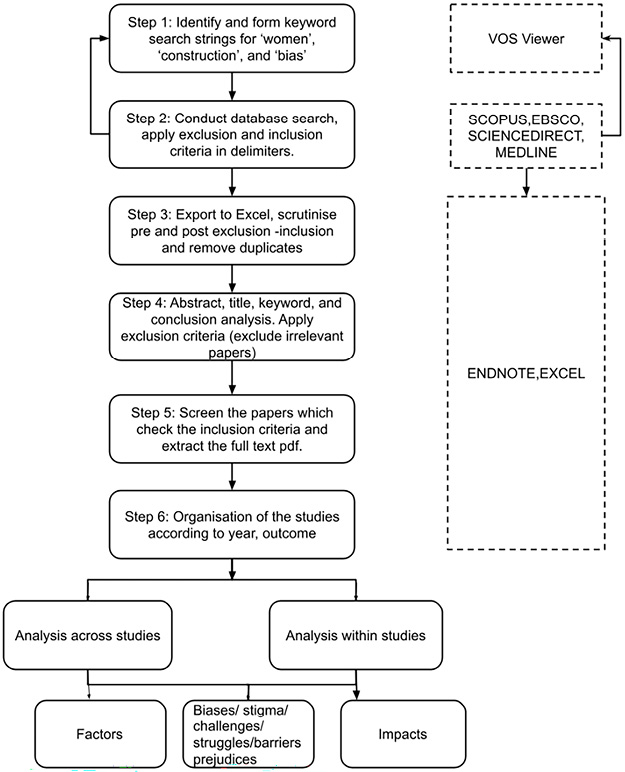
Figure 3. Research overview chart (Source: author’s own work).
Results and discussion
This review of 85 articles on women working in the construction industry highlighted 17 factors, 31 impacts, and 69 cognitive biases. The appendix shows the associated codes for cognitive biases, factors, and impacts.
Characteristics of the reviewed papers
Out of the total 85 papers reviewed, most research predominantly comes from first-world countries such as the USA, the UK, and Australia, with well-established industry standards, compliance frameworks, and policies. A few reviewed papers also focused on women in construction in developing countries such as Malaysia and India. Furthermore, data from China, Russia, and former Soviet countries were limited. Figure 4 shows the origin of research by country (in percentages).
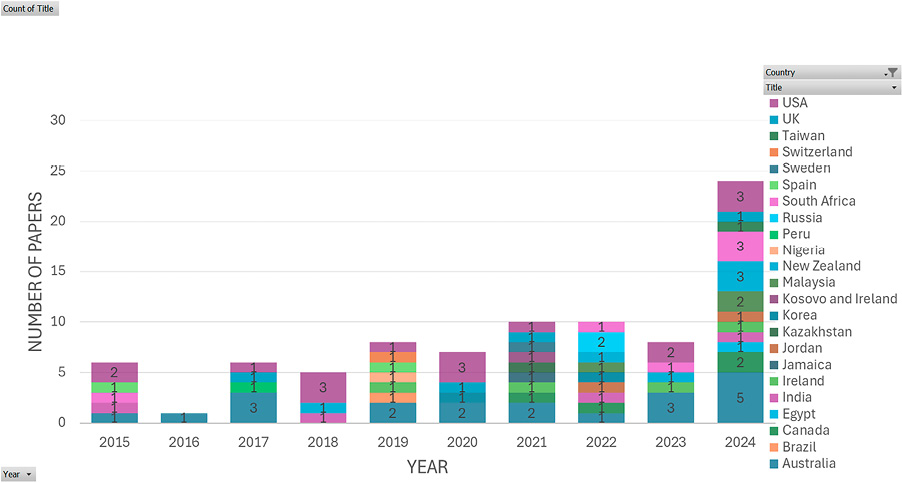
Figure 4. Origin of research in percentage by country (Source: author’s own work).SLR: a three-way analysis
This section describes the factors, cognitive biases, and impacts identified in the literature on women in construction, using tables and Pareto charts. Table 2 shows the SLR frequency of the top 15 variables. However, these data needed to be divided into three categories to show the rankings of the variables within each category. The Pareto charts were derived from the author–factor matrix, which identifies the SLR frequency for each factor, impact, and bias.
Analysis of cognitive biases
Figure 5 shows the Pareto chart for cognitive biases analysed in the SLR. The most prevalent cognitive bias in the construction industry is confirmation bias, followed by anchoring bias and stereotype bias. These biases affect decision-making during recruitment and promotions, manifesting as a challenge to career advancement for a professional woman. Other key biases prevalent in the industry are negativity bias, status quo bias, implicit stereotyping, fundamental attribution bias, and in-group bias. Likewise, these biases instigate a false perception towards women employees, causing various barriers such as exclusion practices, persistent inequality, working twice as hard as their male counterparts, work–life conflict, and psychological stress (Norberg & Johansson, 2021; Perera et al., 2024; Watts, 2009; Zhang et al., 2021). In early career, the primary impact of cognitive biases against women in the construction industry is directly on their careers (Zhang et al., 2021). Lastly, women working in leadership roles in the construction industry primarily face negative experiences, including perceptions of incompetence, lack of belonging, career stagnation, inequality, and lack of recognition (Ahuja & Weatherall, 2023).

Figure 5. Pareto chart depicting the number of instances of cognitive biases in systematic literature review (SLR) (Source: author’s own work).
Analysis of factors
Figure 6 shows the Pareto chart for factors/causes analysed in the SLR. Two prevalent factors fuelling cognitive biases are gender role expectations and gendered assumptions. Analysis shows the prevalence of challenges for women defined in the role congruity theory (Hoyt, 2012; Strachan et al., 2020). The analysis highlights that female participants working in construction were encouraged to opt for careers that would fit the stereotypical definition of “what is good for a woman”, which signifies gender role expectations parallel to the findings of past literature (Cadaret et al., 2017; Norberg & Johansson, 2021). A male-dominant culture is the third most influential factor that causes women to think twice before entering the industry and primarily affects women in the early stages of their careers and female students. This factor pushes women to work twice as hard as men to prove their worth despite them being professional and skilled in their roles, which aligns with the analysis of the previous studies (Afolabi et al., 2019; Dresden et al., 2018; Park et al., 2022). Resistance to change and lack of inclusive policies are also significant factors that impact women. Their occurrence in our analysis is over 40 times each, and they usually affect women, as men in construction have reliance on outdated gendered perceptions.
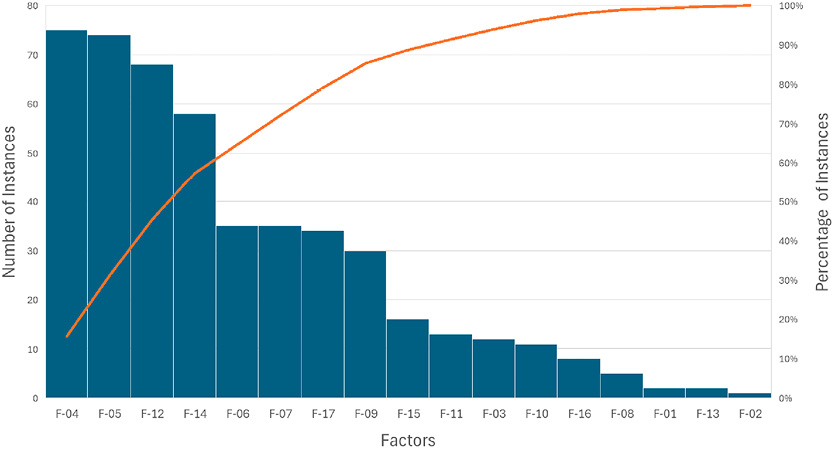
Figure 6. Pareto chart depicting the number of instances for factors affecting women in the construction industry in systematic literature review (SLR) (Source: author’s own work).
Analysis of impact
Figure 7 shows the Pareto chart depicting the number of instances of impacts of cognitive biases observed in the SLR. The most predominant impact is limited career opportunities. Women are given fewer chances to get selected for jobs at early career stages and are less likely to be chosen for a leadership role, causing limited career opportunities during mid-career, commonly termed the glass ceiling effect in the construction industry, which aligns with results and analysis of the previous literature (BBC, 2017; Wang et al., 2024).
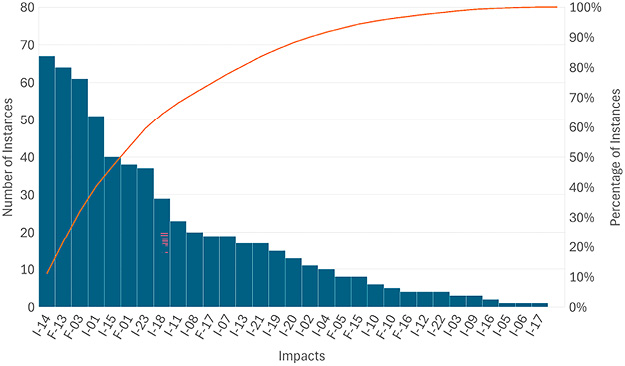
Figure 7. Pareto chart depicting the number of instances of impacts of cognitive biases observed in systematic literature review (SLR) (Source: author’s own work).
The research analysis found that negative perceptions have a significant impact on women’s careers in the construction industry. This is also a factor that has a different impact on women in some instances. However, this has occurred mainly as an impact, and it is reflected in recruitment practices. Negative perceptions include assumptions that women are likely to take maternity leave or beliefs that they are physically less capable on-site and lack the leadership skills required for leadership roles (Aeby et al., 2019; English & Hay, 2015).
Similarly, resistance to change plays a dual role as an impact and a factor for women working in the construction industry. Resistance to change makes employees comfortable with existing ways and standards, and they tend to resist changing industry dynamics and gender ratio (Harman & Sealy, 2017; Park et al., 2022). It has a varying degree of impact on women and depends on varying circumstances. Lack of belonging and lack of retention follow those impacts, and they also emerge as among the critical issues that contribute to the shortage of employees in the entire industry (Alshdiefat et al., 2024; Dasgupta et al., 2015). The study found a lack of support networks and female role models as a result of various factors, which further led to the struggle in managing work–life conflict (Ahuja & Weatherall, 2023; Almukhambetova et al., 2021). Along with the various challenges, women also face wage disparity. However, some articles discuss impacts that produce a positive impact, such as positive perceptions, increased diversity, and increased competitiveness (Doyle-Kent & Watson, 2021; Morello et al., 2018; Zhang et al., 2024).
Interrelation matrix
Once the factors, cognitive biases, and impacts are identified, an interrelation matrix is created based on the analysed and recorded data. Thereafter, the variables are analysed to determine their relationships to other variables in the matrix. The most interactive cognitive biases are anchoring bias (C-02), confirmation bias (C-13), and stereotype bias (C-65), along with the following factors: resistance to change (F-17), gendered assumptions (F-05), and exclusion practices (F-03). Furthermore, when identifying the relationship between variables, most of the relationships are proportional or positive. The following example of analysis conducted during the research explains the scenario better. If a gender-based factor that hinders decision-making increases, the bias related to such stereotypes will aggravate the effect, thus resulting in limited career opportunities for women working in the construction industry.
The resultant complex interrelationship matrix combines all cognitive biases, factors, and impacts as variables. Table 3 presents the examples that help illustrate the ways in which cognitive biases interact with organisational factors in the construction industry. In this paper, these specific cases have been chosen to show how different factors can ignite biases and shape outcomes, thus making information analysis manageable from complex data.
| Paper | Factor | Cognitive bias | Impact | Influence direction |
|---|---|---|---|---|
| Francis (2017) and Galea et al. (2015) | Industry culture | Optimism bias | Resistance to change | Negative → Positive → Positive |
| Galea et al. (2015) | Gender role expectations | Optimism bias | Recruitment practices | Negative → Negative → Negative |
| Jung and Kim (2020) | Male-dominant culture | Optimism bias | Exclusion practices | Negative → Positive → Positive |
| King Lewis and Shan (2024) | Organisational policies | Optimism bias | Job dissatisfaction | Positive → Negative → Negative |
| Lekchiri and Kamm (2020) | Resistance to change | Optimism bias | Career stagnation | Negative → Positive → Positive |
| Scott-Young et al. (2020) | Perception of incompetence | Optimism bias | Decreased confidence | Negative → Positive → Positive |
| Smith et al. (2023) | Resistance to change | Optimism bias | Job satisfaction | Positive → Negative → Positive |
| Zhang et al. (2024) | Organisational policies | Status quo bias | Positive career progression | Negative → Negative → Positive |
| Morello et al. (2018) | Gender role expectation | Expectation bias | Positive career progression | Negative → Negative → Positive |
In the research of Smith et al. (2023), resistance to change in societal expectations reduces optimism bias, making barriers to career progression harder to overcome. While optimism bias is generally seen as a positive force, it can have detrimental effects when fuelled by unrealistic policies, gaps in policy promises, and their execution.
In addition to optimism bias, other biases such as status quo and expectation bias are also perceived differently, with a negative-to-negative influence direction in some cases. For instance, Zhang et al. (2024) described the role of supportive organisational policies that can actively challenge the status quo, such as gender biases in leadership, which helps reduce this bias. Reducing status quo bias allows for a more inclusive and dynamic career progression environment for women in the construction industry. Likewise, this study’s analysis of Morello et al. (2018) shows that women identifying with communal leadership styles, typically viewed as stereotypically female, tend to receive more positive feedback and respect, enhancing their workplace standing.
This study also identified a few inverse or negative relationships between variables in the matrix. Noteworthily, the profound literature analysis of the participants’ interaction shows that the same bias can have both positive impact and negative impacts. To understand this, the relationship between factors, cognitive biases, and impacts is considered. In examining the interaction between optimism bias and resistance to change, a divergence in outcomes is observed (Lekchiri & Kamm, 2020). While optimism bias typically fosters a positive outlook, its interaction with negative aspects of organisational culture or policies can paradoxically lead to increased resistance to change, career stagnation, and job dissatisfaction (Smith et al., 2023). This underscores the dual nature of cognitive biases: depending on the surrounding influences, they can both drive and hinder progress.
Degree of centrality
Table 4 shows the degree of centrality of the top 20 variables in the SLR. It is conspicuous that limited career opportunities have the highest degree of centrality, which reflects that other variables heavily influence them. However, it has an end-point status in the influence chain, as it does not influence other variables in the chain, which is represented by its out-degree, which is 0. Contrastingly, the male-dominant culture and organisational policies show a high out-degree centrality. Resultingly, these variables influence other biases and variables. However, they have an in-degree centrality of 0, as other variables do not influence them. Notably, their high centrality scores represent their significance in shaping gender dynamics and career progression for women in the construction industry.
Negative perceptions and exclusion practices are two key variable nodes that exhibit high centrality in both dimensions. Gendered assumptions, resistance to change, and career stagnation also possess high centrality in both dimensions. These nodes are critical to distributing influences throughout the network and serving as indicators of the network’s responsiveness. Centrality analysis helps identify the variables with the highest influence and susceptibility within the network, thereby helping the researchers plan intervention strategies.
Causal loop diagram
Figure 8 shows the CLD, which illustrates the pattern of interactions among various variables that are studied. The use of CLD has enabled the identification of connections and feedback mechanisms, which gave an insight into the consequences of an intervention. To integrate the findings from the systematic literature review, a CLD was developed. The CLD was used as a synthesis tool to capture how cognitive biases identified in the literature interact with different factors, and how these interactions lead to recurring impacts on women professionals’ careers. This approach allows the review to move beyond a linear listing of barriers and instead present a dynamic view of how biases reinforce existing gender inequalities in the construction industry.
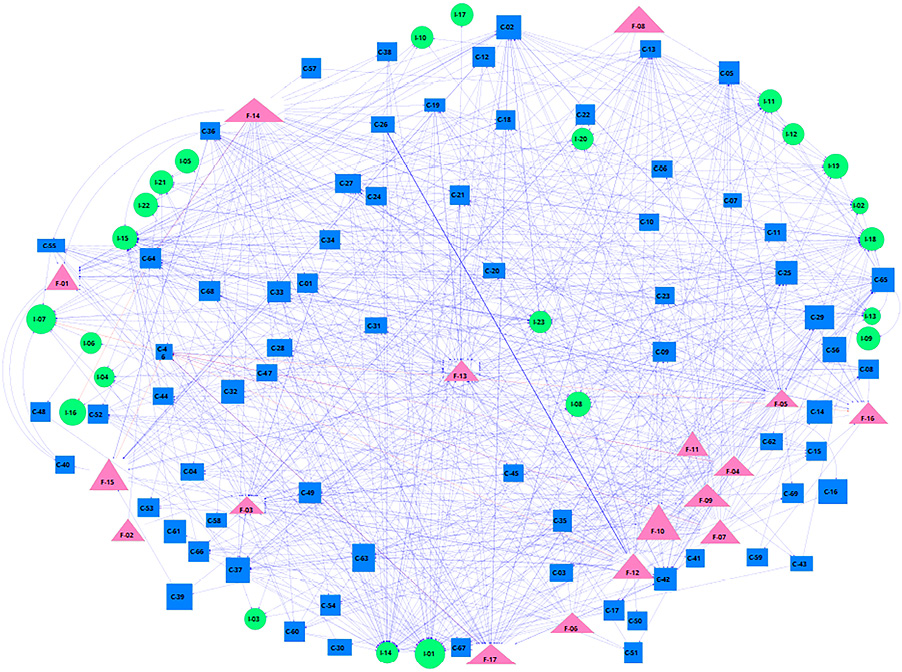
Figure 8. Causal loop diagram (Source: author’s own work).
The relationship or interaction among the elements/variables is represented using an arrow of either blue or red colour. The blue colour of the link between variables denotes a positive or proportional link, while the red link denotes a negative or inversely proportional link between variables.
CLDs provide an in-depth understanding of complicated associations through cause-and-effect relationships that are not formed directly. These indirect interactions can be understood through the proper dissection of loops. In the following section, we discuss (1) examples of loops obtained as a result of Vensim, (2) prevalent impacts in the loop, and (3) Vensim’s shortcomings and how they were dealt with.
Loop 1: C-65 → F-15 → C-63 → F-03 → C-13 → F-17 → C-65
This loop represents direct and indirect relationships between different cognitive biases and factors. This interaction results in the stimulation of a bias or a factor. One loop, for example, follows the path from C-65 to F-15, leading into C-63, then F-03, followed by C-13, moving to F-17, and circling back to C-65. This pattern reveals how biases and factors not only coexist but also actively reinforce each other, creating a cycle that is difficult to break. The loop explains that initially, the stereotype bias (a tendency to make a perceived notion about individuals because of some incorrect belief) perpetuates the perception of incompetence, leading to an adverse judgement, which further disrupts the views when social role bias reinforces the stereotype. Therefore, this results in the prevalence of exclusion practices in organisational culture. This further exacerbates any negative outcome, connecting it to previous actions and forming a connection between them. This, in turn, influences change management and consequently sustains the original bias, i.e., stereotype bias.
Furthermore, while highlighting the ties between biases and factors, it also indicates the influence that each of them has on the organisation’s culture. The interaction brings to light that those biases create a chain linking directly or indirectly, which stimulates certain cultures in an organisation. This eventually assists in sustaining the original bias, which presents a form of self-sustaining loop. Notably, the CLD emphasised the recurrent characteristics of biases to stay in the system and manipulate (positively or negatively) the system.
Loop 2: C-02 → F-17 → C-65 → F-15 → C-40 → F-01 → C-02
This second loop further illustrates how cognitive biases cyclically influence each other and shape organisational culture and individual self-perception. Anchoring bias (C-02) marks the commencing point of this loop, which represents that individuals are supposedly preoccupied with some form of stereotypes (C-65) due to early encounters while remaining in the state of ignoring any transformation in the form of resistance to change (F-17). This culture ignites negativity, sowing seeds for perceptions of competence (F-15), to which motivated reasoning (C-40) balances to justify, triggering decreased confidence (F-01), which ends after strengthening the original anchoring bias (C-02). This loop also illustrates findings similar to those of the previous one, indicating how biases are deeply ingrained in the system and multiply in different circumstances, growing within the system. The cyclical interactions continue to exist, leaving consequences that are not easily identified while becoming deep-rooted within the organisation.
Only the presence of impacts, which are also a factor in many circumstances, is part of loops, which highlights the way interaction happens. Apparently, the loops miss connections with the impact variables that do not play a dual role. This portrays the cyclical nature of feedback loops. Furthermore, this indicates that the variables causing challenges are influenced by the variables they create. Consequently, it is impossible to halt the loops without introducing multiple transformations simultaneously.
Table 4 shows gender role expectations as the most frequent factor, noted in over 90% of studies. This clearly supports the adverse effect explained in the social cognitive theory. The factors do not work in isolation. Research analysis determines that the cognitive biases that often make their presence felt by catalysing the factors include confirmation bias, followed by anchoring bias. Limited career opportunities for women are one impact of the factors and biases that dominate more than 80% of scenarios in various studies conducted globally. Although “limited career opportunities” outshines other variables in the SLR frequency, which supports the outcome in the degree of centrality, the CLD undermines its dominance because the impacts are absent in any complete loop.
“Resistance to change” and “gendered assumptions” are prevalent variables with a degree of centrality close to 1, thus forming multiple connections in the CLD and influencing the dynamics with the high frequency of appearances and discussions in the SLR. “Career stagnation”, “persistence of inequality”, and “work–life conflict” are noteworthy impacts of cognitive biases on women in the construction industry. “Positive perception” and “positive career progression” are the least mentioned impact variables in the SLR. However, these are positive impacts of some cognitive biases that challenge the initial image of biases, as they are often viewed as negative elements. The most prevalent impact is “limited career opportunities” for women. Other biases are also apparently prevalent, and they stimulate the perception of individuals due to the biases already ingrained due to gendered assumptions. This results in women being looked at as incompetent and treated unequally, which creates work–life conflict and psychological stress. Moreover, “lack of female mentors” and “lack of retention” appeared rarely but remain key challenges affecting women’s careers and organisational gender balance.
Comparing the top five variables
Comparing the three analyses, i.e., number of loops, degree of centrality, and SLR frequency, it shows that degree of centrality and SLR frequency share similar dominant cognitive biases (Table 5). In contrast, the loop analysis revealed two different biases, framing effect and expectation bias, which were not top variables in the other analyses. This suggests that when biases interact, they can create unexpected sustaining patterns.
In conclusion, the cognitive biases that affect most women throughout their career trajectory are confirmation bias, followed by anchoring bias, stereotype bias, and negativity bias, corresponding to the previous studies (Arroyo et al., 2018; Dresden et al., 2018; Heilman, 2024; Holdsworth et al., 2023; Hoyt, 2012) as highlighted in our analysis. This is validated by the analysis of biases, impacts, and factors from the data of multiple participants provided in the reviewed articles. The data analysis table garnered many biases, repeating and enabling the creation of an interrelation matrix; Pareto charts for cognitive biases, factors, and impacts; SLR frequency; causal loop diagram; and degree of centrality. Results show that negative bias impacts more women working in early career stages as compared to women in leadership roles. However, the impact of these biases varies for women in different stages of their careers. However, stereotyping, epistemic injustice, role congruity, and related biases mainly impact women working in leadership roles.
Furthermore, the results of our analysis show that limited career opportunities and career stagnation are the key impacts of biases. The main factors behind this are the male-dominant culture in the industry and prejudice against women in authority roles (Lekchiri & Kamm, 2020; Aboagye-Nimo et al., 2018). Moreover, the results of the analysis highlight that gender role expectations and gendered assumptions are the key factors that give rise to cognitive biases. Past research fails to provide evidence about the cruciality of each variable discussed for women in the construction industry. This is seen as a potential gap and is studied in this research through Pareto analysis. In the construction industry, assessing the impact of cognitive bias is challenging due to the predicament of pre-existing factors with cognitive biases that impact women. These biases intensify existing issues, blurring the lines between the effects of individual traits and organisational practices.
Conclusion
This SLR paper tries to uncover these challenges by connecting them to cognitive biases, thereby seeking to determine their root cause while evaluating their impacts, hence providing a significant and novel contribution to the research. Past research lacks prominent studies on cognitive biases in the construction field. The SLR reviewed 85 articles from 2015 to 2024 based on their relevance. Research from the UK, the USA, and Australia was dominant; however, research focused on other construction markets contributed to the data for the SLR. A total of 109 variables consisting of 69 unique cognitive biases, 17 factors, and 31 impacts were identified by studying more than 400 excerpts from the reviewed papers. In conclusion, research indicates that several cognitive biases commonly affect women throughout their career trajectories. The predominant biases include confirmation, anchoring, stereotyping, and negativity.
Practical implications
Recognising cognitive biases will increase awareness of the relationship between cognitive biases and the stereotypes that cause the barriers faced by women in construction roles. This is the first step that leads to prevention. Furthermore, awareness of these biases assists in the formulation of policies aimed at promoting gender equity. Moreover, it will assist stakeholders, such as government agencies and non-profit organisations working for women’s empowerment and diversity, equity, and inclusion (DEI) programs, in creating training programmes to educate employees about cognitive biases. This can foster a more inclusive environment for women in the workplace, supporting organisations that foster inclusive policies and strategies. Furthermore, the increase in male suicide rates reported particularly in the construction industry depicts the need to promote diversity and foster inclusive workplaces, which not only benefit women but also support the wellbeing of male employees. An increase in diversity contributes by creating environments that promote healing, resilience, and mental health, which is especially critical considering high male suicide rates.
Theoretical implications
This research investigates the dual nature of bias along with the self-sustaining system created by these biases. Additionally, this research studies the factors causing biases and investigates how these cognitive biases catalyse the effect of the factors. This opens the door to new learning, opening the path for future research on the impact of cognitive biases on women’s participation and progression in the construction industry. Furthermore, comparing the experiences of women in different situations with various cognitive biases adds to the depth of this study. Addressing these biases would help women to progress. This study adds value to existing research by identifying the root cause of discrimination faced by women in the construction field through the cognitive lens. Since most studies focus on the factors and reasons that affect women in construction, this research identifies the cognitive biases behind the factors that negatively impact women. Moreover, this study brings in a novel approach of combining concepts from psychology and organisational behaviour, bringing new light to the gender imbalance perspective.
Originality
The novelty of this study lies in exploring the unique intersection of cognitive biases and their impact on women in the construction sector, which remains underexplored. The research, through its system dynamics and network analysis, provides an in-depth understanding of cognitive biases and the self-sustaining system that they create with the factors, thus impacting in various forms. This knowledge would contribute to formulating a tailored strategy for addressing gender inequality in the construction industry.
Limitations
The study has its own limitations, as the analysis of cognitive biases is subject to the discretion and understanding of cognitive biases made while conducting this research, which is relevant to the data or situation presented. Additionally, the identification of the three key variables determined in this study largely depends on the judgement made during the analysis of data and can be influenced by researcher biases. Moreover, the scope of this study is limited to scrutiny of biases affecting women in construction. The study does not cover social factors and technological advancements in the field that have also impacted women’s workforce recruitment and growth in construction.
Future direction
Future research is required to explore various strategies and methods adopted by women to overcome biases and manage their entry and retention in the construction industry. It can also focus on identifying and/or reviewing how the capabilities and skills developed by women on the job help them overcome biases as they transition in different career stages. Noteworthily, interesting future research can potentially focus on directing efforts towards finding the root cause and impacts of cognitive biases through in-person interviews and surveys of women working in the construction industry. This would provide a pathway to validate assumptions and findings of this research with actual data from multiple sources working in a different geography.
References
Aboagye-Nimo, E., Collinson, J., Wood, H., Jin, R., & Wyche, K. (2018). Women as construction professionals: Modern day challenges. https://irep.ntu.ac.uk/id/eprint/35006
Aeby, P., Fong, R., Vukmirovic, M., Isaac, S., & Tormey, R. (2019). The impact of gender on engineering students’ group work experiences. International Journal of Engineering Education, 35(3), 756–765.
AECOM. (2023). Global construction prospects 2024. https://publications.aecom.com/MEH/report/global-construction-prospects-2024
Afolabi, A., Oyeyipo, O., Ojelabi, R., & Patience, T. O. (2019). Balancing the female identity in the construction industry. Journal of Construction in Developing Countries, 24(2), 83–104. https://doi.org/10.21315/jcdc2019.24.2.4
Ahuja, S., & Weatherall, R. (2023). “This boys club world is finally getting to me”: Developing our glass consciousness to understand women’s experiences in elite architecture firms. Gender, Work & Organization, 30(3), 826–841. https://doi.org/10.1111/gwao.12921
Almukhambetova, A., Daniel Hernandez, T., & Nam, A. (2021). Fixing the leaky pipeline for talented women in STEM. International Journal of Science and Mathematics Education, 1–20. https://doi.org/10.1007/s10763-021-10239-1
Alshdiefat, A. A. S., Sharif, A. A., Abu Ghunmi, N.-A. M., Lee, A., & Rana, M. Q. (2024). Factors impacting women gaining leadership roles in the Jordanian construction sector: Architects and civil engineers. Buildings, 14(4), 944. https://doi.org/10.3390/buildings14040944
Al-Zubidy, A., & Carver, J. C. (2019). Identification and prioritization of SLR search tool requirements: An SLR and a survey. Empirical Software Engineering, 24, 139–169. https://doi.org/10.1007/s10664-018-9626-5
Arenas-Molina, M. T., Rodríguez, J. M. C., & Domínguez, T. N. (2015). Leadership in construction: A case study with a gender perspective.
Arroyo, P., Schöttle, A., Christensen, R., Alves, T., Costa, D. B., Parrish, K., & Tsao, C. (2018). Impact of gender bias on career development & work engagement in the OAEC industry & lean practice. Proceedings of the 26th Annual Conference of the International Group for Lean Construction (IGLC). https://doi.org/10.24928/2018/0496
Barnes, K. L., McGuire, L., Dunivan, G., Sussman, A. L., & McKee, R. (2019). Gender bias experiences of female surgical trainees. Journal of Surgical Education, 76(6), e1–e14. https://doi.org/10.1016/j.jsurg.2019.07.024
Barreto, U., Pellicer, E., Carrión, A., & Torres-Machí, C. (2017). Barriers to the professional development of qualified women in the Peruvian construction industry. Journal of Professional Issues in Engineering Education and Practice, 143(4), Article 05017002. https://doi.org/10.1061/(ASCE)EI.1943-5541.0000331
BBC. (2017). 100 Women: “Why I invented the glass ceiling phrase”. https://www.bbc.com/news/world-42026266
Bridges, D. W., Bamberry, E., Krivokapic Skoko, L., & Jenkins, S. (2020). Negotiating gender in the male-dominated skilled trades: A systematic literature review. Construction Management and Economics, 38(10), 894–916. https://doi.org/10.1080/01446193.2020.1762906
Cadaret, M. C., Hartung, P. J., Subich, L. M., & Weigold, I. K. (2017). Stereotype threat as a barrier to women entering engineering careers. Journal of Vocational Behavior, 99, 40–51. https://doi.org/10.1016/j.jvb.2016.12.002
Dasgupta, N., Scircle, M. M., & Hunsinger, M. (2015). Female peers in small work groups enhance women’s motivation, verbal participation, and career aspirations in engineering. Proceedings of the National Academy of Sciences, 112(16), 4988–4993. https://doi.org/10.1073/pnas.1422822112
Doyle-Kent, M., & Watson, E. (2021). D&I in engineering education, past, present, and future: A country case study of Ireland. IFAC-PapersOnLine, 54(13), 564–569. https://doi.org/10.1016/j.ifacol.2021.10.509
Dresden, B. E., Dresden, A. Y., Ridge, R. D., & Yamawaki, N. (2018). No girls allowed: Women in male-dominated majors experience increased gender harassment and bias. Psychological Reports, 121(3), 459–474. https://doi.org/10.1177/0033294117730357
Eagly, A. H., Wood, W., & Diekman, A. B. (2000). Social role theory of sex differences and similarities: A current appraisal. The Developmental Social Psychology of Gender, 12(174), 9781410605245–9781410605212. https://doi.org/10.4324/9781410605245-7
Ellemers, N. (2018). Gender stereotypes. Annual Review of Psychology, 69(1), 275–298. https://doi.org/10.1146/annurev-psych-122216-011719
English, J., & Hay, P. (2015). Black South African women in construction: Cues for success. Journal of Engineering, Design and Technology, 13(1), 144–164. https://doi.org/10.1108/JEDT-06-2013-0043
Farrell, L., & McHugh, L. (2020). Exploring the relationship between implicit and explicit gender-STEM bias and behavior among STEM students using the Implicit Relational Assessment Procedure. Journal of Contextual Behavioral Science, 15, 142–152. https://doi.org/10.1016/j.jcbs.2019.12.008
Francis, V. (2017). What influences professional women’s career advancement in construction? Construction Management and Economics, 35(5), 254–275. https://doi.org/10.1080/01446193.2016.1277026
Galea, N., Powell, A., Loosemore, M., & Chappell, L. (2015). Designing robust and revisable policies for gender equality: Lessons from the Australian construction industry. Construction Management and Economics, 33(5–6), 375–389. https://doi.org/10.1080/01446193.2015.1042887
Harman, C., & Sealy, R. (2017). Opt-in or opt-out: Exploring how women construe their ambition at early career stages. Career Development International, 22(4), 372–398. https://doi.org/10.1108/CDI-08-2016-0137
Harris, J., Naoum, S. G., Rizzuto, J., & Egbu, C. (2020). Gender in the construction industry: Literature review and comparative survey of men’s and women’s perceptions in UK construction consultancies. Journal of Management in Engineering, 36(2), Article 04019042. https://doi.org/10.1061/(ASCE)ME.1943-5479.0000731
Heilman, M. E., & Manzi, S. (2024). Women at work: Pathways from gender stereotypes to gender bias and discrimination. Annual Review of Organizational Psychology and Organizational Behavior, 11(1), 165–192. https://doi.org/10.1146/annurev-orgpsych-110721-034105
Henry, P. O., Hall, M. A., & Plummer, D. A. (2021). Exploring female enrollment and outcomes in chemical engineering and their experiences in pursuit of a career in STEM. SAIEE Africa Research Journal, 112(4), 198–206.
Holdsworth, S., Turner, M., & Sandri, O. (2023). Gender bias in the Australian construction industry: Women’s experience in trades and semi-skilled roles. Social Sciences, 12(11), 627. https://doi.org/10.3390/socsci12110627
Holdsworth, S. T., Scott-Young, M., & Sandri, K. (2020). Women in construction: Exploring the barriers and supportive enablers of wellbeing in the workplace. State Government of Victoria. https://researchrepository.rmit.edu.au/esploro/outputs/report/Women-in-Construction-Exploring-the-Barriers/9921970128201341
Horta, I., Camanho, A., Johnes, J., & Johnes, G. (2013). Performance trends in the construction industry worldwide: An overview of the turn of the century. Journal of Productivity Analysis, 39, 89–99. https://doi.org/10.1007/s11123-012-0276-0
Hoyt, C. L. (2012). Gender bias in employment contexts: A closer examination of the role incongruity principle. Journal of Experimental Social Psychology, 48(1), 86–96. https://doi.org/10.1016/j.jesp.2011.08.004
Husam, S., Laishram, B., & Johari, S. (2024). Framework to enhance gender inclusion of workers in construction sites. Journal of Construction Engineering and Management, 150(4), Article 04024018. https://doi.org/10.1061/JCEMD4.COENG-14124
Hutchison, K. (2020). Four types of gender bias affecting women surgeons and their cumulative impact. Journal of Medical Ethics, 46(4), 236–241. https://doi.org/10.1136/medethics-2019-105552
Jung, E., & Kim, J. Y. E. (2020). Women in engineering: Almost no gap at university but a long way to go for sustaining careers. Sustainability, 12(20), 8299. https://doi.org/10.3390/su12208299
Kahneman, D. (2011). Thinking, fast and slow. Allen Lane and Penguin Books.
Kahneman, D., Lovallo, D., & Sibony, O. (2011). Before you make that big decision. Harvard Business Review.
King Lewis, A., & Shan, Y. (2024). Persistence of women in the construction industry. Journal of Construction Engineering and Management, 150(7), Article 04024061. https://doi.org/10.1061/JCEMD4.COENG-14476
Kusum Kali Pal, K. P., & Zahidi, S. (2024). Global Gender Gap Report 2024. World Economic Forum.
Lekchiri, S., & Kamm, J. D. (2020). Navigating barriers faced by women in leadership positions in the US construction industry: A retrospective on women’s continued struggle in a male-dominated industry. European Journal of Training and Development, 44(6/7), 575–594. https://doi.org/10.1108/EJTD-11-2019-0186
Lombardi, M. R. (2017). Women engineers in construction industry: The feminization possible and gender discrimination. Cadernos de Pesquisa, 47, 122–146. https://doi.org/10.1590/198053143619
Loosemore, M., & Lim, B. T.-H. (2016). Intra-organisational injustice in the construction industry. Engineering, Construction and Architectural Management, 23(4), 428–447. https://doi.org/10.1108/ECAM-01-2015-0005
MBIE. (2023). Workforce dynamics and demographics. Ministry of Business, Innovation & Employment.
McKinsey & Company. (2023). Reinventing construction. McKinsey Global Institute. https://www.mckinsey.com/~/media/mckinsey/business%20functions/operations/our%20insights/reinventing%20construction%20through%20a%20productivity%20revolution/mgi-reinventing-construction-in-brief.pdf
Ministry of Business, Innovation & Employment. (2023). Building and construction sector trends: Annual report 2023. https://www.mbie.govt.nz/assets/building-and-construction-sector-trends-annual-report-2023.pdf
Moorthy, K., Salleh, N. M. Z. N., T’ing, L. C., Ling, L. P., Min Yeng, D., Jia Ning, L., Jer Sin, L., & Pui Mun, L. (2022). Gender inequality affecting women’s career progression in Malaysia. Journal of International Women’s Studies, 23(1), 310–332.
Morello, A., Issa, R. R. A., & Franz, B. (2018). Exploratory study of recruitment and retention of women in the construction industry. Journal of Professional Issues in Engineering Education and Practice, 144(2), Article 04018001. https://doi.org/10.1061/(ASCE)EI.1943-5541.0000359
Norberg, C., & Johansson, M. (2021). “Women” and “ideal” women”: The representation of women in the construction industry. Gender Issues, 38(1), 1–24. https://doi.org/10.1007/s12147-020-09257-0
O’Brien, W., Hanlon, C., & Apostolopoulos, V. (2023). Women as leaders in male-dominated sectors: A bifocal analysis of gendered organizational practices. Gender, Work & Organization, 30(6), 1867–1884. https://doi.org/10.1111/gwao.13019
OECD. (2022). Trade and gender review of New Zealand. https://www.mfat.govt.nz/assets/Trade-General/Trade-stats-and-economic-research/Trade-and-Gender-Review-of-New-Zealand-OECD-NZ.pdf
Othman, A. A. E., & Hegazy, R. E. (2024). A framework for eradicating women discrimination in architectural design firms in Egypt and GCC countries. Archnet-IJAR: International Journal of Architectural Research, 18(3), 541–564. https://doi.org/10.1108/ARCH-10-2023-0265
Park, J., Choi, S., Sung, Y., Chung, J., & Choi, S. (2022). Workplace violence against female health managers in the male-dominated construction industry. Annals of Work Exposures and Health, 66(9), 1224–1230. https://doi.org/10.1093/annweh/wxac025
Perera, T. P. S. S., Asanka, P. P. G. D., & Prasadika, A. P. K. J. (2024). Gender biases and gender stereotypes in STEM sectors: A systematic literature review. 2024 International Research Conference on Smart Computing and Systems Engineering (SCSE), Smart Computing and Systems Engineering (SCSE), 2024 International Research Conference On, 7, 1–5. https://doi.org/10.1109/SCSE61872.2024.10550842
Purushothaman, M. B., Jessica, P., & Rotimi, F. E. (2025). Analysis of Cognitive Biases in Construction Health and Safety in New Zealand. Buildings, 15(7), 1033. https://doi.org/10.3390/buildings15071033
Roberts, T. (2024). Addressing international construction skills shortages. Building Safety Journal. https://www.iccsafe.org/building-safety-journal/bsj-dives/addressing-international-construction-skills-shortages
Rosa, J. E., Hon, C. K., Xia, B., & Lamari, F. (2017). Challenges, success factors and strategies for women’s career development in the Australian construction industry. Construction Economics and Building, 17(3), 27–46. https://doi.org/10.5130/AJCEB.v17i3.5520
Rotimi, F. E., Burfoot, M., Naismith, N., Mohaghegh, M., & Brauner, M. (2023). A systematic review of the mental health of women in construction: Future research directions. Building Research & Information, 51(4), 459–480. https://doi.org/10.1080/09613218.2022.2132905
Sangweni, N., & Ozumba, O. (2023). A review of effective strategies for retaining female professionals in the construction industry. In Towards a sustainable construction industry: The role of innovation and digitalisation: Proceedings of the 12th Construction Industry Development Board (CIDB) Postgraduate Research Conference (pp. 541–550). https://doi.org/10.1007/978-3-031-22434-8_53
Sarkis-Onofre, R., Catalá-López, F., Aromataris, E., & Lockwood, C. (2021). How to properly use the PRISMA Statement. Systematic Reviews, 10, 1–3. https://doi.org/10.1186/s13643-021-01671-z
Scott-Young, C. M., Turner, M., & Holdsworth, S. (2020). Male and female mental health differences in built environment undergraduates. Construction Management and Economics, 38(9), 789–806. https://doi.org/10.1080/01446193.2020.1748213
Seidu, R. D., Young, B. E., Meyer, C. L., Thorpe, J., Fong, D., & Madanayake, U. (2022). Gender diversity in the UK construction industry. IOP Conference Series: Earth and Environmental Science, 1101(3). https://doi.org/10.1088/1755-1315/1101/3/032032
Shah, P. M., Shah, M. J., & Pitroda, J. R. (2020). Gender inequality in construction industry. Journal of Emerging Technologies and Innovative Research, 7(7), 2238–2245.DOI: 10.6084/m9.jetir.JETIR2007288
Sharif, A. A., Alshdiefat, A. S., Lee, A., Rana, M. Q., & Abu Ghunmi, N. A. M. (2024). Gender equality in architecture and construction: An assessment framework at the institutional and sectoral levels in Jordan. Buildings, 14(3), Article 764. https://doi.org/10.3390/buildings14030764
Smith, N., Chowdhury, S., & Costello, S. (2023). Examining the effectiveness of gender equity initiatives to support women in engineering. Journal of Management in Engineering, 39(2), 04022078. https://doi.org/10.1061/JMENEA.MEENG-5014
Strachan, R., Dele-Ajayi, O., Stonehouse, J., Logan, S., Poolan, T., Blakelock, L., & Bell, R. (2020). Lets diversify by changing culture and challenging stereotypes: A case study from professional construction higher education programmes. Higher Education Pedagogies, 5(1), 327–339. https://doi.org/10.1080/23752696.2020.1847159
van Heerden, A., Boulic, M., McDonald, B. W., & Chawynski, G. (2024). Gender-perceived workplace stressors by New Zealand construction professionals. International Journal of Construction Management. 25(3), 289–300 https://doi.org/10.1080/15623599.2024.2317039
Walker, M. (2019). Implicit bias: Root cause of discrimination against women in construction. International Conference on Gender Research. (pp. 646-XXIV). Academic Conferences International Limited.
Wang, M., Lu, J., Zhang, X., Wang, B., & Cao, L. (2024). Analysis of factors influencing women’s participation in engineering education: An improved fuzzy DEMATEL approach. Computer Applications in Engineering Education, e22730. https://doi.org/10.1002/cae.22730
Watts, J. H. (2009). ‘Allowed into a man’s world’: Meanings of work–life balance: Perspectives of women civil engineers as ‘minority’ workers in construction. Gender, Work & Organization, 16(1), 37–57. https://doi.org/10.1111/j.1468-0432.2007.00352.x
Whysall, Z. (2018). Cognitive biases in recruitment, selection, and promotion: The risk of subconscious discrimination. In Hidden inequalities in the workplace: A guide to the current challenges, issues and business solutions (pp. 215–243). https://doi.org/10.1007/978-3-319-59686-0_9
Yan, D., Wang, C. C., & Sunindijo, R. Y. (2024). Framework for promoting women’s career development across career stages in the construction industry. Journal of Construction Engineering and Management, 150(7), Article 04024062. https://doi.org/10.1061/JCEMD4.COENG-14644
Yang, X., & Cheng, K. Y. (2024). Work-life-study balance challenges and the overcoming strategies of women in the New Zealand construction industry. In Lecture Notes in Educational Technology (Vol. Part F2594, pp. 193–212). https://doi.org/10.1007/978-981-97-2171-9_12
Zahidi, S. (2023). Global Gender Gap Report 2023. World Economic Forum. https://www3.weforum.org/docs/WEF_GGGR_2023.pdf
Zhang, R. P., Holdsworth, S., Turner, M., & Andamon, M. M. (2021). Does gender really matter? A closer look at early career women in construction. Construction Management and Economics, 39(8), 669–686. https://doi.org/10.1080/01446193.2021.1948087
Zhang, R. P., Holdsworth, S., Turner, M., & Andamon, M. M. (2024). Career aspiration and workplace reality: Lived experience of early career professional women in construction. Women’s Studies International Forum, 105, Article 102926. https://doi.org/10.1016/j.wsif.2024.102926
Zhang, Z., Ling, F. Y. Y., & Lim, C. J. I. (2019). Gender equality in Singapore’s construction industry. Journal of Construction Engineering and Management, 145(11), 04019067.
Zutshi, A., & Creed, A. (2015). An international review of environmental initiatives in the construction sector. Journal of Cleaner Production, 98, 92–106. https://doi.org/10.1016/j.jclepro.2014.06.077
Appendix
| Cognitive bias | Code | Cognitive bias | Code | Factors and impacts | Code |
|---|---|---|---|---|---|
| Ambiguity aversion effect | C-01 | Motivational bias | C-41 | Decreased confidence | F-01 |
| Anchoring bias | C-02 | Negativity bias | C-42 | Exclusion from networks | F-02 |
| Attentional bias | C-03 | Neglect of probability | C-43 | Exclusion practices | F-03 |
| Attribution bias | C-04 | Normalcy bias | C-44 | Gender role expectations | F-04 |
| Availability heuristic | C-05 | Omission bias | C-45 | Gendered assumptions | F-05 |
| Availability cascade bias | C-06 | Optimism bias | C-46 | Historical norms | F-06 |
| Affect heuristic bias | C-07 | Ostrich effect | C-47 | Industry culture | F-07 |
| Bandwagon effect | C-08 | Outcome bias | C-48 | Lack of female mentors | F-08 |
| Blind spot bias/bias blind spot | C-09 | Outgroup bias | C-49 | Lack of inclusive policies | F-09 |
| Base rate neglect | C-10 | Outgroup homogeneity bias | C-50 | Lack of mentorship | F-10 |
| Change blindness | C-11 | Overconfidence bias | C-51 | Lack of role models | F-11 |
| Competency bias | C-12 | Pessimism bias | C-52 | Male-dominant culture | F-12 |
| Confirmation bias | C-13 | Presenteeism bias | C-53 | Negative perceptions | F-13 |
| Choice supportive bias | C-14 | Pseudo-certainty bias | C-54 | Organisational policies | F-14 |
| Congruence bias | C-15 | Role congruity bias | C-55 | Perceptions of incompetence | F-15 |
| Cultural bias | C-16 | Similarity bias | C-56 | Recruitment practices | F-16 |
| Devaluation bias | C-17 | Spotlight effect bias | C-57 | Resistance to change | F-17 |
| Dunning–Kruger effect | C-18 | Self-consistency bias | C-58 | Career stagnation | I-01 |
| Egocentric bias | C-19 | Self-evaluation bias | C-59 | Exclusion from leadership roles | I-02 |
| Epistemic injustice | C-20 | Self-serving bias | C-60 | Harassment | I-03 |
| Expectation bias | C-21 | Self-serving bias (reversed) | C-61 | Hostile work environment | I-04 |
| Forer effect (Barnum effect) | C-22 | Social comparison bias | C-62 | Increased competitiveness | I-05 |
| False consensus effect | C-23 | Social role bias | C-63 | Increased diversity | I-06 |
| Fear of failure bias | C-24 | Status quo bias | C-64 | Job dissatisfaction | I-07 |
| Framing effect | C-25 | Stereotype bias | C-65 | Lack of belonging | I-08 |
| Fundamental attribution error | C-26 | Survivorship bias | C-66 | Lack of recognition | I-09 |
| Gender bias | C-27 | System justification bias | C-67 | Lack of representation | I-10 |
| Group attribution bias | C-28 | Zero-risk bias | C-68 | Lack of retention | I-11 |
| Halo effect | C-29 | Zero-sum bias | C-69 | Lack of trust | I-12 |
| Herd instinct | C-30 | Limited career mobility | I-13 | ||
| Hindsight bias | C-31 | Limited career opportunities | I-14 | ||
| Illusion of asymmetric insight | C-32 | Persistent inequality | I-15 | ||
| Illusion of control | C-33 | Positive career progression | I-16 | ||
| Illusion of transparency | C-34 | Positive perceptions | I-17 | ||
| Illusory correlation | C-35 | Psychological stress | I-18 | ||
| Implicit stereotyping | C-36 | Reduced career satisfaction | I-19 | ||
| In-group bias | C-37 | Reduced morale | I-20 | ||
| Loss aversion bias | C-38 | Slow career progression | I-21 | ||
| Maternal bias | C-39 | Wage gap | I-22 | ||
| Motivated reasoning | C-40 | Work–life conflict | I-23 |
Note: Eight factors play a dual role as impacts and factors: F-01, F-03, F-05, F-10, F-13, F-15, F-16, and F-17.
(Source: author’s own work).